
If you cannot sleep on Kilimanjaro, it’s typically due to the effects of altitude, increased physical exertion, environmental factors like cold and noise, and the psychological stress of the climb. While mild sleep disturbance is common and usually manageable, severe or persistent insomnia can exacerbate altitude sickness symptoms, impair judgment, and significantly increase the risk of failing to reach the summit or needing to descend. Proactive preparation, acclimatization, and on-mountain strategies are key to mitigating sleep issues.

Understanding Sleep Challenges on Kilimanjaro
Climbing Kilimanjaro is an extraordinary feat, pushing your body to its limits. Among the many physiological adjustments your body must make, sleep is one of the most significantly impacted. It’s not uncommon for trekkers to experience disrupted sleep patterns as they ascend. This isn’t just about feeling tired; poor sleep can have tangible effects on your performance, well-being, and ultimately, your ability to summit. Understanding what happens if you cannot sleep on Kilimanjaro is crucial for preparation and managing expectations.
The primary culprits behind sleep disturbances on Kilimanjaro are: altitude, intense physical activity, environmental conditions, and psychological factors. Let’s break down each of these and explore their impact.
The Impact of Altitude on Sleep
As you climb higher on Kilimanjaro, the atmospheric pressure decreases, meaning there’s less oxygen available with each breath. This phenomenon, known as altitude, directly affects your body’s oxygen saturation levels. Even during the day, when you’re active, you might feel the effects. At night, when your body is trying to rest and recover, the reduced oxygen intake becomes more pronounced and can interfere with normal sleep architecture.
One of the most direct impacts of altitude on sleep is the disruption of normal breathing patterns. Many climbers experience periodic breathing, where breathing becomes shallow and then stops for a short period before resuming. This is often characterized by a gasp or sigh as breathing restarts. While this is a common physiological response to altitude and not necessarily a sign of severe altitude sickness (AMS), it can repeatedly wake you up or prevent you from entering deep, restorative sleep stages. The brain, trying to compensate for lower oxygen levels, can overreact and cause these pauses.
Furthermore, altitude can trigger or worsen symptoms of Acute Mountain Sickness (AMS). Headaches, nausea, dizziness, and fatigue are common AMS symptoms that can make falling asleep difficult and staying asleep even harder. Imagine trying to rest with a throbbing headache; it’s nearly impossible. The discomfort and anxiety associated with these symptoms can create a vicious cycle, where altitude affects sleep, and poor sleep worsens AMS symptoms.
Physical Exertion and Sleep Quality
Kilimanjaro treks are demanding. You’ll be walking for many hours each day, often on steep and uneven terrain, carrying a moderate pack, and ascending thousands of meters. This level of physical exertion, while building strength and endurance, can leave your body in a state of heightened arousal. Your muscles may be sore and fatigued, and your body might be working overtime to recover. This can make it difficult to relax and transition into sleep, even when you’re exhausted.
The body’s natural sleep-wake cycle (circadian rhythm) is also influenced by light and activity. During the day, you’re exposed to sunlight, which helps regulate your internal clock. On Kilimanjaro, especially on longer routes, your schedule might involve waking up early and trekking late, with periods of rest that don’t always align with natural sleep cues. The sheer amount of energy expended means your body needs significant recovery, but the altitude and environmental factors often prevent optimal rest.
Environmental Factors: Cold, Noise, and Comfort
Mountain environments are rarely conducive to perfect sleep. On Kilimanjaro, several factors contribute to sleep deprivation:
- Cold: Temperatures at higher altitudes, especially at night and during the summit push, can plummet well below freezing. Even with good sleeping bags and clothing, staying warm enough to sleep comfortably can be a significant challenge. Your body expends energy trying to maintain core temperature, which can make relaxation difficult. Shivering, even subtly, is disruptive.
- Noise: Mountain camps, while often remote, are not always silent. Wind can howl, tents can rustle, fellow trekkers might be moving about, or snoring can be a significant issue. While you might be accustomed to some background noise, the unfamiliar sounds of the mountain, combined with the stress of the climb, can heighten your awareness and make it hard to drift off.
- Discomfort: Sleeping on a sleeping mat inside a tent, even with padding, is not the same as sleeping in a comfortable bed. The ground can be uneven, and finding a truly comfortable sleeping position can be difficult. The physical stiffness from the day’s trek adds to this discomfort.
- Hygiene and Facilities: Basic toilet facilities and limited opportunities for washing can also contribute to a feeling of discomfort that hinders sleep.
Psychological Factors: Stress, Excitement, and Anxiety
Climbing Kilimanjaro is a significant undertaking, and it’s natural for psychological factors to play a role in sleep. Many trekkers experience a mix of excitement, anticipation, and anxiety:
- Excitement and Anticipation: The thrill of the climb, the stunning scenery, and the impending summit can keep your mind racing. You might be thinking about the next day’s challenge, replaying the day’s events, or simply feeling too energized to sleep.
- Anxiety about Altitude Sickness: Worrying about developing AMS, not being able to summit, or facing difficulties can lead to stress and make it hard to relax. This is particularly true if you’ve experienced AMS before or have heard many stories about it.
- Worry about Performance: Trekkers might worry about their physical fitness, their pace, or their ability to keep up with the group, leading to mental unease.
- Disruption of Routine: Being away from home, sleeping in a tent, and following a strict trekking schedule can disrupt your normal routines and make it harder for your mind to switch off.
What Happens If You Cannot Sleep on Kilimanjaro: The Consequences
Experiencing some sleeplessness on Kilimanjaro is common, and most trekkers can manage it. However, if you find yourself consistently unable to sleep, it can have several negative consequences:
Exacerbation of Altitude Sickness Symptoms
This is perhaps the most significant risk. Sleep is the body’s primary recovery period. When you don’t get adequate rest, your body struggles to adapt to the altitude. Lack of sleep can mimic or worsen symptoms of AMS, such as headaches, fatigue, and general malaise. A severe headache that is difficult to sleep through can be a sign of AMS, and without rest, this can progress. Impaired judgment due to sleep deprivation can also lead to poor decisions regarding hydration, pace, or recognizing early signs of serious altitude illness.
Reduced Physical Performance and Stamina
Your body needs rest to repair muscle tissue, replenish energy stores, and recover from the day’s exertion. Without sufficient sleep, your physical performance will suffer. You’ll feel more fatigued, your muscles will ache more, and your overall stamina will decrease. This makes each day of trekking harder, increasing the likelihood of struggling with ascents and potentially slowing down the group. For the summit push, which is the most physically demanding part of the climb, this lack of recovery can be critical.
Impaired Cognitive Function and Decision-Making
Sleep deprivation affects your brain. Even mild lack of sleep can impair concentration, slow reaction times, and affect your ability to make sound judgments. On a challenging trek like Kilimanjaro, where you need to be aware of your surroundings, your body’s signals, and your group’s well-being, impaired cognition is a serious concern. This can lead to accidents, such as trips and falls, or a failure to recognize worsening AMS symptoms in yourself or others.
Increased Risk of Failure to Summit
When you combine exacerbated AMS symptoms, reduced physical stamina, and impaired judgment, the likelihood of not reaching the summit increases significantly. Guides will always prioritize safety. If a trekker is showing signs of severe AMS, is dangerously fatigued, or is making poor decisions due to lack of sleep, they may be advised or required to descend. Poor sleep contributes to all of these factors.
Decreased Enjoyment and Mental Well-being
Beyond the physical risks, chronic sleep deprivation can make the experience miserable. Constant fatigue, discomfort, and worry can erode your mental resilience and enjoyment of the incredible journey. The psychological toll of not sleeping well, on top of the physical demands, can be substantial.
Strategies to Improve Sleep on Kilimanjaro
Fortunately, there are many practical strategies you can employ to maximize your chances of getting better sleep on Kilimanjaro. These range from pre-trip preparation to on-mountain techniques.
Pre-Trip Preparation and Acclimatization
Your efforts to improve sleep should start long before you reach Tanzania.
- Physical Conditioning: While not directly related to sleep quality, being physically fit means your body will be less stressed overall, potentially aiding recovery. Focus on cardiovascular fitness and leg strength.
- Practice Sleeping in Similar Conditions: If possible, practice camping and sleeping in a tent, perhaps in cooler weather. This helps you get accustomed to the environment and test your gear.
- Prioritize Sleep in the Weeks Before: Ensure you are well-rested before you begin your trek. Avoid burning the candle at both ends in the lead-up to your departure.
- Mental Preparation: Understand that sleep disruption is common. This acceptance can reduce anxiety about it, paradoxically helping you sleep better. Discuss your concerns with your tour operator.
During the Trek: On-Mountain Strategies
Once on Kilimanjaro, focus on these practices:
- Hydration: Staying well-hydrated is critical for acclimatization and can help reduce AMS symptoms, which in turn can improve sleep. Drink plenty of water throughout the day.
- Pacing and Listening to Your Body: Trek at a slow, steady pace (‘pole pole’). Avoid pushing yourself too hard. Listen to your body’s signals and communicate any discomfort to your guide.
- Eat Well: Ensure you are eating the meals provided. Good nutrition fuels your body and aids recovery, which is essential for sleep.
- Manage Cold: Layer your clothing effectively. Wear a warm hat, gloves, and thick socks to bed. Use a hot water bottle in your sleeping bag. Ensure your sleeping bag is rated for the expected temperatures (typically -10°C to -20°C for higher camps).
- Minimize Noise: Consider earplugs. They are lightweight and can make a significant difference in blocking out snoring or camp noise. A comfortable eye mask can also help block out light if your tentmate is an early riser.
- Comfortable Sleeping Setup: Use a good quality sleeping mat for insulation and cushioning. Ensure your sleeping bag is adequately lofted.
- Relaxation Techniques: Practice deep breathing exercises or simple meditation before trying to sleep. Focus on your breath and try to release tension in your muscles.
- Communicate with Your Guide: If you’re struggling to sleep, or if you suspect your lack of sleep is worsening AMS symptoms, talk to your guide. They are experienced in managing these issues and can offer advice or support. They can also monitor your condition more closely.
- Avoid Caffeine and Alcohol: These can disrupt sleep patterns and should be avoided, especially in the afternoons and evenings.
- Stay Warm: A common mistake is to underdress for sleeping. Even if you feel warm enough initially, temperatures drop significantly overnight. Ensure you have warm base layers, a warm hat, and good socks.
Medications and Supplements (Consult Your Doctor)
For some individuals, medical interventions might be considered, but always consult your doctor before your trip.
- Acetazolamide (Diamox): This prescription medication is commonly used to help with acclimatization. While its primary purpose is to aid oxygen uptake, some users report it can also improve sleep quality at altitude by reducing periodic breathing. However, it can also have side effects like increased urination, which might lead to waking up to visit the toilet.
- Sleep Aids: Over-the-counter or prescription sleep aids might be an option for short-term use. However, it’s crucial to discuss this with your doctor. Some sleep aids can have side effects that might be problematic at altitude, such as grogginess or respiratory depression. Your doctor can advise on the safest options and appropriate dosages for your specific needs and the altitude you’ll be experiencing. They will also assess potential interactions with other medications you might be taking.
Understanding Altitude and Sleep Stages
To better grasp what happens if you cannot sleep on Kilimanjaro, it’s helpful to understand normal sleep architecture and how altitude disrupts it. Sleep occurs in cycles, typically lasting about 90-110 minutes, and consists of different stages:
- Non-Rapid Eye Movement (NREM) Sleep: This comprises about 75-80% of total sleep time and is divided into three stages:
- N1 (Light Sleep): The transition phase between wakefulness and sleep.
- N2 (Deeper Sleep): A more stable sleep stage.
- N3 (Slow-Wave Sleep/Deep Sleep): The most restorative stage, crucial for physical recovery.
- Rapid Eye Movement (REM) Sleep: This stage, making up about 20-25% of sleep, is associated with dreaming, memory consolidation, and emotional processing.
At high altitudes, the most affected stages are typically N3 (deep sleep) and REM sleep. Trekkers often report spending more time in lighter sleep stages (N1 and N2) and less time in deep, restorative sleep. This reduction in deep sleep is a primary reason for feeling unrefreshed even after spending time in the tent. The periodic breathing characteristic of altitude sleep also fragments these sleep cycles, preventing prolonged periods of deep or REM sleep.
Specific Scenarios: What to Expect on Different Routes
While the effects of altitude on sleep are universal on Kilimanjaro, the specific environment and duration of different routes can influence your experience. For example, the Machame Route, known for its scenic beauty and good acclimatization profile, might offer a slightly better sleep environment than shorter, faster routes if trekkers adhere to the ‘pole pole’ principle. Longer routes generally allow for better acclimatization, which can indirectly support better sleep. Routes like the Lemosho Route or the Northern Circuit, which are longer (7-9 days), typically provide superior acclimatization, potentially leading to less severe altitude-related sleep disruption compared to 5-day routes.
On the summit night, sleep is virtually non-existent. Most climbers are woken up well before midnight to begin their ascent. The extreme cold, darkness, steepness, and sheer effort mean that any attempt at sleep is impossible. The focus is entirely on reaching the summit and then descending safely.
When to Seek Professional Medical Advice
While mild sleep disturbances are normal, there are times when you should seek professional medical advice, both before your trip and potentially during your climb.
Before Your Trip: Pre-Climb Consultation
It is highly recommended to consult your doctor or a travel clinic 4-6 weeks before your Kilimanjaro climb, especially if you have pre-existing medical conditions (e.g., heart or lung issues, sleep disorders) or are considering altitude sickness medication. Discuss:
- Your general health and fitness for high-altitude trekking.
- Any history of sleep disorders (insomnia, sleep apnea) and how they might be affected by altitude.
- The potential use of prophylactic medications for AMS, like Acetazolamide (Diamox), and its potential impact on sleep.
- The possibility and safety of using short-term sleep aids if necessary.
- Any medications you are currently taking.
During the Trek: Recognizing Warning Signs
Your guides are trained to recognize symptoms of AMS. However, it’s vital for you to be aware of your own condition. If your inability to sleep is accompanied by any of the following, you must inform your guide immediately:
- Severe headache that doesn’t improve with medication.
- Persistent nausea or vomiting.
- Dizziness or loss of coordination.
- Extreme fatigue that goes beyond normal exertion.
- Shortness of breath, even at rest.
- Confusion or disorientation.
These could be signs of moderate to severe AMS, High Altitude Cerebral Edema (HACE), or High Altitude Pulmonary Edema (HAPE). In such cases, immediate descent is usually the only effective treatment. Your guide will make the assessment and decision based on your symptoms and vital signs. Your well-being is always the top priority for Top Guide Adventures.
Comparing Kilimanjaro Sleep to Other High-Altitude Treks
While sleep disturbances are common on most high-altitude treks, Kilimanjaro presents a unique combination of factors. Compared to Everest Base Camp trek (EBC), for example, Kilimanjaro’s altitude profile is more rapid. EBC treks are typically longer (10-14 days) and involve a slower ascent, allowing for more gradual acclimatization and potentially better adaptation over time, which can lead to more stable sleep. However, even on EBC, altitude-related sleep disruption is a significant issue for many.
The camping environment on Kilimanjaro is generally more organized and comfortable than some remote expeditions. You have dedicated cooks, mess tents, and often more consistent meal services. This level of support can indirectly help manage stress and fatigue, potentially aiding sleep compared to more self-sufficient expeditions. However, the maximum altitude on Kilimanjaro (Uhuru Peak, 5,895m) is considerable, and the rapid ascent profile means significant sleep challenges are almost guaranteed for many.
Tips for a Better Night’s Sleep on Kilimanjaro in 2026-2027
Planning your climb for 2026 or 2027? Here are some focused tips to enhance your sleep experience:
Pre-Trip Gear Check for Sleep Comfort
Your gear is your best friend for comfort and warmth. Ensure you have:
- A high-quality, warm sleeping bag: Rated for at least -15°C to -20°C (0°F to -4°F). Consider a liner for extra warmth.
- A comfortable sleeping mat: An insulated, thick mat provides cushioning and prevents heat loss to the ground.
- Warm sleepwear: Thermal base layers (merino wool or synthetic), a warm hat, and thick socks.
- Earplugs and eye mask: Essential for blocking out noise and light.
Daily Sleep Hygiene Routine on the Mountain
Establish a routine, even in a tent:
- Wind down before bed: Avoid strenuous activity in the hours before sleep.
- Stay hydrated but manage fluid intake before sleep: Drink plenty throughout the day, but reduce intake an hour or two before bed to minimize nighttime bathroom trips.
- Eat a good dinner: Fuel your body for recovery.
- Change into dry, warm sleep clothes: Avoid sleeping in the clothes you hiked in.
- Warm up your sleeping bag: Use a hot water bottle (ensure it’s securely sealed!).
- Get into your sleeping bag early: Allow your body to adjust to the temperature.
Managing Sleep Deprivation on Summit Night
Summit night is an exception. You’ll be woken around 11 PM or midnight for the final push. Sleep is not an option. The focus is on staying warm, hydrated, and moving steadily. Your guides will ensure you have sufficient breaks to stay alert. The lack of sleep on summit night is anticipated and managed by the sheer adrenaline and the drive to reach the summit. Recovery sleep will happen after descent.
What If You Absolutely Cannot Sleep?
If you’ve tried all the above and are still experiencing significant sleep deprivation that is impacting your well-being or performance, it’s crucial to communicate this with your guide. They are trained to assess the situation. Persistent insomnia, especially if accompanied by other AMS symptoms, could be a sign that your body is struggling to cope with the altitude. In such cases, the guide might recommend:
- Taking a rest day (if on a longer itinerary): This is rare on Kilimanjaro due to the fixed itinerary, but on very long routes like the Northern Circuit, a short rest might be possible.
- Slowing the pace further: If possible, adjust the daily trekking schedule.
- Recommending descent: If symptoms are severe or not improving, descent is the safest course of action. This is not a failure; it is a responsible decision to prioritize your health.
It’s important to remember that Top Guide Adventures prioritizes your safety and success. Our guides are experienced professionals who will monitor your condition closely. If they deem it necessary for you to descend, it is always for your own good.
Conclusion: Prioritizing Rest for a Successful Kilimanjaro Climb
Difficulty sleeping on Kilimanjaro is a common challenge stemming from altitude, exertion, and the mountain environment. While some disruption is normal and often manageable, persistent and severe insomnia can hinder your acclimatization, physical performance, and judgment, increasing the risk of not reaching the summit or developing serious altitude sickness. By understanding the causes and implementing proactive strategies – from proper gear and pre-trip preparation to on-mountain techniques like staying hydrated, warm, and calm – you can significantly improve your chances of getting better sleep.
Always consult your doctor before your trip regarding altitude medications and potential sleep aids. On the mountain, communicate openly with your experienced guides at Top Guide Adventures. They are there to support you, monitor your health, and ensure your climb is as safe and successful as possible. Prioritizing rest, even when challenging, is a key component of a successful and enjoyable Kilimanjaro adventure in 2026 and 2027.
Ready to plan your Kilimanjaro adventure? We offer comprehensive packages designed for acclimatization and comfort. For inquiries or to discuss your climb, contact us via WhatsApp +255616946642 or email us at topguideadventures@gmail.com. You can also reach our backup email at info@topguideadventures.com. Let’s make your Kilimanjaro dream a reality!
Check Availability for What Happens If You Cannot Sleep On Kilimanjaro? Expert Advice For Trekkers
Ready to compare dates, prices, and the best option for your group? Send the package name and travel month so the team can reply with a clear quote, availability, and what is included.
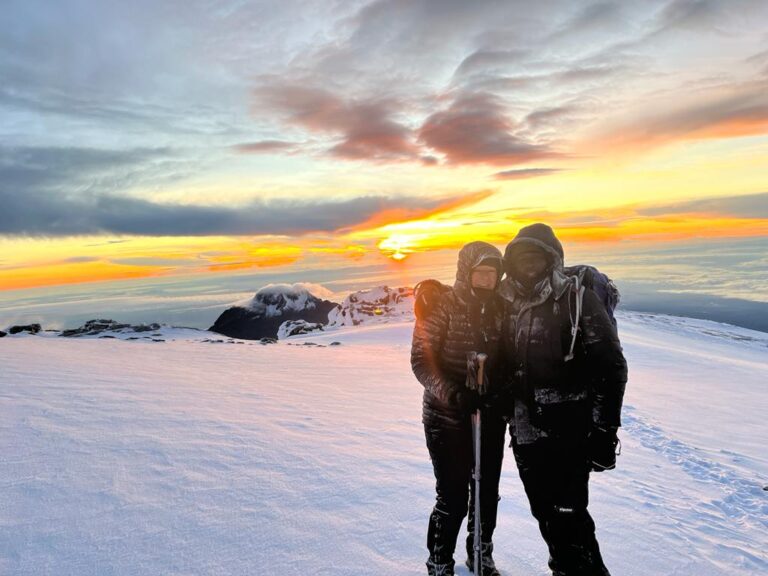
What Happens If The Kilimanjaro Trail Is Closed? 2026-2027
What Happens If the Kilimanjaro Trail Is Closed? is explained with current 2026-2027 planning, price, itinerary and booking information.
View package details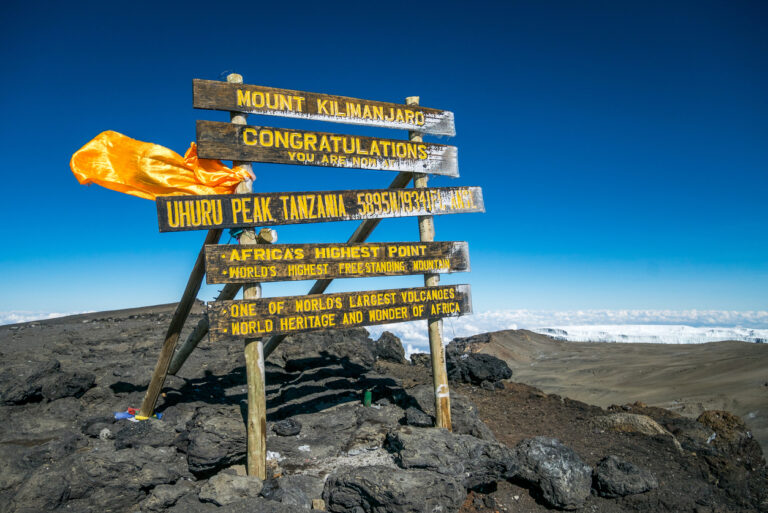
What Happens If You Miss Your Kilimanjaro Departure? Guide
If you miss your scheduled Kilimanjaro departure, your trek may be cancelled, and you could forfeit your deposit and payments. Rebooking is often possible but incurs additional costs and...
View package detailsWhat Happens If Your Hiking Boots Break On Kilimanjaro? 2026-2027
What Happens If Your Hiking Boots Break on Kilimanjaro? is explained with current 2026-2027 planning, price, itinerary and booking information.
View package details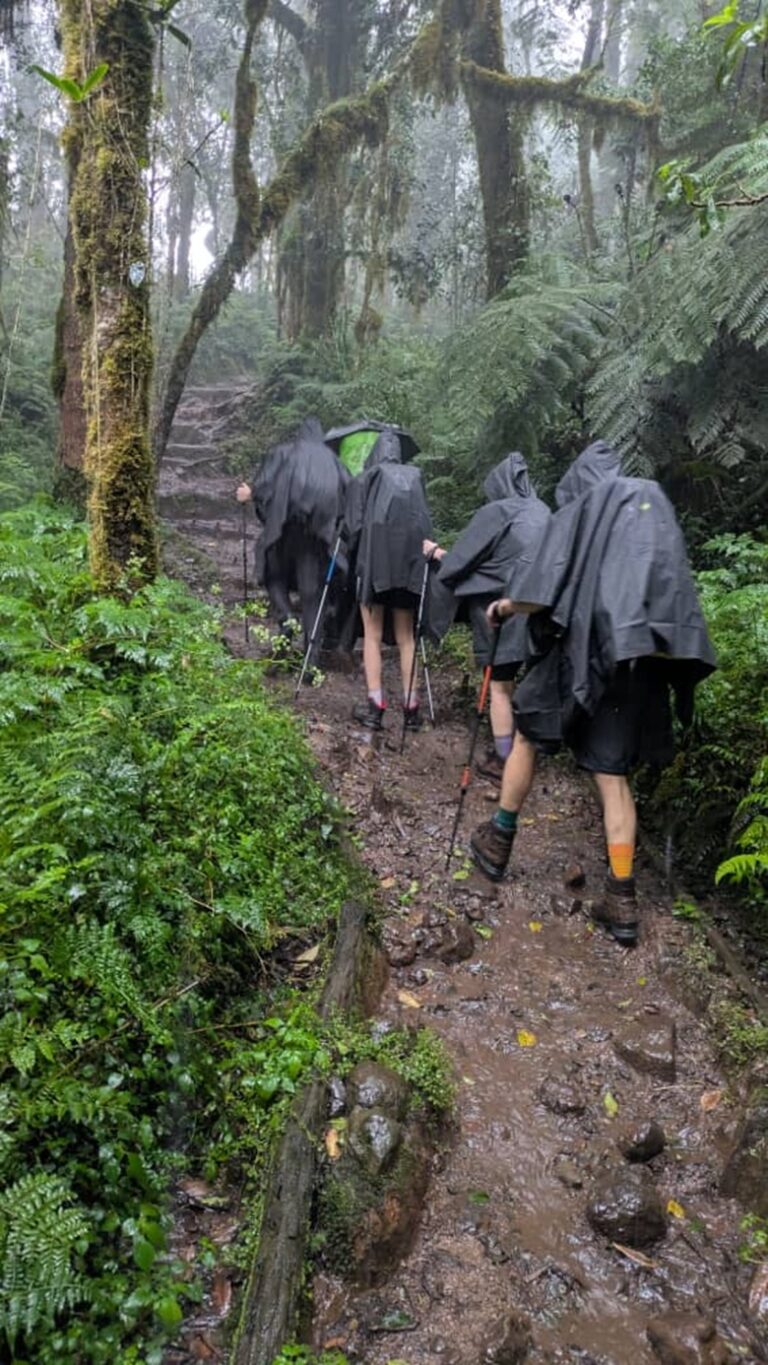
What Happens If You Get Food Poisoning Before Kilimanjaro? 2026-2027
Falling ill with food poisoning just before your Kilimanjaro climb is a serious concern. This guide details what happens, how to prevent it, and crucial steps if you become sick, ensuring...
View package details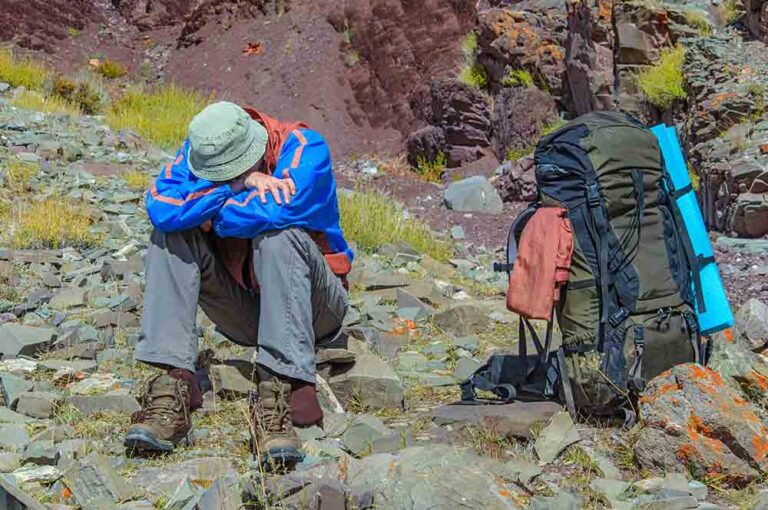
What Happens If It Rains Throughout Your Kilimanjaro Climb? 2026-2027
What Happens If It Rains throughout Your Kilimanjaro Climb? is explained with current 2026-2027 planning, price, itinerary and booking information.
View package details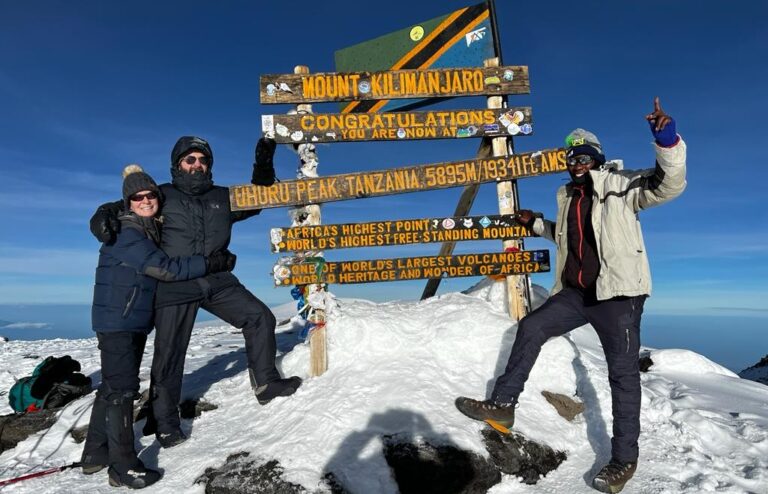
What Happens If Your Kilimanjaro Luggage Is Lost? 2026-2027
What Happens If Your Kilimanjaro Luggage Is Lost? is explained with current 2026-2027 planning, price, itinerary and booking information.
View package details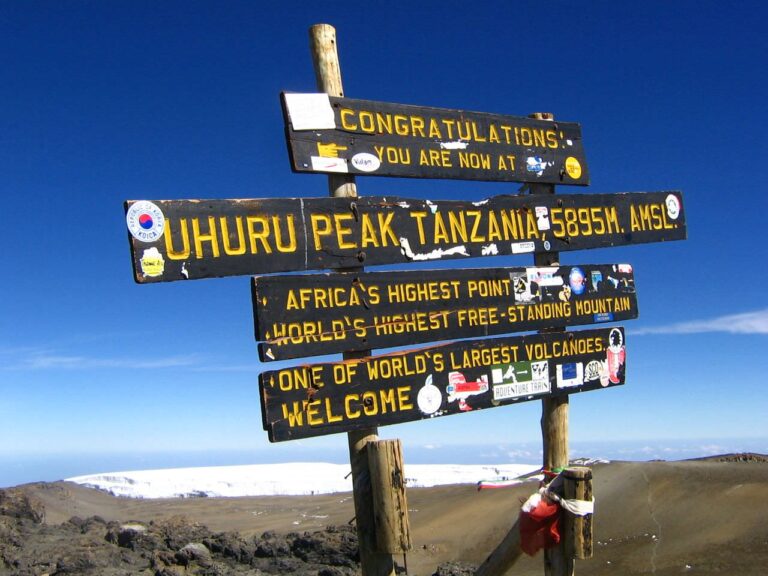
What Does Kilimanjaro Rainforest Look Like? A Trekkers Visual Guide 2026-2027
The Kilimanjaro rainforest is a vibrant, humid zone of dense vegetation, towering trees, and diverse plant life found on the mountain's lower slopes. It's the first major ecosystem trekkers...
View package details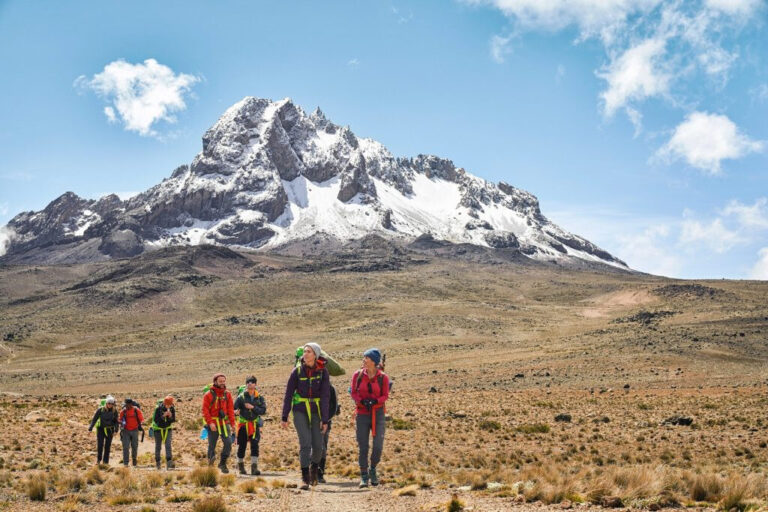
What Animals Live On Mount Kilimanjaro? 2026-2027
What Animals Live on Mount Kilimanjaro? is explained with current 2026-2027 planning, price, itinerary and booking information.
View package details
What Does The View From Uhuru Peak Look Like? Your Ultimate Kilimanjaro
The view from Uhuru Peak, Kilimanjaro's highest point, is a surreal panorama of stark volcanic rock, glacial ice, and an endless sea of clouds stretching below. At dawn, it offers a...
View package details
What Is School Hut Like On Kilimanjaro? 2026-2027
What Is School Hut Like on Kilimanjaro? is explained with current 2026-2027 planning, price, itinerary and booking information.
View package details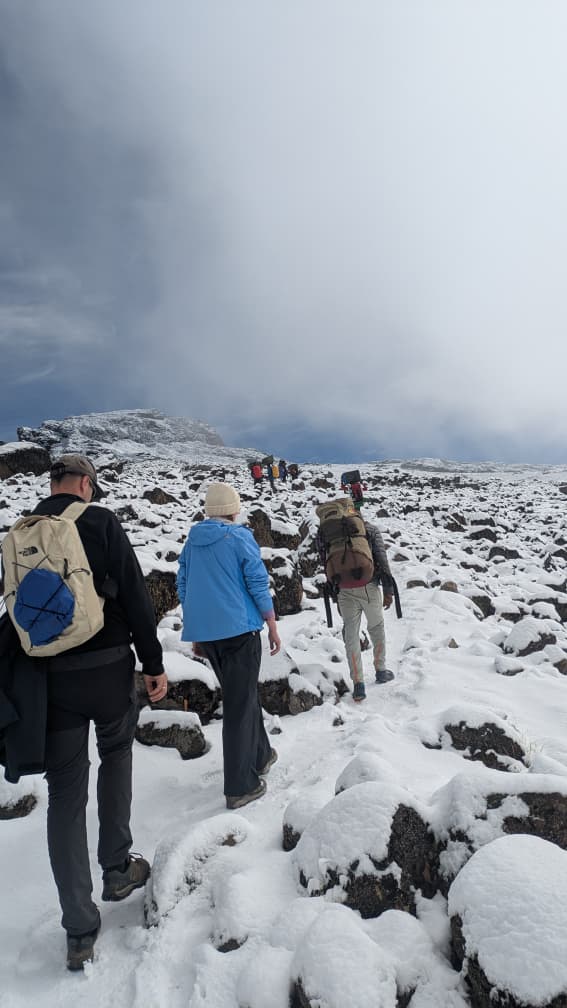
What Is Barafu Camp Like Before Summit Night On Kilimanjaro? 2026-2027
Barafu Camp is the high-altitude staging post on Kilimanjaro, situated just below the summit cone. It's a critical point where climbers rest and prepare for the final ascent to Uhuru Peak...
View package details
What Is It Like To Cross The Shira Plateau On Kilimanjaro? 2026-2027
Crossing the Shira Plateau on Kilimanjaro presents a unique high-altitude experience characterized by open, exposed terrain, dramatic vistas, and significant acclimatization challenges...
View package detailsNo related package matches those filters. Clear one or more filters to see the other topic-matched options.



