
If you miss your scheduled Kilimanjaro departure, your trek is typically considered cancelled, and you will likely forfeit any payments made, including your deposit. However, most reputable tour operators, like Top Guide Adventures, understand that unforeseen circumstances can arise. They often allow for rebooking, though this will involve additional costs for new permits, park fees, guide and porter arrangements, and potentially new flights. The ability to rebook and the associated costs depend heavily on how far in advance you notify the operator and the specific terms and conditions of your booking. Prompt communication is essential to explore your options for a rescheduled climb in 2026 or 2027.
Understanding the Impact of a Missed Kilimanjaro Departure
The dream of standing on the Roof of Africa is a powerful motivator, and planning a Kilimanjaro climb is a significant undertaking. This often involves months of preparation, booking flights, arranging visas, and committing financially. But what happens when, despite best intentions, you can’t make your scheduled departure? Missing your Kilimanjaro departure date can feel like a disaster, but understanding the implications and potential solutions is key to salvaging your adventure, especially as you plan for 2026 and 2027 expeditions.
A missed departure means you won’t be present for the start of your organized trek. For tour operators, this has several immediate consequences. Permits are issued for specific dates and often tied to individual climbers. Park fees are paid in advance. Guides and support crews are booked and scheduled. When a climber doesn’t show up, these resources might be lost or need to be reallocated, leading to significant financial and logistical challenges for the operator. Consequently, the default position is often that the booking is forfeited.
However, the travel industry, particularly for iconic destinations like Kilimanjaro, often builds in some flexibility, especially when dealing with established companies that value customer relationships. The crucial factor is communication. The sooner you inform your tour operator, the more options you are likely to have. Let’s explore the typical scenarios and what you can expect if you find yourself in this unfortunate situation.
Immediate Consequences: What Happens When You’re Not There
When your scheduled departure date for Kilimanjaro arrives and you are not at the designated meeting point, the immediate impact is straightforward from the tour operator’s perspective:
- Trek Cancellation: Your booked trek is automatically considered a no-show and therefore cancelled.
- Forfeiture of Payments: Most tour operators have terms and conditions that state payments are non-refundable in case of a no-show. This means your initial deposit and any subsequent payments made towards the trek, including flights booked by the operator, permits, and park fees, are typically lost.
- Permit Invalidation: Kilimanjaro National Park permits are issued for specific dates and often for specific routes. If you don’t use your permit on the designated day, it becomes invalid. Reapplying for a permit means going through the entire process again, including paying the full fee.
- Guide and Porter Reassignment: Your assigned mountain crew—guides, cooks, and porters—are booked for your specific climb. If you don’t show up, they might be sent home, or the operator might try to reassign them to another group if possible, but this is not guaranteed and incurs costs.
- Logistical Disruption: The operator’s schedule is disrupted. They may have to adjust the timing for other groups or incur costs for unused services.
The financial implications for the climber can be substantial. A Kilimanjaro trek isn’t a small investment. Prices can range from $2,000 to $5,000+ per person for a standard package, not including flights. Missing your departure without prior arrangement means potentially losing this entire amount.
Communication is Key: Informing Your Tour Operator
The single most important action you can take if you anticipate missing your departure is to contact your tour operator immediately. Do not wait until the departure day. The earlier you communicate, the better your chances of finding a workable solution.
When you contact Top Guide Adventures, for example, we will want to understand the reason for your absence. While the specific circumstances matter, our priority is to help you reschedule your climb if at all possible. Here’s why prompt communication is vital:
- Mitigating Losses: If the operator knows in advance, they might be able to make alternative arrangements for your spot, potentially reducing some of their losses and, in turn, possibly reducing the cost of your rescheduling.
- Permit and Fee Management: In some rare cases, if significant notice is given, a portion of park fees or permits might be transferable, although this is uncommon and depends on park regulations.
- Logistical Adjustments: Knowing you won’t be there allows the operator to adjust their staffing and resource allocation, minimizing disruption and potential extra costs.
- Exploring Options: Open communication allows us to discuss your options, such as rescheduling for a later date in the same season, moving to the next season, or even transferring your booking to another person if permitted by the operator and park rules.
For any inquiries or to discuss your situation, you can reach Top Guide Adventures via WhatsApp at +255616946642 or by emailing topguideadventures@gmail.com.
Options When You Miss Your Kilimanjaro Departure
Assuming you’ve communicated with your tour operator, what are the realistic options available? The most common outcome is the possibility of rescheduling your climb. This is rarely a simple transfer; it usually involves new costs.
1. Rescheduling Your Climb
This is the most frequent solution offered by tour operators who want to retain your business and help you achieve your goal. However, rescheduling typically involves:
- New Permit and Park Fees: You will almost certainly need to purchase new park entry fees and climbing permits. These are non-transferable and date-specific. For 2026 and 2027, these fees are subject to change by the Tanzania National Parks Authority (TANAPA).
- New Guide and Porter Fees: The mountain crew will need to be rebooked for your new dates. While some crew members might be available, their salaries and operational costs for the new dates will apply.
- Revised Itinerary Costs: If you are rescheduling for a significantly different time of year, the route you choose might have different pricing. For instance, climbing during peak seasons (January-March, June-October) might be more expensive than shoulder seasons.
- Flight Change Fees: If your original flights were booked through the operator or if you need to change independent bookings, airlines will charge change fees, and potentially fare differences.
- Operator’s Administrative Fee: Some operators may charge a small administrative fee for processing the rescheduling and making the necessary adjustments.
Example Scenario for 2026/2027: Imagine you booked a 7-day Machame Route climb for November 2026, costing $2,500. You miss your departure. If you want to reschedule for March 2027, you might need to pay for new permits (approx. $70-$100 per day), new park fees (approx. $60 per day), guide/porter fees (approx. $200-$300 total), and potentially a difference in route pricing if applicable. Add to this any flight change fees. The total cost could easily add up to another 50-70% of the original trek cost.
2. Transferring Your Booking to Another Person
In some situations, if you have a friend or family member willing to take your place, you might be able to transfer your booking. This is subject to several conditions:
- Operator Approval: The tour operator must agree to the transfer.
- Name Changes: Permits and park entries are usually non-transferable by name. This means the new person might still need to pay for a new permit and park fees, even if you forfeit your original ones.
- Administrative Fees: The operator will likely charge an administrative fee for processing the name change and rebooking.
- Timing: This option is only feasible if there is enough time before the departure date for the operator to process the transfer and for the new person to make their travel arrangements.
This option is less common for Kilimanjaro climbs due to the stringent permit and entry requirements, but it’s worth discussing with your operator.
3. Postponing to a Later Date (within the same booking)
If you notify the operator well in advance, and the reason is justifiable (e.g., sudden illness, family emergency), some operators might allow you to postpone your climb to a later date within the same season or the next season without incurring the full cost of a new booking. However, this is rare and usually only applies if the operator can fill your original spot without incurring significant losses. You would likely still be responsible for any difference in costs (e.g., if the new date falls into a higher-priced season) and potentially for updated permit/fee costs if regulations change by 2026 or 2027.
4. Accepting the Loss
In the most unfortunate scenarios, or if you have missed your departure without any prior notice, the only option might be to accept the loss of your deposit and payments. This is particularly true if the tour operator’s terms and conditions are strict and there’s no flexibility offered.
This highlights the critical importance of understanding your tour operator’s cancellation and rescheduling policy before you book your trek for 2026 or 2027.
Factors Influencing Your Options
Several factors will determine what happens if you miss your Kilimanjaro departure and what options are available:
- Your Tour Operator’s Policy: This is paramount. Reputable companies like Top Guide Adventures have clear terms and conditions regarding cancellations, postponements, and missed departures. Always read these carefully.
- Timing of Notification: As stressed before, the earlier you inform your operator, the better. Last-minute notifications leave the operator with fewer options to mitigate losses.
- Reason for Missing Departure: While not always a deciding factor for financial recovery, a genuine emergency (severe illness, accident, family bereavement) might encourage more flexibility from an operator than a simple change of mind. Travel insurance is crucial here.
- Type of Booking: Whether you booked a private climb or a group departure can sometimes influence options, though less so for missed departures than for cancellations. Group departures have fixed schedules.
- Stage of Payment: If you only paid a deposit, you might lose that amount. If you paid in full, the potential loss is greater, making communication and rescheduling even more vital.
- Park Regulations: Kilimanjaro National Park rules are set by TANAPA and are generally strict regarding permits and fees. These regulations can also change, impacting future bookings for 2026 and 2027.
The Role of Travel Insurance
This situation underscores why comprehensive travel insurance is not just recommended but essential for any Kilimanjaro climb. Your travel insurance policy might cover costs associated with missing your departure under specific circumstances.
Look for policies that include:
- Trip Cancellation/Interruption: This can cover non-refundable expenses if you are forced to cancel or interrupt your trip due to unforeseen covered reasons (e.g., severe illness, accident, jury duty, family emergencies).
- Missed Departure Coverage: Some policies specifically cover costs incurred if you miss your scheduled departure due to a covered reason, such as a travel delay caused by the airline.
- Medical Emergencies: Coverage for medical treatment and emergency evacuation is critical, especially at high altitudes.
Always check the policy wording carefully to understand what is covered, the coverage limits, and the required documentation (e.g., doctor’s notes, official reports) for claims. If you miss your departure due to a reason covered by your insurance, you can file a claim to recover some or all of your lost costs.
Planning Ahead: Preventing Missed Departures
The best approach to a missed Kilimanjaro departure is to prevent it from happening in the first place. Careful planning and realistic expectations are key, especially when booking for future years like 2026 and 2027.
1. Confirm Your Availability
Before booking, ensure you are absolutely certain about your availability. Double-check work schedules, family commitments, and any other potential conflicts. For important trips like Kilimanjaro, it’s wise to build in a buffer of a few days before and after your planned trek dates.
2. Understand Visa Requirements
Ensure you apply for and obtain your Tanzanian visa well in advance. Visa processing times can vary, and a delay or rejection could mean missing your departure. Check the latest requirements for your nationality for 2026-2027 travel.
3. Book Flexible Flights (If Possible)
If you book your own flights, consider airlines that offer more flexible change policies, although these often come at a higher price. If your tour operator books flights, clarify their change and cancellation policies upfront.
4. Factor in Travel Time
Allow ample time to travel to Tanzania and reach the starting point (usually Moshi or Arusha) before your official trek departure date. Delays in international travel are common and can easily cause you to miss your group’s assembly.
5. Stay Informed About Health and Safety
Be aware of any health advisories or requirements for entry into Tanzania. Sudden outbreaks or travel restrictions could impact your plans.
6. Choose a Reputable Operator
Selecting a trusted and experienced tour operator like Top Guide Adventures significantly increases your chances of finding a helpful and understanding partner if unforeseen issues arise. We prioritize client satisfaction and work to find solutions when possible.
Top Guide Adventures and Missed Departures
At Top Guide Adventures, we understand that life is unpredictable. While we must adhere to park regulations and operational realities, our goal is to provide support and find the best possible solutions for our clients, even in challenging situations like missing a Kilimanjaro departure.
Our standard approach is:
- Open Communication: We encourage clients to contact us as soon as they foresee any potential issues. Early dialogue is key.
- Assessment of Situation: We will review your booking and the specifics of why you might miss your departure.
- Exploring Rescheduling: We will do our utmost to help you reschedule your climb for a future date, whether it’s later in the same season or for a subsequent year like 2026 or 2027. Please note that rescheduling will involve new costs for permits, park fees, and operational arrangements, as these are fixed by TANAPA and subject to change.
- Transparency on Costs: We will be upfront about any additional costs involved in rescheduling. Our aim is to make the process as fair and transparent as possible.
- Referral to Insurance: We will advise you to check your travel insurance policy to see if you can claim back any non-refundable costs.
We aim to make your Kilimanjaro dream a reality, even if it requires adjusting your original plans. Our team is dedicated to providing personal attention and support throughout your journey.
Cost Implications of Rescheduling for 2026/2027
Rescheduling a Kilimanjaro climb is almost always more expensive than the original booking. The primary drivers of these increased costs are:
1. New Permits and Park Fees:
- Park Fees: These are daily fees charged by TANAPA for entering Kilimanjaro National Park. They are non-refundable and non-transferable once a date is set. For 2026 and 2027, these fees are subject to revision by the park authorities. Current estimates suggest park fees can range from $60-$70 per day.
- Climbing Permits: These are permits to actually ascend the mountain, also issued by TANAPA. They are also date-specific and non-refundable. These can cost around $70-$100 per day of the climb.
- Campsite/Hut Fees: Depending on the route and type of accommodation, daily fees for campsites or huts are also applicable and will need to be repurchased.
2. Operational Costs:
- Guide and Porter Wages: Your mountain crew is booked for specific dates. If you miss your departure, they may have already been paid or are expecting to be paid for those dates. Rebooking them for new dates may incur additional wage costs, especially if they have to be called back from rest periods or if new crew members need to be hired.
- Food and Equipment: Perishable food items might have been purchased. Equipment may need to be re-serviced or re-allocated.
- Logistics: Transportation to the gate, accommodation before and after the climb, and other logistical arrangements might need to be rebooked, potentially incurring cancellation fees or new booking costs.
3. Operator’s Administrative Effort:
- Rescheduling involves significant administrative work for the tour operator – reconfirming permits, rebooking staff, adjusting schedules, and communicating with various parties. Some operators may charge a nominal administrative fee for this service.
4. Flight Changes:
- If your international flights were booked by the operator, or if you need to change your own flights, expect airline change fees and potential fare differences. These can range from $100 to $500+ depending on the airline and fare rules.
Estimated Rescheduling Costs: For a typical 7-day climb, rescheduling might add anywhere from 30% to 70% of the original trek cost. For example, if an original climb cost $2,500, rescheduling could add an additional $750 to $1,750.
It is crucial to review the specific terms and conditions of your chosen operator for 2026 or 2027 regarding rescheduling fees and policies.
Comparing Options: When is Rescheduling Worth It?
Deciding whether to reschedule after missing your departure involves weighing the costs against the value you place on achieving your Kilimanjaro goal. Consider these points:
- Financial Viability: Can you afford the additional costs associated with rescheduling? If the cost is prohibitive, accepting the loss might be the only option.
- Time and Preparation: Kilimanjaro requires physical preparation. If you’ve already invested significant time and effort into training, rescheduling might be worthwhile to capitalize on that preparation.
- Personal Significance: For many, climbing Kilimanjaro is a bucket-list item, a personal challenge, or a significant milestone. The emotional and psychological value of achieving this goal might outweigh the extra expense.
- Future Availability: When can you realistically undertake the climb again? Do you have the time and opportunity to plan another trip in the near future (e.g., 2026 or 2027)?
- Alternative Adventures: If rescheduling is too costly or impractical, perhaps consider a different, more accessible adventure in the meantime, saving Kilimanjaro for when circumstances are more favourable.
What If Your Operator Goes Out of Business?
This is a less common but significant risk. If your tour operator ceases operations before your climb, your booking could be in jeopardy. This is another reason why choosing a well-established and reputable company is vital.
- Check Financial Stability: Research the company’s history and reputation. Look for reviews on independent platforms like TripAdvisor.
- Travel Insurance: Ensure your travel insurance policy offers coverage for the insolvency or financial failure of your tour operator. This is often included in comprehensive policies.
- ATOL/ABTA Protection (UK/EU): If you booked through a UK or EU-based operator, check if your booking is protected by schemes like ATOL (for flight-inclusive packages) or ABTA. These provide financial protection if the operator fails.
- Contact Other Operators: If your operator fails, you may need to contact other companies to see if they can accommodate you, likely at an additional cost.
For international clients booking with Tanzanian companies like Top Guide Adventures, ATOL/ABTA protection is not typically applicable. Therefore, travel insurance and choosing a financially sound operator are your primary safeguards.
Missed Departure vs. Cancellation: Key Differences
It’s important to distinguish between missing a departure and cancelling a trip:
- Missed Departure: Occurs when a client fails to show up for the scheduled start of the trek without prior notification or arrangement. This is usually treated as a no-show, leading to forfeiture of payments.
- Cancellation: Occurs when a client formally informs the operator they can no longer go on the trek. Cancellation policies usually outline tiered penalties based on how far in advance the cancellation is made. Earlier cancellations typically incur lower penalties or allow for a partial refund, whereas late cancellations (close to the departure date) often result in the loss of most or all payments, similar to a missed departure.
The key difference is proactive communication. Cancelling means you informed the operator; missing a departure means you didn’t. The former usually offers more potential for negotiation or adherence to a defined policy, while the latter often results in an automatic forfeiture.
Final Thoughts for 2026-2027 Climbers
Planning a Kilimanjaro climb is an exciting prospect, and meticulous preparation is key to a successful and stress-free experience. If you are planning your ascent for 2026 or 2027, remember that unforeseen events can happen.
The most critical advice regarding a missed Kilimanjaro departure is: Communicate early and often with your tour operator.
At Top Guide Adventures, we are committed to helping you achieve your mountain goals. While we must operate within the framework of park regulations and operational logistics, we strive to be flexible and supportive. If you find yourself unable to make your scheduled departure, please reach out to us immediately.
Contact us:
- WhatsApp: +255616946642
- Email: topguideadventures@gmail.com
- Backup Email: info@topguideadventures.com
By understanding the potential consequences and the importance of proactive communication, you can better navigate any challenges that may arise, ensuring your Kilimanjaro dream remains within reach for 2026 or 2027.
Check Availability for What Happens If You Miss Your Kilimanjaro Departure? Guide
Ready to compare dates, prices, and the best option for your group? Send the package name and travel month so the team can reply with a clear quote, availability, and what is included.
What Happens If The Kilimanjaro Trail Is Closed? 2026-2027
What Happens If the Kilimanjaro Trail Is Closed? is explained with current 2026-2027 planning, price, itinerary and booking information.
View package details
What Happens If Your Hiking Boots Break On Kilimanjaro? 2026-2027
What Happens If Your Hiking Boots Break on Kilimanjaro? is explained with current 2026-2027 planning, price, itinerary and booking information.
View package details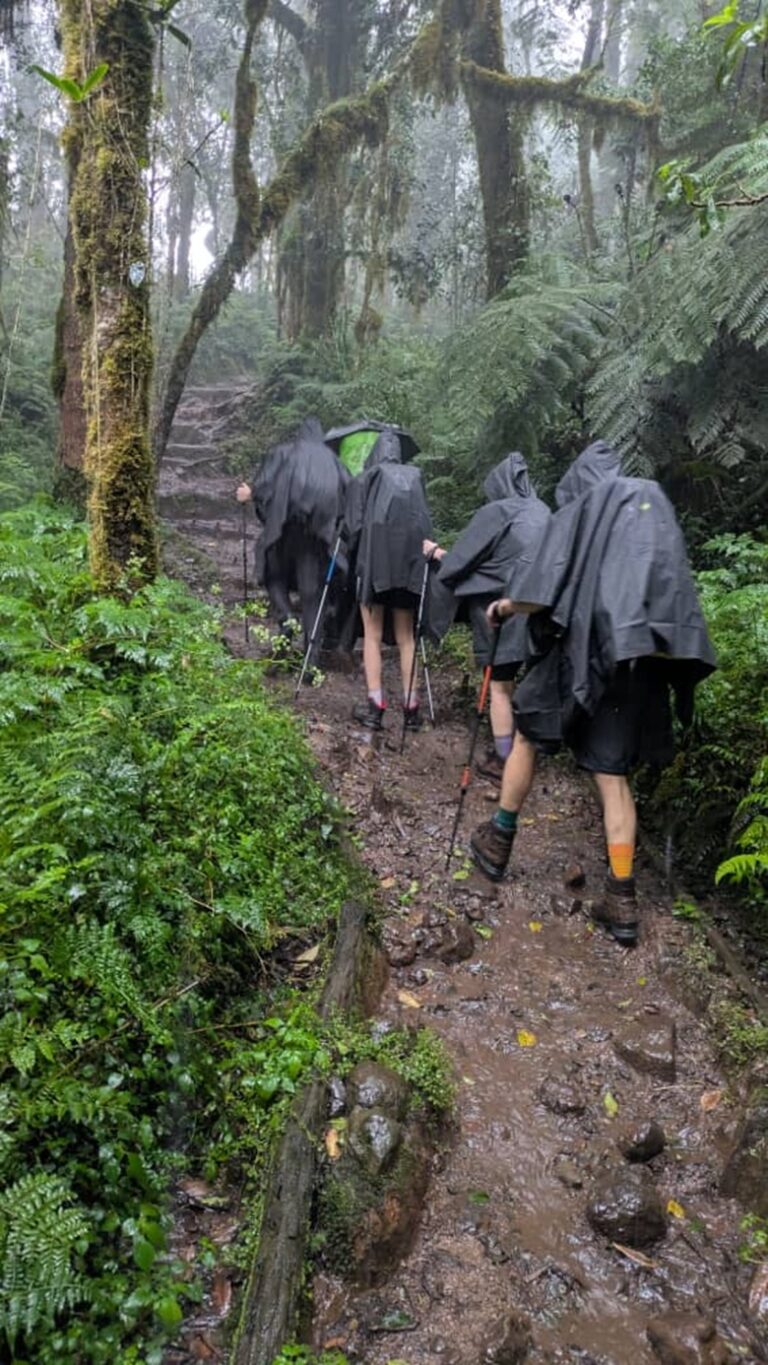
What Happens If You Get Food Poisoning Before Kilimanjaro? 2026-2027
Falling ill with food poisoning just before your Kilimanjaro climb is a serious concern. This guide details what happens, how to prevent it, and crucial steps if you become sick, ensuring...
View package details
What Happens If It Rains Throughout Your Kilimanjaro Climb? 2026-2027
What Happens If It Rains throughout Your Kilimanjaro Climb? is explained with current 2026-2027 planning, price, itinerary and booking information.
View package details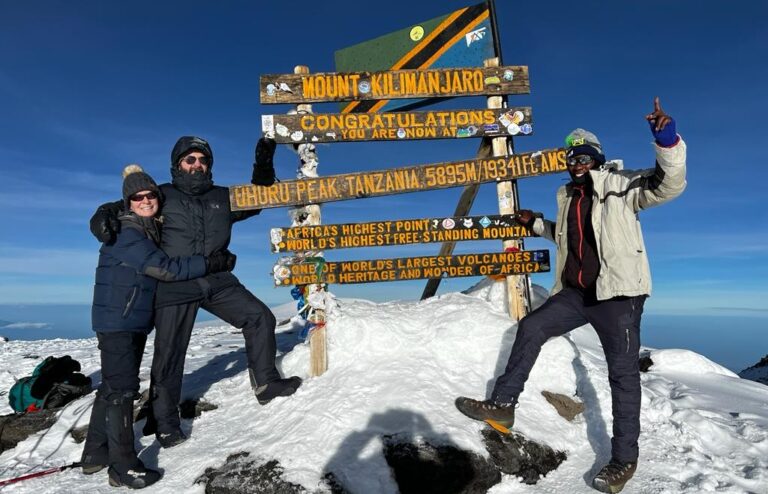
What Happens If Your Kilimanjaro Luggage Is Lost? 2026-2027
What Happens If Your Kilimanjaro Luggage Is Lost? is explained with current 2026-2027 planning, price, itinerary and booking information.
View package details
What Happens If You Cannot Sleep On Kilimanjaro? Expert Advice For Trekkers
Difficulty sleeping on Kilimanjaro is common due to altitude and exertion. This guide explains the physiological reasons, potential impacts, and practical strategies to manage sleep issues...
View package details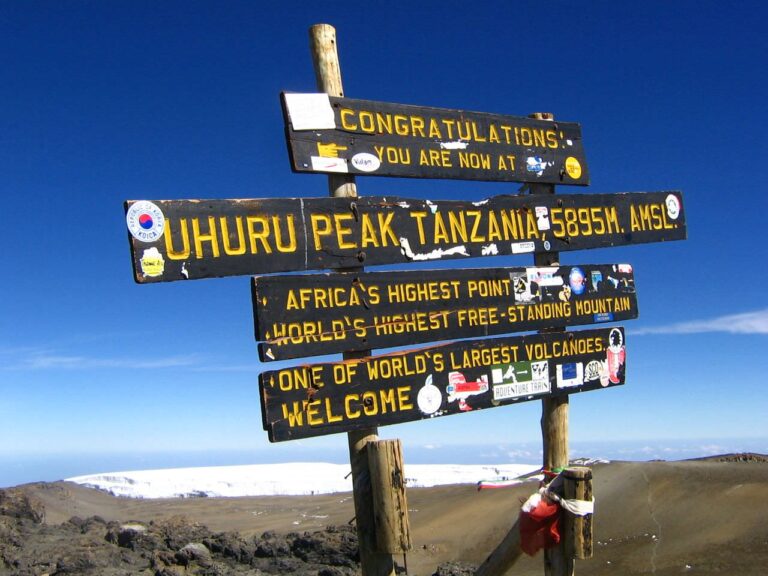
What Does Kilimanjaro Rainforest Look Like? A Trekkers Visual Guide 2026-2027
The Kilimanjaro rainforest is a vibrant, humid zone of dense vegetation, towering trees, and diverse plant life found on the mountain's lower slopes. It's the first major ecosystem trekkers...
View package details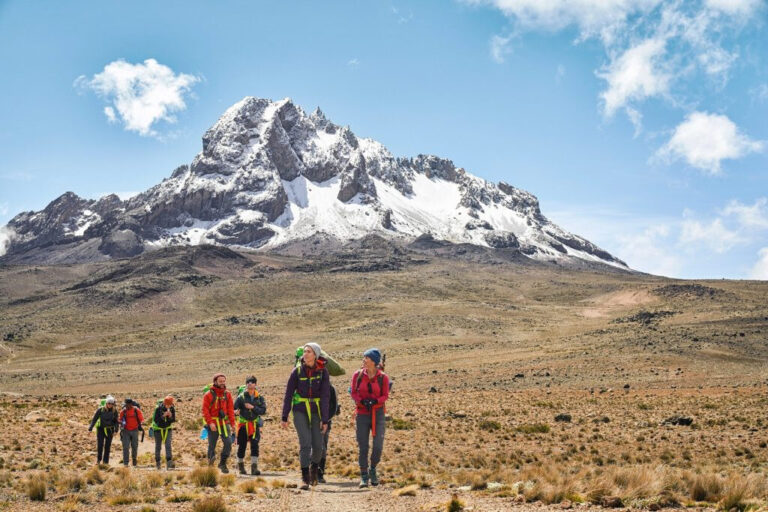
What Animals Live On Mount Kilimanjaro? 2026-2027
What Animals Live on Mount Kilimanjaro? is explained with current 2026-2027 planning, price, itinerary and booking information.
View package details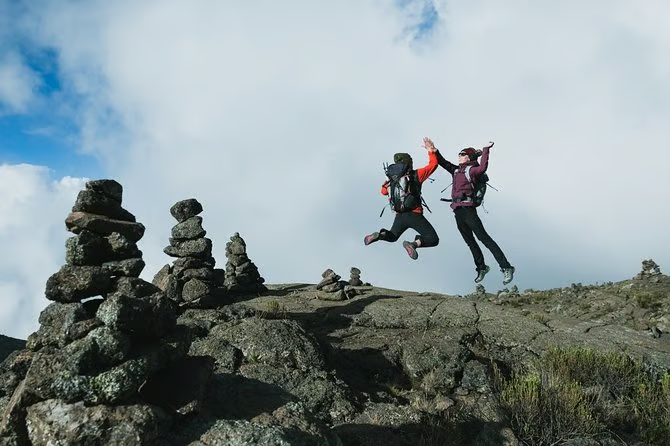
What Does The View From Uhuru Peak Look Like? Your Ultimate Kilimanjaro
The view from Uhuru Peak, Kilimanjaro's highest point, is a surreal panorama of stark volcanic rock, glacial ice, and an endless sea of clouds stretching below. At dawn, it offers a...
View package detailsWhat Is School Hut Like On Kilimanjaro? 2026-2027
What Is School Hut Like on Kilimanjaro? is explained with current 2026-2027 planning, price, itinerary and booking information.
View package details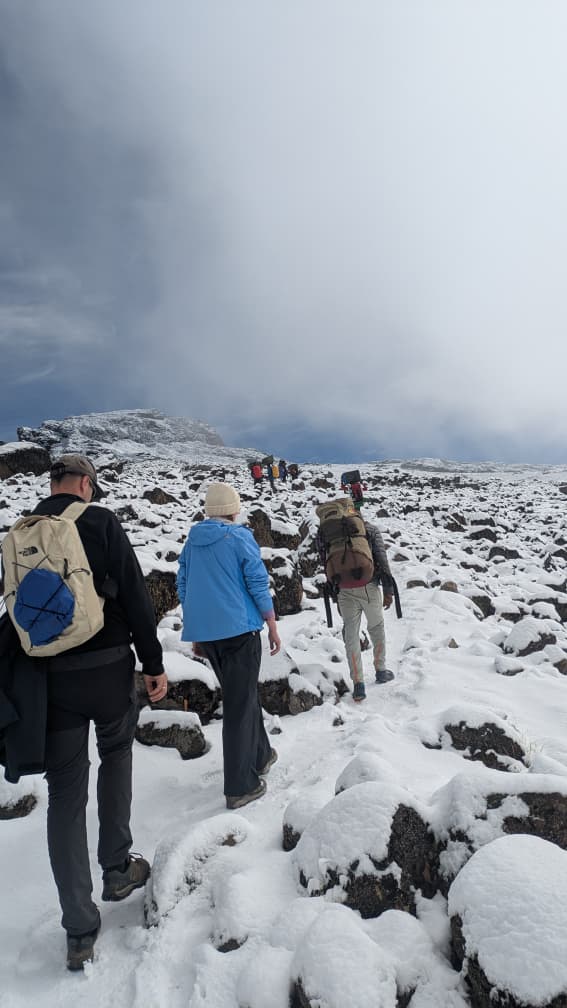
What Is Barafu Camp Like Before Summit Night On Kilimanjaro? 2026-2027
Barafu Camp is the high-altitude staging post on Kilimanjaro, situated just below the summit cone. It's a critical point where climbers rest and prepare for the final ascent to Uhuru Peak...
View package details
What Is It Like To Cross The Shira Plateau On Kilimanjaro? 2026-2027
Crossing the Shira Plateau on Kilimanjaro presents a unique high-altitude experience characterized by open, exposed terrain, dramatic vistas, and significant acclimatization challenges...
View package detailsNo related package matches those filters. Clear one or more filters to see the other topic-matched options.



