
If your hiking boots break on Kilimanjaro, your guide will assess the damage and implement immediate solutions. This typically involves providing temporary repairs using duct tape, spare laces, or other available materials. If the damage is severe, your guide will help arrange for a replacement pair to be brought up to you from base camp or a nearby town, or in extreme cases, discuss alternative trekking options. Top Guide Adventures prioritizes your safety and comfort, ensuring such issues are handled efficiently so your climb can continue.

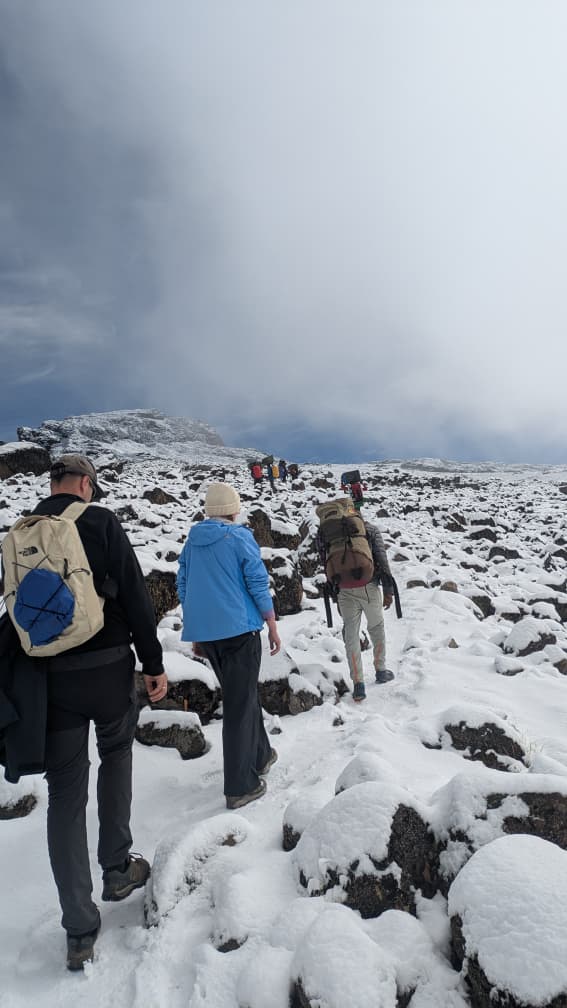

Understanding the Risks: Hiking Boot Failure on Kilimanjaro
Climbing Kilimanjaro is an extraordinary adventure, a journey that tests both physical and mental endurance. While many trekkers focus on physical training and acclimatization, the importance of reliable gear, especially hiking boots, cannot be overstated. A sudden boot failure on the slopes of Africa’s highest peak can range from a minor inconvenience to a significant safety concern. Understanding what happens if your hiking boots break on Kilimanjaro is crucial for any aspiring climber planning their expedition for 2026 or 2027.
The rugged terrain, varying weather conditions, and sheer altitude involved in a Kilimanjaro climb place immense stress on footwear. From the dusty trails of the lower slopes to the rocky scree fields and icy summit approach, your boots are your primary connection to the mountain. A compromised boot can lead to blisters, sprains, falls, and discomfort that can derail your entire trek. At Top Guide Adventures, we equip our clients with comprehensive pre-climb information, including detailed gear lists, and our guides are trained to handle common equipment issues encountered during the trek.
This article will explore the potential scenarios of boot failure, the immediate responses from your trekking crew, the importance of choosing the right footwear, and how Top Guide Adventures supports its clients to mitigate and manage such challenges. We aim to provide a clear, practical guide so you can climb with confidence, knowing you’re prepared for most eventualities.
The Anatomy of a Kilimanjaro Trek: Why Boots Matter So Much
Before diving into what happens when boots fail, it’s essential to appreciate why robust footwear is non-negotiable for a Kilimanjaro ascent. The mountain presents a diverse range of environments:
- Mawenzi Forest/Rainforest Zone: Often muddy and slippery, requiring good grip and waterproofing.
- Heath and Moorland Zone: Characterized by rolling hills, tussock grass, and sometimes boggy sections.
- Alpine Desert Zone: Vast, rocky, and exposed, with loose scree and gravel.
- Arctic Zone: The summit region, featuring volcanic scree, ice, and snow, especially on summit night.
Each zone demands different characteristics from your boots: waterproofness, breathability, ankle support, cushioning, and durable outsoles. A single pair of boots must perform adequately across all these conditions for multiple days, often in wet and cold environments. This sustained, multi-environmental demand is why boot failure is a genuine concern.
The average Kilimanjaro trek lasts between 5 to 9 days. During this time, a climber might walk 6-12 hours per day. This translates to hundreds of thousands of steps, each one potentially jarring your feet and testing the integrity of your boots. Factors contributing to boot failure include:
- Wear and Tear: Old boots or boots that haven’t been properly broken in are more susceptible to sole separation, seam splits, or material degradation.
- Material Fatigue: Even new boots can suffer from manufacturing defects or premature wear, especially if subjected to extreme conditions.
- Water Damage: Constant exposure to rain, snow, or crossing streams can compromise waterproof membranes and adhesives over time.
- Impact and Stress: Rough terrain, especially descending scree, can put significant stress on boot construction.
- Improper Fit: Boots that are too tight or too loose can cause friction leading to blisters, but also put uneven stress on the boot structure.
Immediate Response: What Your Guide Will Do First
The moment a problem with your hiking boots becomes apparent, your lead guide will be your first point of contact and the primary responder. Their training and experience are invaluable in these situations. Here’s a typical sequence of actions:
1. Assessment of the Damage
The guide will first carefully examine the boot issue. Is it a minor tear in the upper? Has the sole started to detach? Are the laces broken? Is it a blister caused by the boot, rather than the boot itself failing? The severity and location of the problem dictate the next steps. A minor issue might be fixable on the spot, while a major structural failure requires a more significant intervention.
2. On-the-Spot Repairs (The Duct Tape Solution and Beyond)
Guides on Kilimanjaro are resourceful. They carry a basic repair kit, and the ubiquitous duct tape is often the first line of defense. A strategically applied strip of duct tape can secure a peeling sole, patch a small tear in the fabric, or reinforce a weakened seam, allowing you to continue walking for at least a few more hours or even days. Other common repair items include:
- Spare Laces: Essential for any trek, a broken lace can be easily replaced.
- Small Multi-tool: Useful for minor adjustments or cutting tape.
- Needle and Strong Thread: For stitching minor tears in fabric if possible.
If the issue is a blister developing due to a boot problem (e.g., a seam rubbing), the guide will have medical supplies to treat the blister, such as moleskin or specialized bandages. Addressing the cause (the boot) and the symptom (the blister) is key.
3. Evaluating the Impact on Your Trek
The guide will consider how the boot damage affects your ability to walk safely and comfortably. If the problem is minor and a temporary fix holds, you might be able to continue with increased vigilance. However, if the boot is compromised to the point where it risks further injury (e.g., ankle roll due to a detached sole) or significant pain, the guide will need to explore more substantial solutions.
4. Communication with Base Camp/Support Team
Your lead guide will communicate the situation to your main point of contact at Top Guide Adventures, either in Moshi or through our mobile support team. This allows us to coordinate the best possible solution, which might involve sending replacement gear.
When Temporary Fixes Aren’t Enough: Replacement Strategies
If the damage to your hiking boots is too severe for a temporary repair, or if the repair fails, the next logical step is to get you a replacement pair. This is where the robust support system of a reputable tour operator like Top Guide Adventures becomes critical.
The Role of the Support Crew
Top Guide Adventures maintains a well-organized support system. Our operations team in Moshi (the town at the base of Kilimanjaro) is equipped to respond quickly. If you are on a standard route like Machame or Marangu, and the issue arises within the first day or two, it’s often feasible to:
- Send a Porter/Support Staff: A dedicated staff member can be dispatched from Moshi or a lower camp (if accessible) carrying a pre-arranged spare pair of boots. This delivery can take several hours, depending on the camp’s altitude and location.
- Utilize Pre-Arranged Spares: For clients who have requested it, or as part of our premium support packages, we can sometimes pre-position spare boots at a lower camp.
What Kind of Replacement Boots?
The availability of replacement boots depends on logistics and what we have available. Ideally, we would aim to provide boots similar in quality and type to what you originally wore. However, on the mountain, practicality often dictates. Our spare boots will be:
- Well-Maintained: We ensure any spare boots are in good condition.
- Appropriate for Kilimanjaro: They will be sturdy, waterproof, and suitable for the mountain’s varied terrain.
- Sized Appropriately: Our team will do their best to match your size, but sometimes a slightly different size might be the only option available for rapid delivery.
It’s important to understand that bringing up a specific size and model of boot from Moshi to a higher camp is a logistical challenge. It requires a dedicated porter to carry them, which incurs additional costs and time. This is why we strongly advise clients to ensure their primary boots are:
- Brand New and Well Broken-In: This is the single most important preventative measure.
- High Quality: Invest in reputable brands known for durability.
- Appropriate for the Conditions: Mid-weight, waterproof, breathable hiking boots are standard.
Potential Impact on Your Itinerary and Pace
Waiting for replacement boots can cause delays. If you are on a faster itinerary, this delay might be more disruptive. Your guide will adjust the day’s schedule as much as possible to minimize disruption. If a replacement is significantly delayed, or if you are on a very tight schedule, the guide, in consultation with you and our operations team, might need to discuss alternative strategies, which could include:
- Slowing Down: If the damaged boot is still somewhat functional, you might proceed at a slower pace to reduce stress on the remaining footwear.
- Carrying Spares (Alternative Footwear): While not ideal for the main climb, having a sturdy pair of camp shoes or trail runners can be a fallback if the primary boots are unusable and replacements are unavailable. However, these are generally unsuitable for the summit push.
- Descending: In the most extreme and unavoidable circumstances, if no safe solution can be found and the risk to your health is significant, descending might be the only option. This is a rare occurrence, and our primary goal is always to find a way for you to continue.
Preventative Measures: Choosing and Preparing Your Boots
The best way to deal with hiking boot failure on Kilimanjaro is to prevent it from happening in the first place. Top Guide Adventures emphasizes the importance of proper boot selection and preparation for all our clients planning a climb in 2026 or 2027.
Key Features of Suitable Kilimanjaro Boots
When selecting boots, look for:
- Mid-weight, Waterproof Hiking Boots: Essential for protection against rain, mud, and snow. Gore-Tex or similar waterproof-breathable membranes are highly recommended.
- Ankle Support: Mid-to-high cut boots provide crucial ankle support on uneven terrain.
- Sturdy Soles with Good Traction: Vibram or similar high-traction outsoles are ideal for grip on rock, scree, and ice. Deep lugs help shed mud.
- Comfortable Fit: This is paramount. Boots should fit snugly around the heel and midfoot, with enough room in the toe box to prevent jamming on descents.
- Durability: Look for boots constructed with quality materials like full-grain leather or durable synthetic fabrics, with reinforced stitching.
The Crucial Step: Breaking In Your Boots
This cannot be stressed enough. Never wear brand-new, un-broken-in boots on Kilimanjaro. The process should start months before your trek:
- Start Small: Wear your boots around the house for a few hours.
- Short Walks: Gradually increase the duration and intensity of your walks, starting with local trails.
- Simulate Trekking Conditions: Wear them on longer hikes, including uphill and downhill sections, and in varied weather if possible.
- Use Your Trekking Socks: Always wear the same type of socks you plan to use on Kilimanjaro when breaking in your boots.
This process helps the boots mold to your feet, identifying any potential pressure points or rubbing that could lead to blisters. It also allows you to assess the boots’ overall performance and identify any weaknesses before you are thousands of meters up the mountain.
Pre-Trek Inspection
Before you even pack your bags, give your boots a thorough inspection. Check for:
- Sole Integrity: Ensure the sole is firmly attached and not showing signs of delamination.
- Seam Strength: Look for any fraying or splitting seams.
- Lace Condition: Check laces for wear and tear.
- Waterproofing: If possible, test their water resistance.
If you have any doubts about your boots’ condition, it’s better to purchase a new, well-broken-in pair than to risk failure on the mountain.
What Top Guide Adventures Provides to Mitigate Risks
As a dedicated tour operator, Top Guide Adventures takes proactive steps to minimize the chances of equipment failure and ensure client safety and comfort. Our commitment extends beyond just guiding services.
Comprehensive Gear Advice
Long before your 2026 or 2027 Kilimanjaro climb, you’ll receive detailed gear lists and advice tailored to the specific route and time of year. We recommend reputable brands and models of hiking boots and provide guidance on what to look for. We also offer:
- Pre-Trek Consultation: Our team is available via WhatsApp +255616946642 or email (info@topguideadventures.com) to answer any questions you have about gear, including boot selection and preparation.
- Rental Options: For clients who prefer not to invest in expensive boots for a single trek, we can arrange for good quality rental boots in Moshi. While not as personalized as your own broken-in pair, they are a viable option when managed correctly.
Experienced and Resourceful Guides
Our guides are the backbone of our operation. They are:
- Highly Trained: Certified in wilderness first aid and experienced in mountain rescue techniques.
- Resourceful: Adept at improvising solutions for common trekking issues, including gear repairs.
- Equipped: They carry essential repair kits and basic medical supplies.
Robust Logistics and Support
We understand that Kilimanjaro is a serious undertaking. Our operations team in Moshi works diligently to ensure:
- Communication Channels: Clear lines of communication between the mountain crew and the base office.
- Contingency Planning: We anticipate potential issues and have plans in place to address them, including the possibility of sending replacement gear.
- Porterage: We manage the logistics of carrying extra equipment and supplies, including potentially delivering replacement boots if necessary.
While we cannot guarantee the prevention of all gear failures, our comprehensive approach significantly reduces the risk and ensures that any problems encountered are managed professionally and efficiently. Our goal is to provide a safe, enjoyable, and successful Kilimanjaro experience for every client.
Beyond Boots: Other Common Gear Failures on Kilimanjaro
While hiking boots are critical, other gear failures can also impact your trek. Understanding these possibilities and how they are managed can provide a fuller picture of preparedness.
Backpack Malfunctions
A broken strap, zipper, or buckle on your backpack can be problematic. Your guide will again assess the damage. Minor issues might be repaired with duct tape or cordage. If a critical component fails, we might be able to have a spare pack brought up from base camp, though this is a larger logistical challenge than boots.
Waterproof Clothing Issues
Tears or malfunctioning zippers on waterproof jackets or pants can lead to significant discomfort due to exposure to rain and cold. Small tears can be temporarily patched. If a critical piece of outerwear fails and cannot be repaired, and if the weather is poor, we would assess the need for a replacement. However, unlike boots, it’s less common for a full replacement to be brought up the mountain due to weight and bulk.
Headlamp Failure
Essential for summit night and potentially for early morning starts, a headlamp failure is a serious issue. Clients are always advised to bring spare batteries and a backup headlamp. If both fail, your guide has a primary headlamp and can assist with navigation, but it severely impacts your independence and safety.
Trekking Pole Problems
A broken or malfunctioning trekking pole can be replaced. Porters often carry spare poles, or one can be sent up from base camp. While not as critical as boots, they significantly aid stability and reduce strain on joints, especially during descents.
The Summit Night Scenario: Boot Issues at High Altitude
Summit night is the most challenging part of the Kilimanjaro climb. Temperatures plummet, oxygen levels are low, and the terrain is often icy and steep. Boot failure at this critical juncture is particularly serious.
Extreme Conditions Demand Perfect Gear
On summit night, the boots you wear are typically your insulated, waterproof mountaineering boots. These are designed for extreme cold and snow. If these boots:
- Develop a major leak: Your feet will get wet and cold very quickly, leading to frostnip or frostbite.
- Suffer sole separation: You’ll lose traction on icy slopes, increasing the risk of slips and falls.
- Cause severe blisters: The pain can become unbearable in the extreme cold and fatigue.
Guide’s Response on Summit Night
If a significant boot issue arises on summit night, the guide’s immediate priority is your safety. They will:
- Assess the Risk: Can the problem be temporarily managed? Is it safe to continue?
- Attempt Quick Fixes: Duct tape might be applied, but its effectiveness in extreme cold can be limited.
- Provide Warmth: If feet are getting cold due to a leak, they might offer chemical warmers or advise on extra sock layers if possible.
- Consider Descent: If the boot failure poses a significant risk to your health (e.g., frostbite, inability to walk safely), the guide will strongly recommend turning back. Continuing with compromised footwear at this altitude and in these conditions is extremely dangerous.
While our team in Moshi can potentially send up replacements, the logistics of getting them to the summit trail during the night are virtually impossible. Therefore, the focus on summit night is on managing the situation with the gear you have and making critical safety decisions.
Cost Implications of Boot Failure
For clients climbing with Top Guide Adventures, the primary costs associated with boot failure are generally covered or managed as part of our service, especially concerning the support provided by guides and the logistics of emergency repairs or replacements.
- Guide’s Repair Efforts: No additional cost to the client.
- Use of Duct Tape/Basic Supplies: Included.
- Logistics for Replacement Boots: If a spare pair needs to be sent up from Moshi, the cost of dispatching a porter and their additional gear might be applicable, depending on the specific circumstances and the package booked. This is typically covered for most standard itineraries, but clients should confirm details for their specific 2026-2027 booking.
- Rental Boots: If you opt for rental boots from Moshi, there will be a rental fee, usually in the range of $5-$10 per day for good quality boots.
The most significant “cost” is the potential disruption to your trek and the risk to your health and experience. This is why preventative measures are paramount. Investing in good quality, well-prepared boots is far more economical than dealing with the consequences of failure.
Client Testimonials and Real-Life Scenarios
While specific instances of major boot failure are thankfully rare on our treks due to our emphasis on preparation, our clients often share their experiences with gear. Those who have meticulously followed our advice regarding boot preparation generally report no issues. However, a few have encountered minor problems that were swiftly managed:
- One climber in 2023 experienced a sole starting to peel on day 3 of the Machame route. Their guide, using a combination of strong adhesive and duct tape, secured it sufficiently for the rest of the trek. The client reported minimal discomfort and was grateful for the guide’s quick thinking.
- Another trekker in late 2022 found that their brand-new boots, despite being broken in, caused a significant blister on the first day due to an unexpected pressure point. The guide provided immediate blister care, and the client was able to continue, albeit carefully managing the blister with specialized bandages provided.
These anecdotes highlight that while major structural failures are uncommon, minor issues can arise. The key takeaway is the reliability of our guides and support system in addressing them effectively.
Making Your 2026-2027 Kilimanjaro Climb a Success: Final Gear Checklist
As you finalize your plans for a Kilimanjaro climb in 2026 or 2027, ensure your gear, especially your boots, is up to par. Here’s a final check:
- Boots: Mid-weight, waterproof, well-broken-in hiking boots. Ensure laces are strong.
- Socks: Several pairs of moisture-wicking wool or synthetic socks (avoid cotton). Liner socks can help prevent blisters.
- Camp Shoes: Lightweight sandals or trail runners for use at camps.
- Rain Gear: Waterproof and breathable jacket and trousers.
- Insulation: Fleece layers, down jacket, warm hat, gloves, and mittens.
- Base Layers: Moisture-wicking thermal tops and bottoms.
- Headlamp: With spare batteries and a backup.
- Sun Protection: Sunscreen, sunglasses, and a wide-brimmed hat.
- Hydration: Water bottles or a hydration reservoir (at least 3 liters capacity).
- First-Aid Kit: Personal medications, blister treatment, pain relievers.
Top Guide Adventures is committed to providing you with an unforgettable and safe Kilimanjaro experience. Our detailed planning, expert guides, and robust support system are designed to handle any challenges that may arise, including the rare event of hiking boot failure on Kilimanjaro. We are here to ensure your journey to the roof of Africa is as smooth and enjoyable as possible.
Ready to plan your Kilimanjaro adventure for 2026 or 2027? Get in touch with our expert team today. Contact us via WhatsApp +255616946642 or email us at topguideadventures@gmail.com. You can also reach our backup email at info@topguideadventures.com. Let’s make your dream climb a reality!
“,
“faq_schema”: [
{
“question”: “What is the most important piece of gear for climbing Kilimanjaro?”,
“answer”: “The most critical piece of gear for climbing Kilimanjaro is a pair of sturdy, waterproof, and well-broken-in hiking boots. They are essential for comfort, safety, and preventing injuries like blisters and sprains on the diverse and challenging terrain.”
},
{
“question”: “Can my hiking boots be repaired if they break on Kilimanjaro?”,
“answer”: “Yes, minor repairs are often possible. Guides carry duct tape, spare laces, and basic repair items. They can often temporarily fix peeling soles or small tears. However, severe damage might require replacement.”
},
{
“question”: “What happens if my hiking boots are beyond repair on Kilimanjaro?”,
“answer”: “If your boots are severely damaged, your guide will contact our base team in Moshi. We can arrange for a porter to bring up a spare pair of boots. This process takes time and depends on your location on the mountain. In rare, extreme circumstances, alternative trekking plans might be discussed.”
},
{
“question”: “How can I prevent my hiking boots from breaking on Kilimanjaro?”,
“answer”: “The best prevention is to purchase high-quality, mid-weight, waterproof hiking boots and break them in thoroughly for several months before your trek. Avoid wearing brand-new boots on the mountain. Inspect them carefully before packing.”
},
{
“question”: “What type of boots are recommended for Kilimanjaro?”,
“answer”: “Mid-weight, waterproof hiking boots with good ankle support and high-traction soles (like Vibram) are highly recommended. They should be comfortable and fit well, with ample room in the toe box for descents. Gore-Tex or similar waterproofing is crucial.”
},
{
“question”: “What if I don’t have suitable hiking boots for Kilimanjaro?”,
“answer”: “Top Guide Adventures can help arrange for rental boots in Moshi. While your own broken-in boots are ideal, quality rental boots are a viable option. We advise booking rentals in advance.”
},
{
“question”: “What are the risks of wearing ill-fitting or un-broken-in boots?”,
“answer”: “Ill-fitting or un-broken-in boots can cause severe blisters, hot spots, and foot pain, significantly impacting your trek. They can also lead to ankle sprains due to lack of proper support or stability if the fit is very poor. In extreme cases, severe foot issues can necessitate turning back.”
},
{
“question”: “Are boot replacements provided free of charge by tour operators?”,
“answer”: “While guides will attempt repairs using their kits, sending a dedicated porter with replacement boots from base camp incurs significant logistical costs. Some premium packages may include this, but typically, the cost of dispatching a porter for replacement gear might be an additional charge, or clients may need to purchase replacement boots if available. It’s best to confirm this with your tour operator.”
},
{
“question”: “What should I do if I develop blisters due to my boots on Kilimanjaro?”,
“answer”: “Inform your guide immediately. They carry first-aid supplies, including moleskin, blister bandages, and antiseptic wipes, to treat blisters and prevent infection. They can also advise on sock management and boot fit adjustments.”
},
{
“question”: “What is the typical cost of good quality hiking boots suitable for Kilimanjaro?”,
“answer”: “Quality hiking boots suitable for Kilimanjaro typically range from $150 to $300+ USD. The investment is worthwhile considering the importance of foot comfort and safety on a multi-day trek. Rental fees are usually around $5-$10 USD per day.”
}
]
}
“`
Check Availability for What Happens If Your Hiking Boots Break On Kilimanjaro? 2026-2027
Ready to compare dates, prices, and the best option for your group? Send the package name and travel month so the team can reply with a clear quote, availability, and what is included.
What Happens If You Miss Your Kilimanjaro Departure? Guide
If you miss your scheduled Kilimanjaro departure, your trek may be cancelled, and you could forfeit your deposit and payments. Rebooking is often possible but incurs additional costs and...
View package details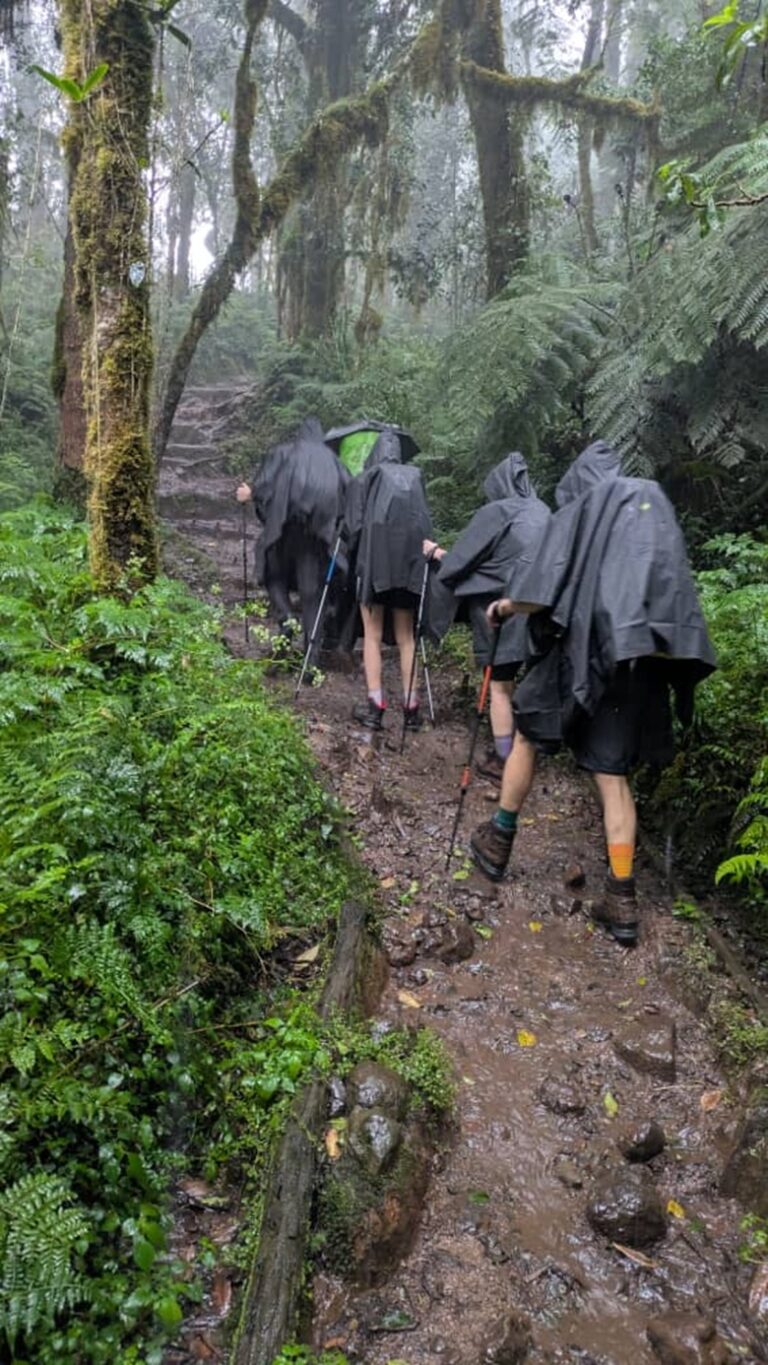
What Happens If You Get Food Poisoning Before Kilimanjaro? 2026-2027
Falling ill with food poisoning just before your Kilimanjaro climb is a serious concern. This guide details what happens, how to prevent it, and crucial steps if you become sick, ensuring...
View package details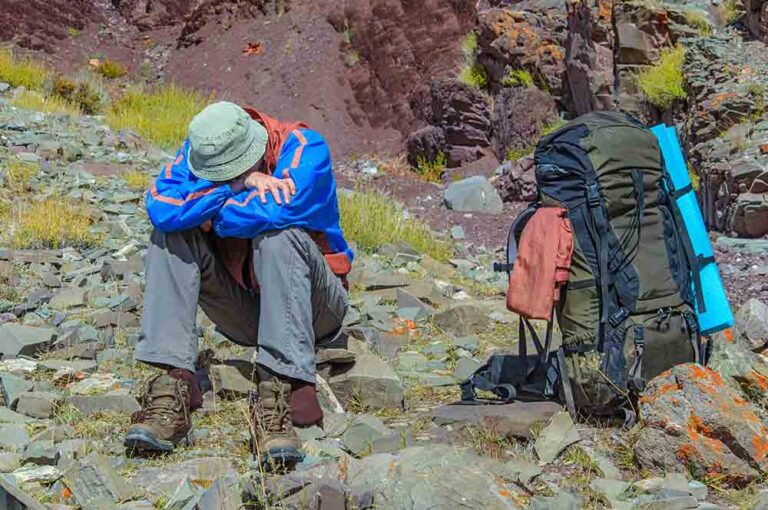
What Happens If It Rains Throughout Your Kilimanjaro Climb? 2026-2027
What Happens If It Rains throughout Your Kilimanjaro Climb? is explained with current 2026-2027 planning, price, itinerary and booking information.
View package details
What Happens If You Cannot Sleep On Kilimanjaro? Expert Advice For Trekkers
Difficulty sleeping on Kilimanjaro is common due to altitude and exertion. This guide explains the physiological reasons, potential impacts, and practical strategies to manage sleep issues...
View package details
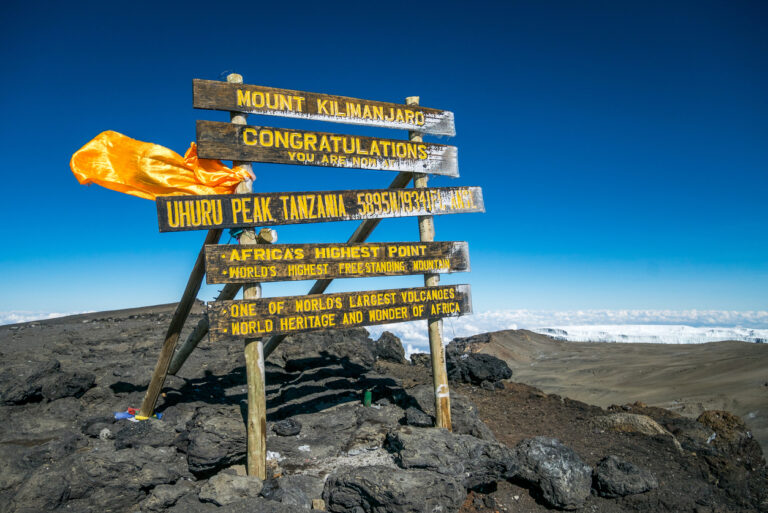
What Does The View From Uhuru Peak Look Like? Your Ultimate Kilimanjaro
The view from Uhuru Peak, Kilimanjaro's highest point, is a surreal panorama of stark volcanic rock, glacial ice, and an endless sea of clouds stretching below. At dawn, it offers a...
View package details
What Happens To The Rest Of Group During An Evacuation On A Tanzania Safari
When an individual requires evacuation during a group safari or Kilimanjaro climb in Tanzania, comprehensive safety protocols are in place for the remaining participants, ensuring their...
View package details
Kilimanjaro Hiking And Cycling Combination Tour 2026-2027
Kilimanjaro Hiking and Cycling Combination Tour is explained with current 2026-2027 planning, price, itinerary and booking information.
View package details
What To Check Before Paying A Kilimanjaro Deposit In 2026-2027
Planning to climb Kilimanjaro? Learn what crucial details to verify before paying your deposit to ensure a safe, successful, and well-organized trek in 2026 or 2027.
View package detailsWhat A Kilimanjaro Mountain Crew Should Provide For Your Climb 2026-2027
Planning a Kilimanjaro climb? Understand precisely what your mountain crew needs to provide, from essential gear and experienced guides to food, safety, and logistical support. This...
View package details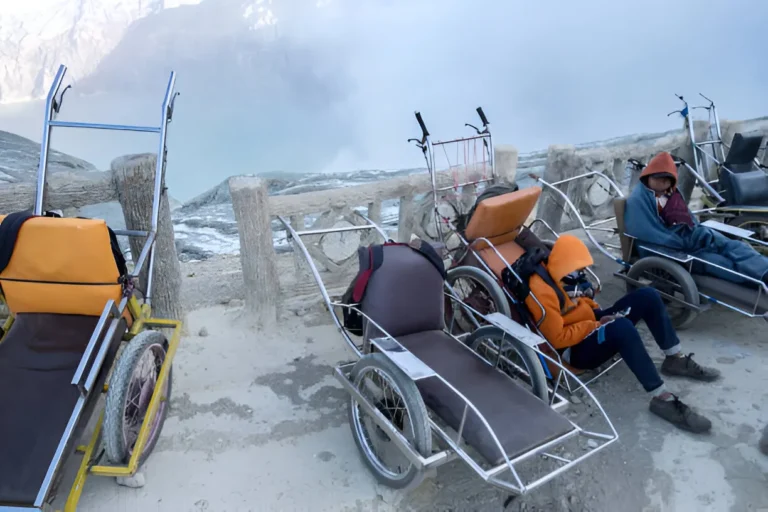
Kilimanjaro Climb With A Personal Support Assistant: Your Ultimate Guide
Climbing Mount Kilimanjaro with a personal support assistant offers unparalleled safety, comfort, and focus on your summit goals. This guide details what a personal assistant entails, its...
View package details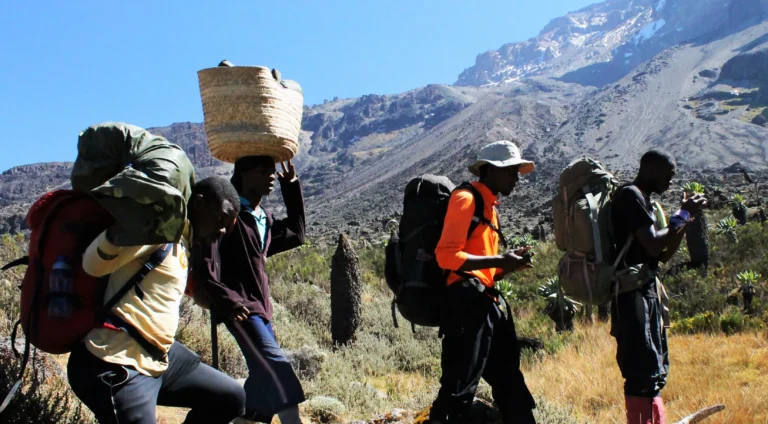
How To Know Whether You Are Ready For Kilimanjaro: A Comprehensive Guide
Climbing Mount Kilimanjaro is a significant undertaking. This guide helps you evaluate your physical, mental, and logistical readiness to ensure a safe and successful trek in 2026 or 2027...
View package detailsKilimanjaro Hydration Mistakes Climbers Make And How To Avoid Them 2026-2027
Proper hydration is critical for a successful Kilimanjaro climb. This guide details common hydration mistakes climbers make, from under-drinking to choosing the wrong fluids, and provides...
View package detailsNo related package matches those filters. Clear one or more filters to see the other topic-matched options.



