
During an evacuation from a Tanzania safari or Kilimanjaro climb, the remaining group members are typically kept safe, informed, and well-cared for by the tour operator’s guides and support staff. Depending on the situation’s severity and location, the group might temporarily pause activities, relocate to a safer nearby area, or continue their journey with adjusted logistics. The primary focus is always on the safety and well-being of everyone involved, with clear communication and contingency plans executed by experienced professionals to manage the situation effectively.
Understanding Group Dynamics in Emergency Situations: Evacuations on Tanzania Adventures
Participating in a group safari in Tanzania’s vast wilderness or embarking on a challenging Kilimanjaro trek is an exhilarating experience, often shared with like-minded travelers. While the anticipation of wildlife encounters, impressive landscapes, and personal achievements is high, it’s crucial for prospective travelers to understand the comprehensive safety measures in place, particularly concerning emergency evacuations. The question of what happens to the rest of the group during an evacuation is a practical and important one, directly impacting the experience and peace of mind for all participants. At Top Guide Adventures, we prioritize the safety and smooth continuation of your journey, even in unforeseen circumstances.
This guide aims to demystify the procedures surrounding group evacuations on Tanzanian tours and treks, ensuring you are well-informed about the steps taken to protect every member of your expedition. We cover scenarios from sudden illness on safari to altitude-related emergencies on Kilimanjaro, detailing how the remaining group is managed to ensure their safety, comfort, and the continuation of their adventure as much as possible. Understanding these protocols is vital for anyone planning a group trip to Tanzania for 2026 or 2027.
The Core Principles of Evacuation Management for Group Tours
When an evacuation is necessary, the guiding principles remain consistent across different types of group adventures organized by reputable companies like Top Guide Adventures. These principles are rooted in safety, clear communication, and operational efficiency:
- Safety First: The immediate priority is the well-being of the individual requiring evacuation and ensuring the safety of the remaining group members.
- Communication is Key: Transparent and timely communication with the group, the affected individual, and emergency services is paramount.
- Minimizing Disruption: Efforts are made to minimize the impact on the overall group experience and itinerary, where feasible and safe.
- Professional Coordination: Experienced guides and support teams manage the logistics, coordinating with medical professionals and rescue services.
- Contingency Planning: Pre-established protocols and emergency kits are ready to be deployed.
These principles form the backbone of our emergency response strategy, ensuring that even in challenging situations, the adventure continues with the utmost care for everyone involved. For those planning a trip in 2026-2027, these robust systems are continuously reviewed and updated.
Evacuations During Tanzania Safaris: Protecting the Group Experience
Tanzania’s national parks and game reserves, while spectacular, are vast and remote. Safaris often involve travel in 4×4 safari vehicles, staying in lodges or tented camps, and guided game drives. An evacuation scenario on a safari might arise due to medical emergencies (sudden illness, injury from an accident, pre-existing conditions flaring up) or, in very rare cases, environmental hazards.
Immediate Actions by the Guide and Support Team
Upon identifying the need for an evacuation, the safari guide is the first point of contact and decision-maker. Their actions are swift and decisive:
- Assessment: The guide assesses the severity of the situation and the medical needs of the affected traveler.
- Stabilization: Basic first aid is administered if necessary, while ensuring the safety of the entire group.
- Communication: The guide immediately contacts the tour operator’s operations center (Top Guide Adventures’ control room) and, if necessary, park rangers or emergency medical services. This contact is crucial for coordinating the evacuation plan.
- Group Management: While waiting for evacuation resources, the guide ensures the remaining group is safe, comfortable, and informed. This might involve staying put at a secure lodge or camp, or moving to a designated safe point within the park if the current location is compromised.
What Happens to the Remaining Safari Group?
The management of the remaining group depends heavily on the specific circumstances:
- Staying Put: If the group is at a lodge or a secure camp, they will likely remain there. The lodge staff can often provide comfort and amenities. The guide will stay with them or ensure another team member takes over if they accompany the evacuated individual.
- Relocation: If the group is in a remote area or the evacuation requires clearing the immediate vicinity, they might be moved to a designated safe zone or a nearby lodge/camp. This is done under the guide’s supervision.
- Continuing the Safari (with adjustments): In many cases, especially if the evacuation is relatively swift and the affected person is taken to a medical facility, the rest of the group may be able to continue their safari. The itinerary might be adjusted to compensate for lost time or to avoid areas directly related to the incident. For example, if a game drive was interrupted, a similar drive might be scheduled for later.
- Communication Updates: The tour operator will provide regular updates to the remaining group about the evacuated member’s condition and the progress of the evacuation, as well as any changes to the itinerary.
Logistics of Safari Evacuations
Safari evacuations typically involve:
- Ground Transport: A specialized safari vehicle might be used to transport the individual and a companion (if applicable) to the nearest airstrip or town with medical facilities.
- Air Evacuation: For more remote locations or critical conditions, a chartered bush plane or helicopter is often the most efficient method. Companies like the Flying Doctors of East Africa are frequently contracted for these services. The cost of such evacuations is usually covered by travel insurance, which is why it’s a mandatory requirement for our clients.
- Medical Facilities: Depending on the location, the evacuation might be to a local clinic, a larger hospital in Arusha, or even further afield if specialized care is needed.
Impact on Itinerary and Group Morale
An evacuation inevitably causes some disruption. The tour operator’s role is to manage this disruption with professionalism:
- Flexibility: The itinerary for the remaining group will be reviewed and adjusted. This could mean skipping a particular activity or rearranging the schedule.
- Support: Guides are trained to manage group morale. They will ensure the remaining travelers feel secure and looked after, often by maintaining a positive and reassuring demeanor.
- Alternative Activities: If significant time is lost, alternative, shorter activities might be arranged to compensate.
For a Tanzania safari in 2026, knowing these procedures can alleviate concerns about group travel.
Kilimanjaro Treks: Evacuations and the Remaining Climbers
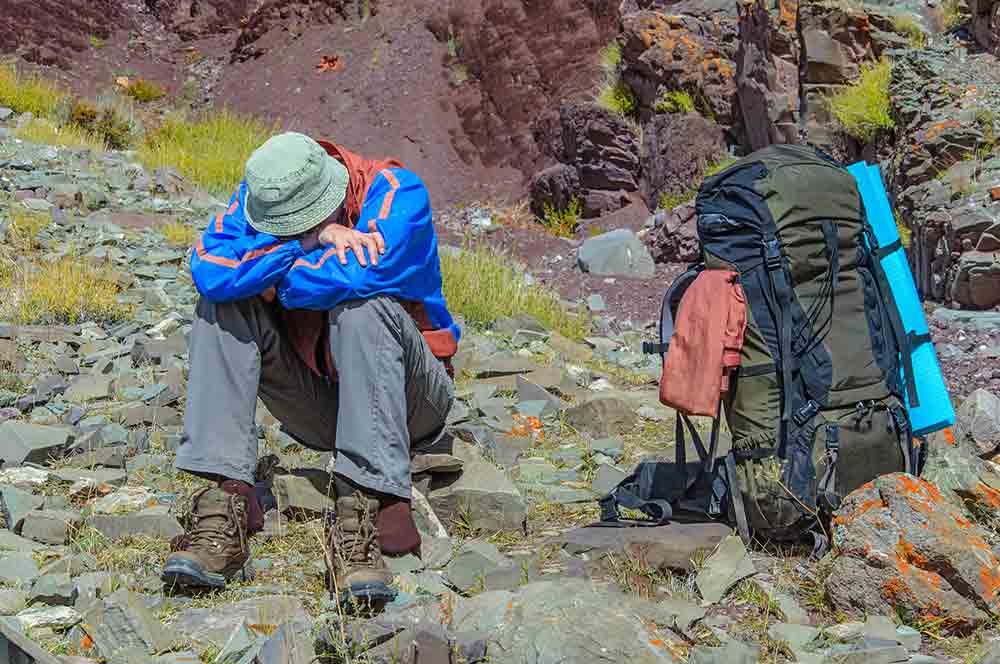
Climbing Mount Kilimanjaro is a significant undertaking, and altitude-related illnesses (like Acute Mountain Sickness – AMS, High Altitude Cerebral Edema – HACE, and High Altitude Pulmonary Edema – HAPE) are the most common reasons for evacuations. Other reasons can include injuries from falls, pre-existing medical conditions, or extreme exhaustion.
The Role of the Kilimanjaro Guide and Support Crew
On Kilimanjaro, the guiding team is exceptionally well-trained in recognizing and managing altitude sickness. Their response to an evacuation is structured:
- Constant Monitoring: Guides and assistant guides continuously monitor climbers for symptoms of altitude sickness and overall well-being.
- Immediate Descent: If a climber shows signs of moderate to severe AMS, HACE, or HAPE, the primary treatment is immediate descent. The guide decides if an evacuation is necessary.
- Communication: The lead guide will communicate with the mountain’s park authorities and the tour operator’s base in Moshi. If the situation is critical, they may call for emergency rescue services, which can include park rangers or specialized rescue teams.
- Accompanying Personnel: Often, an assistant guide will accompany the evacuated climber down the mountain, ensuring their safety and providing support. The lead guide may remain with the group or descend with them, depending on the situation and the number of guides available.
What Happens to the Rest of the Kilimanjaro Group?
The management of the remaining group on Kilimanjaro during an evacuation is critical for their safety and the expedition’s progress:
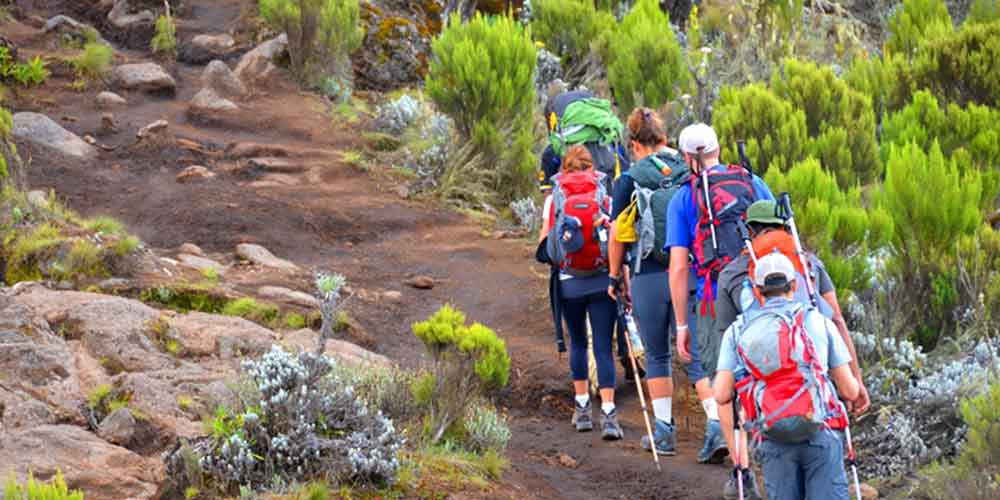
- Group Stays Put (Temporarily): The rest of the group will typically halt their ascent at a safe point, usually the last established campsite or a sheltered location. They will remain under the supervision of the remaining guides and porters.
- Pace Adjustment: The group’s pace will likely be adjusted. If the evacuation is for a climber experiencing mild AMS, the group might rest longer at the current altitude to allow for acclimatization, or the descent might be slightly delayed.
- Resuming the Climb: Once the evacuated climber is safely on their way down (either with a guide or handed over to rescue services) and the remaining group is secure, the expedition usually resumes. The remaining guides will ensure the group continues at a safe and manageable pace.
- Communication and Updates: The lead guide will keep the group informed about the evacuated climber’s status and the plan moving forward. Updates will also be relayed to the tour operator.
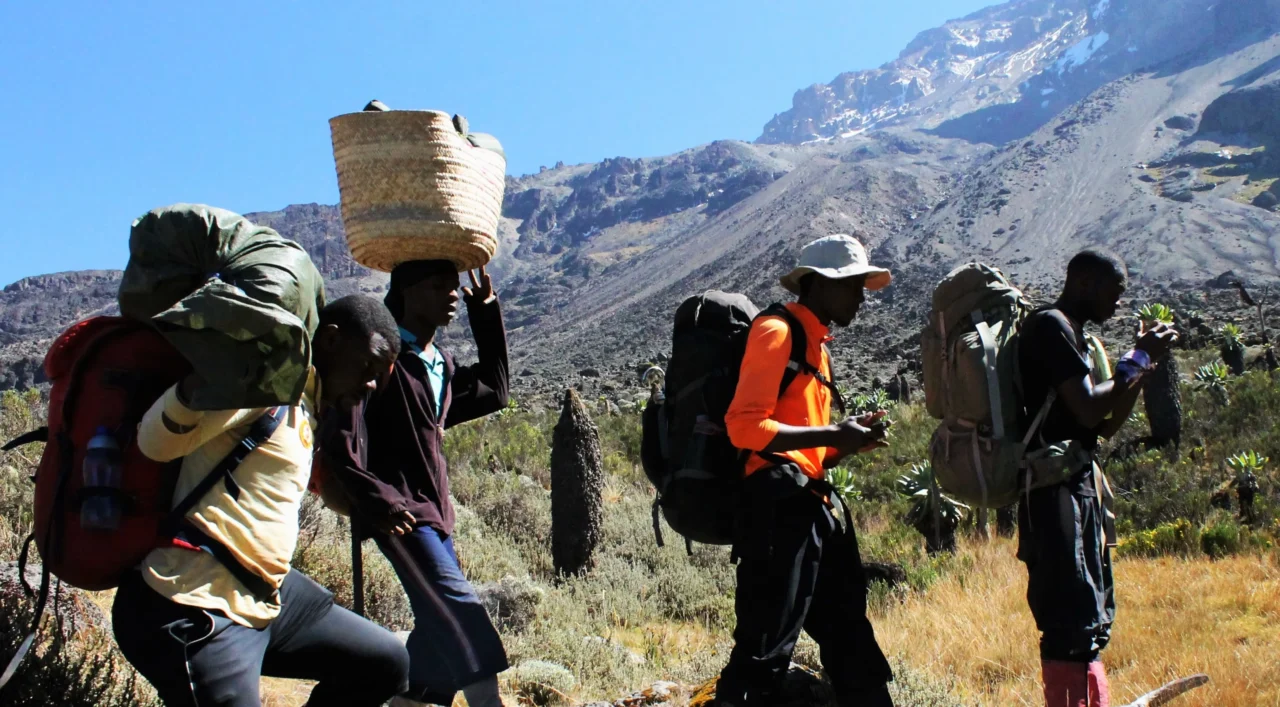
- Porter Support: The extensive porter team provides crucial support to the remaining climbers, assisting with camp setup, meals, and general welfare, ensuring the group remains comfortable and well-cared for.
Logistics of Kilimanjaro Evacuations
Kilimanjaro has established evacuation procedures:
- Stretcher Evacuation: For many descents, especially from the lower slopes, an evacuation litter (stretcher) carried by a team of porters is used.
- Park Ranger Support: Kilimanjaro National Park has trained rescue teams and rangers who assist in evacuations, particularly from higher altitudes.
- Helicopter Evacuation: In critical situations, a helicopter can be used for evacuation from specific points on the mountain, usually at altitudes accessible by helicopter. This is often arranged by the tour operator and covered by travel insurance.
- Medical Facilities in Moshi: Evacuated climbers are typically brought to the nearest medical facility in Moshi for assessment and treatment.
Impact on Group Morale and Expedition Goals
An evacuation on Kilimanjaro can be emotionally taxing for the group. The support crew plays a vital role:
- Reassurance: Guides and porters work to reassure the remaining climbers, emphasizing that safety is the priority and that continuing the climb is still possible and safe.
- Focus on the Goal: They help the group refocus on their objective, reminding them of their training and the support network available.
- Potential for Group Split: In rare, extreme circumstances, if an evacuation significantly impacts the group’s ability to proceed safely, a decision might be made to split the group, with some continuing and others descending. However, this is a last resort.
For Kilimanjaro climbs planned for 2027, understanding these procedures is essential for preparedness.
Key Factors Influencing Evacuation Procedures for Groups
Several factors determine how an evacuation is managed and what happens to the rest of the group:
- Location and Accessibility: The remoteness of the location significantly impacts the speed and type of evacuation. A lodge near Arusha will have faster access to medical care than a remote corner of the Serengeti or a high camp on Kilimanjaro.
- Severity of the Medical Condition: A minor issue might only require a short rest or a drive to a local clinic, while a critical condition necessitates immediate, often aerial, evacuation.
- Time of Day: Evacuations, especially aerial ones, are often dependent on daylight hours and weather conditions. Night evacuations are possible but more complex and costly.
- Availability of Resources: Access to appropriate vehicles, aircraft, and medical personnel plays a crucial role.
- Group Size and Composition: The number of remaining travelers and their physical condition might influence decisions about continuing the journey.
- Park Regulations: National park rules and regulations can sometimes influence where and how evacuations are conducted.
The Role of Travel Insurance in Evacuations
Comprehensive travel insurance is not just recommended; it is mandatory for all Top Guide Adventures clients undertaking safaris or Kilimanjaro climbs. This is primarily because evacuation costs can be substantial.
- Covering Evacuation Costs: Reputable travel insurance policies cover emergency medical evacuation, including ambulance services, air ambulance flights, and medical repatriation.
- Peace of Mind: Knowing that these potentially exorbitant costs are covered allows travelers to focus on their adventure and recovery, rather than financial worries.
- Coordination: Insurers often have their own 24/7 emergency assistance lines that can help coordinate evacuations, working alongside the tour operator and local emergency services.
When selecting insurance for your 2026-2027 trip, ensure it explicitly covers emergency medical evacuation and repatriation from the specific regions you will be visiting in Tanzania.
Important Note on Travel Insurance
Always verify the specifics of your travel insurance policy. Ensure it includes coverage for high-altitude trekking if you are climbing Kilimanjaro, and that the coverage limits are adequate for potential evacuation costs in remote areas of Tanzania. We strongly advise checking your policy details well before your departure date.
Communication Protocols: Keeping Everyone Informed
Effective communication is the linchpin of managing any evacuation scenario involving a group. Top Guide Adventures employs a multi-layered communication strategy:
- On-the-Ground: The tour guide is the primary communicator with the group. They provide immediate information about the situation, the steps being taken, and reassurance.
- Operations Center: The guide maintains constant contact with our operations center in Arusha/Moshi. Our team there coordinates with emergency services, medical providers, and insurance companies. They also manage communication with the group’s point of contact back home, if designated.
- Updates to the Group: The guide will relay relevant updates from the operations center to the remaining group members. This ensures transparency and reduces anxiety.
- Information Flow: Information is disseminated clearly and concisely, focusing on factual updates and planned actions.
For group departures in 2026, our communication systems are designed for reliability, even in areas with limited connectivity.
Maintaining Group Morale and Safety
An evacuation, even for a minor incident, can affect the mood and confidence of a group. Our teams are trained to manage this:
- Experienced Leadership: Guides are not just navigators; they are experienced leaders skilled in managing group dynamics and maintaining calm.
- Focus on Shared Experience: They will often steer conversations and activities back towards the positive aspects of the shared journey, reminding participants of the reasons they came.
- Ensuring Comfort: Ensuring the basic needs of the remaining group (food, water, shelter, rest) are met is paramount.
- Transparency: Openly discussing the situation and the plan helps alleviate fear of the unknown.
The aim is to ensure that while one member receives necessary medical attention, the others continue to feel secure and supported, allowing them to appreciate their adventure in Tanzania.
What if the Evacuation Affects the Entire Group’s Itinerary?
In rare, more complex scenarios, an evacuation might necessitate a more significant adjustment to the entire group’s itinerary. This could happen if:
- Multiple people are affected: In an unlikely event like a vehicle accident involving several participants.
- Logistical Collapse: If the evacuation requires the primary vehicle or key personnel to be unavailable for an extended period.
- External Factors: Such as sudden park closures due to environmental reasons (e.g., severe weather, animal activity that poses a direct threat).
In such instances, Top Guide Adventures will:
- Assess the Situation: Our operations team will conduct a thorough assessment of the impact on the group’s safety and the feasibility of continuing the original plan.
- Propose Alternatives: We will work to propose alternative itineraries or activities that are safe and feasible, often involving relocation to a different area or a modified schedule.
- Prioritize Client Well-being: The ultimate decision will always prioritize the safety and well-being of the clients. If the situation is deemed too risky or disruptive, alternative arrangements, including potential trip modifications or even early departures if necessary, will be discussed.
- Communicate Clearly: All options and decisions will be communicated transparently to the group.
Preparing for Your Group Adventure: What You Can Do
While Top Guide Adventures has robust evacuation protocols, traveler preparedness is also key:
- Adequate Travel Insurance: As mentioned, ensure your policy covers emergency medical evacuation and repatriation.
- Pre-existing Conditions: Disclose any pre-existing medical conditions to us and your doctor before traveling. Ensure you have sufficient medication and a doctor’s note if required.
- Physical Fitness: Be in good physical condition appropriate for your chosen activity (safari or Kilimanjaro climb).
- Listen to Your Guides: Always follow the instructions of your guides and support crew. They are trained professionals responsible for your safety.
- Stay Hydrated and Aware: Especially on Kilimanjaro, pay attention to your body and stay hydrated. On safari, remain aware of your surroundings and follow safety guidelines.
- Emergency Contact Information: Ensure you have provided accurate emergency contact details and that your travel companions or family back home are aware of your itinerary.
Planning for a trip in 2027 involves considering these preparation steps to ensure a smooth and safe experience.
Top Guide Adventures’ Commitment to Safety
Our commitment at Top Guide Adventures extends beyond crafting incredible itineraries. It encompasses ensuring the safety and security of every traveler from the moment they book with us until they return home. Our evacuation procedures are a critical part of this commitment.
We work with highly reputable partners for medical evacuation services, such as the Flying Doctors of East Africa, and our guides undergo regular training in first aid, wilderness medicine, and emergency response. Our operational teams are available 24/7 to manage any situation that arises.
For any group safari or Kilimanjaro climb booked for 2026 or 2027, you can be assured that your safety is our utmost priority. We meticulously plan for contingencies so that you can focus on the incredible experience of exploring Tanzania.
Booking Your Tanzania Adventure with Confidence
Choosing the right tour operator is fundamental to a safe and enjoyable group travel experience in Tanzania. Top Guide Adventures has built a reputation for reliability, personalized service, and unwavering dedication to client care.
Whether you are planning a thrilling Tanzania safari, aiming to conquer Kilimanjaro, or seeking a relaxing Zanzibar holiday, our team is equipped to handle all aspects of your journey. We understand that group travel requires careful coordination, and our expertise ensures that all participants, including contingency planning for evacuations, are well-cared for.
We invite you to explore our range of group departure dates and shared tours, designed to offer fantastic experiences at great value. Our website provides comprehensive details on various itineraries, including popular Kilimanjaro group departures on routes like Machame.
For any inquiries regarding our safety protocols, evacuation procedures, or to discuss tailoring a journey for your group in 2026 or 2027, please do not hesitate to reach out. We are here to provide the personal attention, care, and dedicated support you deserve.
Contact us today:
- WhatsApp: +255616946642
- Email: topguideadventures@gmail.com
- Backup Email: info@topguideadventures.com
Follow us on Instagram for inspiration and updates: @top_guide_adventures.
Read testimonials from our happy clients on TripAdvisor: Top Guide Adventures Reviews.
We look forward to helping you plan an unforgettable and safe adventure in Tanzania!
Check Availability for What Happens To The Rest Of Group During An Evacuation On A Tanzania Safari
Ready to compare dates, prices, and the best option for your group? Send the package name and travel month so the team can reply with a clear quote, availability, and what is included.



