
Crossing the Shira Plateau on Kilimanjaro is like traversing a vast, otherworldly high-altitude desert, characterized by its exposed, windswept terrain, stunning panoramic views, and significant acclimatization demands. It’s a challenging yet rewarding segment of certain Kilimanjaro routes, offering a unique perspective on the mountain’s diverse ecosystems.
The Shira Plateau: An Iconic Kilimanjaro Landscape
Kilimanjaro, the ‘Roof of Africa,’ is a mountain of contrasts. While many picture its snowy summit, the journey there involves ascending through distinct ecological zones, each with its own character and challenges. Among these, the Shira Plateau stands out as a particularly memorable and defining stage for trekkers on routes like the Lemosho and Machame. Understanding what it’s like to cross the Shira Plateau is crucial for anyone planning a Kilimanjaro expedition, as it significantly shapes the trekking experience, particularly concerning acclimatization and the sheer visual spectacle.
The Shira Plateau is not a typical feature of Kilimanjaro’s lower slopes, which are often cloaked in lush rainforest. Instead, it represents an ancient volcanic caldera, now eroded into a broad, undulating expanse situated at approximately 3,500 to 4,000 meters (11,500 to 13,000 feet) above sea level. Its crossing is typically encountered on Day 3 or Day 4 of longer itineraries, after trekkers have gained considerable altitude and begun to feel the effects of the thinner air.
Geology and Geography of the Shira Plateau
To truly appreciate the experience of crossing the Shira Plateau, a brief look at its geological origins is helpful. The plateau is essentially the remnants of a former volcanic cone that collapsed inwards, forming a caldera. Over millennia, erosion has sculpted this caldera into a relatively flat, though uneven, plateau. This geological history explains its unique topography, which is starkly different from the steep, conical slopes that characterize much of Kilimanjaro.
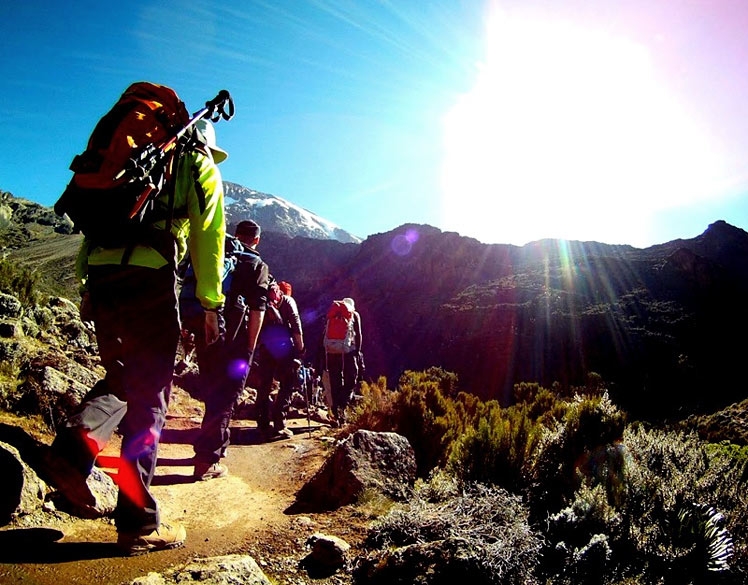
The plateau’s elevation means it sits in the alpine desert zone, above the montane forest and the heather/moorland zones. Vegetation here is sparse, dominated by hardy grasses, senecios, and lobelias, adapted to the harsh conditions of high altitude, strong sun, and fluctuating temperatures. The landscape is vast and open, offering unobstructed views of the surrounding plains of Tanzania on clear days, and a dramatic, almost lunar panorama of Kilimanjaro’s upper reaches, including Kibo and Mawenzi peaks, on clearer days.
The Trekker’s Perspective: What to Expect on the Shira Plateau
Crossing the Shira Plateau is more than just walking; it’s an immersion into a high-altitude environment that tests both physical and mental fortitude. The experience can be broken down into several key aspects:
1. Altitude and Acclimatization
This is arguably the most significant factor. By the time trekkers reach the Shira Plateau, they have already ascended several thousand meters. The plateau itself is at a considerable altitude, and the trekking often involves significant ascents and descents within the plateau. This is where the principle of ‘climb high, sleep low’ is often applied, though on Shira, ‘sleeping low’ might still be at a significant elevation.
The thin air at this altitude means less oxygen is available with each breath. This can lead to symptoms of Acute Mountain Sickness (AMS), including headaches, nausea, dizziness, and fatigue. Successfully crossing the Shira Plateau depends heavily on how well your body has acclimatized. Routes like Lemosho and Machame are designed to facilitate better acclimatization by gaining altitude gradually, and the Shira Plateau section is a critical test of this process. Many trekkers report feeling the effects of the altitude more acutely on the plateau due to its open nature and potential for exertion.
2. The Landscape and Scenery
The visual experience of the Shira Plateau is impressive. It’s a dramatic shift from the preceding zones. Imagine vast, rolling plains stretching out before you, punctuated by rugged, rocky outcrops and sparse, resilient vegetation. The sky often appears a deeper, more intense blue due to the thinner atmosphere.
The plateau offers unparalleled views of Kilimanjaro’s own peaks. Depending on your route, you might see the imposing mass of Kibo, Kilimanjaro’s highest peak, looming in the distance, or the jagged, dramatic spires of Mawenzi, the older volcanic cone, across the saddle. These views are often unobstructed, making the landscape feel immense and humbling. The sheer scale of the plateau can be disorienting, but it also provides a profound sense of being in a wild, remote place.
3. Terrain and Walking Conditions
The terrain on the Shira Plateau is generally undulating rather than steeply sloped, but it is far from flat. You’ll encounter rocky paths, scree, and sometimes muddy sections, especially if recent rains have occurred. The ground can be uneven, requiring careful footing to avoid twists and sprains. The open nature of the plateau also means exposure to the elements.
Wind is a significant factor. Because there are few trees or natural shelters, strong winds can sweep across the plateau, making walking more difficult and increasing the perceived chill. This exposure also means you are directly under the sun’s intense rays during the day, even if the air temperature is cool. Trekking poles are highly recommended for stability on the uneven ground and to help with ascents and descents.
4. Weather and Temperature
Weather on the Shira Plateau can be highly unpredictable. While days might be sunny and bright, temperatures can drop rapidly as soon as the sun dips below the horizon, or if clouds roll in. Expect cool to cold temperatures, often hovering around freezing point, especially during the night and early morning. Frost is common. The combination of altitude, wind, and direct sun can lead to rapid temperature swings throughout the day.
Rain or even snow is possible at any time of year. The plateau can become very muddy after rain, and visibility can be reduced to near zero in cloud or fog, transforming the landscape into an eerie, muted environment. Conversely, clear days offer spectacular, far-reaching views.
5. The Psychological Aspect
The vastness and exposure of the Shira Plateau can be psychologically challenging for some. The lack of familiar landmarks and the sheer scale of the environment can feel isolating. The physical exertion at altitude, combined with the potentially harsh weather, demands mental resilience. However, for many, this very challenge contributes to the sense of accomplishment and the profound connection with the mountain.
Which Kilimanjaro Routes Cross the Shira Plateau?
The Shira Plateau is a key feature on several of Kilimanjaro’s popular trekking routes, most notably:
- Lemosho Route: This route is renowned for its scenic beauty and excellent acclimatization profile. It approaches Kilimanjaro from the west and traverses the Shira Plateau, offering some of the most spectacular views. The Lemosho route typically takes 7 or 8 days.
- Machame Route: Often called the ‘Whiskey Route,’ Machame is another popular choice known for its challenging ascents and descents, which aid acclimatization. It also crosses the Shira Plateau, providing trekkers with the iconic high-altitude moorland experience. This route is commonly done over 6 or 7 days.
While other routes like the Northern Circuit and the Shira route (which starts directly on the plateau) also involve traversing this area, Lemosho and Machame are the most common for trekkers experiencing it as a significant crossing point.
Comparing Shira Plateau Experiences on Different Routes
The way you experience the Shira Plateau can vary depending on your chosen route, primarily due to the duration spent on the plateau and the approach.
Lemosho Route and the Shira Plateau
On the Lemosho Route, trekkers typically reach the Shira Ridge on Day 3 or 4. The path often leads through the rainforest and moorland before ascending to the ridge overlooking the plateau. The initial views of the plateau from above are stunning. Trekkers then descend onto the plateau itself, walking across its expanse for a significant portion of the day. The Lemosho’s gradual ascent means that by this point, acclimatization is usually progressing well, allowing trekkers to better appreciate the landscape without being overly debilitated by altitude.
The Lemosho route’s 7- or 8-day itineraries allow for a more relaxed pace, which is beneficial for acclimatization and for enjoying the vastness of the Shira Plateau. The views of Kibo and Mawenzi from the plateau are particularly striking on this route.
Machame Route and the Shira Plateau
The Machame Route also traverses the Shira Plateau, usually on Day 3. The approach can be steeper, and the day’s trek might involve more significant elevation changes within the plateau. Machame is known for its ‘climb high, sleep low’ strategy, and the Shira Plateau often features in this. Trekkers might climb to a higher point on the plateau during the day and then descend to a lower camp, aiding acclimatization.
While the Machame route is popular and offers a good challenge, its 6-day option can feel more rushed. The 7-day Machame itinerary provides a better acclimatization period, allowing for a more comfortable experience of crossing the Shira Plateau. The scenery is equally dramatic, but the physical exertion might be more pronounced on shorter Machame itineraries.
The Dedicated Shira Route
There is also a route named the ‘Shira Route.’ This is essentially a variation that begins by driving trekkers to a higher starting point on the Shira Plateau itself, significantly reducing the initial ascent through the lower zones. While this means you get to the plateau much faster, it bypasses crucial acclimatization stages in the lower forests and moorlands. Consequently, the Shira Route is generally not recommended for first-time Kilimanjaro climbers due to the higher risk of altitude sickness. If you are experienced with high altitudes and have a strong acclimatization profile, it offers a more direct, though potentially riskier, path across the plateau.
Preparing for the Shira Plateau Crossing
Successfully navigating the Shira Plateau requires preparation. Here’s what you should focus on:
1. Physical Fitness
While Kilimanjaro is not a technical climb, good cardiovascular fitness is essential. Focus on endurance training, including hiking with a weighted backpack, and activities like running, cycling, or swimming. The ability to sustain effort over long periods is key, especially when dealing with altitude.
2. Acclimatization Strategies
Choose a longer itinerary (7 or 8 days is ideal for Kilimanjaro). This allows for a slower ascent, giving your body more time to adapt to the decreasing oxygen levels. Listen to your body and communicate any symptoms of altitude sickness to your guide immediately. Proper hydration and avoiding alcohol and strenuous activity upon arrival in Tanzania are also crucial.
3. Gear and Clothing
Layering is essential. The Shira Plateau experiences dramatic temperature shifts. You’ll need:
- Base Layers: Moisture-wicking thermals (merino wool or synthetic).
- Mid Layers: Fleece or down jacket for insulation.
- Outer Layer: Waterproof and windproof jacket and trousers (Gore-Tex or similar).
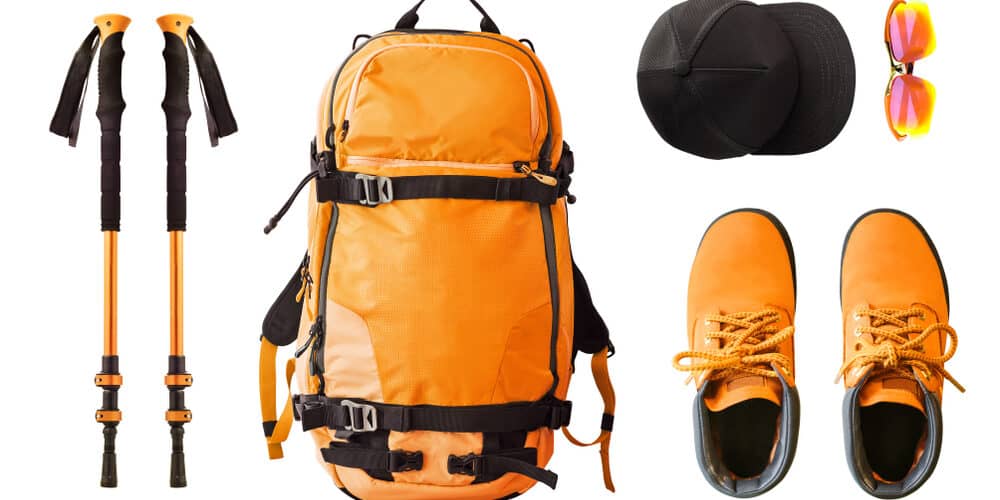
- Headwear: Warm hat, sun hat, sunglasses.
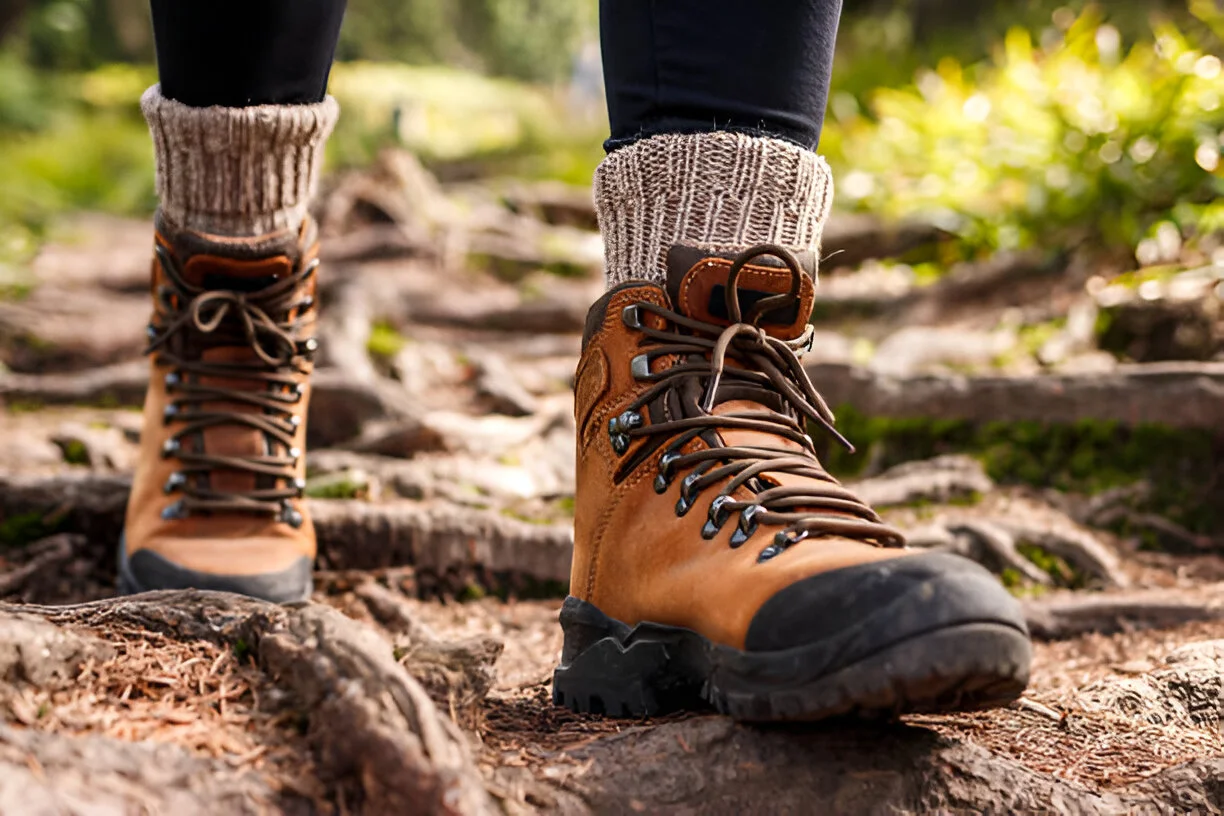
- Footwear: Sturdy, broken-in hiking boots.
- Accessories: Warm gloves, gaiters (to keep debris out of boots), trekking poles.
A good quality sleeping bag rated for sub-zero temperatures is also vital, as nights on the plateau can be very cold.
4. Mental Preparation
Understand that the Shira Plateau can be a demanding section. Be prepared for potential challenges like wind, cold, and the effects of altitude. A positive attitude, perseverance, and trust in your guide are invaluable.
The Shira Plateau in 2026 and 2027: What to Expect
As you plan your Kilimanjaro adventure for 2026 or 2027, the experience of crossing the Shira Plateau remains fundamentally the same, rooted in its unique geography and altitude. However, there are a few considerations for future trekkers:
- Route Popularity: The Lemosho and Machame routes, which traverse the Shira Plateau, continue to be the most popular choices due to their scenic beauty and acclimatization benefits. Booking well in advance for 2026 and 2027 is advisable, especially for peak seasons (January-March and June-October).
- Guide Expertise: The quality of your guide and support team is paramount, especially on the Shira Plateau. Experienced guides are adept at monitoring acclimatization, managing the team’s pace, and ensuring safety in challenging conditions. Top Guide Adventures prides itself on highly trained, local guides with extensive knowledge of Kilimanjaro and its unique zones.
- Environmental Considerations: Kilimanjaro’s ecosystem is fragile. Responsible trekking practices, including proper waste disposal and respecting the mountain environment, are more important than ever. Tour operators are increasingly focused on sustainable tourism.
- Itinerary Planning: For the best experience of the Shira Plateau and the overall climb, we strongly recommend 7-day or 8-day itineraries for 2026-2027. These longer trips offer superior acclimatization, significantly increasing your chances of success and enjoyment. Shorter 6-day options, while available, will make the Shira Plateau crossing feel more rushed and potentially more taxing.
Potential Challenges and How to Overcome Them
The Shira Plateau is not without its difficulties. Being aware of them helps in preparation and management.
1. Wind and Cold Exposure
The plateau is notoriously windy. This can make even moderately cool temperatures feel much colder due to wind chill. Ensure you have adequate windproof and warm outer layers. Wearing multiple layers allows you to adjust to changing conditions. Start your day early to maximize daylight hours and potentially avoid the worst of the afternoon winds.
2. Navigation and Disorientation
The vast, open nature of the plateau, combined with potentially poor visibility due to mist or clouds, can sometimes make navigation feel disorienting. This is where the experience of your guide is invaluable. They know the routes intimately and will keep the group on track, ensuring you don’t stray from the path.
3. Impact of Altitude
Even with good acclimatization, the altitude on the Shira Plateau can affect trekkers. Symptoms of AMS may become more pronounced. Stay hydrated, eat well, and move at a slow, steady pace (‘pole pole’). Descending to a lower altitude camp if symptoms are severe is the most effective treatment for AMS, though this is not always possible on the plateau itself. Your guide will monitor you closely.
4. Rough Terrain
While not technically difficult, the rocky and uneven ground requires constant attention. Good hiking boots with ankle support and trekking poles are essential for stability and to reduce the impact on your joints.
The Role of Guides and Support Teams
On a mountain like Kilimanjaro, and especially on exposed sections like the Shira Plateau, the expertise of your guides and support crew cannot be overstated. They are responsible for:
- Safety: Monitoring your health for signs of altitude sickness, ensuring safe passage over difficult terrain, and making decisions in case of emergencies.
- Pacing: Setting a sustainable pace for the group, ensuring everyone can keep up and acclimatize effectively.
- Logistics: Managing camp setup, cooking, and carrying equipment (porters).
- Morale: Providing encouragement and support, which is crucial during challenging moments on the plateau.
Choosing a reputable operator like Top Guide Adventures ensures you have a team dedicated to your safety and success. Our guides are certified, experienced, and deeply familiar with Kilimanjaro’s environment. You can reach us via WhatsApp +255616946642 or Email topguideadventures@gmail.com to discuss your 2026-2027 trek.
Photography Opportunities on the Shira Plateau
Despite the challenges, the Shira Plateau is a photographer’s dream. The vastness, unique vegetation, and dramatic mountain vistas offer incredible photographic opportunities.
- Wide-Angle Landscapes: Capture the immense scale of the plateau and the surrounding plains.
- Mountain Peaks: Frame Kibo and Mawenzi against the clear blue sky.
- Unique Flora: Photograph the hardy alpine desert plants like giant groundsels and lobelias.
- Sunrise/Sunset: If conditions permit, the light on the plateau can be spectacular.
Remember to protect your camera from the cold and dust. Keep it accessible in your daypack for quick shots, but store it securely when not in use.
What to Pack Specifically for the Shira Plateau Section
While your overall Kilimanjaro packing list is comprehensive, here are items particularly crucial for the Shira Plateau:
- High-Quality Sunglasses: Essential for protecting your eyes from intense sun and glare at altitude.
- Sunscreen and Lip Balm with SPF: The sun is incredibly strong at this altitude, even on cloudy days.
- Windproof Gloves: For protection against biting winds.
- Warm Hat/Beanie: Crucial for retaining body heat.
- Balaclava or Neck Gaiter: Provides additional face and neck protection from wind and sun.
- Waterproof Over-Trousers: Essential for wind protection and in case of rain or snow.
- Buff or Scarf: Versatile for warmth, sun protection, and dust protection.
The Shira Plateau: A Defining Kilimanjaro Experience
Crossing the Shira Plateau is more than just a segment of a Kilimanjaro trek; it’s a defining experience. It’s a place where the raw power of nature is palpable, where the vastness of the landscape commands respect, and where the challenges of high altitude are met with resilience and determination. It’s a stark, beautiful, and unforgettable part of the journey to Uhuru Peak.
For trekkers in 2026 and 2027, the Shira Plateau will continue to offer this profound encounter with Kilimanjaro’s alpine desert. By choosing a well-planned itinerary, packing appropriately, maintaining a positive mindset, and entrusting your journey to experienced operators like Top Guide Adventures, you can ensure that your crossing of the Shira Plateau is not just survivable, but an incredibly rewarding chapter of your Kilimanjaro adventure. We are dedicated to providing personalized support and complete travel experiences across Tanzania. Reach out to us to plan your 2026-2027 Kilimanjaro climb: WhatsApp +255616946642, Email topguideadventures@gmail.com, or info@topguideadventures.com. Explore more of our offerings at Top Guide Adventures and see our Instagram for inspiration: @top_guide_adventures.
Check Availability for What Is It Like To Cross The Shira Plateau On Kilimanjaro? 2026-2027
Ready to compare dates, prices, and the best option for your group? Send the package name and travel month so the team can reply with a clear quote, availability, and what is included.



