
The Lava Tower acclimatization hike on Mount Kilimanjaro is characterized by a steep, challenging ascent on rocky terrain to an altitude of approximately 4,600 meters (15,091 feet), followed by a descent to a lower camp like Barranco Camp. It’s designed to significantly aid your body’s adaptation to high altitude, exposing you to extreme conditions before returning to a more manageable elevation for rest, thereby reducing the risk of altitude sickness on summit night.
Understanding the Lava Tower Acclimatization Hike: A Critical Step on Kilimanjaro
The journey to the summit of Mount Kilimanjaro is as much a mental challenge as it is a physical one, and a key component of this arduous trek is effective acclimatization. Among the most significant acclimatization points, especially on routes like the Machame, Lemosho, and Shira, is the Lava Tower. But what exactly is the Lava Tower acclimatization hike like? It’s more than just a hike; it’s a strategic maneuver designed to push your body to its limits, allowing it to adapt to extreme altitude before the critical final ascent. This day is often referred to as “climb high, sleep low,” a fundamental principle in high-altitude trekking that maximizes your chances of reaching Uhuru Peak safely and successfully.
For many climbers preparing for their 2026 or 2027 Kilimanjaro adventure, understanding the nuances of each day on the mountain is paramount. The Lava Tower day, typically occurring around day four or five of a longer itinerary, is a highlight of the acclimatization process. It involves reaching a substantial altitude, often above the clouds, and experiencing the stark, rugged beauty of Kilimanjaro’s alpine desert. This section aims to provide an in-depth look at this crucial hike, detailing its physical demands, the environmental conditions, the psychological impact, and why it’s an indispensable part of your Kilimanjaro climbing strategy.
The Routes That Feature the Lava Tower Day
While the Lava Tower itself is a distinct geological feature on Kilimanjaro’s southern circuit, its integration into the daily itinerary varies depending on the chosen climbing route. Understanding which routes include this critical acclimatization hike can help you plan your trek more effectively, especially if you are looking at options for 2026-2027 departures.
Routes Featuring the Lava Tower Acclimatization Hike:
- Machame Route: This is perhaps the most popular route that incorporates the Lava Tower day. It’s known for its excellent acclimatization profile, and the Lava Tower hike is a standard part of its itinerary, typically occurring on Day 4.
- Lemosho Route: As a longer and more scenic route, the Lemosho also includes the Lava Tower day, usually around Day 5. Its longer duration often allows for even better acclimatization.
- Shira Route: Similar to Lemosho, the Shira Route ascends to the Shira Plateau and includes the Lava Tower hike, generally on Day 4.
- Northern Circuit: This longest route offers superior acclimatization and naturally includes the Lava Tower day as part of its extended journey.
Routes like Marangu (Coca-Cola route) and Rongai do not typically include the Lava Tower day in their standard itineraries. While they have their own acclimatization strategies, the specific “climb high, sleep low” approach facilitated by the Lava Tower hike is a significant advantage of the other routes. When booking your Kilimanjaro climb for 2026 or 2027, inquire with your tour operator about the specific daily itinerary and how acclimatization is managed.
The Ascent to Lava Tower: Terrain and Effort
The day you hike to Lava Tower is often described as one of the most physically demanding, yet rewarding, days of the entire climb. It begins from your previous night’s camp, which is usually at a significant altitude itself. For example, if you are on the Machame route, you might start from Barranco Camp (around 3,950 meters / 12,960 feet) or Machame Camp (around 3,850 meters / 12,630 feet), depending on the specific itinerary. The objective is to reach the Lava Tower, a prominent volcanic plug that stands at approximately 4,600 meters (15,091 feet).
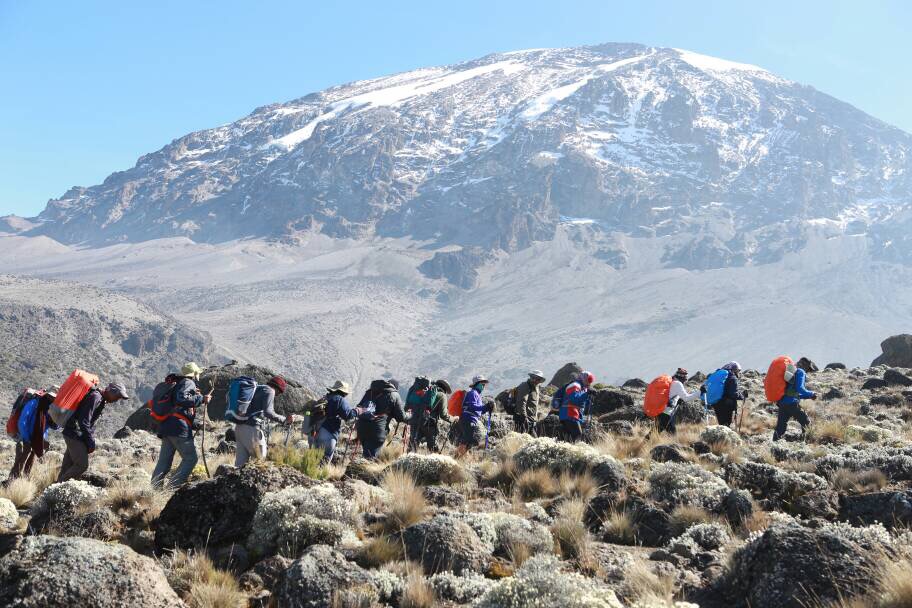
The trail leading to Lava Tower is a steady, often steep, uphill climb. The terrain underfoot changes significantly as you gain altitude. Initially, it might be a well-trodden path through moorland, but as you ascend into the alpine desert zone, the landscape becomes more barren and rocky. You’ll encounter scree – loose volcanic gravel – and larger rocks, making the footing challenging and requiring concentration with every step. The path is not a paved trail; it’s a rugged mountain path that demands careful navigation and steady pacing.
The ascent itself can take anywhere from 3 to 5 hours, depending on your pace and the specific starting point of the day. The altitude gain is substantial, often over 600 meters (nearly 2,000 feet). This continuous upward effort, combined with the thinning air, makes it a true test of endurance. Your breathing will become more labored, and you’ll need to focus on taking slow, deep breaths. Many climbers find themselves needing to stop more frequently for short rests, and it’s essential to listen to your body and communicate with your guide.
The environment at this altitude is starkly beautiful but unforgiving. The vegetation, which was more abundant at lower camps, thins out dramatically, giving way to rocks, sparse grasses, and hardy alpine plants. The sun can be intensely hot during the day, but the wind can also be biting, and temperatures can drop rapidly. You’ll likely be hiking in layers, adjusting your clothing as you sweat from exertion and then cool down during rest stops.
Reaching the Lava Tower: The High Point of Acclimatization
Arriving at the Lava Tower is a significant milestone. The tower itself is an impressive, dark volcanic spire that juts out from the mountainside. It’s a popular spot for photos and a place to catch your breath and take in the panoramic views, if the weather permits. Often, you’ll be above the clouds, offering a surreal landscape of white fluffy expanses stretching out below. This view, combined with the sheer accomplishment of reaching this altitude, is incredibly motivating.
The Lava Tower stands at roughly 4,600 meters (15,091 feet). This is a critical altitude because it exposes your body to a significantly lower oxygen level than you are accustomed to. The purpose of “climbing high” is precisely this: to stimulate your body to produce more red blood cells and improve its efficiency in utilizing oxygen. By spending time at this altitude, you are actively encouraging your body to adapt, which is vital for the summit push.
However, the Lava Tower day is not just about reaching the summit of the tower; it’s about the “sleep low” component that follows. After spending some time at the Lava Tower, usually for lunch and a brief rest, the most important part of the acclimatization strategy begins: the descent. You will not sleep at the Lava Tower. Instead, you will descend to a lower camp, typically around 400 meters (1,300 feet) or more below the tower.
This descent is crucial. While reaching high altitudes is important, staying at extreme heights for prolonged periods without adequate rest and recovery can be detrimental. By descending to a lower elevation, your body can rest and recover more effectively in an environment with slightly more oxygen. This contrast between the high-altitude exposure and the subsequent lower-altitude rest is what makes the Lava Tower day so effective for acclimatization. This strategy is a cornerstone for successful climbs in 2026 and 2027.
The Descent: A Vital Part of the Acclimatization Process
Following your time at Lava Tower, the journey continues downwards. This descent is often as challenging, if not more so, than the ascent. The terrain is steep, and the scree underfoot can make it unstable. Your knees and quads will be working hard as you navigate the rocky path. It’s important to maintain a controlled pace to avoid slips and falls. Poles are highly recommended for this section as they help with balance and reduce the impact on your joints.
The descent typically takes 2 to 3 hours. The goal is to reach a lower camp, such as Barranco Camp (around 3,950 meters / 12,960 feet) if you are on the Machame route. This camp is significantly lower than Lava Tower, offering a much-needed respite and a better environment for your body to recuperate. The difference in altitude can be quite noticeable, and many climbers report feeling a slight improvement in their well-being and a reduction in mild altitude symptoms once they reach the lower camp.
This “sleep low” aspect is as critical as the “climb high.” Your body continues to adapt to the altitude it experienced during the day, but now it can do so while resting and rehydrating. This recovery period is essential for preparing you for the subsequent days of the trek, especially the demanding summit night. The Lava Tower acclimatization hike, therefore, is not just about reaching a high point; it’s about the entire day’s cycle of ascent, exposure, and descent.
What to Expect: Daily Experience on Lava Tower Day
Let’s break down what a typical Lava Tower day might feel like for a climber preparing for their 2026-2027 expedition:
Your Lava Tower Day Experience:
- Morning Start: You’ll wake up at your previous night’s camp (e.g., Barranco Camp, Machame Camp, or similar altitude). Breakfast is served, and you’ll prepare your daypack with essentials: water, snacks, sunscreen, hat, sunglasses, warm layers, and rain gear.
- The Ascent Begins: You’ll start trekking uphill, usually in the morning. The path is rocky and often steep, requiring a steady pace. Your guides will encourage “pole pole” (slowly, slowly).
- Altitude Effects: As you gain altitude, you’ll notice increased breathlessness. Headaches, mild nausea, or fatigue are common symptoms of altitude. It’s crucial to stay hydrated and communicate any symptoms to your guide.
- Changing Scenery: The landscape transforms from moorland to the stark, arid alpine desert. You might see unique flora like Giant Groundsels and Lobelias, adapted to the harsh conditions.
- Lunch at Lava Tower: Upon reaching Lava Tower (approx. 4,600m / 15,091ft), you’ll typically have lunch. This is a good time to take photos and appreciate the vastness of Kilimanjaro’s upper reaches.
- The Descent: After a relatively short period at the high point, you begin the descent. This is a challenging trek on loose scree, requiring careful foot placement.
- Arrival at Lower Camp: You’ll arrive at your designated camp for the night, which is at a lower altitude than Lava Tower (e.g., Barranco Camp, approx. 3,950m / 12,960ft).
- Evening Routine: After reaching camp, you’ll have dinner, hydrate, and rest. The feeling of accomplishment from the day’s efforts, combined with the successful acclimatization, is a significant morale boost.
The total trekking time for the Lava Tower day can range from 6 to 9 hours, depending on the specific route, starting camp, and the group’s pace. It’s a full day of trekking that tests your physical and mental resilience.
Altitude Sickness and the Lava Tower Hike
Altitude sickness, or Acute Mountain Sickness (AMS), is the most significant risk on any high-altitude trek, including Kilimanjaro. The Lava Tower acclimatization hike is specifically designed to mitigate this risk. By ascending to a high altitude and then descending, you are proactively addressing the physiological challenges of thin air.
Understanding Altitude Sickness: AMS is caused by ascending too quickly to a higher altitude, preventing your body from adjusting to the lower oxygen levels. Symptoms can range from mild (headache, nausea, dizziness, fatigue) to severe (pulmonary edema, cerebral edema), which can be life-threatening. The key to prevention is slow ascent and proper acclimatization.
How Lava Tower Helps: The “climb high, sleep low” strategy employed on Lava Tower day is one of the most effective methods for acclimatization. By spending time at 4,600 meters, your body is stimulated to adapt. However, by descending to sleep at a lower altitude (e.g., 3,950 meters), you allow your body to recover and utilize oxygen more efficiently without the constant stress of extreme altitude. This cycle helps your body adjust more effectively than simply gaining altitude day after day without a significant descent.
Symptoms to Watch For: Even with excellent acclimatization strategies, mild symptoms can occur. These might include:
- Headache
- Nausea or loss of appetite
- Dizziness or lightheadedness
- Fatigue
- Slight difficulty sleeping
It is imperative to communicate any symptoms to your guide immediately. They are trained to assess the severity of symptoms and make decisions regarding your health and safety. Diamox (acetazolamide) is a medication often prescribed to help with acclimatization, and it’s advisable to discuss this with your doctor before your trip.
For 2026-2027 Climbers: When discussing your itinerary with Top Guide Adventures, make sure to understand how acclimatization is managed, particularly on longer treks. The inclusion of a Lava Tower day on routes like Machame or Lemosho is a strong indicator of a well-structured acclimatization plan.
What to Pack for Lava Tower Day
While you’ll have your main duffel bag carried by porters, having the right items in your daypack is essential for comfort and safety during the Lava Tower hike. Given the changing conditions and the duration of the hike, proper preparation is key.
Essential Daypack Items for Lava Tower Day:
- Water: At least 2-3 liters. Staying hydrated is crucial for acclimatization and performance. Consider a hydration reservoir or water bottles.
- Snacks: High-energy snacks like energy bars, nuts, dried fruit, or chocolate. You’ll need fuel for the sustained effort.
- Sun Protection: High SPF sunscreen, a wide-brimmed hat or cap, and sunglasses. The sun at high altitudes is intense, even on cloudy days.
- Warm Layers: A fleece jacket or a light down jacket. Temperatures can fluctuate significantly, and you’ll cool down quickly during rests.
- Rain Gear: A waterproof and windproof jacket and trousers. Weather can change rapidly on Kilimanjaro, with sudden rain or hail showers possible.
- Headlamp: Even though you’ll likely start and finish in daylight, a headlamp is always a good safety backup.
- First-Aid Kit: Personal medications, blister treatment, pain relievers (for headaches), and any other essentials.
- Camera: To capture the stunning, stark landscapes.
- Lip Balm with SPF: To protect your lips from sun and wind.
- Hand Sanitizer: For hygiene on the go.
Your guides will carry a comprehensive group first-aid kit and emergency oxygen, but it’s wise to be prepared with your personal essentials. Packing smart for this day ensures you can focus on the hike and acclimatization rather than being uncomfortable.
Comparing Lava Tower Day to Other Acclimatization Strategies
Kilimanjaro routes employ various acclimatization strategies. The Lava Tower day, with its distinct “climb high, sleep low” approach, is a highly effective method. However, it’s useful to understand how it compares to other acclimatization techniques used on different routes or by different operators.
“Pole Pole” (Slowly, Slowly): This is the most fundamental acclimatization principle across all routes. It means ascending at a slow, consistent pace that allows your body to adjust gradually. This is practiced every day on every route, including the Lava Tower day.
Longer Itineraries: Routes like the Lemosho and Northern Circuit, which are longer (7-9 days), inherently offer better acclimatization due to the extended time spent on the mountain. This gradual ascent allows the body more time to adapt at each altitude. The Lava Tower day is still a key part of these longer treks, providing a significant altitude boost and subsequent recovery.
Barranco Wall Climb: While not strictly an acclimatization strategy in the same way as Lava Tower, the climb up the Barranco Wall (a scramble, not a technical climb) often occurs on the same day or the day after the Lava Tower hike for routes that use Barranco Camp. This strenuous activity, immediately followed by a descent, can also contribute to acclimatization by challenging the body at altitude.
Routes Without Lava Tower: Routes like Marangu often use a hut-to-hut system with less drastic daily altitude changes and no significant descent after reaching high points. While this can work for some, it is generally considered to have a lower success rate for summiting compared to routes that incorporate the “climb high, sleep low” principle, such as the Lava Tower hike. For 2026-2027 bookings, choosing a route with proven acclimatization benefits, like those featuring the Lava Tower day, is highly recommended.
The Psychological Impact of the Lava Tower Hike
Beyond the physical demands, the Lava Tower day has a significant psychological component. It’s a day where climbers often face their doubts and push through perceived limits. Reaching an altitude of 4,600 meters can be daunting, and the physical exertion can amplify feelings of fatigue and discomfort. However, successfully navigating this day can be a huge confidence booster.
Facing Doubts: The challenging terrain and the effects of altitude can make you question your ability to continue. This is a normal part of the Kilimanjaro experience. The key is to focus on the immediate task – the next step, the next rest stop, the next hour. The support of your guides and fellow climbers is invaluable during these moments.
Building Resilience: Overcoming the physical and mental hurdles of the Lava Tower hike builds immense resilience. You learn to manage discomfort, stay motivated when tired, and trust your body’s ability to adapt. This mental fortitude is crucial for the final push to the summit, which is often undertaken in the dark and extreme cold.
Sense of Accomplishment: Reaching the Lava Tower and then successfully descending to camp provides a profound sense of accomplishment. You’ve tested yourself against high altitude and rugged conditions and emerged victorious. This feeling can significantly boost morale for the remainder of the trek. For those planning their climb in 2026 or 2027, remember that the mental preparation is as important as the physical training.
Tips for a Successful Lava Tower Acclimatization Hike
To make the most of your Lava Tower day and ensure it contributes positively to your acclimatization and overall experience, consider these expert tips:
Expert Tips for Your Lava Tower Hike:
- Hydrate Relentlessly: Drink water consistently throughout the day, even if you don’t feel thirsty. Aim for 3-4 liters.
- Eat Well: Consume nutritious, high-energy meals and snacks. Your body needs fuel to cope with the exertion and altitude.
- Pace Yourself: “Pole pole” is not just a saying; it’s a necessity. Maintain a slow, steady pace.
- Communicate with Your Guide: Be open about any symptoms you experience, no matter how minor they seem. Your guide’s expertise is crucial.
- Layer Up and Down: Adjust your clothing frequently to avoid overheating or getting too cold.
- Use Trekking Poles: They provide stability on the scree and reduce strain on your knees during the descent.
- Stay Positive: A positive mindset is a powerful tool. Focus on the incredible experience and the views.
- Rest When Needed: Don’t be afraid to take short, frequent breaks.
These tips are essential for maximizing your chances of success, whether you’re climbing in the immediate future or planning for 2026 or 2027. Proper preparation and execution on this day significantly impact your overall Kilimanjaro journey.
The Role of Guides and Support Crew on Lava Tower Day
The success of the Lava Tower acclimatization hike, and indeed the entire Kilimanjaro climb, relies heavily on the expertise and dedication of your guides and support crew. These individuals are your lifeline on the mountain, ensuring your safety, comfort, and progress.
Experienced Guides: Your lead guide and assistant guides are trained professionals in high-altitude trekking, first aid, and acclimatization management. They monitor your health, assess the conditions, and make critical decisions to ensure everyone in the group is safe. They are adept at recognizing the early signs of altitude sickness and know how to respond.
Porters and Support Staff: The porters carry the bulk of the equipment, including tents, food, and your duffel bags. Their efficiency ensures that your camps are set up promptly, allowing you more time to rest and recover. The cook prepares nutritious meals that are vital for maintaining energy levels.
Communication is Key: On Lava Tower day, your guides will constantly check in with you, asking about how you’re feeling, your appetite, and your hydration levels. They will encourage you to keep moving and provide motivational support. You, in turn, must be honest about your condition. For example, if you are experiencing a persistent headache, it’s important to let them know so they can offer appropriate advice or medication.
When booking with a reputable company like Top Guide Adventures for your 2026-2027 Kilimanjaro climb, you can be assured of a highly experienced and dedicated team. Their commitment to client care is paramount, especially during challenging days like the Lava Tower hike. You can reach them via WhatsApp +255616946642 or Email topguideadventures@gmail.com for inquiries.
Post-Lava Tower Day: What Comes Next?
After successfully completing the Lava Tower day and resting at your lower camp, the trek continues. The days following this crucial acclimatization point are often characterized by continued steady ascents, but with your body better prepared for the altitude. You might face the Barranco Wall scramble (if applicable to your route), followed by ascents towards Kibo base camp (Kibo Hut or Kosovo Camp).
The benefits of the Lava Tower acclimatization hike will become more apparent as you gain further altitude. You should find that your ability to manage higher elevations is improved, and the symptoms of altitude sickness are less severe or absent. This increased comfort and confidence are vital as you approach the most challenging part of the climb: the summit attempt, which typically begins late at night after reaching Kibo or Kosovo Camp.
The preparation and effort invested on the Lava Tower day pay dividends in the final stages of the climb. It’s a day that embodies the spirit of Kilimanjaro trekking – pushing boundaries, respecting the mountain’s environment, and relying on proven strategies for success. Planning for 2026-2027 means understanding these critical stages, and the Lava Tower hike stands out as one of the most important.
Planning Your 2026-2027 Kilimanjaro Climb with Lava Tower Acclimatization
When you’re planning your Kilimanjaro expedition for 2026 or 2027, choosing the right route and operator is essential for a safe and successful climb. Routes that include the Lava Tower acclimatization hike, such as the Machame, Lemosho, Shira, and Northern Circuit, are highly recommended for their superior acclimatization profiles.
Choosing a Route: Consider the duration of the trek. Longer routes generally offer better acclimatization. The Machame route is a popular 6-7 day option that includes the Lava Tower day. The Lemosho and Shira routes are typically 7-8 days, providing even more time to adapt. For the ultimate acclimatization experience, the 9-day Northern Circuit is unparalleled.
Selecting a Tour Operator: A reputable tour operator like Top Guide Adventures will have extensive experience in organizing Kilimanjaro climbs. They will ensure you have experienced guides, adequate support crew, and a well-structured itinerary that prioritizes acclimatization. They can advise you on the best route for your fitness level and available time, ensuring your 2026-2027 climb is planned with safety and success in mind.
Booking Considerations for 2026-2027:
- Availability: Popular dates, especially during the dry seasons (January-March and June-October), can book up quickly. Start planning and booking for 2026-2027 well in advance.
- Pricing: Costs can vary based on group size, services included, and the duration of the trek. Reputable operators provide transparent pricing. For quotes and detailed itineraries, contact Top Guide Adventures directly.
- Preparation: Begin your physical training and research well in advance. Understand the demands of the Lava Tower hike and the entire climb.
The Lava Tower acclimatization hike is a cornerstone of a successful Kilimanjaro climb. By understanding what this day entails, you can better prepare yourself physically, mentally, and logistically for an unforgettable adventure. Top Guide Adventures is ready to help you plan your 2026 or 2027 Kilimanjaro climb, ensuring you experience the best of what this incredible mountain has to offer, including the critical Lava Tower day.
For inquiries or to start planning your 2026-2027 Kilimanjaro adventure, please reach out to us: WhatsApp +255616946642, Email topguideadventures@gmail.com, or our backup email info@topguideadventures.com. You can also find more information on our website Top Guide Adventures.
Check Availability for What Is The Lava Tower Acclimatization Hike Like? Guide
Ready to compare dates, prices, and the best option for your group? Send the package name and travel month so the team can reply with a clear quote, availability, and what is included.
What Does The View From Uhuru Peak Look Like? Your Ultimate Kilimanjaro
The view from Uhuru Peak, Kilimanjaro's highest point, is a surreal panorama of stark volcanic rock, glacial ice, and an endless sea of clouds stretching below. At dawn, it offers a...
View package details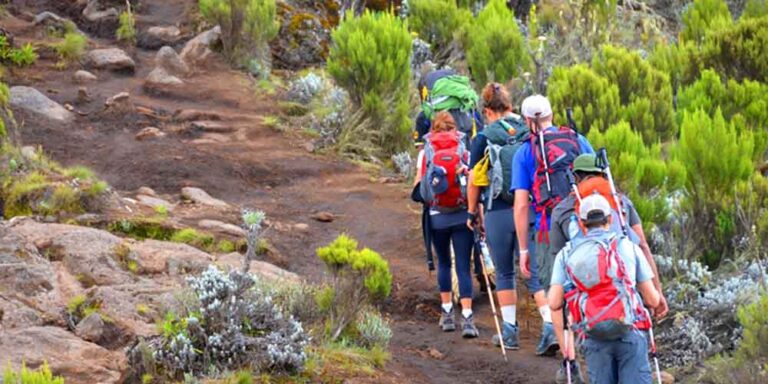
What Happens To The Rest Of Group During An Evacuation On A Tanzania Safari
When an individual requires evacuation during a group safari or Kilimanjaro climb in Tanzania, comprehensive safety protocols are in place for the remaining participants, ensuring their...
View package details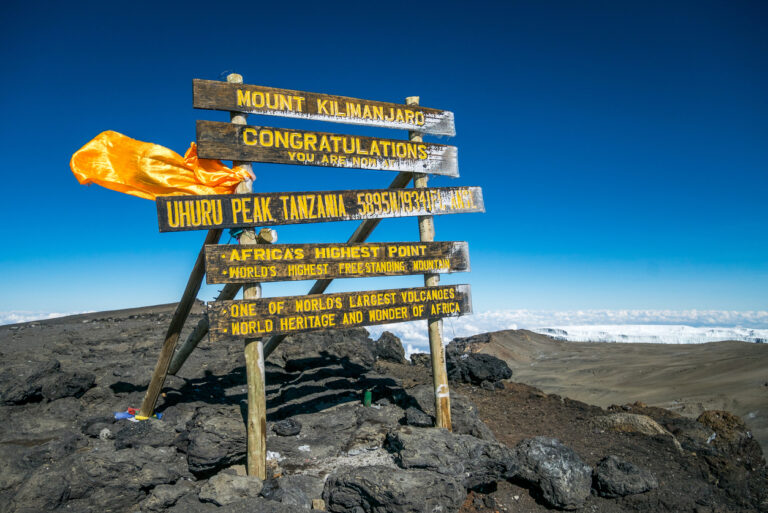
What Happens If You Miss Your Kilimanjaro Departure? Guide
If you miss your scheduled Kilimanjaro departure, your trek may be cancelled, and you could forfeit your deposit and payments. Rebooking is often possible but incurs additional costs and...
View package details
What Happens If Your Hiking Boots Break On Kilimanjaro? 2026-2027
What Happens If Your Hiking Boots Break on Kilimanjaro? is explained with current 2026-2027 planning, price, itinerary and booking information.
View package details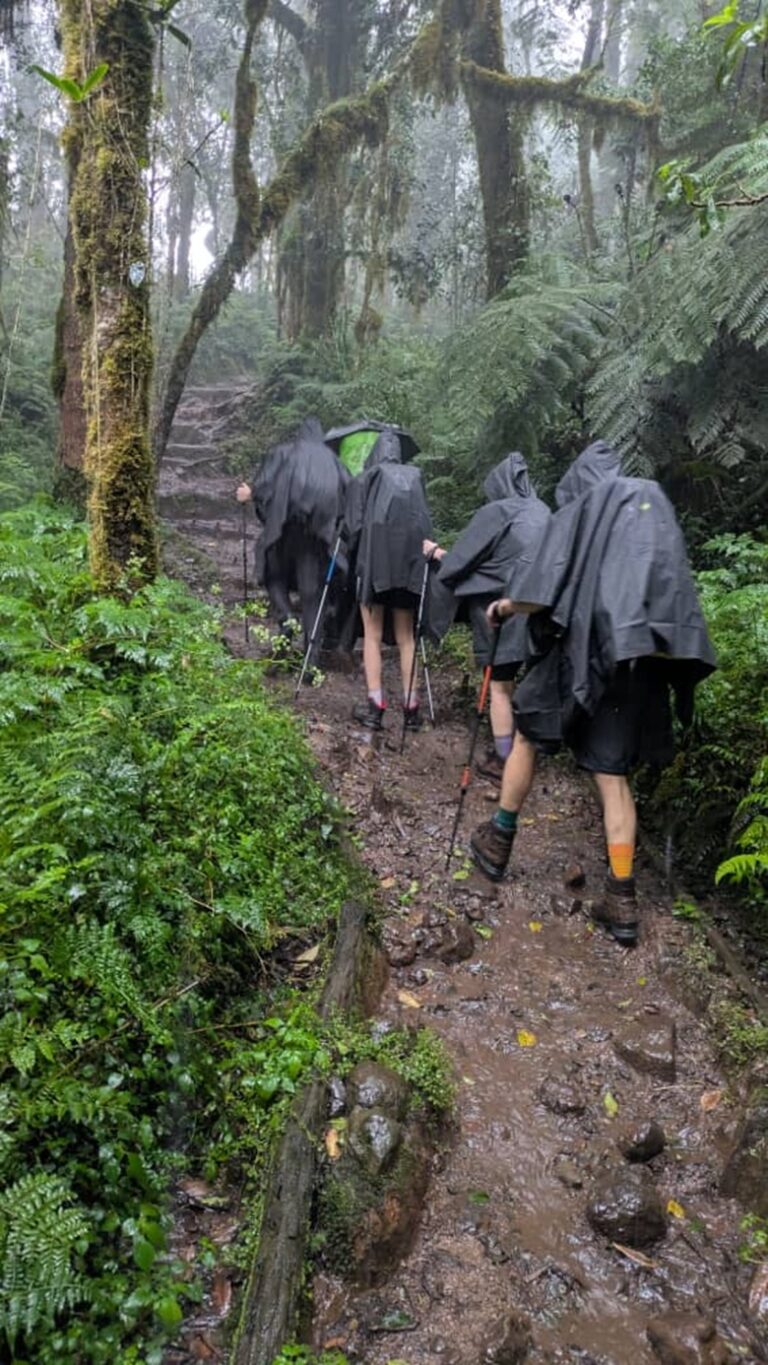
What Happens If You Get Food Poisoning Before Kilimanjaro? 2026-2027
Falling ill with food poisoning just before your Kilimanjaro climb is a serious concern. This guide details what happens, how to prevent it, and crucial steps if you become sick, ensuring...
View package details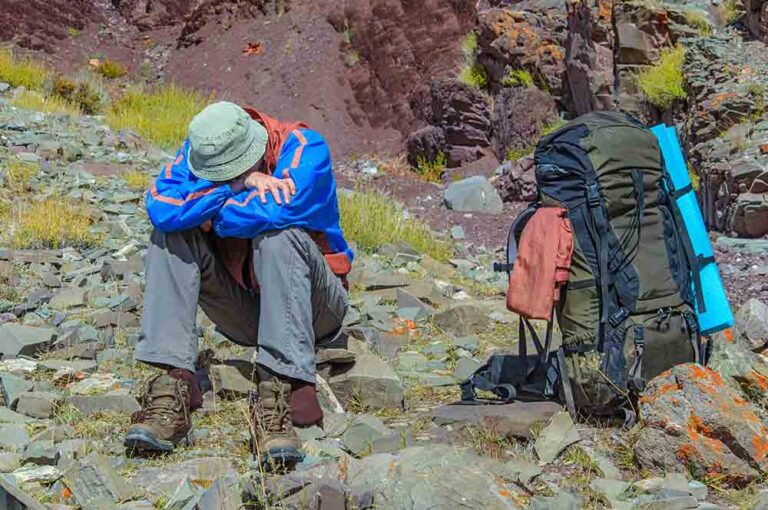
What Happens If It Rains Throughout Your Kilimanjaro Climb? 2026-2027
What Happens If It Rains throughout Your Kilimanjaro Climb? is explained with current 2026-2027 planning, price, itinerary and booking information.
View package details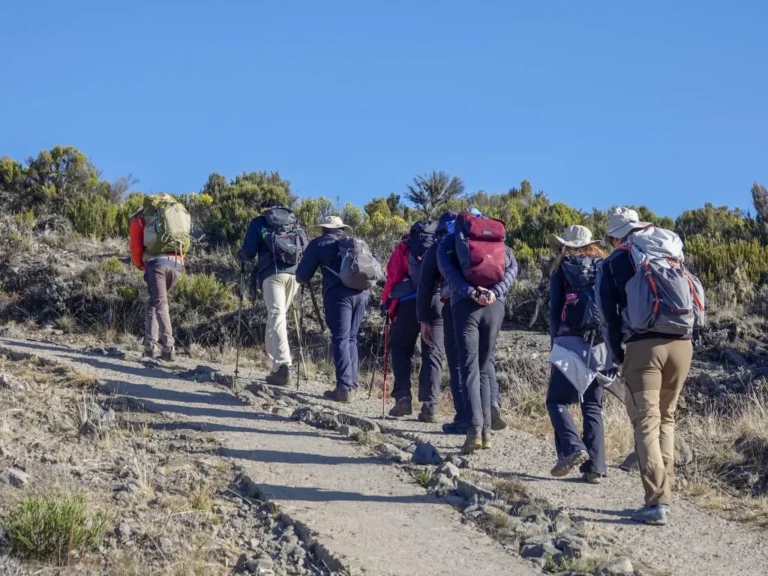
Kilimanjaro Climb For Hikers With Limited Mobility: Your Expert Guide
Embarking on a Kilimanjaro climb with limited mobility is achievable with careful planning and the right support. This guide details how to prepare, which routes are more manageable, and...
View package details
What Happens If You Cannot Sleep On Kilimanjaro? Expert Advice For Trekkers
Difficulty sleeping on Kilimanjaro is common due to altitude and exertion. This guide explains the physiological reasons, potential impacts, and practical strategies to manage sleep issues...
View package details
Kilimanjaro Climb With Mount Meru Pre-Acclimatization Guide
Combine a Mount Meru trek with a Kilimanjaro climb for superior acclimatization and a richer Tanzanian adventure. This guide details routes, benefits, planning tips for 2026-2027, and...
View package details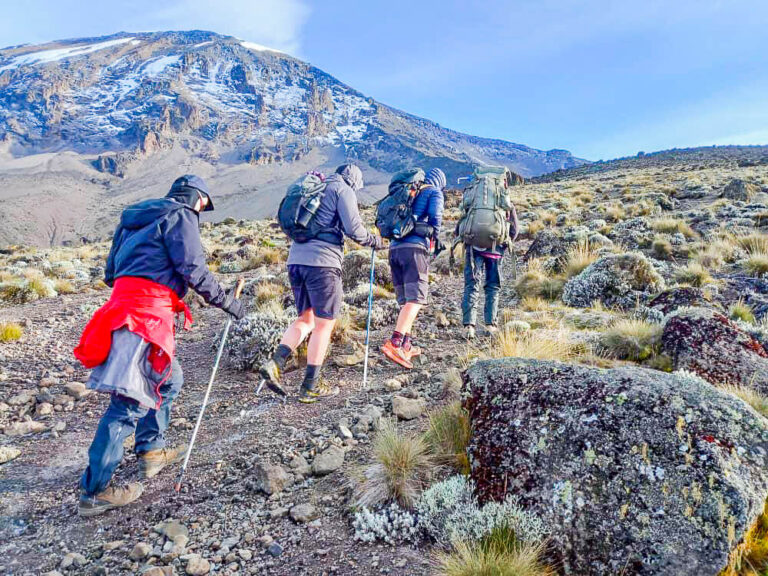
What To Check Before Paying A Kilimanjaro Deposit In 2026-2027
Planning to climb Kilimanjaro? Learn what crucial details to verify before paying your deposit to ensure a safe, successful, and well-organized trek in 2026 or 2027.
View package details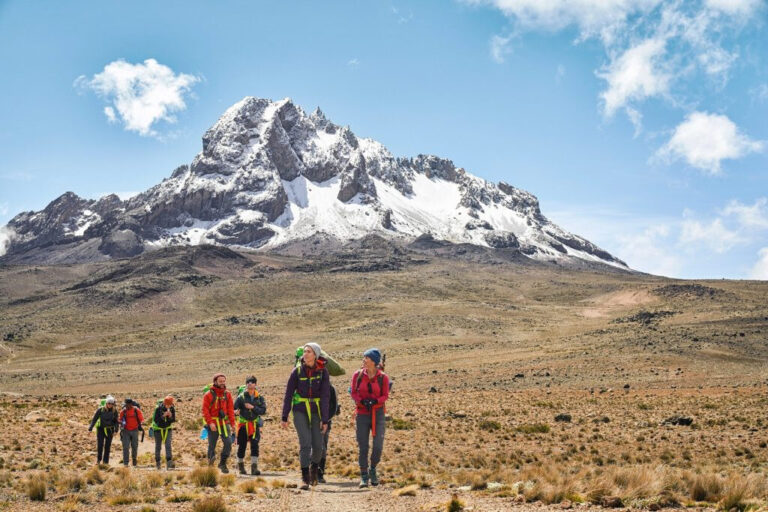
What A Kilimanjaro Mountain Crew Should Provide For Your Climb 2026-2027
Planning a Kilimanjaro climb? Understand precisely what your mountain crew needs to provide, from essential gear and experienced guides to food, safety, and logistical support. This...
View package details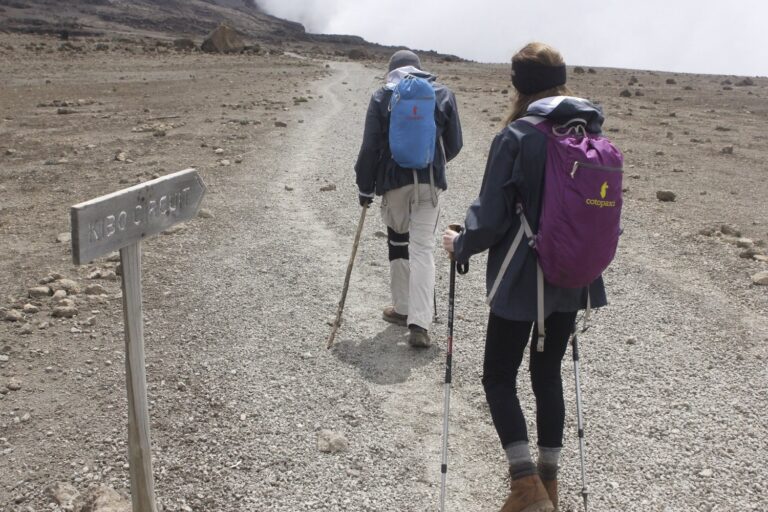
Can You Get Altitude Sickness At Lava Tower? Kilimanjaro Acclimatization
Discover if altitude sickness is a risk at Lava Tower on Mount Kilimanjaro. This guide details symptoms, prevention, and essential acclimatization strategies for climbers aiming for success...
View package detailsNo related package matches those filters. Clear one or more filters to see the other topic-matched options.



