
Combining a Mount Meru trek with a Kilimanjaro climb offers a significant advantage for acclimatization, greatly improving your chances of reaching Uhuru Peak. This strategy involves ascending Mount Meru first, typically over 3-4 days, to gradually adapt your body to higher altitudes before tackling Kilimanjaro. For 2026-2027, this approach is ideal for trekkers seeking a higher success rate and a more rewarding high-altitude experience in Tanzania.
Why Mount Meru is the Perfect Kilimanjaro Acclimatization Partner
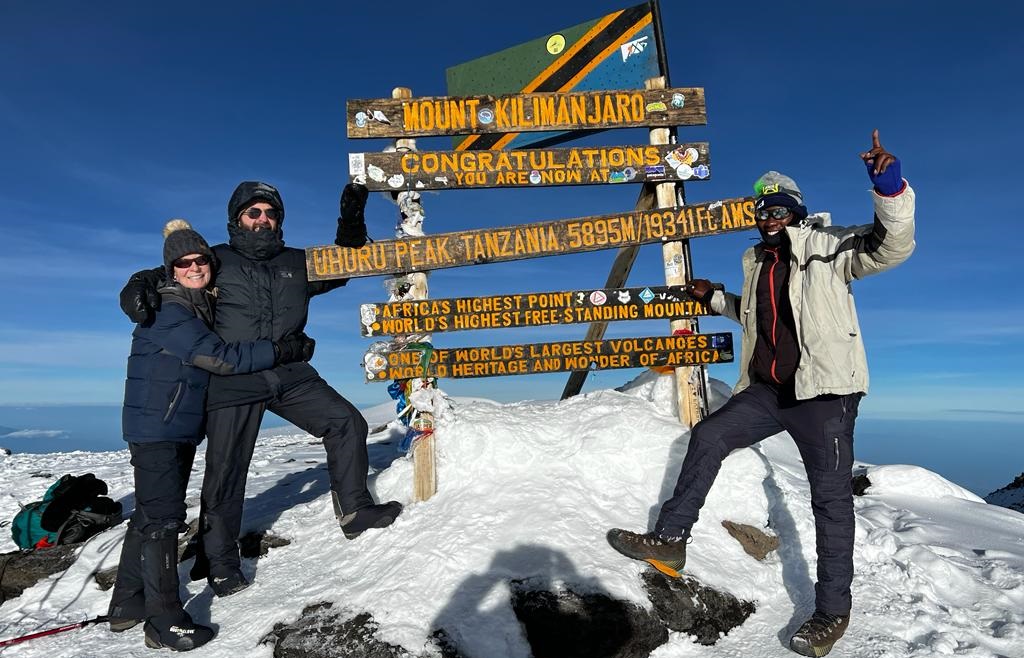
Mount Kilimanjaro, Africa’s highest peak, is a dream for many adventurers. However, its considerable altitude presents a significant challenge, with altitude sickness being the primary reason for failed summit attempts. Pre-acclimatization, especially by climbing a neighboring high-altitude mountain like Mount Meru, is a highly effective strategy to mitigate these risks. Mount Meru, standing at 4,566 meters (14,980 feet), is the fifth-highest peak in Africa and offers a challenging yet rewarding trek in its own right. By successfully completing a Mount Meru climb before heading to Kilimanjaro, you allow your body to undergo crucial physiological changes necessary for higher altitudes, including increased red blood cell production and improved oxygen utilization.
The synergy between climbing Mount Meru and then Kilimanjaro is profound. Mount Meru provides a robust physical and physiological test that closely mimics the conditions on Kilimanjaro, but at a more manageable scale. This pre-exposure to altitude helps trekkers identify their personal tolerance levels and understand how their bodies react. Upon descending Meru, you are better prepared, both physically and mentally, for the greater challenge of Kilimanjaro. This integrated approach, often referred to as a “Kilimanjaro climb with Mount Meru pre-acclimatization,” is a cornerstone of responsible high-altitude trekking, particularly for those aiming for the summit of Kilimanjaro in the coming years, such as 2026 and 2027.
Understanding the Benefits of Pre-Acclimatization on Mount Meru
The decision to include Mount Meru in your Kilimanjaro expedition is rooted in science and practical experience. Altitude sickness, or Acute Mountain Sickness (AMS), occurs when the body cannot adjust quickly enough to the lower oxygen levels at high elevations. Symptoms can range from mild headaches and nausea to severe, life-threatening conditions like High Altitude Cerebral Edema (HACE) and High Altitude Pulmonary Edema (HAPE).
Here are the key benefits of using Mount Meru for pre-acclimatization:
- Enhanced Physiological Adaptation: Climbing Meru exposes your body to altitudes that stimulate the production of red blood cells, which carry oxygen. This process, known as erythropoiesis, is vital for enduring the extreme altitudes of Kilimanjaro’s summit.
- Reduced Risk of Altitude Sickness: By gradually ascending Meru, your body has more time to adapt. This significantly lowers the likelihood of experiencing severe AMS symptoms on Kilimanjaro, leading to a safer and more enjoyable trek.
- Improved Summit Success Rates: Trekkers who have acclimatized on Meru often report feeling stronger and more capable on Kilimanjaro. This preparedness translates directly into higher success rates for reaching Uhuru Peak.
- Physical and Mental Conditioning: A Meru trek is a significant physical challenge. Completing it builds endurance, strength, and mental fortitude, preparing you for the demanding nature of a Kilimanjaro climb.
- Unique Trekking Experience: Mount Meru offers a distinct trekking experience with its own dramatic landscapes, diverse wildlife (including buffaloes and antelopes in the lower sections), and a challenging crater rim walk. It adds immense value to your Tanzanian adventure beyond just preparing for Kilimanjaro.
- Logistical Efficiency: Both mountains are located in close proximity within Tanzania, making it logistically straightforward to combine them into a single, well-planned itinerary. This efficiency is crucial for optimizing your travel time and experience, especially when planning for specific dates in 2026 or 2027.
Mount Meru Trek: The Foundation for Kilimanjaro Success
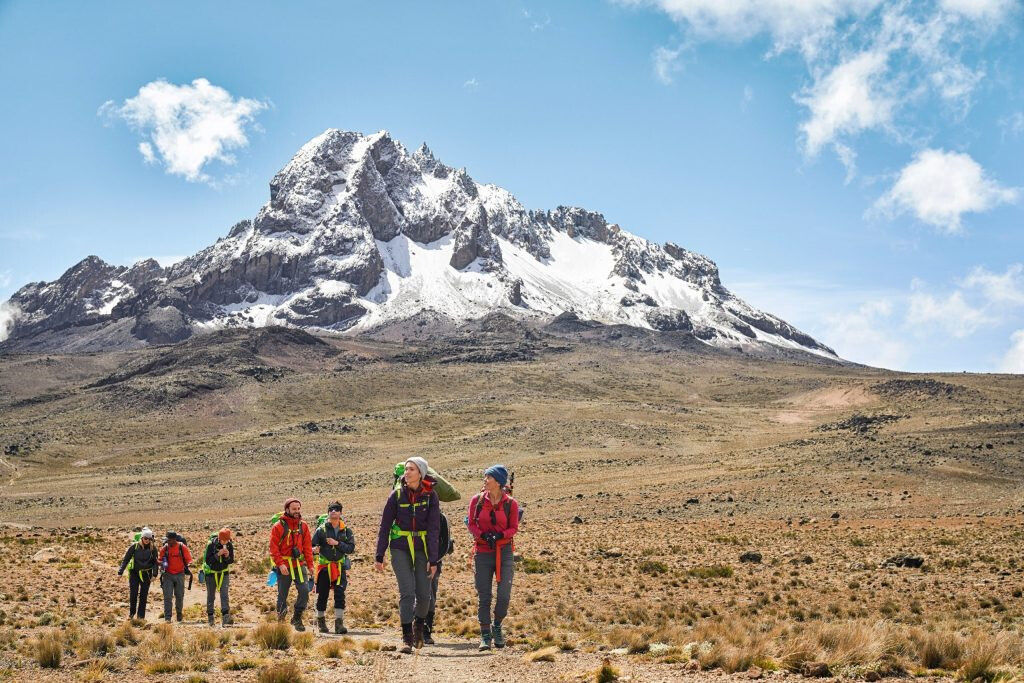
The trek up Mount Meru is typically completed over 3 to 4 days, making it a manageable yet effective acclimatization period. The most common route starts from the Momella Gate in Arusha National Park and follows the scenic “Round Trip” route. This route provides a good balance of ascent and descent, allowing for steady acclimatization.
Typical Mount Meru Itinerary (4 Days)
Day 1: Momella Gate to Miriakamba Hut
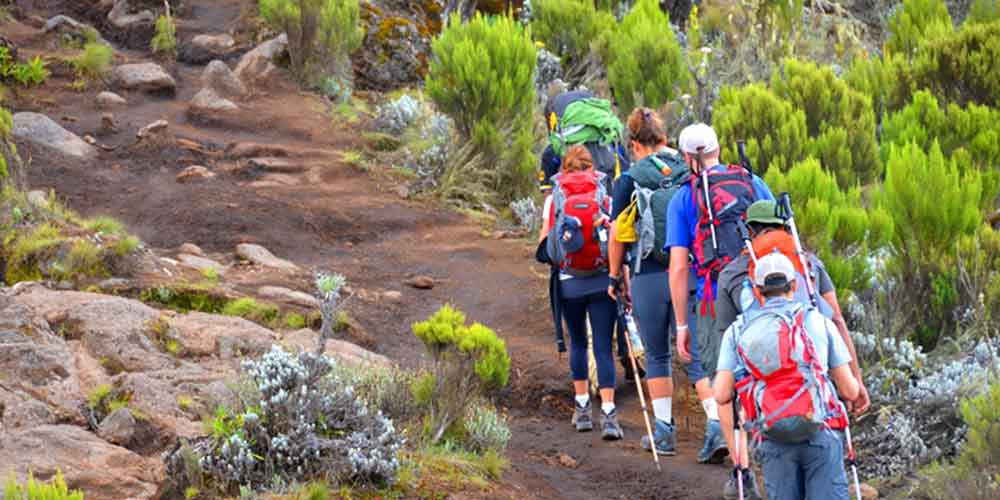
The trek begins at Momella Gate (1,500m). After park registration, you’ll start walking through lush montane forest, often spotting wildlife like giraffes, zebras, and various monkey species. The trail is generally gentle, leading to Miriakamba Hut (2,514m). The walk takes approximately 4-6 hours.
Day 2: Miriakamba Hut to Saddle Hut
This is a steeper day as you ascend through the forest and into the moorland zone. The trail can be muddy, especially after rain. You’ll reach Saddle Hut (3,570m), located in a picturesque saddle between Meru’s peaks. This day’s trek takes about 3-5 hours. You’ll have time to rest and acclimatize at Saddle Hut.
Day 3: Saddle Hut to Meru Summit (Socialist Peak) and back to Miriakamba Hut
This is the most demanding day. You’ll start very early (around 2 AM) for the summit push. The path is steep and rocky, ascending the crater rim and then following it to the summit, Socialist Peak (4,566m). The views at sunrise are spectacular. After reaching the summit and spending some time, you’ll descend back to Saddle Hut for a short break before continuing the steep descent to Miriakamba Hut (2,514m). This day involves 8-12 hours of trekking.
Day 4: Miriakamba Hut to Momella Gate
A relatively easy downhill walk from Miriakamba Hut back to Momella Gate. You’ll likely see different wildlife on the descent. The trek takes approximately 2-3 hours.
Some operators offer a 3-day version, but a 4-day itinerary is generally recommended for better acclimatization and a more relaxed pace, which is crucial when preparing for Kilimanjaro. After descending Meru, trekkers usually spend a day or two resting in Arusha or Moshi before commencing their Kilimanjaro climb.
Choosing Your Kilimanjaro Route After Meru Acclimatization
Once you’ve successfully completed your Mount Meru trek, you’ll be in an excellent position to tackle Kilimanjaro. The choice of Kilimanjaro route becomes even more critical, as you want to maintain and build upon your acclimatization. Several routes are available, each with its own characteristics:
- Machame Route: Often called the “Whiskey Route,” it’s popular for its scenic beauty and high acclimatization profile. It offers a 6-day or 7-day option, with the 7-day itinerary providing better acclimatization. Its success rate is high due to its “climb high, sleep low” strategy.
- Lemosho Route: Known for its stunning scenery and excellent acclimatization, especially the 7-day or 8-day options. It starts on the western side and offers a gradual ascent.
- Northern Circuit: The longest route (9 days), offering the highest acclimatization and success rates. It circles the mountain, providing unique views and a slower ascent.
- Marangu Route: The “Coca-Cola Route,” it’s the oldest and most traditional. It’s known for its hut accommodations but has a lower success rate due to its rapid ascent and lack of “climb high, sleep low” opportunities. It is generally not recommended for those prioritizing acclimatization after Meru.
- Rongai Route: Approaches Kilimanjaro from the north, making it a good option during the rainy season. It’s typically a 6 or 7-day trek.
- Shira Route: Similar to Lemosho but starts at a higher altitude, potentially posing an acclimatization challenge if not properly managed.
For trekkers who have just completed Mount Meru, the Machame Route or Lemosho Route (7 or 8 days) are excellent choices. These routes are designed with acclimatization in mind, and your prior experience on Meru will further enhance your body’s ability to cope with Kilimanjaro’s higher altitudes. The Northern Circuit is also a superb option for those seeking maximum acclimatization and a more relaxed pace over 9 days.
Planning Your 2026-2027 Kilimanjaro Climb with Mount Meru Pre-Acclimatization
Successful planning is key to an unforgettable adventure. When considering a Kilimanjaro climb with Mount Meru pre-acclimatization for 2026-2027, several factors need careful consideration:
Best Time to Trek
Tanzania offers excellent trekking conditions during specific windows. The ideal times for climbing both Mount Meru and Kilimanjaro are during the dry seasons:
- January to March: Generally clear skies, good visibility, and moderate temperatures. This period is excellent for both mountains.
- June to October: Another dry season, characterized by cooler temperatures and clear skies. This is a popular time for trekkers.
The shoulder seasons (April-May and November-December) can experience rainfall, making trails muddy and visibility poor. While trekking is still possible, it is generally less comfortable and may impact acclimatization due to wetter conditions.
Duration of the Expedition
A combined expedition requires adequate time. A typical itinerary would look like this:
- Mount Meru Trek: 3-4 days
- Rest/Buffer Day(s) in Arusha/Moshi: 1-2 days
- Kilimanjaro Climb: 6-9 days (depending on the chosen route)
This means you should plan for a total expedition of approximately 10 to 15 days. Adding travel days to and from Tanzania, a total trip duration of 14 to 20 days is recommended for a comfortable and safe experience.
Choosing a Reputable Tour Operator
Selecting the right tour operator is paramount for safety, logistics, and overall enjoyment. Top Guide Adventures is a trusted Tanzanian company dedicated to providing exceptional experiences. We specialize in Kilimanjaro climbs and safaris, offering personalized attention and expert support.
When choosing an operator for your Kilimanjaro climb with Mount Meru pre-acclimatization, look for:
- Experience and Reputation: Check reviews and testimonials. Top Guide Adventures has a strong reputation for safety and client satisfaction.
- Safety Standards: Ensure they have robust safety protocols, including well-trained guides, emergency oxygen, and evacuation plans.
- Quality of Guides: Guides should be certified, experienced in high-altitude trekking, and knowledgeable about flora, fauna, and local culture.
- Inclusions and Exclusions: Clearly understand what is covered in the price (park fees, meals, accommodation, guide fees, porter support, etc.) and what is not (tips, personal gear, flights, visa).
- Group Size and Support: Smaller groups often offer a more personalized experience. Ensure adequate porter support for your gear.
For inquiries and to start planning your 2026-2027 adventure, you can reach Top Guide Adventures via WhatsApp at +255616946642 or email at topguideadventures@gmail.com.
Packing Essentials for Meru and Kilimanjaro
Packing appropriately is crucial for comfort and safety on both treks. The gear requirements are similar, but temperatures can be colder on Kilimanjaro’s summit night.
Clothing Layers:
- Base Layers: Moisture-wicking thermal tops and bottoms (merino wool or synthetic).
- Mid Layers: Fleece jackets or vests for insulation.
- Outer Layer: Waterproof and windproof jacket and trousers (Gore-Tex or similar).
- Insulation Layer: A warm down or synthetic insulated jacket for extreme cold.
Headwear & Handwear:
- Warm fleece hat or beanie.
- Sun hat with a wide brim.
- Balaclava or neck gaiter for face protection.
- Warm, waterproof gloves or mittens.
- Liner gloves for dexterity.
Footwear:
- Broken-in, waterproof hiking boots with good ankle support.
- Camp shoes or sandals for evenings.
- Several pairs of warm hiking socks (wool or synthetic).
Trekking Gear:
- Durable backpack (40-60 liters) for day use.
- Large duffel bag (80-100 liters) for porters.
- Sleeping bag rated to at least -10°C (0°F) for Kilimanjaro; -5°C (20°F) for Meru.
- Trekking poles (highly recommended).
- Headlamp with extra batteries.
- Water bottles or hydration reservoir (at least 3 liters capacity).
- Water purification tablets or filter.
Other Essentials:
- Sunscreen (SPF 30+).
- Lip balm with SPF.
- Sunglasses.
- Personal first-aid kit (including blister treatment, pain relievers, personal medications).
- Toiletries (biodegradable soap, toothbrush, toothpaste).
- Quick-dry towel.
- Snacks (energy bars, nuts, dried fruit).
- Camera and spare batteries/power bank.
- Passport, visa, and travel insurance documents.
- Cash for tips and personal expenses.
Consult with your tour operator for a detailed packing list tailored to your specific expedition for 2026-2027.
Cost Considerations for a Combined Trek
The cost of a Kilimanjaro climb with Mount Meru pre-acclimatization will be higher than a Kilimanjaro-only climb due to the additional days, park fees, guide fees, and logistics involved. Prices can vary significantly based on the tour operator, the Kilimanjaro route chosen, the duration, and the level of service (e.g., private vs. group, standard vs. luxury).
Generally, you can expect:
- Mount Meru Trek: Typically ranges from $600 to $1,200 USD per person for a 3-4 day trek, depending on inclusions.
- Kilimanjaro Climb: Prices vary widely, from $1,500 to $4,000+ USD per person for a 6-8 day trek.
A combined package for Mount Meru and Kilimanjaro (totaling around 10-12 days on the mountain) could range from $2,500 to $5,500+ USD per person. This often includes:
- Park entrance fees (significant for both mountains)
- Camping fees or hut accommodation
- All meals during the treks
- Experienced, licensed guides and assistant guides
- Porters for carrying main equipment
- Group camping equipment (tents, cooking gear)
- Transfer to and from the mountain gates
- Temporary rescue insurance
Important Notes on Pricing for 2026-2027:
- Park Fees: These are set by the Tanzanian government and are subject to change. Always confirm the latest fees for 2026 and 2027.
- Operator Choice: Budget operators may cut corners on safety, food, or guide pay. Top Guide Adventures prioritizes safety and quality, offering competitive pricing for a superior experience.
- Group vs. Private: Group treks are generally more affordable than private expeditions.
- Kilimanjaro Route: Longer routes like the Northern Circuit will be more expensive due to more days on the mountain.
For a detailed, personalized quote for your Kilimanjaro climb with Mount Meru pre-acclimatization in 2026-2027, contact Top Guide Adventures directly. Email info@topguideadventures.com or reach out via WhatsApp +255616946642.
Health and Safety Considerations
Health and safety are paramount when undertaking high-altitude treks. While Mount Meru pre-acclimatization significantly enhances safety, it’s essential to be well-prepared.
Altitude Sickness Prevention and Management
Even with acclimatization, altitude sickness remains a risk. Key strategies include:
- Ascend Slowly: The “climb high, sleep low” principle is crucial. While Meru’s itinerary is somewhat fixed, Kilimanjaro routes offer flexibility.
- Stay Hydrated: Drink plenty of water (3-4 liters per day). Avoid alcohol and caffeine, which can dehydrate you.
- Eat Well: Consume high-carbohydrate meals. Your appetite may decrease at altitude, but try to eat regularly.
- Pace Yourself: Walk at a slow, steady pace (“pole pole”).
- Monitor Symptoms: Be aware of AMS symptoms (headache, nausea, dizziness, fatigue). Report any symptoms to your guide immediately.
- Medication: Consult your doctor about Diamox (acetazolamide), a prescription medication that can aid acclimatization. It’s often recommended for Kilimanjaro climbs and can be beneficial after Meru.
Medical Check-up and Fitness
Before your trip, consult your doctor for a pre-travel medical check-up. Ensure you are in good physical condition. Cardiovascular fitness is essential, but strength training for legs and core is also beneficial. Practice hiking with a weighted backpack to simulate trek conditions.
Emergency Procedures
Reputable operators like Top Guide Adventures have established emergency protocols. These include:
- Carrying emergency oxygen cylinders.
- Having guides trained in first aid and high-altitude medicine.
- Arranging for emergency evacuations via helicopter or stretcher if necessary.
Ensure your travel insurance covers high-altitude trekking and emergency medical evacuation up to the maximum altitude you will reach (e.g., 5,895m for Kilimanjaro).
The Unique Experience of Climbing Both Mountains
Combining Mount Meru and Kilimanjaro offers more than just enhanced acclimatization; it provides a richer, more comprehensive Tanzanian mountain experience.
Wildlife Encounters on Mount Meru
Arusha National Park, where Mount Meru is located, is teeming with wildlife. During your ascent, you can often spot:
- Colobus monkeys and blue monkeys
- Various antelope species
- Buffaloes
- Zebras
- Giraffes (especially near Momella Gate)
- Abundant birdlife
The presence of these animals adds a unique safari element to the trek, making the journey to the summit of Meru particularly engaging.
Scenery and Landscapes
Both mountains boast diverse and stunning landscapes:
- Mount Meru: Features lush rainforests, dramatic volcanic craters, ash cones, and the impressive sheer cliffs of the western crater wall. The views of Kilimanjaro from Meru’s higher slopes are also magnificent.
- Kilimanjaro: Transitions through five distinct ecological zones, from cultivated land and rainforest to moorland, alpine desert, and arctic summit zone. Each zone offers unique flora, fauna, and geological formations.
The contrast and variety in scenery between the two mountains provide a visually spectacular journey.
Cultural Immersion
Interacting with your guides, porters, and support crew offers a glimpse into the local culture. These individuals are often from the Chagga and Meru communities, who have deep connections to the mountains. Learning about their traditions, stories, and perspectives enriches the trekking experience.
Maximizing Your Success: Tips for Kilimanjaro Climb with Mount Meru Pre-Acclimatization
To ensure the best possible outcome for your Kilimanjaro climb with Mount Meru pre-acclimatization, consider these expert tips:
- Choose a Longer Kilimanjaro Route: While Meru helps, a longer Kilimanjaro route (7-9 days) provides more time for acclimatization on the big mountain itself.
- Book in Advance: Especially for 2026-2027, popular dates and routes fill up quickly. Booking 6-12 months ahead is advisable.
- Physical Preparation is Key: Don’t underestimate the physical demands. Consistent training focusing on cardiovascular endurance and leg strength is vital.
- Mental Preparation: High-altitude trekking is as much a mental challenge as a physical one. Be prepared for discomfort, fatigue, and the need for perseverance.
- Listen to Your Body and Guide: This is the golden rule of high-altitude trekking. Your guide is trained to assess your condition and make critical decisions for your safety.
- Pack Smart: Use the detailed packing list provided by your operator. Layering is essential.
- Hydration and Nutrition: Make these a priority throughout both treks.
- Enjoy the Journey: While the summit is the goal, appreciate the incredible landscapes, wildlife, and the unique experience of trekking in Tanzania.
The Top Guide Adventures Advantage for 2026-2027 Treks
Top Guide Adventures is committed to providing a safe, enjoyable, and successful trekking experience. Our expertise in organizing Kilimanjaro climbs with Mount Meru pre-acclimatization ensures that every detail is meticulously planned.
We offer:
- Experienced and Certified Guides: Our guides are highly trained in high-altitude trekking, first aid, and wilderness medicine.
- Safety First Approach: We carry essential safety equipment, including emergency oxygen, and have robust evacuation plans.
- Quality Equipment: We provide comfortable tents, quality sleeping bags (available for rent), and sturdy duffel bags.
- Nutritious Meals: Our cooks prepare delicious and energy-rich meals designed for high-altitude trekking.
- Sustainable Tourism Practices: We are committed to responsible tourism, respecting the environment and supporting local communities.
- Personalized Support: From your initial inquiry to your return home, our team offers dedicated support and attention.
Planning your adventure for 2026 or 2027 is easy. Contact us for a custom itinerary and a detailed quote. Let us help you achieve your dream of conquering Africa’s highest peaks with the best possible preparation.
Reach out to Top Guide Adventures today:
- WhatsApp: +255616946642
- Email: topguideadventures@gmail.com
- Backup Email: info@topguideadventures.com
We look forward to helping you plan an extraordinary Kilimanjaro climb with Mount Meru pre-acclimatization, ensuring a safe, successful, and memorable journey for 2026-2027 and beyond.
Check Availability for Kilimanjaro Climb With Mount Meru Pre-Acclimatization Guide
Ready to compare dates, prices, and the best option for your group? Send the package name and travel month so the team can reply with a clear quote, availability, and what is included.
Run The Kilimanjaro Marathon And Climb Mountain 2026-2027
Run the Kilimanjaro Marathon and Climb the Mountain is explained with current 2026-2027 planning, price, itinerary and booking information.
View package details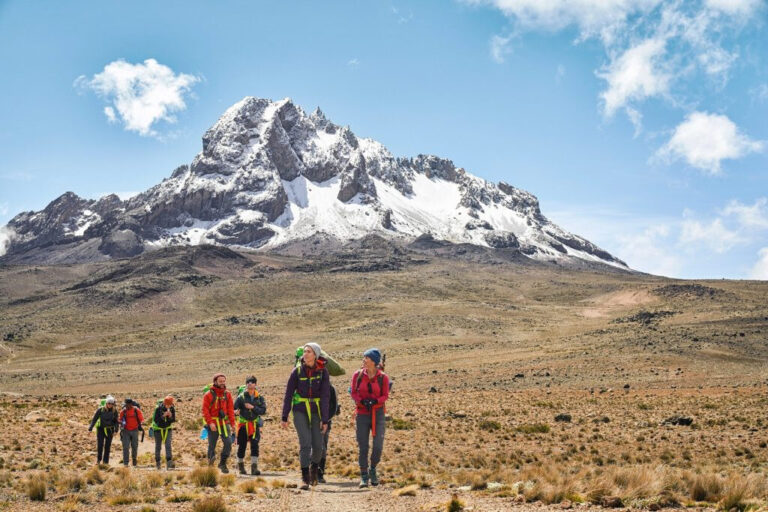
What A Kilimanjaro Mountain Crew Should Provide For Your Climb 2026-2027
Planning a Kilimanjaro climb? Understand precisely what your mountain crew needs to provide, from essential gear and experienced guides to food, safety, and logistical support. This...
View package details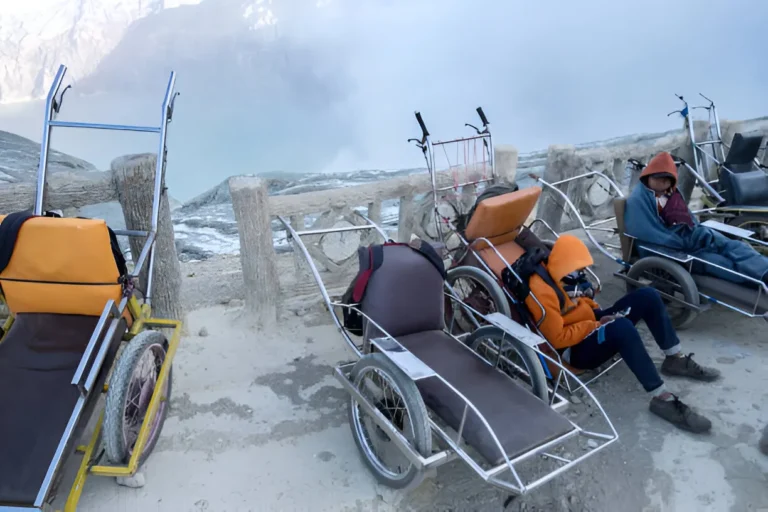
Kilimanjaro Climb With A Personal Support Assistant: Your Ultimate Guide
Climbing Mount Kilimanjaro with a personal support assistant offers unparalleled safety, comfort, and focus on your summit goals. This guide details what a personal assistant entails, its...
View package details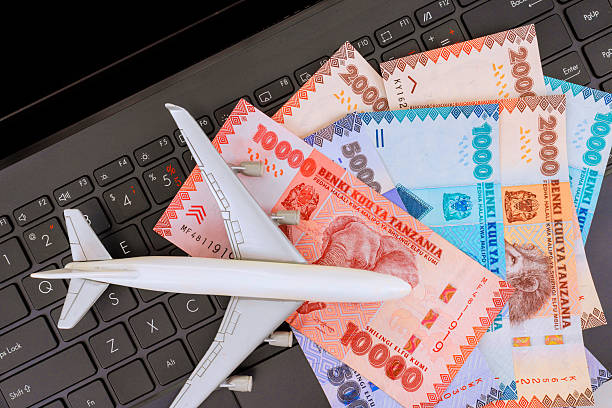
Kilimanjaro Hydration Mistakes Climbers Make And How To Avoid Them 2026-2027
Proper hydration is critical for a successful Kilimanjaro climb. This guide details common hydration mistakes climbers make, from under-drinking to choosing the wrong fluids, and provides...
View package details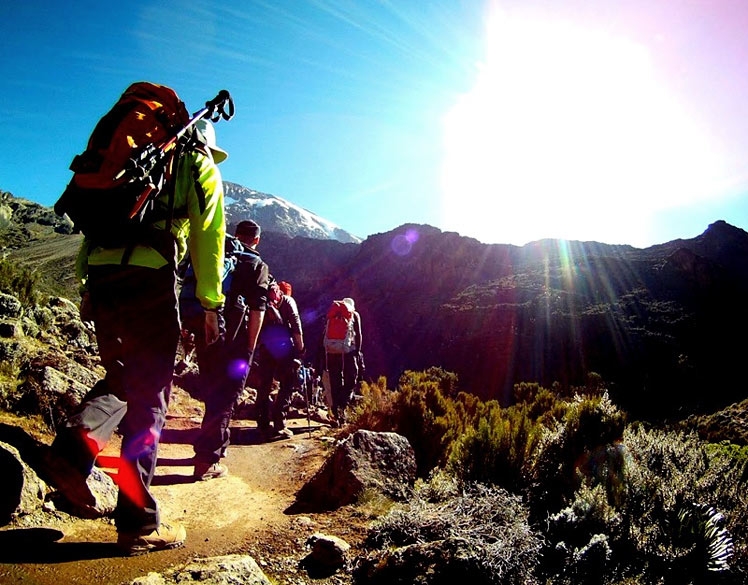
Kilimanjaro Summit-Night Mistakes To Avoid: Your Essential Guide For Climbs
Summit night on Kilimanjaro is the most challenging part of the climb. Avoiding common mistakes in acclimatization, gear, hydration, and pacing is crucial for success. This guide details...
View package details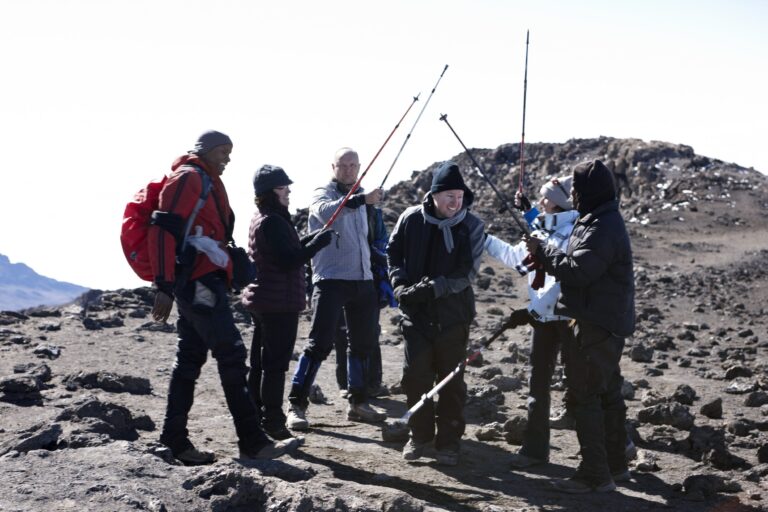
Kilimanjaro Airport Vs Arusha For Climbers: The Definitive Guide 2026-2027
A comprehensive comparison of Kilimanjaro International Airport (JRO) and Arusha Airport (ARK) for trekkers planning a Mount Kilimanjaro climb, detailing pros, cons, and booking advice for...
View package details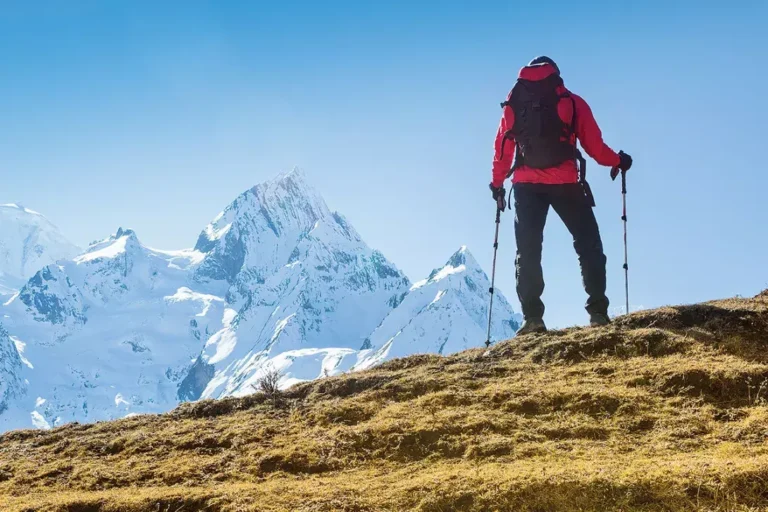
Kilimanjaro Climb For Retired Couples: Planning Your Adventure 2026-2027
Planning a Kilimanjaro climb as a retired couple is an achievable and rewarding goal. This guide offers in-depth advice on route selection, physical preparation, essential gear, and the...
View package detailsCan A 16-Year-Old Climb Kilimanjaro? Your Essential Guide 2026-2027
Discover if a 16-year-old can summit Kilimanjaro. This comprehensive guide covers age requirements, health, fitness, essential gear, and planning for younger trekkers aiming for Africa's...
View package details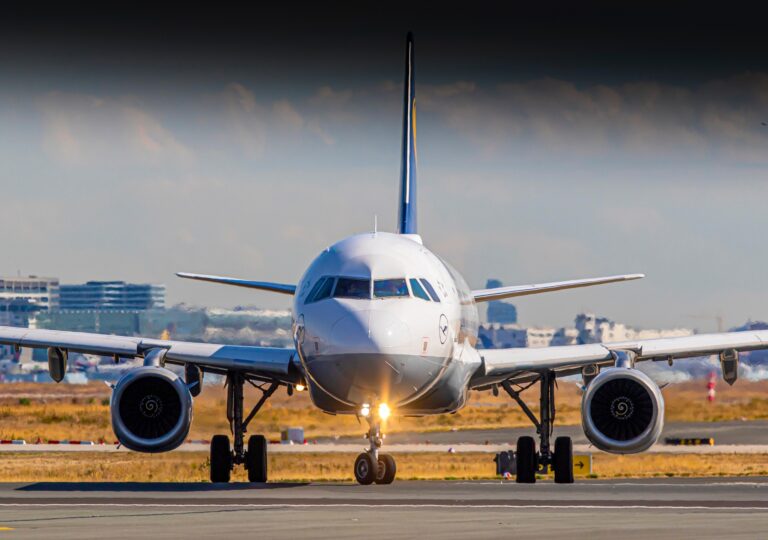
Content For Parents And Young Climbers: Conquering Kilimanjaro Safely
Planning a Kilimanjaro climb with children or as a young climber requires special attention. This guide provides comprehensive content for parents and young adventurers, covering...
View package details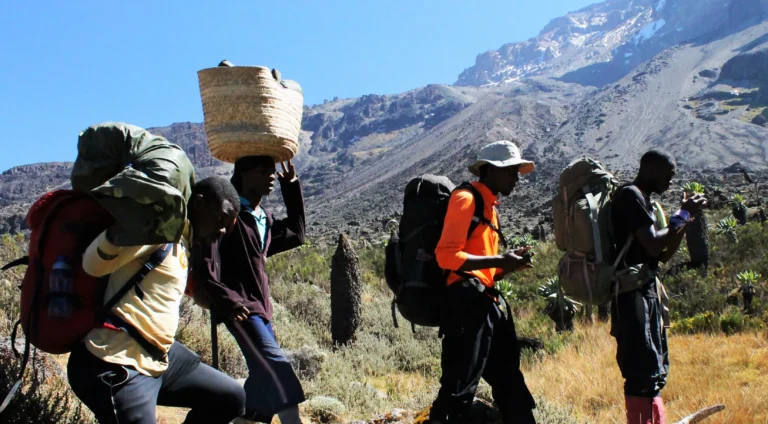
Kilimanjaro Tree-Planting Climbing Package Guide
Combine your dream Kilimanjaro climb with a meaningful conservation effort. Our Kilimanjaro Tree-Planting Climbing Package allows you to ascend Africa's highest peak while actively...
View package details
What Happens If It Rains Throughout Your Kilimanjaro Climb? 2026-2027
What Happens If It Rains throughout Your Kilimanjaro Climb? is explained with current 2026-2027 planning, price, itinerary and booking information.
View package details
Kilimanjaro Early-Bird Climbing Discounts For Adventures 2026-2027
Plan your 2026-2027 Kilimanjaro climb and take advantage of early-bird discounts. Top Guide Adventures offers savings for those who book in advance, ensuring a memorable and affordable...
View package detailsNo related package matches those filters. Clear one or more filters to see the other topic-matched options.



