
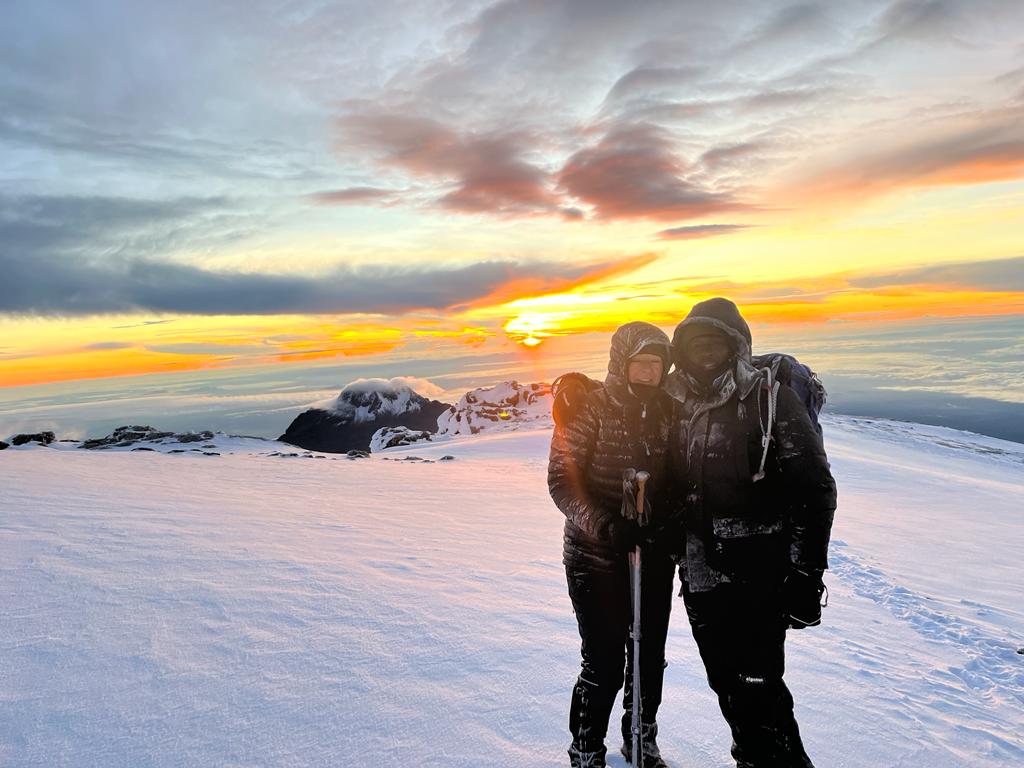
The view from Uhuru Peak, the highest point on Mount Kilimanjaro at 5,895 meters (19,341 feet), is a impressive, otherworldly panorama dominated by stark, volcanic rock formations, shimmering glaciers, and an expansive sea of clouds stretching to the horizon. At sunrise, this vista transforms into a celestial masterpiece, with the sun’s first rays illuminating the sky in a riot of color, casting long shadows and revealing the vast plains of Tanzania far below. It’s a moment of profound accomplishment, offering a unique perspective of the African continent and the raw beauty of high-altitude landscapes.
Understanding the Uhuru Peak Vista: Beyond the Horizon
Reaching Uhuru Peak is the culmination of a challenging yet immensely rewarding journey up Mount Kilimanjaro, Africa’s highest free-standing mountain. The view from this ultimate summit is not merely a visual spectacle; it’s an experience that engages all senses, a testament to human endurance and the planet’s magnificent geological artistry. For trekkers planning their ascent in 2026 or 2027, understanding what to expect visually is a crucial part of the mental preparation.
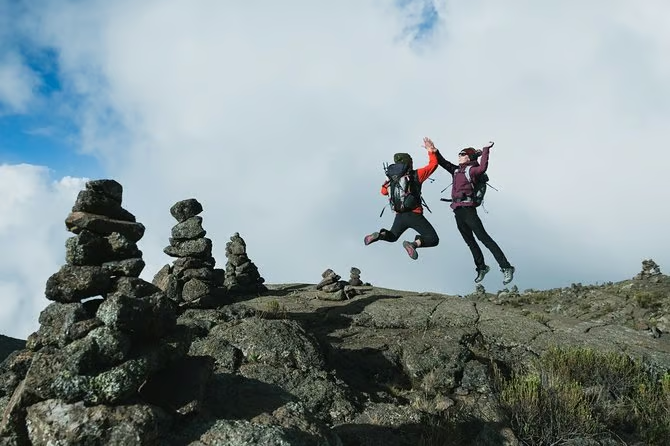
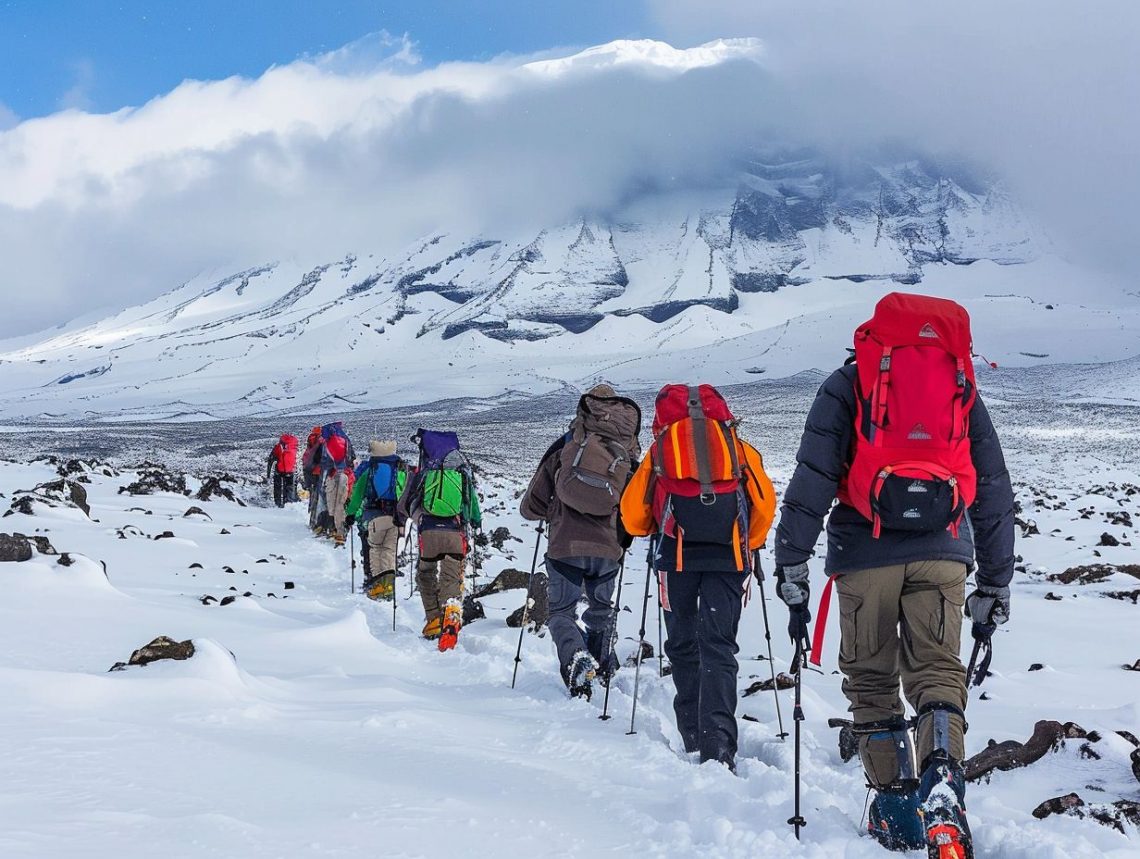
The summit itself is a relatively flat, snow-covered plateau. The air is thin, and the cold can be intense, especially in the pre-dawn hours. Yet, it is precisely this extreme environment that crafts the unique panorama. The dominant features are the remnants of Kilimanjaro’s volcanic past: scree slopes, large rocks, and the famous glacial ice fields that are sadly receding due to climate change. These glaciers, though diminishing, still provide a surreal, almost arctic-like quality to the summit zone, contrasting sharply with the African savanna that lies thousands of feet below.
The most iconic element of the Uhuru Peak view is the curvature of the Earth, subtly visible on exceptionally clear days, and the vast expanse of clouds that often blanket the lower reaches of the mountain and the surrounding landscape. Seeing the world from above the clouds, with the sun beginning its ascent, is an unforgettable sight. It’s a moment where the sheer scale of nature becomes palpable, and the feeling of standing on the roof of Africa is profound.
The Pre-Dawn Spectacle: Sunrise at the Summit
The majority of Kilimanjaro climbs aim to reach Uhuru Peak around sunrise. This timing is strategic, allowing climbers to descend during daylight hours, but more importantly, it positions them to witness one of the most spectacular sunrises on Earth. As the first light begins to break, the sky transforms from deep indigo to shades of orange, pink, and gold. The sun appears as a brilliant orb, seemingly rising from an ocean of clouds, casting a warm glow over the icy peaks and the volcanic terrain.
The interplay of light and shadow across the glaciers is particularly striking. The ice, sculpted by centuries of elemental forces, reflects the dawn light, creating shimmering, ethereal formations. These ice formations, including the famous glacial cones and walls, are a significant part of the visual narrative of the summit. While they are a part of the iconic view, it’s important to note their rapid decline, making a 2026 or 2027 trek a chance to see them in their current state.
Looking out from Stella Point (a secondary crater rim viewpoint before Uhuru Peak) or the true summit, you can often see the shadow of Kilimanjaro itself cast across the cloud layer far below – a majestic, pyramid-shaped silhouette stretching for miles. This is a powerful visual reminder of the mountain’s immense size and elevation.
Key Visual Elements of the Uhuru Peak View
The view from Uhuru Peak is a composite of several distinct visual elements, each contributing to its unique majesty. Understanding these components can help prospective climbers in 2026-2027 better appreciate the experience.
- Glacial Ice Fields: These are perhaps the most iconic and poignant features. Kilimanjaro’s glaciers are a rare sight at this latitude and altitude. They manifest as ice walls, seracs, and snowfields that are constantly shifting and evolving. Their stark white and blue hues contrast dramatically with the dark volcanic rock.
- Volcanic Landscape: The summit plateau is composed of volcanic ash and rock, creating a rugged, moon-like terrain. Large boulders and scree slopes are common. The crater rim itself, particularly the area around Stella Point and Gilman’s Point, showcases the mountain’s volcanic origins.
- Sea of Clouds: Below the summit, clouds often form a dense, white blanket. This creates the sensation of being on an island in the sky, with the world hidden beneath. When the clouds part, glimpses of the plains of Tanzania, including Mount Meru, can sometimes be seen.
- Sunrise and Sunset Hues: The light at this altitude is intense. Sunrises are particularly spectacular, painting the sky and the ice with vibrant colors. Sunsets, if viewed from the summit (though most climbers descend before sunset), offer a different, equally dramatic palette.
- Distant Horizons: On exceptionally clear days, the curvature of the Earth can be subtly perceived. The vastness of the African continent unfolds below, offering a humbling perspective on our planet.
The Receding Glaciers: A Changing Landscape
A crucial aspect of the view from Uhuru Peak, and one that adds a layer of poignancy, is the state of Kilimanjaro’s glaciers. These ancient ice fields have been shrinking dramatically over the past century due to global warming. While they remain a significant visual feature, their extent is considerably less than in historical photographs. Climbers in 2026 and 2027 will witness a landscape shaped by both geological time and contemporary climate change.
The sight of these majestic ice formations, some reaching several meters high, is awe-inspiring. However, their gradual disappearance serves as a stark reminder of environmental shifts. The blue ice caves and formations that hikers might see are constantly changing. This makes experiencing them during a trek planned for 2026 or 2027 particularly valuable, offering a chance to witness a unique and changing natural wonder.
Navigating the Summit Zone: What to Expect on the Ground
The physical experience of being at Uhuru Peak profoundly influences how one perceives the view. The extreme altitude (nearly 20,000 feet) means that every step is a struggle. Oxygen levels are about half of what they are at sea level, leading to potential altitude sickness symptoms like headaches, nausea, and fatigue.
This physical challenge means that the visual experience is often filtered through a lens of exertion. Climbers may not linger for extended periods, focusing instead on reaching the summit marker, taking a few iconic photos, and beginning their descent. The view, therefore, is often experienced in brief, intense moments, etched into memory by the sheer effort involved.
The summit trail from Barafu Camp to Stella Point is steep and arduous, often involving a climb of over 1,200 meters in just a few kilometers. The final push from Stella Point to Uhuru Peak is relatively flatter but still demanding, traversing the crater rim. The darkness of the pre-dawn hours, illuminated only by headlamps, adds to the surreal atmosphere. As dawn breaks, the landscape gradually reveals itself, turning the challenging ascent into a visually spectacular reward.
The Summit Marker and Signpost
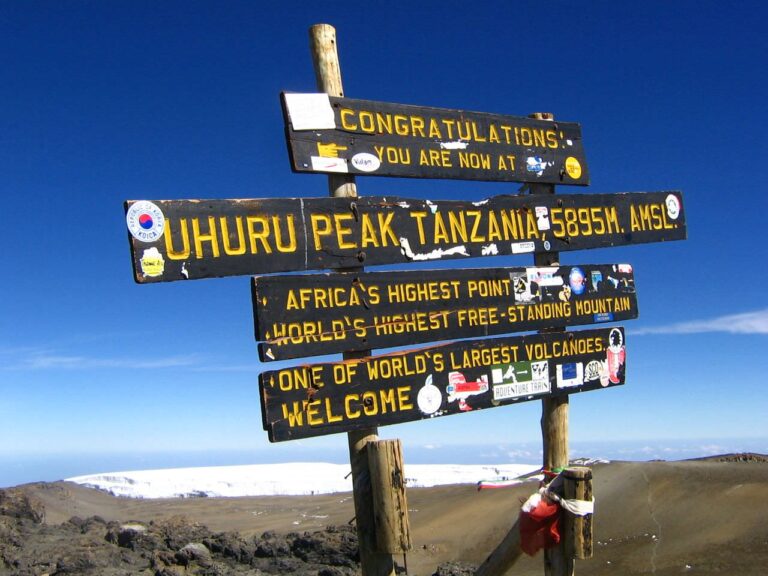
At Uhuru Peak, the iconic signpost is a key focal point. It reads “Uhuru Peak – 5,895m (19,341 ft) – Home of Peace”. This marker, often adorned with ice, serves as the ultimate goal. Standing next to it, often with the vast glacial fields and the African sky as a backdrop, is a moment many climbers cherish. The signpost itself becomes part of the visual memory of the view from Uhuru Peak.
Taking photographs here is a ritual. Climbers often pose with the sign, capturing their achievement against the backdrop of the dramatic landscape. The surrounding ice formations and the expansive views make for truly memorable photos, documenting their successful trek to the roof of Africa, whether in 2026, 2027, or any other year.
Comparing Kilimanjaro Summit Views: Different Routes, Similar Vistas
While the ultimate view from Uhuru Peak remains the same regardless of the route taken, the journey to get there, and the specific vantage points encountered along the way, can differ. Understanding these subtle variations can help climbers in 2026-2027 choose the route that best suits their preferences.
All routes converge on the final ascent to the summit. The Marangu, Machame, Lemosho, Shira, Rongai, and Northern Circuit routes all lead trekkers to Stella Point or Gilman’s Point on the crater rim, from where the final push to Uhuru Peak is made. Therefore, the visual experience of the summit plateau, the glaciers, and the sunrise is fundamentally consistent across all successful ascents.
- Marangu Route: Often called the “Coca-Cola” route, it’s the only one with hut accommodations. Its direct ascent means less acclimatization time, potentially increasing altitude sickness risk. The summit views are the same, but the journey might be less visually diverse in terms of landscapes leading up to the final climb.
- Machame Route: Known for its scenic beauty and good acclimatization profile, the Machame route offers stunning views throughout the trek, with diverse ecological zones. The summit view is the grand prize after a challenging but rewarding path.
- Lemosho and Shira Routes: These western routes are known for their remoteness and excellent acclimatization. They offer spectacular views of the mountain’s western face and the vast plains, culminating in the classic Uhuru Peak panorama.
- Rongai Route: Approaching from the north, Rongai offers a different perspective and is often less crowded. It provides excellent views of the surrounding savanna and Kenya’s Tsavo West National Park before reaching the main summit region.
- Northern Circuit: The longest route, offering the best acclimatization and most comprehensive circuit of the mountain. It provides unparalleled views of Kilimanjaro’s northern slopes and diverse landscapes, leading to the ultimate summit vista.
Regardless of the chosen path for a 2026 or 2027 climb, the final moments before Uhuru Peak and the view from the top are universally recognized as the pinnacle of the Kilimanjaro experience.
The Significance of Stella Point vs. Uhuru Peak
Stella Point (5,756m / 18,885 ft) is located on the crater rim. Many climbers reach Stella Point first, and for some, this is the highest point they achieve due to fatigue or altitude. The view from Stella Point is already spectacular, offering a commanding vista over the clouds and the surrounding landscape. However, Uhuru Peak is a further 1.5 km (0.9 miles) walk along the crater rim from Stella Point. This relatively flat but exposed walk is crucial for reaching the true summit.
The view from Uhuru Peak itself is slightly more expansive and offers the iconic signpost. The walk between Stella Point and Uhuru Peak provides continuous, dramatic views of the crater and the glaciers. For those who push on, the satisfaction of reaching the absolute highest point, marked by the sign, adds an extra layer to the visual reward.
Practical Considerations for Experiencing the View in 2026-2027
To fully appreciate and safely experience the view from Uhuru Peak, careful planning is essential. This includes choosing the right time of year, selecting a reputable tour operator, and preparing adequately.
Best Time to Climb for Optimal Views
The best times to climb Kilimanjaro, offering the clearest skies and therefore the most spectacular views from Uhuru Peak, are during the dry seasons:
- January to March: Generally clear skies, though can be very cold.
- June to October: Another dry season, often with good visibility and slightly milder temperatures than the early year.
While views can be had year-round, the rainy seasons (April-May and November-December) increase the chances of cloud cover obscuring the summit views. Planning a trek for 2026 or 2027 during these optimal windows will significantly enhance the visual experience.
Choosing a Tour Operator
The quality of your climb, including safety, guide expertise, and logistical support, directly impacts your ability to reach and enjoy the summit view. Top Guide Adventures, a leading Tanzanian tour operator, specializes in Kilimanjaro climbs. Their experienced guides are trained to manage altitude sickness and ensure climbers have the best possible chance of reaching Uhuru Peak safely. They offer various itineraries in 2026 and 2027, catering to different fitness levels and preferences.
Top Guide Adventures focuses on small group sizes, providing personal attention and ensuring safety is paramount. Their knowledge of the mountain and commitment to client well-being are critical for a successful summit experience, allowing you to focus on the incredible views from Uhuru Peak.
Physical and Mental Preparation
The view from Uhuru Peak is earned through significant physical exertion. Proper training is crucial. This should include cardiovascular exercises and strength training, focusing on legs and core. Acclimatization is key; choosing a longer route (like Machame, Lemosho, or Northern Circuit) in 2026 or 2027 significantly aids acclimatization and increases summit success rates.
Mental preparation is equally important. Understanding the challenges of the summit night, the altitude, and the cold will help you persevere. Positive visualization of the sunrise and the view from Uhuru Peak can be a powerful motivator.
Altitude Sickness: A Factor Affecting the View
Altitude sickness (Acute Mountain Sickness – AMS) is the most common challenge on Kilimanjaro. Symptoms can range from mild headaches and dizziness to severe, life-threatening conditions like HAPE and HACE. Recognizing symptoms and communicating them to your guide is vital. If AMS is severe, descent is the only cure. Sadly, this means some climbers may not reach Uhuru Peak or may have to descend before fully appreciating the view.
The key to mitigating altitude sickness is slow ascent, proper hydration, and avoiding alcohol and strenuous activity upon arrival in Tanzania. Longer routes (8-9 days) in 2026-2027 offer better acclimatization and higher success rates.
Beyond the Summit: The Descent and Lasting Impressions
The descent from Uhuru Peak is often as challenging as the ascent, especially the first part down to Barafu Camp. The scree slopes can be treacherous, and tired legs struggle. However, the views during the descent are also remarkable, offering a different perspective of the mountain’s terrain and the receding glaciers.
As climbers descend through the different ecological zones – from arctic to alpine desert, temperate, and finally rainforest – the landscape changes dramatically. The lingering memory of the view from Uhuru Peak, however, remains a powerful force. It’s a visual reward that stays with trekkers long after they have returned to sea level.
The Emotional Impact of the Uhuru Peak View
Standing at the highest point in Africa is an emotionally charged experience. It’s a moment of profound accomplishment, often accompanied by tears of joy and relief. The sheer scale of the view, combined with the personal achievement, can be overwhelming.
Many describe a sense of peace, awe, and connection to nature. The challenges faced on the climb amplify the reward of the summit view. It’s a perspective that shifts one’s understanding of their own capabilities and the grandeur of the natural world. This emotional resonance is a significant part of what makes the view from Uhuru Peak so sought after.
Planning Your Kilimanjaro Climb for 2026-2027: Key Takeaways
For anyone dreaming of witnessing the view from Uhuru Peak, planning is paramount. Whether you aim for 2026 or 2027, consider these points:
- Choose the Right Route: Longer routes (8+ days) offer better acclimatization and higher chances of summit success and enjoying the view.
- Select a Reputable Operator: Companies like Top Guide Adventures prioritize safety, guide expertise, and client experience, maximizing your opportunity to reach the summit.
- Train Adequately: Physical and mental preparation are non-negotiable for this challenging trek.
- Pack Appropriately: Layers are essential for the extreme temperature variations, especially on summit night.
- Understand Altitude Sickness: Be aware of the symptoms and communicate openly with your guide.
- Appreciate the Moment: The view from Uhuru Peak is a fleeting, extraordinary reward. Be present and absorb the experience.
The view from Uhuru Peak is more than just a panorama; it’s a profound sensory and emotional experience, a culmination of effort, and a unique perspective on our planet. Planning a climb with Top Guide Adventures for 2026 or 2027 ensures you have the best possible support to achieve this incredible goal and witness the roof of Africa unfold before you.
Ready to plan your own ascent to witness the magnificent view from Uhuru Peak? Contact Top Guide Adventures today for expert advice and tailor-made itineraries for your 2026-2027 Kilimanjaro adventure. Reach out via WhatsApp +255616946642 or email us at topguideadventures@gmail.com. For alternative inquiries, you can also use info@topguideadventures.com.
Check Availability for What Does The View From Uhuru Peak Look Like? Your Ultimate Kilimanjaro
Ready to compare dates, prices, and the best option for your group? Send the package name and travel month so the team can reply with a clear quote, availability, and what is included.
What Does Kilimanjaro Rainforest Look Like? A Trekkers Visual Guide 2026-2027
The Kilimanjaro rainforest is a vibrant, humid zone of dense vegetation, towering trees, and diverse plant life found on the mountain's lower slopes. It's the first major ecosystem trekkers...
View package detailsNo related package matches those filters. Clear one or more filters to see the other topic-matched options.



