
If you get food poisoning before Kilimanjaro, your climb will likely be postponed or canceled entirely due to the severe health risks and physical demands of trekking at high altitude. Immediate medical attention is required, and full recovery is essential before attempting the ascent, especially for a planned expedition in 2026 or 2027.


Understanding the Immediate Impact of Food Poisoning on Your Kilimanjaro Expedition
The prospect of summiting Mount Kilimanjaro is a dream for many adventurers, representing a significant physical and mental challenge. However, a common and often underestimated threat can derail these meticulously planned expeditions: food poisoning. If you find yourself experiencing the unpleasant symptoms of food poisoning just days or even hours before your scheduled ascent, the reality is stark. Your climb will almost certainly be put on hold, and potentially canceled, until you are fully recovered. This isn’t a minor inconvenience; it’s a critical health and safety issue that demands immediate attention and a thorough understanding of its implications for high-altitude trekking.
Kilimanjaro is not a casual hike. It’s a multi-day expedition that pushes your body to its limits, requiring significant cardiovascular fitness, stamina, and the ability to acclimatize to rapidly decreasing oxygen levels. Food poisoning, even in its milder forms, incapacitates individuals with symptoms like nausea, vomiting, diarrhea, abdominal cramps, and fever. These symptoms alone make any form of strenuous physical activity impossible, let alone a challenging multi-day trek up Africa’s highest peak. The dehydration associated with vomiting and diarrhea can be particularly dangerous at altitude, exacerbating the effects of acclimatization and increasing the risk of serious altitude-related illnesses.
For trekkers planning their 2026 or 2027 Kilimanjaro adventure, understanding this risk is paramount. It influences not only pre-trip health precautions but also the importance of travel insurance and flexible booking arrangements. Top Guide Adventures, as a premier tour operator in Tanzania, emphasizes that the safety and well-being of our clients are the absolute priority. No trek is worth risking severe dehydration, electrolyte imbalance, or the general physical exhaustion that accompanies a bout of food poisoning.
The Critical Role of Physical Condition for Kilimanjaro Trekkers
Before diving into the specifics of what happens if food poisoning strikes, it’s vital to appreciate the baseline physical condition required for a Kilimanjaro climb. This mountain demands a robust constitution. Trekkers ascend for days, covering significant distances each day while carrying their own body weight and adjusting to thinner air. The body is under constant stress, working harder to perform even basic functions. This sustained effort requires:
- Cardiovascular Endurance: The ability of your heart and lungs to supply oxygen to your muscles during prolonged exertion.
- Muscular Strength and Stamina: Particularly in the legs and core, to navigate steep ascents and descents.
- Mental Fortitude: The resilience to push through discomfort, fatigue, and challenging weather conditions.
- Healthy Immune System: To combat potential infections and recover from the physical demands of the trek.
Food poisoning directly attacks this essential physical foundation. It dehydrates the body, depletes vital nutrients and electrolytes, and causes extreme fatigue and weakness. Attempting Kilimanjaro in such a compromised state would be akin to trying to run a marathon with a severe flu – not only is it practically impossible, but it also carries grave health risks.
Recognizing the Symptoms of Food Poisoning
Swift recognition of food poisoning symptoms is key, especially when an imminent Kilimanjaro trek is on the line. The onset can be rapid, often appearing within a few hours to a couple of days after consuming contaminated food or water. Common symptoms include:
- Nausea
- Vomiting
- Diarrhea (often watery or bloody)
- Abdominal pain and cramps
- Fever
- Headache
- Muscle aches
- Fatigue and weakness
The severity and duration of these symptoms vary depending on the specific pathogen (bacteria, virus, or parasite) and the individual’s health. However, any significant manifestation of these symptoms indicates that your body is fighting an infection and is far from being in a condition suitable for a strenuous mountain climb. For those with Kilimanjaro trips booked for 2026 or 2027, understanding these signs is the first step in managing the situation effectively.
The Immediate Consequences: Postponement or Cancellation of Your Climb
If food poisoning strikes in the days leading up to your Kilimanjaro climb, the most immediate and unavoidable consequence is the need to postpone or, in severe cases, cancel your trek. This decision is not made lightly, but it is a non-negotiable safety protocol enforced by reputable tour operators like Top Guide Adventures and by the mountain’s own regulations.
Why Postponement is Necessary
The reasons for postponing are multifaceted and center on the trekkers’ health and safety:
- Dehydration: Vomiting and diarrhea lead to rapid fluid and electrolyte loss. Dehydration is dangerous on its own and significantly worsens the effects of altitude sickness. Symptoms include dizziness, headaches, fatigue, and reduced urine output. At altitude, dehydration can accelerate the onset of Acute Mountain Sickness (AMS), High Altitude Pulmonary Edema (HAPE), or High Altitude Cerebral Edema (HACE), all of which can be life-threatening.
- Weakness and Fatigue: Food poisoning drains your energy reserves. Even mild food poisoning can leave you feeling extremely weak, making it impossible to sustain the effort required for climbing. The physical demands of Kilimanjaro, which involve hiking for 5-9 hours daily, would be insurmountable.
- Compromised Immune System: Your body is already fighting off a pathogen. Adding the extreme stress of high-altitude climbing would further weaken your immune system, making you susceptible to other infections and hindering recovery.
- Digestive Distress: Abdominal pain and cramping can be exacerbated by the physical exertion and altitude. Eating and drinking – crucial for maintaining energy and hydration on the mountain – can become difficult or impossible.
- Risk to Others: While less common in the context of a trekking group where isolation is possible, some forms of food poisoning can be contagious. Operators have a responsibility to ensure the health of all their staff and fellow trekkers.
The Decision-Making Process
When a trekker reports feeling unwell, especially with symptoms suggestive of food poisoning close to the climb date, tour operators will assess the situation. This typically involves:
- Communication: Open and honest communication with the client is essential. Understanding the exact symptoms, their onset, and severity is the first step.
- Medical Advice: The operator will strongly advise seeking immediate medical attention from a qualified doctor. Self-diagnosis is not sufficient.
- Operator Policy: Reputable operators have clear policies regarding client health. Attempting to trek while ill will be strictly prohibited.
- Rescheduling: If a postponement is agreed upon, the operator will work with the client to reschedule the climb for a future date, often within a defined period (e.g., within 12-24 months). This flexibility is a hallmark of good tour providers.
For those planning a Kilimanjaro trip in 2026 or 2027, it is crucial to understand these policies when booking. Top Guide Adventures aims to provide flexible solutions for unforeseen circumstances, ensuring clients can still achieve their goal when they are healthy.
What if the Food Poisoning Occurs During the Trek?
While this article focuses on pre-climb illness, it’s worth noting that getting food poisoning *during* the Kilimanjaro trek presents an even more immediate and critical emergency. Symptoms developing on the mountain require immediate assessment by the guide and crew. Depending on severity, the trekker might be treated symptomatically (hydration, medication) and allowed to continue if mild, or they might need to be evacuated from the mountain for urgent medical care. This underscores the importance of preventing food poisoning altogether.
Preventing Food Poisoning Before Your Kilimanjaro Climb
The best strategy for dealing with food poisoning before Kilimanjaro is to prevent it from happening in the first place. This requires vigilance, particularly in the weeks and days leading up to your departure and during your initial days in Tanzania.
Pre-Trip Health and Hygiene Practices
In the weeks leading up to your 2026 or 2027 Kilimanjaro expedition, focus on maintaining excellent health:
- Consult Your Doctor: Discuss your travel plans and any potential health concerns. Ensure your vaccinations are up-to-date.
- Boost Your Immune System: Eat a healthy diet, get adequate sleep, and manage stress.
- Be Cautious with Food Choices: In the 1-2 weeks before departure, be extra mindful of where and what you eat. Avoid high-risk foods that might be undercooked or have been sitting out.
- Travel Insurance: Ensure you have comprehensive travel insurance that covers medical emergencies, including evacuation and trip cancellation/interruption.
Food and Water Safety in Tanzania
Tanzania, like many developing countries, presents specific challenges regarding food and water safety. Adhering to strict guidelines is crucial, especially for trekkers:
Water Consumption
Never drink tap water. This is the golden rule. Always opt for:
- Bottled Water: Ensure the seal is intact.
- Boiled Water: Water boiled for at least one minute is safe.
- Treated Water: Use water purification tablets or filters (though these may not kill all pathogens, so bottled/boiled is preferred).
Be mindful of ice in drinks, as it’s often made from tap water. Avoid drinks that may have been diluted with untreated water.
Food Choices and Preparation
When eating out, choose busy restaurants where food turnover is high. Look for establishments that appear clean and where food is cooked fresh to order.
- Cooked Food: Eat food that is thoroughly cooked and served piping hot.
- Avoid Raw Foods: This includes raw salads, unpeeled fruits, and raw vegetables, as they may have been washed in contaminated water or handled improperly.
- Fruits: Stick to fruits you can peel yourself (e.g., bananas, oranges, mangoes).
- Dairy Products: Ensure dairy products are pasteurized.
- Street Food: While tempting, street food carries a higher risk. If you choose to eat it, ensure it’s cooked thoroughly in front of you and served immediately.
Tips for Managing Food Sensitivities
If you have known food sensitivities or a sensitive stomach, take extra precautions:
- Bring Your Own Snacks: Pack familiar, safe snacks from home (e.g., energy bars, dried fruit, nuts) for the journey and your first few days.
- Communicate Dietary Needs: Inform your tour operator about any allergies or dietary restrictions well in advance. Top Guide Adventures is experienced in catering to various needs.
- Probiotics: Some travelers find taking probiotics in the weeks before and during their trip helps maintain gut health. Consult your doctor first.
Hygiene Practices
Simple hygiene can prevent the spread of germs:
- Wash Your Hands Frequently: Use soap and clean water, especially before eating and after using the restroom.
- Carry Hand Sanitizer: Use an alcohol-based hand sanitizer (at least 60% alcohol) when soap and water aren’t available.
By being diligent with these preventative measures, you significantly reduce the risk of food poisoning and ensure you are in the best possible condition for your Kilimanjaro trek in 2026 or 2027.
What to Do If You Suspect Food Poisoning Before Your Kilimanjaro Climb
Despite your best efforts, sometimes illness strikes unexpectedly. If you develop symptoms of food poisoning in the days or hours before your Kilimanjaro climb, it’s crucial to act quickly and responsibly.
Step 1: Seek Immediate Medical Attention
Do not try to tough it out or self-diagnose. Your health is the priority. Contact a doctor or visit a clinic as soon as possible.
- In Your Home Country: If you fall ill before departing, see your primary care physician immediately.
- In Tanzania (Pre-Climb): If you are already in Tanzania but not yet on the mountain (e.g., in Arusha or Moshi), seek medical help from a reputable clinic or hospital. Your tour operator, such as Top Guide Adventures, can recommend reliable facilities. For example, medical facilities in Moshi are accessible.
Be specific about your symptoms, when they started, what you ate, and your upcoming Kilimanjaro trek. This information will help the doctor make an accurate diagnosis and recommend appropriate treatment.
Step 2: Hydration and Rest
The primary concern with food poisoning is dehydration. Your doctor will likely advise:
- Fluid Replacement: Drink plenty of clear fluids. Oral rehydration salts (ORS) are highly recommended to replace lost electrolytes. Water, clear broths, and diluted fruit juices are also good options. Avoid sugary drinks, caffeine, and alcohol, which can worsen dehydration.
- Rest: Your body needs energy to fight the infection and recover. Get as much rest as possible.
Step 3: Inform Your Tour Operator
It is vital to inform your tour operator, Top Guide Adventures, immediately about your condition. Honesty and prompt communication allow them to:
- Adjust Plans: They can begin the process of postponing your trek and discussing rescheduling options for 2026 or 2027.
- Provide Support: They can offer advice on local medical facilities or help coordinate care if you are already in Tanzania.
- Manage Logistics: They can inform the mountain authorities and arrange for your gear to be stored or returned.
Contacting them via WhatsApp at +255616946642 or emailing topguideadventures@gmail.com are the quickest ways to reach them.
Step 4: Follow Medical Advice for Recovery
Recovery time varies. A mild case might resolve in 24-48 hours, while a more severe infection could take days or even weeks.
- Diet: Once vomiting subsides, gradually reintroduce bland foods (BRAT diet: Bananas, Rice, Applesauce, Toast). Avoid dairy, fatty foods, spicy foods, and high-fiber items until you feel fully recovered.
- Medication: Follow your doctor’s prescription for any medications, such as anti-diarrheals or antibiotics if a bacterial infection is confirmed.
- Listen to Your Body: Do not rush your recovery. Pushing yourself too soon can lead to relapse or prolonged illness.
Step 5: Medical Clearance for Trekking
Before you can even consider rescheduling your Kilimanjaro climb, you will need medical clearance from a doctor. This confirmation states that you are fully recovered, hydrated, and physically capable of undertaking a strenuous high-altitude trek. Your tour operator will require this clearance for safety reasons.
The Medical Facilities Available in Tanzania
Should you fall ill with food poisoning while in Tanzania, before your Kilimanjaro trek, knowing where to seek reliable medical care is essential. Both Moshi and Arusha, the main gateway towns for Kilimanjaro climbs, have medical facilities that can handle common ailments.
Moshi Town
Moshi, being the closest town to Kilimanjaro, has several options:
- Mawenzi Regional Hospital: This is a public hospital offering a range of services. While it can handle emergencies, the quality of care and facilities may vary.
- Kilimanjaro Christian Medical Centre (KCMC): This is a well-regarded referral hospital known for its higher standards of care and better-equipped facilities. It is often recommended for international visitors needing more advanced treatment. KCMC has a dedicated travel clinic and is experienced in treating common travel-related illnesses.
- Private Clinics: Several smaller private clinics operate in Moshi, offering consultations and treatment for less severe conditions. Your tour operator can often recommend a specific clinic they trust.
Arusha Town
Arusha, a larger city and another common starting point for Tanzanian adventures, offers more extensive medical services:
- Arusha Lutheran Medical Centre: A reputable facility known for good care.
- International Medical Centre (IMC): This private clinic offers a high standard of care, with English-speaking doctors and modern equipment, making it a popular choice for expatriates and tourists.
- Mount Meru Hospital: A public hospital providing general medical services.
Important Note for 2026-2027 Travelers: While these facilities are generally adequate for treating food poisoning, severe cases or complications might require evacuation to a higher-standard facility, potentially in Nairobi, Kenya, or even back home. This is where comprehensive travel insurance becomes absolutely critical.
Rescheduling Your Kilimanjaro Climb
The good news is that falling ill before your Kilimanjaro climb doesn’t have to mean the end of your dream. Most reputable tour operators understand that unforeseen circumstances happen and offer options to reschedule.
Factors Influencing Rescheduling
When you need to postpone your climb due to food poisoning, several factors will influence the rescheduling process:
- Operator’s Policy: Each company has its own terms and conditions regarding cancellations and postponements. Top Guide Adventures is committed to working with clients to find solutions.
- Timing of Cancellation: If you cancel very close to the departure date, there might be fewer options or potential administrative fees, depending on the booking terms. However, illness is often treated with more flexibility than a voluntary change of plans.
- Availability: Kilimanjaro has peak seasons (e.g., January-March, June-October) and shoulder seasons. Rescheduling will depend on available slots for your preferred dates in 2026 or 2027.
- Validity Period: Most operators allow you to reschedule within a certain timeframe, typically 12 to 24 months from your original departure date.
- Cost Implications: While the climb package cost might be transferable, there could be minor adjustments due to price changes in park fees or operator costs between your original booking and the new date, especially if rescheduling into a different year like 2027 from an original 2026 plan.
How Top Guide Adventures Can Help
At Top Guide Adventures, we understand that health issues can arise. If you contract food poisoning and need to postpone your Kilimanjaro climb planned for 2026 or 2027:
- Contact Us Immediately: Reach out via email at topguideadventures@gmail.com or WhatsApp +255616946642.
- Provide Medical Documentation: We may request a doctor’s note confirming your illness and inability to travel.
- Discuss New Dates: We will work with you to find suitable new dates for your climb, considering availability and seasonality.
- Transfer Your Booking: Your existing payment can typically be transferred to your new booking, subject to the terms of your original agreement and any potential price adjustments for the new dates.
Our goal is to ensure that your dream of climbing Kilimanjaro is not permanently lost due to a temporary health setback.
The Financial Implications: Insurance and Booking Terms
Dealing with food poisoning before a Kilimanjaro climb has financial consequences, primarily related to non-refundable deposits, potential rescheduling fees, and medical costs. This is where robust travel insurance and understanding your booking terms are critical.
The Importance of Comprehensive Travel Insurance
Comprehensive travel insurance is not an optional extra for a Kilimanjaro expedition; it’s a necessity. For your 2026-2027 trip, ensure your policy covers:
- Trip Cancellation/Interruption: This is crucial. If you have to cancel or postpone your trip due to documented illness (like food poisoning), insurance can reimburse you for non-refundable costs.
- Medical Expenses: Covers costs for doctor visits, medication, and hospitalization in Tanzania.
- Emergency Medical Evacuation: This is perhaps the most vital component for Kilimanjaro. If you become seriously ill, evacuation from the mountain or to a higher-standard medical facility can be extremely expensive. Ensure your policy covers this adequately.
- Repatriation: Covers the cost of returning you to your home country if medically necessary.
Always read the fine print of your insurance policy. Understand what is covered, what is excluded, and the claims process. Keep all medical documentation and receipts for potential claims.
Understanding Your Tour Operator’s Booking Terms
When booking with Top Guide Adventures or any other operator, carefully review their booking terms and conditions. Pay close attention to:
- Deposit and Payment Schedule: Deposits are often non-refundable.
- Cancellation Policy: Understand the penalties or fees associated with canceling at different stages before departure.
- Postponement Policy: Clarify how postponements are handled, especially in cases of illness.
- Force Majeure: This clause typically covers events beyond human control (natural disasters, political unrest), but sometimes illness can fall under specific interpretations.
Being fully informed about both your insurance coverage and the operator’s policies will save you stress and financial loss if you encounter a situation like food poisoning before your Kilimanjaro adventure.
Mental and Emotional Impact of Pre-Climb Illness
Beyond the physical and financial ramifications, getting food poisoning just before a Kilimanjaro climb can take a significant toll on your mental and emotional state.
- Disappointment and Frustration: You’ve likely spent months, even years, planning and training for this trip. Having it derailed at the last minute can lead to immense disappointment and frustration.
- Anxiety: Worrying about your health, the financial loss, and the uncertainty of rescheduling can cause anxiety.
- Guilt: Some individuals might feel guilty, especially if they feel they could have prevented the illness or if their condition impacts group travel plans.
- Loss of Confidence: A severe bout of illness might temporarily shake your confidence in your physical abilities.
It’s important to acknowledge these feelings and allow yourself time to process them. Talking to friends, family, or even a travel counselor can help. Remember that prioritizing your health is the responsible choice, and most trekkers who postpone due to illness eventually get the chance to complete their climb when they are well. The mountain will still be there in 2026 or 2027.
A Case Study: Hypothetical Scenario
Imagine Sarah, a dedicated hiker from the UK, who booked her 2026 Kilimanjaro climb with Top Guide Adventures for a mid-July ascent. She had trained rigorously for six months, adhered to a strict diet, and was meticulously preparing her gear. Three days before her flight to Tanzania, she attended a casual barbecue and consumed some undercooked chicken.
Day 1: Sarah started feeling unwell with nausea and stomach cramps. She initially dismissed it as pre-travel jitters.
Day 2: Symptoms worsened significantly, including vomiting and diarrhea. She realized it was likely food poisoning. She contacted her doctor, who confirmed her suspicion and advised immediate rest and hydration. Sarah also contacted Top Guide Adventures via email, explaining her situation. They responded promptly, expressing understanding and outlining the process for postponement.
Day 3: Sarah was too ill to travel. She provided Top Guide Adventures with a doctor’s note. The company confirmed her booking could be transferred to a similar date in July 2027, with a minor adjustment to account for updated park fees.
Recovery: Sarah spent the next week recovering, focusing on rehydration and a bland diet. By the end of the second week, she felt much better and her doctor gave her the all-clear to resume light exercise.
Rescheduling: Sarah confirmed her new dates for July 2027. She felt disappointed but relieved that her Kilimanjaro dream was not over. She learned a valuable lesson about food safety, especially when traveling.
This hypothetical scenario illustrates the typical process and the importance of timely communication and medical care when facing food poisoning before Kilimanjaro.
Final Thoughts for Aspiring Kilimanjaro Trekkers in 2026-2027
The possibility of contracting food poisoning before your Kilimanjaro climb is a serious consideration, but it should not overshadow the incredible adventure that awaits. By understanding the risks, taking diligent preventative measures, and knowing how to react if illness strikes, you can significantly increase your chances of a successful and healthy expedition.
Prevention is key: Be vigilant about food and water safety in Tanzania. Choose reputable operators like Top Guide Adventures who prioritize client well-being and offer support in emergencies. Ensure you have comprehensive travel insurance that covers trip cancellation and medical evacuation.
If illness occurs: Prioritize your health. Seek medical attention immediately, stay hydrated, rest, and communicate openly with your tour operator. Postponing your climb is a responsible decision that allows you to return when you are fit and healthy.
Your Kilimanjaro adventure is a significant undertaking. Preparing for potential setbacks, including illness, is part of smart travel planning. With the right precautions and support, you can overcome challenges like food poisoning and achieve your goal of standing on the Roof of Africa. For any questions regarding preparation, safety, or booking your 2026 or 2027 climb, please do not hesitate to contact Top Guide Adventures.
For personalized assistance with planning your Kilimanjaro climb or to discuss rescheduling options, please reach out to our expert team at Top Guide Adventures. You can contact us via WhatsApp +255616946642, email us at topguideadventures@gmail.com, or use our backup email info@topguideadventures.com. We are dedicated to ensuring your Tanzanian adventure is safe, memorable, and successful.
Visit our website for more information on our Kilimanjaro climbs and other Tanzanian tours.
Check Availability for What Happens If You Get Food Poisoning Before Kilimanjaro? 2026-2027
Ready to compare dates, prices, and the best option for your group? Send the package name and travel month so the team can reply with a clear quote, availability, and what is included.
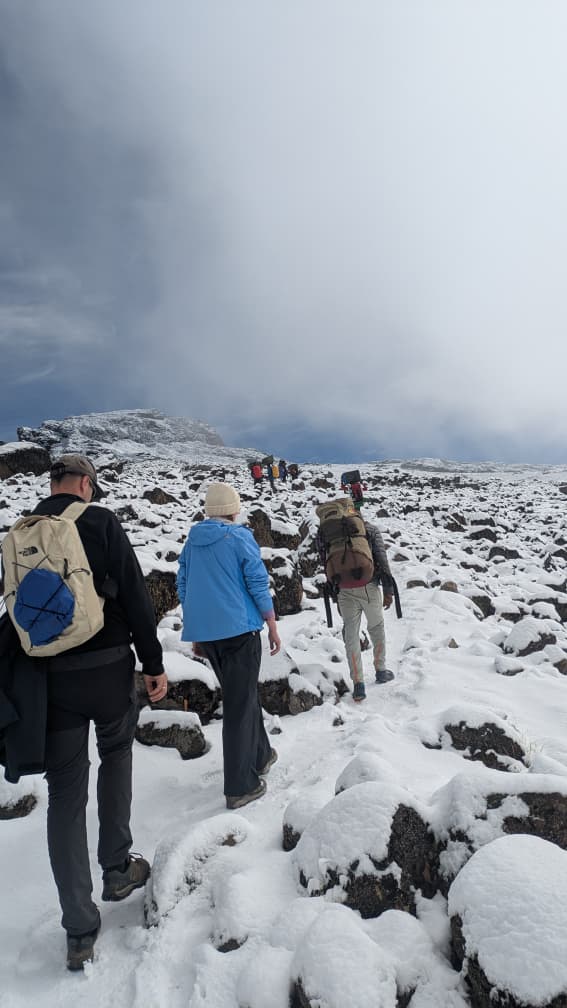
What Is Barafu Camp Like Before Summit Night On Kilimanjaro? 2026-2027
Barafu Camp is the high-altitude staging post on Kilimanjaro, situated just below the summit cone. It's a critical point where climbers rest and prepare for the final ascent to Uhuru Peak...
View package details
What Happens If The Kilimanjaro Trail Is Closed? 2026-2027
What Happens If the Kilimanjaro Trail Is Closed? is explained with current 2026-2027 planning, price, itinerary and booking information.
View package details
What Happens If You Miss Your Kilimanjaro Departure? Guide
If you miss your scheduled Kilimanjaro departure, your trek may be cancelled, and you could forfeit your deposit and payments. Rebooking is often possible but incurs additional costs and...
View package details
What Happens If Your Hiking Boots Break On Kilimanjaro? 2026-2027
What Happens If Your Hiking Boots Break on Kilimanjaro? is explained with current 2026-2027 planning, price, itinerary and booking information.
View package details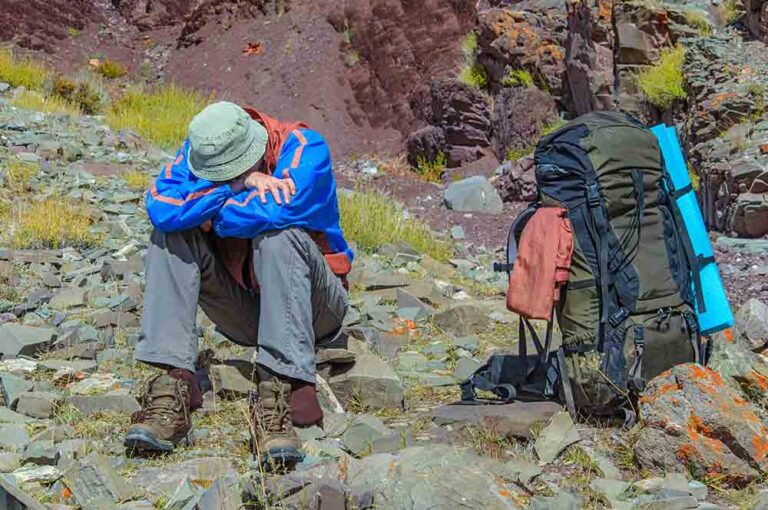
What Happens If It Rains Throughout Your Kilimanjaro Climb? 2026-2027
What Happens If It Rains throughout Your Kilimanjaro Climb? is explained with current 2026-2027 planning, price, itinerary and booking information.
View package details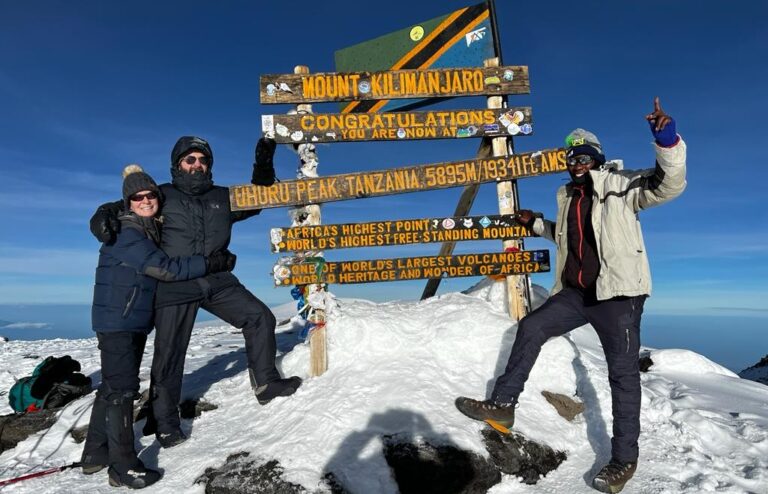
What Happens If Your Kilimanjaro Luggage Is Lost? 2026-2027
What Happens If Your Kilimanjaro Luggage Is Lost? is explained with current 2026-2027 planning, price, itinerary and booking information.
View package details
What Happens If You Cannot Sleep On Kilimanjaro? Expert Advice For Trekkers
Difficulty sleeping on Kilimanjaro is common due to altitude and exertion. This guide explains the physiological reasons, potential impacts, and practical strategies to manage sleep issues...
View package details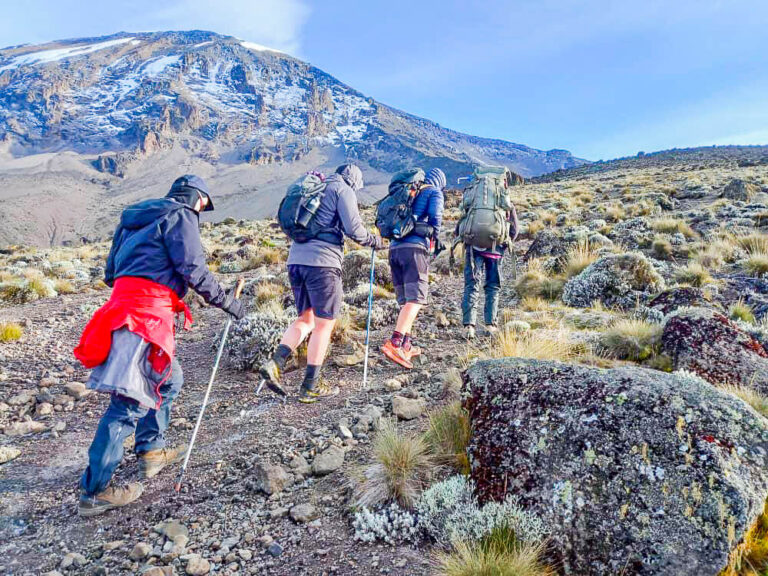
What To Check Before Paying A Kilimanjaro Deposit In 2026-2027
Planning to climb Kilimanjaro? Learn what crucial details to verify before paying your deposit to ensure a safe, successful, and well-organized trek in 2026 or 2027.
View package details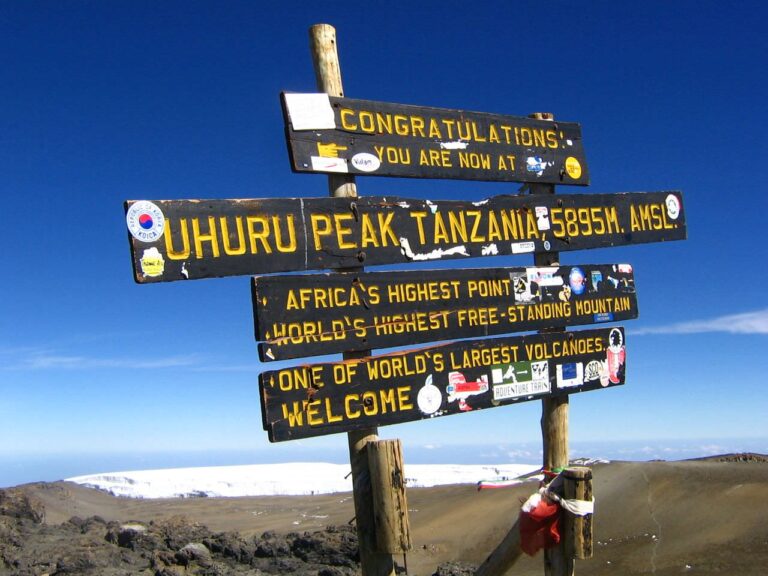
What Does Kilimanjaro Rainforest Look Like? A Trekkers Visual Guide 2026-2027
The Kilimanjaro rainforest is a vibrant, humid zone of dense vegetation, towering trees, and diverse plant life found on the mountain's lower slopes. It's the first major ecosystem trekkers...
View package details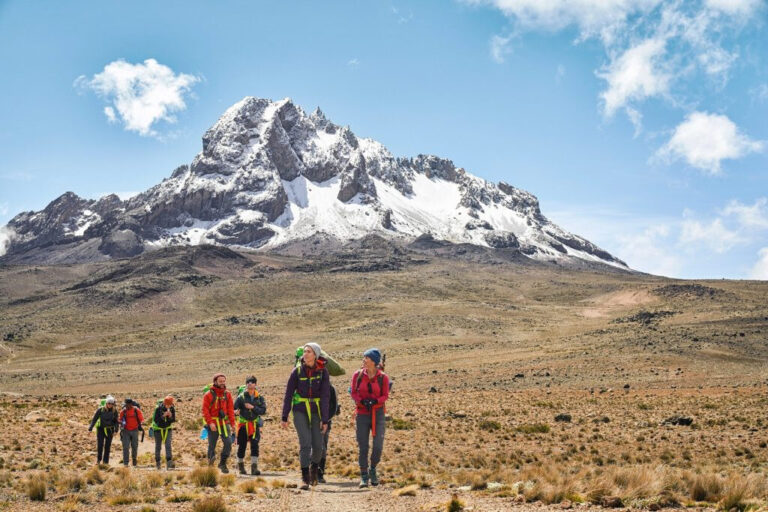
What Animals Live On Mount Kilimanjaro? 2026-2027
What Animals Live on Mount Kilimanjaro? is explained with current 2026-2027 planning, price, itinerary and booking information.
View package details
What Does The View From Uhuru Peak Look Like? Your Ultimate Kilimanjaro
The view from Uhuru Peak, Kilimanjaro's highest point, is a surreal panorama of stark volcanic rock, glacial ice, and an endless sea of clouds stretching below. At dawn, it offers a...
View package detailsWhat Is School Hut Like On Kilimanjaro? 2026-2027
What Is School Hut Like on Kilimanjaro? is explained with current 2026-2027 planning, price, itinerary and booking information.
View package detailsNo related package matches those filters. Clear one or more filters to see the other topic-matched options.



