
School Hut on Kilimanjaro is a basic, unstaffed shelter located at 4,750 meters (15,584 feet) on the saddle between Mawenzi and Kibo peaks, serving as the final camp for many climbers before their summit attempt. It offers rudimentary protection from the elements, typically consisting of simple tin-roofed structures with communal sleeping areas, and is primarily used on routes like Marangu and Rongai. Expect a cold, windy environment with minimal amenities, focusing on providing a place to rest and acclimatize before the challenging final ascent to Uhuru Peak, especially for those planning their climb in 2026 or 2027.


Understanding School Hut’s Role on Kilimanjaro
Kilimanjaro, Africa’s highest peak, presents a formidable challenge not just due to its altitude but also the logistics of ascending its massive volcanic cone. For many trekkers, particularly those on the Marangu and Rongai routes, School Hut is a familiar name. But what exactly is School Hut like on Kilimanjaro? It’s essential to understand that ‘hut’ here is a relative term. Unlike comfortable lodges or even well-equipped mountain huts found in other ranges, School Hut is a utilitarian structure designed for survival and staging, not for comfort. Its primary purpose is to provide a relatively sheltered place for climbers to rest and acclimatize at a critical altitude before embarking on the final, most demanding push to the summit.
Located at approximately 4,750 meters (15,584 feet), School Hut sits on the desolate saddle between the two main peaks of Kilimanjaro: Mawenzi and Kibo. This strategic position makes it an indispensable stop for routes that approach from the northern or eastern sides. Climbers typically arrive at School Hut in the late afternoon after a day’s trek and then, after a few hours of rest, begin their ascent to Uhuru Peak around midnight. This timing is crucial for reaching the summit at sunrise and for descending safely before the afternoon weather patterns typically set in.
The conditions at School Hut are harsh. The air is thin, temperatures are well below freezing, especially at night, and wind can be a significant factor. The structures themselves are basic, often made of corrugated iron, providing a barrier against the wind and some protection from precipitation, but offering little in the way of insulation or luxury. There are no sleeping bags provided, no heating, and limited sanitation facilities. It’s a place where climbers gather, eat a simple meal, try to get some sleep, and mentally prepare for the ultimate challenge of Kilimanjaro.
For climbers planning their expeditions in 2026 or 2027, understanding the reality of School Hut is vital for proper preparation. It underscores the importance of choosing a reputable tour operator like Top Guide Adventures, who can provide the necessary gear, experienced guides, and logistical support to navigate these high-altitude environments safely and effectively. The experience at School Hut is a stark reminder of the wild and untamed nature of Kilimanjaro, a true wilderness adventure.
Location and Accessibility of School Hut
The precise location of School Hut is a key factor in its strategic importance for Kilimanjaro ascents. Situated on the saddle connecting the dormant volcanic cones of Kibo and Mawenzi, it occupies a somewhat exposed yet crucial position. This saddle is a barren, rocky expanse where vegetation gives way entirely to alpine desert and eventually to the barren, icy slopes closer to the summit. The altitude of School Hut, around 4,750 meters (15,584 feet), places it squarely in the ‘death zone’ for many, meaning the body struggles to acclimatize effectively at this height. This is why it serves as a staging camp rather than a place to spend extended periods.
Accessibility to School Hut is route-dependent. It is most commonly used by trekkers on the Marangu Route (often called the ‘Coca-Cola’ route) and the Rongai Route. On the Marangu route, climbers might spend a night at Kibo Hut (4,720m), which is very close in altitude and sometimes considered part of the same complex as School Hut, before heading to the summit. The Rongai route, approaching Kilimanjaro from the north, also utilizes School Hut as a key overnight stop before the final summit push. Other routes, such as Machame, Lemosho, and Shira, typically camp lower down at Barranco Camp or Karanga Camp before proceeding via Barafu Camp (5,000m), which serves a similar purpose but is often a more established and slightly higher camping area.
The terrain leading to School Hut is generally rocky and uneven. The path is well-trodden, but the altitude makes every step challenging. There are no roads or vehicle access to School Hut; it is reached solely by foot after days of trekking. This remoteness contributes to its basic nature – everything needed for the climbers, including food, water, tents (if camping is required), and equipment, must be carried up by porters. This logistical feat is managed by tour operators like Top Guide Adventures, ensuring that climbers have the necessary supplies, even in such a remote location.
When planning a climb for 2026 or 2027, understanding this accessibility and location is important for setting expectations. It’s not a place you can easily reach or leave, and the environment is unforgiving. The remoteness is part of Kilimanjaro’s wild allure, but it also means that services are extremely limited. The focus is purely on the climb and survival at extreme altitude.
What to Expect Inside School Hut: Facilities and Amenities
When people ask, “What is School Hut like on Kilimanjaro?”, they often envision something more substantial than what is actually there. It’s crucial to manage expectations regarding facilities. School Hut is not a lodge, nor is it a typical mountain hut with comfortable bunks or amenities. It is a basic shelter designed for function over form, providing a place to rest out of the direct elements.
The structures at School Hut are typically simple, utilitarian buildings, often constructed from corrugated iron. They are designed to withstand the harsh mountain environment, offering protection from wind and snow. Inside, you will find:
- Communal Sleeping Areas: Instead of individual rooms or bunks, School Hut usually features large, open dormitory-style spaces. Climbers will lay out their sleeping mats and sleeping bags on the floor. There is no assigned bedding; you must bring your own warm sleeping bag.
- Basic Shelter: The primary function is to shield climbers from the extreme cold, wind, and potential precipitation. While it offers protection, it is not insulated, meaning the internal temperature will be very close to the external temperature, which can be well below freezing, especially at night.
- No Running Water: There are no taps or running water facilities inside School Hut. Water is typically carried in by porters or melted from snow/ice by climbers if necessary, but this is a laborious process at this altitude.
- Limited Sanitation: Toilets are usually very basic pit latrines or designated areas some distance from the hut. Privacy is minimal, and hygiene is a significant challenge at this altitude. Carrying hand sanitizer is essential.
- No Electricity or Heating: Expect complete darkness once the sun sets, apart from headlamps and flashlights. There is no heating system, so warmth relies entirely on your clothing, sleeping bag, and body heat.
- Communal Dining Area: There is usually a space where climbers and guides can gather to eat meals. These meals are prepared by the trekking crew and are designed to be high-energy and nutritious, but simple.
The overall impression is one of stark simplicity. It’s a functional stopover, a place to refuel, hydrate, and try to snatch a few hours of sleep before the crucial summit attempt. The focus is entirely on the physical and mental preparation required for the climb ahead. For those booking their 2026 or 2027 Kilimanjaro adventure, understanding this basic nature of School Hut is key to packing appropriately and maintaining realistic expectations.
Key Takeaway for School Hut:
School Hut is a very basic, unheated, dormitory-style shelter providing minimal protection from the elements. It is not a comfortable lodge. Its purpose is to serve as a staging point for the summit bid.
The Experience of Staying at School Hut
Staying at School Hut is a significant part of the Kilimanjaro climbing experience, marking the final stage before the ultimate challenge. The experience is characterized by its starkness, the extreme altitude, and the camaraderie that develops among climbers and guides.
Upon arrival at School Hut, typically in the late afternoon, the immediate priority is to rest and acclimatize. The thin air at 4,750 meters (15,584 feet) makes every movement feel labored. Climbers are usually advised to drink plenty of fluids and eat whatever they can, even if their appetite is diminished due to the altitude. The trekking crew, from Top Guide Adventures or similar reputable companies, will prepare a warm meal. This is often a hearty stew or pasta dish, designed to provide maximum energy for the arduous night ahead.
As darkness falls, the temperature plummets. Inside the corrugated iron structures, it will be bitterly cold. Climbers will retreat into their sleeping bags, often layering up with thermal clothing. The environment is noisy with the sounds of wind, the shuffling of gear, and the hushed conversations of fellow climbers trying to rest. Sleep can be difficult to achieve due to the altitude, the cold, and the anticipation of the summit push. Many climbers report only managing a few hours of broken sleep.
The guides play a crucial role during the stay at School Hut. They monitor climbers’ conditions closely, administer oxygen if needed (though this is usually a last resort), and provide encouragement. They will brief the group on the summit attempt, explaining the route, the expected timings, and what to expect in terms of conditions. This briefing is vital for mental preparation.
The summit attempt usually begins around midnight. Climbers will wake up in the dark, dress in their warmest layers, and have a light breakfast or snack. They will then head out into the frigid night, guided by headlamps, to begin the ascent towards Uhuru Peak. The experience of leaving the relative (though minimal) shelter of School Hut and stepping out into the extreme cold and darkness of the mountain night is a profound one.
For those considering a climb in 2026 or 2027, it’s important to mentally prepare for this stark, challenging, yet ultimately rewarding experience. The discomfort of School Hut is temporary, but the achievement of reaching the summit from here is lifelong. It’s a test of endurance, mental fortitude, and proper preparation.
Altitude Sickness and Acclimatization at School Hut
School Hut’s altitude of 4,750 meters (15,584 feet) is a critical factor that significantly impacts climbers. This elevation is well into the zone where Acute Mountain Sickness (AMS) is a serious concern. Proper acclimatization is paramount for survival and success on Kilimanjaro, and the stay at School Hut is a culmination of this process for many routes.
At this altitude, the atmospheric pressure is roughly half that at sea level, meaning there is significantly less oxygen available for the body to absorb. The human body begins to acclimatize to lower oxygen levels through various physiological responses, but this process takes time and cannot be rushed. Symptoms of AMS can include headaches, nausea, dizziness, fatigue, and shortness of breath. More severe forms, like High Altitude Cerebral Edema (HACE) and High Altitude Pulmonary Edema (HAPE), can be life-threatening.
The decision to camp or stay at School Hut is strategically made by tour operators to facilitate acclimatization. Climbers are advised to:
- Hydrate: Drink plenty of water throughout the day and evening. Dehydration can exacerbate AMS symptoms.
- Eat Well: Even with a reduced appetite, consuming high-energy foods is crucial for maintaining strength.
- Move Slowly (Pole Pole): This Swahili phrase, meaning ‘slowly, slowly,’ is the mantra of Kilimanjaro. Ascending gradually allows the body more time to adapt.
- Avoid Alcohol and Smoking: These substances can interfere with acclimatization.
- Ascend Gradually: Routes that allow for a higher ‘climb high, sleep low’ strategy generally aid acclimatization better. While School Hut is a sleeping point, the days leading up to it are designed with this principle in mind.
Guides from companies like Top Guide Adventures are trained to recognize the symptoms of AMS. They monitor climbers constantly and will make decisions regarding medication (like Diamox, which can aid acclimatization), descent, or evacuation if a climber’s condition deteriorates. It’s vital for climbers to be honest with their guides about how they are feeling.
The night at School Hut itself is often spent trying to rest before the midnight departure for the summit. This is a critical period for the body to either adapt further or show signs of distress. The guides will be watching closely. While School Hut is not an acclimatization *center*, it is a vital waypoint where the effects of the altitude become most pronounced, testing the body’s readiness for the final push.
For those planning expeditions in 2026 and 2027, understanding the risks and the importance of acclimatization cannot be overstated. Choosing a reputable operator that prioritizes climber safety and follows established acclimatization protocols is crucial. The experience at School Hut is a stark reminder of the physiological challenges posed by extreme altitude.
Routes that Utilize School Hut
School Hut is not a mandatory stop for every Kilimanjaro climber. Its use is specific to certain trekking routes that approach the Kibo cone from particular directions. Understanding which routes incorporate School Hut can help aspiring climbers choose their path and better prepare for the specific logistics involved.
The primary routes that typically use School Hut or a very nearby equivalent (like Kibo Hut on the Marangu route) are:
The Marangu Route
Often called the ‘Coca-Cola’ route due to its accessibility and popularity, the Marangu route is one of the oldest and most established paths up Kilimanjaro. It’s also unique in that it’s the only route that offers overnight stays in dormitory-style huts rather than camping. Climbers on the Marangu route will typically spend their penultimate night at Kibo Hut, which is located at approximately 4,720 meters (15,485 feet). Kibo Hut is very close to the conceptual location of School Hut and serves the exact same purpose: a base for the midnight summit ascent. The Marangu route’s infrastructure is more developed, with Kibo Hut being a more substantial structure than the basic shelters often referred to as School Hut on other routes.
The Rongai Route
The Rongai route approaches Kilimanjaro from the north, entering the mountain’s drier side. It is a less crowded option compared to Marangu or Machame. On the Rongai route, climbers will typically reach School Hut (or a designated campsite very near it, often referred to interchangeably) on their penultimate day. This serves as the final camp before the summit push, which begins in the early hours of the morning. The Rongai route’s progression means that School Hut is a crucial staging post for those coming from the northern plains.
Other Routes and Alternatives
Routes like Machame, Lemosho, Shira, and Northern Circuit generally do not utilize School Hut. These routes approach the Kibo cone from the south or west and typically use Barafu Camp (around 4,673 meters / 15,331 feet) or Kuenza Camp (around 4,800 meters / 15,748 feet) as their final staging point before the summit. Barafu Camp, in particular, is a very common and well-established campsite that serves the same function as School Hut – a base for the midnight start to Uhuru Peak.
The choice of route significantly impacts the climbing experience, including the type of accommodation on the final night. While Kibo Hut on Marangu offers a more structured hut experience, School Hut on Rongai (and similar basic shelters on other routes) represents a more rugged, tent-based or basic shelter experience. For those planning their climb in 2026 or 2027, selecting a route that aligns with their comfort level regarding accommodation and their desired level of challenge is an important decision. Top Guide Adventures can help clients choose the best route based on their preferences and experience.
Routes Featuring School Hut / Kibo Hut
Marangu Route: Uses Kibo Hut (4,720m) as its final accommodation before summit.
Rongai Route: Uses School Hut (4,750m) as its final accommodation before summit.
Note: Other routes like Machame, Lemosho, and Shira typically use Barafu Camp (4,673m) instead.
Preparing for School Hut: Gear and Packing Essentials
Given the extreme conditions at School Hut – high altitude, freezing temperatures, and basic facilities – proper preparation and packing are non-negotiable. What you bring will directly impact your comfort, safety, and ability to perform during the critical summit night that follows your stay.
Here’s a breakdown of essential gear and packing considerations specifically for School Hut and the subsequent summit attempt:
Clothing: Layering is Key
- Base Layers: Moisture-wicking thermal tops and bottoms (merino wool or synthetic). You’ll wear these inside your sleeping bag and potentially during the summit push.
- Mid Layers: Fleece jackets or sweaters for insulation.
- Outer Layer (Insulation): A warm, down-filled or synthetic insulated jacket is crucial. This will be your primary defense against the cold at School Hut and during the summit.
- Outer Layer (Shell): Waterproof and windproof jacket and trousers (Gore-Tex or similar). These protect you from wind chill and any precipitation.
- Trekking Trousers: Comfortable, quick-drying trousers for daytime trekking. Avoid jeans.
- Headwear: A warm woolen hat or beanie that covers your ears, and a balaclava or neck gaiter to protect your face and neck.
Sleeping Gear
- Sleeping Bag: This is arguably the most critical item for comfort at School Hut. You need a bag rated for at least -10°C to -20°C (0°F to -4°F). Synthetic or down are both viable, but ensure it’s a quality bag.
- Sleeping Bag Liner: Adds extra warmth and keeps your sleeping bag cleaner.
- Sleeping Mat: While some expeditions might provide basic mats, having your own insulated mat can make a significant difference in comfort and warmth, preventing heat loss to the cold ground.
Footwear
- Hiking Boots: Well-worn-in, waterproof, and insulated hiking boots are essential.
- Camp Shoes/Sandals: A pair of lightweight shoes or sandals to wear inside the hut or camp to give your feet a break from boots.
- Socks: Several pairs of warm, woolen hiking socks. Avoid cotton.
- Gaiters: To prevent snow and scree from entering your boots.
Hands and Eyes
- Gloves: A pair of warm, waterproof outer gloves and a thinner pair of liner gloves for dexterity.
- Sunglasses: High-quality sunglasses with UV protection are vital due to the strong sun at altitude and reflection off snow.
- Goggles: Ski goggles can be very useful for wind and snow protection during the summit ascent.
Other Essentials
- Headlamp: With extra batteries. Essential for navigating in the dark at School Hut and during the summit climb.
- Water Bottles/Hydration Reservoir: At least 2-3 liters capacity. Ensure bottles are insulated or can be kept warm (e.g., in your sleeping bag) to prevent freezing.
- Sunscreen and Lip Balm: High SPF protection.
- Personal First-Aid Kit: Including any personal medications, blister treatment, pain relievers, and altitude sickness medication if prescribed.
- Toiletries: Biodegradable soap, toothbrush, toothpaste, wet wipes, hand sanitizer.
- Trekking Poles: Highly recommended for stability and reducing strain on knees, especially during the descent.
- Snacks: High-energy snacks like energy bars, nuts, dried fruit, and chocolate can be a lifesaver when appetite is low.
For those planning their climb in 2026 or 2027, start gathering these items well in advance. Top Guide Adventures can provide a comprehensive packing list, and often offers rental options for key items like sleeping bags and insulated jackets. Proper gear is not just about comfort; it’s about safety and performance at extreme altitude.
School Hut Packing Checklist Highlights:
- -10°C to -20°C rated sleeping bag
- Warm insulated jacket (down or synthetic)
- Waterproof & windproof outer shell
- Thermal base layers
- Warm hat and gloves
- Headlamp with extra batteries
- High SPF sunscreen and lip balm
- Insulated water bottles
- Trekking poles
Food and Drink at School Hut
The food and drink provided at School Hut are crucial for climbers’ energy levels and hydration as they prepare for the demanding summit night. While the setting is basic, the focus of the trekking crew, like those from Top Guide Adventures, is on providing nourishing, high-calorie meals that are relatively easy to digest at altitude.
Meals at School Hut typically include:
- Dinner: This is usually the main meal of the day at School Hut. Expect warm, carbohydrate-rich dishes designed for sustained energy. Common options include pasta with sauce, rice with stew (vegetable or meat), or hearty soups. The aim is to replenish calories burned during the day and provide fuel for the night ahead. While variety is limited by logistics, the meals are substantial.
- Breakfast: A light but energizing breakfast is served before the midnight departure for the summit. This might consist of porridge (oatmeal), pancakes, or toast with jam, accompanied by hot tea or coffee. The goal is to provide quick energy without overwhelming the digestive system at extreme altitude.
- Snacks: Climbers are encouraged to bring their own high-energy snacks. While guides may provide some basic biscuits or fruit, personal snacks like energy bars, nuts, dried fruit, chocolate, and sweets are invaluable. These can be consumed during the day or at School Hut if appetite is low.
Hydration is paramount at School Hut and during the summit climb.
- Water: Climbers are advised to drink at least 3-4 liters of fluid per day, especially at this altitude. Water is typically provided by the trekking crew, either carried up or purified. Melting snow is an option but is very energy-intensive at this altitude.
- Hot Drinks: Tea, coffee, and hot chocolate are usually available and are vital for staying warm and hydrated.
- Preventing Freezing: A major challenge at School Hut and during the summit is preventing water from freezing. Bottles should be kept inside sleeping bags at night, and hydration reservoirs (Camelbaks) are often not ideal as the tubes can freeze easily. Insulated bottles are recommended.
For those planning their Kilimanjaro climb for 2026 or 2027, understanding the food and drink strategy is part of the preparation. It’s wise to discuss dietary requirements with your tour operator in advance. While School Hut offers basic sustenance, supplementing with your preferred high-energy snacks can make a significant difference in maintaining morale and energy levels.
The Summit Push from School Hut
The most critical and iconic part of the Kilimanjaro climb begins from School Hut: the summit push. This is the final ascent to Uhuru Peak, the roof of Africa, and it starts in the dead of night under the stars.
The Departure:
- Climbers are typically woken up around 11:30 PM or 12:00 AM.
- After a quick, light breakfast and final gear check, they will step out into the extreme cold and darkness.
- Headlamps illuminate the trail ahead, revealing a steep, scree-covered slope.
The Ascent:
- The climb from School Hut to Stella Point (the crater rim) takes approximately 4-6 hours.
- The pace is incredibly slow, often described as ‘pole pole’ (slowly, slowly). This is essential for conserving energy and managing the effects of altitude.
- The terrain is challenging – loose scree underfoot makes every step a struggle, and the altitude makes breathing difficult.
- Guides will be present, offering support, monitoring climbers’ conditions, and ensuring everyone stays on track.
Reaching the Crater Rim:
- The first major milestone is reaching Stella Point (5,756 meters / 18,885 feet) on the crater rim.
- This is a significant achievement, and often where climbers pause to catch their breath and witness the spectacular sunrise over the clouds.
- From Stella Point, it’s another 1-2 hours along the rim to Uhuru Peak (5,895 meters / 19,341 feet).
Uhuru Peak:
- The walk along the crater rim to Uhuru Peak is relatively flat but still demanding due to the altitude and cold.
- Reaching Uhuru Peak is the culmination of the journey. It’s a moment of immense pride and accomplishment, marked by photos and the impressive views of the glaciers and volcanic crater.
The Descent:
- The descent is notoriously tough. While easier physically than climbing up, the steep scree slopes can be treacherous, and fatigue is extreme.
- Most climbers descend back to Barafu Camp (or Millennium Camp if descending via the South Circuit) for a well-deserved rest.
- The entire summit day, from leaving School Hut to reaching the lower camp, can take 10-15 hours or more.
For anyone planning a climb in 2026 or 2027, understanding the intensity of summit night is crucial. It requires peak physical condition, mental resilience, and meticulous preparation, including appropriate gear and acclimatization. The experience from School Hut is the ultimate test on Kilimanjaro.
Safety and Risks Associated with School Hut
School Hut, situated at 4,750 meters (15,584 feet), is a location where safety concerns are amplified due to the extreme altitude and harsh environment. While the structures provide some shelter, the inherent risks of Kilimanjaro remain significant.
Key safety considerations include:
- Altitude Sickness (AMS): As discussed, this is the primary risk. The altitude at School Hut is high enough that even well-acclimatized individuals can experience symptoms. Guides are trained to monitor for AMS, but climbers must also be vigilant and communicate any discomfort honestly. Failure to manage AMS can lead to life-threatening conditions like HACE and HAPE.
- Extreme Cold: Temperatures at School Hut and on the summit push can drop significantly below freezing, often reaching -10°C to -20°C (0°F to -4°F) or colder, especially with wind chill. Hypothermia is a serious risk if climbers are not adequately dressed and protected.
- Exhaustion and Dehydration: The combination of high altitude, strenuous trekking, and cold can lead to severe exhaustion and dehydration, both of which can impair judgment and physical capability, increasing the risk of accidents.
- Scree Slopes: The terrain leading to the summit from School Hut is notoriously unstable scree. This makes footing difficult and increases the risk of slips and falls, particularly during the descent when fatigue is high.
- Poor Visibility: Weather on Kilimanjaro can change rapidly, leading to fog, clouds, or snow that can reduce visibility drastically. This makes navigation challenging and increases the risk of climbers getting lost if they stray from the path or the group.
- Logistical Challenges: The remoteness of School Hut means that emergency response is difficult and time-consuming. Evacuation requires significant effort and resources.
Reputable tour operators like Top Guide Adventures prioritize safety by:
- Employing experienced, certified guides who are trained in wilderness first aid and high-altitude rescue.
- Ensuring proper acclimatization protocols are followed on the ascent to School Hut.
- Carrying essential safety equipment, including supplementary oxygen and communication devices.
- Providing comprehensive pre-climb safety briefings.
For those planning a climb in 2026 or 2027, understanding these risks is crucial. It reinforces the importance of choosing a qualified and safety-conscious operator, preparing physically and mentally, and adhering strictly to the guidance of your expedition team.
Choosing a Tour Operator for Your Kilimanjaro Climb via School Hut
The success and safety of your Kilimanjaro climb, particularly the experience at School Hut and the subsequent summit attempt, heavily depend on the quality of your tour operator. With numerous companies offering expeditions, selecting the right one is a critical decision for any climber planning for 2026 or 2027.
When evaluating operators, consider these factors:
- Safety Record and Protocols: Look for companies with a proven safety record. Inquire about their emergency procedures, provision of supplementary oxygen, and guide training (wilderness first aid, high-altitude medicine). Top Guide Adventures places a paramount emphasis on safety, ensuring guides are well-trained and equipped.
- Guide Experience: Experienced guides are invaluable. They understand the mountain, acclimatization principles, and how to manage climbers in challenging conditions.
- Acclimatization Strategies: Ensure the operator uses routes and itineraries that promote good acclimatization. Longer itineraries (e.g., 7-8 days) are generally safer and more successful than shorter ones.
- Quality of Equipment: Check if they provide quality tents, cooking equipment, and if they offer rentals for essential gear like sleeping bags and insulated jackets.
- Inclusions and Exclusions: Understand what is included in the price. This typically covers park fees, guides, porters, food, accommodation on the mountain, and sometimes transfers. Be aware of what’s extra (e.g., tips, personal gear, flights).
- Group Size: Smaller groups can offer a more personalized experience and allow guides to monitor climbers more effectively.
- Customer Reviews and Reputation: Look for reviews on independent platforms like TripAdvisor. A consistent pattern of positive feedback regarding safety, organization, and guide quality is a good sign. Top Guide Adventures has many positive reviews reflecting their dedication.
- Communication: A good operator will be responsive to your questions and provide clear, detailed information before and during the climb.
Choosing a company like Top Guide Adventures means opting for a team that understands the nuances of Kilimanjaro, from the basic realities of School Hut to the life-changing summit experience. They are committed to providing a safe, well-organized, and memorable adventure for every climber. Feel free to reach out to them directly to discuss your plans for 2026 or 2027.
Contact Top Guide Adventures:
- WhatsApp: +255616946642
- Email: topguideadventures@gmail.com
- Backup Email: info@topguideadventures.com
Their team is ready to help you plan your Kilimanjaro adventure, ensuring you are well-prepared for every stage, including the unique conditions at School Hut.
Frequently Asked Questions about School Hut
Is School Hut a comfortable place to stay?
No, School Hut is a very basic, unstaffed shelter. It provides minimal protection from the elements and is primarily a place to rest before the summit push. Expect cold temperatures, communal sleeping areas, and very limited amenities.
What altitude is School Hut at?
School Hut is located at approximately 4,750 meters (15,584 feet) above sea level.
Which Kilimanjaro routes use School Hut?
The Marangu Route (using Kibo Hut, very similar) and the Rongai Route commonly use School Hut or a comparable final staging point. Other routes like Machame and Lemosho typically use Barafu Camp.
What should I pack specifically for School Hut?
The most crucial items are a very warm sleeping bag (rated to -10°C to -20°C), warm layered clothing including an insulated jacket, a warm hat, gloves, and insulated water bottles to prevent freezing.
What is the biggest risk at School Hut?
The biggest risk is Acute Mountain Sickness (AMS) due to the extreme altitude. Hypothermia and exhaustion are also significant concerns due to the cold and exertion.
Can I book School Hut directly?
No, School Hut is not bookable directly by individuals. It is accessed as part of an organized Kilimanjaro climbing tour booked through a licensed tour operator like Top Guide Adventures.
What is the food like at School Hut?
The food is simple, high-energy, and designed to provide fuel for the summit climb. Expect carbohydrate-rich meals like pasta or rice dishes for dinner, and porridge or toast for breakfast. It’s advisable to bring your own high-energy snacks.
Is there electricity or running water at School Hut?
No, there is no electricity or running water at School Hut. Facilities are extremely basic.
Conclusion: Preparing for Your School Hut Experience
Understanding what School Hut is like on Kilimanjaro is fundamental to preparing for a successful summit bid. It is not a place of comfort but a critical, high-altitude staging post, essential for acclimatization and the final push to Uhuru Peak. Its basic nature, extreme cold, and challenging altitude are defining characteristics that climbers must be mentally and physically prepared for. The experience at School Hut, though brief, is intense and serves as a stark reminder of the wild, formidable environment of Kilimanjaro.
For those planning their expeditions in 2026 or 2027, choosing a reputable tour operator is paramount. Companies like Top Guide Adventures specialize in organizing safe, well-supported climbs, ensuring climbers have the necessary gear, expert guidance, and logistical support to navigate the challenges, including the conditions at School Hut. They understand the importance of proper acclimatization, safety protocols, and providing nourishing food to help climbers face the summit night.
Your time at School Hut will be a test of endurance and resilience, but it is also a prelude to one of the most rewarding experiences of your life. Proper preparation, realistic expectations, and the support of an experienced team are key to making your Kilimanjaro dream a reality. If you are ready to plan your adventure, reach out to the experts.
Start Planning Your Kilimanjaro Climb Today!
Contact Top Guide Adventures to discuss your climb, get a personalized itinerary, and receive a comprehensive packing list. Their team is dedicated to making your journey to the roof of Africa safe and unforgettable.
- WhatsApp: +255616946642
- Email: topguideadventures@gmail.com
- Backup Email: info@topguideadventures.com
- Website: Top Guide Adventures
- Instagram: @top_guide_adventures
“,
“faq_schema”: [
{
“question”: “Is School Hut a comfortable place to stay?”,
“answer”: “No, School Hut is a very basic, unstaffed shelter. It provides minimal protection from the elements and is primarily a place to rest before the summit push. Expect cold temperatures, communal sleeping areas, and very limited amenities.”
},
{
“question”: “What altitude is School Hut at?”,
“answer”: “School Hut is located at approximately 4,750 meters (15,584 feet) above sea level.”
},
{
“question”: “Which Kilimanjaro routes use School Hut?”,
“answer”: “The Marangu Route (using Kibo Hut, very similar) and the Rongai Route commonly use School Hut or a comparable final staging point. Other routes like Machame and Lemosho typically use Barafu Camp.”
},
{
“question”: “What should I pack specifically for School Hut?”,
“answer”: “The most crucial items are a very warm sleeping bag (rated to -10°C to -20°C), warm layered clothing including an insulated jacket, a warm hat, gloves, and insulated water bottles to prevent freezing.”
},
{
“question”: “What is the biggest risk at School Hut?”,
“answer”: “The biggest risk is Acute Mountain Sickness (AMS) due to the extreme altitude. Hypothermia and exhaustion are also significant concerns due to the cold and exertion.”
},
{
“question”: “Can I book School Hut directly?”,
“answer”: “No, School Hut is not bookable directly by individuals. It is accessed as part of an organized Kilimanjaro climbing tour booked through a licensed tour operator like Top Guide Adventures.”
},
{
“question”: “What is the food like at School Hut?”,
“answer”: “The food is simple, high-energy, and designed to provide fuel for the summit climb. Expect carbohydrate-rich meals like pasta or rice dishes for dinner, and porridge or toast for breakfast. It’s advisable to bring your own high-energy snacks.”
},
{
“question”: “Is there electricity or running water at School Hut?”,
“answer”: “No, there is no electricity or running water at School Hut. Facilities are extremely basic.”
}
]
}
“`
Check Availability for What Is School Hut Like On Kilimanjaro? 2026-2027
Ready to compare dates, prices, and the best option for your group? Send the package name and travel month so the team can reply with a clear quote, availability, and what is included.
What Does Kilimanjaro Rainforest Look Like? A Trekkers Visual Guide 2026-2027
The Kilimanjaro rainforest is a vibrant, humid zone of dense vegetation, towering trees, and diverse plant life found on the mountain's lower slopes. It's the first major ecosystem trekkers...
View package details
What Does The View From Uhuru Peak Look Like? Your Ultimate Kilimanjaro
The view from Uhuru Peak, Kilimanjaro's highest point, is a surreal panorama of stark volcanic rock, glacial ice, and an endless sea of clouds stretching below. At dawn, it offers a...
View package details
What Is Barafu Camp Like Before Summit Night On Kilimanjaro? 2026-2027
Barafu Camp is the high-altitude staging post on Kilimanjaro, situated just below the summit cone. It's a critical point where climbers rest and prepare for the final ascent to Uhuru Peak...
View package details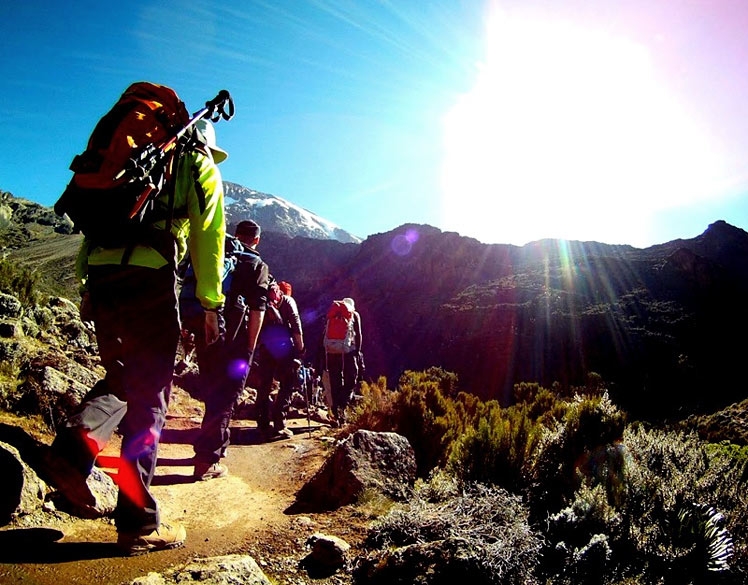
What Is It Like To Cross The Shira Plateau On Kilimanjaro? 2026-2027
Crossing the Shira Plateau on Kilimanjaro presents a unique high-altitude experience characterized by open, exposed terrain, dramatic vistas, and significant acclimatization challenges...
View package details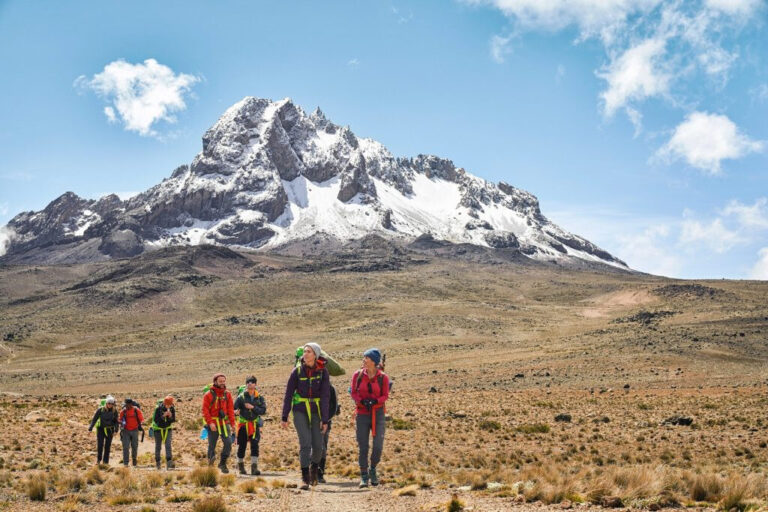
What Animals Live On Mount Kilimanjaro? 2026-2027
What Animals Live on Mount Kilimanjaro? is explained with current 2026-2027 planning, price, itinerary and booking information.
View package details
What Is Karanga Valley Like? Your Complete Guide For 2026-2027
Karanga Valley is a vital high-altitude stop on Kilimanjaro's Machame Route. It's known for its dramatic landscape, challenging ascents, and role in acclimatization for climbers heading to...
View package details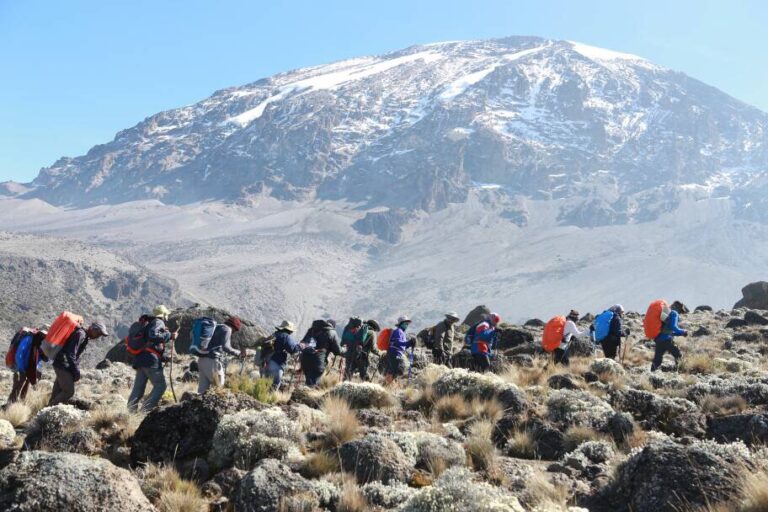
What Is The Lava Tower Acclimatization Hike Like? Guide
The Lava Tower hike on Kilimanjaro is a crucial acclimatization day that takes climbers to higher altitudes before descending, testing their bodies against the thinning air and preparing...
View package details
What Happens If The Kilimanjaro Trail Is Closed? 2026-2027
What Happens If the Kilimanjaro Trail Is Closed? is explained with current 2026-2027 planning, price, itinerary and booking information.
View package details
What Happens If You Miss Your Kilimanjaro Departure? Guide
If you miss your scheduled Kilimanjaro departure, your trek may be cancelled, and you could forfeit your deposit and payments. Rebooking is often possible but incurs additional costs and...
View package detailsWhat Happens If Your Hiking Boots Break On Kilimanjaro? 2026-2027
What Happens If Your Hiking Boots Break on Kilimanjaro? is explained with current 2026-2027 planning, price, itinerary and booking information.
View package details
What Happens If You Get Food Poisoning Before Kilimanjaro? 2026-2027
Falling ill with food poisoning just before your Kilimanjaro climb is a serious concern. This guide details what happens, how to prevent it, and crucial steps if you become sick, ensuring...
View package details
What Happens If It Rains Throughout Your Kilimanjaro Climb? 2026-2027
What Happens If It Rains throughout Your Kilimanjaro Climb? is explained with current 2026-2027 planning, price, itinerary and booking information.
View package detailsNo related package matches those filters. Clear one or more filters to see the other topic-matched options.



