
The most common Kilimanjaro footwear mistakes involve choosing boots that are too new, too tight, too loose, or the wrong type for the terrain, all of which significantly increase the risk of blisters and discomfort. Effective blister prevention centers on properly fitted, broken-in boots, moisture-wicking socks, and proactive foot care, including taping hot spots, to ensure a successful and enjoyable climb in 2026 or 2027.


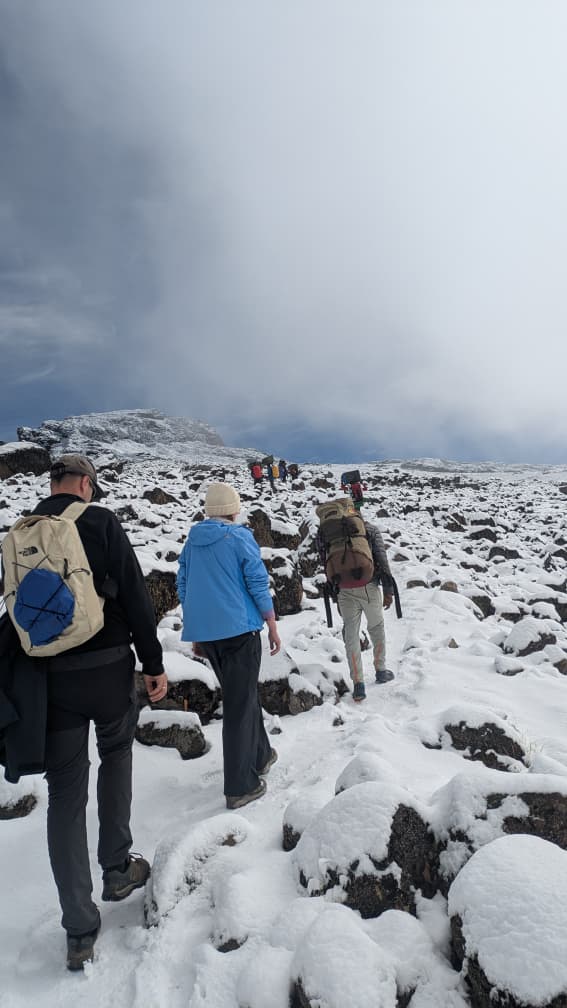
Understanding the Critical Role of Footwear on Kilimanjaro
Climbing Mount Kilimanjaro is an extraordinary adventure, a journey that tests your physical and mental endurance against the backdrop of stunning African landscapes. While many factors contribute to a successful ascent – fitness, acclimatization, and guide support – one of the most fundamental, yet often overlooked, elements is your footwear. The right boots and socks are not just gear; they are your lifeline to the mountain, providing stability, protection, and comfort across vastly different terrains and extreme altitude changes. Conversely, poor footwear choices can transform an epic expedition into a painful ordeal, with blisters being the most common and debilitating consequence. For trekkers planning their 2026 or 2027 Kilimanjaro adventure, understanding and avoiding common footwear mistakes is paramount.
From the lush rainforests at the base to the rocky scree slopes and the icy summit, Kilimanjaro presents a diverse and demanding environment for your feet. The path can be muddy and slippery, dusty and rocky, or even icy near the peak. Your footwear must perform reliably through all these conditions. This guide, brought to you by Top Guide Adventures, draws on extensive experience guiding climbers on Kilimanjaro, highlighting the footwear pitfalls to avoid and the proactive strategies for blister prevention that will make your 2026-2027 climb significantly more comfortable and successful.
Common Kilimanjaro Footwear Mistakes to Avoid
Making informed decisions about your trekking boots and socks is crucial. Many trekkers, especially first-time high-altitude climbers, fall into predictable traps when selecting and using their footwear. Recognizing these common errors is the first step toward preventing them.
Mistake 1: Wearing Brand-New, Unbroken-In Boots
This is perhaps the most frequent and costly mistake. Many people believe that new boots, fresh out of the box, will be comfortable. However, hiking boots, especially sturdy, supportive ones required for Kilimanjaro, need time to mold to your feet. Wearing them for the first time on the mountain is a recipe for blisters. The stiffness of new materials can rub against your skin in unforgiving ways, creating friction points that quickly develop into painful sores. Even boots that feel snug in the store can cause issues after hours of trekking when your feet swell.
Solution: Purchase your hiking boots at least 2-3 months before your Kilimanjaro climb in 2026 or 2027. Wear them on progressively longer walks, hikes, and even around the house. This process, known as ‘breaking in,’ allows the leather or synthetic materials to soften and conform to the unique shape of your feet, identifying potential hot spots before you reach the mountain.
Mistake 2: Incorrect Boot Fit – Too Tight or Too Loose
A boot that is too tight will constrict your feet, leading to discomfort, numbness, and potentially black toenails from constant impact. Your feet naturally swell during strenuous activity and at altitude, so a boot that feels perfect initially might become painfully tight after a few hours of trekking. Conversely, boots that are too loose allow your feet to slide around inside. This friction is a primary cause of blisters, especially on the heels and the balls of your feet. It also compromises stability, increasing the risk of ankle rolls.
How to Check Fit:
- Toe Room: With the boot unlaced, slide your foot forward until your toes touch the front. You should be able to comfortably slip one finger between your heel and the back of the boot.
- Heel Lock: Lace up the boots securely. Your heel should remain relatively locked in place when you walk. If it lifts significantly, the boot is too loose in the heel.
- Width: The boot should feel snug around the ball of your foot, but not tight or pinching. Your toes should have room to wiggle slightly.
- During Break-in: Pay attention to any pressure points or rubbing during your break-in walks.
Mistake 3: Choosing the Wrong Type of Boot
Kilimanjaro is not a technical climb, but it demands more than a casual walking shoe. Hikers often make the mistake of opting for lightweight trail runners or low-cut hiking shoes. While these might be suitable for day hikes on well-maintained trails, they lack the ankle support, underfoot protection, and durability needed for Kilimanjaro’s varied and often challenging terrain. The constant impact, uneven surfaces, and potential for loose rocks require a sturdier boot.
Recommended Boot Type: Mid-weight, waterproof, mid-to-high cut hiking boots are generally recommended. These offer a good balance of support, protection, and flexibility. Look for boots with a sturdy sole (like Vibram) that provides good traction and a waterproof yet breathable membrane (e.g., Gore-Tex) to keep your feet dry from both external moisture and internal sweat. Some prefer full-grain leather boots for their durability and water resistance, while others opt for modern synthetic materials that are lighter and quicker to dry.
Mistake 4: Neglecting Sock Choice and Quality
Socks are as critical as the boots themselves. Cotton socks are a major culprit in blister formation. Cotton absorbs moisture and holds it against the skin, creating a damp environment where friction can easily cause blisters. Wearing thick, non-wicking socks can also make boots too tight, exacerbating fit issues.
The Right Socks: Invest in high-quality, moisture-wicking socks made from merino wool or synthetic blends. These materials pull sweat away from your skin, keeping your feet drier and reducing friction. Consider using liner socks (thin, synthetic socks worn under your main hiking socks) as an additional layer to wick away moisture and provide a low-friction surface between your foot and the main sock. This double-layer system is highly effective for blister prevention on long treks like Kilimanjaro in 2026-2027.
Mistake 5: Not Preparing for Foot Swelling and Altitude Effects
Your feet will swell during a Kilimanjaro trek due to exertion, heat, and the physiological response to altitude. Boots that feel comfortable at the start of the day or at base camp might become uncomfortably tight at higher altitudes or after hours of hiking. Ignoring this natural process can lead to significant pain and blisters.
Preparation:
- Ensure your boots have adequate volume to accommodate swelling.
- Consider carrying a spare pair of laces to loosen your boots slightly during the day if needed.
- Listen to your body. If your boots feel too tight, stop and adjust them.
Mistake 6: Inadequate Waterproofing and Drying Procedures
While waterproof boots are essential, no boot is completely impervious to water, especially during river crossings or prolonged rain. Furthermore, sweat can accumulate inside the boots, creating a damp environment. Failing to dry your boots and socks properly at the end of each trekking day can lead to soggy feet, skin maceration, and blisters, making your Kilimanjaro experience in 2026-2027 miserable.
Drying Strategy:
- At the end of each day, remove your boots and socks.
- Stuff your boots with newspaper or a dry cloth to absorb internal moisture. Change the stuffing periodically.
- Allow your boots to air dry in a well-ventilated area. Avoid direct heat sources like fires or stoves, as these can damage the materials and adhesives.
- Always start each day with dry socks. Consider carrying multiple pairs to rotate throughout the day if necessary.
Mastering Blister Prevention Techniques
Beyond avoiding footwear mistakes, proactive blister prevention strategies are vital for a comfortable Kilimanjaro climb. Blisters form when the skin is subjected to repeated friction, heat, and moisture, causing the upper layers of skin to separate and fill with fluid. Minimizing these factors is key.
The Importance of Breaking In Your Boots Thoroughly
We cannot overstate the importance of breaking in your boots. This isn’t just about softening the leather; it’s about identifying and addressing potential problem areas. Your boots should feel like a natural extension of your feet, not a foreign object causing irritation. Aim for at least 50-100 miles of varied hiking in your boots before your Kilimanjaro trip in 2026 or 2027. This includes different terrains, inclines, and durations.
During Break-in Walks:
- Wear the same type of socks you plan to use on Kilimanjaro.
- Pay close attention to any rubbing, pinching, or hot spots.
- If you find a hot spot, address it immediately. This might involve adjusting lacing, using moleskin or specialized blister bandages, or even considering different boots if the problem persists.
Utilizing Moisture-Wicking Socks and Liner Socks
As mentioned, cotton is the enemy. Merino wool and synthetic blend socks are your best friends. They efficiently manage moisture, keeping your feet dry and reducing friction. For extra protection, consider a two-sock system:
- Liner Sock: A thin, synthetic sock (like polyester or nylon) that fits snugly against your skin. Its primary job is to wick sweat away from your skin to the next layer.
- Hiking Sock: A thicker sock, typically merino wool or a wool/synthetic blend, worn over the liner sock. This sock provides cushioning and absorbs moisture from the liner sock, keeping your foot itself dry.
This combination significantly reduces friction, as any movement between the socks is less likely to irritate the skin than movement between a sock and your foot. Ensure your liner socks are not too tight, as this can impede circulation.
Proactive Taping and Hot Spot Management
Don’t wait for a blister to form. Learn to identify and treat ‘hot spots’ – areas on your foot that feel warm, slightly irritated, or are starting to rub. These are precursors to blisters.
Application Techniques:
- Moleskin: Cut a piece of moleskin slightly larger than the hot spot. Round the edges to prevent it from peeling up. Apply it directly to the skin, ensuring it adheres smoothly without wrinkles.
- Athletic Tape or Kinesiology Tape: These flexible tapes can be applied directly to the skin over hot spots. Ensure the skin is clean and dry before application. Apply tape smoothly, stretching it slightly as you apply it to conform to the skin’s contours.
- Specialized Blister Bandages: Products like Compeed or Compeed Active Blister Bandages are designed to create a protective cushion over the affected area and can stay in place for several days.
Apply tape or moleskin to known problem areas (like the back of the heel, the sides of the little toe, or the ball of the foot) *before* you start hiking each day, especially on longer days or if you anticipate difficult conditions. This is a critical preventative measure for your 2026-2027 Kilimanjaro trek.
Maintaining Foot Hygiene and Dryness
Keeping your feet clean and dry is fundamental. At the end of each trekking day:
- Remove your boots and socks immediately.
- Wipe your feet with a damp cloth or antibacterial wipes to remove dirt and sweat.
- Inspect your feet for any signs of redness, irritation, or developing hot spots.
- Apply foot powder if your feet tend to sweat excessively.
- Ensure your socks are completely dry before wearing them again. If you sweat heavily or it rains, change into a fresh, dry pair of socks during the day. Carry at least 3-4 pairs of quality hiking socks for your climb.
Proper Lacing Techniques
How you lace your boots can significantly impact comfort and prevent blisters. Different lacing patterns can address specific fit issues:
- To prevent heel slippage: Use a ‘heel lock’ or ‘window’ lacing technique. When you reach the eyelets just above the ankle bone, skip one eyelet on each side, creating a loop. Thread the lace through the loop on the opposite side, then continue lacing. This creates a tighter fit around the ankle, securing your heel.
- To relieve pressure on the top of the foot: Skip an eyelet across the top of your foot, creating a ‘window’ where the laces would normally cross. This reduces pressure on the instep.
- General Secure Fit: Ensure laces are snug but not overly tight, especially at the top. You want support without cutting off circulation.
Nail Care for Kilimanjaro Treks
Long toenails can cause immense pain and damage during downhill trekking. As you descend Kilimanjaro, your feet slide forward inside your boots, and long nails can bang against the front of the boot, leading to bruising, bleeding, or even loss of the nail. This is a common and preventable issue for 2026-2027 trekkers.
Recommendations:
- Trim your toenails short and straight across about a week before your trek.
- Avoid cutting them immediately before the climb, as this can make the nail edges more sensitive.
- Pay attention to your big toenails, as these are most susceptible to damage.
Choosing the Right Kilimanjaro Boots: A Deeper Dive
Selecting the ideal Kilimanjaro boots requires careful consideration of several factors beyond just brand and appearance. For a trek like Kilimanjaro, especially for climbs planned in 2026 and 2027, investing in the right footwear is non-negotiable.
Waterproofing and Breathability
Kilimanjaro’s weather can be unpredictable. You’ll encounter rain, mist, and potentially snow near the summit. Therefore, waterproof boots are essential. However, breathability is equally important. Your feet generate a significant amount of moisture through sweat. Boots with Gore-Tex or similar waterproof-breathable membranes allow perspiration vapor to escape while preventing external water from entering. This balance keeps your feet dry and comfortable, reducing the risk of blisters and trench foot.
Materials: Leather vs. Synthetic
- Full-Grain Leather: Offers excellent durability, water resistance, and support. It requires a longer break-in period but molds exceptionally well to the foot over time. Can be heavier and take longer to dry if thoroughly soaked.
- Nubuck/Suede Leather: Lighter and more flexible than full-grain leather, with a good balance of durability and comfort. Often combined with synthetic panels. Requires waterproofing treatment.
- Synthetics (Nylon, Polyester): Lighter, quicker to break in, and dry faster. May not offer the same level of long-term durability or support as leather for very demanding treks. Often combined with waterproof membranes.
For Kilimanjaro, a boot that combines durable materials with a waterproof membrane and offers good ankle support is ideal. Many trekkers find a mid-weight, synthetic or leather-synthetic hybrid boot to be the best compromise for this mountain.
Sole and Traction
The sole of your boot is crucial for grip and stability. Look for boots with a deep-lugged rubber outsole, such as those made by Vibram. These provide excellent traction on a variety of surfaces, from slippery mud and loose scree to rocky paths and icy sections. The midsole should offer adequate cushioning and support to absorb shock during long trekking days. A stiffer sole offers more protection on uneven terrain, while a more flexible sole can be more comfortable for general walking.
Ankle Support and Height
Kilimanjaro’s trails are uneven and can be treacherous. Mid-cut or high-cut boots provide essential ankle support, helping to prevent sprains and twists. While some may prefer the freedom of low-cut shoes, the added stability of higher boots is highly recommended for this climb. Ensure the ankle collar is well-padded for comfort without restricting movement.
Trying On Boots: The Process
The best time to try on boots is in the afternoon or evening, when your feet are naturally slightly swollen. Wear the thickest hiking socks you intend to use on Kilimanjaro.
Steps for Trying On:
- Stand Up: Lace the boots up snugly but not too tight.
- Walk Around: Walk on a hard surface. Notice any pressure points or rubbing.
- Test Inclines/Declines: Many outdoor stores have ramps. Walk uphill to check if your heel lifts excessively. Walk downhill to ensure your toes don’t jam into the front of the boot.
- Check Toe Clearance: Kick gently against a solid object (or slide your foot forward while unlaced) to ensure your toes don’t hit the front. You should have about a finger’s width of space between your longest toe and the end of the boot.
- Consider Insoles: If you use custom orthotics or prefer extra arch support, bring them along to try with the boots.
Essential Sock Strategy for Kilimanjaro
Your sock system is a critical component of your footwear strategy. It directly impacts comfort, moisture management, and friction reduction.
Merino Wool vs. Synthetics
Merino Wool:
- Pros: Excellent temperature regulation (keeps feet warm in cold, cooler in heat), superior moisture-wicking, naturally odor-resistant, soft and comfortable.
- Cons: Can be more expensive, may retain some moisture if saturated, can wear out faster than some synthetics.
Synthetics (Polyester, Nylon, Acrylic):
- Pros: Very durable, excellent moisture-wicking, dry quickly, often more affordable.
- Cons: Can retain odors, may not offer the same natural temperature regulation as wool.
Many trekkers find a blend of merino wool and synthetics offers the best performance for Kilimanjaro. For 2026-2027 climbs, consider bringing both types to test and see what works best for your personal foot climate.
Sock Thickness and Fit
Different thicknesses are available:
- Lightweight: Best for warmer conditions or as a liner sock. Offers minimal cushioning.
- Midweight: The most versatile option, providing good cushioning and warmth for general trekking.
- Heavyweight: Offers maximum cushioning and warmth, suitable for very cold conditions or for those who need extra padding. Be cautious, as these can make boots too tight.
Ensure your socks fit snugly without bunching or wrinkling. Bunching creates friction points that can lead to blisters. The sock should fit your foot shape well.
The Double Sock System Explained
This system involves wearing a thin liner sock under a thicker hiking sock. The liner sock is typically made of polyester or nylon and is designed to wick moisture away from the skin. The outer sock, usually merino wool, absorbs moisture from the liner and provides cushioning. The key benefit is that any friction occurs between the two socks, rather than between the sock and your skin. This significantly reduces the likelihood of blisters. Top Guide Adventures strongly recommends this system for all Kilimanjaro climbs in 2026-2027.
Cleaning and Caring for Your Socks
Always wash your socks before your first trek. After each day’s hike, rinse them if possible, or at least air them out thoroughly. Ensure they are completely dry before wearing them again. Carry enough pairs so you can always use a dry pair.
Beyond Boots and Socks: Other Foot Care Essentials
A comprehensive approach to foot care on Kilimanjaro involves more than just the primary footwear. Several other items and practices contribute to blister prevention and overall foot comfort.
Antiperspirant and Foot Powder
For trekkers who experience excessively sweaty feet, applying an antiperspirant
Check Availability for Kilimanjaro Footwear Mistakes And Blister Prevention 2026-2027
Ready to compare dates, prices, and the best option for your group? Send the package name and travel month so the team can reply with a clear quote, availability, and what is included.
Kilimanjaro Group-Climb Mistakes: Avoid Common Pitfalls For A Successful
This guide details common Kilimanjaro group-climb mistakes, offering practical advice for trekkers aiming for a successful summit. Learn about preparation, acclimatization, gear, and...
View package details
Kilimanjaro Photography Mistakes At High Altitude 2026-2027
Kilimanjaro Photography Mistakes at High Altitude is explained with current 2026-2027 planning, price, itinerary and booking information.
View package details
Kilimanjaro Food And Nutrition Mistakes: Avoid These To Summit Successfully
Proper nutrition is crucial for a successful Kilimanjaro climb. This guide details common food and nutrition mistakes climbers make, offering expert advice on what to eat, when to eat it...
View package details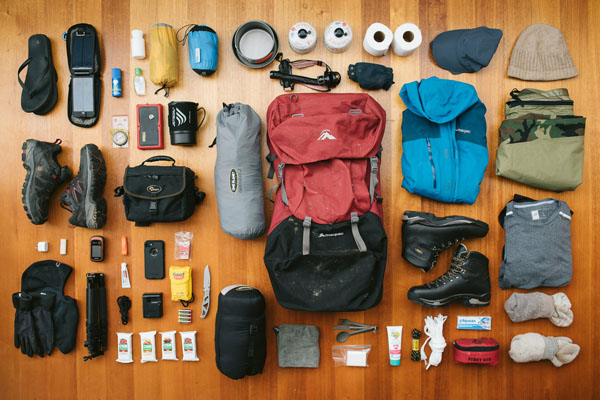
Kilimanjaro Gear-Rental Mistakes To Avoid For Your Climb 2026-2027
Planning a Kilimanjaro climb for 2026 or 2027? Renting gear can save money and hassle, but mistakes are common. This guide details the most frequent errors climbers make when renting...
View package details
Kilimanjaro Hotel Booking Mistakes: Avoid These Pitfalls For A Smooth Climb
Booking accommodation near Kilimanjaro is crucial for a successful climb. This guide details common Kilimanjaro hotel booking mistakes to help you avoid them, ensuring comfort and readiness...
View package detailsKilimanjaro Flight-Booking Mistakes: Avoid These Pitfalls For Your Climb
Planning your Kilimanjaro climb for 2026 or 2027? Don't let flight booking errors derail your adventure. This guide covers critical mistakes to avoid, from choosing the right airport and...
View package details
Kilimanjaro Tipping Mistakes And Etiquette: A Comprehensive Guide For Climbers
Navigating Kilimanjaro tipping can be confusing. This guide details common mistakes and proper etiquette for tipping your support crew, ensuring fair compensation and a positive experience...
View package details
Kilimanjaro Insurance Mistakes To Avoid For A Safe Climb In 2026-2027
Climbing Mount Kilimanjaro is a dream for many, but overlooking proper insurance can turn an incredible adventure into a costly disaster. This guide details the most common Kilimanjaro...
View package details
Kilimanjaro Route-Selection Mistakes 2026-2027
Kilimanjaro Route-Selection Mistakes is explained with current 2026-2027 planning, price, itinerary and booking information.
View package details
Kilimanjaro Layering Mistakes That Leave Climbers Cold: Expert Guide 2026-2027
Discover the common Kilimanjaro layering mistakes that can lead to discomfort and hypothermia. This guide provides essential tips on choosing the right gear and layering system to ensure...
View package details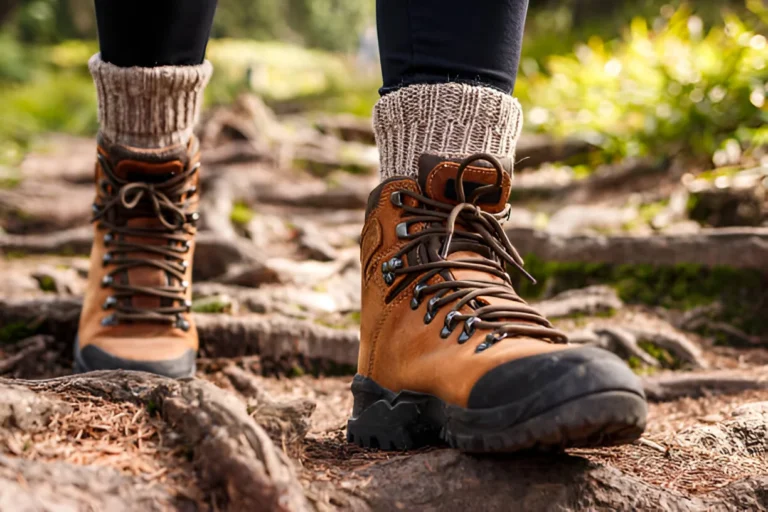
Kilimanjaro Packing Mistakes To Avoid For A Successful Climb In 2026-2027
Packing for Kilimanjaro is crucial for a successful trek. This guide details common packing mistakes to avoid, ensuring you have the right gear for the varying altitudes and conditions...
View package details
Kilimanjaro Booking Mistakes That Can Cost You Money 2026-2027
Kilimanjaro Booking Mistakes That Can Cost You Money is explained with current 2026-2027 planning, price, itinerary and booking information.
View package detailsNo related package matches those filters. Clear one or more filters to see the other topic-matched options.



