
Effectively drying clothes during a Kilimanjaro climb involves careful management of moisture through layering, ventilation, using your body heat, and strategic drying opportunities at campsites. Because the mountain environment is often cold, damp, and windy, and you have limited personal gear, keeping your clothing dry is paramount for preventing hypothermia and maintaining comfort. This means packing moisture-wicking base layers, insulating mid-layers, and waterproof outer shells, and knowing how to utilize every chance to dry items, whether it’s a brief moment of sun, the warmth of your sleeping bag, or the limited heat from your body.
The Constant Battle Against Moisture on Kilimanjaro
Climbing Kilimanjaro is an incredible adventure, but it presents unique challenges, and managing moisture is one of the most persistent. From the humid rainforest at the base to the freezing alpine desert and arctic summit zone, you’ll encounter a wide range of temperatures and precipitation. Your body produces sweat, rain can fall unexpectedly, and condensation can form. If your clothes become damp, they lose their insulating properties, increasing your risk of getting cold, especially at higher altitudes where temperatures plummet. Understanding how to dry clothes during a Kilimanjaro climb is not just about comfort; it’s a vital safety consideration for trekkers planning their ascent in 2026-2027.
The key to staying dry is a multi-pronged approach. It starts with selecting the right gear, packing it strategically, and then employing smart techniques while on the mountain. Your guides and porters will assist, but personal awareness and proactive management of your clothing are essential. This guide will walk you through everything you need to know, from pre-climb preparation to daily routines on the mountain, ensuring you’re well-equipped to handle the elements.
Understanding Moisture Sources on Kilimanjaro
Before we get into drying techniques, it’s crucial to identify where moisture comes from on Kilimanjaro. Recognizing these sources helps you prevent dampness in the first place, making the drying process more manageable.
- Your Body: Even in cold conditions, your body sweats during exertion. This moisture needs to escape your clothing layers. If it can’t, it will saturate your base layers, making you cold.
- Rain and Snow: Weather on Kilimanjaro can change rapidly. You might encounter heavy rain in the lower rainforest, sleet in the moorland, or snow on the upper slopes and summit.
- Condensation: This is a significant but often overlooked source of dampness. When warm, moist air from your body meets the cold fabric of your tent or sleeping bag, water droplets form. This is particularly noticeable inside your sleeping bag overnight.
- River Crossings and Mud: Some routes, especially early on, may involve shallow river crossings or muddy sections that can splash water onto your trousers or boots.
- Damp Gear Storage: Storing wet gear (like a rain jacket) inside your backpack without proper ventilation can transfer moisture to other items.
The Importance of a Layering System
The foundation of staying dry and comfortable on Kilimanjaro is a well-designed layering system. This system allows you to adapt to changing temperatures and activity levels by adding or removing layers. More importantly, it helps manage moisture by wicking it away from your skin.
Here’s a breakdown of the essential layers and their role in managing moisture:
1. Base Layer (Wicking Layer)
This is the layer closest to your skin. Its primary job is to wick sweat away from your body and towards the outer layers, keeping your skin dry. Avoid cotton at all costs; it absorbs moisture and stays wet, leading to rapid heat loss. Opt for synthetic materials (polyester, polypropylene) or merino wool.
- Long-sleeved tops: Two or three are usually sufficient.
- Long johns/tights: One or two pairs.
2. Mid Layer (Insulating Layer)
This layer traps body heat to keep you warm. Fleece jackets, down vests, or synthetic insulated jackets are common choices. The effectiveness of this layer depends on staying dry. If your base layer is wet, the mid-layer won’t be able to insulate effectively.
- Fleece jacket or pullover: A mid-weight fleece is versatile.
- Insulated jacket: A down or synthetic jacket is essential for higher altitudes and summit night.
3. Outer Layer (Shell Layer)
This layer protects you from wind and rain. It needs to be waterproof and breathable. A good waterproof-breathable jacket (like Gore-Tex or similar) and waterproof trousers are critical. Proper ventilation zippers (pit zips) on the jacket are important for releasing excess heat and moisture during strenuous activity.
- Waterproof and breathable jacket: With a hood.
- Waterproof trousers: Full-length zippers are beneficial for putting them on/off over boots.
Pre-Climb Gear Preparation: Setting Yourself Up for Success
Much of your ability to manage clothes dryness starts before you even set foot on Kilimanjaro. Proper gear selection and preparation are fundamental.
Choosing the Right Fabrics
As mentioned, synthetics and merino wool are your best friends for base layers. They wick moisture effectively and retain some warmth even when damp. For mid and outer layers, focus on materials that offer insulation and protection without hindering breathability. While down is excellent for insulation, it loses its loft and warming ability when wet. Synthetic insulation performs better in damp conditions. For your shell, look for fabrics with a high waterproof rating (e.g., 10,000mm+) and a good breathability rating (e.g., 10,000 g/m²/24hr or higher).
Waterproof Stuff Sacks and Dry Bags
Investing in a set of good quality dry bags or waterproof stuff sacks is crucial. These will protect your spare clothes, sleeping bag, and electronics from any moisture ingress, whether from rain or condensation within your main backpack. Pack your sleeping bag in a dedicated dry bag. Keep a set of dry base layers for sleeping in a separate dry bag.
Waterproof Backpack Cover
While your main backpack might be water-resistant, it’s not fully waterproof. A dedicated waterproof backpack cover is essential for protecting your gear from rain during the trek. Ensure it fits your backpack snugly.
Pre-Treating Outerwear
For jackets and trousers made with waterproof-breathable membranes, consider applying a DWR (Durable Water Repellent) treatment before your climb. This helps water bead up and roll off the fabric surface, maintaining breathability and preventing the outer fabric from becoming saturated (which can make the garment feel cold and clammy, even if the membrane is still working).
Daily Strategies for Drying Clothes on the Mountain
Once on Kilimanjaro, you’ll need to be proactive about drying. Here are the most effective methods:
1. Utilize Body Heat
This is perhaps the most accessible method. Wear your base layers as much as possible. Your body heat helps to evaporate moisture from the fabric. If your base layer feels damp, it’s generally better to wear it (especially for insulation) and let your body dry it out, rather than taking it off and risking getting cold.
Tip: If your base layers get significantly damp, consider changing into a dry set *inside* your sleeping bag at night. The confined, warm space will help dry the damp pair while you sleep.
2. Strategic Ventilation
As you ascend, temperatures can fluctuate wildly. During strenuous uphill sections, open up the pit zips on your jacket and even your main front zipper slightly to allow heat and moisture to escape. Don’t be afraid to regulate your temperature this way. The goal is to minimize sweating in the first place. If you’re getting too hot, ventilate before you start to feel drenched in sweat.
3. The Power of the Sun (When Available)
Sunlight is your best friend for drying clothes, but it’s not always available. On clearer days, especially at higher camps, take advantage of any sunshine. Hang damp items on your backpack, on a tent line (if your guide sets one up), or even over rocks. Even a short period in the sun can make a significant difference.
- Handkerchiefs/Bandanas: These small items dry quickly in the sun and can be useful for wiping sweat or drying small areas.
- Socks: Always try to dry your socks, especially if you have a spare pair. Damp socks are a quick route to blisters.
4. Campsite Drying Opportunities
Your guides and porters are experienced in Kilimanjaro conditions and will often help facilitate drying. They might:
- Set up a drying line: Sometimes a rope is strung up where you can hang clothes.
- Utilize tent space: The vestibule area of your tent can offer some protection from wind and light rain while allowing items to air out.
Important Note: Do not leave valuable items like your down jacket exposed to the elements unnecessarily. Only dry items that are damp from sweat or light rain, and prioritize items like socks, base layers, and gloves.
5. Drying Inside Your Tent
Condensation is a major issue inside tents. To combat this:
- Ventilate: Always ensure your tent is well-ventilated, even if it’s cold. Open vents as much as the weather permits.
- Minimize moisture sources: Don’t store damp gear inside your sleeping bag or tent. Keep it in waterproof bags.
- Wipe down: If you notice condensation forming, use a small, absorbent towel to wipe down the inside walls of your tent.
6. Drying in Your Sleeping Bag
Your sleeping bag is a warm, relatively dry micro-environment. If a base layer or sock is only slightly damp, you can often place it inside your sleeping bag with you overnight. Your body heat will help evaporate the moisture. Ensure the item is not excessively wet, as this can make your sleeping bag damp and less effective.
Caution: Avoid putting anything truly wet inside your sleeping bag, as it can compromise its insulation and potentially lead to it becoming permanently damp.
7. The Role of Hand-Washing
While you won’t be doing full laundry, you might need to wash a base layer or socks that have become particularly soiled or damp. If you do this:
- Use minimal soap: A biodegradable camp soap or just plain water is best.
- Rinse thoroughly: Ensure all soap residue is removed.
- Wring out as much as possible: Gently twist and press the item to remove excess water.
- Dry strategically: Hang it inside your sleeping bag, on your backpack in the sun, or on a designated drying line.
Expect hand-washed items to take a long time to dry, especially in the colder, wetter conditions of the upper mountain. Prioritize drying essentials like socks and base layers.
Specific Scenarios and Solutions
Let’s consider some common scenarios you might face and how to handle them regarding drying clothes:
Scenario 1: Summit Night
Summit night is the coldest part of the climb. Your primary focus is on retaining heat. You absolutely cannot afford to have damp clothing.
- Preparation is Key: Ensure all your summit gear – base layers, mid-layers, outer shell, gloves, hat, socks – is completely dry before you start.
- Minimize Sweating: Pace yourself. Use your ventilation zippers extensively on the approach to Stella Point or Gilman’s Point. You want to be slightly cool rather than warm and sweating.
- Body Heat for Dryness: If a base layer feels slightly damp, trust your body heat and insulation to manage it. Don’t remove layers unless absolutely necessary and you can immediately replace them with dry ones.
- No Drying Opportunities: There are virtually no opportunities to dry clothes during summit night. It’s about preventing dampness and retaining warmth.
Scenario 2: Rainy Days in the Rainforest/Moorland
The lower sections can be very wet. Your waterproofs are essential here.
- Wear your Shell: Keep your waterproof jacket and trousers on.
- Ventilate: Use pit zips and front zippers to manage internal temperature.
- Post-Trek Drying: Once you reach camp, hang your wet outer layers outside (if not raining heavily) or in the vestibule to air out. If possible, bring a slightly damp base layer inside your sleeping bag overnight.
- Small Items: A damp pair of socks might be dried by stuffing them inside your fleece mid-layer, which you can then wear or keep in your sleeping bag.
Scenario 3: Cold, Damp Evenings at High Camp
Camps like Barafu or Kibo Hut are cold and can be damp. Drying options are limited.
- Dry Base Layers for Sleeping: Always have a completely dry set of base layers dedicated for sleeping. This is crucial for comfort and preventing hypothermia overnight.
- Inside Sleeping Bag: If a sock or glove is slightly damp from the day’s trek, placing it inside your sleeping bag with you is often the best solution.
- Tent Vestibule: Use the tent vestibule for airing out items, but be mindful of the cold.
Packing List Essentials for Moisture Management
To effectively dry clothes during your Kilimanjaro climb, consider packing these items:
- Moisture-wicking base layers: 2-3 sets of long-sleeved tops and bottoms (synthetic or merino wool).
- Mid-layer insulation: Fleece jacket, potentially a light insulated jacket.
- Waterproof/breathable outer shell: Jacket and trousers.
- Waterproof gloves/mittens: Essential for summit night and cold days.
- Warm hat and balaclava: Protect your head and face.
- Spare socks: 4-5 pairs of wool or synthetic hiking socks. Having dry socks is paramount.
- Dry bags/stuff sacks: Multiple sizes to keep spare clothes, sleeping bag, and electronics dry.
- Waterproof backpack cover.
- Small, quick-drying towel: For wiping condensation or personal use.
- Optional: Liner socks: Can help wick moisture away from the skin.
What NOT to Bring (and Why it Matters for Drying)
Certain materials and items can actively hinder your ability to stay dry and warm.
- Cotton clothing: As repeatedly stressed, cotton absorbs moisture and dries incredibly slowly, leading to dangerous heat loss. Avoid cotton t-shirts, jeans, and underwear.
- Heavy, non-breathable fabrics: While warmth is key, overly heavy materials that don’t allow any air or moisture movement will make you sweat excessively.
- Excessive clothing: Packing too many items means more to manage, more to potentially get damp, and more weight to carry. Stick to a functional, layered system.
The Role of Your Guides and Porters
Your Top Guide Adventures team plays a crucial role in your comfort and safety, including helping manage your clothing.
- Expertise: They know Kilimanjaro’s weather patterns and are adept at setting up camp to maximize drying potential.
- Assistance: They can help you set up a temporary drying line, provide advice on what to wear, and manage your gear.
- Logistics: They handle the heavy lifting of your main gear, allowing you to focus on your trek and personal comfort.
Don’t hesitate to ask your guides for advice on managing dampness or for assistance with drying opportunities. They are there to ensure your climb is as safe and enjoyable as possible.
Planning for 2026-2027 Climbs: What’s New?
As you plan your Kilimanjaro adventure for 2026-2027, consider the following:
- Gear Technology: Advancements in waterproof-breathable fabrics and moisture-wicking materials continue to improve. Look for the latest innovations when purchasing gear.
- Sustainability: Consider eco-friendly options for gear, such as recycled materials or brands committed to sustainable practices.
- Rental Options: For items like down jackets or sleeping bags, check if Top Guide Adventures offers rentals, which can be a convenient option.
Booking your climb well in advance for 2026-2027 is advisable, especially for popular dates. This allows ample time for gear acquisition and preparation.
Conclusion: Mastering Moisture Management for a Successful Climb
Effectively drying clothes during a Kilimanjaro climb is a continuous process of prevention, management, and utilizing every available opportunity. It requires the right gear, a smart layering strategy, and a proactive approach to dealing with sweat, rain, and condensation. By understanding the sources of moisture and employing techniques like utilizing body heat, strategic ventilation, and making the most of sunny spells or sheltered camp spots, you can significantly enhance your comfort and safety on the mountain.
Remember that staying dry is not just about avoiding discomfort; it’s a critical factor in preventing hypothermia, especially during the cold nights and the challenging summit push. Your preparation before the climb, combined with the attentive support of your Top Guide Adventures team, will set you up for success. Plan your 2026-2027 climb with confidence, knowing you have the knowledge to keep your clothing dry and your trek enjoyable.
For personalized assistance with planning your Kilimanjaro climb, including advice on gear and itineraries for 2026-2027, contact Top Guide Adventures. You can reach us via WhatsApp at +255616946642, email at topguideadventures@gmail.com, or our backup email info@topguideadventures.com. We are dedicated to providing you with a safe, memorable, and well-supported adventure on Africa’s highest peak.
Check Availability for How To Dry Clothes During A Kilimanjaro Climb: Expert Guide For 2026-2027
Ready to compare dates, prices, and the best option for your group? Send the package name and travel month so the team can reply with a clear quote, availability, and what is included.

Feminine Hygiene During A Kilimanjaro Climb 2026-2027
Feminine Hygiene during a Kilimanjaro Climb is explained with current 2026-2027 planning, price, itinerary and booking information.
View package details
Where To Store Safari Luggage During Kilimanjaro Climb: Expert Guide 2026-2027
Planning a Kilimanjaro climb and a safari in Tanzania? Learn the best strategies for storing your safari luggage and extra gear securely and conveniently during your trek. Top Guide...
View package details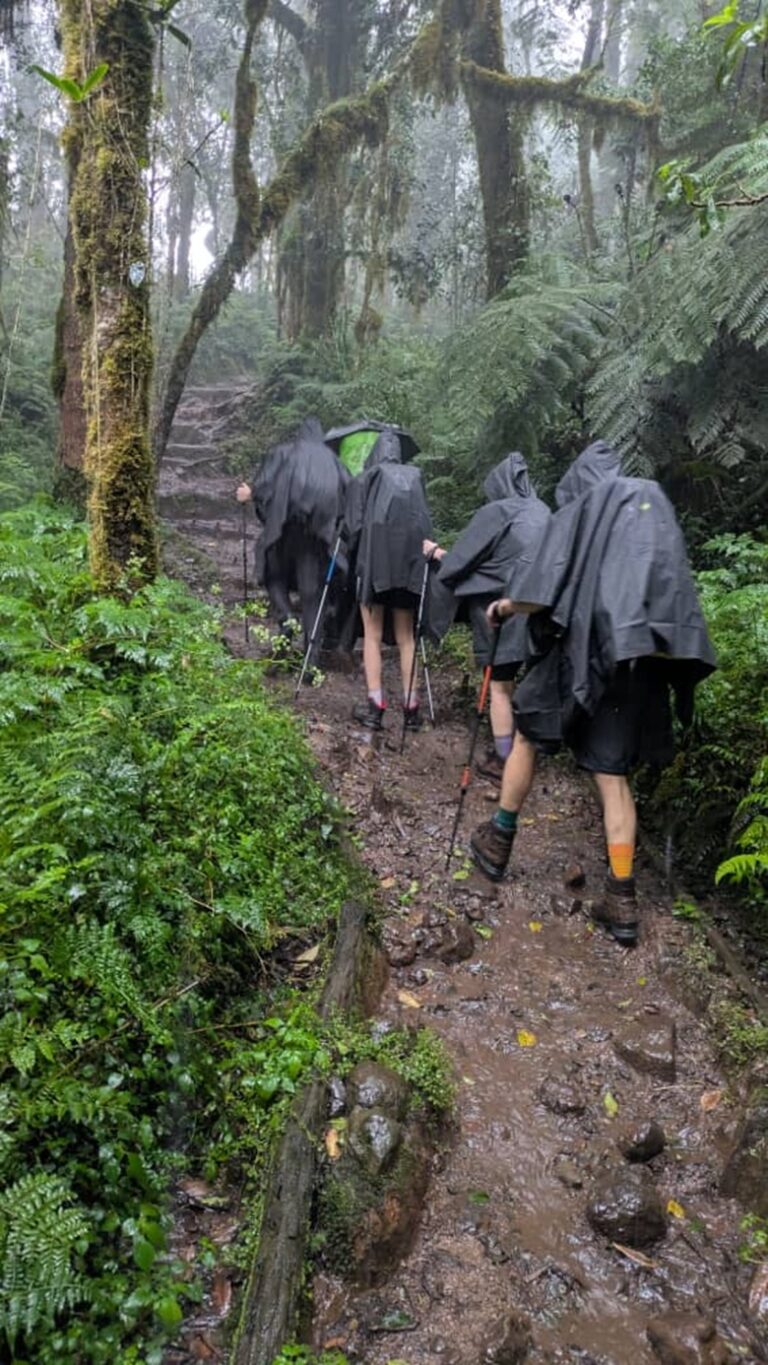
Kilimanjaro Climb With Camp Chairs And Dining Tent Guide
Elevate your Kilimanjaro climbing experience with the added comfort of camp chairs and a dining tent. This guide details the benefits, what's included, and why these amenities are...
View package details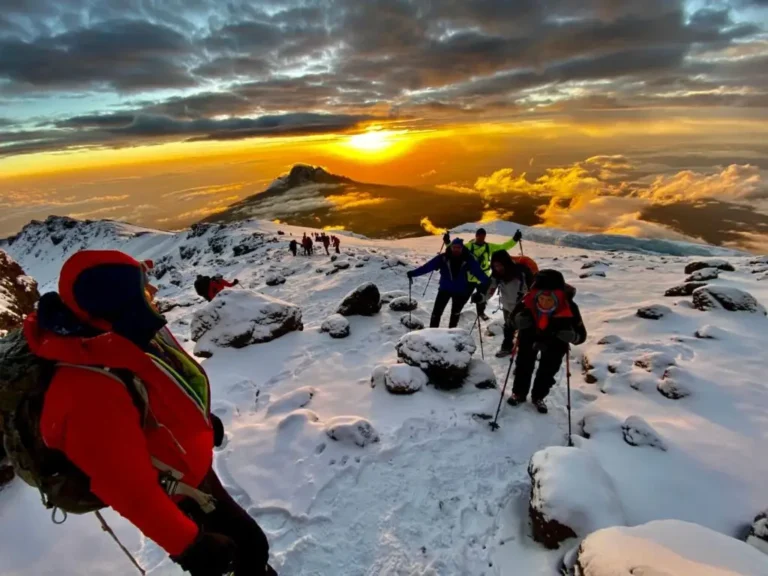
Kilimanjaro Climb With A Private Sleeping Tent: Your Ultimate Comfort Guide
Planning a Kilimanjaro climb? Discover the benefits of opting for a private sleeping tent, ensuring personal space and comfort on the mountain. This guide covers everything you need to know...
View package details
How To Stay Clean During A Seven-Day Kilimanjaro Trek | Top Guide Adventures
Maintaining hygiene on Mount Kilimanjaro for seven days is achievable with the right preparation and practices. This guide details essential strategies for staying clean, from managing...
View package details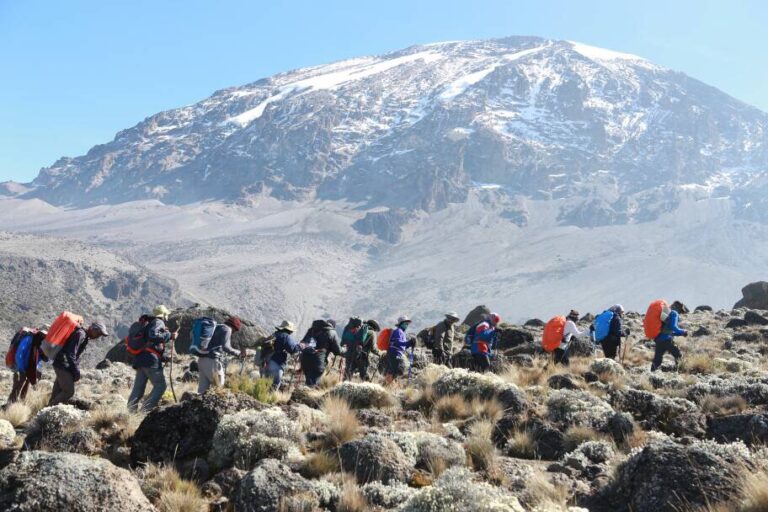
Can You Change Clothes Privately On Kilimanjaro? Guide
Discover how to maintain privacy and comfort while changing clothes during your Kilimanjaro trek. Top Guide Adventures explains the practicalities of staying clean and dignified on the...
View package details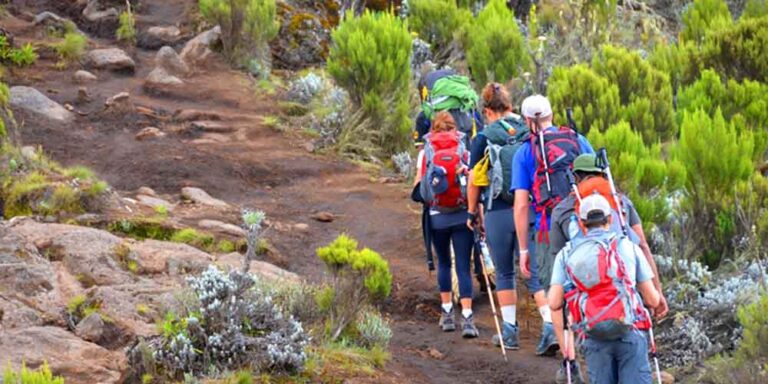
Menstrual Care While Climbing Kilimanjaro: Expert Guide 2026-2027
Climbing Kilimanjaro while menstruating is entirely manageable with proper planning. This comprehensive guide from Top Guide Adventures offers essential advice on managing your period on...
View package details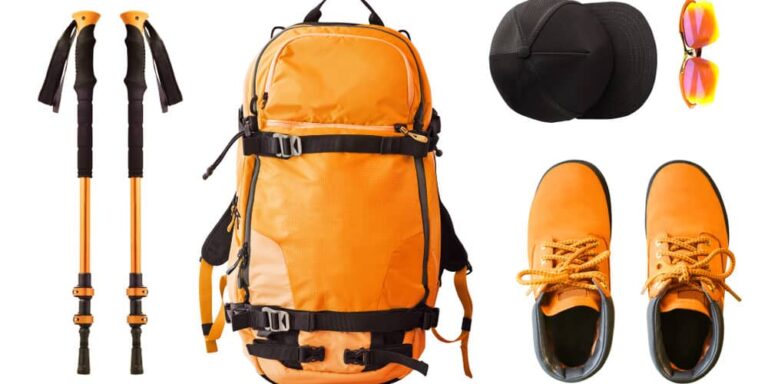
Are Kilimanjaro Camps Noisy At Night? A Climbers Guide To Sleep And Sound
Understand the noise levels at Kilimanjaro camps to better prepare for your trek. This guide covers what sounds you might hear, factors influencing noise, and how to ensure a restful...
View package detailsFoods To Avoid Before A Kilimanjaro Climb: Expert Guide For Trekkers 2026-2027
Planning your Kilimanjaro climb for 2026 or 2027? Proper nutrition is key. This guide details essential foods and drinks to avoid before and during your trek to prevent digestive issues and...
View package details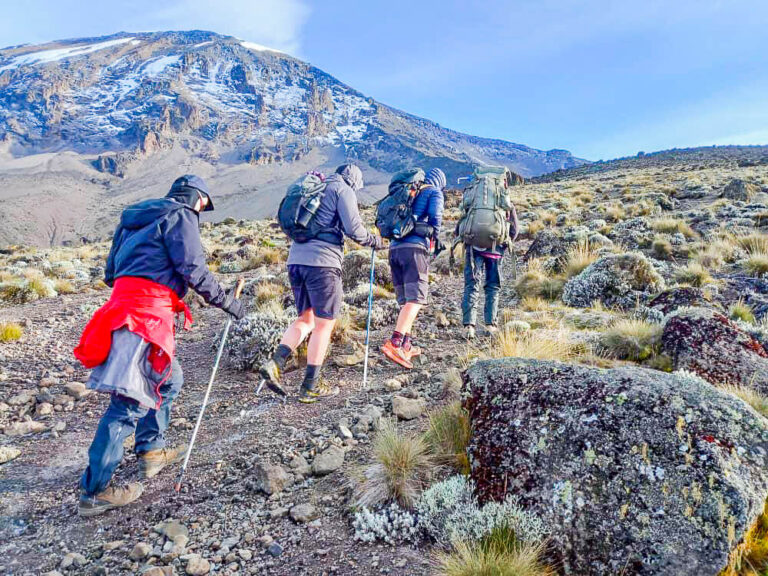
Kilimanjaro Climb With Low-Sugar Meal Planning Guide
Climbing Kilimanjaro requires careful nutritional planning. This guide focuses on low-sugar meal strategies to sustain energy, aid acclimatization, and enhance your trekking experience...
View package details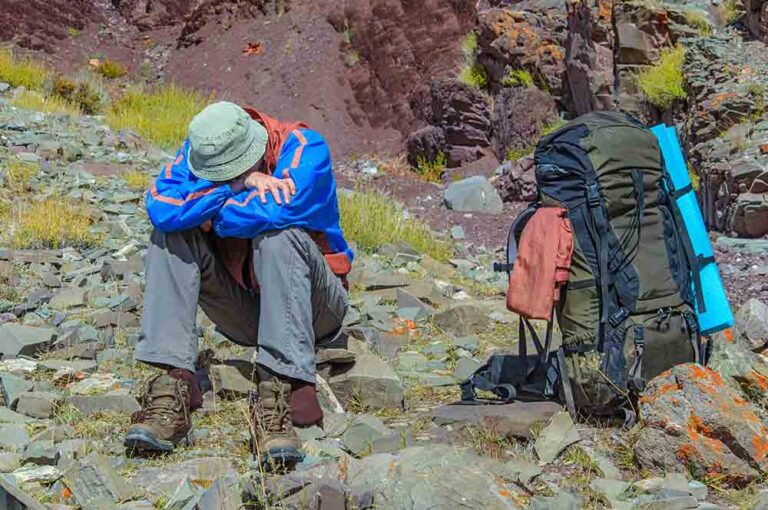
Kilimanjaro Climb With High-Protein Meals: Fueling Your Ascent In 2026-2027
Fueling your Kilimanjaro climb is as critical as choosing the right route. This guide focuses on the power of high-protein meals to sustain energy, aid recovery, and maximize your chances...
View package detailsKilimanjaro Climb With Nut-Free Meal Options Guide
Discover how to plan your Kilimanjaro climb with complete peace of mind regarding nut allergies. Top Guide Adventures specializes in providing safe, delicious, and fully customized nut-free...
View package detailsNo related package matches those filters. Clear one or more filters to see the other topic-matched options.



