
Your Kilimanjaro summit-day backpack must contain essential items for survival and comfort during the final ascent to Uhuru Peak, typically a 10-20 liter daypack. Key contents include high-energy snacks, at least 2-3 liters of water, headlamp with spare batteries, warm layers (fleece, down jacket), waterproof outer shell, sun protection (hat, sunglasses, sunscreen), personal first-aid kit, camera, and your passport/permit copies. Proper packing is crucial for managing temperature changes and energy levels on summit night and early morning.
The Critical Role of Your Summit-Day Backpack on Kilimanjaro
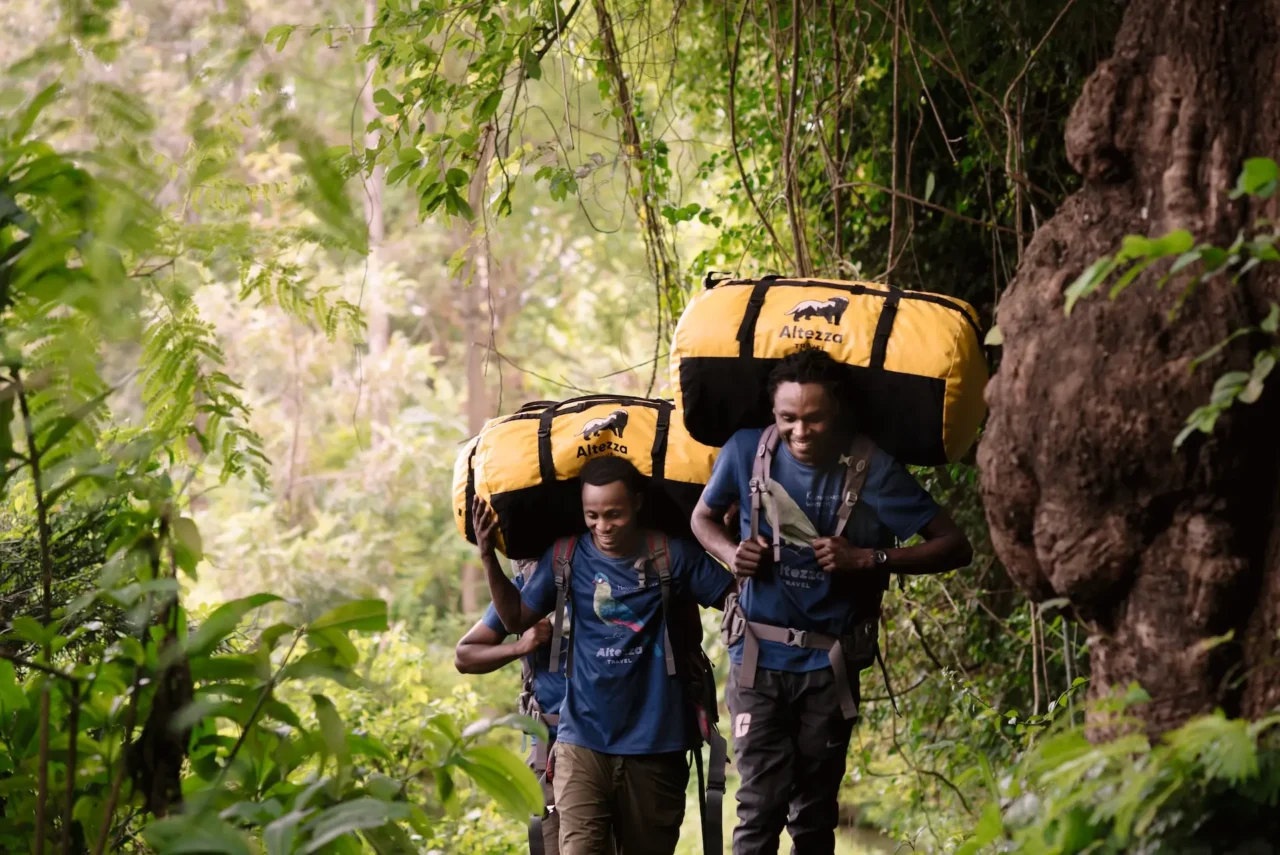
Reaching the roof of Africa, Uhuru Peak on Mount Kilimanjaro, is the culmination of immense physical and mental effort. The final push, often beginning in the dead of night, demands meticulous preparation. Central to this preparation is understanding what goes in your Kilimanjaro summit-day backpack. Unlike the larger duffel bags carried by porters, your daypack is your constant companion, holding everything you need for the challenging summit attempt. It’s not just about comfort; it’s about safety, energy, and maintaining your ability to perform at extreme altitude. For climbers planning their expedition in 2026 or 2027, mastering this packing list is a non-negotiable step towards success.
Your summit-day backpack is your lifeline during the most demanding phase of your Kilimanjaro climb. It’s what you’ll have with you from the moment you leave the last camp, often before dawn, until you return after descending part of the way. This means it needs to be strategically packed with items that address fluctuating temperatures, altitude sickness, energy depletion, and unexpected weather changes. Top Guide Adventures, as one of Tanzania’s trusted tour operators, emphasizes that while our expert guides and porters handle the bulk of your gear, your personal daypack contents are entirely your responsibility. Ensuring you have the right items in your Kilimanjaro summit-day backpack can be the difference between a triumphant summit and a difficult retreat.
Understanding the Summit Day Itself: What to Expect
To truly grasp what needs to be in your Kilimanjaro summit-day backpack, it’s essential to understand the nature of summit day itself. This is not just another trekking day; it’s an expedition within an expedition. Summit day typically begins between 11 PM and 2 AM from the last camp, often Barafu Camp (around 4,600m or 15,100ft) on most popular routes like Machame or Lemosho. The goal is to reach Uhuru Peak (5,895m or 19,341ft) by sunrise, then descend back to Barafu Camp or even lower to Mweka Camp (around 3,100m or 10,170ft) on the same day. This means a sustained effort of 12-18 hours, often more, covering significant vertical and horizontal distance in extreme conditions.
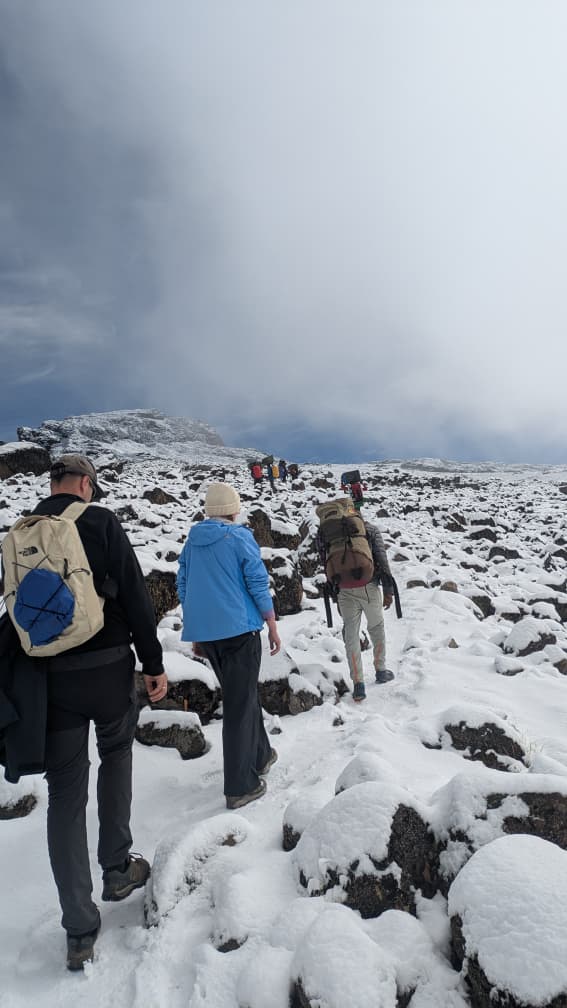
The environment on summit night is harsh. Temperatures can plummet to -10°C (14°F) or even -20°C (-4°F) with wind chill. The terrain is steep, rocky, and often covered in scree or ice, especially higher up. The altitude is extreme, leading to reduced oxygen levels, which affects physical performance and can trigger altitude sickness symptoms like headaches, nausea, and dizziness. The darkness, illuminated only by headlamps, adds to the challenge. Therefore, the contents of your Kilimanjaro summit-day backpack must be chosen to mitigate these factors, ensuring you have the necessary tools, sustenance, and protection to keep moving safely towards your goal.
The Summit Ascent: A Timeline of Challenges
- Pre-Dawn Start: Waking up around midnight, you’ll have a quick snack and hot drink before donning your warmest gear and stepping out into the darkness.
- Steep Scree Slopes: The initial hours involve a strenuous climb up loose scree, often in single file, requiring careful footing and steady pacing.
- The Crater Rim: Reaching the crater rim at Stella Point (5,756m or 18,885ft) is a major milestone, usually occurring around sunrise.
- Glacier Traverse: From Stella Point, the path continues for about an hour towards Uhuru Peak, often traversing icy terrain near the remaining glaciers.
- Uhuru Peak: Reaching the summit sign is the ultimate achievement. Photos are taken quickly due to the extreme cold and altitude.
- Descent: The descent is notoriously challenging, often taking longer than the ascent. You’ll trek back to Barafu Camp for a brief rest and refuel, then continue descending to a lower camp.
This demanding schedule highlights why every item in your Kilimanjaro summit-day backpack is critical. It’s not just about carrying items; it’s about having the right items accessible when you need them most.
Choosing the Right Backpack: Size, Weight, and Features
The first decision for what goes in your Kilimanjaro summit-day backpack is selecting the backpack itself. For summit day, a lightweight, durable daypack is ideal. Most trekkers opt for a capacity between 10 and 20 liters. This size is sufficient to carry essentials without being cumbersome. A pack larger than 25 liters can become unwieldy and encourage overpacking, adding unnecessary weight.
Key Features to Look For:
- Lightweight Construction: Every gram counts at altitude. Choose a pack made from durable but lightweight materials.
- Comfortable Straps: Padded shoulder straps and a hip belt are essential for distributing weight and providing stability during the long ascent. Look for adjustable straps to ensure a snug fit.
- Hydration System Compatibility: A dedicated sleeve for a hydration reservoir (like a CamelBak or Platypus) and a port for the drinking tube are highly recommended. This allows you to drink easily without stopping.
- External Pockets: Small, accessible pockets on the hip belt or side pockets are useful for items you need quickly, such as snacks, lip balm, or a small camera.
- Top Lid/Zipper Access: Easy access to the main compartment is important, especially when wearing gloves. A top-loading design with a drawstring closure is common and effective.
- Rain Cover: While you’ll have waterproof layers, a built-in or separate rain cover for your backpack is a good idea to keep the contents dry in case of heavy rain or snow.
- Attachment Points: Loops or straps can be useful for attaching items like trekking poles when not in use.
When packing for your 2026 or 2027 Kilimanjaro climb, consider a pack that is designed for multi-day trekking or mountaineering. Brands like Osprey, Deuter, and Gregory offer excellent options. Ensure you test the pack with some weight before your trip to check for comfort and fit.
The Non-Negotiables: Hydration and Nutrition
Altitude significantly impacts hydration and energy levels. Your Kilimanjaro summit-day backpack must prioritize these two elements. Dehydration can exacerbate altitude sickness symptoms, and low energy levels can lead to fatigue and poor decision-making.
Hydration Essentials: Staying Fueled with Fluids
On summit day, you’ll need to consume a substantial amount of fluids. Your guides will likely provide boiled water at the last camp, but you need a reliable way to carry and access it. Aim to carry at least 2 to 3 liters of water in your backpack.
- Hydration Reservoir (Bladder): A 2-3 liter reservoir is the most convenient option. The drinking tube allows for continuous sipping without interrupting your pace. However, be aware that the tube can freeze in very cold temperatures. Insulating the tube or using a reservoir with an insulated cover is advisable for summit night.
- Water Bottles: If you prefer bottles, carry at least two 1-liter Nalgene-type bottles. These are durable and less prone to freezing than thinner plastic bottles. Keep one inside your pack and one in an easily accessible side pocket.
- Insulation: To prevent water from freezing, consider using an insulated water bottle holder or wrapping your bottles in a fleece sleeve. You can also fill your reservoir with warm water at the start of the ascent.
- Electrolyte Tablets/Powder: Adding electrolyte tablets or powder to your water is highly recommended. These replenish salts lost through sweat and help maintain hydration balance. Brands like Nuun or Skratch Labs are popular.
Your guides will often help refill water bottles at camps, but on summit day, you’ll need to manage your own supply from the moment you leave. Plan to drink small amounts frequently, rather than large gulps.
High-Energy Summit Snacks: Fueling the Climb
Summit day is a long, arduous process, and you’ll need readily available, high-energy food to keep you going. Your Kilimanjaro summit-day backpack should be stocked with snacks that are easy to eat, digest, and provide sustained energy. Aim for calorie-dense options that don’t require much chewing or preparation.
Recommended Summit Snacks:
- Energy Bars/Gels: Choose bars with a good balance of carbohydrates and protein. Gels provide a quick sugar boost.
- Nuts and Dried Fruits: Almonds, cashews, raisins, dates, and apricots are excellent sources of energy and essential minerals.
- Chocolates: A few pieces of dark chocolate can provide a quick energy boost and a morale lift.
- Jerky: Beef or other jerky provides protein and salt, which can be beneficial.
- Hard Candies/Chews: These can help keep your mouth moist and provide small bursts of energy.
- Biscuits/Crackers: Simple, dry biscuits or crackers can be easy to digest.
Important Considerations for Summit Snacks:
- Easy to Eat: You’ll be wearing gloves and potentially tired. Snacks that can be eaten with one hand or without much effort are best.
- Digestibility: At altitude, digestion slows down. Avoid heavy, fatty, or overly complex foods.
- Portion Control: Pack individual servings or break larger items into manageable portions.
- Variety: Having a few different options can prevent taste fatigue.
Your guides will advise on quantities, but generally, aim for around 500-800 calories worth of snacks for the summit push. Remember to pack out all wrappers and waste; leave no trace on Kilimanjaro.
Layering for Extreme Conditions: Clothing in Your Backpack
While you’ll be wearing multiple layers of clothing, your Kilimanjaro summit-day backpack needs to hold key items that you might need to put on or take off as conditions change. The principle of layering is paramount for managing body temperature during the strenuous and cold summit ascent.
Mid-Layers for Warmth
These are crucial for retaining body heat. You might start the climb wearing some of these, but you’ll likely add more as you ascend into colder temperatures.
- Fleece Jacket/Pullover: A mid-weight fleece (e.g., Polartec 100 or 200) is an excellent insulating layer. It’s breathable and provides good warmth even when damp.
- Lightweight Down or Synthetic Insulated Jacket: This is perhaps the most critical item for summit day. A puffy jacket provides significant warmth with minimal weight and can be easily stuffed into your backpack when not needed. Ensure it’s a jacket you can wear comfortably over your base and mid-layers.
These insulating layers are what you’ll add as the temperature drops significantly during the pre-dawn hours. Having them easily accessible in your backpack is vital.
Outer Layers for Protection
These layers shield you from the elements – wind, rain, and snow.
- Waterproof and Windproof Jacket (Hardshell): This is your primary defense against harsh weather. Look for a jacket with a breathable membrane (like Gore-Tex) to prevent you from getting clammy from sweat. It should have a hood that fits over a hat and helmet (if used).
- Waterproof and Windproof Trousers (Hardshell): Similar to the jacket, these are essential for keeping your lower body dry and protected from the wind. Full-length side zippers can make them easier to put on and take off over boots.
You will likely be wearing your base layers and possibly a fleece when you start, but as the wind picks up and temperatures drop, you’ll need to add these protective layers. Packing them ensures you have them when the weather turns severe.
Extremities Protection
Don’t forget the extremities. They are the first to suffer from cold.
- Warm Hat (Beanie): A wool or fleece hat that covers your ears is essential. You might wear this throughout the climb.
- Balaclava or Neck Gaiter/Buff: Crucial for protecting your face and neck from wind and cold. A balaclava offers more full-face coverage.
- Gloves: You’ll need at least two pairs. A thinner liner glove for dexterity and a pair of heavy, waterproof, insulated mittens or gloves for extreme cold. Mittens are generally warmer than gloves.
- Gaiters: These attach to your boots and lower legs to prevent scree, snow, and mud from entering your boots.
Ensure that items like spare gloves, hats, and neck gaiters are easily accessible within your Kilimanjaro summit-day backpack, as you might need to swap them out quickly.
Essential Tools and Safety Gear
Beyond clothing and sustenance, your Kilimanjaro summit-day backpack must carry critical tools and safety items. These are often the items that make the difference between a safe descent and a dangerous situation.
Illumination: Your Headlamp
The summit ascent is done in complete darkness. A reliable headlamp is non-negotiable.
- Bright LED Headlamp: Choose a headlamp with at least 100-200 lumens for good visibility. It should have different brightness settings.
- Spare Batteries: Cold temperatures drain batteries quickly. Carry at least one full set of spare batteries (preferably lithium, as they perform better in cold) in your backpack, stored in a warm pocket.
- Backup Light Source: Some trekkers carry a small backup flashlight or a spare headlamp for absolute certainty.
Ensure your headlamp is comfortably fitted and has fresh batteries before you start the summit push. You’ll be relying on it for many hours.
Navigation and Communication
While your guides are expert navigators, having basic communication and navigation tools is wise.
- Mobile Phone: For emergencies, though signal is unreliable. Keep it in a warm pocket to preserve battery life. Consider a portable power bank.
- Whistle: A loud whistle can be used to signal for help in an emergency.
- GPS Device/Watch (Optional): If you are tracking your progress, a GPS device or watch can be useful, but ensure you know how to use it.
Your guides will carry primary navigation and communication equipment, including satellite phones for critical emergencies.
Personal First-Aid Kit
While your guides will have a comprehensive medical kit, a small personal kit for minor issues is essential. It should be easily accessible in your Kilimanjaro summit-day backpack.
- Pain Relievers: Ibuprofen or paracetamol for headaches or general aches.
- Blister Treatment: Moleskin, Compeed, or athletic tape for hot spots before they become full blisters.
- Antiseptic Wipes: For cleaning small cuts or scrapes.
- Band-Aids/Plasters: Assorted sizes.
- Small Scissors or Knife: For cutting tape or bandages.
- Personal Medications: Any prescription medications you require, plus extras.
- Diamox (Acetazolamide): If prescribed by your doctor for altitude sickness prevention/treatment.
- Antacids/Anti-diarrhea medication: For stomach upset.
Discuss any pre-existing conditions with your doctor and Top Guide Adventures before your climb. Your guides are trained in basic first aid and altitude sickness management.
Sun Protection: Even at Night
The sun’s rays are incredibly strong at high altitudes, even when it’s cold. You need protection from the moment the sun rises.
- High SPF Sunscreen: SPF 30 or higher, broad-spectrum. Apply liberally to any exposed skin, including your face and neck.
- Lip Balm with SPF: Your lips can chap and burn quickly.
- Sunglasses: High-quality sunglasses with UV protection are crucial. Polarized lenses are best for reducing glare from snow and ice.
- Sun Hat: A wide-brimmed hat for sun protection during the descent, though you’ll likely wear your warm beanie for the summit itself.
The reflection off snow and ice can be intense, so don’t underestimate the need for sun protection, even if it feels freezing.
Miscellaneous but Crucial Items
Beyond the core categories, several other items can significantly improve your summit day experience and safety. These small additions to your Kilimanjaro summit-day backpack can make a big difference.
Trekking Poles
Trekking poles are highly recommended for summit day. They:
- Reduce impact on your knees and joints, especially during the long descent.
- Improve balance on steep and uneven terrain.
- Help maintain rhythm and pacing during the ascent.
Most modern poles are collapsible and can be easily stored in your backpack or attached to the outside when not in use. Ensure they are locked securely to prevent them from collapsing unexpectedly.
Camera and Power
You’ll want to capture the incredible views, but cold and battery life are challenges.
- Camera: A compact digital camera or a good smartphone camera.
- Extra Battery/Power Bank: Cold drains batteries rapidly. A fully charged power bank can be a lifesaver for your phone or camera. Keep these in a warm inner pocket.
- Protective Case: To shield your electronics from the cold and potential moisture.
Consider practicing taking photos with gloves on, as fumbling with cold fingers can be difficult.
Personal Documents and Money
Keep important items secure and accessible.
- Passport Copy: A copy of your passport and visa (if applicable). Your original passport will likely be kept secure at your hotel or with the tour operator.
- Climbing Permit: Copies of your park entry and climbing permits.
- Small Amount of Cash: For tips for guides and porters (usually given at the end of the trek), or for any unexpected purchases. Keep this in a waterproof pouch.
Your main passport and valuables should be left securely at your hotel in Moshi or Arusha.
Other Useful Items
- Hand Warmers/Foot Warmers: Disposable chemical warmers can provide much-needed heat for your hands and feet during the coldest hours.
- Duct Tape: Small amount wrapped around a trekking pole or a pen can be surprisingly useful for repairs.
- Wet Wipes/Hand Sanitizer: For hygiene.
- Small Towel: A quick-drying microfiber towel can be useful.
- Earplugs: If you are a light sleeper and your tent mates are noisy.
- Insect Repellent: While less of an issue at summit altitude, it can be useful at lower camps.
Remember, the goal is to pack efficiently. Only bring what is absolutely necessary to keep the weight manageable. Your guides from Top Guide Adventures will provide specific advice tailored to the conditions expected for your 2026 or 2027 climb.
What NOT to Pack in Your Summit-Day Backpack
Just as important as knowing what to pack is knowing what to leave behind. Overpacking your Kilimanjaro summit-day backpack will only lead to unnecessary fatigue and discomfort.
- Heavy Items: Leave behind items like large water bottles (if using a reservoir), heavy books, or extra non-essential clothing.
- Valuables: Your passport, large amounts of cash, expensive jewelry, or electronics that aren’t crucial for the climb should be left securely at your hotel.
- Excess Food: Pack enough snacks, but avoid bringing excessive amounts that add unnecessary weight.
- Unnecessary Toiletries: Only bring essentials like lip balm and sunscreen. Full-size toiletries belong in your main duffel bag.
- Anything You Don’t Absolutely Need: Be ruthless in your selection. If in doubt, leave it out.
Your guides are experienced and will help you make final decisions about what to carry. They understand the delicate balance between being prepared and being burdened.
Packing Strategies for Summit Day
How you pack your Kilimanjaro summit-day backpack is as important as what you pack. Organization is key to accessing items quickly and efficiently.
- Use Stuff Sacks/Dry Bags: Pack your clothing layers, electronics, and first-aid kit into separate waterproof stuff sacks or dry bags. This keeps items organized and protected from moisture.
- Accessibility is Key: Place items you might need quickly (snacks, water bottle, headlamp, sunscreen, gloves) in easily accessible pockets or at the very top of the main compartment.
- Weight Distribution: Try to keep heavier items closer to your back and centered within the pack for better balance.
- Hydration System First: If using a reservoir, place it in its designated sleeve and thread the drinking tube through the port before packing other items.
- Pack it the Night Before: Lay out everything you intend to pack the evening before summit night. This allows you to double-check and organize without rushing in the dark.
Your guides will often have a pre-summit briefing where they can offer last-minute packing advice and check your gear.
The Top Guide Adventures Advantage: Expert Support for Your Summit Push
When you choose Top Guide Adventures for your Kilimanjaro climb in 2026 or 2027, you’re not just booking a trek; you’re gaining a dedicated partner committed to your success and safety. Our experienced guides and support crew are intimately familiar with Kilimanjaro and the specific demands of summit day. They are trained in high-altitude physiology, first aid, and mountain rescue, and they know precisely what it takes to get clients to Uhuru Peak safely.
We provide comprehensive pre-trip information, including detailed packing lists that are regularly updated based on the latest conditions and best practices. Our team is available to answer all your questions, helping you fine-tune your Kilimanjaro summit-day backpack contents. During the climb, our guides conduct daily briefings, assess your health, and offer continuous support. They will advise you on when to add or remove layers, how to stay hydrated, and when to eat. Their expertise is invaluable, particularly during the critical summit ascent.
Choosing a reputable operator like Top Guide Adventures ensures you have the best possible support system. We pride ourselves on our high success rates, which are a testament to our meticulous planning, experienced crew, and focus on client safety and well-being. We handle all the logistics, allowing you to focus on the climb itself, confident that your Kilimanjaro summit-day backpack is perfectly packed and that you have the best possible guidance.
Preparing for Your 2026-2027 Kilimanjaro Climb with Top Guide Adventures
Planning your Kilimanjaro adventure for 2026 or 2027 is an exciting prospect. As you finalize your preparations, remember that the contents of your Kilimanjaro summit-day backpack are a critical component of your success. Top Guide Adventures is here to support you every step of the way. From initial inquiries to the moment you stand on Uhuru Peak, our team is dedicated to providing a safe, memorable, and rewarding experience.
We offer a range of itineraries, including popular routes like the Machame Route, Lemosho Route, and others, each designed to maximize acclimatization and success rates. Our commitment to personalized service means we tailor the experience to your needs, ensuring you feel prepared and confident.
Don’t hesitate to reach out to us with any questions regarding your gear, training, or the climb itself. We are passionate about sharing the magic of Kilimanjaro with adventurers from around the globe.
Contact Top Guide Adventures Today
For personalized advice on packing your Kilimanjaro summit-day backpack, itinerary planning for 2026-2027, or any other aspect of your Tanzanian adventure, please get in touch:
- WhatsApp: +255616946642
- Email: topguideadventures@gmail.com
- Backup Email: info@topguideadventures.com
- Website: www.topguideadventures.com
- Instagram: @top_guide_adventures
Let Top Guide Adventures help you prepare for an unforgettable journey to the summit of Kilimanjaro. We look forward to welcoming you to Tanzania!
Check Availability for What Goes In Your Kilimanjaro Summit-Day Backpack? Expert Packing Guide
Ready to compare dates, prices, and the best option for your group? Send the package name and travel month so the team can reply with a clear quote, availability, and what is included.
What To Eat After Summiting Kilimanjaro Guide
Summiting Kilimanjaro is an incredible feat, but your body will be depleted. Learn what to eat afterward to maximize recovery, replenish nutrients, and celebrate your achievement.
View package details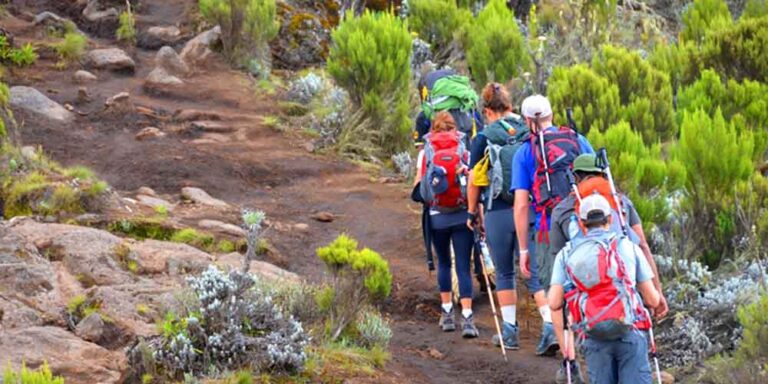
What Happens To Human Waste On Kilimanjaro? Managing On Africas Highest Peak
Human waste on Kilimanjaro is managed through a system of collection and removal, primarily using portable toilets and waste bags, to protect the mountain's fragile ecosystem. This guide...
View package details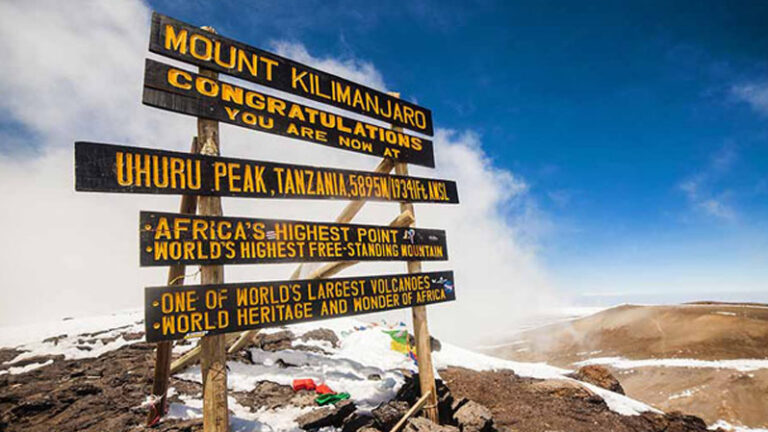
Kilimanjaro Mountain Meal Plan By Day: Fueling Your Summit Success 2026-2027
Understand the essential Kilimanjaro Mountain meal plan by day, covering daily menus, nutritional needs, and preparation tips for your trek. Top Guide Adventures provides insights into...
View package details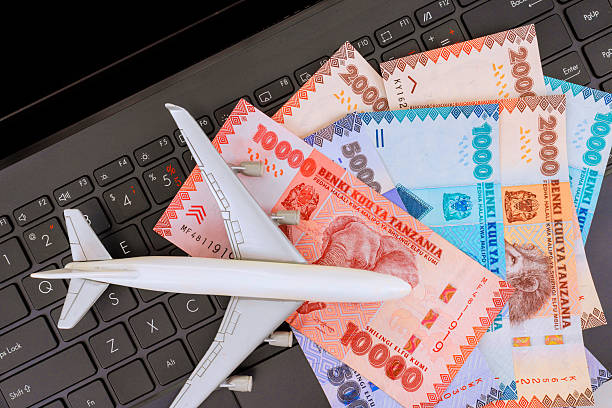
Kilimanjaro Summit-Day Breakfast Guide: Fueling Your Final Ascent In 2026-2027
Fueling correctly for Kilimanjaro's summit day is crucial for success. This guide details what to eat for breakfast, when to eat it, and why it matters for your 2026-2027 climb, ensuring...
View package detailsKilimanjaro Food Menu For Picky Eaters: What To Expect & How To Prepare
Climbing Kilimanjaro is an unforgettable adventure, but for picky eaters, the thought of mountain food can be a concern. This guide details the typical Kilimanjaro food menu, offering...
View package details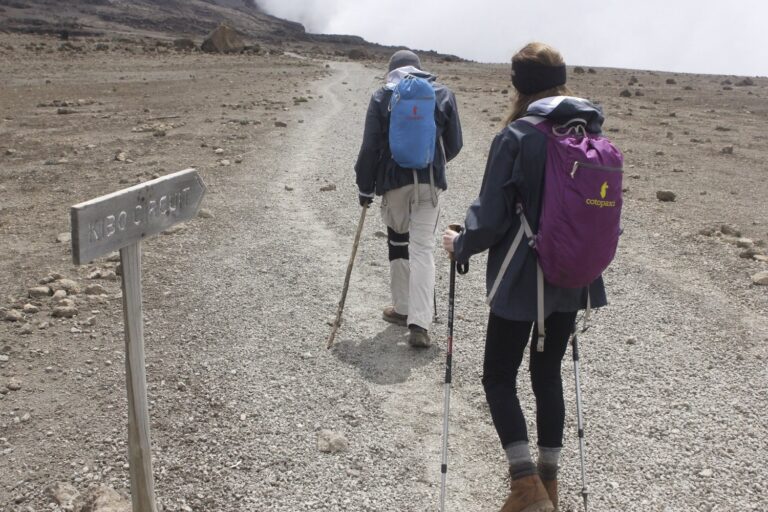
Best Balaclava For Kilimanjaro Summit Night 2026-2027
Best Balaclava for Kilimanjaro Summit Night is explained with current 2026-2027 planning, price, itinerary and booking information.
View package details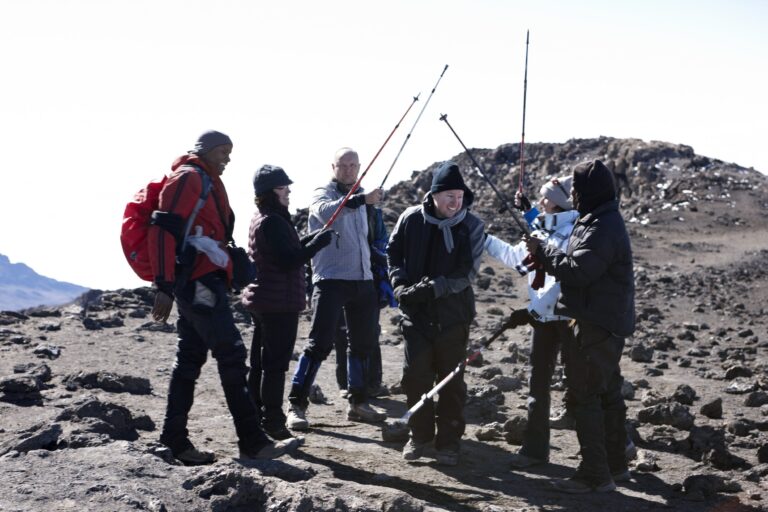
What Size Daypack Do You Need For Kilimanjaro? 2026-2027
What Size Daypack Do You Need for Kilimanjaro? is explained with current 2026-2027 planning, price, itinerary and booking information.
View package details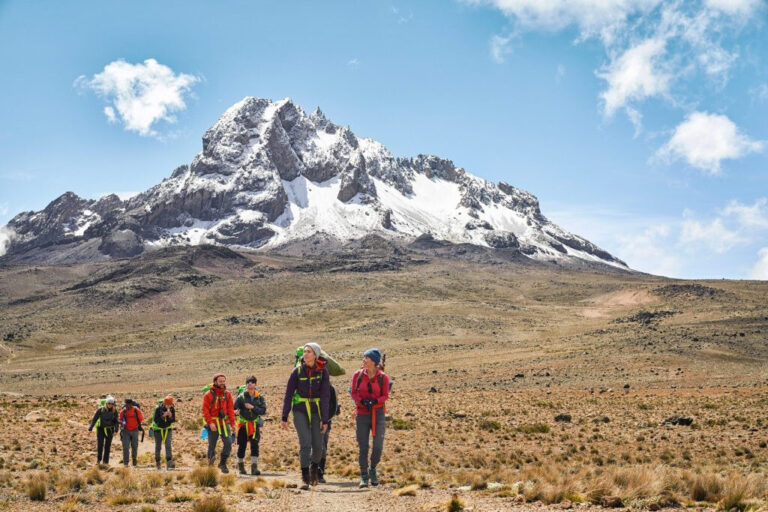
Kilimanjaro Extended-Itinerary Summit Trek: Your Ultimate Guide For 2026-2027
Choosing an extended itinerary for your Kilimanjaro summit trek offers superior acclimatization and a more rewarding experience. This guide details the benefits, best routes, and essential...
View package details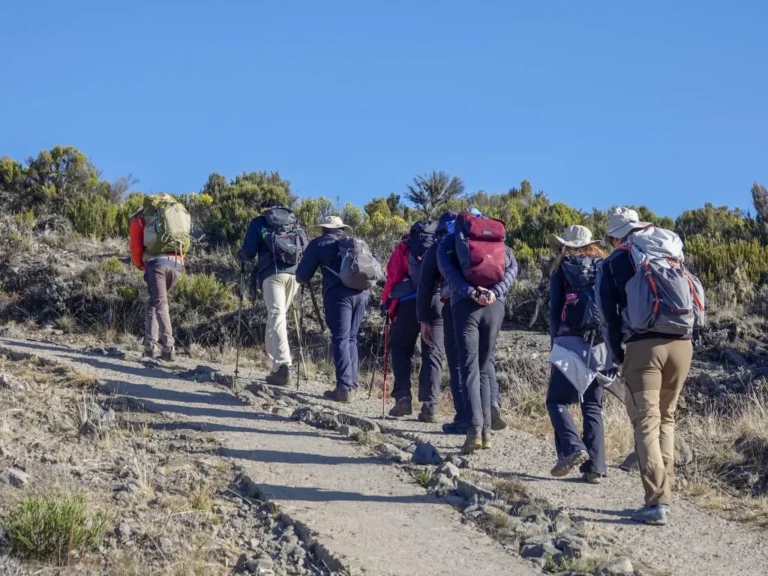
Kilimanjaro Slow-Pace Summit Package Guide
Opt for a Kilimanjaro Slow-Pace Summit Package for a more relaxed ascent, increasing your chances of reaching Uhuru Peak. This guide details routes, preparation, and what to expect with Top...
View package details
What To Do On Arrival Day Before Kilimanjaro 2026-2027
What to Do on Arrival Day before Kilimanjaro is explained with current 2026-2027 planning, price, itinerary and booking information.
View package details
Kilimanjaro Easter Holiday Summit Package | Top Guide Adventures 2026-2027
Secure your Kilimanjaro Easter Holiday Summit Package for 2026 or 2027 with Top Guide Adventures. This guide covers everything you need to know about climbing Africa's highest peak during...
View package details
Kilimanjaro Couples’ Summit Challenge: Your Ultimate Guide For 2026-2027
start an unforgettable Kilimanjaro Couples' Summit Challenge. This comprehensive guide covers everything couples need to know for a successful climb in 2026-2027, from choosing the best...
View package detailsNo related package matches those filters. Clear one or more filters to see the other topic-matched options.



