
The Kilimanjaro food menu for picky eaters generally includes familiar, carbohydrate-rich options like pasta, rice, potatoes, bread, and various soups, alongside fruits and vegetables that are prepared simply. While guides and cooks are accustomed to dietary requests and can often adapt meals, it’s crucial to communicate your specific preferences and restrictions well in advance to Top Guide Adventures. Packing a few familiar snacks from home can also ensure you have reliable, preferred options available throughout your 2026-2027 climb.
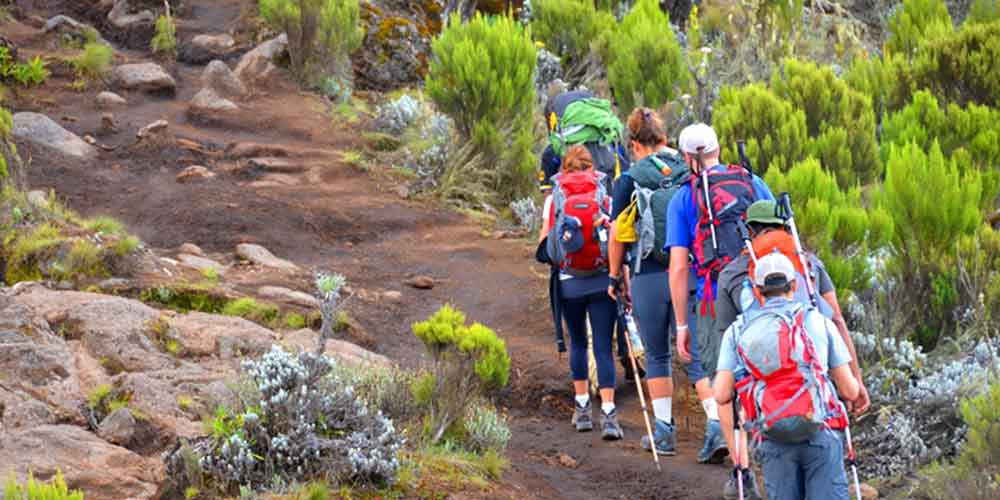
Understanding the Kilimanjaro Food Experience for All Eaters
Climbing Mount Kilimanjaro is a significant physical undertaking, and nutrition plays a vital role in supporting your body’s energy needs and acclimatization. For most trekkers, the culinary experience on the mountain is surprisingly robust, with cooks preparing hot, varied meals at each camp. However, the question of what to eat, especially for those with particular tastes or dietary restrictions, is a common and important one. This guide is designed to demystify the Kilimanjaro food menu, specifically addressing the concerns of picky eaters, and to provide actionable advice for a successful and enjoyable ascent in the 2026-2027 trekking seasons.
Top Guide Adventures understands that food is a personal matter, and while we aim to provide nourishing and varied meals, we also recognize the need for flexibility. The primary goal of mountain cuisine is to provide sustained energy, easily digestible nutrients, and sufficient hydration. This means a strong emphasis on carbohydrates, which are the body’s preferred fuel source during strenuous activity. Proteins and fats are also included, but often in moderation to aid digestion at altitude.
### The Cook’s Role: A Culinary Navigator on Kilimanjaro
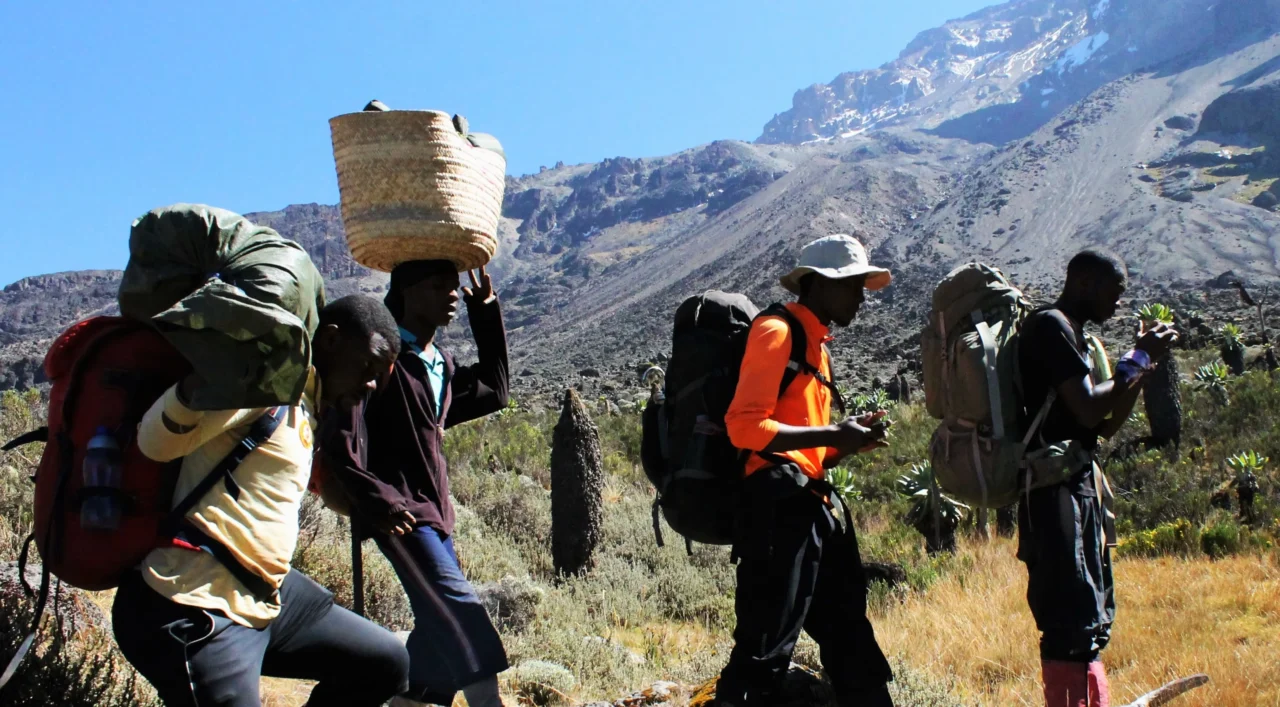
The expedition cook is a key member of your support team. Far from simply boiling water, these individuals are skilled in preparing diverse meals using limited resources at high altitudes. They manage fresh ingredients for the initial days and rely on carefully packed provisions for the latter stages. Their ability to cater to various tastes, including those of picky eaters, is a testament to their training and experience.
When you book your Kilimanjaro climb with Top Guide Adventures for 2026 or 2027, you’ll have the opportunity to detail any dietary requirements. This is the first and most critical step. Whether you dislike certain vegetables, have texture sensitivities, or follow a specific eating pattern, informing us upfront allows our team to plan accordingly. The cooks will then do their best to adapt standard menu items or prepare special meals to meet your needs.
### Common Food Groups on the Menu
To give you a clearer picture, let’s break down the typical components of the Kilimanjaro food menu:
- Carbohydrates: The backbone of mountain nutrition. Expect plenty of rice, pasta, ugali (a stiff maize porridge, a staple in Tanzania), potatoes (mashed, fried, or boiled), bread, chapati (flatbread), and oats.
- Proteins: Usually lean sources like chicken, beef (often in stews), lentils, beans, and eggs. Fish is less common due to preservation challenges at altitude.
- Vegetables: A variety of seasonal vegetables are incorporated into stews, soups, or served as side dishes. Common options include carrots, cabbage, spinach, peas, and green beans.
- Fruits: Fresh fruits like bananas, oranges, and apples are provided, especially in the lower camps. Dried fruits are a valuable energy source at higher altitudes.
- Soups: Hearty and hydrating, soups are a regular feature, often served as a starter. Vegetable, chicken noodle, and lentil soups are popular.
- Beverages: Ample water (treated and boiled), herbal teas, coffee, and hot chocolate are provided to ensure hydration and warmth.
## Addressing Picky Eater Concerns: Tailoring Your Kilimanjaro Food Experience
For a picky eater, the idea of a set menu on a multi-day trek can evoke anxiety. Will there be anything I actually like? Will I get enough to eat? These are valid questions. The good news is that Kilimanjaro operators, including Top Guide Adventures, are well-versed in managing diverse dietary needs. The key is proactive communication and a realistic understanding of mountain food preparation.
### Communication is Key: Informing Your Tour Operator
Before your 2026-2027 Kilimanjaro expedition, you will be asked to complete a pre-trek questionnaire. This is where you must be specific about your food preferences and restrictions. Don’t just say “I’m a picky eater.” Instead, list:
- Foods you absolutely dislike or cannot eat (e.g., “I hate mushrooms,” “I can’t stand spicy food,” “I don’t eat lamb.”)
- Foods you are hesitant about but might tolerate if prepared simply (e.g., “I’m not keen on strong cheese,” “I prefer vegetables without strong seasoning.”)
- Foods you particularly enjoy and would appreciate if possible (e.g., “I love pasta,” “Simple grilled chicken is good.”)
This detailed information allows the expedition leader and the cook to plan the menu for your group more effectively. They can prioritize meals that align with your preferences and avoid those that are guaranteed to be rejected.
### Simple Preparations: The Picky Eater’s Best Friend
Often, picky eaters simply prefer food prepared in a straightforward manner. For example, instead of a mixed vegetable stew, you might request steamed or boiled vegetables on the side. Plain rice or pasta can be requested instead of dishes with complex sauces. Cooks are usually happy to provide simple versions of meals. If the group is having chicken stew, a picky eater might be offered plain boiled chicken and plain rice.
### Understanding Portion Sizes and Meal Structure
Meals are typically served in courses: soup, main course, and sometimes a simple dessert like fruit or a biscuit. Portion sizes are generally generous, designed to refuel trekkers. However, if you have a smaller appetite, you can always request a smaller portion. Conversely, if you’re feeling particularly hungry, don’t hesitate to ask for more. The goal is to ensure you are adequately fueled, and the cook will work with you to achieve this.
### Vegetarian, Vegan, and Other Dietary Needs
Beyond general pickiness, many trekkers have specific dietary requirements. Top Guide Adventures is experienced in catering to:
- Vegetarian: Easily accommodated with lentil dishes, bean stews, vegetable curries, and pasta with vegetable sauces.
- Vegan: Requires careful planning to ensure sufficient protein and calories. Meals will focus on beans, lentils, tofu (if available and transportable), and plenty of grains and vegetables. Nutritional yeast is sometimes used for a cheesy flavor.
- Gluten-Free: Rice, potatoes, and corn are naturally gluten-free. Bread and pasta can be challenging, but cooks can often provide rice or potato alternatives.
- Dairy-Free: Most meals are naturally dairy-free, but it’s important to specify if you need to avoid milk, cheese, or butter.
- Allergies: Severe allergies (e.g., nuts, shellfish) must be clearly stated. While nuts are not a common feature of Kilimanjaro menus due to potential allergy risks and availability, it’s always best to inform us.
For any of these, clear communication with Top Guide Adventures before your 2026-2027 climb is paramount.
## Sample Kilimanjaro Food Menu: What a Day Might Look Like
To illustrate, here’s a potential menu for a day on Kilimanjaro, with notes on how a picky eater might adapt.
Day on the Mountain: Example Menu
- Breakfast: Porridge (oatmeal) with milk and sugar, served with fruit. Picky Eater Option: Plain porridge without sugar, or boiled eggs with toast.
- Lunch (Packed): Sandwiches (e.g., cheese, tuna, or egg salad), boiled eggs, fruit (apple/orange), biscuits, and juice. Picky Eater Option: Plain cheese or egg sandwiches on white bread, extra fruit.
- Afternoon Snack (at Camp): Biscuits, tea/coffee, hot chocolate. Picky Eater Option: Prefer a specific type of biscuit if brought from home.
- Dinner: Vegetable soup, Chicken stew with rice and mixed vegetables, followed by fruit salad. Picky Eater Option: Plain chicken breast, plain white rice, and a side of simply boiled carrots or peas. Requesting soup without strong herbs if sensitive.
This sample highlights the flexibility. The core components are there (carbs, protein, veg), but the preparation can be simplified.
### Altitude and Appetite: A Changing Relationship
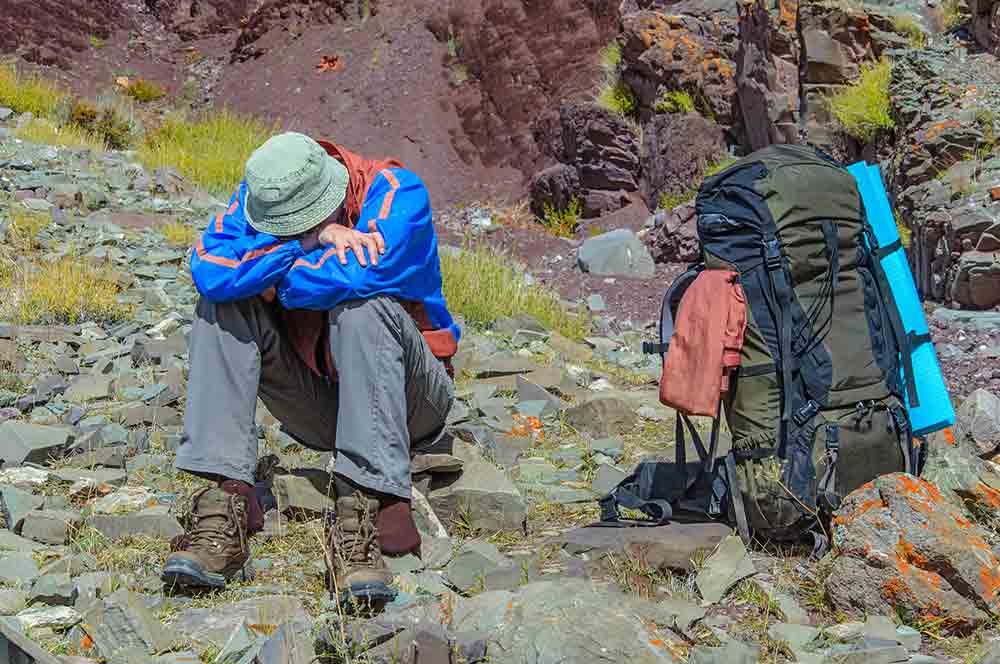
It’s important to understand that your appetite will likely change as you ascend Kilimanjaro. Altitude sickness, even mild forms, can significantly reduce appetite. This is normal. The body prioritizes essential functions over digestion at high altitudes. Therefore, even if you’re not feeling ravenous, it’s crucial to eat what you can. Focus on easily digestible, high-energy foods.
Carbohydrates are particularly important because they require less oxygen to metabolize compared to fats and proteins. This is why pasta, rice, and potatoes feature so heavily. Soups are also excellent as they provide hydration and calories in a liquid form that’s easier to consume when appetite is low.
### Hydration: More Important Than Food Sometimes
For picky eaters, ensuring adequate hydration is sometimes even more critical than forcing down food they dislike. Dehydration can exacerbate altitude sickness symptoms and lead to fatigue. You’ll be provided with plenty of boiled water, and encouraged to drink 3-5 liters per day. Herbal teas, coffee, and hot chocolate also contribute to fluid intake. Bring a reusable water bottle or hydration pack.
## Practical Tips for Picky Eaters on Kilimanjaro (2026-2027 Treks)
Beyond communication, there are several practical steps you can take to ensure your dietary needs are met on your Kilimanjaro adventure.
Your Picky Eater Kilimanjaro Toolkit:
- Communicate Early and Clearly: Reiterate your dietary needs to Top Guide Adventures during booking and again to your guide upon meeting them at the start of the trek.
- Pack Familiar Snacks: This is perhaps the most crucial tip for picky eaters. Bring a selection of your favorite high-energy, non-perishable snacks from home. Think energy bars, trail mix (if no nut allergies), crackers, dried fruit, jerky (if you eat meat), or even small packets of your preferred instant soup. These provide a reliable fallback if mountain meals aren’t to your liking. Ensure snacks are easy to eat on the go.
- Embrace Simple Carbohydrates: Even if you dislike a particular vegetable or sauce, try to eat the plain rice, pasta, or potatoes that accompany the meal. These are vital for energy.
- Don’t Be Afraid to Ask for Modifications: If a meal is served with a sauce you dislike, politely ask if it can be served on the side or if you can have the components (e.g., plain chicken, plain rice) separately.
- Try Everything (at Least Once): While you’re a picky eater, sometimes food tastes different at altitude, or the preparation might be surprisingly good. Be open to trying things, even if they’re not your usual choice. You might be pleasantly surprised.
- Focus on What You *Can* Eat: If a meal has one component you like (e.g., the bread, the fruit), focus on that and ensure you consume it.
- Maintain Hydration: As mentioned, this is non-negotiable. Drink plenty of fluids throughout the day.
- Consider Supplements (with caution): If you are extremely concerned about nutrient intake, discuss with your doctor about bringing a multivitamin. However, a well-planned Kilimanjaro menu, even with some adaptations, should provide sufficient nutrition.
- Portion Control: Eat what you can manage. Don’t feel pressured to eat large amounts if your appetite is low, but also don’t skip meals entirely.
### Snacks: The Picky Eater’s Lifeline
Your personal snack stash can be a important choice. When selecting snacks for your 2026-2027 Kilimanjaro climb, consider:
- Energy Density: Look for items that pack a lot of calories into a small volume.
- Ease of Eating: Things you can eat with one hand while walking or resting are ideal.
- Palatability: Choose things you genuinely enjoy.
- Non-Perishability: They need to last for several days without refrigeration.
- Variety: Different textures and flavors can help prevent palate fatigue.
Good examples include:
- Energy bars (Clif Bars, Kind Bars, etc.)
- Trail mix (check for allergies)
- Dried fruits (apricots, raisins, mangoes)
- Jerky or biltong
- Crackers or biscuits
- Hard candies or mints (can help with dry mouth or nausea)
- Individual packets of instant oatmeal or soup
Remember to pack these in a readily accessible part of your daypack.
## Sample Kilimanjaro Food Menu: A Deeper Dive by Route
While the core principles of Kilimanjaro food remain consistent across routes, the duration and remoteness of certain routes might influence the variety available, especially in the later stages. For instance, longer routes like the Lemosho or Northern Circuit might offer slightly more variety in the initial days compared to the shorter Marangu or Machame routes.
### Marangu Route (Coca-Cola Route)
This is the only route where you sleep in huts, not tents. Meals are served in communal dining areas. The food is generally more varied and less reliant on packed lunches compared to camping routes. However, for picky eaters, the principle remains the same: communicate preferences.
- Breakfasts: Often include eggs, sausages, pancakes, porridge, bread, and jam.
- Lunches: Typically hot meals served in the hut, such as rice with stew, pasta, or soup.
- Dinners: Similar to lunch, with options like chicken, beef, or vegetable dishes.
For a picky eater on Marangu, the communal setting means less individual control, but the cook will still do their best. Packing familiar snacks is highly recommended to supplement meals.
### Machame Route (Whiskey Route)
This popular camping route involves daily trekking and camping. The cook prepares meals at the campsite. The menu is similar to the general description above, with hot meals at camp and packed lunches. For picky eaters on the Machame route, the ability to request simple preparations (e.g., plain chicken, plain rice) is key. The packed lunches might be simpler, often sandwiches or bread with fillings.
### Lemosho Route & Shira Route
These routes are known for their scenic beauty and longer duration, offering better acclimatization. The food service is similar to Machame (camping). The extended duration means the cook needs to manage supplies carefully. This might mean more reliance on dried goods and staples as the trek progresses. For picky eaters, having a robust snack supply is even more important on these longer treks, especially for days 6 and 7 of a 7-day itinerary.
### Northern Circuit
As the longest route, circumnavigating the mountain, the Northern Circuit offers the most gradual acclimatization and typically the most relaxed pace. Food service is camping-based. The cook has more time to prepare varied meals in the earlier days. However, like all routes, the final days will rely on preserved ingredients. Picky eaters should prepare similarly to other camping routes, with a strong emphasis on communication and personal snacks.
### Rongai Route
This route approaches from the north, in a drier region. The food is standard Kilimanjaro fare. For picky eaters, the considerations are the same: communicate needs and pack preferred snacks.
## What to Expect on the Summit Night
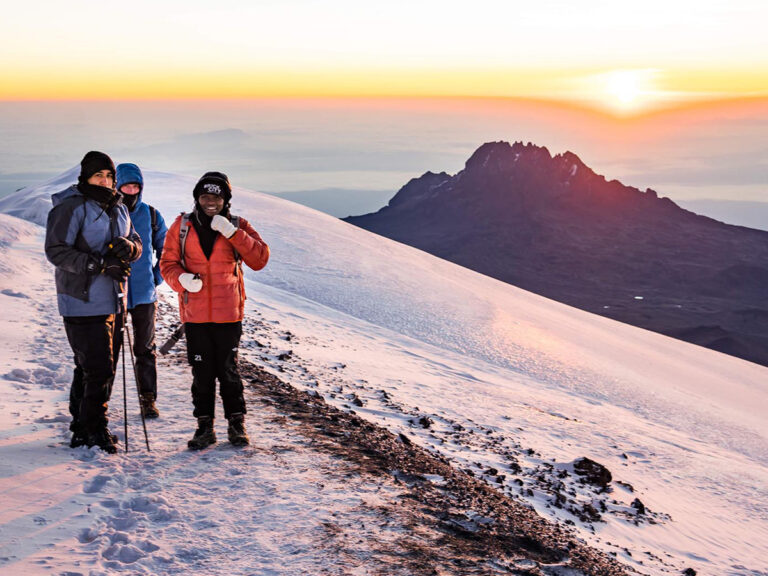
Summit night is the most challenging part of the climb. You’ll start very early (around midnight to 2 AM) and trek through the night. Eating becomes difficult due to the cold, darkness, and physical exertion. Meals are minimal.
- Before Summit: A light, energy-rich snack might be offered before you set off, like a biscuit or a piece of fruit. Some trekkers prefer to eat a light meal in the evening and rely on their snacks during the night.
- During Summit Push: Your guide will encourage you to sip water and take small bites of high-energy snacks (like energy bars or sweets) as you go.
- At Stella Point/Uhuru Peak: You’ll likely only stop briefly. Your guide might offer a warm drink if time and conditions permit.
- Descent: Once you begin descending, appetite usually returns more quickly. Hot lunch will be served at Barafu Camp or Mweka Camp depending on the route and descent plan.
For picky eaters, this is where the snacks you packed are invaluable. Having familiar, easy-to-eat energy sources like a favorite energy bar or some jelly beans can make a significant difference during the arduous summit night.
## Pricing and Inclusions: What Affects Your Kilimanjaro Food Budget?
When comparing tour operators for your 2026-2027 Kilimanjaro climb, understanding what’s included in the price, especially regarding food, is essential. Top Guide Adventures aims for transparency.
Generally, a reputable Kilimanjaro package includes:
- All meals on the mountain (breakfast, lunch, dinner)
- Purified drinking water
- Snacks provided by the company (e.g., biscuits, popcorn)
- Hot beverages (tea, coffee, hot chocolate)
What is usually not included:
- Personal snacks you bring from home
- Alcoholic beverages
- Soft drinks and bottled water (beyond what’s provided)
- Gratuities for guides, cooks, and porters
### How Dietary Needs Can Impact Cost (Rarely)
For standard vegetarian, vegan, or gluten-free diets, reputable operators like Top Guide Adventures do not typically charge extra. The cost is built into the overall expedition price. However, extremely specialized dietary requirements that necessitate sourcing very specific, expensive, or hard-to-transport ingredients *might* incur an additional charge, though this is uncommon for typical picky eater scenarios.
Always confirm inclusions and exclusions with your chosen operator. For 2026-2027 expeditions, ensure your quote clearly outlines food provisions. Top Guide Adventures is happy to provide detailed itineraries and discuss menu options. You can reach us via WhatsApp at +255616946642 or email at topguideadventures@gmail.com.
## Preparing for Your Climb: Beyond the Menu
While the Kilimanjaro food menu for picky eaters is a significant consideration, successful preparation involves more.
Key Preparation Areas:
- Physical Fitness: Train consistently, focusing on cardiovascular health and leg strength.
- Gear: Invest in or rent good quality, broken-in hiking boots, warm clothing layers, a waterproof jacket and trousers, and a good sleeping bag.
- Acclimatization: Choose a longer route (like Lemosho or Northern Circuit) for better acclimatization, which aids appetite and reduces altitude sickness risks.
- Mental Preparation: Understand the challenges, stay positive, and trust your guide and team.
- Insurance: Ensure you have comprehensive travel insurance that covers high-altitude trekking and emergency evacuation.
### The Role of the Guide and Crew
Your guide and the entire support crew are there to ensure your safety and comfort. They are experienced in dealing with all sorts of situations, including trekkers with low appetite or specific food issues. They will encourage you, monitor your well-being, and work with the cook to make your experience as pleasant as possible. Don’t hesitate to communicate openly with your guide about how you’re feeling, both physically and nutritionally.
## Making the Right Choice for Your 2026-2027 Kilimanjaro Adventure
Choosing to climb Kilimanjaro is a significant decision. For picky eaters, the food aspect can seem daunting, but with the right preparation and communication, it doesn’t have to be a barrier. By understanding the typical Kilimanjaro food menu, being proactive in communicating your needs to Top Guide Adventures, and packing a selection of your favorite snacks, you can ensure you have the energy and sustenance required for a successful summit.
Our commitment at Top Guide Adventures is to provide not just a climb, but a well-supported and memorable experience. We cater to a wide range of dietary needs and are dedicated to making your Kilimanjaro journey, whether in 2026 or 2027, a triumphant one, regardless of your food preferences. We believe that with careful planning and our experienced team, even the pickiest eaters can enjoy their time on Africa’s highest peak.
For personalized advice regarding the Kilimanjaro food menu or to discuss your specific dietary requirements for an upcoming 2026 or 2027 climb, please do not hesitate to contact us. You can reach Top Guide Adventures via WhatsApp at +255616946642, email us at topguideadventures@gmail.com, or use our backup email info@topguideadventures.com. Let us help you plan a climb where you feel confident and well-nourished every step of the way.
Check Availability for Kilimanjaro Food Menu For Picky Eaters: What To Expect & How To Prepare
Ready to compare dates, prices, and the best option for your group? Send the package name and travel month so the team can reply with a clear quote, availability, and what is included.
Foods To Avoid Before A Kilimanjaro Climb: Expert Guide For Trekkers 2026-2027
Planning your Kilimanjaro climb for 2026 or 2027? Proper nutrition is key. This guide details essential foods and drinks to avoid before and during your trek to prevent digestive issues and...
View package details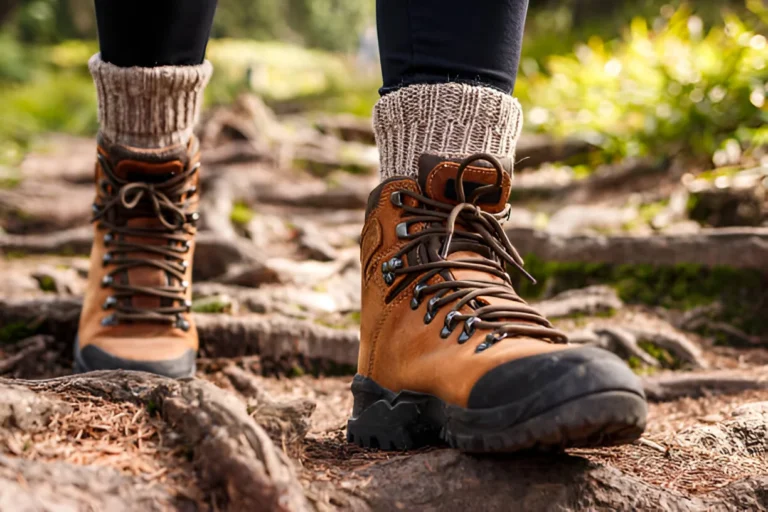
Kilimanjaro Climb For Travellers With Food Allergies 2026-2027
Kilimanjaro Climb for Travellers with Food Allergies is explained with current 2026-2027 planning, price, itinerary and booking information.
View package detailsKilimanjaro Climb With Kosher-Friendly Food Planning In 2026-2027
Successfully summiting Mount Kilimanjaro requires meticulous planning, especially when adhering to specific dietary requirements like Kosher food. This guide provides comprehensive insights...
View package details
Kilimanjaro Climb With Gluten-Free Food: Your Essential Guide For 2026-2027
Climbing Mount Kilimanjaro is an incredible adventure, and dietary needs, like requiring gluten-free food, should not be a barrier. Top Guide Adventures specializes in providing safe...
View package details
Kilimanjaro Climb With A Swahili-Speaking Guide: Your Essential Top Adventures
Ascend Mount Kilimanjaro with Top Guide Adventures, led by experienced Swahili-speaking guides. This comprehensive guide covers everything you need to know for a successful climb in...
View package details
Kilimanjaro Climb With A Hindi-Speaking Guide 2026-2027
Kilimanjaro Climb with a Hindi-Speaking Guide is explained with current 2026-2027 planning, price, itinerary and booking information.
View package details
Kilimanjaro Climb With A Hebrew-Speaking Guide: Your Adventure 2026-2027
Discover how to arrange a Kilimanjaro climb with a Hebrew-speaking guide, ensuring a comfortable and culturally connected experience for Israeli hikers planning their 2026-2027 adventure...
View package details
Kilimanjaro Climb With A Korean-Speaking Guide 2026-2027
Kilimanjaro Climb with a Korean-Speaking Guide is explained with current 2026-2027 planning, price, itinerary and booking information.
View package details
Kilimanjaro Climb With A Japanese-Speaking Guide: Your Ultimate Adventure
start your dream Kilimanjaro climb with a trusted Japanese-speaking guide from Top Guide Adventures. We provide comprehensive support, ensuring a safe and unforgettable experience on...
View package detailsKilimanjaro Climb With An Arabic-Speaking Guide In | Top Adventures 2026-2027
Ascend Mount Kilimanjaro with a dedicated Arabic-speaking guide. Top Guide Adventures provides comprehensive support, safety, and personalized experiences for your 2026-2027 climb.
View package details
Kilimanjaro Climb With A Russian-Speaking Guide: Your Ultimate Adventure
start your Kilimanjaro adventure with a dedicated Russian-speaking guide. This comprehensive guide covers everything you need to know for a successful climb in 2026-2027, from choosing the...
View package details
Kilimanjaro Climb With A Polish-Speaking Guide: Your Comprehensive Planning
Discover how to arrange a Kilimanjaro climb with a dedicated Polish-speaking guide. This extensive guide covers route options, preparation, costs, and booking considerations for your...
View package detailsNo related package matches those filters. Clear one or more filters to see the other topic-matched options.



