
Your Kilimanjaro summit-day breakfast is a critical, high-energy meal designed to provide sustained fuel for the most demanding part of your trek, typically consumed very early in the morning (around 2-3 AM) before starting the final ascent to Uhuru Peak. It should be easily digestible, calorie-dense, and include a mix of complex carbohydrates, proteins, and healthy fats to maximize energy release and prevent hunger pangs during the hours of climbing in cold, low-oxygen conditions. Common and effective options include oatmeal or porridge with nuts and dried fruit, eggs, toast with jam or peanut butter, and hot beverages like tea or coffee.
The Undeniable Importance of Your Kilimanjaro Summit-Day Breakfast
The journey to Uhuru Peak, the summit of Mount Kilimanjaro, is an extraordinary feat. It’s a test of physical and mental endurance, pushing your body to its limits. While every stage of the climb is challenging, the summit night and day represent the ultimate test. This is where meticulous preparation, including your nutrition, becomes paramount. Among all the meals on the mountain, the Kilimanjaro summit-day breakfast stands out as particularly significant. It’s not just another meal; it’s your primary fuel source for the final, most arduous push. Consumed in the pre-dawn darkness, often around 2 or 3 AM, this meal must provide sustained energy, support your body in extreme conditions, and be easily digestible. Getting this right can significantly impact your ability to reach the summit and descend safely, especially as you plan your climb for the peak seasons of 2026 and 2027.
At Top Guide Adventures, we understand that success on Kilimanjaro is a combination of proper acclimatization, physical fitness, experienced guides, and crucially, optimized nutrition. Our team has guided thousands of climbers to the roof of Africa, and we’ve seen firsthand how vital a well-chosen summit-day breakfast is. This guide is crafted from that extensive experience, offering practical, actionable advice to ensure your pre-summit meal sets you up for success. We’ll cover what constitutes an ideal summit-day breakfast, why certain foods work best, and how to prepare yourself mentally and physically for this crucial meal.
Understanding the Summit-Day Challenge: Why Breakfast Matters Most
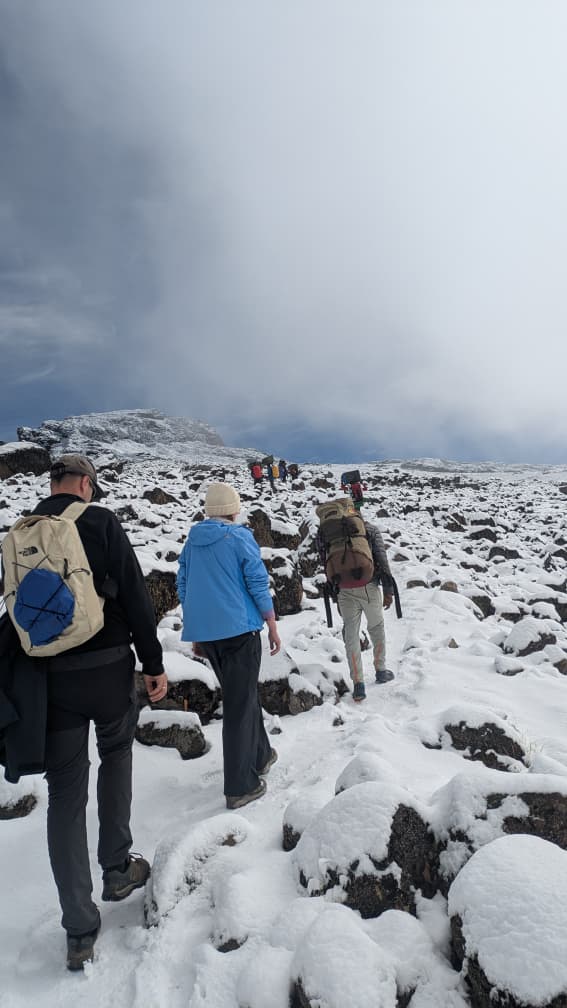
Summit night on Kilimanjaro is unlike any other part of the trek. You begin climbing after a short period of rest at your highest camp, often just a few hours after dinner. The ascent is steep, the air is thin, and temperatures plummet, frequently dropping below freezing. You’ll be hiking in the dark, relying on your headlamp, and conserving every ounce of energy. Your body is under immense stress, burning calories at an accelerated rate to stay warm and keep moving. This is precisely why the Kilimanjaro summit-day breakfast is so vital:
- Sustained Energy Release: The breakfast needs to provide slow-burning fuel, primarily from complex carbohydrates, to keep you going for the many hours it takes to reach the summit and begin the descent. Simple sugars might offer a quick boost but will lead to a crash later.
- Calorie Density: In cold conditions and at altitude, your body needs more calories. The summit-day breakfast must be calorie-dense to provide sufficient energy without requiring an overwhelming volume of food, which can be difficult to eat when your appetite is suppressed by altitude and fatigue.
- Digestibility: Altitude significantly impacts digestion. Foods that are heavy, greasy, or difficult to break down can cause stomach upset, nausea, or discomfort, diverting your body’s resources away from climbing and thermoregulation.
- Mental Preparedness: A satisfying, warm meal can provide a significant psychological boost. Knowing you’ve fueled yourself properly can increase confidence and determination for the daunting task ahead.
- Hydration Support: While not strictly food, the accompanying hot drinks are essential for hydration, which is critical at altitude.
For those planning their Kilimanjaro adventure in 2026 or 2027, understanding these principles is the first step toward a successful summit bid. Top Guide Adventures emphasizes that proper nutrition is a cornerstone of our client support, ensuring you are well-prepared for every aspect of your climb.
What Makes an Ideal Kilimanjaro Summit-Day Breakfast Menu?
The ideal summit-day breakfast balances nutritional needs with palatability and digestibility under challenging conditions. Our experienced guides and cooks on Kilimanjaro have refined menus over years to offer options that consistently perform well. Here’s a breakdown of the components and common choices:
1. The Carbohydrate Foundation: Slow-Burning Energy
Carbohydrates are your body’s primary energy source, especially during intense physical activity. For summit day, complex carbohydrates are key because they are digested more slowly, providing a steady release of glucose into your bloodstream over several hours.
- Oatmeal/Porridge: This is a classic for a reason. Made from rolled oats, it’s rich in soluble fiber, which aids digestion and provides sustained energy. Our cooks prepare it hot, making it comforting and warming in the pre-dawn chill. We often enhance it with:
- Dried Fruits: Raisins, apricots, or dates add natural sweetness and a quick energy boost, along with essential minerals.
- Nuts and Seeds: Almonds, walnuts, sunflower seeds, or pumpkin seeds provide healthy fats and a bit of protein, further contributing to satiety and sustained energy.
- A touch of honey or sugar: For that extra energy kick.
- Pancakes or Crepes: While less common as a standard offering due to preparation complexity at altitude, some operators might offer them. They provide carbohydrates, but the source (e.g., white flour) can be less ideal than oats for sustained energy.
- Bread/Toast: Whole-wheat toast with jam, honey, or peanut butter is another excellent source of carbohydrates. Peanut butter also adds protein and healthy fats.
2. The Protein and Fat Component: Satiety and Muscle Support
While carbohydrates are the primary fuel, protein and healthy fats play crucial roles. They help you feel full longer and support muscle function. However, they should not dominate the meal, as excessive protein or fat can be harder to digest at altitude.
- Eggs: A fantastic source of high-quality protein and essential nutrients. Scrambled or boiled eggs are often offered. They are relatively easy to digest for most people and provide sustained energy release.
- Sausages or Bacon: Sometimes offered as a side, these provide protein and fat. However, processed meats can be greasier and harder to digest for some, so it’s a personal choice. We recommend leaner options if available.
- Peanut Butter: A great addition to toast, offering protein and healthy fats.
3. Essential Hydration: Beyond Just Food
Hydration is critical for acclimatization and preventing altitude sickness. The liquids consumed with breakfast are as important as the food itself.
- Hot Tea: A staple on Kilimanjaro. Black tea, herbal teas (like mint or chamomile), and especially ginger tea (known for its digestive benefits) are excellent choices.
- Hot Coffee: For those who need their caffeine kick to start the day, coffee is usually available. Be mindful that caffeine can sometimes increase urination, so balance it with water.
- Hot Chocolate: A comforting and calorie-rich option, especially popular with younger climbers or those seeking extra warmth and energy.
- Lukewarm Water: Sometimes offered, though less appealing than hot drinks in the cold.
Sample Summit-Day Breakfast Combinations
Based on the above, here are some typical and effective Kilimanjaro summit-day breakfast combinations you can expect on a Top Guide Adventures climb in 2026-2027:
- Classic Energizer: A large bowl of hot oatmeal with raisins, almonds, and a drizzle of honey, served with a mug of ginger tea.
- Savory Start: Two scrambled eggs, a slice of whole-wheat toast with jam, and a cup of hot coffee.
- Hearty Option: Porridge with mixed dried fruits and nuts, accompanied by a boiled egg and a mug of hot chocolate.
The key is variety and choice, allowing you to select what appeals to you most on the day, while ensuring it meets the nutritional requirements for the summit push.
Timing is Everything: When to Eat Your Summit Breakfast
The timing of your Kilimanjaro summit-day breakfast is non-negotiable and dictated by the demands of the climb. Most expeditions start their summit push between 1 AM and 3 AM from the highest camps (like Barafu Camp on the Machame or Lemosho routes, or Kibo Hut on the Marangu route). This early start is crucial for several reasons:
- Reaching the Summit by Sunrise: Many climbers aim to reach Uhuru Peak around sunrise, a truly magical experience. Starting early allows for this possibility.
- Descending in Daylight: The descent is long and can be treacherous. Starting early ensures you are off the scree slopes and rocky sections before nightfall, significantly reducing the risk of falls and fatigue-related accidents.
- Avoiding Afternoon Weather: Kilimanjaro’s weather can change rapidly, with clouds and storms often rolling in during the afternoon. Reaching the summit and beginning your descent before this is a safety priority.
Therefore, your wake-up call will typically be around 12:30 AM to 2:00 AM. Your guides and support crew will work efficiently to prepare breakfast shortly after you are woken. You’ll have about 30-60 minutes to wake up fully, use the facilities, get dressed in your summit gear, and eat your breakfast. It’s a rushed but essential period.
Tips for Eating in the Pre-Dawn Hours
Eating a substantial meal in the middle of the night, especially when you’re at high altitude and likely feeling cold and anxious, can be challenging. Here are some tips:
- Eat Something, Anything: Even if your appetite is low, try to consume as much of your breakfast as you can. Your body will need the energy. Focus on the most palatable and easily digestible items.
- Stay Warm: Ensure you are dressed warmly before you start eating. Cold can significantly reduce appetite and make digestion sluggish.
- Hydrate: Sip your hot beverage slowly. Staying hydrated is as important as eating.
- Don’t Rush (too much): While time is limited, try to eat calmly. Take deep breaths. Panicking will only make it harder.
- Trust Your Guides: Your guides will encourage you and ensure you have what you need.
For climbers planning their 2026 or 2027 expedition, practicing eating at unusual hours or consuming a hearty breakfast in the morning before training hikes can help prepare your digestive system.
What to Avoid on Summit Day Breakfast
Just as important as knowing what to eat is knowing what to avoid. Certain foods can hinder your performance on summit day.
- Greasy or Fried Foods: While tempting for some, these are hard to digest at altitude and can lead to stomach upset, nausea, and energy crashes.
- Heavy Meats: Large portions of red meat or very fatty meats are best avoided.
- Excessive Sugar/Simple Carbs: While a small amount of sugar is fine for quick energy, a meal primarily composed of sugary cereals or pastries will lead to a rapid energy spike followed by a crash.
- Spicy Foods: Can irritate the stomach, which is already sensitive at altitude.
- Alcohol or Excessive Caffeine: Avoid alcohol entirely. While a moderate amount of caffeine can help, too much can lead to dehydration and jitters.
- Foods You Haven’t Tried Before: Stick to familiar, easily digestible foods. Don’t experiment with new breakfast items on summit night.
Our culinary team at Top Guide Adventures is trained to prepare meals that are not only nutritious but also safe and suitable for high-altitude trekking. For your 2026-2027 climb, you can trust our expertise in providing the right fuel.
Personalizing Your Summit-Day Breakfast: Pre-Climb Preparations
While our expedition teams provide excellent standard options, personalizing your Kilimanjaro summit-day breakfast experience can enhance your comfort and success. This starts long before you reach summit night.
1. Communicate Your Dietary Needs
It is absolutely essential to inform Top Guide Adventures about any dietary restrictions, allergies, or preferences well in advance of your climb. This includes:
- Vegetarian or vegan requirements
- Gluten or dairy intolerance
- Specific allergies (nuts, etc.)
- Dislikes for certain foods
Our team will do its utmost to cater to your needs. For instance, if you’re vegetarian, we’ll ensure you have ample protein from sources like eggs, beans, or tofu (if feasible and preferred). For vegans, we focus on plant-based proteins and ensure calorie density through nuts, seeds, and healthy oils. Communicating these needs for your 2026 or 2027 climb ensures our cooks are prepared.
2. Pack Personal Snacks
While the provided meals are substantial, some climbers like to bring a few personal, high-energy snacks that they know they enjoy and tolerate well. These can supplement your breakfast or be carried for quick energy boosts during the climb.
Ideal personal summit-day breakfast additions or snacks include:
- Energy Gels or Chews: Provide quick, easily digestible carbohydrates.
- Nut Butter Packets: Portable protein and fat.
- Trail Mix: A custom blend of your favorite nuts, seeds, and dried fruits.
- High-Energy Bars: Choose bars with a good balance of carbs, protein, and fats, and that you know sit well with you. Avoid those that are too dry or crumbly.
These items are particularly useful if you find the standard breakfast options unappealing on summit morning. Remember to pack them in an easily accessible pocket of your daypack.
3. Practice with Your Gear
On summit morning, you’ll be eating in the dark, potentially in windy conditions, and wearing gloves. Practice eating some of your preferred high-energy snacks (like energy bars or nut butter packets) while wearing gloves and in low-light conditions. This might sound trivial, but it helps reduce fumbling and stress when it counts.
4. Mental Preparation
The mental aspect of eating on summit night is significant. Anxiety, cold, and fatigue can suppress appetite. Mentally prepare yourself to eat, even if you don’t feel hungry. Remind yourself why you are eating – for energy, for warmth, for the summit. Visualize yourself eating and feeling energized.
By taking these steps, you can ensure your Kilimanjaro summit-day breakfast is not just a meal, but a strategic component of your summit success, tailored to your individual needs and preferences for your 2026-2027 adventure.
Altitude and Digestion: How Your Body Reacts
Understanding how altitude affects your body is key to appreciating the specific requirements for your summit-day breakfast. As you ascend Kilimanjaro, atmospheric pressure decreases, meaning there’s less oxygen available at each breath. This physiological stress impacts various bodily functions, including digestion.
- Reduced Digestive Enzymes: At higher altitudes, the production of digestive enzymes can decrease, making it harder for your body to break down complex foods efficiently.
- Slower Gastric Emptying: Food may stay in your stomach for longer periods. This means heavy, fatty, or protein-rich meals can lead to discomfort, bloating, and nausea.
- Decreased Appetite: Many climbers experience a reduced appetite at altitude, making it challenging to consume the necessary calories.
- Increased Risk of Nausea and Vomiting: These are common symptoms of altitude sickness (Acute Mountain Sickness – AMS), and can be exacerbated by poor food choices or digestive distress.
This is why the emphasis for the Kilimanjaro summit-day breakfast is on easily digestible, calorie-dense carbohydrates. Oatmeal, toast, and eggs are generally well-tolerated. Foods that are high in fat or protein, or require significant digestive effort, should be minimized. Even water can taste less appealing at altitude, making hot, flavored drinks more desirable and effective for hydration.
For your 2026 or 2027 climb, remember that acclimatization is your best defense against altitude-related digestive issues. Following your guide’s advice on pacing, hydration, and nutrition throughout the trek will prepare your body for summit night.
The Role of Top Guide Adventures’ Support Crew
The success of your summit-day breakfast, and indeed your entire climb, relies heavily on the expertise and dedication of the Top Guide Adventures support crew. Our teams are seasoned professionals who understand the unique challenges of Kilimanjaro.
Experienced Cooks
Our cooks are trained to prepare nutritious, high-energy meals in basic conditions at high altitudes. They are adept at managing limited resources and ensuring food safety. They know:
- The best ingredients for sustained energy
- How to prepare meals that are palatable even when appetite is low
- How to cater to dietary restrictions communicated in advance
- The importance of serving hot food and drinks on cold mornings
Knowledgeable Guides
Your guides are not just there to lead you; they are your health and safety officers on the mountain. They:
- Monitor your health and acclimatization closely
- Encourage you to eat and drink, even when you don’t feel like it
- Advise on the best food choices for your condition on the day
- Manage the timing of meals and the start of the summit push
Logistics and Preparation
The logistics of providing a hot meal at 2 AM in the freezing cold at over 4,600 meters (15,000 feet) is a significant undertaking. Our crew works tirelessly:
- Packing all necessary food and cooking equipment
- Setting up a functional kitchen at high-altitude camps
- Waking climbers at the appropriate time
- Preparing and serving breakfast efficiently
When you book your Kilimanjaro climb with Top Guide Adventures for 2026 or 2027, you are entrusting your journey to a team that prioritizes your well-being and success through meticulous planning and experienced execution, including the critical Kilimanjaro summit-day breakfast.
Hydration Strategy for Summit Day
While this is a guide to breakfast, it’s impossible to discuss fueling without emphasizing hydration. Dehydration is a major contributor to altitude sickness and significantly impairs physical performance. Summit day requires a robust hydration strategy.
Why Hydration is Crucial on Summit Day:
- Oxygen Transport: Proper hydration helps maintain blood volume, which is essential for efficient oxygen transport to your muscles and brain.
- Thermoregulation: Your body uses water to regulate temperature, which is vital in the freezing conditions of summit night.
- Altitude Acclimatization: Staying hydrated aids in the acclimatization process, even at high camps.
- Preventing Headaches: Dehydration is a common cause of headaches, which can be mistaken for altitude sickness symptoms.
What to Drink:
- Hot Water with Electrolytes: Many climbers find adding electrolyte powder to hot water palatable and beneficial.
- Herbal Teas: Ginger, mint, or chamomile teas are excellent choices.
- Diluted Fruit Juice: A small amount of juice can add flavor and calories.
- Water: While less appealing, it’s essential. Ensure it’s not too cold if you’re sensitive.
How Much to Drink:
Aim for at least 3-4 liters of fluid per day, and critically, try to drink consistently throughout summit night. Sip frequently rather than trying to gulp large amounts at once. Your guides will constantly remind you to drink. Pre-filling your water bottles the night before is essential. Consider using insulated bottles or hydration reservoirs with insulated tubes to prevent freezing.
For your 2026-2027 Kilimanjaro climb, make hydration as much a priority as your Kilimanjaro summit-day breakfast. Our team will support you every step of the way.
Packing Essentials for Summit Morning
Beyond the food itself, a few packing considerations are crucial for your summit morning experience.
- Headlamp: Essential for navigating and eating in the dark. Ensure you have fresh batteries or a spare set.
- Warm Layers: You’ll be eating in your summit gear, which includes multiple insulating layers.
- Water Bottles/Hydration Pack: As mentioned, keeping fluids from freezing is key.
- Snacks: Your personal high-energy snacks for the climb.
- Thermos: Some climbers bring a small thermos for personal hot drinks, though the crew usually provides ample hot beverages.
Having these items ready and accessible will make the pre-dawn routine smoother, allowing you to focus on your Kilimanjaro summit-day breakfast and the monumental task ahead.
Planning Your Kilimanjaro Climb with Top Guide Adventures for 2026-2027
Choosing the right tour operator is fundamental to a successful and enjoyable Kilimanjaro climb. Top Guide Adventures is committed to providing exceptional service, safety, and support for every climber. As you plan your expedition for 2026 or 2027, consider our expertise:
- Experienced & Certified Guides: Our guides are highly trained in wilderness first aid, high-altitude physiology, and mountain rescue.
- Comprehensive Itineraries: We offer various routes (Machame, Lemosho, Marangu, etc.) with durations designed for optimal acclimatization and success rates.
- Quality Equipment & Food: We provide high-quality camping gear and nutritious, delicious meals, including the vital Kilimanjaro summit-day breakfast.
- Safety First: Oxygen saturation monitoring, emergency oxygen, and well-equipped medical kits are standard on all our climbs.
- Personalized Support: We believe in small group sizes and dedicated attention for each client.
We invite you to connect with us to discuss your dream Kilimanjaro adventure. Our team is ready to answer all your questions and help you prepare for an unforgettable journey to the roof of Africa. Whether you are considering a group departure in 2026 or a private climb in 2027, we offer tailor-made experiences.
For inquiries, custom itineraries, or to discuss your specific needs regarding nutrition or any other aspect of your climb, please reach out:
- WhatsApp: +255616946642
- Email: topguideadventures@gmail.com
- Backup Email: info@topguideadventures.com
You can also explore our group departure dates for popular routes like the Machame route, which often fill up quickly for the 2026-2027 seasons: Machame Route Group Departures.
Let Top Guide Adventures be your trusted partner in conquering Kilimanjaro. We look forward to helping you achieve your summit goals with a well-fueled and memorable Kilimanjaro summit-day breakfast and climb.
Frequently Asked Questions About Kilimanjaro Summit-Day Breakfast
Here are some common questions climbers have about the crucial meal before they tackle the summit of Kilimanjaro:
Q1: What is the most important factor for a summit-day breakfast?
The most important factor is providing sustained, easily digestible energy. This means focusing on complex carbohydrates, with moderate protein and healthy fats, while avoiding anything too heavy or greasy that could cause digestive issues at altitude. Hot beverages are also vital for hydration and warmth.
Q2: Can I bring my own food for the summit-day breakfast?
Yes, while our cooks provide excellent options, you are welcome to bring a few personal, high-energy snacks that you know you tolerate well. Items like energy bars, gels, or nut butter packets can supplement the provided meal or be used during the climb. However, always communicate any specific dietary needs or allergies to us in advance so our team can prepare accordingly.
Q3: What if I have no appetite on summit morning?
This is common due to altitude, fatigue, and the early hour. The key is to try and eat something, even if it’s just a few bites of easily digestible food like porridge or a piece of toast with jam. Sip on your hot drink consistently. Your guides will encourage you, and your body will thank you for the fuel later. Focus on the most appealing and easiest-to-eat items available.
Q4: How much water should I drink with my summit-day breakfast?
Aim to drink at least one large mug or bottle of warm liquid with your breakfast. Continue sipping water and other fluids consistently throughout the summit climb. Hydration is as critical as nutrition for performance and preventing altitude sickness.
Q5: What are the typical wake-up times for summit day?
Wake-up calls for summit day usually occur between 12:30 AM and 2:00 AM, depending on the route and camp. This allows enough time to get dressed, eat your breakfast, and begin the ascent in the pre-dawn darkness, aiming to reach the summit around sunrise and descend safely in daylight.
Q6: Is it safe to eat eggs on summit day?
Yes, eggs are a common and generally safe option for summit day breakfast. They are a good source of protein and nutrients and are relatively easy to digest for most people, even at altitude. Our cooks prepare them in simple ways like scrambling or boiling.
Q7: What if I am vegetarian or vegan?
Top Guide Adventures is well-equipped to cater to vegetarian and vegan diets. For summit day breakfast, this typically means ensuring ample servings of oatmeal with nuts and seeds, toast with jam or vegan spreads, and potentially plant-based protein options if available and suitable. Please inform us of your dietary requirements when booking your 2026 or 2027 climb.
Check Availability for Kilimanjaro Summit-Day Breakfast Guide: Fueling Your Final Ascent In…
Ready to compare dates, prices, and the best option for your group? Send the package name and travel month so the team can reply with a clear quote, availability, and what is included.
Kilimanjaro Mountain Meal Plan By Day: Fueling Your Summit Success 2026-2027
Understand the essential Kilimanjaro Mountain meal plan by day, covering daily menus, nutritional needs, and preparation tips for your trek. Top Guide Adventures provides insights into...
View package details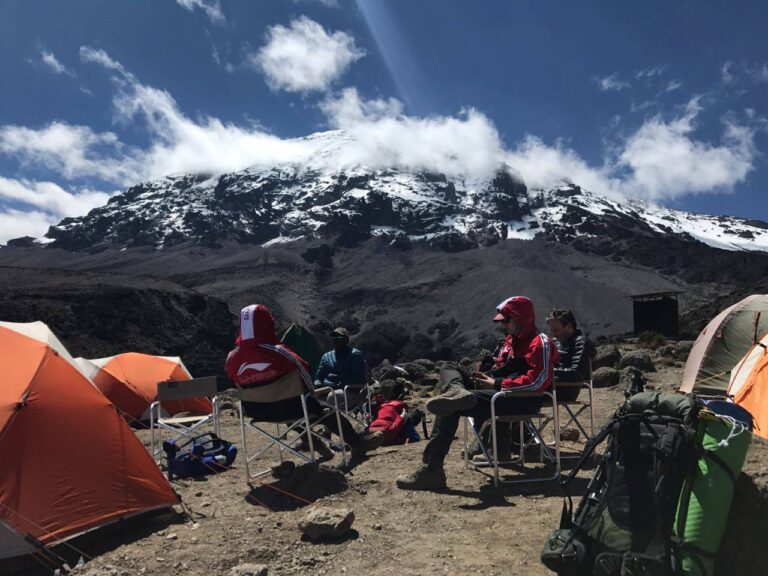
What To Eat After Summiting Kilimanjaro Guide
Summiting Kilimanjaro is an incredible feat, but your body will be depleted. Learn what to eat afterward to maximize recovery, replenish nutrients, and celebrate your achievement.
View package detailsWhat Goes In Your Kilimanjaro Summit-Day Backpack? Expert Packing Guide
A comprehensive guide to packing your Kilimanjaro summit-day backpack. Discover the essential gear, clothing layers, hydration, nutrition, and safety items needed for a successful trek to...
View package details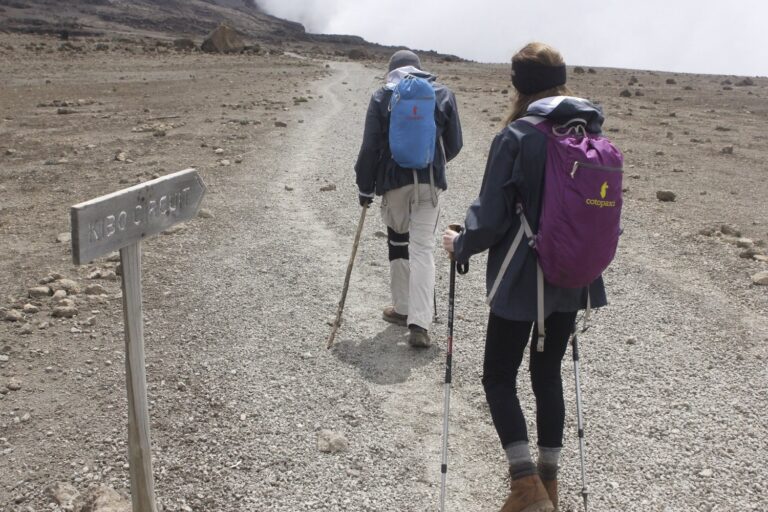
Best Balaclava For Kilimanjaro Summit Night 2026-2027
Best Balaclava for Kilimanjaro Summit Night is explained with current 2026-2027 planning, price, itinerary and booking information.
View package details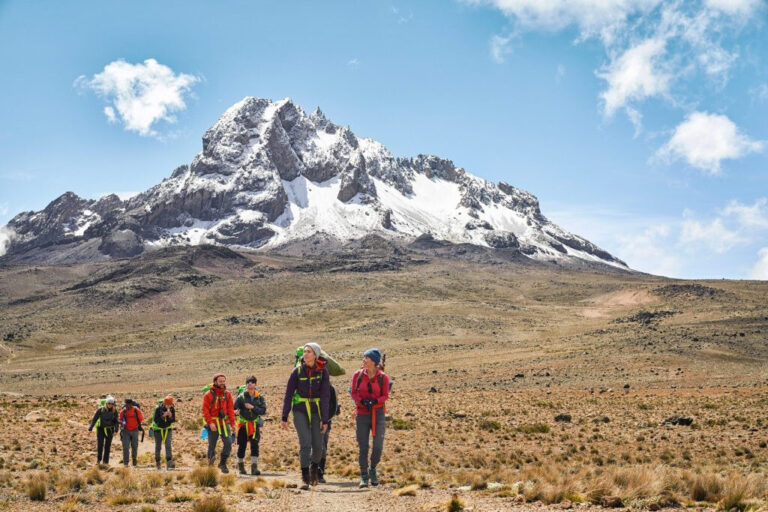
Kilimanjaro Extended-Itinerary Summit Trek: Your Ultimate Guide For 2026-2027
Choosing an extended itinerary for your Kilimanjaro summit trek offers superior acclimatization and a more rewarding experience. This guide details the benefits, best routes, and essential...
View package details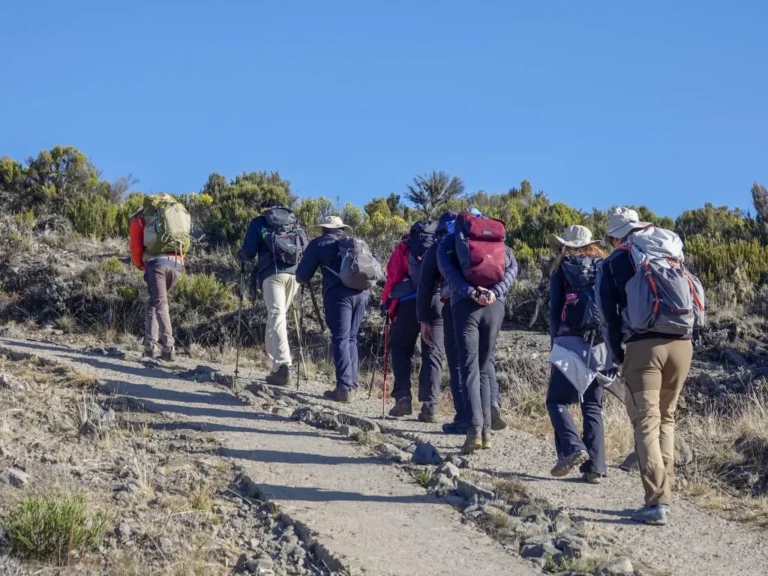
Kilimanjaro Slow-Pace Summit Package Guide
Opt for a Kilimanjaro Slow-Pace Summit Package for a more relaxed ascent, increasing your chances of reaching Uhuru Peak. This guide details routes, preparation, and what to expect with Top...
View package details
Kilimanjaro Easter Holiday Summit Package | Top Guide Adventures 2026-2027
Secure your Kilimanjaro Easter Holiday Summit Package for 2026 or 2027 with Top Guide Adventures. This guide covers everything you need to know about climbing Africa's highest peak during...
View package details
Kilimanjaro Couples’ Summit Challenge: Your Ultimate Guide For 2026-2027
start an unforgettable Kilimanjaro Couples' Summit Challenge. This comprehensive guide covers everything couples need to know for a successful climb in 2026-2027, from choosing the best...
View package details
Kilimanjaro Climb With A Hebrew-Speaking Guide: Your Adventure 2026-2027
Discover how to arrange a Kilimanjaro climb with a Hebrew-speaking guide, ensuring a comfortable and culturally connected experience for Israeli hikers planning their 2026-2027 adventure...
View package detailsKilimanjaro Climb With A Korean-Speaking Guide 2026-2027
Kilimanjaro Climb with a Korean-Speaking Guide is explained with current 2026-2027 planning, price, itinerary and booking information.
View package detailsKilimanjaro Climb With A Japanese-Speaking Guide: Your Ultimate Adventure
start your dream Kilimanjaro climb with a trusted Japanese-speaking guide from Top Guide Adventures. We provide comprehensive support, ensuring a safe and unforgettable experience on...
View package detailsKilimanjaro Climb With An Arabic-Speaking Guide In | Top Adventures 2026-2027
Ascend Mount Kilimanjaro with a dedicated Arabic-speaking guide. Top Guide Adventures provides comprehensive support, safety, and personalized experiences for your 2026-2027 climb.
View package detailsNo related package matches those filters. Clear one or more filters to see the other topic-matched options.



