
The best snacks to bring from home for a Kilimanjaro climb are lightweight, energy-dense, non-perishable, and easy to eat on the go. Think high-energy bars, nuts, dried fruits, jerky, electrolyte chews, and individually packaged treats. These supplement the provided meals, offering crucial boosts of energy and morale during strenuous ascents, especially at higher altitudes where appetite can decrease. Planning for your 2026 or 2027 climb means selecting snacks that are palatable and effective when you need them most.
Why Your Personal Snack Selection Matters on Kilimanjaro
Climbing Mount Kilimanjaro is more than just a physical challenge; it’s a mental and emotional journey. While Top Guide Adventures ensures you receive nutritious meals prepared by experienced camp chefs, the altitude, the exertion, and the repetitive nature of trekking can significantly impact your appetite and energy levels. This is precisely why carefully chosen personal snacks are indispensable. They act as vital supplements, offering quick energy when you need it most, providing comfort through familiar tastes, and helping to maintain your overall well-being throughout the challenging days on the mountain. For climbers planning their expedition in 2026 or 2027, understanding the role of these personal provisions is the first step to a successful summit bid.
The food provided by tour operators like Top Guide Adventures is generally designed to be hearty and sustaining. Breakfasts might include porridge or eggs, lunches are often packed to be eaten en route, and dinners are typically warm, carb-rich meals. However, at altitudes above 3,000 meters (9,842 feet), your body’s metabolism changes. Digestion slows down, and the desire to eat large meals can diminish. This is where your personal snack stash becomes a lifeline. A small, easily digestible snack can provide the immediate energy required to keep moving, preventing fatigue and the dreaded summit fatigue.
Furthermore, the psychological aspect of having favorite snacks cannot be overstated. The monotony of long trekking days can be broken by a familiar chocolate bar or a handful of salty nuts. These small comforts can significantly boost morale, making the journey more enjoyable and helping you push through difficult moments. For those preparing for a Kilimanjaro climb in the 2026-2027 seasons, think of your snacks as portable morale boosters and energy reserves.
Key Considerations for Choosing Kilimanjaro Snacks
When selecting the best snacks to bring from home for Kilimanjaro, several factors come into play. These aren’t just about taste; they’re about functionality at high altitude and during demanding physical activity. Your choices will directly impact your energy, hydration, and overall comfort on the mountain.
1. Energy Density
This is paramount. You need snacks that pack a lot of calories and carbohydrates into a small, lightweight package. Your body will be burning a significant number of calories each day, and quick energy sources are essential for sustained performance. Look for items with a good balance of carbohydrates and healthy fats.
2. Lightweight and Compact
Every gram counts when you’re packing for a multi-day trek. Your snacks should not add excessive weight to your backpack or duffel bag. Choose items with minimal packaging or repackage them into smaller, resealable bags to save space and reduce waste.
3. Non-Perishability
You’ll be trekking for several days without refrigeration. Your snacks must be able to withstand varying temperatures and remain edible and safe throughout your expedition. Avoid anything that can easily spoil, melt excessively, or become unappetizing.
4. Ease of Consumption
You won’t always have the luxury of sitting down for a proper break. Snacks should be easy to eat while walking or during short rest stops. This means avoiding anything that requires preparation, is messy, or needs utensils.
5. Palatability at Altitude
Appetite often decreases at higher altitudes. Foods that tasted great at sea level might become less appealing. Opt for strong flavors (sweet, salty, savory) that can stimulate your appetite. Variety is also key to preventing food fatigue.
6. Hydration and Electrolyte Support
While not strictly snacks, items that aid hydration and replenish electrolytes are crucial. Dehydration is a major risk on Kilimanjaro, and snacks can play a role in encouraging fluid intake and replacing lost salts.
7. Individually Packaged
These are easier to manage, distribute to your porter or guide if needed, and prevent spoilage of the entire batch if one item gets damaged. They also help with portion control.
Top Recommended Snacks for Your Kilimanjaro Climb
Based on these considerations, here’s a curated list of the best snacks to bring from home for your Kilimanjaro adventure in 2026-2027. These have been proven effective by countless climbers and are recommended by experienced guides.
Energy Bars & Gels
These are the quintessential trekking snacks for a reason. They are designed for sustained energy release, are lightweight, and come in individual, easy-to-eat portions.
- Types: Look for bars with a good balance of complex carbohydrates, protein, and healthy fats. Examples include Clif Bars, ProBar, Kind Bars (check ingredients for nut allergies), and Larabars. Energy gels offer a rapid carbohydrate boost, ideal for intense uphill sections or the final summit push.
- Why they work: High calorie-to-weight ratio, convenient packaging, and quick energy.
- Considerations: Some bars can become hard in cold weather or melt in extreme heat. Choose varieties that are less prone to these issues. Gels can be very sweet; alternate with other snacks.
Nuts and Seeds
A powerhouse of energy, healthy fats, and protein, nuts and seeds are excellent for sustained fuel. They are calorie-dense and satisfy hunger effectively.
- Types: Almonds, walnuts, cashews, macadamia nuts, pumpkin seeds, sunflower seeds. A trail mix combining these with some dried fruit is a classic choice.
- Why they work: High in calories, healthy fats, and protein for sustained energy. They are also relatively dry and non-perishable.
- Considerations: Can be high in fat, so consume in moderation if you have a sensitive stomach. Repackage from large bags into smaller portions to manage intake and prevent crushing. Avoid salted varieties if you are monitoring sodium intake, though some salt can be beneficial at altitude.
Dried Fruits
Provide natural sugars for quick energy and are generally easy to digest. They also offer some essential vitamins and minerals.
- Types: Raisins, apricots, mangoes, dates, figs, cranberries.
- Why they work: Excellent source of carbohydrates for quick energy. Their sweetness can be a welcome treat. Dates are particularly energy-dense.
- Considerations: Can be sticky. Choose varieties that aren’t overly processed with added sugars. Ensure they are well-sealed to prevent moisture absorption.
Jerky and Meat Sticks
A good source of protein and sodium, which can help with electrolyte balance. The savory flavor can be a welcome change from sweet snacks.
- Types: Beef jerky, turkey jerky, biltong (a South African dried meat, often less processed and very tasty), or similar dried meat sticks.
- Why they work: High in protein and salt, which can be useful for energy and electrolyte replenishment. Satisfies savory cravings.
- Considerations: Choose low-sodium options if possible, though some sodium is beneficial. Ensure it’s well-packaged to prevent spoilage. Some people find jerky hard to chew at altitude.
Chocolate and Candy
For a quick sugar rush and a significant morale boost, especially on challenging days or during the final summit push.
- Types: Dark chocolate bars (less prone to melting than milk chocolate), hard candies (like boiled sweets or peppermints), gummy bears, or fruit chews.
- Why they work: Provide rapid energy from simple sugars. Chocolate offers a psychological comfort and a burst of flavor. Hard candies can help keep your mouth moist and stimulate saliva production.
- Considerations: Can melt. Dark chocolate is generally a better choice for warmth. Avoid items that are overly sticky or will melt into a mess. Use sparingly as a treat rather than a primary energy source.
Crackers and Biscuits
Simple carbohydrates that are easy to digest and provide a satisfying crunch.
- Types: Plain crackers, water biscuits, graham crackers, or even plain cookies.
- Why they work: Bland and easy on the stomach, good for when your appetite is low. They provide carbohydrates for energy.
- Considerations: Can be crushed easily, so pack them carefully. Choose plain varieties as heavily seasoned ones might not appeal at altitude.
Electrolyte Supplements
While not strictly snacks, they are vital for performance and preventing altitude sickness. They help your body absorb water more effectively and replenish essential salts lost through sweat.
- Types: Electrolyte tablets (like Nuun or Hydralyte) to add to your water bottles, electrolyte powders, or chews.
- Why they work: Crucial for maintaining hydration and preventing cramping and fatigue caused by electrolyte imbalance.
- Considerations: Choose flavors you enjoy, as you’ll be drinking a lot of water. Some prefer unflavored options to avoid taste fatigue.
Other Useful Treats
- Fruit Leather/Roll-ups: Lightweight, chewy, and provide quick energy.
- Peanut Butter Packets: High in calories and protein. Easy to eat directly from the packet or spread on crackers.
- Small Packets of Cookies or Biscuits: For a taste of home and a bit of comfort.
What to Avoid in Your Kilimanjaro Snack Pack
Just as important as knowing what to bring is knowing what to leave behind. Certain types of food are not suitable for a high-altitude trek like Kilimanjaro.
- Perishable Foods: Anything that requires refrigeration (e.g., cheese, meat, yogurt, fresh fruit that bruises easily) is a definite no.
- Foods Prone to Melting: Chocolate bars (unless it’s very dark and you’re in a cool climate), gummies that can turn into a sticky mess.
- Heavy or Bulky Items: Canned goods, large bottles of sauces, or anything with a high water content that adds unnecessary weight.
- Messy Foods: Anything that requires significant preparation, is difficult to eat without spilling, or leaves residue.
- Foods that Cause Digestive Upset: If you know certain foods don’t agree with you, leave them at home, especially at altitude where your digestive system is already under stress. This includes overly spicy foods or very rich items.
- Excessive Packaging: While individual packaging is good, avoid snacks that come in multiple layers of non-recyclable plastic or bulky boxes. Repackage into reusable zip-top bags.
Packing Your Snacks for the Climb
How you pack your snacks can make a significant difference in their accessibility and preservation.
Repackaging
Remove snacks from their original bulky boxes or bags. Use lightweight, durable, resealable plastic bags (like Ziploc). This saves space, reduces waste, and helps keep snacks protected from moisture and dust. Label bags if necessary to keep track of different types of snacks.
Organization
Divide your snacks into daily rations or by type. Keep a small, accessible pouch or pocket in your daypack for snacks you’ll want to eat during the day’s trek. The rest can be stored in your main duffel bag, which will be carried by porters.
Accessibility
Ensure you can easily reach your snacks during the trek. Having a few high-energy items readily available in your daypack means you can refuel without having to stop and ask your porter to retrieve your duffel bag.
Protection
Place more fragile items like crackers or delicate bars in a slightly more protected section of your bag or within a larger container to prevent them from being crushed.
Snacks and Hydration: A Crucial Partnership
Hydration is paramount on Kilimanjaro. Dehydration can mimic symptoms of altitude sickness, leading to headaches, fatigue, and nausea. Your snack choices can indirectly support your hydration efforts.
- Electrolyte Integration: As mentioned, electrolyte powders and tablets are key. Mixing them into your water ensures you’re replenishing salts lost through sweat, which is vital for muscle function and preventing cramps.
- Encouraging Fluid Intake: Some snacks, like fruit leathers or chewy candies, can encourage you to sip water more frequently to wash them down.
- Avoiding Dehydrating Snacks: While salty snacks like jerky can be appealing, overconsumption without adequate fluid intake can contribute to dehydration. Balance salty snacks with plenty of water.
Hydration Strategies for 2026-2027 Climbers
For your Kilimanjaro climb in 2026 or 2027, make hydration a priority. Aim to drink 3-4 liters of water per day. Your guides will ensure you have boiled water available. Use your electrolyte supplements diligently. Consider carrying a hydration reservoir (like a CamelBak) in addition to water bottles for easier sipping on the move. Flavored electrolyte powders can make plain water more palatable, encouraging you to drink more.
Snack Strategy for Different Stages of the Climb
The demands of the climb change as you ascend, and your snack strategy should adapt accordingly.
Acclimatization Days (Lower Altitudes)
On the initial days, your appetite is usually good. Focus on a variety of snacks to keep energy levels steady. Nuts, dried fruits, and energy bars are great. This is also a good time to start getting used to your electrolyte drinks.
Mid-Climb (Higher Altitudes, ~3,000-4,500m)
Appetite may start to wane. Simpler, more palatable snacks become important. Plain crackers, energy gels, and candies can be lifesavers. Continue with nuts and dried fruits, but ensure you have options that are easy to digest. Jerky can provide a welcome savory contrast.
Summit Night and Summit Day (Above 4,500m)
This is the most demanding phase. Energy is critical, but appetite is often at its lowest. Quick, easily digestible sugars are key. Think energy gels, hard candies, and perhaps a small piece of a very palatable energy bar. Hydration is extremely important here; small, frequent sips are better than large gulps. Your guides will be instrumental in encouraging you to eat and drink during this critical phase.
Example Snack Pack for a 7-Day Climb
This is a sample list for one person for a typical 7-day climb. Adjust quantities based on your personal needs and the duration of your trek. For 2026-2027 expeditions, consider adding a few extra items for unexpected delays or personal preference.
- Energy Bars: 10-14 bars (e.g., 2 per day)
- Energy Gels: 4-6 gels (for summit night/day and strenuous sections)
- Nuts/Trail Mix: 2-3 small bags (approx. 100-150g each)
- Dried Fruits: 2-3 small bags (e.g., dates, apricots)
- Jerky/Meat Sticks: 2-3 packs
- Chocolate: 2-3 small bars (dark chocolate recommended)
- Hard Candies/Chews: 1-2 small bags
- Crackers/Biscuits: 1-2 small packs
- Electrolyte Tablets/Powder: Enough for 3-4 liters per day for the duration of the climb (e.g., 20-30 tablets or equivalent powder sachets)
- Peanut Butter Packets: 2-3 packets (optional)
Customizing Your Pack for 2026-2027
When planning your Kilimanjaro snacks for 2026 or 2027, consider:
- Dietary Restrictions: If you have allergies (nuts, gluten, dairy) or follow a specific diet (vegan, vegetarian), choose snacks accordingly. Many brands offer specialized options.
- Personal Preferences: Bring what you genuinely enjoy eating. If you hate energy bars, don’t bring them! Opt for other calorie-dense alternatives.
- Climate: If you are climbing during a warmer season, prioritize snacks that are less prone to melting.
The Role of Your Guides and Porters
It’s important to remember that your guides and porters are experienced professionals. They are trained to monitor your well-being, including your eating and drinking habits. Don’t hesitate to communicate with them about your energy levels or if you’re struggling to eat.
They can often offer encouragement, suggest when to take a quick snack break, or even share some of their own preferred high-energy snacks if you run out or need a change of taste. For climbers in 2026-2027, fostering a good relationship with your crew will enhance your entire experience.
Your guides are also knowledgeable about what works best at specific altitudes. They can advise you on the best times to consume energy gels versus slower-releasing carbohydrates from bars or nuts. They understand the importance of regular, small intakes of food and drink, especially during summit night.
Where to Buy Your Kilimanjaro Snacks
Most of the recommended snacks are readily available in supermarkets and outdoor adventure stores in major cities worldwide. For climbers departing from the UK, US, or Europe, stocking up before you leave is the most practical approach.
If you prefer to buy some items closer to your departure point in Tanzania, Moshi or Arusha have supermarkets that stock a decent range of energy bars, nuts, and dried fruits. However, the selection might be more limited and potentially more expensive than what you’d find at home. It’s generally advisable to bring the bulk of your preferred snacks from your home country to ensure you have exactly what you like and trust, especially for your 2026 or 2027 climb.
Environmental Responsibility: Pack It In, Pack It Out
When packing your snacks, remember the principle of “Leave No Trace.” All your snack wrappers, empty packets, and any other waste must be carried down the mountain with you. Your tour operator, Top Guide Adventures, is committed to responsible tourism and will provide designated bags for waste collection. Be mindful of this when selecting snacks – choose items with minimal, recyclable packaging where possible.
Final Thoughts for Your 2026-2027 Kilimanjaro Expedition
The best snacks to bring from home for Kilimanjaro are those that are energy-dense, lightweight, non-perishable, and easy to eat. They are an essential part of your gear, complementing the meals provided by your tour operator and playing a critical role in maintaining your energy and morale throughout the challenging ascent. For your 2026-2027 climb, plan meticulously, pack wisely, and remember that these small provisions can make a significant difference to your overall success and enjoyment on Africa’s highest peak.
Choosing the right snacks is a personal decision, but by following these guidelines, you can assemble a pack that will support you from the base camp to the summit and back. If you have any specific questions about nutrition or what to pack for your Kilimanjaro adventure with Top Guide Adventures, please do not hesitate to reach out. We are here to ensure your climb is as comfortable and successful as possible.
Contact us for personalized advice on your 2026-2027 Kilimanjaro climb and packing recommendations: WhatsApp +255616946642 or Email topguideadventures@gmail.com. You can also reach our backup email at info@topguideadventures.com. Let Top Guide Adventures help you prepare for an unforgettable journey!
“,
“faq_schema”: [
{
“question”: “What are the most important characteristics of snacks for Kilimanjaro?”,
“answer”: “The best snacks for Kilimanjaro are energy-dense, lightweight, non-perishable, easy to eat on the go, and palatable at high altitudes. They should supplement the meals provided by your tour operator and help maintain energy and morale.”
},
{
“question”: “What are some good examples of energy-dense snacks for Kilimanjaro?”,
“answer”: “Excellent choices include energy bars, nuts and seeds, dried fruits (like dates and apricots), jerky, and energy gels. These provide a high calorie-to-weight ratio and sustained fuel.”
},
{
“question”: “Should I bring chocolate on my Kilimanjaro climb?”,
“answer”: “Yes, a small amount of dark chocolate can be a great morale booster and provide a quick sugar energy boost, especially for summit night. Choose varieties less prone to melting.”
},
{
“question”: “What about hydration and electrolyte snacks for Kilimanjaro?”,
“answer”: “It’s crucial to bring electrolyte tablets or powders to add to your water. These help replenish salts lost through sweat, aiding hydration and preventing cramps. While not strictly snacks, they are vital for performance.”
},
{
“question”: “What snacks should I avoid bringing to Kilimanjaro?”,
“answer”: “Avoid perishable foods, items prone to melting or crushing easily, heavy or bulky items, messy foods, and anything that tends to cause you digestive upset at altitude. Examples include fresh fruits, canned goods, and very oily or spicy items.”
},
{
“question”: “How should I pack my snacks for Kilimanjaro?”,
“answer”: “Repackage snacks from bulky original packaging into lightweight, resealable plastic bags. Organize them by type or daily rations. Keep easily accessible snacks in your daypack and the rest in your duffel bag.”
},
{
“question”: “Can I buy snacks in Tanzania before climbing Kilimanjaro?”,
“answer”: “You can find some snacks like energy bars and nuts in supermarkets in Moshi or Arusha, but the selection might be limited and more expensive. It’s generally recommended to bring your preferred snacks from home for your 2026-2027 climb.”
},
{
“question”: “How many snacks should I bring for a Kilimanjaro climb?”,
“answer”: “For a typical 7-day climb, aim for 1-2 energy bars per day, a few energy gels for summit night, small bags of nuts/dried fruits, some jerky, a couple of chocolate bars, and hard candies. Ensure you have enough electrolyte supplements for 3-4 liters of water per day.”
}
]
}
“`
Check Availability for Best Snacks To Bring From Home For Kilimanjaro 2026-2027
Ready to compare dates, prices, and the best option for your group? Send the package name and travel month so the team can reply with a clear quote, availability, and what is included.
Should You Bring Hand Warmers To Kilimanjaro? Your Essential Guide 2026-2027
Considering a Kilimanjaro climb in 2026 or 2027? You're likely wondering about essential gear. One question that often arises is: should you bring hand warmers? The short answer is a...
View package details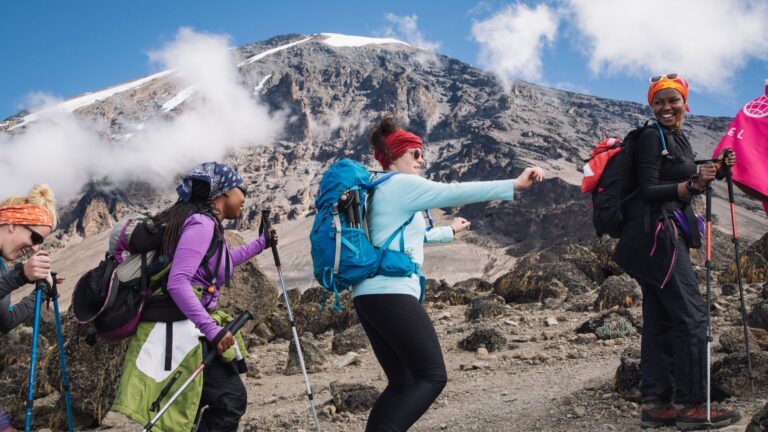
Kilimanjaro Climb With A Swahili-Speaking Guide: Your Essential Top Adventures
Ascend Mount Kilimanjaro with Top Guide Adventures, led by experienced Swahili-speaking guides. This comprehensive guide covers everything you need to know for a successful climb in...
View package details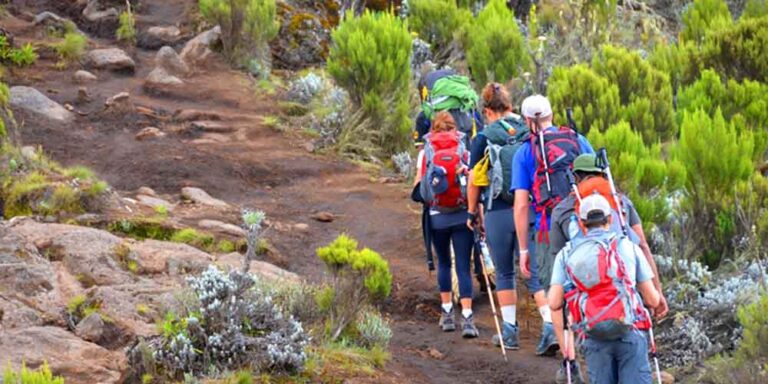
Kilimanjaro Climb With A Hindi-Speaking Guide 2026-2027
Kilimanjaro Climb with a Hindi-Speaking Guide is explained with current 2026-2027 planning, price, itinerary and booking information.
View package details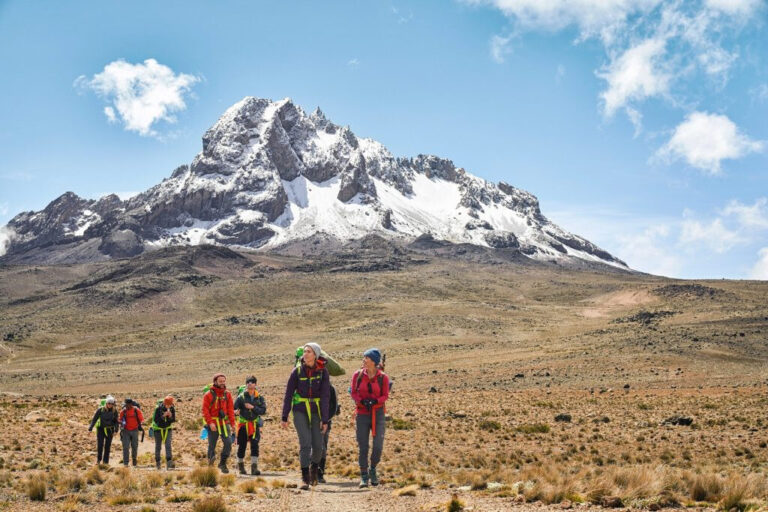
Kilimanjaro Climb With A Hebrew-Speaking Guide: Your Adventure 2026-2027
Discover how to arrange a Kilimanjaro climb with a Hebrew-speaking guide, ensuring a comfortable and culturally connected experience for Israeli hikers planning their 2026-2027 adventure...
View package details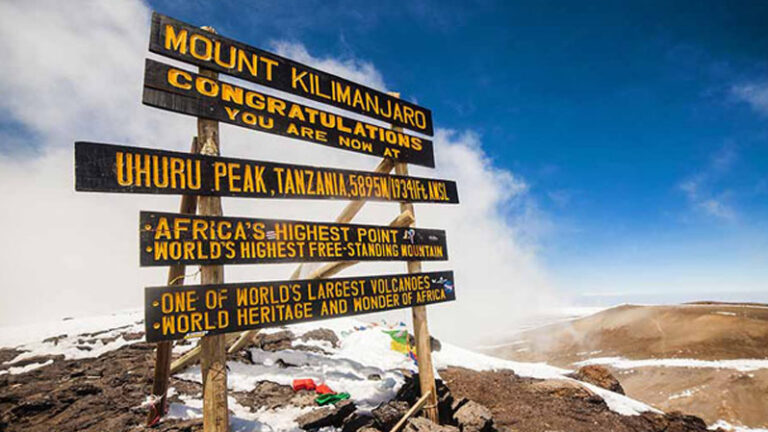
Kilimanjaro Climb With A Korean-Speaking Guide 2026-2027
Kilimanjaro Climb with a Korean-Speaking Guide is explained with current 2026-2027 planning, price, itinerary and booking information.
View package details
Kilimanjaro Climb With A Japanese-Speaking Guide: Your Ultimate Adventure
start your dream Kilimanjaro climb with a trusted Japanese-speaking guide from Top Guide Adventures. We provide comprehensive support, ensuring a safe and unforgettable experience on...
View package detailsKilimanjaro Climb With An Arabic-Speaking Guide In | Top Adventures 2026-2027
Ascend Mount Kilimanjaro with a dedicated Arabic-speaking guide. Top Guide Adventures provides comprehensive support, safety, and personalized experiences for your 2026-2027 climb.
View package details
Kilimanjaro Climb With A Russian-Speaking Guide: Your Ultimate Adventure
start your Kilimanjaro adventure with a dedicated Russian-speaking guide. This comprehensive guide covers everything you need to know for a successful climb in 2026-2027, from choosing the...
View package details
Kilimanjaro Climb With A Polish-Speaking Guide: Your Comprehensive Planning
Discover how to arrange a Kilimanjaro climb with a dedicated Polish-speaking guide. This extensive guide covers route options, preparation, costs, and booking considerations for your...
View package details
Kilimanjaro Climb With A Portuguese-Speaking Guide: Your Expert For 2026-2027
Discover everything you need to know for a Kilimanjaro climb with a Portuguese-speaking guide. Top Guide Adventures provides comprehensive planning details for your 2026-2027 ascent...
View package details
Kilimanjaro Climb With A Dutch-Speaking Guide In | Top Adventures 2026-2027
Discover the unparalleled experience of climbing Mount Kilimanjaro with a dedicated Dutch-speaking guide. Top Guide Adventures ensures your safety, comfort, and success on this iconic...
View package details
Kilimanjaro Climb With An Italian-Speaking Guide: Your Ultimate Adventure
start your dream Kilimanjaro climb with a dedicated Italian-speaking guide. Top Guide Adventures provides comprehensive support, ensuring a safe and unforgettable experience on Africa's...
View package detailsNo related package matches those filters. Clear one or more filters to see the other topic-matched options.



