
Yes, bringing hand warmers to Kilimanjaro is highly recommended, especially for summit night and the colder stages of your trek. While not strictly mandatory, they significantly enhance comfort, prevent frostnip, and improve dexterity in freezing temperatures, making your climb safer and more enjoyable. Consider both disposable chemical warmers and rechargeable electronic options for your 2026-2027 expedition.
Understanding Kilimanjaro’s Cold Climate: Why Hand Warmers Become Essential
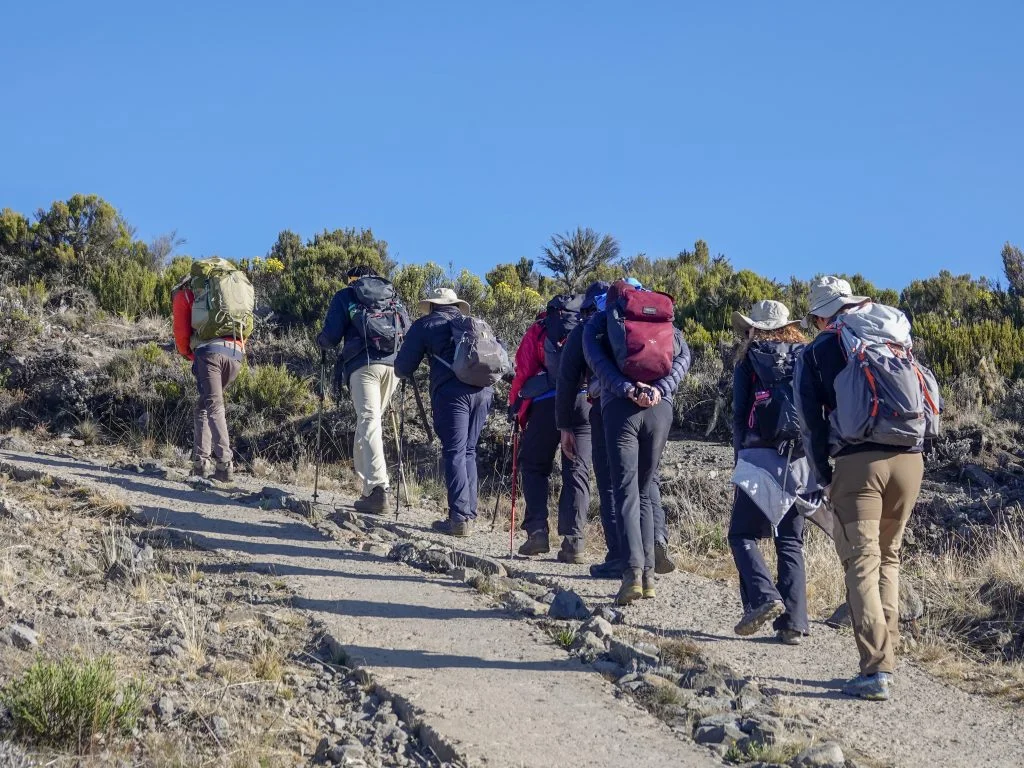
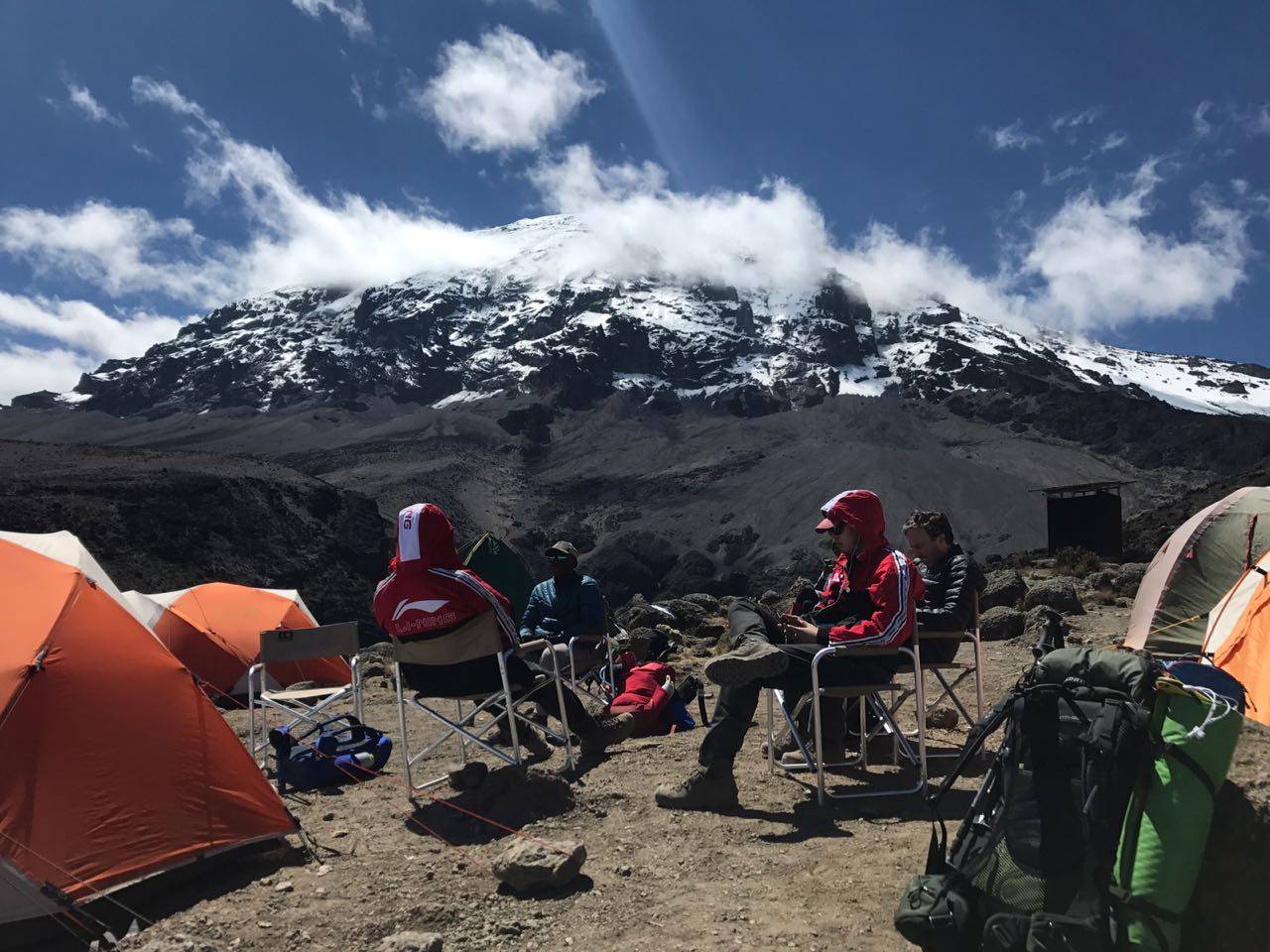
The allure of Kilimanjaro, Africa’s highest peak at 5,895 meters (19,341 feet), draws adventurers from around the globe. While often perceived as a ‘walk-up’ mountain, its altitude presents significant challenges, chief among them being the extreme cold. The temperature drops dramatically with every thousand meters gained. By the time you reach the higher camps and, crucially, the summit zone, temperatures can plummet well below freezing, often ranging from -10°C to -20°C (14°F to -4°F), with wind chill making it feel even colder. For your 2026 or 2027 climb, understanding this environment is key to packing correctly.
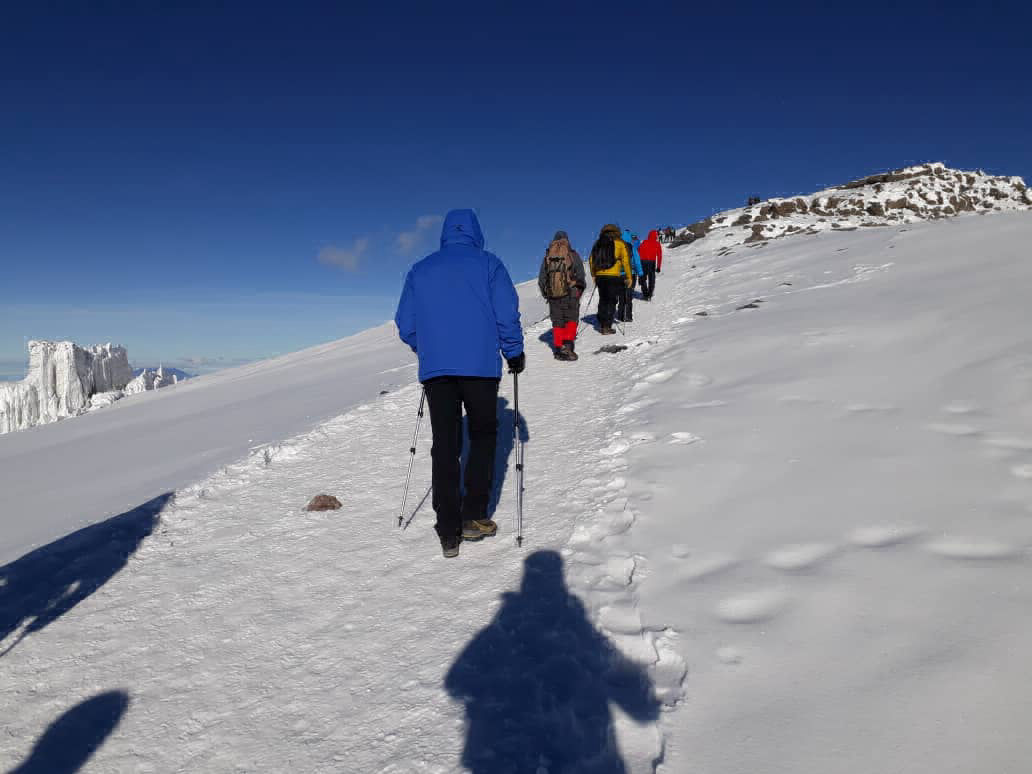
On summit night, typically starting around midnight, you’ll be trekking through the night and early morning in these frigid conditions. Your hands, being extremities, are particularly vulnerable to the cold. Without adequate protection, fingers can become numb, stiff, and lose dexterity. This not only leads to discomfort but can also be dangerous, making it difficult to operate essential gear like headlamps, cameras, or even to adjust your clothing. This is where hand warmers come into play as a vital piece of supplemental warmth.
The Physiology of Cold Hands on High Mountains
When your body is exposed to extreme cold, it prioritizes keeping your core temperature stable. This means blood flow is diverted away from your extremities – your fingers and toes – towards your vital organs. This natural thermoregulation process, while life-saving in extreme survival situations, leads to the rapid cooling of your hands. The result is discomfort, pain, and a loss of fine motor skills. For climbers on Kilimanjaro, this can be more than just an inconvenience; it can impair your ability to manage your equipment, communicate effectively, and maintain your footing, all critical for a successful and safe ascent, especially during the challenging 2026-2027 climbing seasons.
Furthermore, prolonged exposure to cold can lead to conditions like frostnip (a superficial freezing of the skin) and, in more severe cases, frostbite (a deeper freezing that can damage tissues permanently). While proper gloves and mittens are your first line of defense, hand warmers offer an active heat source that combats this physiological response directly, keeping your hands warmer for longer periods. They act as a personal heating system, ensuring your hands remain functional and comfortable even when the ambient temperature is at its harshest.
Types of Hand Warmers: What Works Best for Kilimanjaro?
When planning your Kilimanjaro adventure for 2026-2027, you’ll find two primary categories of hand warmers: disposable chemical warmers and rechargeable electronic warmers. Each has its pros and cons for high-altitude trekking.
Disposable Chemical Hand Warmers
These are the most common and accessible type. They typically come as small, thin packets that activate when exposed to air. Inside, a mixture of iron powder, salt, activated charcoal, and vermiculite undergoes an oxidation process when it reacts with oxygen in the air, generating heat. They are usually single-use and provide warmth for several hours.
- Pros:
- Lightweight and Compact: Easy to pack and carry.
- Inexpensive: A very cost-effective solution for supplemental heat.
- Simple to Use: Just open the packet and shake or wait for activation.
- Reliable Heat: Provide a consistent, moderate heat output for their duration.
- Cons:
- Single-Use: Creates waste, which needs to be packed out from the mountain.
- Limited Duration: Most last 6-10 hours, which might not be enough for the entire summit night if you’re a slow climber or start very early.
- Heat Control: You can’t adjust the temperature; it’s on or off.
- Environmental Impact: Disposable items contribute to waste management challenges on the mountain.
For a Kilimanjaro climb in 2026 or 2027, bringing a good supply of these is a popular choice. They are perfect for slipping into gloves or pockets for sustained warmth. Make sure to buy reputable brands known for their longevity and consistent heat output. Brands like HotHands are widely available and generally reliable.
Rechargeable Electronic Hand Warmers
These devices are powered by rechargeable batteries and often offer adjustable heat settings. They are essentially small, portable heaters. Many models also function as power banks, which can be a dual benefit for charging electronic devices on the trek.
- Pros:
- Reusable: Environmentally friendly and cost-effective in the long run.
- Adjustable Heat: Allows you to control the temperature for optimal comfort and battery life.
- Longer Lasting (potentially): Some models offer hours of heat on a single charge, and can be recharged if you have a portable power source.
- Dual Functionality: Many can also charge phones or other USB devices.
- Cons:
- Heavier and Bulkier: They add more weight and size to your pack compared to disposable warmers.
- Require Charging: You need a reliable way to recharge them, which can be challenging on Kilimanjaro unless you have a robust power bank or solar charger.
- Initial Cost: More expensive upfront than disposable options.
- Battery Life Dependency: Performance depends on battery charge and ambient temperature (cold can reduce battery efficiency).
For trekkers concerned about waste or who plan to do multiple cold-weather trips, electronic hand warmers are a great investment. However, for a single Kilimanjaro climb in 2026-2027, careful consideration of charging capabilities is necessary. A high-capacity power bank is almost essential if you opt for this route.
Other Warming Solutions
Beyond dedicated hand warmers, consider other ways to keep your hands warm:
- Hand/Foot Warmers: Many chemical warmers are also designed for feet, offering a larger surface area and longer duration.
- Body Warmers: Similar to hand warmers but larger, these can be placed in pockets or tucked into clothing for overall warmth.
- Chemical Toe Warmers: Specifically designed for footwear, these are crucial for preventing cold feet during long treks.
When packing for Kilimanjaro in 2026 or 2027, a combination might be ideal. For instance, a few disposable hand warmers for summit night, supplemented by a reusable warmer if you have one and a way to charge it.
Expert Tip for 2026-2027 Climbers:
For summit night, which is the coldest part of your Kilimanjaro climb, we strongly advise bringing at least 2-3 pairs of disposable chemical hand warmers per person. They are a cheap insurance policy against numb fingers and can make a huge difference to your experience. If you use electronic warmers, ensure your power bank is fully charged and capable of multiple recharges.
When and How to Use Hand Warmers on Kilimanjaro
Strategic use of hand warmers is key to maximizing their effectiveness and ensuring you have warmth when you need it most. For a 2026 or 2027 Kilimanjaro trek, here’s a breakdown of the critical times and best practices:
Summit Night: The Ultimate Test
This is non-negotiable. Summit night is the coldest, longest, and most challenging part of your climb. You’ll be ascending in the dark, often starting between 11 PM and 2 AM. Temperatures can easily be -15°C (5°F) or colder, especially with wind chill. Your hands will be exposed as you use trekking poles, take photos, or adjust your gear.
- Activation: Activate your hand warmers before you put your gloves on, about 15-30 minutes before starting the ascent. This allows them to reach their optimal temperature.
- Placement: Slip one warmer into each glove or mitten. If wearing thin liner gloves, place the warmer inside the liner. If wearing thick mittens, you can place the warmer inside the mitten, ensuring it doesn’t interfere with your grip on poles.
- Backup: Keep a spare pair activated and ready in a pocket for when the first pair starts to cool down, or if one unexpectedly fails.
- Conservation: If using disposable warmers, try to keep them in a relatively insulated environment when not in use (e.g., inside your jacket pocket) to slow down the heat-generating process if you need to save them for later in the night.
Many climbers find that the warmth from these chemical packets is essential for maintaining finger function, allowing them to take photos of the sunrise from Stella Point or Uhuru Peak, or simply to stay comfortable enough to keep moving. For your 2026-2027 climb, don’t underestimate summit night’s cold.
High Camps and Windy Ridges
Even during the day, certain sections of the trek can be surprisingly cold, especially at higher altitudes or when exposed to wind. The camp sites at Barafu (4,673m / 15,331ft) and Kibo Huts (4,720m / 15,485ft) can be very cold overnight. The traverse between Stella Point and Uhuru Peak on summit morning is also notoriously windy and exposed.
- Evening Warmth: Use a hand warmer in your tent in the evening to warm up your sleeping bag or just to keep your hands comfortable while reading or preparing for the next day.
- Daytime Protection: On colder trekking days, particularly on the descent from the summit or on exposed sections like the Lava Tower area, a hand warmer can provide welcome relief.
- Windy Passes: When crossing exposed ridges or high passes, even if the air temperature isn’t extreme, wind chill can make your hands feel very cold. Hand warmers provide a direct heat source.
Other Considerations for Your 2026-2027 Climb
- Starting Early: If you tend to feel the cold more than others, or if your itinerary involves very early starts on cold mornings, hand warmers can be beneficial from the outset.
- Poor Circulation: If you know you have poor circulation or are prone to cold hands, definitely pack them.
- Photography: Photographers often need to remove gloves to operate cameras. Hand warmers can provide quick warmth between shots.
Remember, the goal is comfort and safety. Hand warmers are a relatively low-cost item that can significantly improve your Kilimanjaro experience in 2026-2027.
Beyond Hand Warmers: A Comprehensive Approach to Hand Warmth on Kilimanjaro
While hand warmers are an excellent addition to your gear list for Kilimanjaro in 2026-2027, they are most effective when part of a layered system of warmth. Relying solely on hand warmers without proper gloves will still leave you vulnerable. Here’s how to build a complete strategy for keeping your hands warm:
1. The Right Gloves and Mittens
This is your primary defense. Layering is key.
- Liner Gloves: Thin, moisture-wicking gloves made of wool or synthetic material. They provide a base layer of warmth and help manage sweat, which can make your hands colder. They also allow for dexterity when you need to remove your outer layer for a moment.
- Insulated Gloves: Mid-weight gloves offering good insulation. These are for general trekking on colder days.
- Heavy-Duty Mittens: For summit night, mittens are generally warmer than gloves because they keep your fingers together, sharing warmth. Look for waterproof, windproof, and heavily insulated mittens. Crucially, ensure your mittens are large enough to accommodate your liner gloves and a hand warmer comfortably without constricting circulation.
Tip for 2026-2027 Climbers: Bring at least two pairs of outer gloves/mittens. If one pair gets wet or lost, you have a backup. Test your chosen combination (liner + outer + hand warmer) before you go to ensure a comfortable fit.
2. Layering Your Clothing
Keeping your core body warm is essential for maintaining circulation to your extremities. If your body is cold, it will divert blood away from your hands.
- Base Layers: Moisture-wicking thermal tops (long-sleeved).
- Mid Layers: Fleece jackets or down vests for insulation.
- Outer Layer: A waterproof and windproof shell jacket.
Ensure your layering system is effective, allowing you to adjust your clothing as the temperature and your exertion level change throughout the day. A warm core means warmer hands.
3. Staying Hydrated and Nourished
Your body needs fuel and water to generate heat. Dehydration can impair your body’s ability to regulate temperature. Eating well on the mountain provides the energy needed to stay warm.
- Hydration: Drink plenty of water throughout the day, even when you don’t feel thirsty. Insulated water bottles or hydration reservoirs with insulated tubes are recommended to prevent freezing.
- Nutrition: Consume high-energy foods. Snacks like nuts, dried fruits, and energy bars are excellent. Your guides will provide balanced meals, but having your own readily available snacks is wise.
For your 2026-2027 Kilimanjaro climb, make a conscious effort to drink more than you think you need, especially on summit night.
4. Managing Sweat
Sweat can be a major enemy in cold weather. Wet clothing loses its insulating properties and can lead to rapid cooling. Choose moisture-wicking base layers and manage your exertion level to avoid overheating and excessive sweating. If you do sweat, try to change into dry layers as soon as possible, especially before resting or sleeping.
5. Using Hand Warmers Strategically with Other Gear
- Inside Mittens: As mentioned, mittens are ideal for summit night. Place the activated hand warmer inside the mitten, alongside your gloved hand.
- In Pockets: Keep spare hand warmers in an inside jacket pocket to keep them from getting too cold and to be ready for the next stage.
- Foot Warmers: Don’t forget foot warmers! Cold feet can contribute to overall body coldness and discomfort.
By combining excellent gloves, effective layering, proper hydration, and the smart use of hand warmers, you can ensure your hands remain comfortable and functional throughout your Kilimanjaro expedition in 2026 or 2027.
Kilimanjaro Hand Warmth Checklist (2026-2027)
- Disposable Chemical Hand Warmers: 4-6 pairs per person (for summit night and potential cold spots).
- Electronic Hand Warmers (Optional): With high-capacity power bank for recharging.
- Liner Gloves: 1-2 pairs (wool or synthetic).
- Insulated Gloves: 1 pair (for general trekking).
- Waterproof/Windproof Insulated Mittens: 1 pair (essential for summit night).
- Moisture-wicking Base Layers: Long-sleeved tops.
- Insulating Mid-Layers: Fleece jacket, down vest.
- Waterproof/Windproof Outer Shell: Jacket and trousers.
- Warm Hat and Balaclava: To protect head and face.
- Insulated Water Bottle/Reservoir: To prevent freezing.
- High-Energy Snacks: For sustained energy.
Cost and Availability of Hand Warmers for Kilimanjaro Treks
When budgeting for your Kilimanjaro adventure in 2026-2027, the cost of hand warmers is minimal but worth considering. Their availability is generally good, but planning ahead ensures you get the best options.
Cost Breakdown
- Disposable Chemical Hand Warmers: These are very affordable. A pair typically costs between $1 to $3 USD. You can buy them in multi-packs for a discount. For a Kilimanjaro climb, budgeting around $10-$20 USD for a sufficient supply for summit night is reasonable.
- Electronic Hand Warmers: The initial investment is higher, ranging from $30 to $80 USD or more, depending on brand, features (like power bank capability), and battery life. While more expensive upfront, they offer long-term value if you engage in other cold-weather activities.
- Power Banks: If opting for electronic warmers, a good quality power bank (10,000 mAh or higher) can cost between $20 to $50 USD.
The overall cost impact of hand warmers on your Kilimanjaro budget is small, especially when compared to the main tour package, flights, and other gear. However, their contribution to comfort and safety is immense.
Where to Buy Hand Warmers
- Online Retailers: Websites like Amazon, REI, or specialized outdoor gear shops offer a wide selection of both disposable and electronic hand warmers. It’s often best to purchase these well in advance of your 2026-2027 trip to ensure you have them and can test them.
- Outdoor Gear Stores: Physical stores offer the chance to see and feel the products. Staff can often provide advice on the best options for trekking.
- Local Shops in Tanzania (Limited): While you might find some basic disposable warmers in towns like Moshi, the selection is usually limited, and prices can be higher. It’s highly recommended to bring your own supply from home.
Recommendation for 2026-2027 Climbers: Purchase your hand warmers from a reputable supplier in your home country before you travel. This guarantees you have the quality and quantity you need, and you can ensure they are properly stored and activated when the time comes.
Environmental Considerations: Packing Out What You Pack In
As responsible travelers climbing Kilimanjaro in 2026-2027, it’s crucial to consider the environmental impact of your gear. Disposable hand warmers, while convenient, contribute to waste.
- Pack It Out: All used disposable hand warmers, along with their packaging, must be packed out from the mountain. There are no trash disposal facilities on Kilimanjaro. Your guides and porters will ensure waste is carried down, but it’s your responsibility to manage your personal waste.
- Choose Reusable: Opting for electronic hand warmers reduces waste significantly.
- Minimize Packaging: Before your trek, remove excess packaging from disposable warmers to save space and reduce bulk.
Top Guide Adventures is committed to sustainable tourism practices. We encourage all our clients for their 2026-2027 expeditions to be mindful of their environmental footprint. Proper waste management, including packing out all used items, is part of this commitment.
Expert Advice from Top Guide Adventures
At Top Guide Adventures, we’ve guided countless climbers to the summit of Kilimanjaro since our inception. We understand the mountain intimately, from its base camps to its icy summit. For your 2026 or 2027 climb, our expert advice regarding hand warmers is clear:
Don’t leave home without them. Especially for summit night, they are a small item that makes a monumental difference in comfort and safety. We’ve seen firsthand how cold fingers can detract from an otherwise incredible achievement. Hand warmers help ensure you can fully appreciate the sunrise from Uhuru Peak.
We recommend bringing a variety of gear, including high-quality gloves and mittens, thermal layers, and of course, a generous supply of hand warmers. Our experienced guides will also advise you on the best times to use them during your trek.
Planning your Kilimanjaro climb for 2026 or 2027? Let Top Guide Adventures handle the logistics. We offer comprehensive packages that include experienced guides, quality equipment, and unparalleled support. Contact us to start planning your unforgettable journey.
For more information on our Kilimanjaro climbs, routes, and departure dates for 2026-2027, please visit our website or reach out to us directly. We are dedicated to providing you with a safe, enjoyable, and memorable experience on Kilimanjaro.
Planning Your 2026-2027 Kilimanjaro Climb with Top Guide Adventures
Choosing the right tour operator is as crucial as packing the right gear. Top Guide Adventures offers personalized itineraries and dedicated support for your Kilimanjaro climb. Our packages are designed to maximize your chances of success and enjoyment. We handle all the details, so you can focus on the adventure.
Contact us today to discuss your dream Kilimanjaro expedition:
- WhatsApp: +255616946642
- Email: topguideadventures@gmail.com
- Backup Email: info@topguideadventures.com
Let us help you prepare for an incredible 2026-2027 Kilimanjaro adventure. Visit Top Guide Adventures for more details on our services and tours.
Frequently Asked Questions About Kilimanjaro Gear
Here are some common questions our clients ask about preparing for their Kilimanjaro climb, including gear like hand warmers for their 2026-2027 trips.
Q1: How many hand warmers should I bring for Kilimanjaro?
For summit night alone, we recommend bringing at least 2-3 pairs of disposable chemical hand warmers per person. This ensures you have warmth for the entire ascent, even if one pair doesn’t last as long as expected or if you need to use them earlier. If you plan to use them on other cold days or nights, pack a few extra.
Q2: Can I buy hand warmers in Tanzania?
While some basic disposable hand warmers may be available in towns like Moshi, the selection is usually very limited, and prices can be inflated. It is strongly advised to purchase all your hand warmers and other specialized gear from reputable suppliers in your home country before your 2026-2027 Kilimanjaro climb. This guarantees you have the quality and quantity you need.
Q3: Are electronic hand warmers a good option for Kilimanjaro?
Electronic hand warmers can be a good option if you have a reliable way to recharge them. This usually means carrying a high-capacity power bank (at least 10,000 mAh). They are reusable and environmentally friendly. However, if you don’t have a power bank or plan to minimize weight, disposable chemical warmers are simpler and more reliable for a single trek.
Q4: What is the coldest temperature on Kilimanjaro?
Temperatures on Kilimanjaro can drop significantly with altitude. At the summit (Uhuru Peak), temperatures often range from -10°C to -20°C (14°F to -4°F), and with wind chill, it can feel much colder, especially during summit night. This is why hand warmers are so important for your 2026-2027 expedition.
Q5: What are the most important items for summit night?
Besides hand warmers, essential items for summit night include: a good headlamp with extra batteries, warm layered clothing (including thermal base layers, fleece, and an insulated outer layer), waterproof and windproof outer gear, insulated mittens or gloves, a warm hat and balaclava, thermal socks, sturdy hiking boots, and a reusable water bottle or hydration system that won’t freeze.
Q6: How do I prevent my water from freezing on Kilimanjaro?
To prevent water from freezing, use insulated water bottles or hydration reservoirs with insulated tubes. Store your water bottle upside down (the cap freezes first). Keep your hydration reservoir inside your insulated jacket to use your body heat to keep it from freezing. Hand warmers can also be placed in your sleeping bag to help keep water bottles from freezing overnight.
Q7: Should I bring foot warmers as well as hand warmers?
Yes, absolutely. Cold feet can be just as uncomfortable and potentially dangerous as cold hands. Many disposable chemical warmers are designed specifically for feet and can provide much-needed warmth inside your boots during the long summit night. We recommend packing at least 1-2 pairs of foot warmers per person for your 2026-2027 climb.
Q8: What is the best route for Kilimanjaro in 2026-2027?
The best route depends on your priorities. For acclimatization and success rates, the Machame Route and the Lemosho Route are highly recommended. They offer more days on the mountain, allowing your body to adjust better to the altitude. The Machame Route is popular for its scenic beauty and challenging ascents, while Lemosho offers a more remote experience. You can find more details on our Machame Route and other itineraries on our website.
Q9: How much should I tip my guides and porters in 2026-2027?
Tipping is customary and greatly appreciated. We provide recommended tipping guidelines as part of our pre-trek information, which typically range from $20-$30 USD per day per climber for the entire crew (guides, cook, porters). These amounts are subject to change slightly year to year, so please check our latest recommendations closer to your 2026-2027 climb. Our team ensures fair treatment and payment for all our staff.
Q10: What is the best time of year to climb Kilimanjaro in 2026-2027?
The best times to climb Kilimanjaro are during the dry seasons: January to March and June to October. These periods offer clearer skies, less rain, and more stable weather conditions. While it can still be cold, especially at higher altitudes, these months generally provide the most favorable conditions for a successful ascent. Avoid the rainy seasons (April-May and November-December) if possible.
Check Availability for Should You Bring Hand Warmers To Kilimanjaro? Your Essential Guide 2026-2027
Ready to compare dates, prices, and the best option for your group? Send the package name and travel month so the team can reply with a clear quote, availability, and what is included.
Best Snacks To Bring From Home For Kilimanjaro 2026-2027
Best Snacks to Bring from Home for Kilimanjaro is explained with current 2026-2027 planning, price, itinerary and booking information.
View package details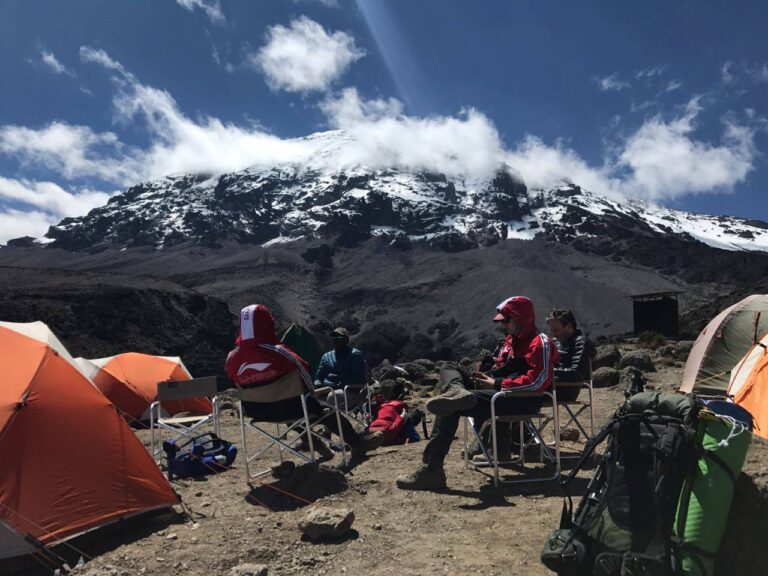
Can Kilimanjaro Chefs Handle Special Diets? Top Guide Adventures Explains
Climbing Kilimanjaro is an incredible adventure, and ensuring you have the right nutrition is vital. This guide details how Kilimanjaro chefs expertly handle special dietary requirements...
View package details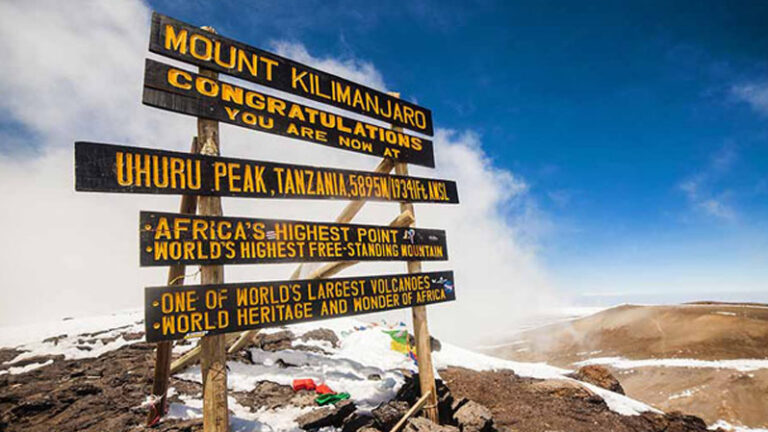
Should You Climb Mount Meru Before Kilimanjaro? 2026-2027
Should You Climb Mount Meru before Kilimanjaro? is explained with current 2026-2027 planning, price, itinerary and booking information.
View package detailsHow Many Nights Should You Stay Before Kilimanjaro Climb? 2026-2027
The crucial question of how many nights to stay before climbing Kilimanjaro directly impacts your acclimatization and overall success. Experts recommend a minimum of 2-3 nights in Moshi or...
View package details
Single-Occupancy Tents On Kilimanjaro: Your Guide To Privacy And Comfort
Discover the advantages of opting for a single-occupancy tent during your Kilimanjaro climb. This guide details the benefits, costs, and booking process for solo tent arrangements, ensuring...
View package details
How Comfortable Are Kilimanjaro Mountain Tents? A Guide 2026-2027
Understand the comfort levels of tents used on Kilimanjaro climbs. This guide details tent types, essential features, and factors influencing your sleeping experience, crucial for planning...
View package details
How To Stay Clean During A Seven-Day Kilimanjaro Trek | Top Guide Adventures
Maintaining hygiene on Mount Kilimanjaro for seven days is achievable with the right preparation and practices. This guide details essential strategies for staying clean, from managing...
View package details
Can You Change Clothes Privately On Kilimanjaro? Guide
Discover how to maintain privacy and comfort while changing clothes during your Kilimanjaro trek. Top Guide Adventures explains the practicalities of staying clean and dignified on the...
View package details
What Happens To Human Waste On Kilimanjaro? Managing On Africas Highest Peak
Human waste on Kilimanjaro is managed through a system of collection and removal, primarily using portable toilets and waste bags, to protect the mountain's fragile ecosystem. This guide...
View package detailsHow To Use A Toilet Tent On Kilimanjaro 2026-2027
How to Use a Toilet Tent on Kilimanjaro is explained with current 2026-2027 planning, price, itinerary and booking information.
View package detailsMenstrual Care While Climbing Kilimanjaro: Expert Guide 2026-2027
Climbing Kilimanjaro while menstruating is entirely manageable with proper planning. This comprehensive guide from Top Guide Adventures offers essential advice on managing your period on...
View package details
Feminine Hygiene During A Kilimanjaro Climb 2026-2027
Feminine Hygiene during a Kilimanjaro Climb is explained with current 2026-2027 planning, price, itinerary and booking information.
View package detailsNo related package matches those filters. Clear one or more filters to see the other topic-matched options.



