
Opting for a single-occupancy tent on Kilimanjaro provides significantly more personal space, privacy, and comfort during your trek, which is especially valuable for solo travelers or those who prefer solitude. While standard group treks usually involve shared tents (two people per tent), you can arrange for a single tent for an additional fee, typically ranging from $50 to $100 per night, depending on the operator and the specific route and duration of your climb in 2026 or 2027. This allows for a dedicated personal space to rest, store gear, and escape the elements without compromising on space.
Understanding the Need for Single-Occupancy Tents on Kilimanjaro
Kilimanjaro, Africa’s highest peak, is a dream destination for trekkers worldwide. The journey to the summit is demanding, requiring days of hiking through diverse climatic zones. While the physical challenge is paramount, comfort and personal space during the trek play a crucial role in the overall experience. For many, especially solo travelers, couples seeking extra privacy, or individuals who simply value their own space, the standard two-person tent arrangement might not be ideal. This is where the option of single-occupancy tents on Kilimanjaro becomes highly relevant.
Top Guide Adventures recognizes that not everyone thrives in shared sleeping quarters, especially after a long day of trekking at high altitudes. We understand that a good night’s sleep is vital for acclimatization and energy levels. Therefore, we offer the flexibility to book a single tent, ensuring you have a private sanctuary on the mountain. This guide will explore the benefits, considerations, costs, and booking process for securing a single-occupancy tent on Kilimanjaro for your planned expedition in 2026 or 2027.
Why Choose a Single Tent on Kilimanjaro? The Advantages
The decision to book a single-occupancy tent on Kilimanjaro is often driven by a desire for enhanced comfort, privacy, and personal control over your sleeping environment. While sharing a tent is standard practice and perfectly comfortable for many, there are distinct advantages to having your own space:
- Enhanced Privacy: This is the most significant benefit. Having your own tent means you don’t have to coordinate sleeping schedules, worry about disturbing a tent mate, or feel self-conscious about your gear or personal space. It’s your private space to relax, read, or simply be alone.
- Increased Comfort and Space: A single tent offers more room to spread out, organize your sleeping gear, and move around without bumping into someone else. This extra space can make a noticeable difference in comfort, especially during colder nights or when dealing with wet gear.
- Better Sleep Quality: For light sleepers or those who find it difficult to sleep with others, a single tent can lead to improved sleep quality. You won’t be disturbed by a tent mate’s snoring, movement, or different sleep patterns. This is crucial for acclimatization and maintaining energy levels.
- Personalized Environment: You have complete control over the tent’s internal environment. You can adjust ventilation, lighting, and temperature to your preference without needing to consult a tent mate.
- Ideal for Solo Travelers: While solo travelers often share tents on group treks, opting for a single tent ensures they have a fully private experience from start to finish, mirroring the solitude they might seek in other aspects of their journey.
- Couples Seeking Extra Space: Even couples might opt for a single tent if they value having ample personal space, or if one partner has specific needs regarding sleep or comfort.
- Reduced Risk of Illness Transmission: In close quarters, sharing a tent can increase the risk of transmitting minor illnesses like colds. A single tent offers a small buffer against this.
These benefits contribute to a more relaxed and potentially more successful climb, as being well-rested and comfortable aids in managing the physical and mental demands of summiting Kilimanjaro.
What is Included in a Single-Occupancy Tent Setup?
When you book a single-occupancy tent on Kilimanjaro through a reputable operator like Top Guide Adventures, you’re not just getting a smaller tent. The setup is designed to provide the same level of safety and comfort as a standard two-person tent, just scaled for one person. Here’s what you can typically expect:
- The Tent Itself: You will be provided with a high-quality, durable tent specifically designed for mountaineering. These tents are built to withstand the harsh weather conditions on Kilimanjaro, including strong winds and rain. While it’s a single-occupancy tent, it will still be spacious enough for one person plus their gear.
- Sleeping Pad: A comfortable sleeping pad is standard, providing insulation from the cold ground and cushioning for a better night’s sleep.
- Poles and Stakes: All necessary structural components to ensure the tent is securely pitched.
- Ground Tarp: An extra layer of protection for the tent floor against moisture and abrasion.
- Dedicated Porters/Crew: Your single tent, like all other group equipment, will be carried by the expedition’s porters. You do not need to carry your own tent.
- Setup and Takedown: The camp crew will expertly pitch and take down your tent each day, ensuring it’s always ready for you upon arrival at the campsite.
It’s important to note that the tent is for sleeping and personal space. You will still share communal areas like the mess tent (dining tent) with the rest of your group, where meals are served and where the group gathers.
Cost of Single-Occupancy Tents on Kilimanjaro
The additional cost for a single-occupancy tent on Kilimanjaro is a significant factor for many trekkers. Tour operators incur extra costs for providing a single tent, primarily due to the need to allocate a dedicated porter for that tent and its contents. Since tents are typically shared to distribute porter weight efficiently, assigning one tent to a single climber means that porter’s load capacity is not fully utilized for group gear.
Estimated Additional Costs:
- Per Night Fee: The most common pricing model is a nightly surcharge for the single tent. This can range from $50 to $100 USD per night.
- Route and Duration Dependent: The total cost will depend on the length of your chosen route. For example, a 7-day trek will have a different total surcharge than a 9-day trek.
- Operator Specifics: Prices vary between operators. Some might include it as an optional add-on, while others might have it built into their ‘private climb’ packages.
Example Calculation (Hypothetical):
Let’s consider a 7-day Lemosho route trek. If the operator charges an additional $75 USD per night for a single tent:
- Total nights on the mountain: 6 nights (you sleep in tents for 6 nights)
- Total additional cost for single tent: 6 nights * $75/night = $450 USD
This is an additional cost on top of the standard trek package price. When comparing operators for your 2026 or 2027 climb, always clarify the exact cost of a single-occupancy tent on Kilimanjaro and what it includes.
Top Guide Adventures is transparent about all costs. For a detailed quote including the single tent option for your 2026-2027 expedition, please contact us via WhatsApp +255616946642 or email us at topguideadventures@gmail.com.
Which Kilimanjaro Routes Are Best for Single Tent Trekkers?
The choice of route on Kilimanjaro affects the overall experience, including the availability and practicality of single tents. While a single-occupancy tent on Kilimanjaro can be arranged on any route, some routes offer better acclimatization profiles or more established campsites, which can enhance the comfort of having your own space.
All major routes operated by Top Guide Adventures can accommodate single tents:
- Marangu Route: Known as the “Coca-Cola” route, it’s the only route with hut accommodation for most nights. However, there are dormitory-style sleeping arrangements. If a single tent is specifically requested (which is less common on this route as huts are the default), it would be an exception and require specific arrangements. For those preferring a tented experience on Marangu, single tents are possible.
- Machame Route: This is one of the most popular routes, offering stunning scenery and good acclimatization. Campsites are generally well-established, providing a good base for single tents. The Machame route Kilimanjaro group departures dates are frequent, and single tents can be easily added.
- Lemosho Route: Considered by many to be the most scenic route, Lemosho offers excellent acclimatization. It’s a longer route, typically 7-8 days, allowing for better adaptation to altitude. The campsites are often more spaced out, offering a sense of remoteness that complements the privacy of a single tent.
- Shira Route: Similar to Lemosho but starts at a higher altitude. It’s also a longer route with good camping spots suitable for single tents.
- Rongai Route: This route approaches from the north, offering a different perspective and often drier conditions. Campsites are well-defined, making it suitable for single tent arrangements.
- Northern Circuit: The longest route, offering the best acclimatization and the highest summit success rates. Its longer duration and more remote campsites make it an excellent choice for those who value comfort and solitude, enhanced by a single-occupancy tent on Kilimanjaro.
- Umbwe Route: The shortest and steepest route, demanding the best physical condition. While possible to arrange a single tent, the rapid ascent means comfort might be secondary to pure survival for some.
For most trekkers prioritizing comfort and acclimatization, the Northern Circuit, Lemosho, or longer variations of the Machame route are excellent choices where a single tent can be particularly beneficial.
Planning Your 2026-2027 Kilimanjaro Climb with a Single Tent
Planning a Kilimanjaro climb requires careful consideration, and deciding on a single-occupancy tent on Kilimanjaro is an important part of that planning process, especially if you’re looking ahead to 2026 or 2027.
Booking Window
It’s advisable to book your Kilimanjaro climb, including the request for a single tent, at least 6-12 months in advance. This is particularly true if you are targeting peak climbing seasons (January-March and June-October) for 2026 or 2027. Early booking:
- Ensures availability of your preferred dates and route.
- Allows the tour operator ample time to make specific arrangements for your single tent and the necessary porter.
- Helps you secure better deals on flights and accommodation before and after the climb.
Choosing the Right Operator
When selecting a tour operator for your single-occupancy tent on Kilimanjaro experience, consider the following:
- Reputation and Experience: Look for established companies with a proven track record of safety, customer satisfaction, and ethical treatment of porters. Top Guide Adventures is a trusted local operator in Tanzania, known for its personalized service.
- Inclusions and Exclusions: Clearly understand what is included in the package price and what the additional cost for the single tent covers.
- Safety Standards: Ensure the operator prioritizes safety with well-trained guides, adequate medical supplies, and emergency protocols.
- Communication: A good operator will be responsive to your questions, including those about specialized requests like single tents.
What to Pack for Your Single Tent Experience
While the tent itself is provided, you’ll need to pack your personal gear. Having your own tent means you have dedicated space for all your equipment. Ensure you pack:
- High-quality sleeping bag: Rated for sub-zero temperatures.
- Sleeping pad: Though often provided, a personal inflatable pad can add extra comfort.
- Headlamp: Essential for navigating inside your tent and around the campsite at night.
- Personal items: Toiletries, medications, a book, and electronics for entertainment in your private space.
- Layered clothing: For the varying altitudes and temperatures.
- Waterproof gear: Essential for protection against rain and snow.
With a single-occupancy tent on Kilimanjaro, you have more room to keep your gear organized within your tent, making it easier to access items without disturbing anyone.
Comparing Single vs. Shared Tents: A Practical Look
The choice between a single and a shared tent on Kilimanjaro boils down to personal priorities and budget. Here’s a direct comparison:
| Feature | Single-Occupancy Tent | Shared Tent (Two-Person) |
| Privacy | High. Your own dedicated space. | Low. Shared space with a tent mate. |
| Space | Ample for one person and gear. | Sufficient for two, but can feel cramped. |
| Comfort | Generally higher due to personal space. | Depends on tent mate compatibility. |
| Sleep Quality | Potentially better, fewer disturbances. | Can be affected by tent mate’s habits. |
| Cost | Higher. Additional fee (e.g., $50-$100 per night). | Included in standard package price. |
| Porter Allocation | Requires a dedicated porter for the tent. | Weight is distributed among porters. |
| Ideal For | Solo travelers, those prioritizing privacy, light sleepers. | Budget-conscious travelers, those comfortable sharing. |
Ultimately, the value of a single-occupancy tent on Kilimanjaro is subjective. If the additional cost aligns with your budget and enhances your peace of mind and comfort, it’s a worthwhile investment for a more enjoyable trek in 2026 or 2027.
Tips for Maximizing Comfort in Your Single Tent
Even with the added space and privacy of a single-occupancy tent on Kilimanjaro, maximizing your comfort is key to a successful climb. Here are some tips:
- Organize Your Gear: Use stuff sacks and dry bags to keep your belongings organized within the tent. Designate specific areas for your sleeping bag, clothes, toiletries, and electronics.
- Ventilation is Key: Even in cold weather, proper ventilation is crucial to reduce condensation inside the tent. Open vents slightly to allow air circulation.
- Keep it Warm: Use your sleeping bag liner and wear thermal layers to bed. Ensure your sleeping pad is adequately insulating.
- Headlamp Power: Make sure your headlamp has fresh batteries or is fully charged. It’s your primary light source inside the tent.
- Personal Touches: Bring a small book, journal, or deck of cards to help you relax in your private space.
- Hygiene: Keep wet gear outside the tent or in a designated waterproof bag to maintain a dry and pleasant interior. Use biodegradable wipes for quick freshen-ups.
- Protect from Elements: Ensure your tent is properly staked and guyed out by the crew, especially in windy conditions.
Your single-occupancy tent on Kilimanjaro is your haven. Treating it as such, with good organization and care, will significantly contribute to your overall well-being on the mountain.
Solo Travel and Single Tents on Kilimanjaro
Kilimanjaro is a popular destination for solo travelers. While trekking with a group, the social aspect can be rewarding, the personal space for rest and reflection is equally important. For solo adventurers planning a climb in 2026 or 2027, opting for a single-occupancy tent on Kilimanjaro can transform the experience.
Benefits for Solo Travelers:
- Complete Personal Space: Enjoy the freedom of having your own tent without feeling obligated to interact constantly after a tiring day.
- Independence: It reinforces the sense of independence that often draws people to solo travel.
- Focus on the Journey: Having a private space allows for introspection and a deeper connection with the mountain environment.
- No Tent-Mate Worries: Eliminates concerns about compatibility with a randomly assigned tent mate, ensuring a consistently comfortable sleeping experience.
Top Guide Adventures welcomes solo travelers and is experienced in arranging single tents. We ensure that solo trekkers are integrated into the group for meals and daily activities but have their private sleeping quarters.
Booking Your Single Tent Kilimanjaro Expedition with Top Guide Adventures
Ready to book your Kilimanjaro adventure with the comfort of a single-occupancy tent on Kilimanjaro? Top Guide Adventures makes the process straightforward and personalized.
Steps to Book:
- Contact Us: Reach out to our team to discuss your preferred dates, route, and the desire for a single tent. You can connect via WhatsApp +255616946642 or email us at topguideadventures@gmail.com. Our backup email is info@topguideadventures.com.
- Get a Custom Quote: We will provide you with a detailed itinerary and a clear quote that includes the additional cost for the single tent, specifying the nightly rate for your chosen trek duration in 2026 or 2027.
- Confirm and Deposit: Once you are happy with the quote, we will guide you through the booking process, including the deposit payment.
- Pre-Trip Support: Our team will provide you with comprehensive pre-trip information, including packing lists and training advice, to ensure you are well-prepared.
We are committed to providing exceptional service and ensuring your Kilimanjaro climb is a memorable and comfortable experience. Let us help you arrange the perfect single-occupancy tent on Kilimanjaro for your 2026-2027 adventure.
Important Considerations for Single Tent Trekkers
While a single-occupancy tent on Kilimanjaro offers many benefits, remember that the primary challenge remains the altitude. Proper acclimatization, hydration, and physical preparation are paramount, regardless of your sleeping arrangements. The tent is for comfort and rest, but success on the mountain depends on factors beyond your sleeping quarters. Always listen to your guides, monitor your health, and make informed decisions about your ascent.
Planning a Kilimanjaro trek for 2026 or 2027 is an exciting prospect. By considering options like a single-occupancy tent on Kilimanjaro, you are taking steps to enhance your personal comfort and ensure a more enjoyable journey. Top Guide Adventures is dedicated to making your dream climb a reality, offering tailored experiences that cater to your individual needs. Whether you seek solitude or simply a bit more space, we are here to assist you every step of the way.
For personalized assistance and to discuss your single-occupancy tent on Kilimanjaro requirements for 2026-2027, please reach out to us:
- WhatsApp: +255616946642
- Email: topguideadventures@gmail.com
- Backup Email: info@topguideadventures.com
We look forward to helping you achieve your summit goal!
Check Availability for Single-Occupancy Tents On Kilimanjaro: Your Guide To Privacy And Comfort
Ready to compare dates, prices, and the best option for your group? Send the package name and travel month so the team can reply with a clear quote, availability, and what is included.
How Comfortable Are Kilimanjaro Mountain Tents? A Guide 2026-2027
Understand the comfort levels of tents used on Kilimanjaro climbs. This guide details tent types, essential features, and factors influencing your sleeping experience, crucial for planning...
View package details
Kilimanjaro Support Package For Mixed-Ability Groups: Expert Guidance Climbs
Top Guide Adventures offers specialized Kilimanjaro support packages designed for mixed-ability groups, ensuring a safe and successful climb for everyone in 2026 and 2027. This...
View package details
Kilimanjaro Family Trip: Climbing And Non-Climbing Options For 2026-2027
Organizing a Kilimanjaro family trip requires careful planning to accommodate varying interests and abilities, ensuring everyone has a memorable experience. This guide covers options for...
View package details
Kilimanjaro Scenic Experience Without Summiting: Best Views & Treks 2026-2027
Experience the majestic beauty of Mount Kilimanjaro without the demanding summit climb. This guide details the best scenic viewpoints, lower-altitude treks, and unique natural wonders...
View package details
Kilimanjaro Foothills Tour For Non-Climbers: Experience The Majesty Without
Explore the impressive Kilimanjaro foothills on a specialized tour designed for those who prefer to experience the mountain's grandeur without undertaking a strenuous climb. Discover local...
View package detailsCan A Wheelchair User Experience Kilimanjaro? A Deep Dive By Top Guide
While a traditional ascent of Mount Kilimanjaro is not feasible for wheelchair users, adapted experiences and alternative ways to 'conquer' the mountain are increasingly possible. This...
View package details
Kilimanjaro Accessibility Planning Guide For Climbs 2026-2027
This comprehensive guide details essential planning for Kilimanjaro accessibility, covering route selection, physical and mental preparation, gear, acclimatization strategies, and...
View package details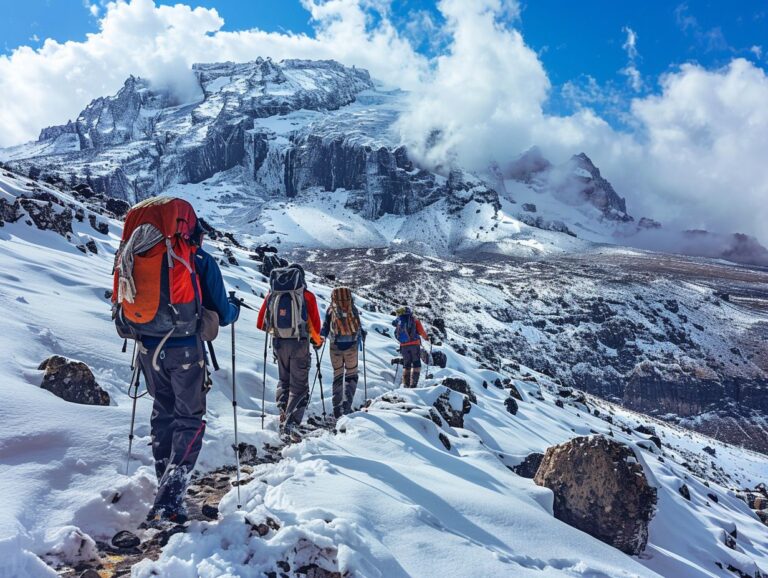
Slow-Paced Inclusive Kilimanjaro Expedition For 2026-2027
start a Kilimanjaro climb designed for a slower pace and maximum inclusivity. Our expeditions prioritize acclimatization, comfort, and personalized support for trekkers of all abilities...
View package details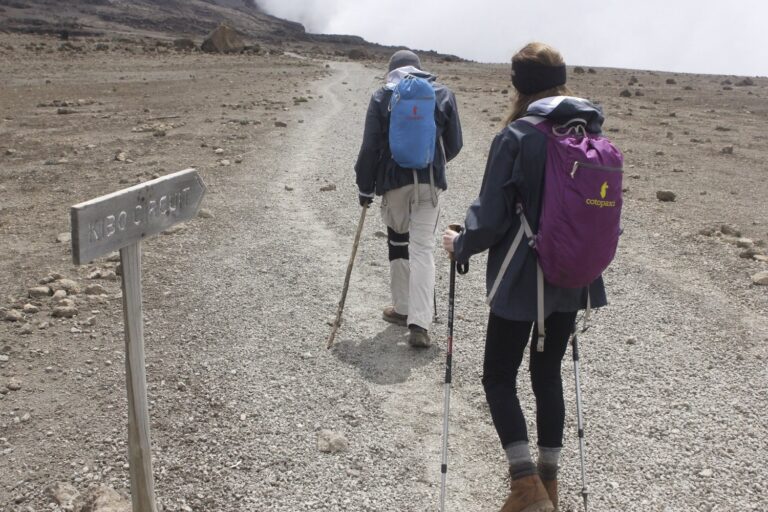
Kilimanjaro Climb For Travellers With Chronic Conditions: Your Expert Guide
Climbing Mount Kilimanjaro with a chronic condition is achievable with meticulous planning and the right guidance. This comprehensive guide addresses the unique considerations for travelers...
View package details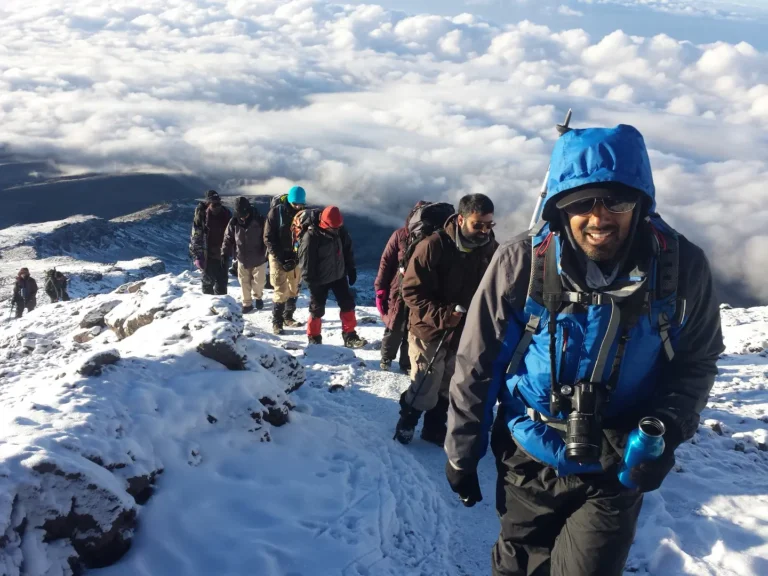
Kilimanjaro Climb For Cancer Survivors: A Journey Of Resilience In 2026-2027
A Kilimanjaro climb offers a profound challenge and a symbol of triumph for cancer survivors. This guide details how to prepare, choose routes, and find the right support for an...
View package detailsKilimanjaro Climb With A Prosthetic Limb 2026-2027
Kilimanjaro Climb with a Prosthetic Limb is explained with current 2026-2027 planning, price, itinerary and booking information.
View package details
Kilimanjaro Climb After Knee Surgery: Your Expert Guide For 2026-2027
Considering a Kilimanjaro climb after knee surgery? This comprehensive guide details the feasibility, preparation, risks, and essential considerations for undertaking this ambitious trek in...
View package detailsNo related package matches those filters. Clear one or more filters to see the other topic-matched options.



