
Planning for Kilimanjaro accessibility in 2026-2027 requires a detailed approach focusing on route choice, physical and mental preparation, appropriate gear, and understanding acclimatization needs to ensure a safe and successful summit experience. While Kilimanjaro is a trek, not a technical climb, its altitude presents significant challenges that demand careful planning for all individuals, especially those with pre-existing health conditions or specific accessibility concerns.

Understanding Kilimanjaro Accessibility: Beyond the Physical Climb
Climbing Mount Kilimanjaro, the Roof of Africa, is a dream for many, but the journey to its summit, Uhuru Peak at 5,895 meters (19,341 feet), is more than just a physical exertion. It’s a profound test of endurance, mental fortitude, and preparedness. When we talk about Kilimanjaro accessibility, we’re not just referring to individuals with physical disabilities, though that is a critical consideration. We are encompassing a broader spectrum of needs, including those with chronic health conditions, varying fitness levels, age-related considerations, and psychological preparedness for extreme environments. For those planning their Kilimanjaro adventure for 2026 or 2027, a thorough understanding of these factors is paramount to a safe and rewarding experience.
Top Guide Adventures is committed to making the Kilimanjaro dream achievable for as many people as possible. We understand that accessibility on Kilimanjaro involves meticulous planning, choosing the right route, and ensuring you have the best possible support. Our expertise lies in tailoring expeditions to meet individual needs, ensuring that your climb is not only possible but also enjoyable and safe.
Who Needs Special Accessibility Planning for Kilimanjaro?
The unique challenges of Kilimanjaro’s altitude and terrain mean that a variety of individuals benefit from detailed accessibility planning. This includes:
- Individuals with Pre-existing Medical Conditions: Such as heart conditions, respiratory illnesses (like asthma), diabetes, or high blood pressure. Careful medical consultation and route selection are vital.
- Older Climbers: While age is not a direct barrier, older individuals may require more time for acclimatization and may need to consider routes with a gentler ascent profile.
- Younger Climbers: While children can climb Kilimanjaro, their physical and psychological development requires careful assessment and specific planning.
- Individuals with Mobility Impairments: While Kilimanjaro is not a wheelchair-accessible mountain, certain routes can be managed with extensive support, and we can discuss specific possibilities.
- Individuals with Anxiety or Claustrophobia: The remote environment, limited communication, and close quarters in tents can be challenging. Mental preparation is key.
- First-time High-Altitude Trekkers: Anyone new to high altitudes will benefit from understanding the risks of altitude sickness and how to manage them.
- Climbers with Specific Dietary Needs: Ensuring adequate nutrition at altitude is crucial, and special diets need careful planning.
Choosing the Right Kilimanjaro Route for Optimal Accessibility
The route you choose to summit Kilimanjaro significantly impacts your climbing experience, acclimatization, and overall success. For accessibility planning, prioritizing longer routes with gradual ascent profiles is generally recommended. These routes allow for better acclimatization, which is the most critical factor in preventing altitude sickness.
Route Comparison for Accessibility (2026-2027)
Here’s a look at the most popular routes and their suitability for accessibility planning:
Marangu Route (Coca-Cola Route)
Duration: 5-7 days.
Ascent/Descent: Primarily paved paths, but very steep in sections. Descent is on the same path.
Accommodation: Huts, the only route offering this.
Pros for Accessibility: Easier terrain in lower sections, hut accommodation offers more comfort and protection from elements. Shorter options (5 days) are available but not recommended for acclimatization.
Cons for Accessibility: High traffic, rapid ascent in 5-day option leads to low success rates due to poor acclimatization. The direct ascent and descent on the same path can be monotonous and hard on the knees.
Machame Route (Whiskey Route)
Duration: 6-7 days.
Ascent/Descent: Varied terrain, including steep ascents and descents. Known for its “climb high, sleep low” profile.
Accommodation: Camping.
Pros for Accessibility: Excellent acclimatization profile due to its length and “climb high, sleep low” strategy. Generally considered to have higher success rates. Scenic and diverse landscapes.
Cons for Accessibility: Camping requires comfort with basic facilities. Some sections are steep and can be challenging.
Lemosho Route
Duration: 7-8 days.
Ascent/Descent: Varied terrain, initially traversing the western side before joining the Machame route. Offers a more remote start.
Accommodation: Camping.
Pros for Accessibility: Excellent acclimatization due to its length and scenic, gradual ascent. Starts in a more pristine wilderness area, offering a quieter experience. High success rates.
Cons for Accessibility: Longer duration means higher cost. Camping is involved.
Shira Route
Duration: 7-8 days.
Ascent/Descent: Similar to Lemosho but starts at a higher altitude on the Shira Plateau.
Accommodation: Camping.
Pros for Accessibility: Offers stunning views from the start. Good acclimatization if the initial higher altitude is managed well.
Cons for Accessibility: Starts at a higher altitude, which can be immediately challenging for some climbers. Less gradual initial ascent than Lemosho.
Rongai Route
Duration: 6-7 days.
Ascent/Descent: Generally a gentler ascent profile, approaching from the north.
Accommodation: Camping.
Pros for Accessibility: Approaches Kilimanjaro from the drier northern side, often preferred during rainy seasons. Good acclimatization profile. Less crowded.
Cons for Accessibility: Less scenic than western routes. Descent is via the Marangu route, which is very steep.
Northern Circuit
Duration: 9-10 days.
Ascent/Descent: The longest route, circling the mountain’s northern slopes.
Accommodation: Camping.
Pros for Accessibility: The best route for acclimatization due to its extended duration and gradual ascent. Offers the highest success rates and a more relaxed pace. Excellent for those with concerns about altitude.
Cons for Accessibility: Longest duration means highest cost. Requires more time commitment.
Umbwe Route
Duration: 5-6 days.
Ascent/Descent: Steepest and most direct route.
Accommodation: Camping.
Pros for Accessibility: None significant for accessibility planning.
Cons for Accessibility: Very steep, rapid ascent, and poor acclimatization profile. Lowest success rates. Not recommended for anyone concerned about altitude or physical exertion.
Recommendation for Accessibility Planning in 2026-2027:
For most climbers, especially those who may have accessibility concerns, the Northern Circuit (9-10 days) or the Lemosho Route (7-8 days) are highly recommended. These routes offer the best acclimatization, maximizing your chances of reaching the summit safely and comfortably. They provide a more gradual introduction to the altitude and a more enjoyable trekking experience. For 2026-2027 climbs, booking these longer routes is advisable to secure your preferred dates, as they are popular.
Key Accessibility Planning Tip: Duration is Key
Longer routes (7+ days) significantly increase your success rate and reduce the risk of altitude sickness. For anyone with accessibility concerns, prioritize duration over speed or cost. This is especially true for 2026-2027 climbs where planning ahead is essential.
Physical and Mental Preparation: Building Your Kilimanjaro Resilience
Physical fitness is crucial, but equally important is mental preparation, especially when planning for Kilimanjaro accessibility. The mountain tests your resolve, and a positive mindset can make a significant difference.
Physical Training Regimen
Your training should focus on cardiovascular endurance, leg strength, and stamina. Start your training at least 3-4 months before your climb.
- Cardiovascular Endurance: Engage in activities like running, cycling, swimming, or brisk walking for at least 3-4 times a week. Aim for sessions of 45-60 minutes.
- Strength Training: Focus on leg exercises like squats, lunges, and calf raises. Include core strengthening exercises as a strong core aids balance and stability.
- Hiking Practice: This is the most critical type of training. Find local hills or trails and go for long hikes, ideally with a weighted backpack (5-10 kg or 10-20 lbs). Practice on consecutive days if possible to simulate multi-day trekking.
- Stair Climbing: Use stairs or a stair climber machine for sustained effort, mimicking the uphill nature of the climb.
- Altitude Simulation (Optional): If you live at altitude, you have an advantage. If not, consider using altitude training masks or visiting higher altitudes for short periods if feasible, though this is not a substitute for proper acclimatization on the mountain.
For climbers with specific health conditions, it is imperative to consult your doctor before starting any training program. They can advise on appropriate exercise levels and potential risks.
Mental Preparation Strategies
Kilimanjaro is as much a mental challenge as a physical one. The altitude, cold, fatigue, and basic living conditions can wear you down. Here’s how to prepare mentally:
- Set Realistic Expectations: Understand that not everyone reaches the summit, and that’s okay. The journey itself is an accomplishment. Focus on enjoying the experience and returning safely.
- Visualize Success: Picture yourself reaching the summit, enjoying the views, and returning safely. Positive visualization can build confidence.
- Develop Coping Mechanisms: Think about how you’ll handle discomfort, fatigue, or moments of doubt. Techniques like mindfulness, positive self-talk, and focusing on one step at a time can be very effective.
- Embrace the Challenge: View difficulties as part of the adventure, not as insurmountable obstacles.
- Learn About Altitude Sickness: Understanding the symptoms and knowing that it’s a common challenge can reduce anxiety.
- Build Confidence through Training: Each successful training hike builds confidence and resilience, which translates to mental strength on the mountain.
Accessibility Tip: Gradual Training is Key
Don’t overdo your training. Gradual progression is far more effective and safer than pushing too hard too soon. Listen to your body, allow for rest days, and consult with healthcare professionals regarding your specific fitness plan for 2026-2027 Kilimanjaro accessibility.
Essential Gear for Kilimanjaro Accessibility
Proper gear is non-negotiable for a safe and comfortable Kilimanjaro climb. For accessibility planning, focusing on items that enhance comfort, warmth, and safety is crucial. Investing in good quality gear can make a significant difference, especially in challenging conditions.
Layering System: The Foundation of Comfort
Kilimanjaro experiences dramatic temperature fluctuations. Layering allows you to adapt to changing conditions:
- Base Layer: Moisture-wicking tops and bottoms (merino wool or synthetic). Avoid cotton.
- Mid Layer: Insulating layer, such as a fleece jacket or a down vest.
- Outer Layer: Waterproof and windproof jacket and trousers (Gore-Tex or similar).
Key Gear Items for Accessibility:
- Boots: Well-broken-in, waterproof hiking boots with good ankle support are essential. Consider wider fit options if you have foot issues.
- Socks: Several pairs of wool or synthetic hiking socks. Liner socks can help prevent blisters.
- Headwear: A warm, insulated hat that covers your ears, and a sun hat or cap for lower altitudes. A balaclava or neck gaiter for extreme cold.
- Gloves: Warm, waterproof gloves or mittens, and thinner liner gloves.
- Sleeping Bag: A 4-season sleeping bag rated to at least -10°C (0°F) or -20°C (-4°F).
- Trekking Poles: Highly recommended, especially for those with knee or ankle issues. They reduce stress on joints and improve balance.
- Headlamp: With extra batteries. Essential for night-time summit pushes and camp use.
- Sun Protection: High SPF sunscreen, lip balm with SPF, and sunglasses (UV protection).
- Hydration: Water bottles or a hydration reservoir (ensure it won’t freeze). Water purification tablets or a filter.
- Personal First-Aid Kit: Including any personal medications, blister treatment, pain relievers, and antiseptic wipes.
- Comfort Items: A comfortable sleeping pad (if camping), a small pillow, and toiletries. Consider wet wipes for hygiene.
- Footwear Considerations: If you have specific foot conditions (e.g., bunions, plantar fasciitis), ensure your boots accommodate this, or consider custom orthotics. Discuss this with your outfitter.
Kilimanjaro Gear Checklist – Accessibility Focus
- Footwear: Sturdy, broken-in boots (consider width/orthotics).
- Trekking Poles: Essential for joint support and balance.
- Layering Clothing: Adaptable to extreme temperatures.
- Warm Accessories: Insulated hat, gloves, balaclava.
- High-Quality Sleeping Bag: For warmth at altitude.
- Headlamp: Reliable with spare batteries.
- Sun Protection: High SPF products and UV-blocking sunglasses.
- Personal Medications: Always carry your prescriptions.
- Comfort Items: Wet wipes, lip balm, comfortable sleepwear.
Acclimatization: The Golden Rule for Kilimanjaro Success
Altitude sickness (Acute Mountain Sickness – AMS) is the biggest threat on Kilimanjaro. Proper acclimatization is not optional; it’s the most critical factor for a safe and successful climb, especially for those with accessibility considerations.
Understanding Altitude Sickness
AMS is caused by ascending too quickly. Symptoms can range from mild headaches and nausea to severe, life-threatening conditions like HAPE (High Altitude Pulmonary Edema) and HACE (High Altitude Cerebral Edema).
- Symptoms: Headache, nausea, dizziness, fatigue, loss of appetite, difficulty sleeping.
- Prevention: The best prevention is gradual ascent, allowing your body time to adapt.
- Treatment: Rest, hydration, and descent. Diamox (acetazolamide) can be prescribed by a doctor to aid acclimatization.
Acclimatization Strategies for 2026-2027 Climbs
- Choose a Longer Route: As discussed, routes like the Northern Circuit (9-10 days) and Lemosho (7-8 days) are designed for better acclimatization.
- “Pole Pole” (Slowly Slowly): This Swahili phrase is the mantra on Kilimanjaro. Walk at a slow, consistent pace.
- Hydration: Drink plenty of water (3-4 liters per day). Dehydration exacerbates altitude symptoms.
- Eat Well: Maintain energy levels with regular meals, even if your appetite is reduced. High-carbohydrate foods are recommended.
- Avoid Alcohol and Smoking: These hinder acclimatization.
- Ascend Gradually: Follow the principle of “climb high, sleep low” where possible.
- Communicate: Inform your guide immediately if you experience any symptoms. Do not hide them.
- Medication: Consult your doctor about Diamox. It can be a valuable tool but is not a substitute for proper acclimatization.
Your Guide’s Role in Acclimatization
Your guides are trained to monitor climbers for signs of altitude sickness. They will assess your condition daily and make decisions regarding your ascent. Trust their judgment. They are your primary safety resource on Kilimanjaro. Top Guide Adventures guides are certified in wilderness first aid and have extensive experience with high-altitude environments.
Health and Medical Considerations for Kilimanjaro Accessibility
Before planning your Kilimanjaro climb for 2026 or 2027, a thorough medical check-up is essential, particularly if you have any pre-existing health conditions.
Consulting Your Doctor
Schedule an appointment with your physician at least 2-3 months before your trip. Discuss your plans to climb Kilimanjaro and provide them with details about the altitude and duration. They can:
- Assess your fitness for high altitude.
- Advise on any necessary vaccinations or preventative medications (e.g., malaria prophylaxis, Diamox).
- Provide a letter for any necessary personal medications.
- Offer guidance on managing your specific condition at altitude.
Common Health Concerns and Management
- Heart Conditions: If you have a history of heart disease, consult a cardiologist. Your doctor will determine if climbing is safe. Gradual ascent and careful monitoring are critical.
- Respiratory Issues (Asthma, COPD): Kilimanjaro’s thin air can trigger symptoms. Ensure you have an adequate supply of your inhaler and any other prescribed medications. Inform your guide about your condition.
- Diabetes: Managing blood sugar at altitude requires careful planning. Frequent blood sugar monitoring, adjusted meal plans, and understanding how altitude affects insulin sensitivity are crucial. Carry plenty of high-energy snacks.
- High Blood Pressure: Altitude can affect blood pressure. Regular monitoring and adherence to medication are important.
- Digestive Issues: Simple remedies for upset stomach, diarrhea, or constipation should be part of your personal first-aid kit.
- Pre-Climb Medical Check-up: This is non-negotiable for anyone with a chronic condition.
Travel Insurance: A Must-Have
Ensure your travel insurance covers high-altitude trekking and medical evacuation. This is crucial for peace of mind and essential financial protection in case of an emergency. Verify the policy details carefully for 2026-2027 travel.
Logistics and Support for Kilimanjaro Accessibility
The success of your Kilimanjaro climb, especially concerning accessibility, hinges on the quality of logistical support and the expertise of your tour operator.
Choosing the Right Tour Operator
When selecting a company for your 2026-2027 Kilimanjaro climb, especially with accessibility needs, look for:
- Experience with Diverse Climbers: A company that has experience assisting climbers with various needs.
- Qualified Guides: Guides trained in first aid and altitude sickness management.
- Excellent Safety Record: Prioritizing climber safety above all else.
- Adequate Crew Ratio: A good ratio of porters and guides to climbers ensures efficient support. For climbers needing extra assistance, a higher guide-to-client ratio might be beneficial.
- Reputation: Check reviews on platforms like TripAdvisor to gauge customer satisfaction and reliability.
- Communication: Open and honest communication about your needs before booking.
Top Guide Adventures prides itself on offering personalized support. We work closely with clients to understand their specific requirements and tailor expeditions accordingly. Your safety and success are our top priorities. Feel free to reach out to us:
- WhatsApp: +255616946642
- Email: topguideadventures@gmail.com
- Backup Email: info@topguideadventures.com
What to Expect on the Mountain: Support Systems
- Guides: Your primary point of contact, responsible for navigation, safety, and monitoring your health.
- Porters: Carry the bulk of your gear, including tents, food, and cooking equipment.
- Cooks: Prepare nutritious meals throughout the trek.
- Emergency Evacuation: Reputable operators have arrangements for emergency helicopter or stretcher evacuation if necessary.
Special Considerations for Mobility Impairments
Climbing Kilimanjaro with a significant mobility impairment is extremely challenging due to the terrain. However, for individuals with less severe mobility issues or those who can manage with significant assistance, planning involves:
- Extensive Porter Support: You may need additional porters to assist you on difficult sections.
- Specialized Gear: Discuss any specific needs for support equipment with your tour operator.
- Route Choice: Routes with less steep sections are preferable, though all routes have challenging parts.
- Realistic Assessment: It’s vital to have a frank discussion with your doctor and tour operator about the feasibility and risks.
Pre-Trip Consultation is Crucial
Do not hesitate to discuss your specific accessibility needs with Top Guide Adventures well in advance of your 2026-2027 climb. Early communication allows us to make the necessary arrangements for your support team and tailor the expedition for your safety and comfort.
Nutrition and Hydration on Kilimanjaro
Proper nutrition and hydration are fundamental for maintaining energy levels and aiding acclimatization at high altitudes. For climbers with specific dietary needs, careful planning is essential.
Hydration Guidelines
- Aim for 3-4 liters of fluid per day. This includes water, soup, tea, and other beverages.
- Start hydrating well before the climb.
- Monitor your urine output; pale yellow urine indicates good hydration.
- Water sources: Water is typically boiled or purified. Always use purified water.
Nutritional Strategies
- High-Carbohydrate Diet: Carbohydrates are the most efficient fuel source at altitude. Your meals will be rich in rice, pasta, potatoes, and fruits.
- Regular Meals: Eat at regular intervals to maintain energy.
- Snacks: Carry energy bars, nuts, dried fruits, and chocolate for quick energy boosts between meals.
- Appetite Loss: Altitude can reduce appetite. Focus on eating whatever you can tolerate, even if it’s less than usual.
Dietary Requirements and Preferences
Top Guide Adventures can cater to various dietary needs, including:
- Vegetarian
- Vegan
- Gluten-free
- Allergies (e.g., nuts, dairy)
Please inform us of any dietary restrictions or preferences when you book your 2026-2027 Kilimanjaro climb. We will ensure our cooks prepare suitable meals for you.
Environmental Factors and Weather on Kilimanjaro
Understanding Kilimanjaro’s climate zones and potential weather challenges is part of comprehensive accessibility planning.
Climate Zones of Kilimanjaro
As you ascend, you’ll pass through five distinct climate zones:
- Cultivation Zone (approx. 800-1800m): Warm and humid, farmed by local communities.
- Rainforest Zone (approx. 1800-2800m): Humid, misty, and cooler. Can be wet and muddy underfoot.
- Heath Zone (approx. 2800-4000m): Drier, with moorlands, grasses, and giant heathers. Temperatures drop significantly.
- Alpine Desert Zone (approx. 4000-4800m): Arid, cold, and windswept. Vegetation is sparse.
- Arctic Zone (approx. 4800m+): Sub-zero temperatures, snow, ice, and strong winds. This is where acclimatization is most critical.
Weather Considerations
- Rainy Seasons: Generally March-May and November-December. These periods can bring heavy rain and snow at higher altitudes.
- Dry Seasons: January-March and June-October. These are the most popular times to climb, offering clearer skies and more stable weather.
- Temperature Fluctuations: Day temperatures can range from mild to hot, while night temperatures can plummet to -10°C (14°F) or lower, especially near the summit.
- Wind: Wind chill can make temperatures feel much colder.
For accessibility planning, consider climbing during the dry seasons to minimize challenges from mud, slippery paths, and extreme cold.
Safety Protocols and Emergency Procedures
Safety is paramount on Kilimanjaro. Reputable operators like Top Guide Adventures have robust safety protocols in place.
- Daily Health Checks: Guides perform daily checks for symptoms of altitude sickness.
- Emergency Oxygen: Most operators carry emergency oxygen cylinders for immediate use in case of severe AMS.
- First Aid: Guides are trained in wilderness first aid.
- Communication: Guides typically carry satellite phones or walkie-talkies for emergencies.
- Evacuation Plans: Established procedures for medical evacuation, often involving helicopter services or stretchers.
- Pace Management: Guides ensure the group moves at a safe and sustainable pace, “pole pole.”
In the event of an emergency, your guides will take immediate action. Follow their instructions without question.
Budgeting for Your Kilimanjaro Climb in 2026-2027
The cost of a Kilimanjaro climb can vary significantly based on the route, duration, operator, and inclusions. Accessibility planning might influence choices that affect budget.
Factors Affecting Cost:
- Route Length: Longer routes are more expensive due to more days of service.
- Operator Standard: Higher quality gear, better food, and higher guide-to-client ratios typically mean higher prices.
- Inclusions: What’s included (e.g., park fees, accommodation before/after, gear rental, transfers).
- Group Size: Private climbs are more expensive per person than group climbs.
- Time of Year: Peak season may have slightly higher costs.
Typical Cost Ranges (Estimates for 2026-2027):
While exact prices depend on specific packages, expect:
- Budget Operators: $1,500 – $2,000 USD per person (often fewer inclusions, lower guide standards).
- Mid-Range Operators (like Top Guide Adventures): $2,000 – $3,500 USD per person (good balance of quality, safety, and value). This typically includes park fees, guides, porters, cooks, meals, camping equipment, and transfers.
- Luxury Operators: $3,500 – $6,000+ USD per person (premium services, higher comfort levels, potentially private toilets, more experienced guides).
Note: Park fees alone can be substantial. Always confirm what is included in your quote. For 2026-2027 climbs, it’s wise to get quotes early as prices can fluctuate.
Top Guide Adventures Kilimanjaro Packages
We offer comprehensive Kilimanjaro climb packages designed for safety and success. Our pricing reflects quality equipment, experienced guides, and excellent support. For detailed pricing for your 2026-2027 climb, please contact us directly for a personalized quote. We are committed to providing value and an unforgettable experience.
Contact us for a quote:
- WhatsApp: +255616946642
- Email: topguideadventures@gmail.com
Final Preparations and Booking Your 2026-2027 Kilimanjaro Climb
With your planning underway, the final steps involve confirming your booking and making any last-minute preparations.
- Book Early: Especially for 2026-2027, popular dates and routes fill up quickly. Booking 6-12 months in advance is recommended.
- Confirm Inclusions: Double-check your itinerary and what is included in your package.
- Visa and Vaccinations: Ensure you have the necessary visas and have completed recommended vaccinations.
- Pack Wisely: Use your gear checklist and pack efficiently. Your main duffel bag will be carried by porters. You’ll carry a daypack.
- Physical and Mental Readiness: Continue your training and maintain a positive outlook.
- Final Briefing: Your tour operator will provide a pre-climb briefing, usually the day before you start your ascent.
Planning for Kilimanjaro accessibility is an investment in your safety, comfort, and success. By carefully considering your route, training, gear, and choosing a supportive operator, you significantly enhance your chances of achieving your summit goal in 2026 or 2027.
Top Guide Adventures is here to guide you every step of the way. We believe in providing personalized service and ensuring that your Kilimanjaro adventure is safe, memorable, and achievable. For any questions regarding Kilimanjaro accessibility planning, route options, or to request a personalized quote for your 2026-2027 climb, please do not hesitate to contact us:
- WhatsApp: +255616946642
- Email: topguideadventures@gmail.com
- Backup Email: info@topguideadventures.com
- Website: Top Guide Adventures
- Instagram: @top_guide_adventures
Check Availability for Kilimanjaro Accessibility Planning Guide For Climbs 2026-2027
Ready to compare dates, prices, and the best option for your group? Send the package name and travel month so the team can reply with a clear quote, availability, and what is included.
Three-Day Kilimanjaro Cycling Adventure: Routes, Costs & Planning 2026-2027
Experience the thrill of a Three-Day Kilimanjaro Cycling Adventure, a unique way to explore the lower slopes of Africa's highest peak. This guide covers routes, essential gear, fitness...
View package details
Spanish Group Departures For Kilimanjaro: Dates, Costs & Planning 2026-2027
Discover upcoming Spanish group departures for Kilimanjaro climbs, offering a cost-effective and social way to conquer Africa's highest peak. This guide details 2026-2027 dates, route...
View package details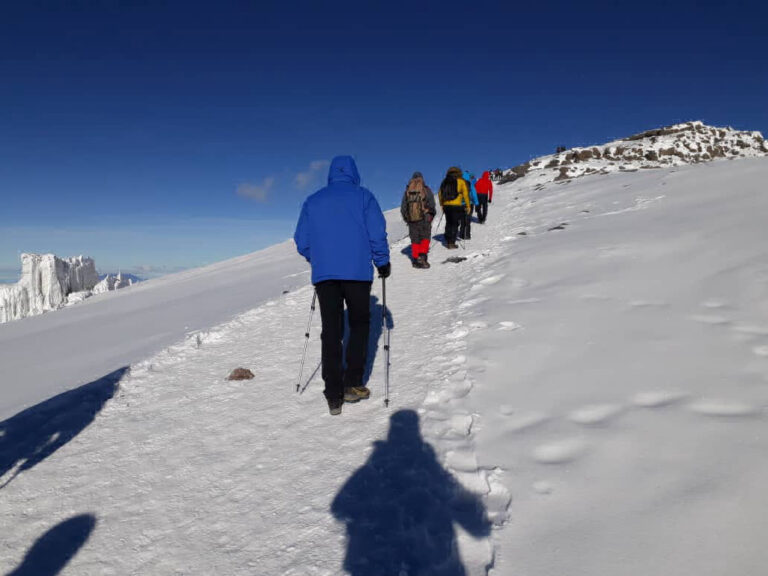
Kilimanjaro Climb With A Polish-Speaking Guide: Your Comprehensive Planning
Discover how to arrange a Kilimanjaro climb with a dedicated Polish-speaking guide. This extensive guide covers route options, preparation, costs, and booking considerations for your...
View package details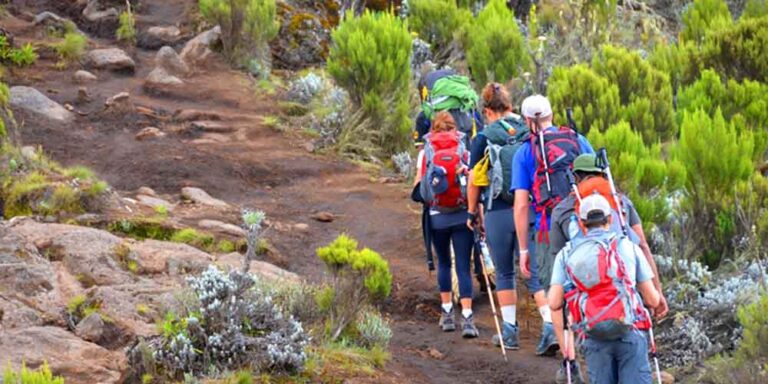
Kilimanjaro Climb With A French-Speaking Guide: Your Complete Planning
Discover the unparalleled experience of climbing Mount Kilimanjaro with a dedicated French-speaking guide. This comprehensive guide covers everything you need to know for your 2026-2027...
View package details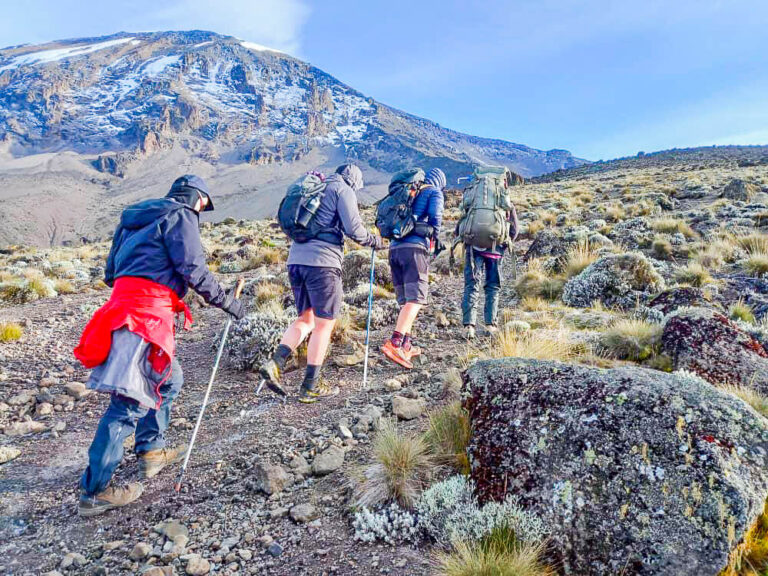
Kilimanjaro Climb With Low-Sugar Meal Planning Guide
Climbing Kilimanjaro requires careful nutritional planning. This guide focuses on low-sugar meal strategies to sustain energy, aid acclimatization, and enhance your trekking experience...
View package details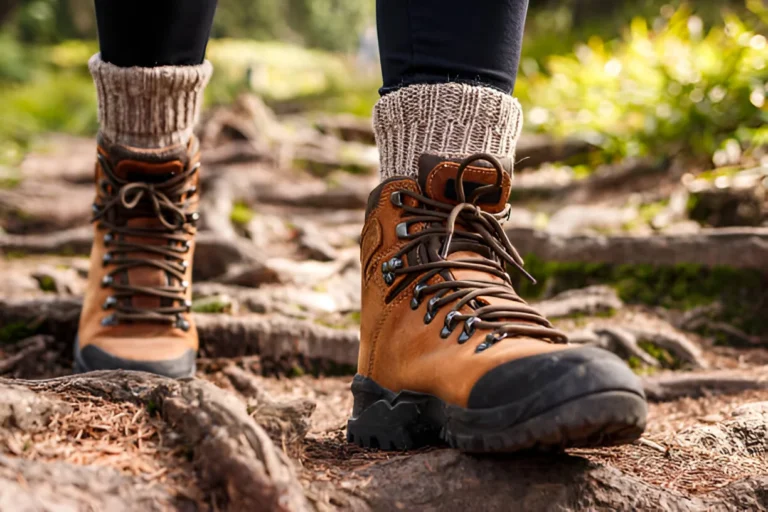
Kilimanjaro Climb With Kosher-Friendly Food Planning In 2026-2027
Successfully summiting Mount Kilimanjaro requires meticulous planning, especially when adhering to specific dietary requirements like Kosher food. This guide provides comprehensive insights...
View package detailsKilimanjaro Companion Tour With Private Driver: Your Ultimate Luxury Ascent
A detailed 2026-2027 guide to Kilimanjaro Companion Tour with Private Driver, with clear planning and booking information for travelers.
View package detailsKilimanjaro Zanzibar Extension For Mixed Groups: Your Ultimate Adventure Guide
Combine the thrill of climbing Mount Kilimanjaro with the tropical allure of Zanzibar. This guide details how mixed groups can best plan and enjoy this ultimate Tanzanian adventure in...
View package details
Kilimanjaro Safari Before Rejoining Your Climbing Group | Top Guide Adventures
Combining a safari with your Kilimanjaro climb is a classic Tanzanian adventure. Discover how to seamlessly integrate a wildlife safari experience before meeting your climbing group for the...
View package detailsKilimanjaro Airport And Hotel Support For Climbing Groups | Top Guide
Top Guide Adventures provides comprehensive support for Kilimanjaro climbing groups, from arrival at Kilimanjaro International Airport (JRO) to comfortable hotel stays before and after your...
View package detailsKilimanjaro Summit Celebration Package For Companions: Plan Your
Planning a Kilimanjaro climb with companions and a special summit celebration? This guide covers everything you need to know for 2026-2027, from choosing the right route and package to...
View package detailsMeet Your Climber At Mweka Gate Package: Kilimanjaro Descent Guide 2026-2027
This package is designed for trekkers descending Kilimanjaro via the Mweka Gate, ensuring a smooth and supported transition after their summit. It covers essential post-climb services and...
View package detailsNo related package matches those filters. Clear one or more filters to see the other topic-matched options.



