
A slow-paced inclusive Kilimanjaro expedition focuses on providing a comfortable, well-acclimatized, and supportive trek for individuals who prefer a more relaxed ascent, prioritize well-being, or have specific accessibility needs. These expeditions typically utilize longer itineraries, such as the 8-day Lemosho or 9-day Machame routes, to allow for gradual acclimatization, reduce the risk of altitude sickness, and permit trekkers to enjoy the stunning scenery. Inclusivity means providing dedicated guides, sufficient porters, high-quality gear, nutritious meals, and flexible pacing, ensuring that every member of the group feels supported and capable of reaching Uhuru Peak. For 2026-2027, Top Guide Adventures is committed to offering these thoughtfully designed climbs, emphasizing personal attention and care for a truly rewarding experience.
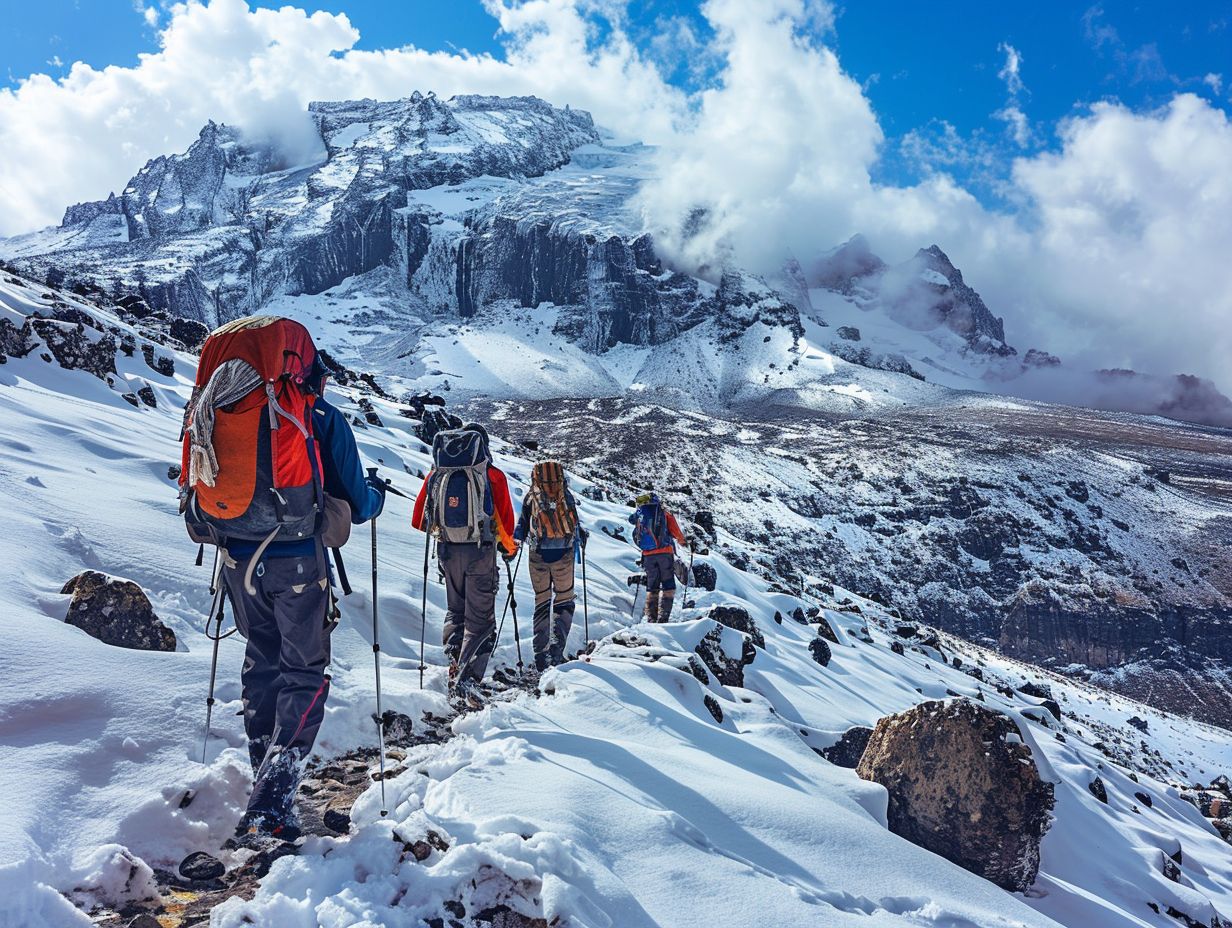
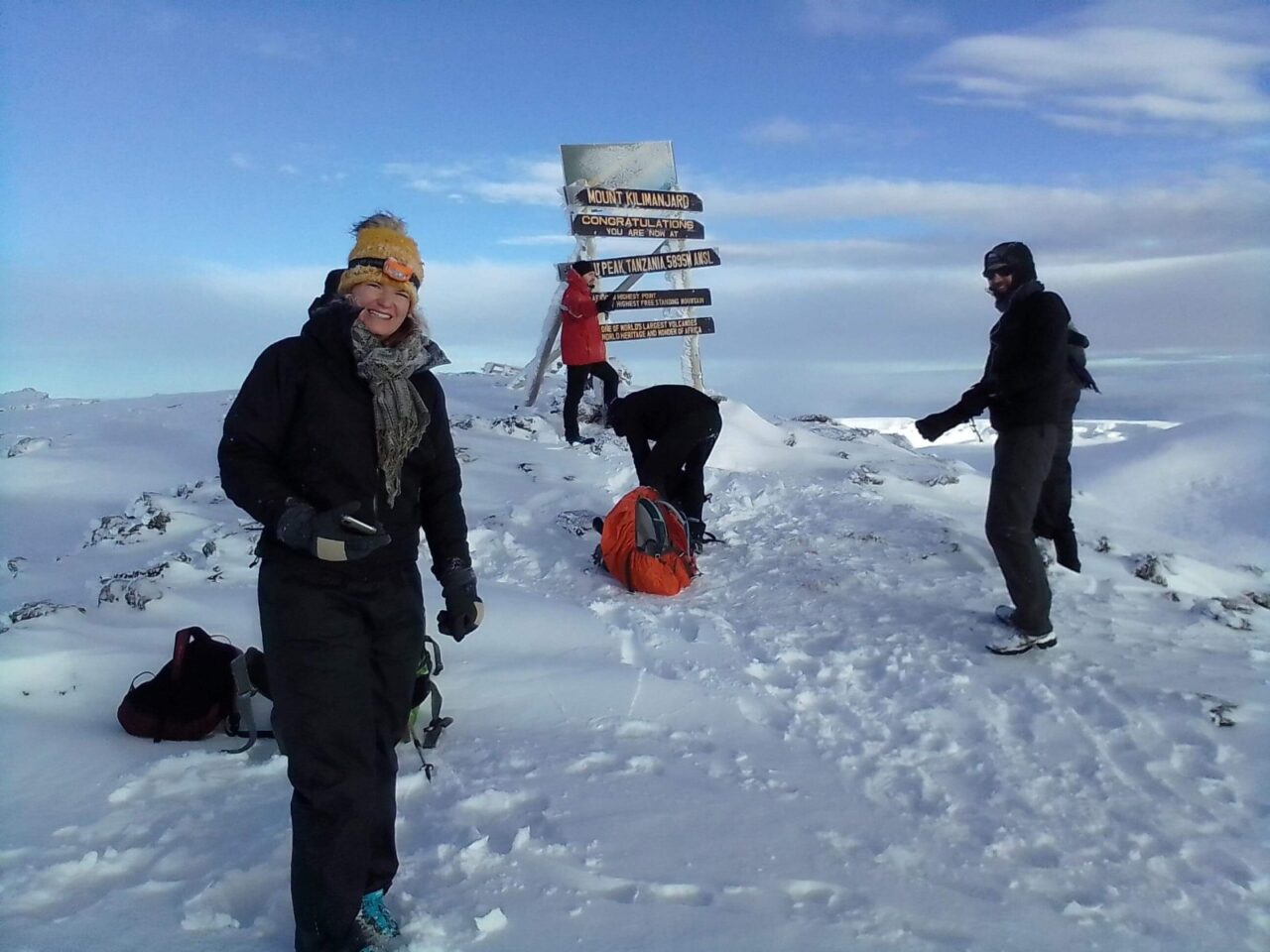
Understanding the ‘Slow-Paced Inclusive’ Approach to Kilimanjaro
Climbing Mount Kilimanjaro is an extraordinary goal, and for many, the journey itself is as important as the summit. The concept of a slow-paced inclusive Kilimanjaro expedition redefines the traditional approach, moving away from aggressive schedules towards a more mindful and accessible trekking experience. This is not about a ‘lesser’ climb; it’s about a better climb for a wider range of individuals, ensuring that the physical and mental challenges are managed with comfort and support at their core.
At Top Guide Adventures, we recognize that ‘climbing Kilimanjaro’ means different things to different people. Some seek the ultimate physical test, while others desire a profound connection with nature and a personal achievement that respects their body’s limits. Our slow-paced, inclusive expeditions are meticulously crafted for the latter group, and indeed, for anyone who values a higher level of comfort and personal care on this iconic mountain. We believe that by slowing down the ascent, we significantly increase the chances of success and, more importantly, enhance the overall enjoyment and fulfillment of the trek.
Key characteristics of our slow-paced inclusive Kilimanjaro expeditions include:
- Extended Itineraries: Longer routes (typically 8-9 days) that build in extra acclimatization days.
- Flexible Pacing: Guides are trained to adjust the daily walking speed to match the group’s or individual’s needs.
- Enhanced Support Staff: A higher ratio of guides and porters per trekker to ensure constant attention and assistance.
- Comfort-Focused Logistics: Emphasis on quality camping equipment, delicious and varied meals, and adequate rest periods.
- Accessibility Considerations: Open to individuals of varying fitness levels, ages, and those who may have specific needs requiring extra support.
- Focus on Well-being: Prioritizing hydration, nutrition, and monitoring for altitude sickness symptoms throughout the trek.
Why Choose a Slower Pace for Kilimanjaro? The Acclimatization Advantage
Altitude sickness, or Acute Mountain Sickness (AMS), is the most significant factor affecting Kilimanjaro climbers. It’s caused by ascending too quickly, not allowing the body enough time to adapt to the lower oxygen levels at higher elevations. A slow-paced approach is the single most effective strategy for preventing and managing AMS.
The principle is simple: ‘Pole Pole’ (Swahili for ‘slowly, slowly’). On our inclusive expeditions, this isn’t just a saying; it’s a fundamental operational principle. By extending the trek duration, we allow your body to gradually produce more red blood cells, which carry oxygen more efficiently. This process of acclimatization is crucial for:
- Reducing AMS Symptoms: Headaches, nausea, dizziness, and fatigue are significantly less likely or less severe.
- Conserving Energy: A slower pace means less physical exertion each day, preserving vital energy reserves needed for the summit push.
- Improving Enjoyment: Trekking at a comfortable pace allows you to appreciate the dramatic changes in landscape, flora, and fauna, and to truly be present in the experience.
- Increasing Summit Success Rates: While not guaranteed, proper acclimatization dramatically improves your odds of reaching Uhuru Peak.
For instance, a standard 6-day trek might rush through critical acclimatization zones. In contrast, our 8-day Lemosho or 9-day Machame routes provide those vital extra days. These additional days are not wasted; they are strategically placed to allow your body to adapt, making the ascent smoother and safer. Planning for a slow-paced inclusive Kilimanjaro expedition in 2026 or 2027 means prioritizing these longer, more effective itineraries.
Kilimanjaro Routes Tailored for Slow-Paced Treks
Not all Kilimanjaro routes are created equal when it comes to pace and acclimatization. Certain routes are inherently longer and offer better acclimatization profiles, making them ideal for our slow-paced, inclusive expeditions. Top Guide Adventures recommends the following routes for trekkers prioritizing a comfortable and well-supported ascent:
The Lemosho Route: A Premier Choice for Gradual Ascent
The Lemosho route is widely regarded as one of the most beautiful and effective routes for acclimatization. It typically takes 7 to 8 days, and we strongly advocate for the 8-day Lemosho itinerary for a truly slow-paced experience. This route begins on the western side of Kilimanjaro, offering stunning views and a more remote trekking experience in its early stages.
Why Lemosho is ideal for slow-paced, inclusive treks:
- Excellent Acclimatization Profile: It gradually ascends, crossing the Shira Plateau, which helps the body adjust to altitude.
- Scenic Beauty: It traverses diverse landscapes, from lush rainforest to alpine desert and arctic summit zones, offering incredible photographic opportunities.
- Lower Crowd Density: Especially in the initial days, Lemosho is less crowded than routes like Marangu or Machame, contributing to a more peaceful experience.
- Higher Success Rates: Due to its length and acclimatization benefits, Lemosho generally boasts higher summit success rates.
An 8-day Lemosho trek allows for a deliberate pace, with guides able to manage daily distances and ascents thoughtfully. This is perfect for those who want to absorb the environment without feeling rushed. It’s a top recommendation for our slow-paced inclusive Kilimanjaro expeditions in 2026-2027.
The Machame Route: The ‘Whiskey Route’ with Extended Options
Often called the ‘Whiskey Route’ (in contrast to the Marangu ‘Coca-Cola Route’), Machame is a popular choice known for its scenic beauty and challenging, yet rewarding, ascent. While commonly offered as a 6 or 7-day trek, we strongly recommend the 7 or ideally 8-day Machame itinerary for those seeking a slow-paced, inclusive climb.
Benefits of an extended Machame for inclusive treks:
- Good Scenery: Machame offers diverse views, including the Barranco Wall, which is a memorable challenge.
- Proven Acclimatization: Even the standard 7-day route provides better acclimatization than shorter options. Extending it to 8 days adds an extra day for acclimatization, particularly beneficial for the approach to higher altitudes.
- Good Support Infrastructure: As a popular route, it has well-established campsites and a good flow of trekkers.
- High Success Rates: With proper pacing and an extended itinerary, Machame offers excellent summit prospects.
Adding an extra day to the Machame route significantly enhances its suitability for a slow-paced, inclusive expedition. This allows for more ‘pole pole’ trekking and reduces the physical strain, making the journey more comfortable and enjoyable for everyone.
The Northern Circuit: The Longest and Most Gradual Ascent
For the ultimate in slow-paced acclimatization and a truly comprehensive Kilimanjaro experience, the Northern Circuit is unparalleled. This route takes a minimum of 9 days, and we often recommend 10 or even 11 days to fully embrace its gentle ascent and panoramic views.
Why Northern Circuit excels for slow, inclusive treks:
- Superior Acclimatization: Circumnavigating the mountain offers the best possible acclimatization profile, with the highest success rates.
- Unrivaled Scenery: It offers unique views of Kilimanjaro from all sides, including the remote northern slopes, and passes through diverse ecosystems.
- Lowest Crowds: Being the longest route, it naturally disperses trekkers, offering a sense of solitude and wilderness.
- Maximum Comfort: The extended duration allows for very relaxed daily stages and ample rest.
The Northern Circuit is the epitome of a slow-paced inclusive Kilimanjaro expedition. It’s perfect for those who want to maximize their chances of success, minimize altitude sickness risks, and fully experience themselves in the mountain environment without pressure.
Why Other Routes Are Less Ideal for a Slow-Paced, Inclusive Focus
While routes like Marangu and Umbwe are available, they are generally less suited for a slow-paced, inclusive approach due to their shorter durations, steeper ascents, or less effective acclimatization profiles. The Marangu route, with its hut accommodation, can feel more like a race, and its 5-day option is notoriously challenging for acclimatization. The Umbwe route is very steep and direct, intended for experienced high-altitude climbers seeking a significant challenge, not a relaxed pace.
What ‘Inclusive’ Truly Means on Your Kilimanjaro Expedition
Inclusivity on a Kilimanjaro climb goes beyond just accepting diverse abilities. It’s about actively creating an environment where everyone feels valued, supported, and has the resources they need to succeed. For Top Guide Adventures, this means:
Dedicated and Experienced Guiding Team
Our guides are the heart of your expedition. For slow-paced, inclusive climbs, we ensure:
- Low Guide-to-Client Ratio: Typically, one lead guide for every 2-4 clients, with assistant guides supporting the group. This ensures personalized attention.
- Altitude Training: All our guides are certified in high-altitude trekking and wilderness first aid, with specific training in recognizing and managing AMS.
- Psychological Support: Guides are trained motivators, understanding how to encourage trekkers through challenging moments with patience and positivity.
- Flexibility: They are empowered to adjust the pace, schedule breaks, and make decisions in the best interest of the group’s safety and well-being.
Abundant Porter Support
On Kilimanjaro, porters are essential for carrying equipment, food, and personal gear. For our inclusive expeditions, we ensure:
- Adequate Porter Numbers: We adhere to strict weight limits per porter (usually 15kg), ensuring they are not overburdened. This means we provide sufficient porters for all necessary gear, allowing them to work safely and efficiently.
- Well-Equipped Porters: Porters are provided with appropriate clothing, footwear, and sleeping gear, as their comfort and health are paramount.
- Respectful Treatment: We foster a culture of respect and fair treatment for all crew members, as they are integral to the expedition’s success.
High-Quality Equipment and Facilities
Comfort is key to a positive trekking experience. Our inclusive packages feature:
- Spacious Tents: High-quality, 3-season or 4-season tents that are waterproof and provide good insulation. We ensure adequate space for sleeping and gear.
- Comfortable Sleeping Mats: Thick, comfortable mats are provided for better insulation and a good night’s sleep.
- Dining Tents: Sturdy dining tents equipped with tables and chairs allow for comfortable meals and social time, regardless of the weather.
- Toilet Tents: Private toilet tents are provided for a more comfortable and hygienic experience, especially on routes where basic facilities are absent.
Nutritious and Delicious Meals
Proper nutrition is vital for energy and acclimatization. Our chefs prepare:
- Varied Menus: A diverse range of meals catering to different tastes and dietary requirements (vegetarian, vegan, allergies, etc.).
- High-Energy Foods: Meals are designed to provide sustained energy, incorporating carbohydrates, proteins, and healthy fats.
- Hydration Focus: We provide plenty of clean drinking water, hot drinks, and electrolyte-replenishing beverages.
- Snacks: Energy bars, fruits, nuts, and other snacks are readily available throughout the day.
Pre- and Post-Climb Support
Inclusivity extends beyond the mountain itself. We offer:
- Pre-Trip Briefings: Comprehensive information sessions and Q&A opportunities to prepare you mentally and physically.
- Gear Checks: Assistance in ensuring you have the correct and suitable equipment.
- Post-Climb Celebration: Acknowledge your achievement with a memorable celebration.
- Optional Add-ons: Opportunities to extend your Tanzanian adventure with safaris or Zanzibar holidays, all arranged with the same attention to detail.
Preparing for Your Slow-Paced Inclusive Kilimanjaro Expedition
While the pace is slower, preparation is still essential for a successful and enjoyable climb. The focus shifts slightly from extreme endurance to consistent, manageable training and mental readiness.
Physical Training: Consistency Over Intensity
The goal is to build stamina and get your body accustomed to sustained effort. For a slow-paced trek, focus on:
- Hiking: Regular hikes, preferably on varied terrain (hills, stairs), for 2-3 hours at a time, 2-3 times a week. Gradually increase the duration and elevation gain.
- Cardiovascular Exercise: Engage in activities like running, cycling, swimming, or using an elliptical machine for 30-45 minutes, 3-4 times a week, to improve lung capacity and heart health.
- Strength Training: Focus on leg strength (squats, lunges) and core stability. Strong legs help with ascents and descents, and a strong core improves balance and endurance.
- Backpack Training: Hike with the backpack you intend to use, gradually adding weight to simulate carrying essentials.
- Practice on Inclines: Simulate uphill walking as much as possible. Use stair climbers or find local hills.
Important Note: Consult your doctor before starting any new fitness program, especially if you have pre-existing health conditions.
Mental Preparation: Patience and Positivity
A slow pace requires patience. You’ll be spending more time walking, resting, and simply existing at altitude. Cultivate:
- Patience: Embrace the ‘pole pole’ philosophy. Understand that progress will be steady rather than rapid.
- Mindfulness: Focus on the present moment, the scenery, and the feeling of accomplishment with each step.
- Positive Self-Talk: Develop strategies to manage challenging moments, focusing on your strengths and the support system around you.
- Realistic Expectations: Understand that summit night is challenging for everyone, regardless of pace, but proper preparation and support significantly improve your ability to cope.
Gear Essentials for Comfort and Inclusivity
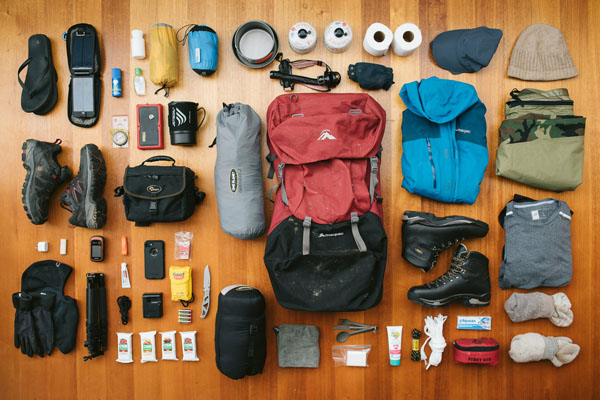
While Top Guide Adventures provides tents, dining equipment, and cooking gear, you are responsible for your personal trekking attire and equipment. For an inclusive climb, ensuring comfort and functionality is paramount:
Essential Gear Checklist:
- Layering System: Base layers (merino wool or synthetic), mid-layers (fleece), and an outer shell (waterproof and windproof jacket and pants).
- Footwear: Broken-in, waterproof hiking boots with good ankle support. Camp shoes or comfortable trainers for evenings.
- Headwear: Warm beanie for cold nights, sun hat for daytime.
- Gloves: Warm, waterproof gloves, and liner gloves.
- Socks: Several pairs of wool or synthetic hiking socks.
- Sleeping Bag: Rated for -10°C to -20°C (comfort rating).
- Backpack: Daypack (30-40 liters) for essentials, and a large duffel bag (80-100 liters) for porters to carry.
- Headlamp: With extra batteries.
- Water Bottles/Hydration Reservoir: At least 3 liters capacity.
- Sun Protection: High SPF sunscreen, lip balm, sunglasses.
- Personal Items: Toiletries, personal first-aid kit, camera, power bank.
- Trekking Poles: Highly recommended for stability and reducing strain on joints.
We provide a detailed gear list upon booking and are happy to offer advice on specific items. Investing in quality gear, especially layers and footwear, makes a significant difference in comfort on a slow-paced inclusive Kilimanjaro expedition.
The Day-by-Day Experience on a Slow-Paced Itinerary (Example: 8-Day Lemosho)
To illustrate the difference a slower pace makes, here’s a sample itinerary for an 8-day Lemosho climb, highlighting the deliberate progression and acclimatization.
Example: 8-Day Lemosho Slow-Paced Kilimanjaro Expedition
- Day 1: Londorosi Gate to Mti Mkubwa Camp
(2,360m / 7,742ft)
Drive to Londorosi Gate, park formalities, then a short drive to the trailhead. Trek through the rainforest to Mti Mkubwa (‘Big Tree’) Camp. Gentle introduction to trekking. - Day 2: Mti Mkubwa Camp to Shira 1 Camp
(3,500m / 11,482ft)
Continue through the forest, emerging into moorland. The ascent becomes more noticeable. Arrive at Shira 1 Camp on the Shira Plateau. - Day 3: Shira 1 Camp to Shira 2 Camp
(3,850m / 12,631ft)
A day focused on acclimatization. Trek across the Shira Plateau, with stunning views of Mount Meru. The walk is relatively gentle, allowing the body to adjust to the higher altitude. - Day 4: Shira 2 Camp to Barranco Camp
(3,950m / 12,959ft)
Ascend towards the Lava Tower, reaching its highest point. Descend to Barranco Camp. This ‘climb high, sleep low’ strategy is crucial for acclimatization. The descent to Barranco is key. - Day 5: Barranco Camp to Karanga Camp
(4,035m / 13,238ft)
Conquer the famous Barranco Wall – a challenging but rewarding scramble. The pace is slow and steady, with plenty of breaks. Continue to Karanga Camp. - Day 6: Karanga Camp to Barafu Camp
(4,600m / 15,091ft)
Trek through alpine desert terrain, with increasingly dramatic views. The path is steep in sections. Arrive at Barafu Camp (‘Ice Camp’) in the afternoon. Rest and prepare for summit night. - Day 7: Barafu Camp to Summit (Uhuru Peak) to Mweka Camp
(5,895m / 19,341ft) Summit -> (3,100m / 10,170ft) Mweka Camp
An early start (around midnight) for the summit push. Ascend Stella Point via the scree slopes. Continue to Uhuru Peak. Descend directly to Mweka Camp, passing Barafu Camp. This is the longest and most demanding day. - Day 8: Mweka Camp to Mweka Gate, then to Arusha
(1,640m / 5,380ft) Gate
Descend through the rainforest to Mweka Gate. Celebrate your achievement with the crew. Transfer back to your hotel in Arusha.
Notice how Day 3 is specifically designed for acclimatization across the plateau, and the descent to Barranco Camp on Day 4 is vital. This deliberate structure is the hallmark of a slow-paced inclusive Kilimanjaro expedition.
Safety and Medical Considerations
Safety is non-negotiable. Our commitment to inclusivity means we take extra precautions to ensure the well-being of every trekker.
Altitude Sickness Management
Our guides are trained to:
- Monitor Symptoms: Constantly observe clients for signs of AMS.
- Encourage Hydration: Emphasize drinking 3-4 liters of water daily.
- Promote ‘Pole Pole’: Ensure the group maintains a slow, steady pace.
- Administer Medication: If necessary and prescribed, guides can administer Diamox (acetazolamide) or oxygen.
- Make Descent Decisions: The most effective treatment for moderate to severe AMS is immediate descent. Guides are empowered to make this decision without hesitation.
Emergency Preparedness
Top Guide Adventures maintains rigorous emergency protocols:
- Communication: Use of satellite phones or two-way radios for communication with base operations.
- First Aid: Comprehensive first-aid kits are carried by guides.
- Evacuation Plans: Established relationships with emergency evacuation services for serious medical issues.
- Oxygen Cylinders: Carried by guides for emergency use.
We strongly advise all clients to have comprehensive travel insurance that covers high-altitude trekking and emergency medical evacuation.
Budgeting for Your Slow-Paced Inclusive Kilimanjaro Expedition in 2026-2027
The cost of a Kilimanjaro climb can vary significantly based on the route, duration, and operator. A slow-paced, inclusive expedition, with its longer itinerary and enhanced support, will generally be at the higher end of the price spectrum. This reflects the increased operational costs and the superior level of service provided.
Factors influencing the price:
- Route Length: Longer routes (8+ days) are more expensive due to more days of operation, food, and crew costs.
- Number of Staff: A higher guide-to-client ratio and sufficient porters increase costs.
- Quality of Equipment: High-quality tents, sleeping bags, and dining facilities add to the expense.
- Food and Provisions: Providing varied, nutritious meals for longer durations requires significant logistical planning and cost.
- Park Fees: These are fixed by Kilimanjaro National Park and are a substantial part of the overall cost.
- Operator’s Service Level: Companies that prioritize safety, crew welfare, and client comfort typically charge more.
Estimated Cost Guidance for 2026-2027
For a slow-paced inclusive Kilimanjaro expedition with Top Guide Adventures, expect costs to typically range from $2,800 to $4,500+ USD per person. This range generally covers:
- Inclusions: Park fees, crew salaries and provisions, all meals on the mountain, camping equipment, group climbing gear, water, rescue fees, transfers to/from the mountain, pre- and post-climb accommodation in Arusha (often 1 night before and 1 night after).
- Exclusions: Flights, visa fees, travel insurance, personal gear, tips for the crew (a significant but customary expense), extra snacks, alcoholic beverages, and optional activities.
Note: Prices are subject to change based on park fee updates and specific package customizations. For the most accurate pricing for your 2026 or 2027 Kilimanjaro climb, please contact us directly for a personalized quote.
When comparing prices, always ensure you are comparing like-for-like inclusions. A cheaper trip might cut corners on safety, crew welfare, or equipment quality, which can compromise your experience and safety. Investing in a reputable operator like Top Guide Adventures for your slow-paced inclusive Kilimanjaro expedition is an investment in your success and well-being.
Why Choose Top Guide Adventures for Your Kilimanjaro Expedition?
We are more than just a tour operator; we are passionate about creating life-changing experiences. Our commitment to slow-paced, inclusive expeditions stems from a deep understanding of what makes a Kilimanjaro climb truly memorable and achievable.
Our Commitment to Inclusivity and Sustainability
- Experienced Local Guides: Our team comprises highly trained, local guides with extensive knowledge of Kilimanjaro and a genuine care for client safety and satisfaction.
- Fair Crew Wages and Welfare: We are committed to ethical treatment and fair compensation for all our staff, ensuring they are well-equipped and supported.
- Environmental Responsibility: We strictly adhere to Leave No Trace principles, ensuring the mountain’s pristine environment is protected for future generations.
- Personalized Service: From your initial inquiry to your return to Arusha, you receive dedicated support and personal attention.
- Proven Track Record: We have helped countless adventurers achieve their dream of summiting Kilimanjaro, with many choosing our slower, more comfortable itineraries.
Planning Your 2026-2027 Kilimanjaro Adventure
The best time to climb Kilimanjaro is during the dry seasons, which typically run from January to March and June to October. However, shoulder seasons can also be good, with fewer crowds. For a slow-paced inclusive Kilimanjaro expedition, planning well in advance is recommended, especially if you have specific dates in mind for 2026 or 2027.
We offer:
- Tailor-Made Itineraries: Customizing routes and durations to meet your specific needs and pace.
- Group Departures: Join like-minded adventurers on scheduled departures. See our group departure dates for potential fits.
- Private Expeditions: The ultimate in flexibility and personalization for your group.
Whether you’re looking for a challenging yet comfortable ascent or a more relaxed journey, our slow-paced inclusive Kilimanjaro expeditions are designed to provide an unforgettable experience. We are here to answer all your questions and help you plan every detail.
Ready to take the first step towards your Kilimanjaro summit? Contact Top Guide Adventures today. Let us help you craft the perfect slow-paced inclusive Kilimanjaro expedition for 2026 or 2027. Reach us via WhatsApp +255616946642, email us at topguideadventures@gmail.com, or our backup email info@topguideadventures.com. You can also explore more about our adventures and read client testimonials on platforms like TripAdvisor and our Instagram page.
Check Availability for Slow-Paced Inclusive Kilimanjaro Expedition For 2026-2027
Ready to compare dates, prices, and the best option for your group? Send the package name and travel month so the team can reply with a clear quote, availability, and what is included.
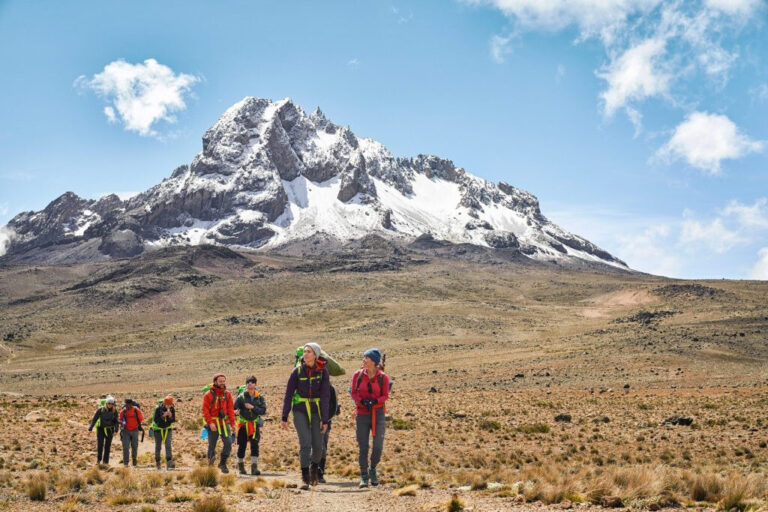
Adaptive Kilimanjaro Climbing Expeditions 2026-2027
Adaptive Kilimanjaro Climbing Expeditions is explained with current 2026-2027 planning, price, itinerary and booking information.
View package details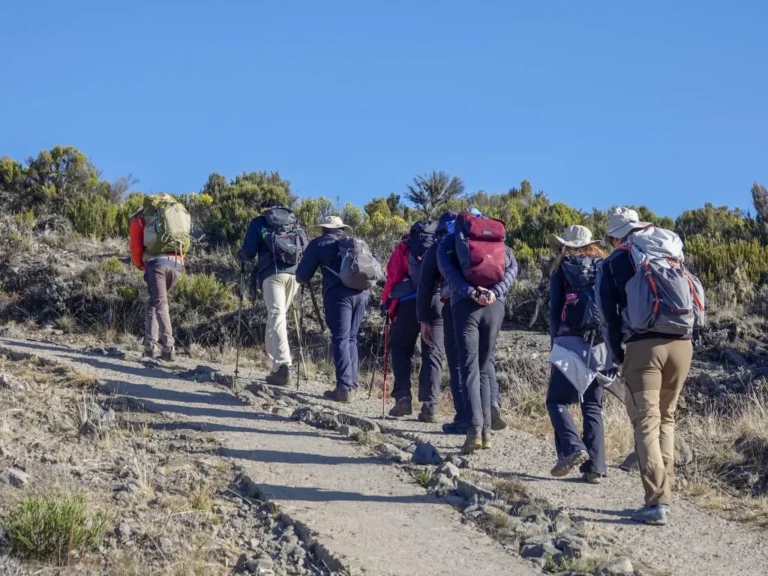
Kilimanjaro Slow-Pace Summit Package Guide
Opt for a Kilimanjaro Slow-Pace Summit Package for a more relaxed ascent, increasing your chances of reaching Uhuru Peak. This guide details routes, preparation, and what to expect with Top...
View package details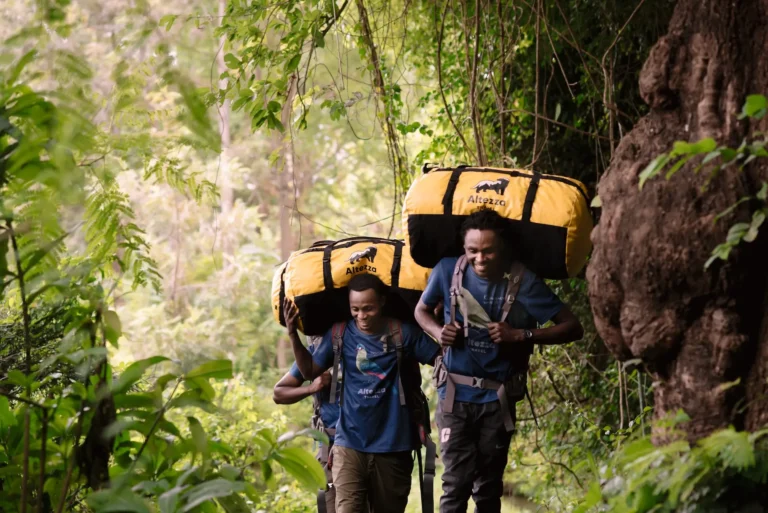
Kilimanjaro Region Seven-Day Non-Climbing Itinerary: Explore Beyond The Summit
Explore the vibrant Kilimanjaro Region for seven days without climbing the mountain. This itinerary focuses on cultural immersion, wildlife encounters, local markets, and scenic beauty...
View package details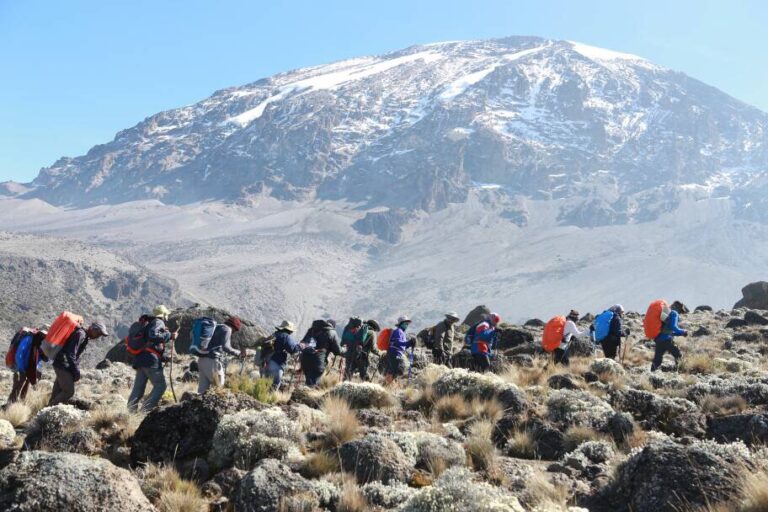
Kilimanjaro Local Culture Week For Non-Climbers: Experience Tanzanias Heart
Experience the rich cultural mix surrounding Mount Kilimanjaro without the climb. Our Local Culture Week offers non-climbers an unforgettable journey into the heart of Tanzanian traditions...
View package details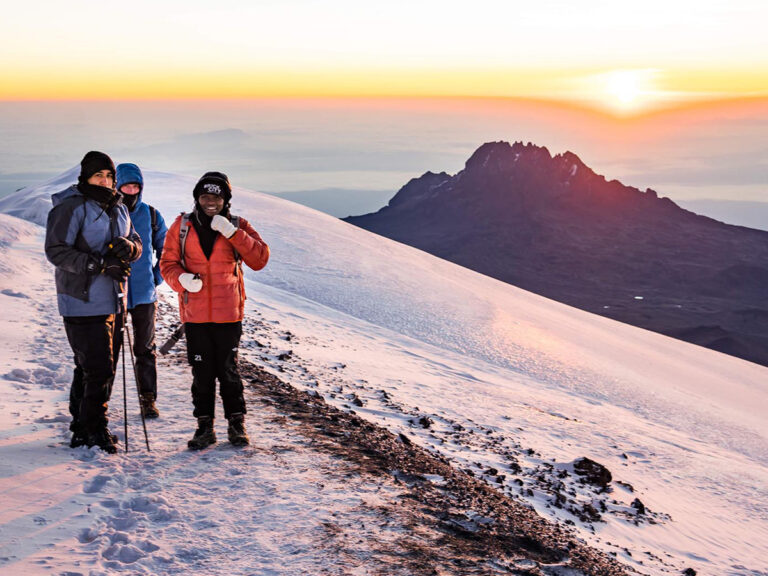
Kilimanjaro Relaxation And Spa Package: Rejuvenate After Your Climb 2026-2027
After conquering Mount Kilimanjaro, a dedicated relaxation and spa package is the perfect way to recover and rejuvenate. Top Guide Adventures provides comprehensive post-climb wellness...
View package details
Kilimanjaro Companion Tour With Private Driver: Your Ultimate Luxury Ascent
A detailed 2026-2027 guide to Kilimanjaro Companion Tour with Private Driver, with clear planning and booking information for travelers.
View package details
Kilimanjaro Zanzibar Extension For Mixed Groups: Your Ultimate Adventure Guide
Combine the thrill of climbing Mount Kilimanjaro with the tropical allure of Zanzibar. This guide details how mixed groups can best plan and enjoy this ultimate Tanzanian adventure in...
View package details
Kilimanjaro Safari Before Rejoining Your Climbing Group | Top Guide Adventures
Combining a safari with your Kilimanjaro climb is a classic Tanzanian adventure. Discover how to seamlessly integrate a wildlife safari experience before meeting your climbing group for the...
View package details
Kilimanjaro Airport And Hotel Support For Climbing Groups | Top Guide
Top Guide Adventures provides comprehensive support for Kilimanjaro climbing groups, from arrival at Kilimanjaro International Airport (JRO) to comfortable hotel stays before and after your...
View package details
Kilimanjaro Summit Celebration Package For Companions: Plan Your
Planning a Kilimanjaro climb with companions and a special summit celebration? This guide covers everything you need to know for 2026-2027, from choosing the right route and package to...
View package detailsMeet Your Climber At Mweka Gate Package: Kilimanjaro Descent Guide 2026-2027
This package is designed for trekkers descending Kilimanjaro via the Mweka Gate, ensuring a smooth and supported transition after their summit. It covers essential post-climb services and...
View package details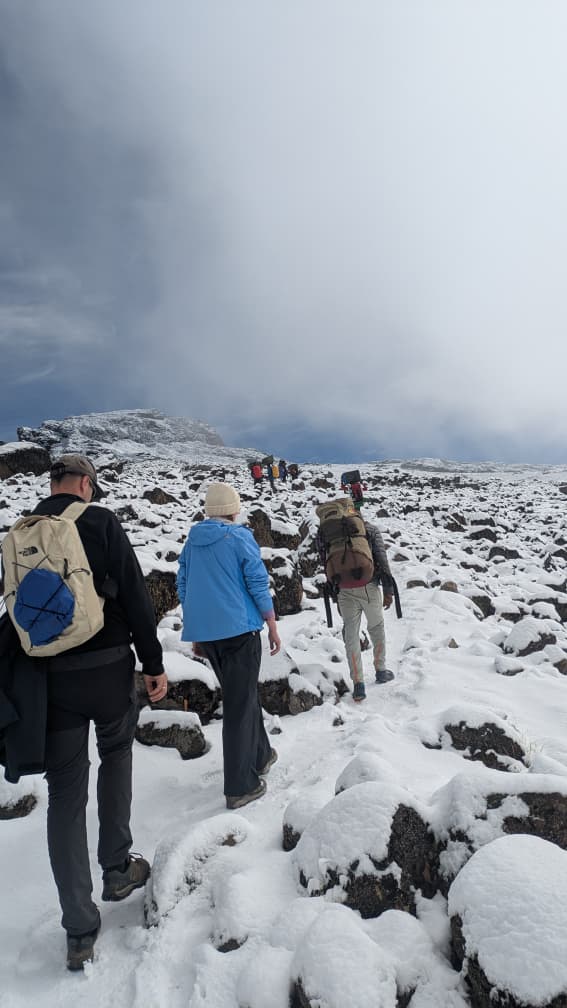
Kilimanjaro Coffee And Waterfall Package For Companions: Your Ultimate
This comprehensive package combines the iconic Kilimanjaro climb with the refreshing beauty of local waterfalls and rich coffee plantations, offering an unforgettable adventure for groups...
View package detailsNo related package matches those filters. Clear one or more filters to see the other topic-matched options.



