
While a traditional summit climb of Mount Kilimanjaro is not currently possible for wheelchair users due to the rugged, steep, and uneven terrain, significant advancements and innovative approaches are emerging. These allow individuals with mobility impairments to experience the grandeur of Kilimanjaro, often through adapted tours, specialized support, or by reaching accessible viewpoints. Planning for 2026 and 2027 involves understanding these evolving options and working with specialized operators who can provide the necessary logistical and human support for a meaningful Kilimanjaro experience.
Understanding the Challenge: Kilimanjaro’s Terrain and Accessibility for Wheelchair Users
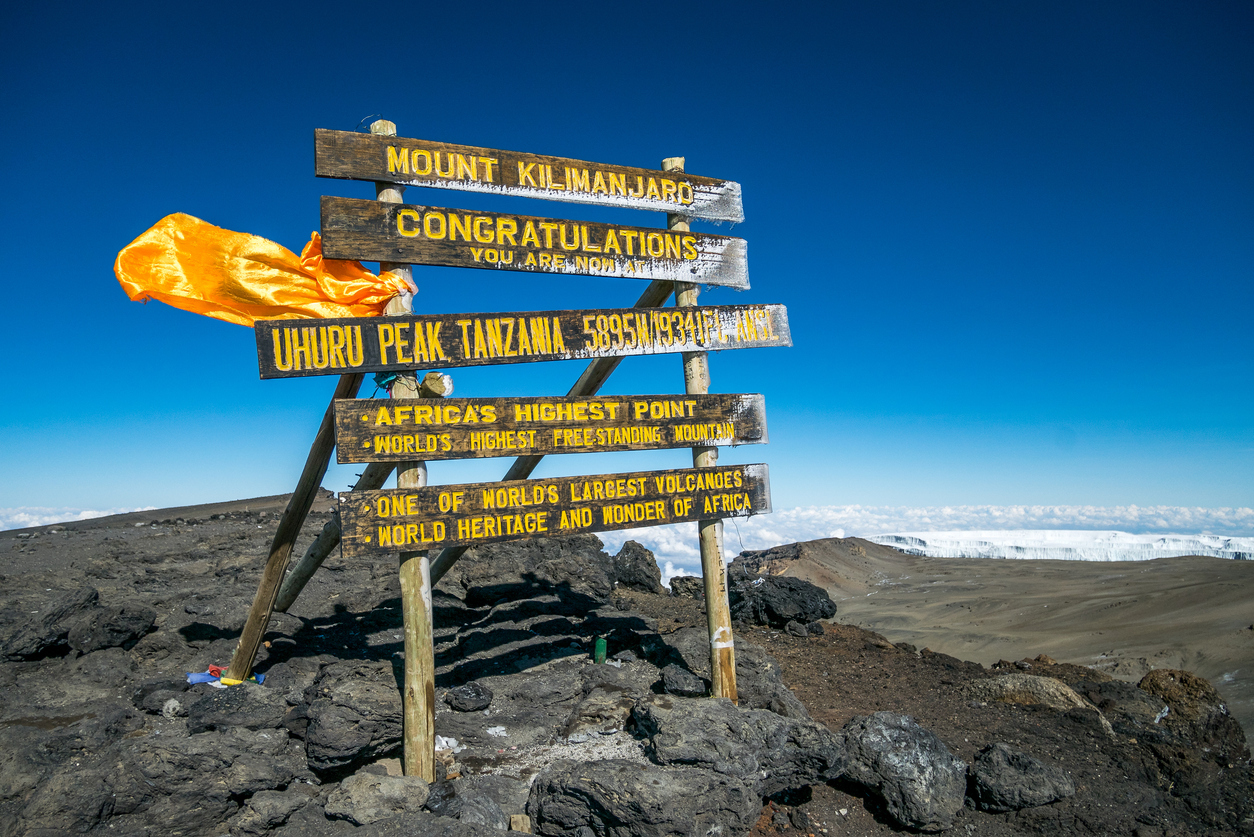
Mount Kilimanjaro, Africa’s highest peak, stands at 5,895 meters (19,341 feet). Its appeal lies not only in its altitude but also in its diverse ecosystems, from lush rainforests at the base to alpine deserts and arctic conditions near the summit. This dramatic elevation gain is achieved over steep, rocky, and often slippery paths. For a wheelchair user, the very nature of this challenging mountain presents significant obstacles.
The primary routes – Marangu, Machame, Lemosho, Shira, Rongai, and Northern Circuit – are designed for trekkers on foot. They feature:
- Uneven Surfaces: Loose scree, large rocks, muddy sections, and exposed roots make navigation difficult even for the most experienced hikers.
- Steep Gradients: Sections of the climb involve inclines that require considerable physical exertion and sure footing.
- Narrow Paths: Some trails are narrow, with sheer drop-offs, making them unsuitable for any wheeled mobility device.
- Variable Weather: Conditions can change rapidly, from intense sun to freezing rain and snow, impacting trail conditions and safety.
- Remote Locations: Rescue operations and medical support are complex and time-consuming due to the mountain’s remoteness.
These factors combine to make a standard Kilimanjaro climb, where a wheelchair user would navigate the paths independently or with minimal assistance, unfeasible with current infrastructure and trail conditions. The focus, therefore, shifts to what is possible, exploring adaptations and alternative experiences that still allow a connection with this iconic mountain.
Emerging Possibilities: Adapted Kilimanjaro Experiences for 2026-2027
The desire to experience Kilimanjaro is strong, and with growing awareness of accessibility, tour operators are beginning to explore innovative solutions. While a full summit push remains out of reach for most wheelchair users, new models of engagement are becoming available, particularly for those planning their trips in 2026 and 2027. These often involve a combination of specialized equipment, dedicated support teams, and adjusted itineraries.
The Role of Specialized Equipment
For individuals with mobility impairments, specialized off-road wheelchairs and adaptive trekking devices are key. These can include:
- All-Terrain Wheelchairs: These are robust wheelchairs designed to handle rough terrain, with large, pneumatic tires and sturdy frames. They often require significant pushing power and skilled operators.
- Handcycles: For users who can propel themselves with their arms, handcycles offer an alternative, though they are also limited by extreme terrain.
- Trekking Chairs (Off-Road Wheelchairs): These are specialized, often heavy-duty chairs, sometimes with a third wheel or a long handle for a guide to push and steer. They are designed to navigate more challenging paths than standard wheelchairs.
The availability and feasibility of using such equipment on Kilimanjaro depend heavily on the specific trail sections, weather conditions, and the strength and number of the support crew. Operators like Top Guide Adventures are exploring partnerships and investing in such equipment to facilitate these unique journeys.
Human Support: The Essential Element
Beyond equipment, the human element is paramount. A successful adapted Kilimanjaro experience relies on a dedicated and experienced support team. This team typically includes:
- Skilled Guides: Guides who are not only knowledgeable about the mountain but also trained in assisting individuals with disabilities.
- Porter Teams: A larger-than-usual team of porters may be required to carry extra gear, provide physical assistance, and manage the specialized equipment.
- Medical Personnel: Having a dedicated medic or first responder on the team is crucial for safety.
- Personal Assistants: Depending on the individual’s needs, personal assistants might be part of the expedition.
The cost implications of such a comprehensive support team are significant, as it requires more personnel than a standard trek. For planning in 2026 and 2027, it’s essential to factor in the higher operational costs associated with these specialized expeditions.
Modified Itineraries and Accessible Experiences
Given the limitations, adapted Kilimanjaro experiences often focus on reaching lower altitudes or specific accessible points rather than the summit. This could include:
- Base Camp Experiences: Trekking to the vicinity of the first or second camps, where the terrain might be more manageable for adapted equipment, and returning.
- Forest Zone Exploration: Focusing on the lower forest zone, which offers beautiful scenery and a more forgiving environment.
- Vehicle-Accessible Viewpoints: Utilizing 4×4 vehicles to reach viewpoints offering panoramic vistas of Kilimanjaro, allowing individuals to experience the mountain’s majesty without a strenuous trek.
- Cultural Immersion around Kilimanjaro: Focusing on the communities at the base of the mountain, engaging in cultural tours, visiting local villages, and experiencing the local way of life, all while having the mountain as a stunning backdrop.
These modified experiences ensure that individuals can still feel a profound connection to Kilimanjaro, celebrating its presence and beauty in a way that is safe and achievable.
Choosing the Right Route and Approach for Accessibility
When considering an adapted Kilimanjaro experience, the choice of route becomes even more critical. Some routes are inherently less challenging at their lower sections, and understanding these nuances is key for planning a successful trip for 2026 or 2027.
Marangu Route: The ‘Coca-Cola’ Route
The Marangu Route is known for its hut accommodations rather than camping, which can offer a more comfortable base. Its lower sections, particularly the initial trek through the rainforest, might present opportunities for adapted mobility devices with significant support. However, the path remains steep and can become very muddy, posing challenges.
Machame Route: The Scenic Choice
The Machame Route is famous for its beauty and diverse landscapes, but it is also one of the steeper and more challenging routes for trekkers. Its terrain, with significant ascents and descents and often loose scree, makes it less suitable for adapted Kilimanjaro experiences, even in its lower sections, without an extremely robust support system.
Lemosho and Shira Routes: Wilderness and Altitude
These routes are popular for their scenic beauty and higher success rates due to good acclimatization profiles. However, they involve crossing plateaus and navigating varied terrain, including some boggy areas and rocky sections. While offering incredible views, their remoteness and varied surfaces would require careful assessment for any adapted travel plans.
Rongai Route: The Drier Option
The Rongai Route approaches Kilimanjaro from the north, near the Kenyan border. It is often considered drier than routes on the southern side, which can be an advantage if rain is a concern. The initial sections might offer slightly more manageable terrain, but it still ascends significantly. Its less-trafficked nature could mean fewer natural obstacles in some parts, but also potentially less established infrastructure for support.
Northern Circuit: The Longest and Most Scenic
The Northern Circuit is the longest route, offering excellent acclimatization and spectacular views. While its gradual ascent is beneficial for acclimatization, it still covers vast distances over varied and challenging terrain. The sheer length and altitude gain make it extremely difficult to adapt for wheelchair users without specialized, custom expeditions.
The Ideal Approach for Adapted Kilimanjaro Experiences
For wheelchair users aiming to experience Kilimanjaro, the most practical approach for 2026-2027 is likely to involve:
- Focusing on Lower Altitudes: Concentrating on the rainforest and lower moorland zones, where the terrain is more forgiving.
- Custom Expedition Design: Working with an operator like Top Guide Adventures to design a bespoke trip that prioritizes safety and accessibility. This might involve selecting specific trail segments or using 4×4 access points.
- Utilizing Vehicle Access: Identifying any sections of the mountain access roads that can be reached by 4×4 vehicles to get closer to the mountain’s base or to viewpoints.
It is crucial to have open and detailed conversations with tour providers about specific needs, capabilities, and the exact nature of the adapted experience being sought.
Planning Your Adapted Kilimanjaro Journey: What to Consider for 2026-2027
Planning an adapted Kilimanjaro trip requires meticulous attention to detail, far beyond what a standard trek entails. For travelers looking towards 2026 and 2027, here’s a breakdown of essential considerations:
1. Health and Fitness Assessment
A thorough medical consultation is non-negotiable. Discuss the specific challenges of Kilimanjaro’s altitude and terrain with your doctor. While the physical demands on the wheelchair user might differ, the effects of altitude (headaches, nausea, shortness of breath) are universal and can be exacerbated by underlying health conditions. The support team’s fitness is also crucial; they need to be able to handle the physical strain of assisting and managing specialized equipment.
2. Choosing the Right Tour Operator
This is perhaps the most critical decision. You need an operator with proven experience in handling complex logistics, a deep understanding of Kilimanjaro, and a genuine commitment to accessibility. Look for companies that:
- Specialize in Customized Treks: Not all operators offer bespoke itineraries.
- Have a Strong Safety Record: Essential for any Kilimanjaro trip, but even more so for an adapted one.
- Are Transparent About Capabilities: They should be honest about what is possible and what isn’t.
- Can Provide Detailed Support Plans: Understanding the number of guides, porters, specific equipment, and medical provisions is key.
- Have Positive Reviews (if available): Look for testimonials that speak to their care and support.
Top Guide Adventures is dedicated to providing personalized support and exploring innovative ways to make Kilimanjaro accessible. We encourage potential clients to discuss their specific requirements with us well in advance of their planned 2026 or 2027 expedition.
3. Budgetary Considerations
An adapted Kilimanjaro experience will be significantly more expensive than a standard trek. The increased costs stem from:
- Specialized Equipment: Rental or purchase of all-terrain wheelchairs or trekking chairs.
- Larger Support Crew: More guides, porters, and potentially dedicated medical staff.
- Extended Logistics: More complex planning and potentially longer trip durations.
- Custom Itinerary Fees: Operators invest considerable time in designing these unique trips.
It is essential to get a detailed quote that outlines all inclusions and exclusions. For 2026-2027, early booking is advisable to secure specialized equipment and team availability.
4. Timing and Seasonality
Kilimanjaro has two main dry seasons, which are ideal for trekking: January to March and June to October. The shoulder months can also be viable. The rainy seasons (April-May and November-early December) can make trails extremely challenging and muddy, posing greater risks for adapted travel. Planning your 2026 or 2027 trip during the dry seasons will significantly enhance safety and comfort.
5. Packing and Preparation
While the wheelchair user might not be carrying a heavy pack, personal comfort and protection are vital. This includes:
- Appropriate Clothing: Layers are key, from breathable base layers to warm mid-layers and waterproof outer shells. Thermal undergarments, a warm hat, gloves, and waterproof footwear (for the support team) are essential.
- Sun Protection: High SPF sunscreen, sunglasses, and a wide-brimmed hat.
- Hydration: Water bottles or hydration packs. Water purification methods will be necessary.
- Personal Care Items: Including any specific needs related to mobility and personal hygiene.
The support team will manage the bulk of the gear, but ensuring the individual is comfortable and protected is paramount.
Alternative Ways to Experience Kilimanjaro’s Majesty
For those who find even adapted trekking challenging or are seeking different ways to connect with Kilimanjaro, several alternatives offer profound experiences without the physical demands of a climb.
1. Kilimanjaro National Park Gate and Lower Slopes
Simply visiting the park gates (e.g., Marangu Gate, Machame Gate) can be an experience in itself. These areas are often accessible by vehicle and offer stunning views of the mountain’s lower slopes, the lush rainforest, and the surrounding landscape. Short, paved or relatively flat paths might exist around some of the gate areas, allowing for a brief exploration.
2. Cultural Tourism Around Kilimanjaro
The Chagga people inhabit the fertile slopes of Kilimanjaro. Engaging in cultural tours offers a rich experience of local life, traditions, and history. This can include visiting coffee plantations, exploring traditional villages, learning about local crafts, and interacting with the community. The mountain often serves as a magnificent backdrop to these activities. Operators like Top Guide Adventures can arrange these in-depth cultural experiences.
3. Kilimanjaro Viewpoints and Lodges
There are numerous lodges and viewpoints around the Kilimanjaro region that offer spectacular, unobstructed views of the mountain. Staying at such a lodge allows one to wake up to the sight of Kilimanjaro and enjoy its presence throughout the day from the comfort of accessible facilities. Many lodges offer accessible common areas and rooms. Day trips to scenic viewpoints can also be arranged, often accessible by 4×4 vehicles.
4. Kilimanjaro by Air
For a truly unique perspective, consider a scenic flight over Kilimanjaro. While not a common offering, such flights can provide impressive aerial views of the peak, its glaciers, and the surrounding landscape. This would be a high-cost, exclusive experience, but one that offers unparalleled visual access to the mountain’s grandeur.
5. Supporting Kilimanjaro-Focused Initiatives
Another meaningful way to engage with Kilimanjaro is by supporting local conservation efforts or community development projects in the region. This allows individuals to contribute positively to the area and its people, fostering a connection that transcends physical presence on the mountain itself.
The Role of Top Guide Adventures in Facilitating Kilimanjaro Experiences
As a leading tour operator in Tanzania, Top Guide Adventures is committed to making incredible travel experiences accessible to a wider range of adventurers. We understand that the traditional Kilimanjaro climb isn’t for everyone, and we are actively working to develop and support more inclusive journeys.
For individuals considering a Kilimanjaro experience, whether a standard trek or an adapted journey, we offer:
- Personalized Consultation: We take the time to understand your specific needs, abilities, and aspirations.
- Tailor-Made Itineraries: We can craft bespoke itineraries that adapt to individual requirements, focusing on safety and maximizing experience.
- Experienced and Dedicated Teams: Our guides and support staff are highly trained and committed to client care.
- Logistical Expertise: We manage all the complex arrangements, from permits and park fees to transportation and accommodation.
- Focus on Safety: Safety is our top priority, especially when dealing with the unique challenges of adapted travel.
We are continuously exploring options for specialized equipment and training to better serve travelers with mobility challenges who wish to experience Kilimanjaro. For those planning for 2026 or 2027, we encourage you to reach out to us early to discuss the possibilities. Whether it’s a modified trek to lower altitudes, an accessible cultural tour at the mountain’s base, or reaching stunning viewpoints, we are here to help you plan an unforgettable Kilimanjaro adventure.
Connect with us to discuss your adapted Kilimanjaro journey:
- WhatsApp: +255616946642
- Email: topguideadventures@gmail.com
- Backup Email: info@topguideadventures.com
We look forward to helping you craft a Kilimanjaro experience that meets your dreams and abilities for 2026-2027 and beyond.
Check Availability for Can A Wheelchair User Experience Kilimanjaro? A Deep Dive By Top Guide
Ready to compare dates, prices, and the best option for your group? Send the package name and travel month so the team can reply with a clear quote, availability, and what is included.
Kilimanjaro Local Culture Week For Non-Climbers: Experience Tanzanias Heart
Experience the rich cultural mix surrounding Mount Kilimanjaro without the climb. Our Local Culture Week offers non-climbers an unforgettable journey into the heart of Tanzanian traditions...
View package details
Kilimanjaro Cultural Tour While Friends Climb: Experience Tanzanias Heart
Discover the perfect way to experience Tanzania's vibrant culture and landscapes while your friends conquer Mount Kilimanjaro. This guide explores in-depth cultural tours designed to...
View package details
Kilimanjaro Scenic Experience Without Summiting: Best Views & Treks 2026-2027
Experience the majestic beauty of Mount Kilimanjaro without the demanding summit climb. This guide details the best scenic viewpoints, lower-altitude treks, and unique natural wonders...
View package details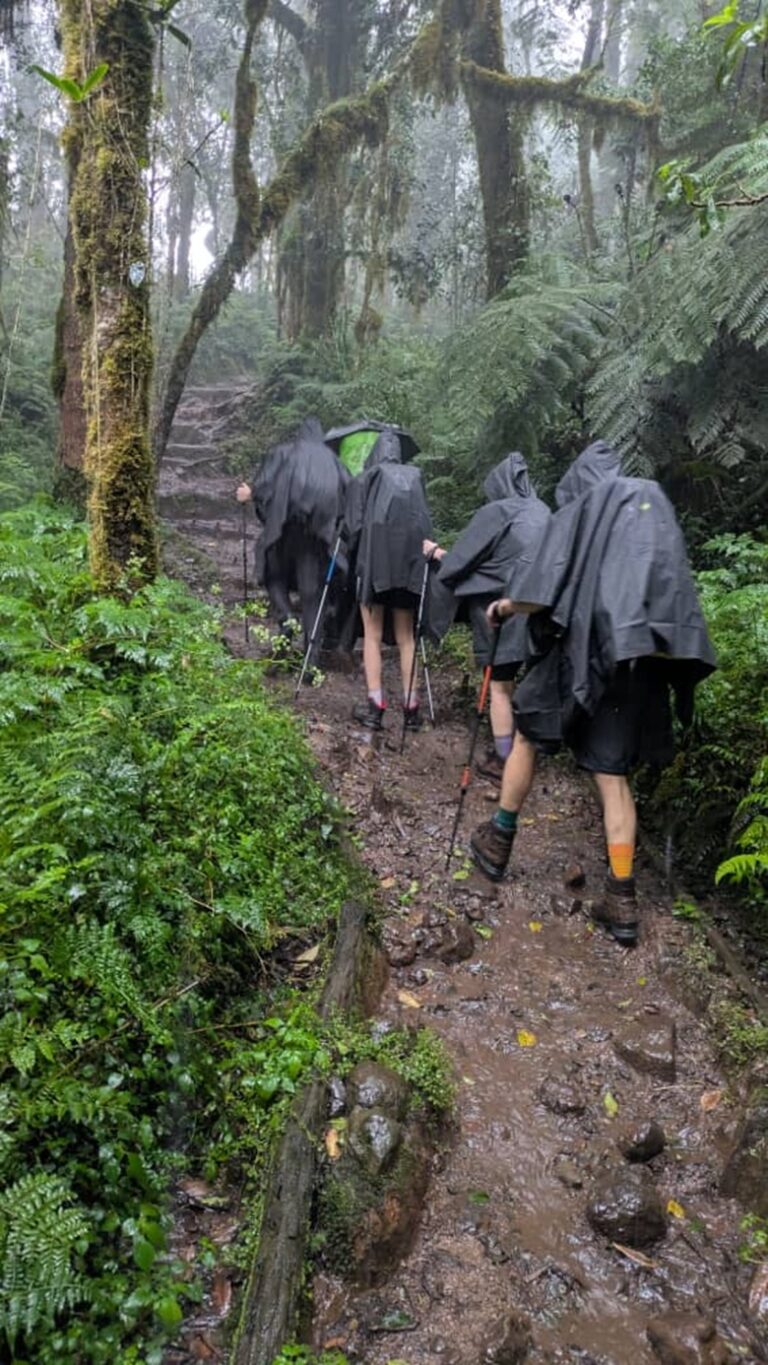
Kilimanjaro Foothills Tour For Non-Climbers: Experience The Majesty Without
Explore the impressive Kilimanjaro foothills on a specialized tour designed for those who prefer to experience the mountain's grandeur without undertaking a strenuous climb. Discover local...
View package details
Best Waterproof Trousers For Kilimanjaro In : Your Ultimate Guide 2026-2027
Choosing the right waterproof trousers is crucial for a successful and comfortable Kilimanjaro climb. This guide covers everything you need to know for your 2026-2027 trek.
View package details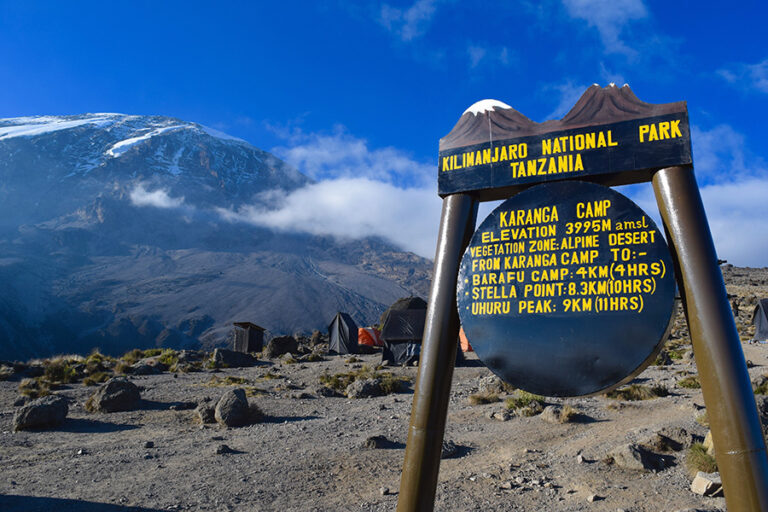
Your Pole Kilimanjaro Climbing Experience: A Comprehensive Guide For 2026-2027
Climbing Mount Kilimanjaro 'Pole Pole' (slowly slowly) is the key to a successful summit. This guide by Top Guide Adventures details how this philosophy applies to routes, acclimatization...
View package details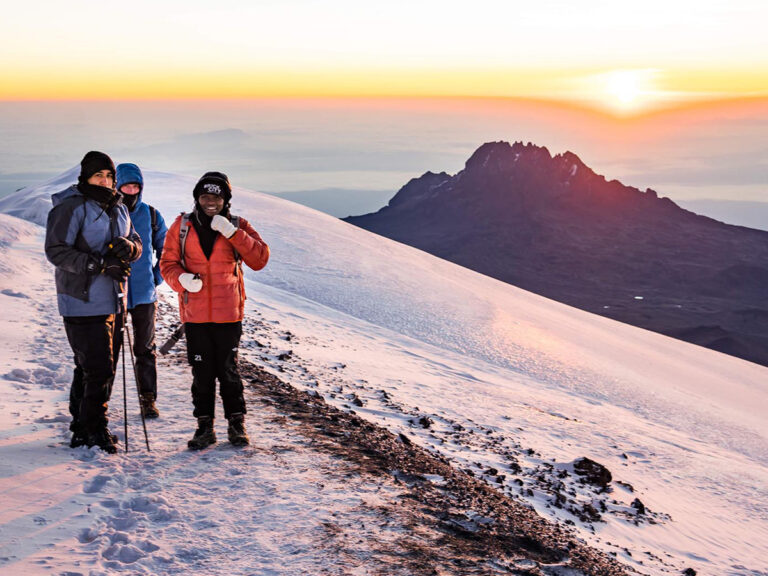
Kilimanjaro Relaxation And Spa Package: Rejuvenate After Your Climb 2026-2027
After conquering Mount Kilimanjaro, a dedicated relaxation and spa package is the perfect way to recover and rejuvenate. Top Guide Adventures provides comprehensive post-climb wellness...
View package detailsKilimanjaro Companion Tour With Private Driver: Your Ultimate Luxury Ascent
A detailed 2026-2027 guide to Kilimanjaro Companion Tour with Private Driver, with clear planning and booking information for travelers.
View package details
Kilimanjaro Zanzibar Extension For Mixed Groups: Your Ultimate Adventure Guide
Combine the thrill of climbing Mount Kilimanjaro with the tropical allure of Zanzibar. This guide details how mixed groups can best plan and enjoy this ultimate Tanzanian adventure in...
View package details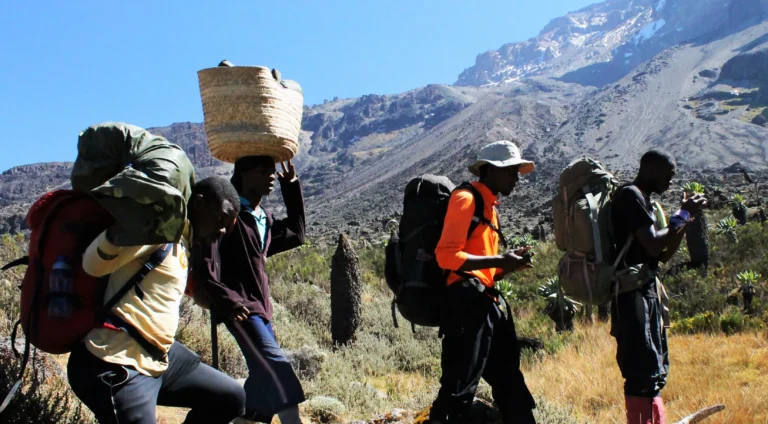
Kilimanjaro Safari Before Rejoining Your Climbing Group | Top Guide Adventures
Combining a safari with your Kilimanjaro climb is a classic Tanzanian adventure. Discover how to seamlessly integrate a wildlife safari experience before meeting your climbing group for the...
View package details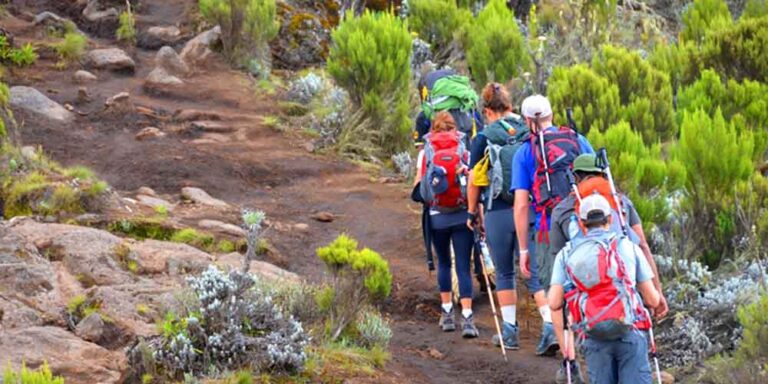
Kilimanjaro Airport And Hotel Support For Climbing Groups | Top Guide
Top Guide Adventures provides comprehensive support for Kilimanjaro climbing groups, from arrival at Kilimanjaro International Airport (JRO) to comfortable hotel stays before and after your...
View package details
Kilimanjaro Summit Celebration Package For Companions: Plan Your
Planning a Kilimanjaro climb with companions and a special summit celebration? This guide covers everything you need to know for 2026-2027, from choosing the right route and package to...
View package detailsNo related package matches those filters. Clear one or more filters to see the other topic-matched options.



