
The ‘Pole Pole’ Kilimanjaro climbing experience, meaning ‘slowly slowly’ in Swahili, is the fundamental principle for a successful ascent. It emphasizes a gradual pace, proper acclimatization, and mindful trekking to maximize your chances of reaching the summit safely and comfortably. For your 2026-2027 climb, embracing ‘Pole Pole’ means choosing appropriate routes, listening to your guides, and allowing your body to adapt to the altitude, ensuring a rewarding and memorable journey up Africa’s highest peak.
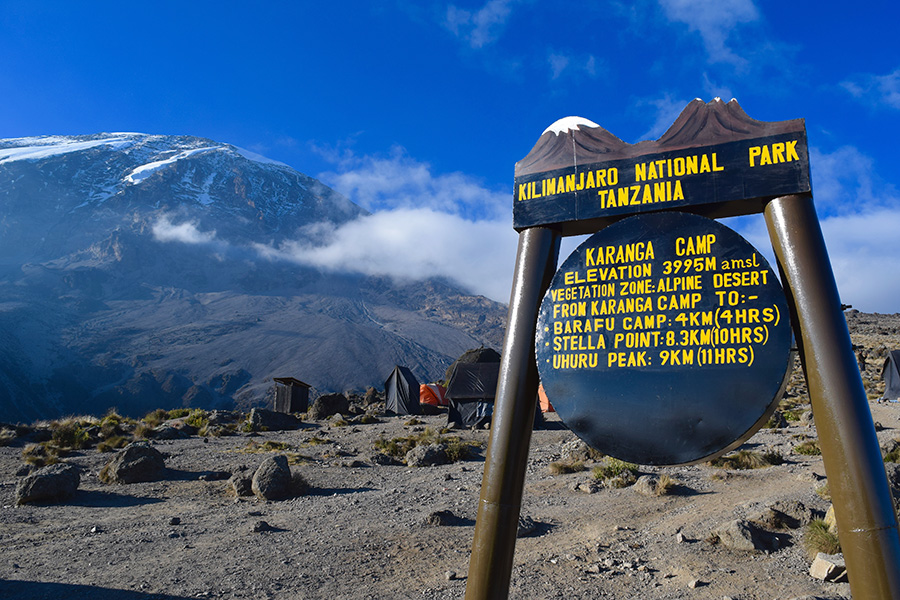
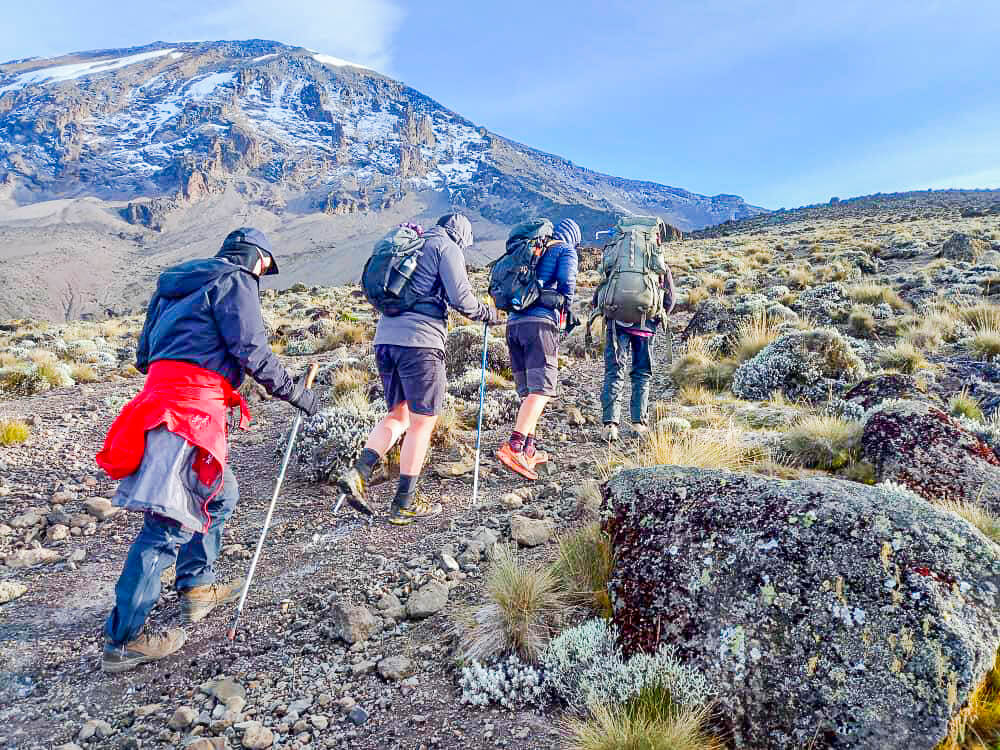
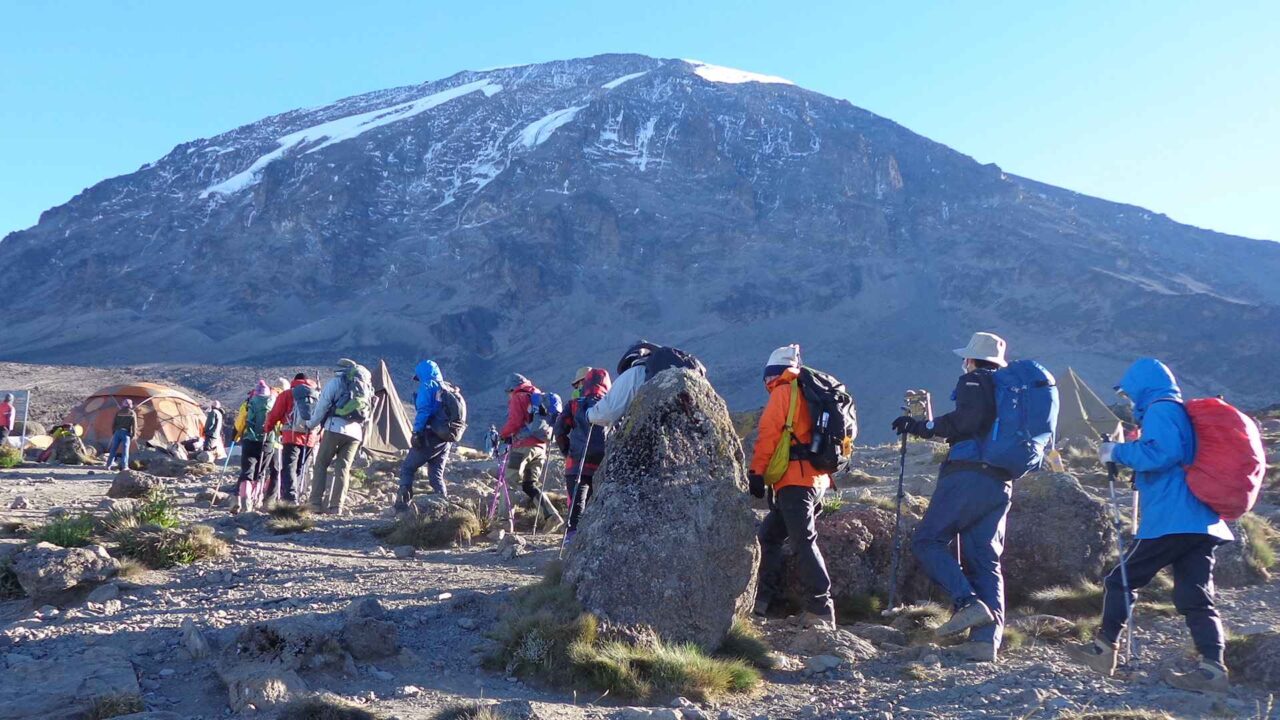
Understanding the ‘Pole Pole’ Philosophy for Kilimanjaro Climbs
Mount Kilimanjaro, a dormant volcano in Tanzania and the world’s highest free-standing mountain, draws thousands of adventurers each year. While the allure of standing on the Roof of Africa is undeniable, the physical and physiological challenges are significant. This is where the Swahili phrase ‘Pole Pole’ becomes more than just a saying; it’s the cornerstone of a safe and successful Kilimanjaro climbing experience. For trekkers planning their expeditions in 2026 or 2027, grasping the essence of ‘Pole Pole’ is paramount.
At its core, ‘Pole Pole’ advocates for a slow, steady, and deliberate pace. It’s about not rushing, respecting the mountain, and allowing your body the time it needs to adjust to the rapidly decreasing oxygen levels as you gain altitude. This approach is not merely about saving energy; it’s a critical strategy to prevent and mitigate the effects of altitude sickness, the most common reason for climbers failing to reach Uhuru Peak. Top Guide Adventures champions this philosophy, integrating it into every aspect of our guided Kilimanjaro expeditions.
When you hear ‘Pole Pole’ from your guide on the trail, it’s a reminder to breathe, to enjoy the scenery, and to keep moving steadily. It’s a gentle but firm instruction that prioritizes your well-being and your ultimate success. Understanding this philosophy will shape your preparation, your mindset during the climb, and ultimately, the quality of your entire Kilimanjaro climbing experience.
Why ‘Pole Pole’ is Crucial for Kilimanjaro Success
The dramatic increase in altitude on Kilimanjaro, from its base at around 1,800 meters (5,900 feet) to its summit at 5,895 meters (19,341 feet), presents a significant physiological challenge. The air pressure at the summit is roughly half that at sea level, meaning there’s significantly less oxygen available with each breath. Your body needs time to adapt to this lower oxygen environment. This process is called acclimatization, and ‘Pole Pole’ is its most effective facilitator.
Altitude Sickness: The Primary Obstacle
Altitude sickness, or Acute Mountain Sickness (AMS), can affect anyone, regardless of their fitness level. Symptoms range from mild headaches and nausea to severe, life-threatening conditions like High Altitude Pulmonary Edema (HAPE) and High Altitude Cerebral Edema (HACE). The primary cause of AMS is ascending too quickly, not allowing the body sufficient time to adjust. Pushing too hard, too fast, directly counteracts the body’s natural acclimatization process.
The ‘Pole Pole’ approach directly combats AMS by:
- Gradual Ascent: Moving slowly ensures that your body has more time to produce red blood cells, which carry oxygen. This gradual increase in oxygen-carrying capacity is vital.
- Reduced Exertion: A slower pace means less physical exertion, which in turn reduces your body’s oxygen demand. When oxygen is scarce, this makes a significant difference.
- Better Hydration and Nutrition: When you’re not rushing, you’re more likely to take breaks to drink water and eat, both crucial for energy and acclimatization.
- Enhanced Monitoring: Guides can more easily monitor climbers’ well-being and identify early signs of AMS when the group is moving at a consistent, slow pace.
Energy Conservation for the Summit Push
Climbing Kilimanjaro is an endurance event. You’ll be trekking for several hours each day, often on steep and challenging terrain, at high altitudes where your energy reserves deplete faster. A ‘Pole Pole’ pace helps conserve precious energy. By not expending excessive energy on the lower, easier sections, you’ll have more strength and stamina for the demanding final ascent, particularly the critical summit night.
Enjoying the Journey
Kilimanjaro is not just a race to the top; it’s an incredible journey through diverse ecosystems, from lush rainforests to alpine deserts and the arctic zone of the summit. Moving ‘Pole Pole’ allows you to appreciate the stunning landscapes, the unique flora and fauna, and the cultural experience of trekking with local guides and porters. Rushing through the climb means missing out on these incredible aspects, turning a potentially life-changing experience into a mere physical ordeal.
The ‘Pole Pole’ Pace: Practical Application on the Trail
Understanding ‘Pole Pole’ is one thing; experiencing it on the mountain is another. Your guides will be instrumental in ensuring the pace is maintained correctly. Here’s how it typically works:
- Steady Gait: The ideal pace is one where you can hold a conversation without gasping for breath. It’s a comfortable walking speed that you can sustain for hours.
- Frequent Short Breaks: Instead of long, exhausting treks followed by short rests, ‘Pole Pole’ often involves very frequent, short breaks. This allows for sips of water, a quick snack, and a moment to catch your breath without significant exertion.
- Controlled Descent: ‘Pole Pole’ also applies to descending. Going too fast downhill can jar your body and lead to knee and ankle injuries, and it doesn’t aid acclimatization.
- Resting Heart Rate: A key indicator of proper pacing is maintaining a lower resting heart rate. When you’re moving ‘Pole Pole,’ your heart doesn’t have to work as hard to supply oxygen to your muscles.
On summit night, the ‘Pole Pole’ principle is even more critical. The climb is steep, cold, and takes place in the dark. The pace becomes extremely slow, often just a few steps at a time, followed by a brief pause. This deliberate, micro-pacing strategy is essential for conserving energy and maintaining focus during the most challenging part of the climb.
Choosing the Right Kilimanjaro Route for Your ‘Pole Pole’ Experience (2026-2027)
The route you choose significantly impacts your ‘Pole Pole’ experience, primarily through its duration and acclimatization profile. Longer routes offer better acclimatization, making them ideal for adopting a true ‘Pole Pole’ pace and increasing summit success rates. For planning your 2026-2027 climb, consider these options:
Longer Routes (Recommended for ‘Pole Pole’ Success)
- Lemosho Route: Typically 7 or 8 days. Known for its scenic beauty and excellent acclimatization profile, Lemosho is a favorite for those prioritizing a slower, more enjoyable ascent. It offers a true ‘Pole Pole’ experience with good success rates.
- Machame Route: Often 6 or 7 days. Also known as the “Whiskey Route,” Machame is popular for its challenging terrain and stunning views. The 7-day option provides a good balance for acclimatization and a ‘Pole Pole’ pace. We often see excellent 2026-2027 bookings for this route.
- Northern Circuit: The longest route, usually 9 days. This route circles the mountain, offering the best acclimatization and the highest success rates. It is the epitome of a ‘Pole Pole’ Kilimanjaro climbing experience, allowing ample time for the body to adapt.
- Marangu Route: Typically 5 or 6 days. While it’s the oldest and most direct route, the shorter duration (especially the 5-day option) offers poorer acclimatization. The 6-day option improves this, allowing for a more ‘Pole Pole’ approach, though still less ideal than Lemosho or Northern Circuit for acclimatization.
Shorter Routes (Higher Risk for AMS)
- Rongai Route: Usually 6 or 7 days. It approaches from the north, offering a different perspective. The 7-day option is better for acclimatization than the 5-day option, but still generally considered less ideal for a true ‘Pole Pole’ experience compared to western routes.
- Umbwe Route: Typically 5 or 6 days. This is the steepest and most direct route, offering the least time for acclimatization. It’s generally recommended only for very experienced high-altitude trekkers who are confident in their ability to acclimatize quickly. A ‘Pole Pole’ approach is still vital but harder to achieve due to the route’s nature.
For a truly comfortable and successful ‘Pole Pole’ Kilimanjaro climbing experience, we strongly recommend choosing a route of at least 7 days, with 8 or 9 days being ideal for optimal acclimatization. This allows your body to adapt more effectively to the altitude, making the ‘Pole Pole’ pace sustainable and enjoyable throughout your 2026-2027 trek.
Top Guide Adventures Recommendation for 2026-2027
For the best ‘Pole Pole’ Kilimanjaro climbing experience, Top Guide Adventures highly recommends the 8-day Lemosho Route or the 9-day Northern Circuit. These routes offer the best acclimatization profiles, ensuring you can maintain a steady, slow pace, significantly increasing your chances of reaching the summit while fully appreciating the journey. Booking early for 2026 and 2027 is advisable for these popular longer routes.
Preparation for Your ‘Pole Pole’ Kilimanjaro Climb
A successful ‘Pole Pole’ Kilimanjaro climbing experience begins long before you set foot on the mountain. Proper preparation is key to ensuring your body is ready for the demands of high-altitude trekking and can fully benefit from the slow and steady approach.
Physical Fitness: The Foundation
While ‘Pole Pole’ is about pace, not speed, a good level of physical fitness is essential. Focus on:
- Cardiovascular Endurance: Engage in regular aerobic activities like hiking, running, cycling, or swimming for at least 3-4 times a week. Aim for sessions of 45-60 minutes.
- Hiking with a Pack: Practice hiking on uneven terrain, ideally with a weighted backpack (5-10 kg or 10-20 lbs), to simulate mountain conditions. This helps your body adapt to carrying weight and navigating trails.
- Strength Training: Focus on leg strength (squats, lunges) and core strength to support your body on inclines and declines.
- Stamina Building: Long hikes on weekends are invaluable. Try to do at least one hike of 4-6 hours per month in the lead-up to your climb.
Remember, the goal isn’t to be an elite athlete, but to have a body that can sustain effort for multiple consecutive days at altitude. Fitness helps you feel stronger, recover better, and more easily maintain the ‘Pole Pole’ pace.
Mental Preparation: Embracing the Challenge
Kilimanjaro is as much a mental challenge as a physical one. Embracing the ‘Pole Pole’ philosophy helps immensely:
- Patience: Understand that progress will be slow. Accept and enjoy the journey, rather than focusing solely on the summit.
- Resilience: There will be tough moments. Develop coping strategies and focus on one step at a time.
- Mindfulness: Be present on the mountain. Appreciate the changing landscapes and the feeling of accomplishment with each step.
- Trust Your Guides: Your guides are experienced professionals. Trust their judgment, listen to their instructions, and communicate openly about how you’re feeling.
Acclimatization Strategies
Beyond choosing a longer route and trekking ‘Pole Pole,’ other strategies aid acclimatization:
- Hydration: Drink plenty of water (3-4 liters per day). Dehydration can mimic AMS symptoms and hinder acclimatization.
- Nutrition: Eat well, even if your appetite is reduced. High-carbohydrate meals are recommended.
- Avoid Alcohol and Smoking: These substances can exacerbate altitude effects and impede acclimatization.
- Diamox (Acetazolamide): Consult your doctor about using Diamox. It can help speed up acclimatization, but it’s not a substitute for proper pacing and hydration.
- Ascend High, Sleep Low: While difficult on Kilimanjaro’s fixed routes, the principle is to gain altitude during the day but descend slightly or camp at a lower elevation for sleeping whenever possible. Longer routes naturally incorporate this better.
Essential Gear for Your Climb
The right gear is crucial for comfort and safety, directly impacting your ability to maintain a ‘Pole Pole’ pace. Top Guide Adventures provides a comprehensive gear list, but key items include:
- Layered Clothing: Essential for managing body temperature as you ascend through different climate zones. Think base layers, mid-layers (fleece), and an outer waterproof/windproof shell.
- Sturdy Hiking Boots: Broken-in, waterproof, and supportive boots are non-negotiable.
- Warm Sleeping Bag: Rated for temperatures down to -10°C to -20°C (0°F to -4°F).
- Headlamp: With extra batteries for summit night and general use.
- Sun Protection: High SPF sunscreen, sunglasses, and a wide-brimmed hat.
- Trekking Poles: Highly recommended to reduce strain on your knees and improve balance, especially on descents and ascents. They are invaluable for maintaining a controlled ‘Pole Pole’ pace.
Pre-Climb Checklist for a ‘Pole Pole’ Kilimanjaro Experience
- Consult your doctor about altitude and fitness.
- Purchase travel insurance covering high-altitude trekking and emergency evacuation.
- Book your climb with a reputable operator like Top Guide Adventures, focusing on safety and acclimatization.
- Start a consistent fitness training program at least 3 months prior.
- Gather and test all essential gear, especially hiking boots and layered clothing.
- Plan your travel to Tanzania, arriving at least 1-2 days before the climb to rest and acclimatize to the lower altitude in Moshi or Arusha.
- Familiarize yourself with AMS symptoms and prevention.
- Pack appropriately for varying weather conditions.
The Daily ‘Pole Pole’ Kilimanjaro Experience
What does a typical day on Kilimanjaro look like when following the ‘Pole Pole’ principle? It’s a rhythm of walking, resting, eating, and enjoying the environment.
Morning Routine
Days usually start early, but not rushed. Wake-up calls are often around 6:30 or 7:00 AM. Porters will have prepared hot water for washing. After a hearty breakfast – think porridge, eggs, toast – you’ll pack your daypack and ensure your main duffel bag is ready for the porters.
Trekking Pace
The trek begins at a leisurely pace. Your guide will set the ‘Pole Pole’ rhythm. You’ll walk for perhaps 30-45 minutes, then take a short 5-10 minute break. During these breaks, you’ll be offered water and snacks. This pattern repeats throughout the day.
Lunch Breaks
Midday involves a more substantial break for lunch. The support crew will often set up a designated eating area, and a hot meal will be served. This is a good opportunity to rest your legs, rehydrate, and fuel up for the afternoon’s trek.
Afternoon Trekking
The afternoon continues with the same ‘Pole Pole’ walking and short break cycle. The scenery will change dramatically as you ascend through different ecological zones. Your guides will share insights about the mountain’s flora, fauna, and geology, enriching your experience.
Arrival at Camp
Campsites are usually reached by mid-afternoon. This gives you ample time to settle in, rest, and allow your body to acclimatize further before dinner. You’ll have time to organize your gear, perhaps read a book, or simply soak in the incredible mountain views.
Evening and Sleep
Dinner is typically served around 6:30 or 7:00 PM. After dinner, guides will brief you on the next day’s itinerary, including the start time and expected challenges. It’s important to get to bed relatively early, as sleep quality can be affected by altitude. Aim to be in your tent by 8:00 or 9:00 PM.
The consistency of this ‘Pole Pole’ rhythm across multiple days is what allows your body to adapt and conserve energy, making the overall Kilimanjaro climbing experience manageable and enjoyable.
Summit Night: The Ultimate ‘Pole Pole’ Test
Summit night is the most challenging part of the Kilimanjaro climb and where the ‘Pole Pole’ principle is most critically applied. It typically begins between 11:00 PM and 1:00 AM, depending on the route and group’s pace.
- Pre-Dawn Start: You’ll be woken up in the middle of the night, given a hot drink and a light snack, and then dressed in your warmest layers. The goal is to start climbing while it’s still dark and cold, aiming to reach the summit around sunrise.
- Extremely Slow Pace: The ascent from Barafu Camp (on most routes) to Stella Point and then to Uhuru Peak is steep and arduous. The pace becomes incredibly slow – literally a few steps, then a pause to breathe. Guides will constantly encourage you to keep moving, but very slowly.
- Focus on Breathing: With every step, you need to focus on your breathing. Deep, controlled breaths are essential.
- Hydration and Energy: Frequent sips of water (even if it’s frozen) and small energy snacks are crucial.
- Teamwork and Support: Your guides and support crew are invaluable. They provide encouragement, monitor your condition closely, and help you push through when you feel like giving up.
- Reaching the Summit: The feeling of accomplishment upon reaching Uhuru Peak is immense. You’ll have a short window (usually 30-60 minutes) to take photos and celebrate before the descent begins.
The ‘Pole Pole’ pace on summit night is not about laziness; it’s about survival and success. It allows your body to cope with the extreme altitude and exertion, making the dream of standing on the summit a reality for more climbers planning their 2026-2027 adventures.
The Descent: Still ‘Pole Pole’
The journey isn’t over once you reach the summit. The descent is often underestimated but can be just as challenging. Continuing with a ‘Pole Pole’ approach is vital:
- Controlled Steps: Going downhill too fast can lead to falls, injuries (especially to knees and ankles), and exhaustion. Trek slowly and deliberately.
- Slippery Terrain: Trails can be loose scree or muddy, requiring careful footing.
- Altitude Effects: While descending aids acclimatization, you can still feel the effects of the climb. Maintain hydration and energy.
- Reaching Lower Camps: The descent from the summit back to your camp (often Mweka Camp) is a long day. A steady pace ensures you arrive safely and with enough energy to rest.
Top Guide Adventures emphasizes that the ‘Pole Pole’ principle applies from the moment you start walking until you reach the final gate. It’s a holistic approach to climbing Kilimanjaro safely and successfully.
Cost Factors for a ‘Pole Pole’ Kilimanjaro Climb in 2026-2027
The cost of a Kilimanjaro climb can vary significantly, and your choice of route, duration, and operator plays a major role. For 2026-2027, expect pricing to reflect the quality of service, safety standards, and the inclusion of the ‘Pole Pole’ philosophy through longer itineraries.
Key Cost Determinants:
- Route Length: Longer routes (7-9 days) cost more than shorter ones (5-6 days) due to more days of park fees, guide/porter salaries, food, and equipment usage. However, they offer better acclimatization and higher success rates, embodying the ‘Pole Pole’ approach.
- Operator Standard: Reputable operators like Top Guide Adventures prioritize climber safety, fair wages for staff, quality equipment, and experienced guides. This translates to higher operational costs but a superior and safer experience. Low-cost operators often cut corners, potentially compromising safety and the ‘Pole Pole’ principle by rushing itineraries.
- Group Size: Private climbs are more expensive per person than group climbs. Joining a pre-scheduled group departure can be more budget-friendly.
- Inclusions: Ensure you understand what is included. Typically, this covers park fees, rescue fees, camping/hut fees, all meals on the mountain, guides, porters, and a transfer from/to the airport/hotel. Exclusions often include tips for the crew, personal gear, travel insurance, and visa fees.
- Time of Year: While Kilimanjaro is climbable year-round, peak seasons (June-October, December-March) may see slightly higher demand and potentially marginally higher prices from some operators.
Typical Price Ranges (Estimate for 2026-2027):
For a reputable operator like Top Guide Adventures offering quality service and prioritizing a ‘Pole Pole’ experience with longer routes (7-8 days), you can expect prices to range generally from $2,200 to $3,500 USD per person. Shorter, less acclimatized routes might be cheaper, but often come with higher risks and a less enjoyable ‘Pole Pole’ experience.
Example Pricing Considerations (Estimate for 2026-2027):
- 5-Day Route (e.g., Marangu): $1,500 – $2,200 USD (less recommended for ‘Pole Pole’)
- 7-Day Route (e.g., Machame, Lemosho): $2,000 – $3,000 USD (good balance, strong ‘Pole Pole’ potential)
- 8-9 Day Route (e.g., Lemosho, Northern Circuit): $2,500 – $3,500+ USD (ideal for ‘Pole Pole’ and success)
Note: These are estimates. For precise, up-to-date pricing for your 2026-2027 ‘Pole Pole’ Kilimanjaro climbing experience, please contact Top Guide Adventures directly.
Choosing a Reputable Operator for Your ‘Pole Pole’ Climb
Selecting the right tour operator is perhaps the most critical decision you’ll make when planning your Kilimanjaro climb. A good operator ensures your safety, provides experienced guides and porters, offers quality equipment, and crucially, supports the ‘Pole Pole’ philosophy through well-designed itineraries.
Why Top Guide Adventures is Your Ideal Partner:
- Focus on Safety: We prioritize climber safety above all else, with comprehensive emergency protocols and well-trained guides proficient in altitude medicine.
- Experienced and Certified Guides: Our guides are seasoned professionals with extensive knowledge of Kilimanjaro, altitude sickness, and rescue procedures.
- Fair Treatment of Crew: We believe in ethical treatment and fair wages for our porters and guides, ensuring a motivated and dedicated support team. This is part of our commitment to a positive overall ‘Pole Pole’ experience for everyone involved.
- Quality Equipment: We provide high-quality tents, sleeping bags, and other essential gear to ensure your comfort and safety on the mountain.
- Optimized Itineraries: Our itineraries, particularly for longer routes like Lemosho and Northern Circuit, are specifically designed to facilitate proper acclimatization, enabling a true ‘Pole Pole’ pace and maximizing summit success rates for your 2026-2027 climb.
- Personalized Support: From your initial inquiry to your return from the mountain, you receive personal attention and dedicated support.
When researching operators for your 2026 or 2027 expedition, look for companies that:
- Offer longer routes (7+ days) as standard or highly recommended options.
- Clearly outline their safety procedures and guide qualifications.
- Have positive reviews focusing on safety, guide quality, and overall experience.
- Are transparent about what is included and excluded in their prices.
- Demonstrate a commitment to ethical treatment of their staff.
Choosing Top Guide Adventures means choosing a partner dedicated to making your ‘Pole Pole’ Kilimanjaro climbing experience safe, memorable, and successful. We are proud of our track record and our commitment to responsible tourism.
Frequently Asked Questions About ‘Pole Pole’ Kilimanjaro Climbs
Here are some common questions about the ‘Pole Pole’ Kilimanjaro climbing experience, addressing concerns for 2026-2027 adventurers:
Q1: What exactly does ‘Pole Pole’ mean on Kilimanjaro?
A: ‘Pole Pole’ is Swahili for ‘slowly slowly.’ On Kilimanjaro, it refers to the essential trekking pace: a slow, steady, and consistent rhythm that allows your body to acclimatize effectively to the high altitude, reducing the risk of altitude sickness and conserving energy for the summit push.
Q2: How slow is ‘Pole Pole’?
A: It’s a pace where you can comfortably hold a conversation without gasping for breath. It’s not about speed but about sustainability. Imagine a pace you could maintain for hours without feeling excessively fatigued. Your guides will manage this pace precisely.
Q3: Can fitness prevent altitude sickness if I don’t climb ‘Pole Pole’?
A: While good fitness is crucial for endurance, it does not grant immunity to altitude sickness. Altitude sickness is primarily caused by ascending too quickly. Even the fittest individuals can suffer from AMS if they ascend too rapidly. The ‘Pole Pole’ pace is the most effective strategy for acclimatization, regardless of fitness level.
Q4: Which route is best for a ‘Pole Pole’ experience?
A: Longer routes offer the best acclimatization and allow for a true ‘Pole Pole’ experience. The Northern Circuit (9 days) and Lemosho Route (8 days) are highly recommended for their excellent acclimatization profiles. The 7-day Machame route is also a good option.
Q5: What if I feel fine and want to go faster?
A: Even if you feel strong, it’s vital to adhere to the ‘Pole Pole’ pace. Pushing ahead can lead to problems later. Your guides are trained to manage the pace for the entire group’s safety and success, ensuring everyone benefits from proper acclimatization.
Q6: How does ‘Pole Pole’ affect summit success rates?
A: The ‘Pole Pole’ approach directly increases summit success rates by minimizing altitude sickness and conserving energy. By allowing the body to adapt gradually, climbers are better equipped to handle the demanding summit night and reach Uhuru Peak.
Q7: Will my 2026 or 2027 climb be different in terms of ‘Pole Pole’ philosophy?
A: The ‘Pole Pole’ philosophy remains the fundamental principle for climbing Kilimanjaro regardless of the year. However, for 2026-2027, we continue to emphasize longer, well-acclimatized routes and highly trained guides who strictly enforce this crucial pace.
Q8: How much should I tip the crew on a ‘Pole Pole’ climb?
A: Tipping is customary and appreciated. A general guideline for a 7-day climb is around $250-$350 USD per climber, distributed among guides, assistant guides, cook, and porters. Your operator will provide specific recommendations based on the crew size and climb duration.
Your Journey Awaits: Planning Your 2026-2027 ‘Pole Pole’ Kilimanjaro Climb with Top Guide Adventures
Embarking on a ‘Pole Pole’ Kilimanjaro climbing experience is a significant undertaking, but with the right preparation and a trusted partner, it’s an achievable dream. At Top Guide Adventures, we are passionate about helping adventurers like you conquer Africa’s highest peak safely and memorably.
We understand that every climber is unique, and we are dedicated to providing personalized support throughout your journey. Whether you’re planning for 2026 or 2027, our team is ready to guide you through every step, from selecting the perfect route that aligns with the ‘Pole Pole’ philosophy to ensuring you have all the necessary information for a successful climb.
Don’t leave your Kilimanjaro dream to chance. Choose an operator that prioritizes your safety, well-being, and success. Choose Top Guide Adventures.
Ready to plan your unforgettable ‘Pole Pole’ Kilimanjaro climbing experience? Contact us today:
- WhatsApp: +255 616 946 642
- Email: topguideadventures@gmail.com
- Backup Email: info@topguideadventures.com
Let’s make your 2026-2027 Kilimanjaro adventure a reality, one ‘Pole Pole’ step at a time.
Check Availability for Your Pole Kilimanjaro Climbing Experience: A Comprehensive Guide For…
Ready to compare dates, prices, and the best option for your group? Send the package name and travel month so the team can reply with a clear quote, availability, and what is included.
Kilimanjaro Climbing Package With Vegetarian Meals Guide
Planning a Kilimanjaro climb with specific dietary needs? This guide details Kilimanjaro climbing packages that cater to vegetarians, covering routes, meal preparation, and what to expect...
View package details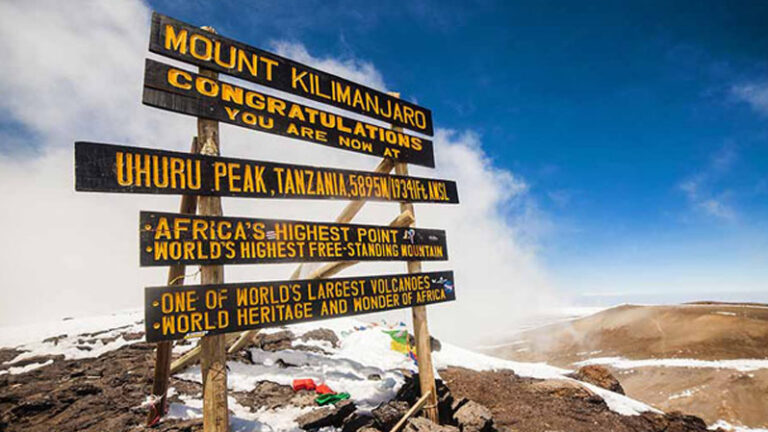
Kilimanjaro Independence Day Climbing Package | Top Guide Adventures 2026-2027
Celebrate Tanzania's Independence Day with an epic climb up Mount Kilimanjaro in 2026 or 2027. Top Guide Adventures offers specially curated packages designed for this significant period...
View package details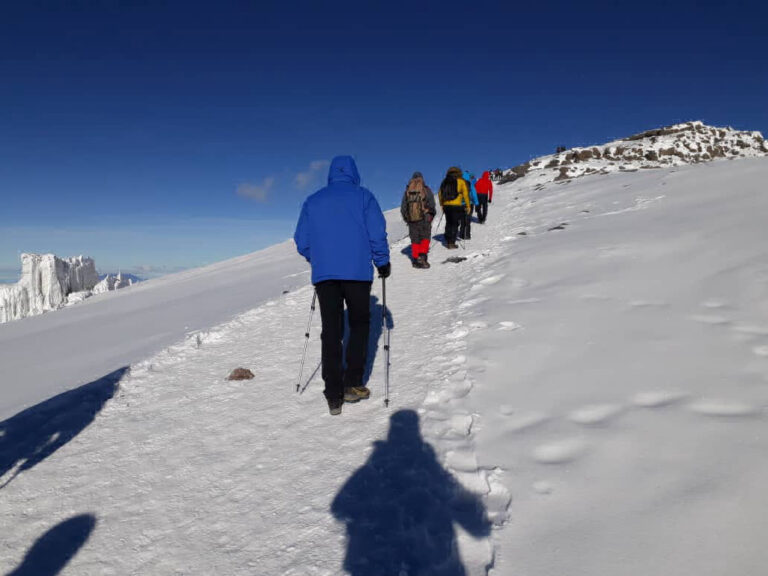
Kilimanjaro Friends’ Group Climbing Holiday: Your Ultimate Guide For 2026-2027
Organizing a Kilimanjaro climb for a group of friends is an unforgettable experience. This guide from Top Guide Adventures covers everything you need to know for a successful 2026-2027...
View package details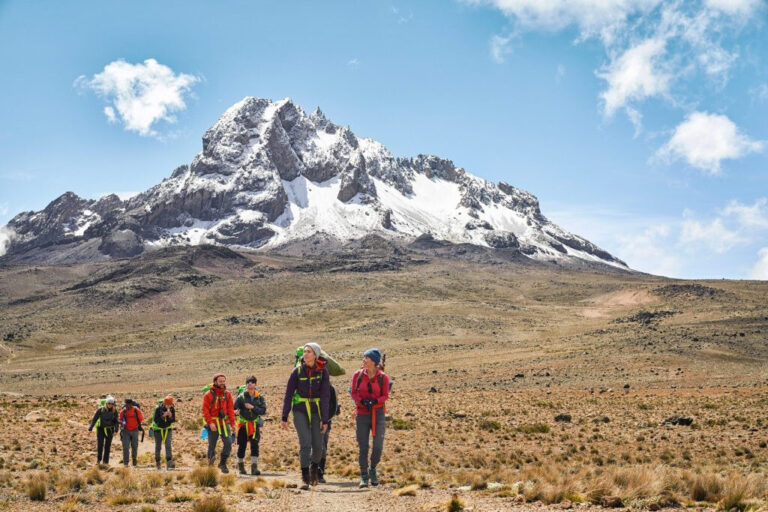
Kilimanjaro Mother-And-Daughter Climbing Tour 2026-2027
Kilimanjaro Mother-and-Daughter Climbing Tour is explained with current 2026-2027 planning, price, itinerary and booking information.
View package detailsKilimanjaro Father-And-Son Climbing Package: Forge Bonds On Africas Roof
Discover the ultimate Kilimanjaro father-and-son climbing package, offering a unique opportunity for bonding and achievement on Africa's highest peak. Top Guide Adventures provides tailored...
View package details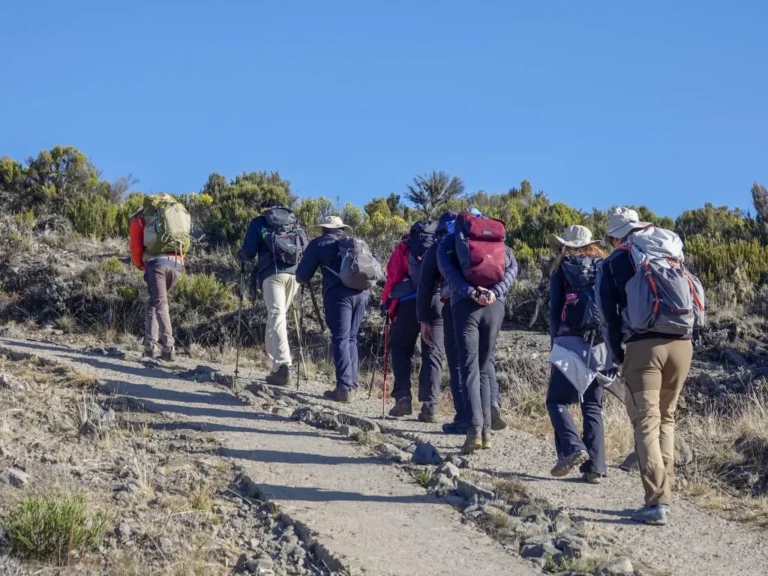
Kilimanjaro Bachelor Adventure Climbing Trip: Plan Your Ultimate Guys Getaway
A Kilimanjaro bachelor adventure climbing trip is an epic way for a groom and his friends to celebrate before the wedding. This guide covers everything from route selection and gear to...
View package detailsKilimanjaro Graduation Climbing Challenge: Your Ultimate Guide 2026-2027
Achieve a milestone with a Kilimanjaro Graduation Climbing Challenge. This comprehensive guide from Top Guide Adventures covers everything you need to know for a successful ascent in...
View package details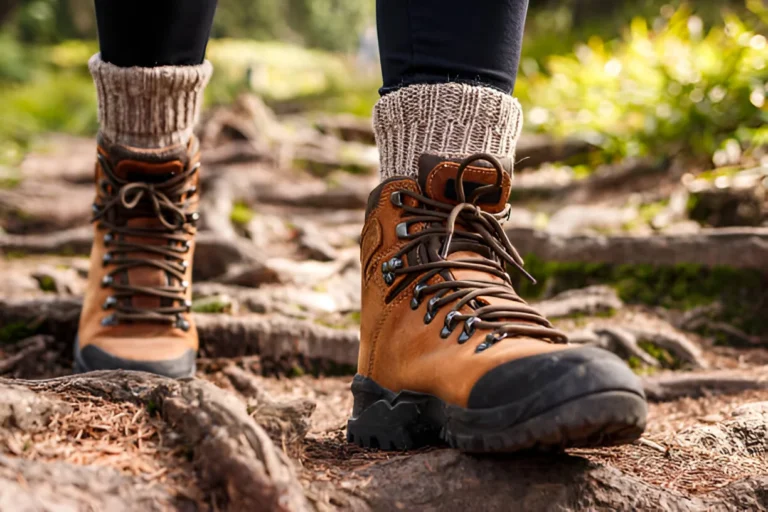
Kilimanjaro Birthday Summit Climbing Package 2026-2027
Kilimanjaro Birthday Summit Climbing Package is explained with current 2026-2027 planning, price, itinerary and booking information.
View package detailsNovember Vs December Kilimanjaro Climbing Conditions Guide
Choosing between November and December for your Kilimanjaro climb? This guide details the distinct conditions, weather patterns, crowd levels, and cost considerations for each month...
View package details
July Vs August Kilimanjaro Climbing: The Ultimate Comparison For 2026-2027
Choosing between July and August for your Kilimanjaro climb? This in-depth comparison details weather patterns, crowd levels, route popularity, and essential planning tips for 2026-2027 to...
View package details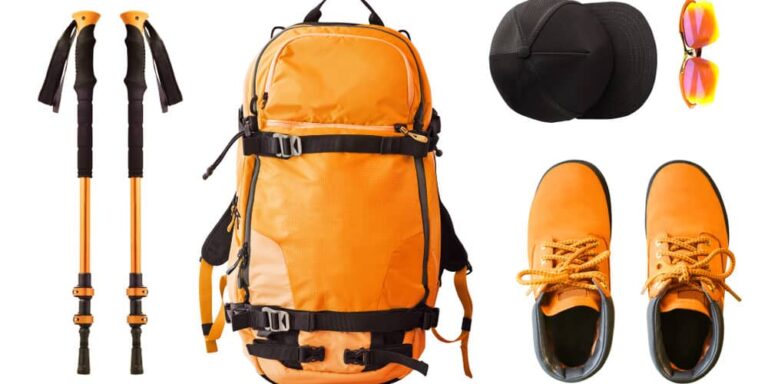
February Vs March Kilimanjaro Climbing Conditions 2026-2027
February vs March Kilimanjaro Climbing Conditions is explained with current 2026-2027 planning, price, itinerary and booking information.
View package details
Can Kilimanjaro Chefs Handle Special Diets? Top Guide Adventures Explains
Climbing Kilimanjaro is an incredible adventure, and ensuring you have the right nutrition is vital. This guide details how Kilimanjaro chefs expertly handle special dietary requirements...
View package detailsNo related package matches those filters. Clear one or more filters to see the other topic-matched options.



