
July and August are both excellent months for climbing Kilimanjaro, falling within the dry season, but they offer slightly different experiences. July typically features cooler temperatures and potentially fewer trekkers than August, while August can be slightly warmer and busier, with both months providing good visibility and favorable climbing conditions. The choice often depends on your preference for temperature, crowd tolerance, and specific route popularity.
Understanding Kilimanjaro’s Climbing Seasons
Mount Kilimanjaro, a majestic dormant volcano in Tanzania, is a dream destination for trekkers worldwide. Its accessibility year-round is a significant draw, but understanding the nuances of each month is crucial for planning a successful and enjoyable ascent. The mountain experiences distinct wet and dry seasons, which dramatically influence weather, trail conditions, and the overall trekking experience. For many, the decision boils down to a comparison between the two prime dry months: July and August. These months are part of Kilimanjaro’s longest dry season, offering the highest chances of clear skies and stable weather, making them incredibly popular choices for climbers aiming for the summit in 2026 and 2027.
The two main dry seasons are from January to March and from June to October. Within the June-October window, July and August stand out. They are characterized by lower humidity, minimal rainfall, and generally clearer views of the surrounding landscape and the summit itself. However, ‘dry’ on Kilimanjaro doesn’t mean perfectly clear skies all day. Brief showers can still occur, especially at lower altitudes, and the summit can be extremely cold and windy. The key difference between July and August often lies in the subtle shifts in temperature, wind patterns, and the number of trekkers on the mountain.
This detailed comparison will help you navigate the specifics of climbing Kilimanjaro in July versus August for your 2026 or 2027 adventure, covering everything from weather patterns and crowd levels to route recommendations and essential packing tips.
Kilimanjaro Weather in July vs. August: A Deep Dive
The weather on Kilimanjaro is a critical factor influencing the trekking experience. While both July and August are within the dry season, subtle differences can impact your climb. Understanding these variations allows for better preparation and expectation management.
July Weather on Kilimanjaro
July marks the heart of Kilimanjaro’s dry season. Expect cooler temperatures compared to August, especially at higher altitudes. Daytime temperatures on the lower slopes might hover around 20-25°C (68-77°F), but as you ascend, temperatures can plummet significantly. On summit night, temperatures can drop to between -10°C to -20°C (14°F to -4°F), often accompanied by strong winds, making it feel even colder. The average temperature at the summit (Uhuru Peak, 5,895m) is typically around -7°C (19°F) during the day and can reach -20°C (-4°F) or lower at night.
Rainfall is minimal in July, but not entirely absent. You might encounter occasional light showers, particularly on the lower, forested sections of the mountain. However, these are usually short-lived and do not significantly disrupt trekking. The skies are generally clear, offering excellent visibility for expansive views of the plains below and the majestic peak. The air is crisp and dry, which is ideal for acclimatization and hiking.
August Weather on Kilimanjaro
August continues the dry season trend, often experiencing slightly warmer temperatures than July, although the difference is marginal. The summit can still be extremely cold, with temperatures on summit night ranging from -7°C to -17°C (19°F to 1°F). Daytime temperatures at lower elevations might be a degree or two warmer than in July. The primary weather characteristic remains dry conditions with clear skies, providing excellent photographic opportunities and clear paths. Like July, August can still see brief, unexpected rain showers, especially at lower elevations, but major precipitation is rare.
The main difference to note is that August might feel slightly less harsh in terms of biting cold compared to July, especially in the transitional zones. However, both months require robust cold-weather gear for the summit push. The air remains dry, which is beneficial for both trekking and acclimatization.
Comparing July and August Weather
Temperature: July is generally cooler than August, especially at higher altitudes. While both months present freezing conditions at the summit, July’s cooler baseline might require slightly more robust thermal layers.
Rainfall: Both months are dry season months with very little rainfall. Any precipitation is usually light and brief. There’s no significant difference in rainfall between July and August.
Visibility: Both July and August offer excellent visibility, with clear skies providing stunning panoramic views. This is a major advantage over the rainy seasons.
Wind: Wind can be a significant factor on Kilimanjaro in both months, particularly at higher altitudes and on summit night. While there isn’t a definitive pattern showing one month being significantly windier, climbers should always be prepared for strong winds in both July and August.
Conclusion on Weather: For trekkers who prefer slightly cooler, crisper air and don’t mind potentially colder summit nights, July is a great choice. For those who might find July’s temperatures a bit too extreme and prefer a slightly milder experience (though still very cold at the top), August is equally suitable. Both months offer the best chance for clear skies and successful ascents in 2026-2027.
Crowd Levels: July vs. August on Kilimanjaro
Crowd levels are a significant consideration for many trekkers. Popular routes can become quite busy, and the presence of other groups can affect the trekking experience, from campsite availability to the overall atmosphere on the trails.
July Crowds
July is a popular month for Kilimanjaro climbs, coinciding with summer holidays in Europe and North America. This means you can expect a moderate to high number of trekkers on the mountain. Popular routes like the Machame and Lemosho routes will likely see a good number of other groups. While it’s not as crowded as the peak shoulder months (like September), you will encounter other trekkers, especially on the shared trails towards the summit. Campsites can be busy, and the trails will have foot traffic.
August Crowds
August is often considered one of the busiest months for Kilimanjaro climbs, continuing the trend from July. The summer holiday period is still in full swing, and the excellent weather conditions make it an attractive option. Consequently, August can feel busier than July. Popular routes will be well-populated, and campsites will be shared with numerous other groups. If you are seeking a more solitary experience, August might present more challenges, although it is still possible to find quieter moments on less-trafficked routes or by choosing slightly different start dates.
Comparing July and August Crowds
Crowd Density: August generally experiences slightly higher crowd levels than July. Both months are busy due to favorable weather and holiday seasons, but August often sees peak numbers.
Impact on Experience: Higher crowds can mean busier campsites, more competition for the best spots, and a less intimate trekking experience. This is more likely to be the case in August.
Route Popularity: The most popular routes (Machame, Lemosho) will be busy in both months. Less popular routes like the Northern Circuit or Marangu might feel relatively less crowded, but still busier than during the shoulder or low seasons.
Conclusion on Crowds: If minimizing crowds is a high priority for your 2026 or 2027 Kilimanjaro climb, July might offer a slightly less congested experience than August. However, both months are popular, and you should be prepared for encounters with other trekkers. Choosing a less popular route or a longer itinerary can help mitigate the impact of crowds regardless of the month.
Route Selection: July vs. August Suitability
The choice of route is paramount for a successful Kilimanjaro climb, influencing acclimatization, scenery, and difficulty. Both July and August are suitable for all Kilimanjaro routes, but considering crowd levels and specific trail conditions can refine your choice.
Popular Routes in July and August
The Machame Route and the Lemosho Route are the most popular choices for climbers in July and August due to their scenic beauty and good acclimatization profiles. These routes converge on the Barranco Wall, offering dramatic landscapes.
- Machame Route: Known for its ‘Whiskey Route’ nickname, it’s popular for its scenic ups and downs, offering good acclimatization. It’s busy in July and August. (Typically 6-7 days)
- Lemosho Route: Considered one of the most scenic routes, it offers excellent acclimatization and a high success rate. It’s also quite popular and busy in these months. (Typically 7-8 days)
The Marangu Route, or ‘Coca-Cola Route’, is the oldest and only route with hut accommodation. It’s often chosen for its perceived ease and shorter duration, but its direct ascent profile leads to lower acclimatization and success rates. It will also be busy in July and August.
For those seeking a more remote experience, the Northern Circuit and the Ngozi Route (often combined with other routes) are excellent options. These routes are longer, offer superior acclimatization, and tend to be less crowded even in peak season.
- Northern Circuit: The longest route, circumnavigating the mountain, offering the best acclimatization and success rates. It is less crowded and highly recommended for those with time. (Typically 9-10 days)
- Ngozi Route (Umbwe/Shira): While Umbwe is very steep and challenging, Shira is scenic. Both are less popular than Machame/Lemosho and can offer a quieter experience. (Umbwe 6-7 days, Shira 7-8 days)
Route Considerations for July vs. August
Crowd Management: If you choose July or August and want to avoid the densest crowds, consider the Northern Circuit (9-10 days) or a longer itinerary on the Lemosho or Machame routes (e.g., 8 days instead of 7). These longer durations improve acclimatization and spread out the number of trekkers.
Trail Conditions: In both July and August, trails are generally dry and in good condition. However, due to higher foot traffic in August, popular sections might show more wear. The Barranco Wall, a highlight on Machame and Lemosho, will be busy but manageable. The higher altitudes on all routes will be cold and potentially windy.
Success Rates: Success rates are generally high in both July and August due to the dry weather. However, longer routes with better acclimatization (like the Northern Circuit or an 8-day Lemosho/Machame) will naturally yield higher success rates than shorter ones, irrespective of the month. For 2026-2027 climbs, prioritizing a route that allows for proper acclimatization is key.
Conclusion on Routes: All routes are viable in July and August. For a less crowded experience in these popular months, opt for the Northern Circuit or a longer version of the Machame or Lemosho routes. The Machame and Lemosho routes remain excellent choices for scenery and acclimatization, but expect company.
Packing Essentials: July vs. August Kilimanjaro Gear
Packing correctly is vital for comfort and safety on Kilimanjaro. The temperatures and conditions in July and August are similar enough that your core gear list will remain the same, but you might need to pay extra attention to certain items.
Core Kilimanjaro Gear List
This list applies to both July and August climbs:
- Layering System: Essential for managing temperature fluctuations.
- Base Layers (moisture-wicking): Thermal tops and bottoms.
- Mid Layers (insulating): Fleece jacket or down vest.
- Outer Layer (waterproof & windproof): Hardshell jacket and pants.
- Summit Gear:
- Heavyweight down jacket.
- Warm hat (beanie) and balaclava/neck gaiter.
- Waterproof and insulated gloves/mittens (liner gloves are also useful).
- Footwear:
- Broken-in hiking boots (waterproof).
- Camp shoes or trainers for evenings.
- Warm hiking socks (wool or synthetic).
- Trekking Poles: Highly recommended for stability and reducing joint strain.
- Headlamp: With extra batteries for summit night and early mornings.
- Sun Protection: High SPF sunscreen, sunglasses, and a wide-brimmed hat.
- Hydration: Water bottles or hydration reservoir (at least 2-3 liters capacity). Insulated sleeves are crucial to prevent freezing.
- Backpack: Daypack (30-40L) for essentials, and a larger duffel bag (80-100L) for porters.
- Sleeping Bag: A 4-season (-20°C to -30°C comfort rating) is recommended for both months.
- Personal Items: Toiletries, personal first-aid kit, camera, power bank.
Specific Considerations for July vs. August
Temperature Management: Given that July is generally cooler, ensure your layering system is robust. You might want to prioritize a slightly warmer down jacket or ensure your mid-layers are thicker. August’s slightly warmer trend means your layering system will still be critical, but perhaps you’ll rely a bit more on the mid-layers during the day.
Wind Protection: While wind is a factor in both months, it can feel more biting in July’s cooler temperatures. Ensure your outer shell is truly windproof and consider bringing a balaclava that offers excellent face protection. August can also be windy, so this remains a priority.
Hydration System: In both July and August, water can freeze in your bottles or hydration reservoirs, especially on summit night. Using insulated sleeves is non-negotiable. Some climbers prefer carrying water bottles inside their down jacket to keep them from freezing.
Sun Protection: Even in cooler months, the sun at high altitudes is intense, and UV radiation is high. Ensure you have adequate sunscreen, lip balm with SPF, and good quality sunglasses for both July and August.
Conclusion on Packing: The essential gear is the same for July and August. However, climbers heading to Kilimanjaro in July should err on the side of caution with their coldest weather gear, perhaps opting for slightly warmer insulation. August climbers will also need full winter gear for the summit, but might find daytime trekking slightly more comfortable.
Acclimatization and Success Rates: July vs. August
Acclimatization is the process by which your body adapts to the lower oxygen levels at high altitudes. It is the single most important factor determining your success on Kilimanjaro. Both July and August offer favorable weather for acclimatization, but other factors play a role.
Acclimatization Principles
Regardless of the month, the key principles of acclimatization remain the same:
- Go Slow: “Pole pole” (slowly, slowly) is the mantra on Kilimanjaro.
- Hydrate: Drink plenty of fluids (water, herbal tea).
- Eat Well: Maintain energy intake, even if appetite decreases.
- Avoid Alcohol and Smoking: These hinder acclimatization.
- Ascend Gradually: Choose longer routes (7+ days) that follow the “climb high, sleep low” principle.
July and August Acclimatization
The dry weather in July and August is conducive to good acclimatization. Clear trails mean easier walking, and stable weather allows for more consistent progress. There are no inherent disadvantages to acclimatizing in July or August compared to other dry months.
Route Choice is Key: As mentioned, longer routes like the Northern Circuit (9-10 days) or an 8-day Lemosho or Machame offer the best acclimatization profiles. These routes allow for a slower ascent and incorporate the “climb high, sleep low” strategy more effectively, significantly boosting success rates for 2026-2027 climbs.
Success Rates Comparison
Success rates on Kilimanjaro vary widely based on route length, operator quality, and individual climber preparation. However, for the same operator and route, the difference in success rates between July and August is generally negligible.
- Route Length: An 8-day climb has a significantly higher success rate than a 6-day climb.
- Operator Quality: Reputable operators prioritize safety and acclimatization, leading to higher success rates.
- Individual Factors: Fitness, age, and pre-existing health conditions play a role.
July vs. August Success: Since the weather conditions are very similar and favorable in both months, the success rates will largely depend on the factors mentioned above. If you choose a reputable operator like Top Guide Adventures and opt for a longer route (7 days or more), your chances of reaching the summit in either July or August 2026 or 2027 are very high.
Conclusion on Acclimatization: Both July and August provide excellent conditions for acclimatization due to the dry weather. The most critical factor for success remains choosing a longer route and adhering to acclimatization principles. There is no significant difference in acclimatization potential or success rates between July and August, provided the same route and operator are used.
Cost Comparison: July vs. August Kilimanjaro Treks
The cost of climbing Kilimanjaro can vary significantly based on the operator, route, duration, and inclusions. When comparing July and August, the price difference is usually minimal, as both fall within the peak dry season.
Factors Influencing Kilimanjaro Trek Costs
The primary drivers of cost include:
- Operator Tier: Budget, mid-range, and luxury operators have different pricing structures.
- Route and Duration: Longer routes cost more due to more days of service (food, guides, porters).
- Inclusions: What is included (gear rental, park fees, meals, transfers, tips)?
- Group Size: Private climbs are more expensive per person than group climbs.
- Time of Year: Peak season treks can sometimes incur slightly higher costs, but July and August are both considered peak.
July vs. August Pricing
In general, there is no significant price difference between climbing Kilimanjaro in July and August. Both months are within the popular dry season, and tour operators typically price them similarly. Prices might fluctuate slightly based on specific operator policies or demand for particular dates within these months, but you won’t find a substantial discount for choosing one over the other.
For example, a typical 7-day Machame Route climb with a reputable operator like Top Guide Adventures might range from $2,000 to $3,500 USD per person, depending on the inclusions and service level. This price range is generally consistent for both July and August departures in 2026 and 2027.
Budgeting for Your Climb
When budgeting, remember to factor in:
- Tour Operator Cost: The main package price.
- Tips for Crew: A significant portion of the overall cost (budget around $250-350 per climber).
- International Flights: To Kilimanjaro International Airport (JRO).
- Visas: If required for your nationality.
- Travel Insurance: Including high-altitude trekking and medical evacuation.
- Personal Gear: Purchases or rentals not included in the package.
- Pre/Post-Climb Accommodation: In Moshi or Arusha.
- Vaccinations and Medications.
Conclusion on Costs: You will likely find very similar pricing for Kilimanjaro climbs in July and August. Focus on choosing a reputable operator that offers good value and includes essential services, rather than trying to find a price difference between these two months. For 2026-2027 planning, secure your spot early, as popular dates can fill up.
Other Factors to Consider: July vs. August
Beyond weather, crowds, routes, and costs, several other elements can influence your decision between July and August.
Wildlife Viewing (Pre/Post Climb)
If your Kilimanjaro climb is part of a larger Tanzanian safari, the month can impact wildlife viewing. July and August are excellent months for safaris, particularly in the Serengeti National Park. This period coincides with the Great Migration river crossings (though the exact timing varies yearly, often peaking in late July/August) and generally good game viewing across the northern circuit parks due to dry conditions concentrating wildlife around water sources.
July vs. August Wildlife: Both months are prime time for safaris. If witnessing the river crossings is a priority, late July and August are often the best bets. However, good game viewing is consistent throughout this dry season.
Availability and Booking
Due to their popularity, especially August, booking your Kilimanjaro climb well in advance is highly recommended for both July and August departures in 2026 and 2027. Aim to book at least 6-12 months ahead, particularly if you have specific date requirements or wish to join a group departure.
July vs. August Availability: August tends to book up faster due to being slightly busier. If you are flexible with dates, you might find slightly more availability in early or late July compared to mid-August.
Cultural Experiences
Tanzania offers rich cultural experiences, from visiting local villages to engaging with the Chagga people around Kilimanjaro. The weather in July and August is pleasant for these activities, allowing for comfortable exploration of local markets, coffee plantations, and communities.
July vs. August Culture: There is no significant difference in cultural accessibility or experience between July and August. Local life continues regardless of the month.
Making Your Final Decision: July or August for Kilimanjaro?
Both July and August are fantastic months to climb Mount Kilimanjaro, offering the best balance of dry weather, clear skies, and manageable temperatures for the challenging ascent.
Who Should Choose July?
- Trekkers who prefer slightly cooler temperatures, especially during the day.
- Those who want to experience the dry season with potentially slightly fewer crowds than August.
- Climbers who are sensitive to extreme cold and want a marginally less harsh baseline temperature at altitude (though summit nights are still frigid).
Who Should Choose August?
- Trekkers who are less concerned about crowds and want to climb during one of the absolute peak months.
- Those who might find July’s temperatures a bit too cool and prefer a slightly warmer (though still cold) environment.
- Climbers whose safari plans are specifically timed for the Great Migration river crossings, which often peak in late July and August.
Ultimately, the choice between July and August for your 2026 or 2027 Kilimanjaro adventure comes down to personal preference regarding temperature and crowd tolerance. Both months promise excellent climbing conditions and a high chance of summit success when planned with a reputable operator and a suitable route.
Planning Your Kilimanjaro Climb with Top Guide Adventures
At Top Guide Adventures, we are dedicated to providing unforgettable Kilimanjaro climbing experiences. We understand the importance of choosing the right month, route, and operator for your journey. Whether you are planning for July 2026, August 2027, or any other time, our expert team is here to assist you.
We offer a range of itineraries, focusing on safety, acclimatization, and providing a supportive environment for every climber. Our guides are experienced professionals, and our porters and cooks are well-trained and equipped. We pride ourselves on ethical treatment of our crew and sustainable tourism practices.
Why Choose Top Guide Adventures?
- Expert Local Knowledge: We are one of Tanzania’s trusted tour companies with deep expertise in Kilimanjaro climbs.
- Safety First: Comprehensive safety protocols and experienced guides.
- Quality Service: Personal attention, care, and dedicated support for every client.
- Ethical Operations: Fair wages and treatment for our mountain crew.
- Tailor-Made Journeys: We can customize your climb and safari to fit your needs.
Ready to plan your July or August Kilimanjaro climb for 2026 or 2027? Contact us today to discuss your options, get a personalized quote, and start preparing for the adventure of a lifetime. You can reach us via WhatsApp at +255616946642 or email us at topguideadventures@gmail.com. For alternative inquiries, use info@topguideadventures.com. Visit our website Top Guide Adventures for more information on our services and itineraries.
Check Availability for July Vs August Kilimanjaro Climbing: The Ultimate Comparison For 2026-2027
Ready to compare dates, prices, and the best option for your group? Send the package name and travel month so the team can reply with a clear quote, availability, and what is included.
September Vs October Kilimanjaro Weather Comparison 2026-2027
September vs October Kilimanjaro Weather Comparison is explained with current 2026-2027 planning, price, itinerary and booking information.
View package details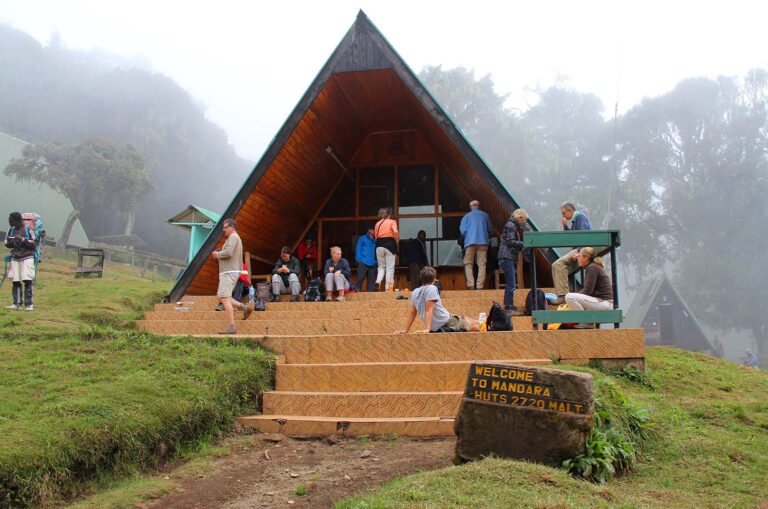
August Vs September: Best Kilimanjaro Summit Month In 2026-2027
Choosing between August and September for your Kilimanjaro climb involves weighing distinct advantages. While both months fall within the dry season, subtle differences in weather patterns...
View package details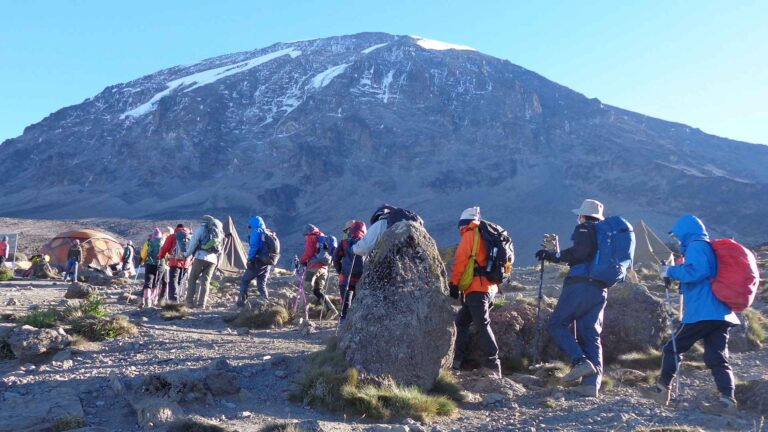
June Vs July Kilimanjaro Weather And Crowds 2026-2027
June vs July Kilimanjaro Weather and Crowds is explained with current 2026-2027 planning, price, itinerary and booking information.
View package details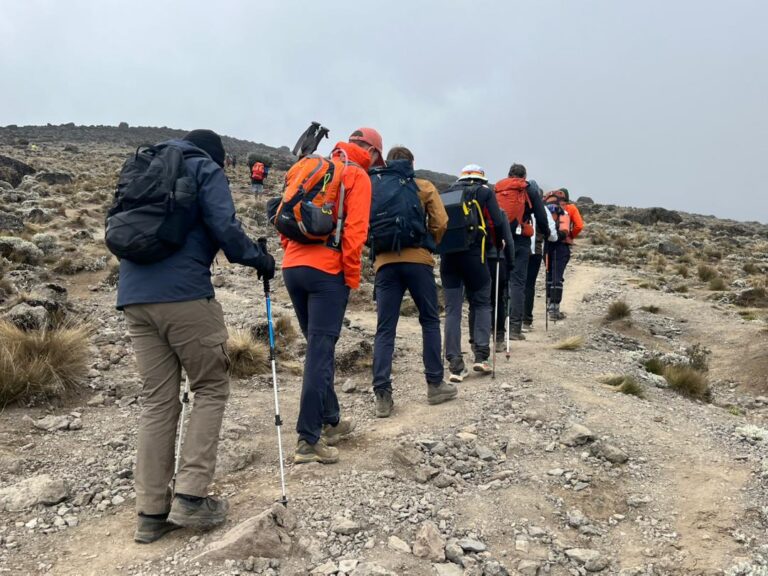
July Kilimanjaro Last-Minute Availability Guide
Planning a last-minute Kilimanjaro climb in July 2026 or 2027? This guide covers current availability, best routes, essential packing, and how to secure your spot with Top Guide Adventures.
View package details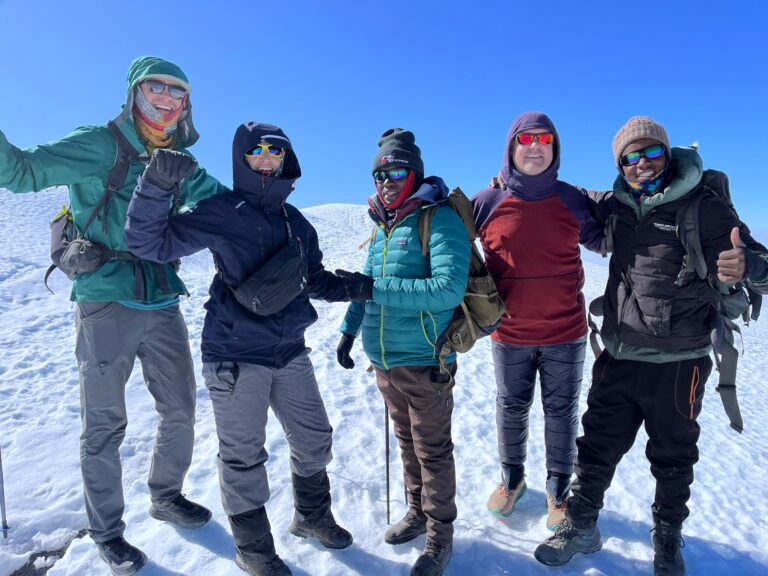
October Kilimanjaro Family Climbing Holiday: Your Ultimate Guide 2026-2027
Planning an October Kilimanjaro family climbing holiday? This comprehensive guide covers everything from route selection and packing essentials to acclimatization and safety for your...
View package details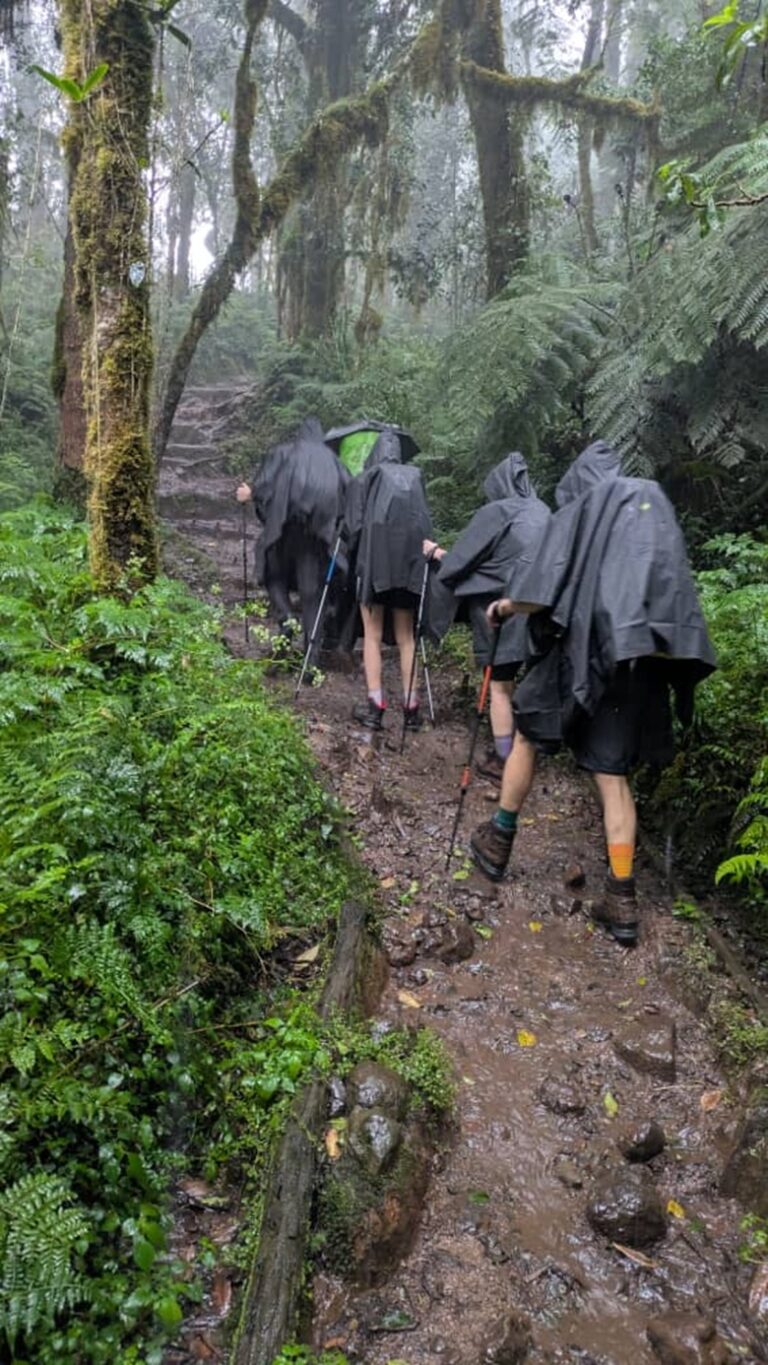
October Kilimanjaro Private Climbing Tour: Your Ultimate Guide For 2026-2027
Your comprehensive guide to embarking on a private Kilimanjaro climb in October 2026 or 2027. Discover optimal routes, essential preparations, and why a private tour offers unparalleled...
View package details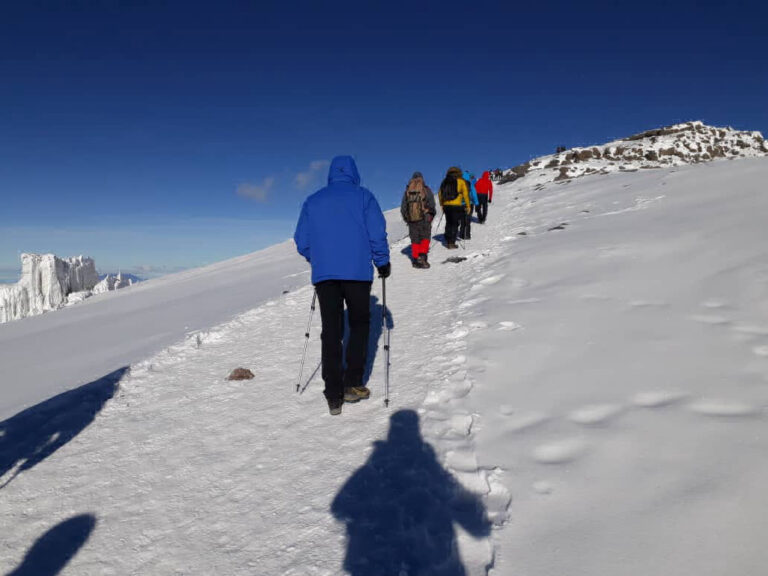
Kilimanjaro Friends’ Group Climbing Holiday: Your Ultimate Guide For 2026-2027
Organizing a Kilimanjaro climb for a group of friends is an unforgettable experience. This guide from Top Guide Adventures covers everything you need to know for a successful 2026-2027...
View package details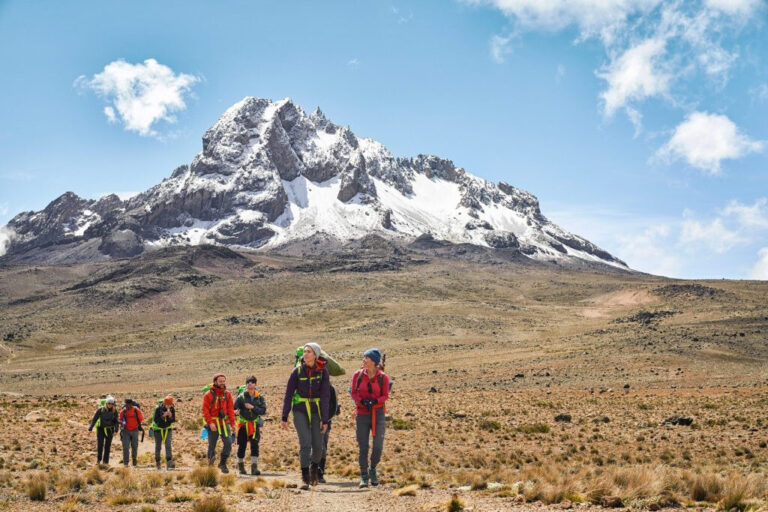
Kilimanjaro Mother-And-Daughter Climbing Tour 2026-2027
Kilimanjaro Mother-and-Daughter Climbing Tour is explained with current 2026-2027 planning, price, itinerary and booking information.
View package details
Kilimanjaro Father-And-Son Climbing Package: Forge Bonds On Africas Roof
Discover the ultimate Kilimanjaro father-and-son climbing package, offering a unique opportunity for bonding and achievement on Africa's highest peak. Top Guide Adventures provides tailored...
View package details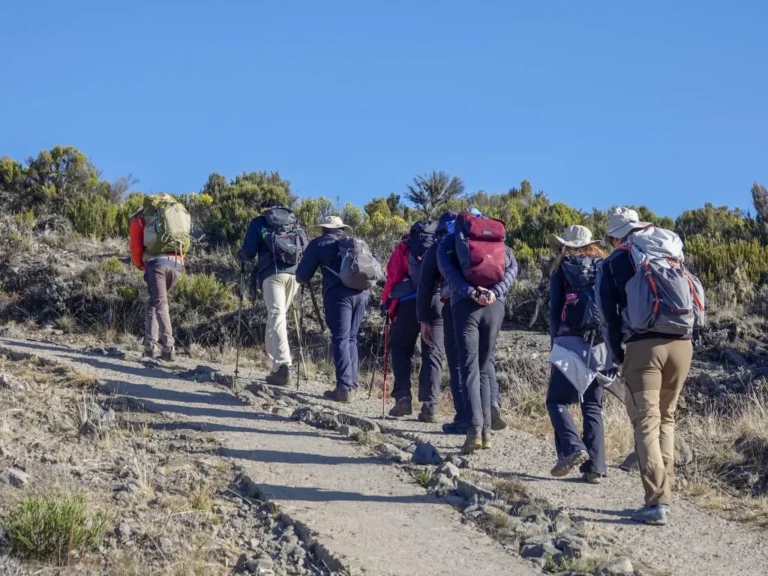
Kilimanjaro Bachelor Adventure Climbing Trip: Plan Your Ultimate Guys Getaway
A Kilimanjaro bachelor adventure climbing trip is an epic way for a groom and his friends to celebrate before the wedding. This guide covers everything from route selection and gear to...
View package details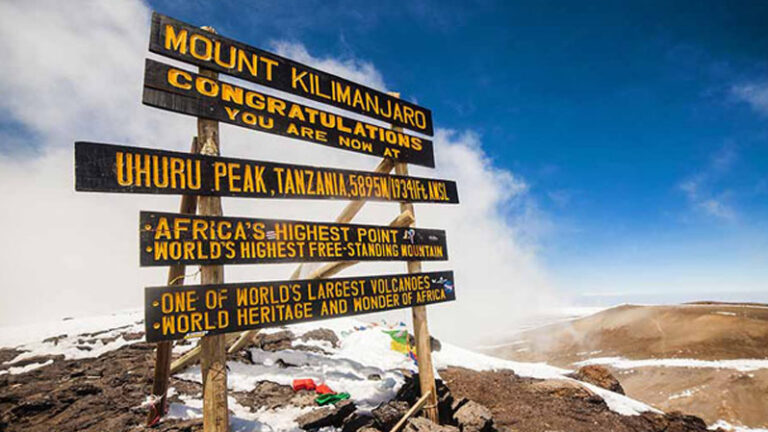
Kilimanjaro Graduation Climbing Challenge: Your Ultimate Guide 2026-2027
Achieve a milestone with a Kilimanjaro Graduation Climbing Challenge. This comprehensive guide from Top Guide Adventures covers everything you need to know for a successful ascent in...
View package details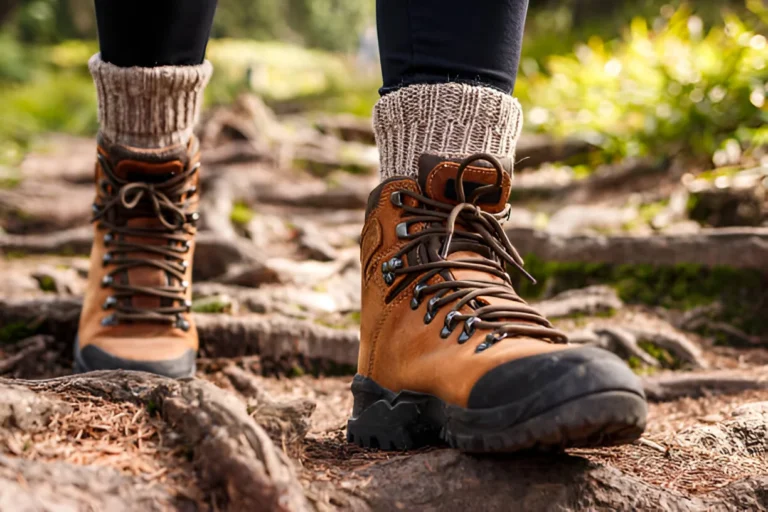
Kilimanjaro Birthday Summit Climbing Package 2026-2027
Kilimanjaro Birthday Summit Climbing Package is explained with current 2026-2027 planning, price, itinerary and booking information.
View package detailsNo related package matches those filters. Clear one or more filters to see the other topic-matched options.



