
An extended Kilimanjaro itinerary, typically lasting 7 to 9 days or more, significantly enhances your chances of reaching Uhuru Peak by providing superior acclimatization, allowing for a slower ascent, more scenic exploration, and a reduced risk of altitude sickness compared to shorter treks. This approach is ideal for trekkers seeking a more comfortable and successful summit bid in 2026 and 2027.
Why Choose an Extended Kilimanjaro Itinerary for Your Summit Trek?
The allure of standing on the roof of Africa, Uhuru Peak on Mount Kilimanjaro, draws thousands of adventurers each year. While many focus on the summit itself, the journey to get there is equally important, and for many, a longer, more deliberate ascent makes all the difference. Opting for a Kilimanjaro extended-itinerary summit trek is not just about adding extra days; it’s a strategic decision that prioritizes your health, enjoyment, and ultimate success. Top Guide Adventures strongly recommends these longer treks for a truly memorable and achievable climb, especially as you plan for 2026 and 2027 expeditions.
The Crucial Role of Acclimatization
Altitude sickness is the primary adversary for Kilimanjaro climbers. The mountain’s elevation reaches a staggering 5,895 meters (19,341 feet), and rapid ascent can lead to Acute Mountain Sickness (AMS), High Altitude Pulmonary Edema (HAPE), or High Altitude Cerebral Edema (HACE). These conditions can range from mild headaches and nausea to life-threatening emergencies, often forcing premature descents.
Extended itineraries are specifically designed to combat this. By spending more days on the mountain, your body has more time to adjust to the decreasing oxygen levels. This gradual adaptation process, known as acclimatization, is the single most critical factor in summit success. Longer routes allow for a slower daily ascent and, crucially, for “pole pole” (slowly, slowly) movement, which is essential for proper acclimatization. Trekkers on 7-day treks have a summit success rate of around 75%, while those on 8-day or 9-day treks see this rate climb to over 90%.
For your 2026 or 2027 climb, investing in an extended itinerary means investing in your well-being and your likelihood of achieving your summit goal. It transforms the trek from a race against altitude to a more manageable and enjoyable adventure.
Beyond Summit Success: Enhanced Experience and Scenery
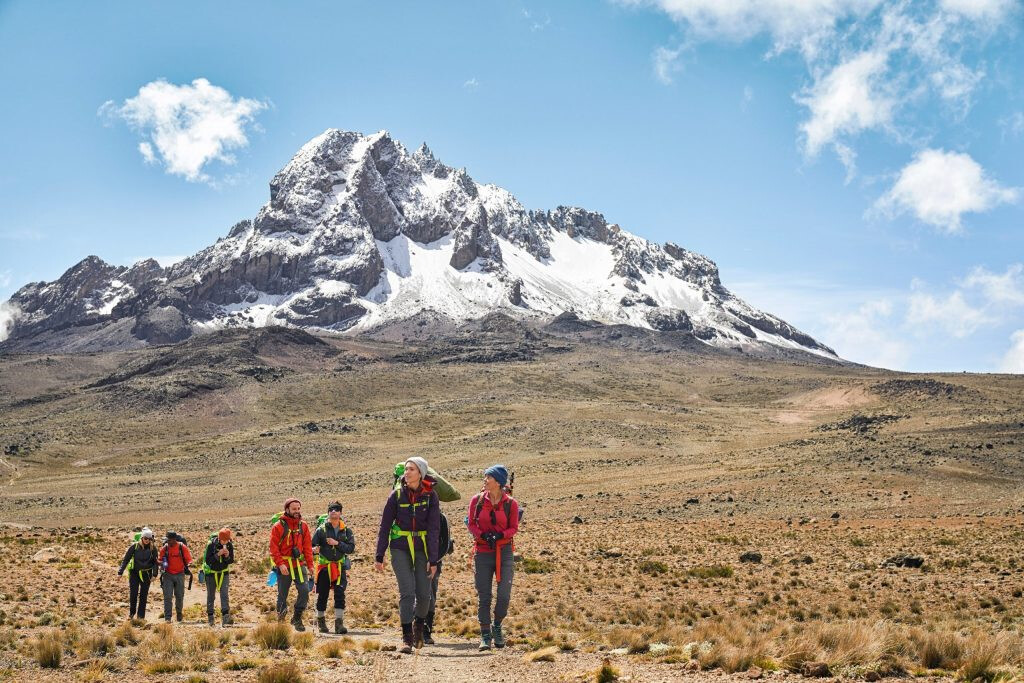
While summit success is paramount, an extended itinerary offers much more. These longer routes traverse diverse ecosystems, from lush rainforests and moorlands to alpine deserts and arctic zones. More days on the mountain allow you to truly appreciate the changing landscapes, observe unique flora and fauna, and soak in the vast, panoramic views that unfold with each higher campsite.
Imagine spending an extra day exploring the Shira Plateau’s ancient lava flows or enjoying a sunrise over the clouds from a higher camp. Extended treks often include more scenic points of interest and allow for a more relaxed pace, giving you time to take photographs, rest, and connect with the mountain’s profound natural beauty. This deeper engagement with Kilimanjaro contributes to a more profound and satisfying travel experience, far beyond simply reaching the peak.
Reduced Physical Strain and Increased Enjoyment
Climbing Kilimanjaro is physically demanding. Shorter itineraries often mean longer trekking days, steeper ascents, and less rest. This can lead to increased fatigue, muscle strain, and a generally less enjoyable experience. An extended itinerary spreads the climb over more days, meaning shorter daily distances and less strenuous ascents. This allows your body to recover better between stages, reduces the risk of overuse injuries, and makes the overall trek more manageable and pleasurable. You’ll find yourself with more energy to appreciate the journey, interact with your guides and porters, and savor the unique atmosphere of high-altitude trekking.
Top Kilimanjaro Extended-Itinerary Routes for 2026-2027
While several routes can be extended, some are inherently better suited for longer itineraries due to their terrain, campsite locations, and acclimatization profiles. Top Guide Adventures specializes in tailoring these routes to offer the most optimal extended experiences for your 2026-2027 climbs.
The Lemosho Route: A Premier Choice for Extended Treks
The Lemosho route is consistently ranked as one of the most scenic and successful routes on Kilimanjaro. Its popularity stems from its gradual ascent profile and stunning biodiversity, making it an excellent candidate for an extended itinerary, typically offered over 7, 8, or even 9 days. A standard 7-day Lemosho trek is already quite good for acclimatization, but extending it to 8 or 9 days significantly boosts success rates and overall enjoyment.
Lemosho Route Extended Itinerary (8-9 Days):
- Day 1: Londorossi Gate to Mti Mkubwa Camp (approx. 2,800m / 9,186ft). The trek begins after a drive from Arusha to Londorossi Gate. After park formalities, you’ll hike for 2-3 hours through the rainforest to Mti Mkubwa Camp.
- Day 2: Mti Mkubwa Camp to Shira 1 Camp (approx. 3,500m / 11,483ft). A longer day of trekking through the rainforest and then onto the moorland zone, reaching the expansive Shira Plateau.
- Day 3: Shira 1 Camp to Shira 2 Camp (approx. 3,850m / 12,631ft). A shorter, acclimatization-focused day, moving across the Shira Plateau towards the next camp.
- Day 4: Shira 2 Camp to Barranco Camp (approx. 3,950m / 12,960ft). This day involves crossing the Lava Tower (4,600m / 15,092ft) for acclimatization before descending to Barranco Camp. This “climb high, sleep low” principle is key.
- Day 5: Barranco Camp to Karanga Camp (approx. 4,000m / 13,123ft). A challenging but rewarding day involving the famous Barranco Wall climb, followed by a shorter trek to Karanga Camp.
- Day 6: Karanga Camp to Barafu Camp (approx. 4,650m / 15,256ft). Ascending through the alpine desert, the landscape becomes starker. You’ll reach Barafu Camp, the base for the summit push.
- Day 7: Summit Day! Barafu Camp to Uhuru Peak (5,895m / 19,341ft) and descend to Mweka Camp (approx. 3,100m / 10,171ft). The most demanding day. You’ll start around midnight, ascend to Stella Point, and then to Uhuru Peak. After celebrating, you’ll descend past Barafu Camp to Mweka Camp for a well-deserved rest.
- Day 8: Mweka Camp to Mweka Gate (approx. 1,650m / 5,413ft). A final hike through the rainforest to Mweka Gate, where you’ll be met and transferred back to your hotel.
- Day 9 (Optional): Extra Acclimatization Day. This could be added between Shira 2 and Barranco, or between Barranco and Karanga, allowing for more rest and exploration at higher altitudes, significantly improving acclimatization and reducing fatigue.
The Lemosho route’s scenic beauty, coupled with the benefits of an 8 or 9-day schedule, makes it a top recommendation for your 2026-2027 Kilimanjaro adventure.
The Machame Route: Popular for Extended Climbs
The Machame route, often called the “Whiskey Route,” is another popular choice for trekkers. It’s known for its challenging terrain and good acclimatization profile, especially when extended to 7 or 8 days. While often completed in 6 days, adding an extra day or two significantly improves the odds of summit success and provides a more relaxed pace.
Machame Route Extended Itinerary (7-8 Days):
- Day 1: Machame Gate to Machame Camp (approx. 3,000m / 9,843ft). After arriving at Machame Gate, you’ll hike through dense rainforest to Machame Camp.
- Day 2: Machame Camp to Shira 2 Camp (approx. 3,850m / 12,631ft). Ascending out of the forest into the moorland, you’ll reach Shira 2 Camp, often via the Shira Plateau.
- Day 3: Shira 2 Camp to Barranco Camp (approx. 3,950m / 12,960ft). This day involves traversing the Lava Tower (4,600m) before descending to Barranco Camp, a key acclimatization step.
- Day 4: Barranco Camp to Karanga Camp (approx. 4,000m / 13,123ft). Conquer the Barranco Wall, a highlight for many, before a short trek to Karanga Camp.
- Day 5: Karanga Camp to Barafu Camp (approx. 4,650m / 15,256ft). Trekking through an alpine desert environment to reach Barafu Camp, the staging ground for the summit.
- Day 6: Summit Day! Barafu Camp to Uhuru Peak (5,895m / 19,341ft) and descend to Mweka Camp (approx. 3,100m / 10,171ft). The challenging night ascent to the summit, followed by descent to Mweka Camp.
- Day 7: Mweka Camp to Mweka Gate (approx. 1,650m / 5,413ft). The final descent through the rainforest to the park gate.
- Day 8 (Optional): Extra Acclimatization Day. An additional day can be incorporated, perhaps by spending two nights at Shira 2 Camp or Karanga Camp, or by adding a day to explore the summit crater rim more thoroughly before descending, greatly aiding acclimatization.
Extending the Machame route provides a more comfortable and significantly more successful path to the summit for your 2026-2027 adventures.
The Northern Circuit: The Longest and Most Scenic Option
For the ultimate Kilimanjaro extended-itinerary summit trek, the Northern Circuit is unparalleled. This route is the longest, typically taking 9 to 10 days, and circles the mountain’s northern slopes, offering unique vistas and superior acclimatization due to its gradual ascent and longer duration. It’s considered the route with the highest success rate.
Northern Circuit Route (9-10 Days):
- Day 1: Londorossi Gate to Mti Mkubwa Camp (approx. 2,800m / 9,186ft). Similar start to Lemosho, hiking through the rainforest.
- Day 2: Mti Mkubwa Camp to Shira 1 Camp (approx. 3,500m / 11,483ft). Ascending onto the Shira Plateau.
- Day 3: Shira 1 Camp to Moir Hut (approx. 4,200m / 13,780ft). Trekking across the Shira Plateau towards Moir Hut, often with an optional side trek up to Lent Hill for acclimatization.
- Day 4: Moir Hut to Buffalo Camp (approx. 4,100m / 13,451ft). This is where the Northern Circuit truly begins its circle. You’ll trek along the northern slopes, enjoying unique views.
- Day 5: Buffalo Camp to Third Cave Camp (approx. 3,800m / 12,467ft). Continuing the circuit, descending slightly to Third Cave Camp. This section offers a different perspective of Kilimanjaro.
- Day 6: Third Cave Camp to School Hut (approx. 4,750m / 15,584ft). Ascending towards the base of the Kibo massif, reaching School Hut, the staging camp for this side of the mountain.
- Day 7: School Hut to John’s Peak (approx. 5,250m / 17,224ft) and back to School Hut. An acclimatization hike towards the crater rim, offering spectacular views and testing your altitude tolerance.
- Day 8: Summit Day! School Hut to Uhuru Peak (5,895m / 19,341ft) and descend to Kibo Hut (approx. 4,700m / 15,420ft). The summit push begins from School Hut, a significant ascent to Uhuru Peak. You then descend to Kibo Hut for a brief rest.
- Day 9: Kibo Hut to Mweka Camp (approx. 3,100m / 10,171ft). Descending further past Barafu Camp to Mweka Camp.
- Day 10: Mweka Camp to Mweka Gate (approx. 1,650m / 5,413ft). The final descent to the park gate.
The Northern Circuit’s extended duration and unique path make it the most comprehensive and comfortable way to experience Kilimanjaro, ensuring optimal acclimatization and a memorable 2026-2027 climb.
Other Routes with Extended Options
While Lemosho, Machame, and the Northern Circuit are the most popular for extended treks, the Rongai and Marangu routes can also be adapted. However, their inherent acclimatization profiles make them less ideal for significantly extended itineraries compared to the western and northern approaches. For instance, a 7-day Rongai or Marangu trek is already pushing the limits of optimal acclimatization for many, and while an 8-day version exists, the routes themselves don’t offer the same scenic variety or gradual ascent as Lemosho or the Northern Circuit.
Planning Your Kilimanjaro Extended-Itinerary Summit Trek for 2026-2027
Successfully undertaking an extended Kilimanjaro trek requires careful planning, especially when looking ahead to 2026 and 2027. Top Guide Adventures is here to help you navigate every step.
Choosing the Right Time to Climb
Kilimanjaro can be climbed year-round, but certain periods offer better weather conditions. The primary dry seasons are from January to March and from June to October. These are considered peak seasons, offering the clearest skies and warmest temperatures. However, they also mean more trekkers on the mountain.
- Peak Seasons (Jan-Mar, Jun-Oct): Ideal for extended itineraries due to stable weather. Expect clearer views and less rain. Book well in advance for 2026-2027 to secure your preferred dates and routes.
- Shoulder Seasons (Apr-May, Nov-Dec): These months can experience more rain, especially the long rains in April and May. However, there are fewer crowds, and prices might be slightly lower. Extended treks in these months require more flexibility and preparedness for varied weather.
For an extended trek, especially if you’re aiming for the summit in the shoulder seasons, the extra days provide a buffer against potential weather delays and allow for more comfortable trekking in less predictable conditions.
Fitness and Training for an Extended Trek
An extended itinerary doesn’t mean less fitness is required; it means you can maintain a more consistent effort over a longer period. Your training should focus on cardiovascular endurance and strength, particularly in your legs and core.
- Cardiovascular Training: Aim for at least 3-4 sessions per week of activities like hiking (with a backpack), running, cycling, or swimming.
- Strength Training: Focus on squats, lunges, step-ups, and core exercises.
- Hiking Practice: The best preparation is hiking! Spend weekends on long hikes, ideally with elevation gain, carrying a weighted backpack similar to what you’ll use on Kilimanjaro. Practice hiking on consecutive days if possible.
- Mental Preparation: Extended treks require mental resilience. Visualize yourself succeeding and prepare for the challenges of multi-day trekking at altitude.
Starting your training 3-6 months before your 2026 or 2027 climb is recommended.
What to Pack for Your Extended Trek
Packing correctly is vital for comfort and safety. For an extended itinerary, you’ll need gear that can withstand varied conditions and multiple days of use. Layering is key.
Essential Packing List for an Extended Kilimanjaro Trek:
- Base Layers: Moisture-wicking thermal tops and bottoms (merino wool or synthetic).
- Mid Layers: Fleece jackets or down vests for insulation.
- Outer Layer: Waterproof and windproof jacket and trousers (Gore-Tex or similar).
- Insulation Layer: A warm, puffy down or synthetic jacket for cold evenings and summit night.
- Trekking Trousers: Comfortable, quick-drying hiking pants.
- Footwear: Broken-in waterproof hiking boots, camp shoes/sandals, and comfortable trekking socks (wool or synthetic).
- Headwear: Warm beanie/hat, sun hat with a brim, and a balaclava or neck gaiter for warmth and sun protection.
- Gloves: Warm, waterproof gloves or mittens, and thinner liner gloves.
- Sleep System: Warm sleeping bag (rated to -15°C to -20°C / 0°F to -4°F), sleeping bag liner.
- Backpack: A comfortable daypack (30-40L) for essentials, and a larger expedition duffel bag (80-100L) for porters.
- Trekking Poles: Highly recommended for stability and reducing knee strain.
- Headlamp: With extra batteries. Essential for summit night and camp.
- Sun Protection: High SPF sunscreen, lip balm with SPF, sunglasses.
- Hydration: Water bottles or hydration reservoir (at least 3 liters capacity), water purification tablets or filter.
- Personal Items: Toiletries (biodegradable), personal first-aid kit, wet wipes, hand sanitizer, camera, power bank, book/journal.
- Documents: Passport, visa, travel insurance details, vaccination certificates.
Note: Top Guide Adventures can provide a more detailed packing list upon booking your 2026 or 2027 extended itinerary.
Health and Safety Considerations for Extended Treks
Beyond acclimatization, several health aspects are crucial for extended climbs.
- Consult Your Doctor: Before your trip, discuss altitude trekking with your doctor. They may recommend prescription medications like Diamox (acetazolamide) to aid acclimatization.
- Stay Hydrated: Drink plenty of water (3-5 liters per day) throughout your trek. Dehydration exacerbates altitude sickness.
- Eat Well: Consume high-carbohydrate meals. Your appetite may decrease at altitude, so focus on easily digestible, energy-rich foods.
- Listen to Your Body: Pay attention to any symptoms of altitude sickness (headache, nausea, dizziness, fatigue). Communicate any concerns immediately to your guide.
- Hygiene: Maintain good hygiene to prevent gastrointestinal issues. Use hand sanitizer frequently.
An extended itinerary allows for more rest and a slower pace, which naturally contributes to better health and safety on the mountain.
Choosing Your Operator: The Top Guide Adventures Advantage
Selecting the right tour operator is paramount for a safe and successful Kilimanjaro climb, especially for an extended itinerary. Top Guide Adventures is one of Tanzania’s most trusted companies, offering personalized support and expert guidance.
Why Choose Top Guide Adventures for Your Extended Kilimanjaro Trek?
- Experienced Guides: Our guides are certified, highly experienced, and trained in wilderness first aid and high-altitude mountaineering. They prioritize your safety and acclimatization.
- Quality Equipment: We provide high-quality tents, sleeping mats, and ensure our porters are well-equipped and treated ethically.
- Nutritious Meals: Our cooks prepare delicious and energizing meals designed for high-altitude trekking.
- Safety First Approach: We carry comprehensive medical kits, including oxygen cylinders, and have established emergency evacuation procedures.
- Personalized Support: From initial inquiry to your return to Arusha, we offer dedicated support. We tailor itineraries to your needs, including extended options for 2026 and 2027.
- Ethical Trekking: We are committed to fair treatment of our crew, ensuring they have proper gear, sufficient food, and fair wages.
For a truly unforgettable and safe Kilimanjaro extended-itinerary summit trek, trust the experts at Top Guide Adventures.
Comparing Extended Itinerary Options: Cost and Value
While an extended Kilimanjaro trek naturally costs more than a shorter one due to additional days on the mountain, park fees, crew wages, and provisions, the increased value in terms of success rate, safety, and overall experience is substantial. For 2026-2027, planning your budget should account for this.
Key Cost Factors for Extended Itineraries:
- Park Fees: These are charged per person per day, so longer treks incur higher fees.
- Crew Wages: Guides, assistant guides, cooks, and porters are paid for each day they are on the mountain. More days mean higher crew costs.
- Food and Provisions: Additional days require more food, water, and fuel.
- Logistics: Transport to and from the mountain, permits, and other logistical elements are spread over more days.
- Route Choice: Some routes, like the Northern Circuit, are inherently longer and thus more expensive.
Value Proposition:
When comparing prices for 2026-2027, look beyond the daily rate. Consider the inclusions, the quality of service, the safety protocols, and the ethical treatment of staff. Top Guide Adventures provides transparent pricing that reflects the quality and safety we offer. An extended itinerary, while a larger investment, significantly increases your chances of a successful summit and provides a more profound connection with Kilimanjaro. It’s an investment in a special achievement.
Typical Inclusions in an Extended Itinerary Package:
- All park entry fees, camping/hut fees, and rescue fees.
- Professional guides, assistant guides, cooks, and porters.
- All meals on the mountain (breakfast, lunch, dinner, snacks).
- Boiled water for drinking and cooking.
- High-quality tents and sleeping mats.
- Portable toilet (often provided for longer treks).
- Oxygen cylinders for emergency use.
- Ground transport from Arusha to the mountain gate and back.
- Accommodation in a hotel in Arusha before and after the climb.
- First aid kit.
Exclusions typically include:
- Flights to Kilimanjaro International Airport (JRO).
- Visa fees.
- Travel and medical insurance.
- Tips for the crew (a significant part of their income).
- Personal gear (sleeping bag, trekking poles, clothing, etc.).
- Soft drinks, alcoholic beverages, and personal expenses.
- Optional activities.
For a detailed quote for your specific 2026 or 2027 Kilimanjaro extended-itinerary summit trek, please contact us directly.
Making Your Summit Bid in 2026-2027: Booking and Preparation
Securing your spot for a Kilimanjaro extended-itinerary summit trek in 2026 or 2027 requires timely booking. The mountain has a carrying capacity, and popular routes and dates, especially during peak seasons, fill up quickly.
When to Book Your Extended Trek
It’s advisable to book your Kilimanjaro climb at least 6-12 months in advance, particularly for extended itineraries and peak season dates in 2026 and 2027. This allows ample time for physical training, gear preparation, and visa arrangements. Early booking also often secures better availability for your preferred departure dates.
Understanding Departure Dates and Group Options
Top Guide Adventures offers flexible departure options:
- Set Group Departures: Join a pre-scheduled group trek. This is often more budget-friendly and offers a great social experience. Check our calendar for 2026-2027 dates. You can find more on group departures here: Tanzania Safari Group Departures & Dates.
- Private Treks: For maximum flexibility and a personalized experience, opt for a private trek. You set your own dates and can customize the itinerary. This is ideal for families, friends, or individuals who prefer their own pace and support team.
Extended itineraries are particularly well-suited for private treks, allowing you to fully customize the duration and pace to optimize acclimatization and enjoyment.
Visa and Travel Document Requirements
Ensure your passport is valid for at least six months beyond your intended stay and has at least one blank page. Check the visa requirements for Tanzania for your nationality. Many nationalities can obtain a visa on arrival or apply online in advance. It’s best to confirm this well before your 2026 or 2027 travel dates.
Final Preparations Before Departure
In the weeks leading up to your trek:
- Finalize Gear: Ensure all your equipment is ready and tested.
- Physical Check-up: Get a final check-up from your doctor.
- Pack Smart: Organize your duffel bag and daypack efficiently.
- Hydration and Nutrition: Focus on good hydration and a balanced diet.
- Rest: Get plenty of sleep in the days before you depart for Tanzania.
Top Guide Adventures is committed to making your Kilimanjaro extended-itinerary summit trek a safe, successful, and memorable experience. We handle the complexities so you can focus on the adventure.
The Difference Extended Makes: Real-World Impact
Many trekkers underestimate the challenge of Kilimanjaro. The reality of extreme altitude, cold, and physical exertion can be far greater than anticipated. This is where the foresight of choosing an extended itinerary truly pays off.
Consider two hypothetical trekkers, Alex and Ben, both aiming for Uhuru Peak in 2027.
- Alex: Chooses a 6-day Machame route. Alex pushes hard, battles headaches from day 3, experiences nausea on summit night, and ultimately turns back at Stella Point, exhausted and disappointed.
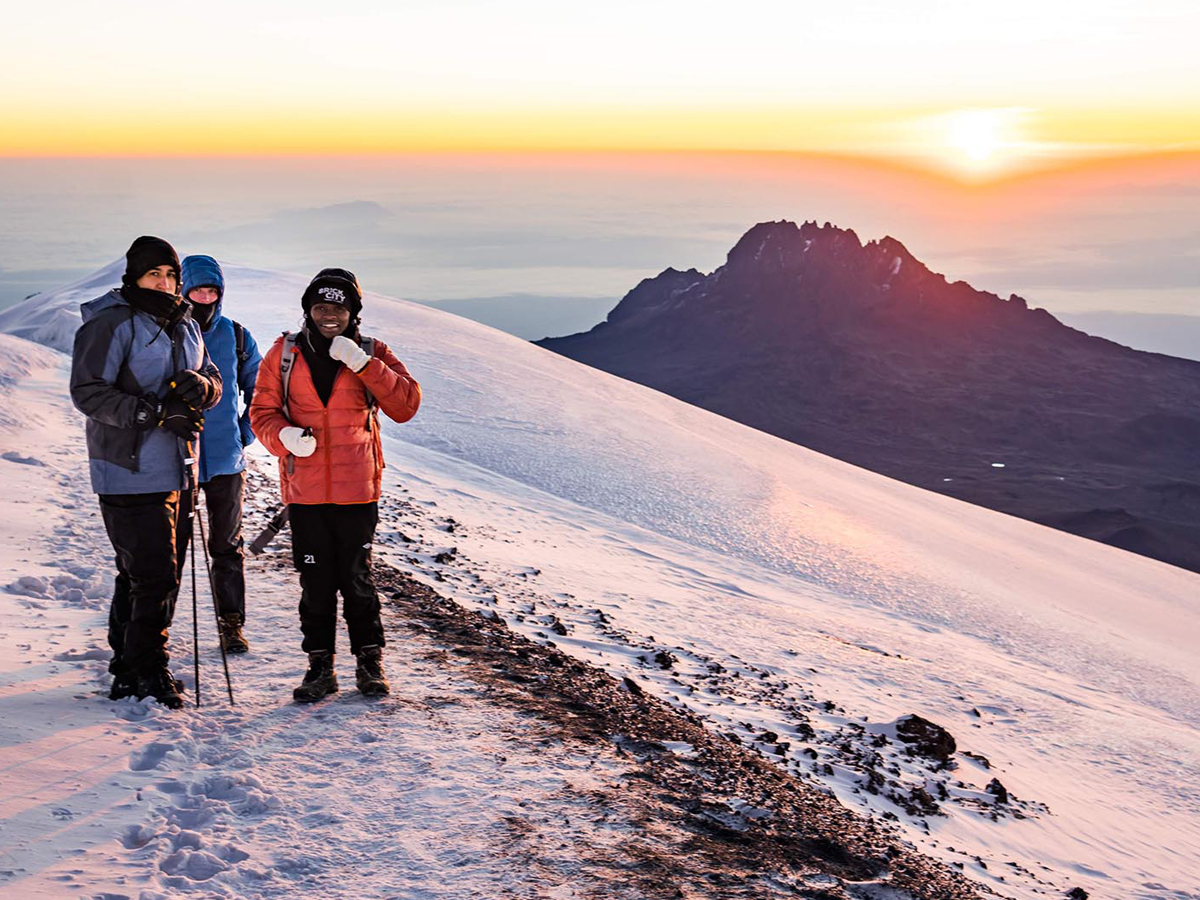
- Ben: Chooses an 8-day Machame route with Top Guide Adventures. Ben’s pace is slower, he drinks more water, and his body adjusts more effectively. He feels the altitude but manages it well, enjoying the scenery and the camaraderie. Summit night is tough, but with better acclimatization, Ben reaches Uhuru Peak, experiencing the sunrise and the immense satisfaction of achieving his goal.
Ben’s experience highlights the tangible benefits of an extended itinerary. It’s not just about adding days; it’s about optimizing the conditions for success and enjoyment. For a significant achievement like summiting Kilimanjaro, especially for those without extensive high-altitude experience, the extended option is the most prudent choice for 2026 and 2027 climbs.
Your Kilimanjaro Extended-Itinerary Summit Trek Awaits
Mount Kilimanjaro is a journey of a lifetime, and an extended itinerary ensures you experience it to the fullest. By prioritizing acclimatization, embracing the stunning scenery, and managing physical exertion, you significantly enhance your chances of reaching the summit and create lasting memories.
Top Guide Adventures is dedicated to providing exceptional service and unparalleled expertise for your Kilimanjaro adventure. We understand the nuances of each route and the critical importance of a well-planned extended itinerary. Whether you’re planning for 2026 or 2027, our team is ready to guide you every step of the way.
Ready to plan your ultimate Kilimanjaro summit trek? Don’t leave your dream to chance. Contact us today to discuss your personalized extended itinerary and secure your place on the roof of Africa.
WhatsApp: +255616946642
Email: topguideadventures@gmail.com
Backup Email: info@topguideadventures.com
Let us help you craft an unforgettable Kilimanjaro extended-itinerary summit trek. We look forward to welcoming you to Tanzania!
Check Availability for Kilimanjaro Extended-Itinerary Summit Trek: Your Ultimate Guide For…
Ready to compare dates, prices, and the best option for your group? Send the package name and travel month so the team can reply with a clear quote, availability, and what is included.

Kilimanjaro Summit-Day Breakfast Guide: Fueling Your Final Ascent In 2026-2027
Fueling correctly for Kilimanjaro's summit day is crucial for success. This guide details what to eat for breakfast, when to eat it, and why it matters for your 2026-2027 climb, ensuring...
View package details
What Goes In Your Kilimanjaro Summit-Day Backpack? Expert Packing Guide
A comprehensive guide to packing your Kilimanjaro summit-day backpack. Discover the essential gear, clothing layers, hydration, nutrition, and safety items needed for a successful trek to...
View package details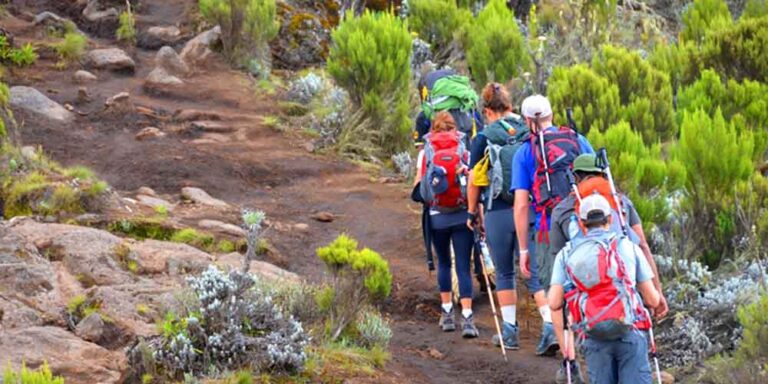
How To Prevent Wet Boots On Kilimanjaro: A Comprehensive Guide For Trekkers
Wet boots on Kilimanjaro can ruin your trek. This guide covers everything from choosing waterproof footwear to managing moisture during your climb, ensuring comfort and safety.
View package details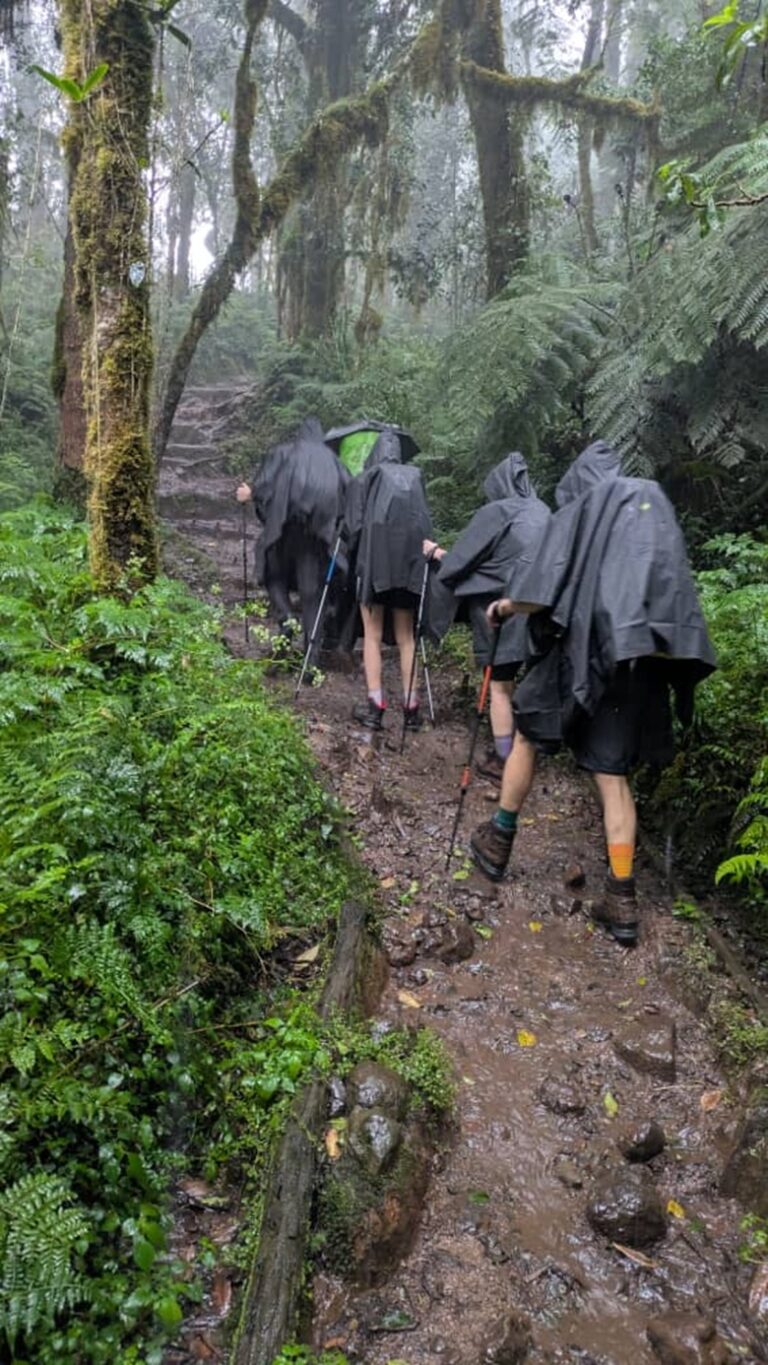
Kilimanjaro Couples’ Summit Challenge: Your Ultimate Guide For 2026-2027
start an unforgettable Kilimanjaro Couples' Summit Challenge. This comprehensive guide covers everything couples need to know for a successful climb in 2026-2027, from choosing the best...
View package details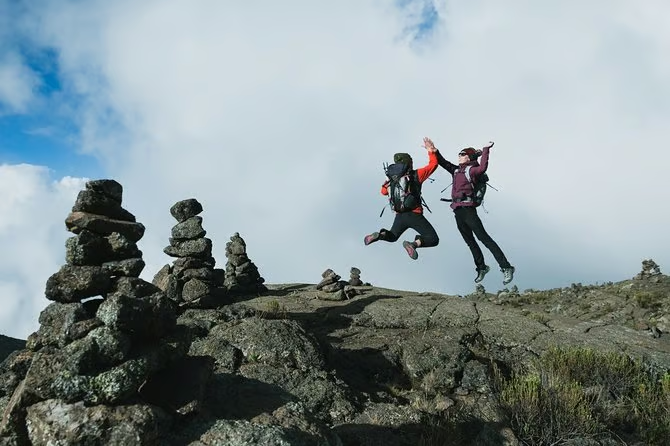
Kilimanjaro Bachelorette Adventure Trek: Your Ultimate Guide For 2026-2027
Elevate your bachelorette party with an unforgettable Kilimanjaro adventure trek. This guide covers everything from choosing the right route to essential preparation for your 2026-2027...
View package details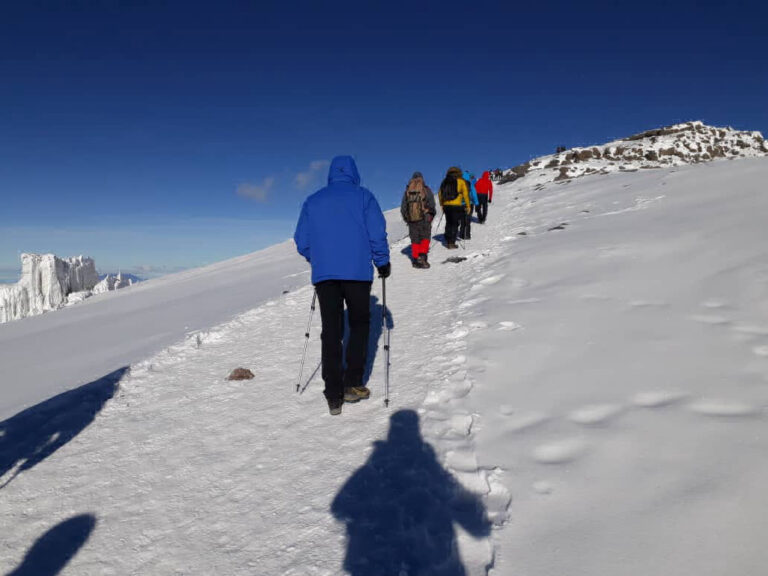
Best Kilimanjaro Month For Clear Summit Views In 2026-2027
Choosing the right month is crucial for clear summit views on Kilimanjaro. This guide details the best times to climb in 2026-2027, focusing on dry seasons and minimal cloud cover for...
View package details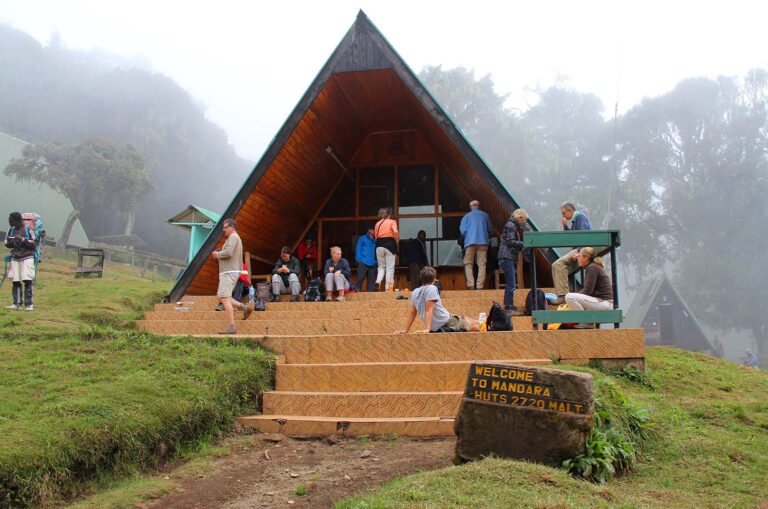
August Vs September: Best Kilimanjaro Summit Month In 2026-2027
Choosing between August and September for your Kilimanjaro climb involves weighing distinct advantages. While both months fall within the dry season, subtle differences in weather patterns...
View package details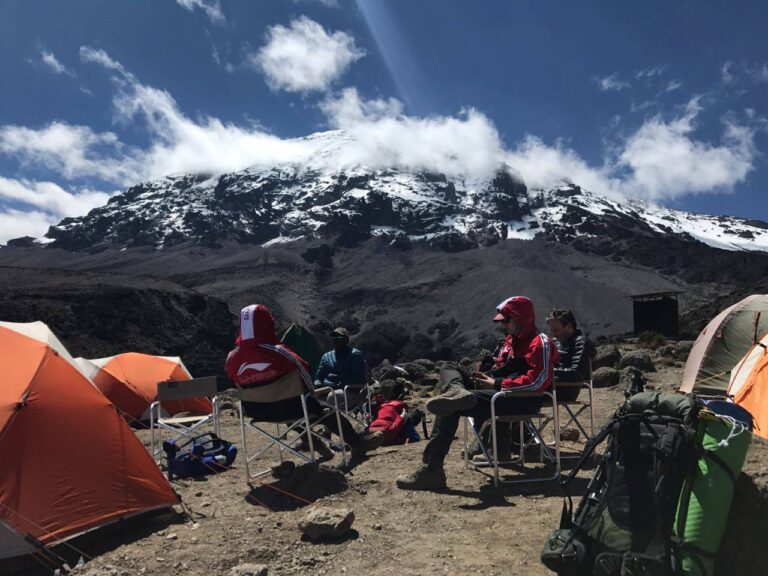
Can Kilimanjaro Chefs Handle Special Diets? Top Guide Adventures Explains
Climbing Kilimanjaro is an incredible adventure, and ensuring you have the right nutrition is vital. This guide details how Kilimanjaro chefs expertly handle special dietary requirements...
View package detailsKilimanjaro Food Menu For Picky Eaters: What To Expect & How To Prepare
Climbing Kilimanjaro is an unforgettable adventure, but for picky eaters, the thought of mountain food can be a concern. This guide details the typical Kilimanjaro food menu, offering...
View package details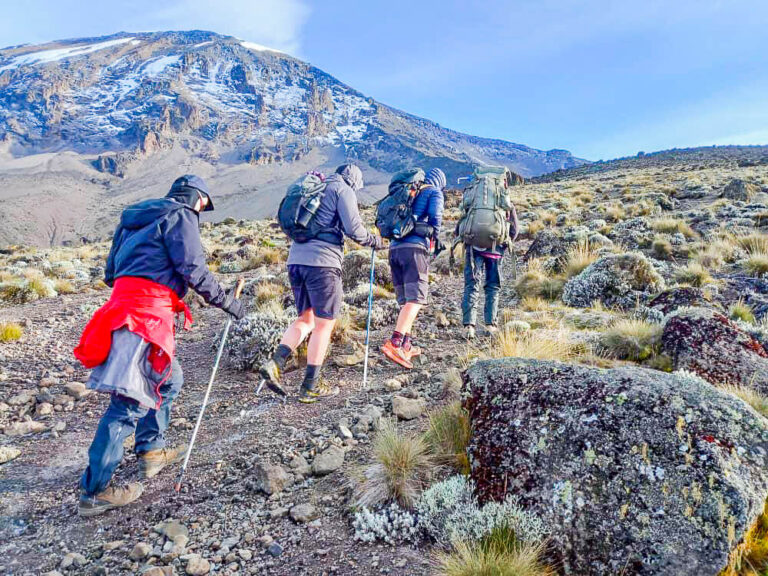
Kilimanjaro Climb With Low-Sugar Meal Planning Guide
Climbing Kilimanjaro requires careful nutritional planning. This guide focuses on low-sugar meal strategies to sustain energy, aid acclimatization, and enhance your trekking experience...
View package details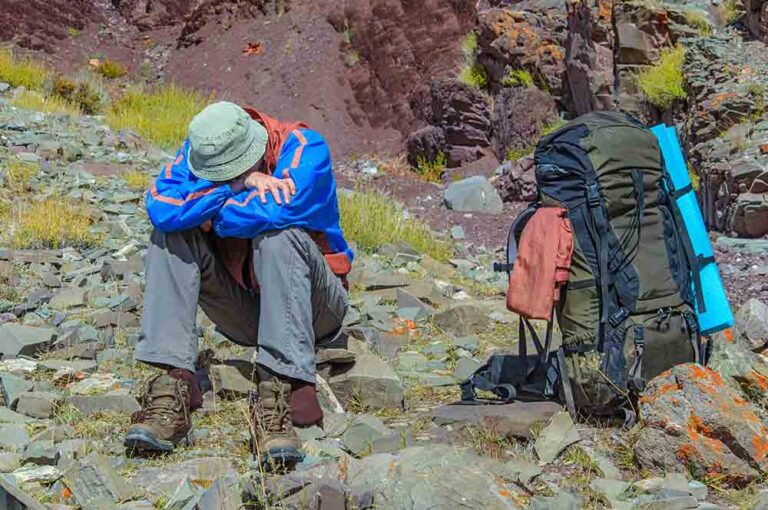
Kilimanjaro Climb With High-Protein Meals: Fueling Your Ascent In 2026-2027
Fueling your Kilimanjaro climb is as critical as choosing the right route. This guide focuses on the power of high-protein meals to sustain energy, aid recovery, and maximize your chances...
View package details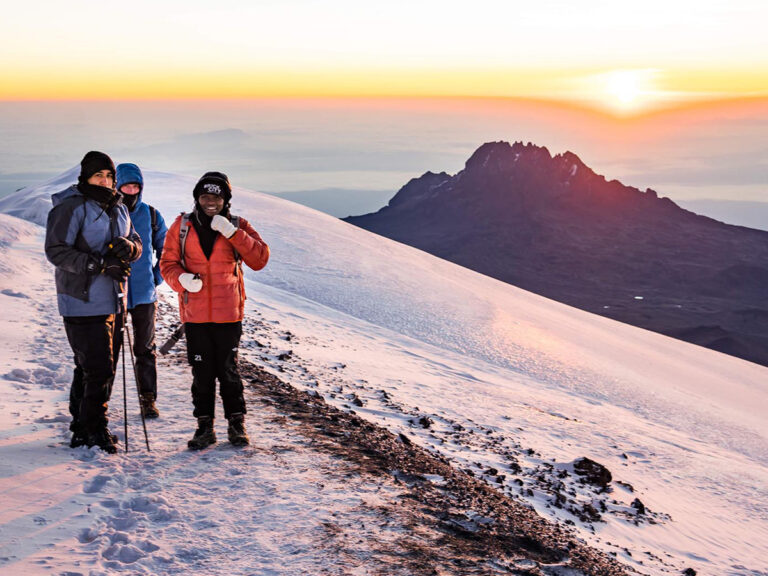
Kilimanjaro Climb With Nut-Free Meal Options Guide
Discover how to plan your Kilimanjaro climb with complete peace of mind regarding nut allergies. Top Guide Adventures specializes in providing safe, delicious, and fully customized nut-free...
View package detailsNo related package matches those filters. Clear one or more filters to see the other topic-matched options.



