
A Kilimanjaro scenic experience without summiting is achievable by exploring the mountain’s lower slopes, forests, and foothills, offering incredible views, unique ecosystems, and cultural insights without the extreme altitude and physical demands of reaching the peak. Popular options include day hikes, guided walks through the montane forest zones, visiting local villages near the base, and enjoying panoramic vistas from accessible viewpoints, making the mountain’s grandeur accessible to a wider range of travelers planning for 2026 or 2027.
Discovering Kilimanjaro’s Splendor: Beyond the Summit Push
Mount Kilimanjaro, often referred to as the “Roof of Africa,” draws adventurers from across the globe. While the ultimate goal for many is to stand on Uhuru Peak, the highest point, the mountain offers a wealth of beauty, ecological diversity, and cultural richness that can be fully appreciated without undertaking the strenuous summit ascent. For travelers in 2026 and 2027 seeking a less demanding yet equally rewarding experience, focusing on the Kilimanjaro scenic experience without summiting opens up a world of wonder. This approach allows you to connect with the mountain’s unique environment, witness its changing landscapes, and absorb its serene atmosphere at a more comfortable pace.
This guide is crafted for those who desire to witness Kilimanjaro’s majesty, explore its diverse zones, and capture its impressive views, but whose plans or physical capabilities steer them away from the high-altitude challenge. We will explore the most rewarding ways to experience Kilimanjaro’s scenic beauty, focusing on accessible trails, unique flora and fauna, and the stunning panoramas available from its lower reaches. Whether you’re looking for a day trip, a multi-day trek on the lower mountain, or simply want to soak in the views from the surrounding plains, this resource will help you plan an unforgettable adventure for your 2026-2027 travels.
Why Choose a Scenic Experience Over Summiting?
The decision to opt for a Kilimanjaro scenic experience without summiting is often driven by several practical and personal considerations. Understanding these reasons can help solidify your choice and ensure you plan the right kind of adventure.
- Accessibility: Not everyone is physically prepared or medically cleared for the extreme altitude and demanding trekking required to reach Uhuru Peak. A scenic experience opens Kilimanjaro to a broader audience, including families, older travelers, and those with less intense fitness goals.
- Time Constraints: Summit climbs typically require 5 to 9 days. If your travel window for 2026 or 2027 is limited, a scenic experience can be tailored to fit a shorter duration, offering a fulfilling taste of Kilimanjaro’s environment.
- Focus on Nature and Culture: For many, the primary draw is Kilimanjaro’s unique ecosystems – from lush rainforests to alpine deserts – and the opportunity to interact with local communities. These experiences are abundant on the lower slopes and don’t necessitate reaching the summit.
- Reduced Risk: High-altitude sickness (AMS), frostbite, and other risks associated with extreme altitude are significantly mitigated when one does not ascend above the cloud forest or moorland zones. This allows for a more relaxed and enjoyable exploration.
- Cost-Effectiveness: While still an investment, treks focused on lower altitudes are generally less expensive than full summit expeditions, which involve more days, higher operational costs, and specialized equipment.
Understanding Kilimanjaro’s Zones: A Vertical Ecosystem
Kilimanjaro is a mountain of dramatic contrasts, characterized by distinct ecological zones that change dramatically with altitude. Understanding these zones is key to appreciating the ‘Kilimanjaro scenic experience without summiting,’ as each zone offers unique views, flora, and fauna.
- Cultivation Zone (800m – 1800m): This is the land surrounding Kilimanjaro, where local communities live and farm. You’ll see coffee plantations, banana groves, and maize fields. The views from here, looking up at the immense mountain, are the first introduction for many.
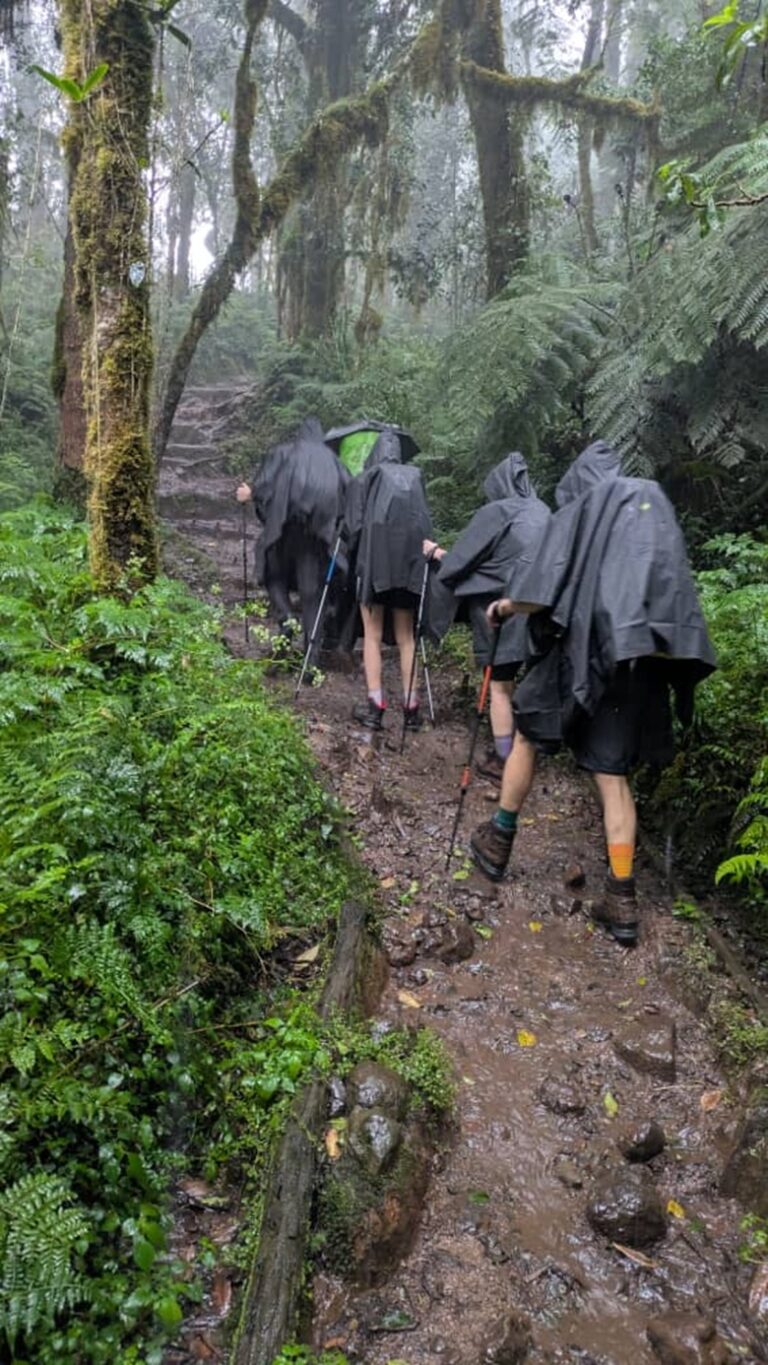
- Rainforest Zone (1800m – 2800m): As you ascend, the landscape transforms into a dense, humid rainforest. This zone is teeming with life – colobus monkeys, blue monkeys, various bird species, and unique plants like ferns and ancient trees. The air is moist, and the trails can be muddy but incredibly scenic.
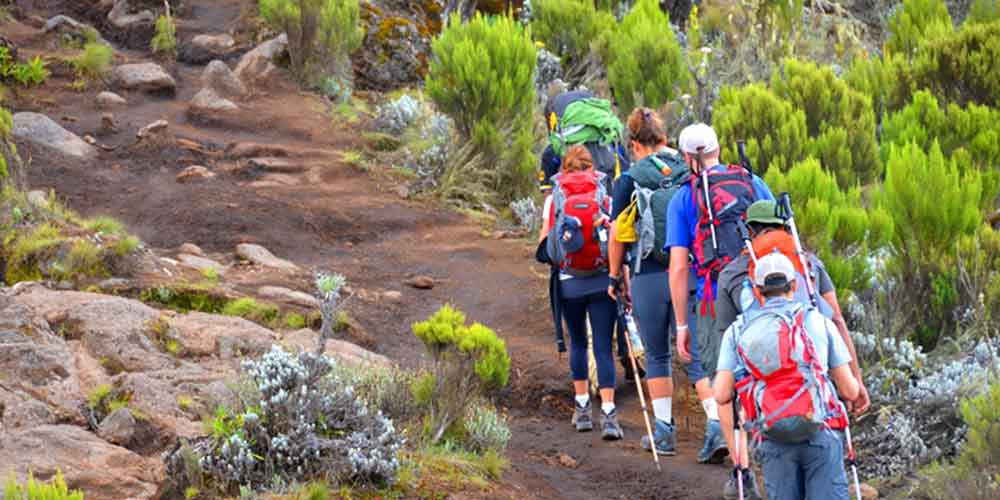
- Heath Zone (2800m – 3500m): The rainforest gradually gives way to open moorland. The trees become smaller and more scattered, replaced by giant heathers, senecios (like the iconic giant groundsel), and lobelias. The views start to open up considerably, offering glimpses of the plains below.
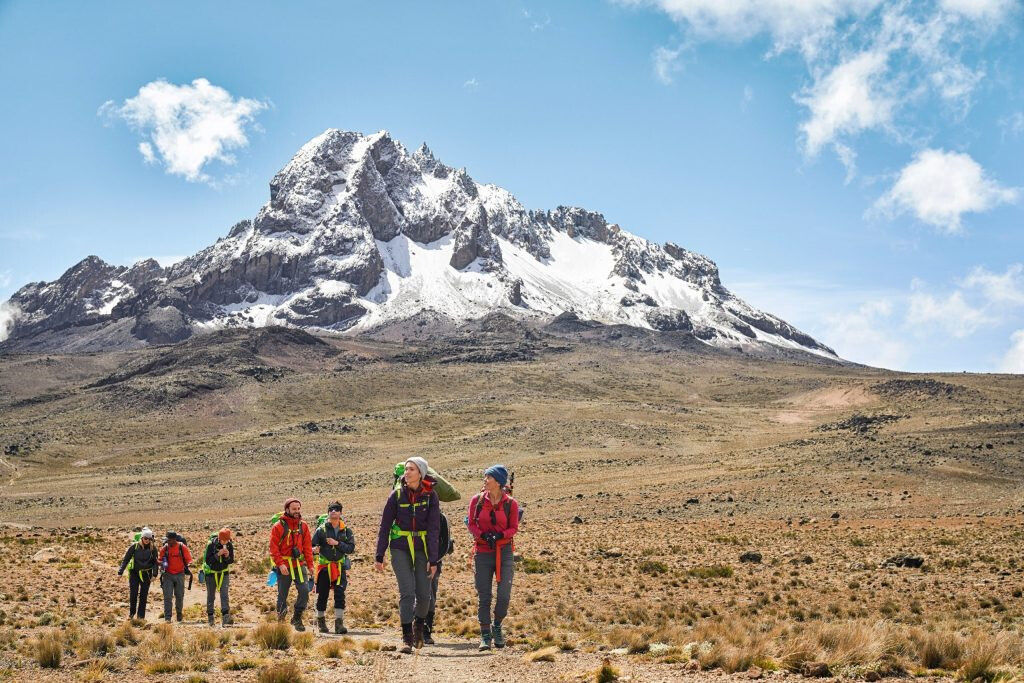
- Alpine Desert Zone (3500m – 4500m): Above the heath, the vegetation becomes sparse. This zone resembles a desert, with hardy grasses, mosses, and lichens. The landscape is starkly beautiful, with volcanic rock and scree. The air is dry and cold, and the views are vast and dramatic, though the effects of altitude begin to be felt more strongly here.
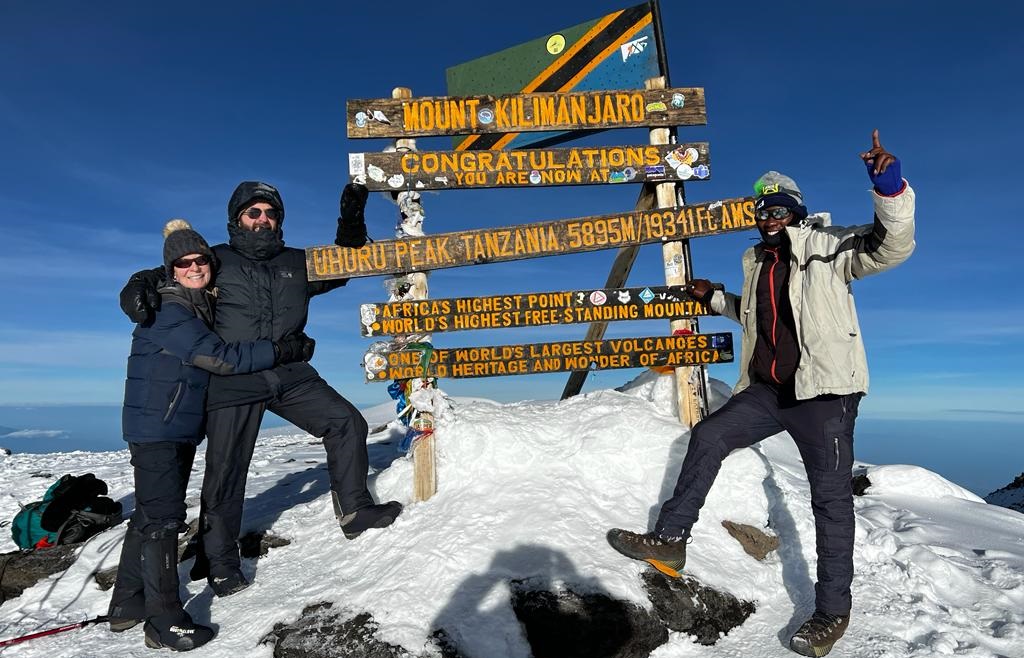
- Arctic Zone (4500m – 5895m): This is the summit zone, characterized by glaciers, snowfields, and a barren, rocky terrain. It’s extremely cold, with low oxygen levels. While this is the goal for summiters, those focusing on scenic experiences will typically not venture this high.
For a Kilimanjaro scenic experience without summiting, the most rewarding zones to explore are the Cultivation, Rainforest, and Heath zones. Day hikes often focus on the lower parts of the Rainforest and Heath zones, providing incredible biodiversity and stunning views.
Best Routes for Scenic Kilimanjaro Experiences (Without Summiting)
Several routes lead up Kilimanjaro, and while most are designed for summit attempts, segments of them offer fantastic scenic experiences. Choosing the right route and understanding where to turn back is crucial for a non-summiting trek.
Marangu Route: The “Coca-Cola” Trail’s Lower Wonders
The Marangu Route, often called the “Coca-Cola” route due to its accessibility and popularity, is unique for its hut accommodations and gradual ascent. While many use it for summit attempts, its lower sections are perfect for a scenic experience.
- Day 1: Marangu Gate to Mandara Huts (approx. 8 km, 3-4 hours, 1860m to 2700m). This trek takes you directly into the lush montane rainforest. The path is well-maintained, and you’ll likely see monkeys and diverse birdlife. The views looking back towards the plains are already impressive. You can hike to Mandara Huts and return to Marangu Gate on the same day, or arrange an overnight stay in the huts for a more relaxed experience. This is an excellent introduction to Kilimanjaro’s rainforest beauty.
- Day 2: Mandara Huts to Horombo Huts (approx. 12 km, 5-6 hours, 2700m to 3720m). This section climbs out of the rainforest into the moorland zone. The vegetation changes to giant heathers and wildflowers. The views become expansive, with Kilimanjaro’s upper slopes and Kibo’s peak visible on clear days. For a scenic experience without summiting, trekking to Horombo Huts and returning to Mandara or even Marangu Gate is a spectacular option. The scenery here is dramatically different from the rainforest.
Choosing to hike just the first or first two days of the Marangu route provides a substantial Kilimanjaro scenic experience without the commitment of a full summit climb. It’s a popular choice for those with limited time or seeking a less strenuous adventure in 2026-2027.
Machame Route: The “Whiskey” Trail’s Forest and Moorland Splendor
The Machame Route is known for its challenging but incredibly scenic trajectory through diverse zones. Its lower sections are highly recommended for a Kilimanjaro scenic experience without summiting.
- Day 1: Machame Gate to Machame Camp (approx. 11 km, 5-6 hours, 1800m to 3000m). This is a demanding first day, ascending steeply through the dense rainforest. The forest is thick with ancient trees, ferns, and often alive with the calls of monkeys. The goal is Machame Camp, a popular camping spot. A day hike to the upper parts of the rainforest and back to Machame Gate is possible and offers a rich, albeit strenuous, scenic immersion.
- Day 2: Machame Camp to Shira Camp (approx. 5 km, 4-5 hours, 3000m to 3850m). This day’s trek takes you out of the forest and into the expansive moorland. The landscape opens up dramatically, offering impressive views of Shira Plateau and, on clear days, the Kibo massif. Shira Camp itself is situated on a beautiful plateau with incredible vistas. Hiking to Shira Camp and returning to Machame Gate (a very long day) or arranging to be met at a point on the main road offers a fantastic scenic experience of Kilimanjaro’s changing terrain.
The Machame route’s initial days provide some of the most visually striking scenery, showcasing the transition from dense rainforest to open moorland with wide-ranging views. This is an excellent choice for a Kilimanjaro scenic experience without summiting, especially for those who enjoy camping.
Shira Route: High Plateau Views
The Shira Route starts at higher altitude than Machame, aiming for the Shira Plateau. While often used for summit attempts, its initial days offer unparalleled scenic rewards.
- Day 1: Shira Gate to Shira 1 Camp (approx. 8 km, 3-4 hours, 2100m to 3500m). This route ascends quickly into the moorland zone, bypassing much of the rainforest. The immediate reward is the vastness of the Shira Plateau and stunning views towards Kibo and Mawenzi peaks. A guided day hike from the Shira Gate can offer a glimpse of this high-altitude landscape without the multi-day commitment.
While the Shira Route is generally recommended for more experienced trekkers due to its rapid ascent to altitude, its initial stages offer a unique Kilimanjaro scenic experience without summiting, focusing on the high moorland and alpine desert environments. For 2026-2027 planning, consider this if you are acclimatizing from another high-altitude activity or have a specific interest in the plateau’s unique geology.
Lemosho Route: Forested Beauty and Plateau Vistas
The Lemosho Route is renowned for its beauty and high success rates, offering a gradual ascent through pristine wilderness. Its early stages are ideal for a scenic Kilimanjaro experience without summiting.
- Day 1: Lemosho Gate to Mti Mkubwa Camp (approx. 6 km, 3-4 hours, 1800m to 2650m). This trek begins in the dense rainforest, similar to Machame. The path is scenic, with opportunities to spot wildlife. Mti Mkubwa Camp is located within the forest. A day hike here is a great way to experience Kilimanjaro’s lush lower slopes.
- Day 2: Mti Mkubwa Camp to Shira 1 Camp (approx. 10 km, 4-5 hours, 2650m to 3500m). This day takes you out of the forest and onto the Shira Plateau. The transition is visually striking, and the views across the plateau towards the Kibo massif are spectacular. Hiking to Shira 1 Camp and returning to Lemosho Gate (a very long day) or arranging a pick-up offers a significant scenic reward.
The Lemosho route’s early days are particularly good for a Kilimanjaro scenic experience without summiting because they offer a beautiful progression through the rainforest and onto the high, open Shira Plateau, providing diverse photographic opportunities and excellent wildlife viewing.
Day Hikes and Shorter Treks: in-depth Kilimanjaro Experiences
For those who want to taste Kilimanjaro’s beauty without committing to multi-day treks, day hikes and shorter guided walks are an excellent option. These are perfect for fitting into a broader Tanzania itinerary in 2026-2027 or for travelers who prefer a more relaxed pace.
Guided Forest Walks Around Marangu
The area around Marangu, on Kilimanjaro’s eastern side, is known for its fertile slopes and beautiful rainforest. Local guides can lead you on walks that showcase the vibrant ecosystem.
- Chagga Villages and Coffee Plantations: Explore the villages at the foot of the mountain, learn about traditional Chagga life, and visit coffee farms. The scenery includes rolling hills dotted with coffee bushes, banana trees, and local homesteads, with Kilimanjaro looming majestically above.
- Marangu Waterfalls: A short hike from Marangu village can lead you to stunning waterfalls cascading down Kilimanjaro’s slopes. These walks are typically 2-4 hours and offer a refreshing experience amidst lush vegetation.
- Kilimanjaro National Park Boundary: Hike just inside the park boundary near Marangu Gate. This allows you to experience the initial rainforest environment, listen to the sounds of the forest, and see the unique flora without needing a multi-day permit.
These day hikes provide a wonderful Kilimanjaro scenic experience without summiting, focusing on the cultural and natural beauty of the mountain’s base.
Kilimanjaro National Park Day Hikes
Even without climbing, you can purchase a day pass to enter Kilimanjaro National Park and hike specific trails for a few hours.
- Mandara Huts (via Marangu Route): As mentioned, hiking from Marangu Gate to Mandara Huts and back is a popular day hike. It’s a solid 6-8 hour round trip that immerses you deep into the rainforest.
- Kilimanjaro Viewpoints near Mweka: Some operators offer guided walks on the lower slopes near Mweka, focusing on the montane forest and offering occasional clearings with views of the plains.
These day hikes are perfect for a taste of Kilimanjaro’s grandeur, offering a memorable Kilimanjaro scenic experience without summiting.
Mount Kilimanjaro Viewpoints from the Plains
Sometimes, the most impressive views of Kilimanjaro are from a distance, especially during sunrise or sunset. Several locations offer spectacular vantage points.
- Kilimanjaro International Airport (JRO): The airport itself offers surprisingly good views on clear days as you arrive or depart.
- Arusha Town and Surrounds: From various hills and viewpoints around Arusha, Kilimanjaro dominates the horizon. A drive to areas like Usa River can provide excellent photo opportunities.
- Amboseli National Park (Kenya): While not in Tanzania, Amboseli is famous for its large elephant herds with Kilimanjaro as a dramatic backdrop. A day trip or short safari here offers iconic views.
- Tanzania Safaris: Many safari routes, particularly those in northern Tanzania like Tarangire National Park or Lake Manyara National Park, offer glimpses of Kilimanjaro on clear days, adding a stunning visual element to your safari experience.
These external viewpoints provide a different perspective on Kilimanjaro’s scale and beauty, complementing any on-mountain scenic experience.
Flora and Fauna: The Living Wonders of Kilimanjaro’s Slopes
One of the most rewarding aspects of a Kilimanjaro scenic experience without summiting is the opportunity to witness its incredible biodiversity. The mountain’s vertical zones create distinct habitats, each supporting unique plant and animal life.
The appealing Rainforest Zone
This is arguably the most biodiverse zone and a highlight for any scenic Kilimanjaro trek.
- Mammals: Keep an eye out for troops of Black and White Colobus monkeys, known for their striking black and white fur and long tails. Blue monkeys are also common, often seen leaping through the canopy. If you’re very lucky, you might spot the elusive forest elephant or even a leopard, though these are rare sightings.
- Birds: The rainforest is a birdwatcher’s paradise. Look for Turacos (like the Great Blue Turaco), hornbills, forest buzzards, and various sunbirds. The sounds of the forest are a constant symphony of bird calls.
- Plants: Giant ferns, mosses, lichens, and ancient trees draped in vines create a magical, almost prehistoric atmosphere. You’ll also encounter epiphytes like orchids growing on tree branches.
Walking through this zone, especially on the Marangu, Machame, or Lemosho routes, offers a deeply sensory Kilimanjaro scenic experience without summiting. The air is moist, the smells are earthy, and the visual feast is constant.
The Unique Heath and Moorland Zones
As you ascend, the forest thins, and the landscape opens up, revealing a different kind of beauty.
- Iconic Plants: This zone is famous for its giant groundsels (Senecio kilimanjari) and giant lobelias (Lobelia deckenii). These plants are adapted to the harsh conditions and look like something from another planet. Their large, water-storing structures help them survive temperature fluctuations.
- Other Vegetation: Hardy grasses, heathers, and small flowering plants cover the undulating terrain.
- Wildlife: While large mammals are rare here, you might spot small rodents like the Kilimanjaro shrew, various insects, and birds of prey soaring overhead.
The stark beauty of the moorland, with its unique flora and sweeping vistas, provides a significant part of the Kilimanjaro scenic experience without summiting. The contrast between the dense forest below and the open moorland above is striking.
The Alpine Desert Zone
Even in this seemingly barren zone, life persists.
- Flora: Sparse vegetation includes hardy grasses, mosses, and lichens clinging to rocks.
- Fauna: Small reptiles and insects are present. Birds like the Alpine Chat and the White-necked Raven can be seen.
While less visually rich in terms of life compared to the lower zones, the alpine desert offers a dramatic, rugged landscape and is essential for understanding the mountain’s full ecological spectrum. Experiencing this zone, even briefly, adds depth to a Kilimanjaro scenic experience without summiting.
Panoramic Vistas: Capturing Kilimanjaro’s Majesty
Kilimanjaro is a photographer’s and nature lover’s dream, offering some of the most spectacular panoramic views in Africa. Even without reaching the summit, you can capture unforgettable vistas.
Sunrise and Sunset Views
Timing your scenic experience to coincide with sunrise or sunset can dramatically enhance the visual impact.
- Sunrise from the Lower Slopes: Watching the sun rise over the plains from the moorland zone (e.g., around Horombo or Shira camps) is a magical experience. The golden light illuminates the landscape and the distant peaks.
- Sunset over the Plains: As the sun sets, the sky often ignites with color, casting long shadows and painting Kilimanjaro in warm hues. This view is particularly stunning from viewpoints on the western or southern slopes.
Arranging a guided day hike that positions you for these golden hours can provide an unparalleled Kilimanjaro scenic experience without summiting.
Cloud Inversions
One of the most unique phenomena on Kilimanjaro is the cloud inversion. When conditions are right, the lower-lying areas are filled with a sea of clouds, with the mountain’s upper slopes and peaks rising above them like islands.
- Seeing Inversions: These are most common during the wetter seasons but can occur anytime. Waking up at a camp like Mandara or Horombo to see the world blanketed in clouds below you is an incredible sight.
- Photographic Opportunities: The contrast between the bright white clouds and the dark volcanic slopes, often with the sun shining brightly above, creates dramatic and surreal photographic opportunities.
Witnessing a cloud inversion is a powerful part of the Kilimanjaro scenic experience without summiting, offering a perspective that few other mountains can provide.
Vistas of the Surrounding Landscape
From Kilimanjaro’s slopes, you get sweeping views of the Tanzanian landscape.
- The Great Rift Valley: On clear days, especially from higher vantage points on the western side, you can see parts of the Great Rift Valley stretching out below.
- Kibo and Mawenzi Peaks: Even if you aren’t climbing to Kibo’s summit, the views of Kibo and the jagged, dramatic peak of Mawenzi (Kilimanjaro’s second peak) from different angles are awe-inspiring.
These expansive views contribute significantly to the overall Kilimanjaro scenic experience without summiting, reminding you of the mountain’s immense scale within the African continent.
Planning Your Kilimanjaro Scenic Experience Without Summiting in 2026-2027
Planning is essential for any successful trip, and a Kilimanjaro scenic experience without summiting is no exception. Here’s what to consider for your 2026-2027 adventure.
Best Time to Visit
Kilimanjaro has two main dry seasons, which are generally considered the best times for trekking and offer the clearest views:
- January to March: This is a prime dry season, often with clear skies and good visibility. It’s also a good time for spotting wildlife on the lower slopes.
- June to October: This is another significant dry season, characterized by cooler temperatures and clear weather. It’s often considered the best period for optimal views and trekking conditions.
While the rainy seasons (April-May and November-December) can be less ideal for views due to clouds and rain, they offer fewer crowds and lusher vegetation, which can still be beautiful for lower-altitude scenic walks. For 2026 and 2027, these dry periods remain the top choices for maximizing scenic opportunities.
Choosing the Right Operator
Selecting a reputable tour operator is crucial for a safe and enjoyable Kilimanjaro scenic experience without summiting. Top Guide Adventures specializes in creating tailored Kilimanjaro experiences.
- Expertise: Look for companies with extensive experience in Kilimanjaro treks, even for non-summit options. They should understand the routes, safety protocols, and the specific needs of clients not aiming for the peak.
- Guides: Ensure your guides are certified, knowledgeable about the local flora and fauna, and experienced in first aid.
- Logistics: A good operator will handle park fees, permits, transportation, and provide necessary equipment (like tents and sleeping bags if camping).
- Customization: For a Kilimanjaro scenic experience without summiting, customization is key. Top Guide Adventures can help design a trip that perfectly matches your interests and fitness level, whether it’s a single day hike or a 3-day exploration of the lower rainforest.
Consulting with experienced local operators like Top Guide Adventures ensures you get the most out of your scenic Kilimanjaro adventure in 2026-2027.
What to Pack
Even for shorter treks or day hikes, packing appropriately is important. You’ll be exposed to changing weather conditions and different altitudes.
- Layered Clothing: Bring moisture-wicking base layers, insulating mid-layers (fleece), and a waterproof/windproof outer shell. Temperatures can vary significantly between the forest and the moorland.
- Comfortable Footwear: Sturdy, broken-in hiking boots are essential, even for day hikes, to protect your ankles and provide grip on uneven terrain.
- Sun Protection: A wide-brimmed hat, sunglasses, and high-SPF sunscreen are crucial, as the sun is intense even at lower altitudes.
- Rain Gear: A waterproof jacket and trousers are necessary, especially for the rainforest zone which can be damp year-round.
- Daypack: A comfortable daypack to carry water, snacks, camera, rain gear, and personal items.
- Insect Repellent: Especially important for the rainforest zone.
- Camera and Binoculars: To capture the stunning scenery and wildlife.
Proper packing ensures comfort and safety, allowing you to fully enjoy the Kilimanjaro scenic experience without summiting.
Physical Preparation
While not summiting, some physical preparation is still beneficial, especially for longer day hikes or multi-day lower-altitude treks.
- Cardiovascular Fitness: Activities like brisk walking, jogging, cycling, or swimming will improve your stamina.
- Strength Training: Focus on leg strength (squats, lunges) and core strength for stability on uneven ground.
- Hiking Practice: If possible, go on regular hikes with a backpack to get your body used to walking for several hours on varied terrain.
Even moderate fitness will greatly enhance your ability to enjoy the Kilimanjaro scenic experience without summiting, allowing you to focus on the beauty around you rather than physical strain.
Cultural Immersion: Connecting with the Kilimanjaro Region
Kilimanjaro is not just a mountain; it’s a region rich in culture and history. For those seeking a Kilimanjaro scenic experience without summiting, engaging with the local communities offers a profound and enriching dimension.
The Chagga People
The Chagga are the primary ethnic group living on the fertile slopes of Kilimanjaro. Their culture is deeply intertwined with the mountain.
- Agriculture: The Chagga are renowned farmers, cultivating coffee, bananas, and other crops on the mountain’s rich volcanic soil. Visiting a coffee plantation is a popular activity, offering insights into the entire process from bean to cup.
- Traditional Lifestyle: Learn about their unique housing, social structures, and historical resilience against various challenges. Many tours can incorporate visits to traditional Chagga villages or cultural heritage centers.
- Local Markets: Exploring local markets in towns like Marangu or Moshi provides a vibrant glimpse into daily life, offering local crafts, produce, and a chance to interact with the friendly Chagga people.
Integrating a cultural visit enhances the Kilimanjaro scenic experience without summiting, providing context and human connection to the landscape.
Moshi Town: Gateway to Kilimanjaro
Moshi, situated on Kilimanjaro’s southern side, is the main hub for trekkers and offers a pleasant base for exploring the region.
- Atmosphere: Moshi has a relaxed atmosphere, with bustling markets, local eateries, and cafes offering views of the mountain.
- Cultural Tourism: Beyond coffee tours, Moshi offers opportunities for visits to local schools, women’s groups, or craft centers, providing a deeper understanding of the community.
- Local Cuisine: Sample local Tanzanian dishes, including ‘Ugali’ (maize porridge), ‘Ndizi’ (bananas prepared in various ways), and fresh tilapia from nearby lakes.
Moshi serves as an excellent starting and ending point for a Kilimanjaro scenic experience without summiting, allowing for acclimatization and cultural exploration before or after your mountain excursions.
Safety and Logistics for Non-Summit Treks
Safety is paramount, even on lower-altitude Kilimanjaro treks. Understanding the logistics ensures a smooth and secure experience.
Altitude Considerations
While not aiming for the summit, ascending to the moorland or alpine desert zones (3000m-4000m+) can still lead to mild altitude sickness symptoms in some individuals. It’s important to be aware:
- Pace Yourself: Even on day hikes, take your time and breathe deeply.
- Stay Hydrated: Drink plenty of water throughout the day.
- Listen to Your Body: If you experience headaches, nausea, or dizziness, inform your guide immediately. Descending is the best remedy.
Your guide will monitor your condition, but being aware of potential symptoms is crucial for a safe Kilimanjaro scenic experience without summiting.
Park Regulations and Permits
Even for day hikes within Kilimanjaro National Park, permits are required. Reputable tour operators will arrange these for you.
- Day Visitor Permits: These are typically required for entry into the park for day hikes, such as the trek to Mandara Huts.
- Ranger Fees: Additional fees are often associated with park entry and guides.
Ensure your chosen operator clarifies all permit and fee requirements for your specific Kilimanjaro scenic experience without summiting.
Emergency Preparedness
Even on shorter treks, having a plan for emergencies is wise.
- Communication: Guides will carry communication devices (like satellite phones or radios) for emergencies.
- First Aid: Guides are trained in first aid. Ensure your operator provides a comprehensive first-aid kit.
Top Guide Adventures prioritizes safety, ensuring all guides are well-trained and equipped for various scenarios during your Kilimanjaro scenic experience without summiting.
Why Top Guide Adventures is Your Ideal Partner for a Scenic Kilimanjaro Experience
At Top Guide Adventures, we understand that not every traveler aims for the summit. We are dedicated to providing exceptional Kilimanjaro experiences tailored to your desires, whether that includes reaching Uhuru Peak or simply enjoying the impressive scenery of its lower slopes. For your 2026 or 2027 trip, consider us your expert guides.
- Personalized Itineraries: We craft bespoke Kilimanjaro scenic experiences without summiting, focusing on the zones and views that interest you most. Whether it’s a day hike through the rainforest or a 3-day exploration of the moorland, we design it around your preferences.
- Experienced Local Guides: Our guides are not just experienced trekkers; they are passionate about Kilimanjaro’s natural and cultural heritage. They provide insightful commentary on the flora, fauna, and local life, enriching your scenic journey.
- Commitment to Safety: Your safety is our top priority. We adhere to strict safety protocols, ensuring our guides are well-trained and equipped, and that all necessary permits and logistics are meticulously handled for your Kilimanjaro scenic experience without summiting.
- Sustainable Tourism: We are committed to responsible tourism practices that benefit local communities and protect Kilimanjaro’s fragile ecosystem.
Let us help you plan an unforgettable Kilimanjaro scenic experience without summiting. Whether you envision yourself amidst the misty rainforests or gazing at vast panoramas from the moorland, we ensure your adventure is comfortable, safe, and deeply memorable. Contact us today to start planning your 2026-2027 journey:
WhatsApp: +255616946642
Email: topguideadventures@gmail.com
Backup Email: info@topguideadventures.com
Visit our website at www.topguideadventures.com to explore more about our Tanzania adventures and see client testimonials on TripAdvisor.
Choosing a Kilimanjaro scenic experience without summiting allows you to appreciate the mountain’s grandeur in a unique and accessible way. It’s an opportunity to connect with nature, culture, and yourself, creating memories that will last a lifetime. Let Top Guide Adventures guide you through the wonders of Kilimanjaro’s lower slopes for your 2026-2027 travels.
Check Availability for Kilimanjaro Scenic Experience Without Summiting: Best Views & Treks…
Ready to compare dates, prices, and the best option for your group? Send the package name and travel month so the team can reply with a clear quote, availability, and what is included.
Kilimanjaro Foothills Tour For Non-Climbers: Experience The Majesty Without
Explore the impressive Kilimanjaro foothills on a specialized tour designed for those who prefer to experience the mountain's grandeur without undertaking a strenuous climb. Discover local...
View package details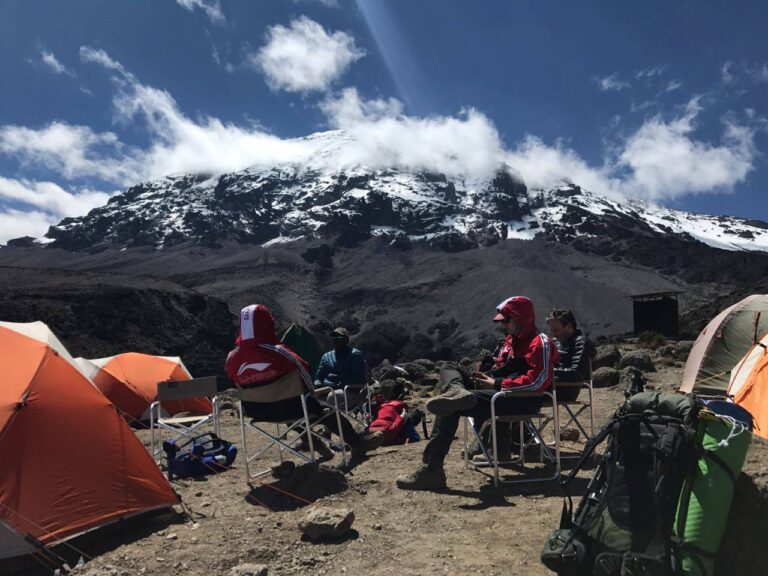
Kilimanjaro Cultural Tour While Friends Climb: Experience Tanzanias Heart
Discover the perfect way to experience Tanzania's vibrant culture and landscapes while your friends conquer Mount Kilimanjaro. This guide explores in-depth cultural tours designed to...
View package details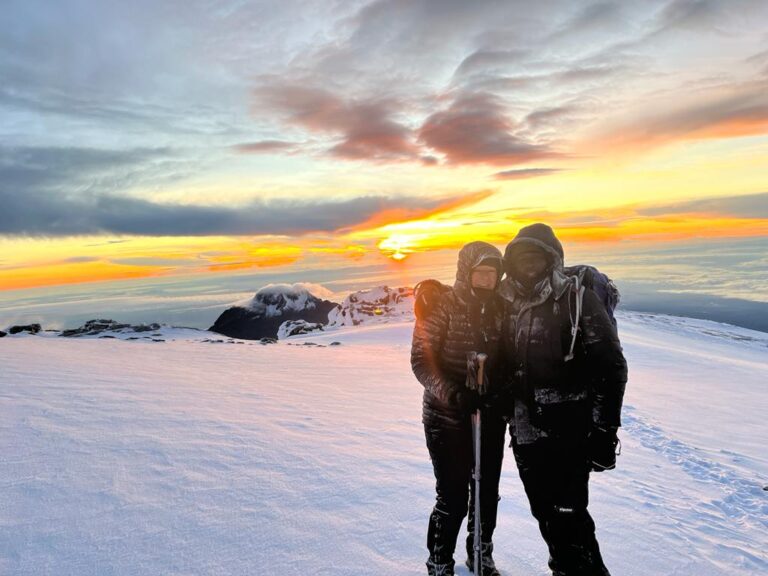
Can A Wheelchair User Experience Kilimanjaro? A Deep Dive By Top Guide
While a traditional ascent of Mount Kilimanjaro is not feasible for wheelchair users, adapted experiences and alternative ways to 'conquer' the mountain are increasingly possible. This...
View package detailsWhat To Eat After Summiting Kilimanjaro Guide
Summiting Kilimanjaro is an incredible feat, but your body will be depleted. Learn what to eat afterward to maximize recovery, replenish nutrients, and celebrate your achievement.
View package details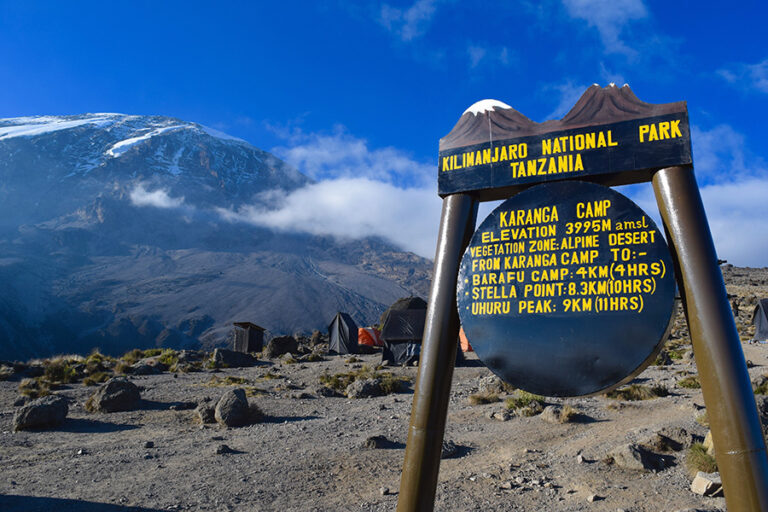
Your Pole Kilimanjaro Climbing Experience: A Comprehensive Guide For 2026-2027
Climbing Mount Kilimanjaro 'Pole Pole' (slowly slowly) is the key to a successful summit. This guide by Top Guide Adventures details how this philosophy applies to routes, acclimatization...
View package detailsKilimanjaro Companion Tour With Private Driver: Your Ultimate Luxury Ascent
A detailed 2026-2027 guide to Kilimanjaro Companion Tour with Private Driver, with clear planning and booking information for travelers.
View package details
Kilimanjaro Zanzibar Extension For Mixed Groups: Your Ultimate Adventure Guide
Combine the thrill of climbing Mount Kilimanjaro with the tropical allure of Zanzibar. This guide details how mixed groups can best plan and enjoy this ultimate Tanzanian adventure in...
View package details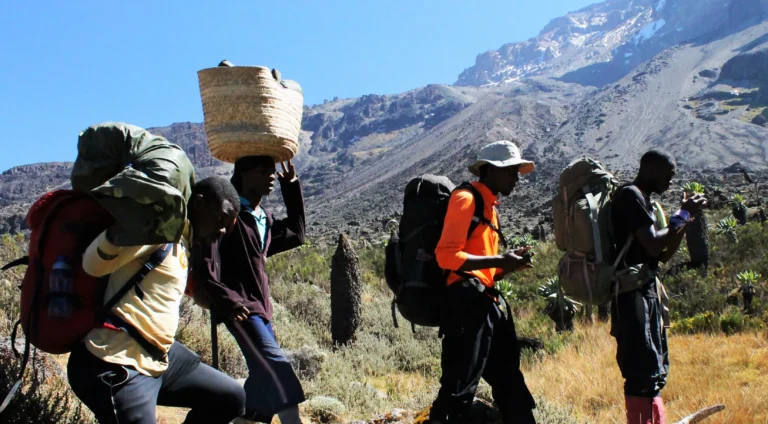
Kilimanjaro Safari Before Rejoining Your Climbing Group | Top Guide Adventures
Combining a safari with your Kilimanjaro climb is a classic Tanzanian adventure. Discover how to seamlessly integrate a wildlife safari experience before meeting your climbing group for the...
View package details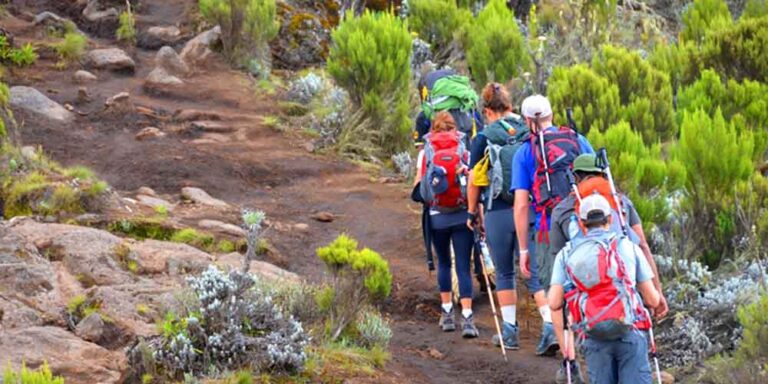
Kilimanjaro Airport And Hotel Support For Climbing Groups | Top Guide
Top Guide Adventures provides comprehensive support for Kilimanjaro climbing groups, from arrival at Kilimanjaro International Airport (JRO) to comfortable hotel stays before and after your...
View package details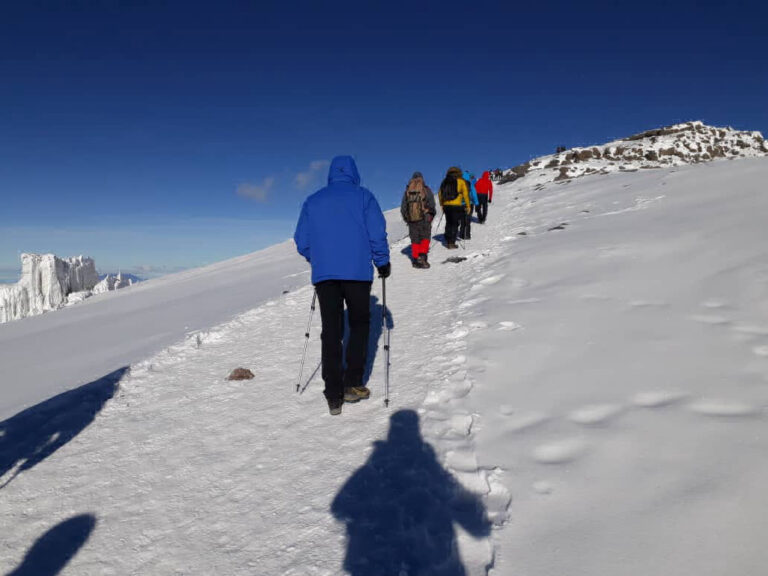
Kilimanjaro Summit Celebration Package For Companions: Plan Your
Planning a Kilimanjaro climb with companions and a special summit celebration? This guide covers everything you need to know for 2026-2027, from choosing the right route and package to...
View package detailsMeet Your Climber At Mweka Gate Package: Kilimanjaro Descent Guide 2026-2027
This package is designed for trekkers descending Kilimanjaro via the Mweka Gate, ensuring a smooth and supported transition after their summit. It covers essential post-climb services and...
View package details
Kilimanjaro Coffee And Waterfall Package For Companions: Your Ultimate
This comprehensive package combines the iconic Kilimanjaro climb with the refreshing beauty of local waterfalls and rich coffee plantations, offering an unforgettable adventure for groups...
View package detailsNo related package matches those filters. Clear one or more filters to see the other topic-matched options.



