
Human waste on Kilimanjaro is collected using portable toilets and waste bags, then transported down the mountain by porters to designated disposal sites, ensuring the preservation of its delicate alpine environment. Strict regulations and eco-friendly practices are enforced by park authorities and tour operators to minimize pollution and protect the mountain’s ecosystem for future trekkers in 2026 and 2027.
Understanding Waste Management on Kilimanjaro
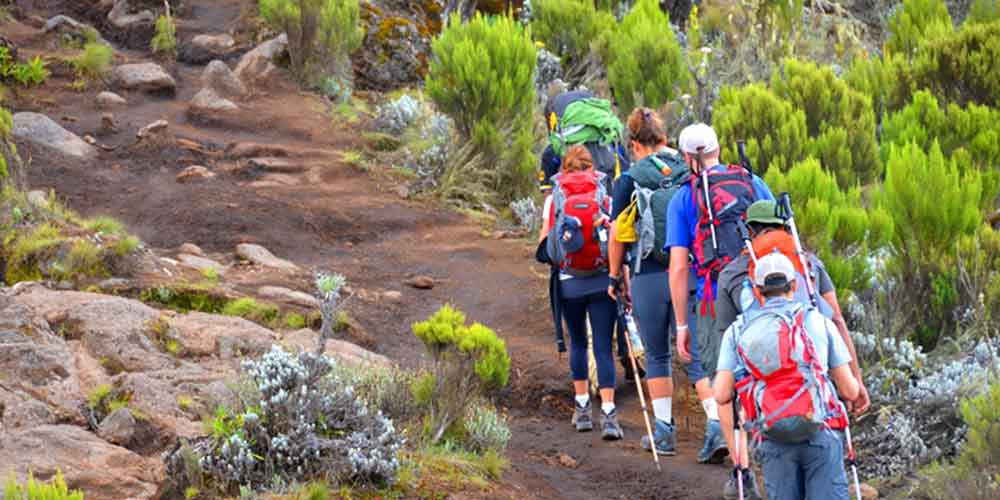
Climbing Kilimanjaro is an extraordinary adventure, a journey to the Roof of Africa that offers unparalleled views and a profound connection with nature. As one of the most iconic peaks in the world, its status comes with a significant responsibility: preserving its unique and fragile alpine environment. A critical aspect of this preservation is the effective management of human waste. For many trekkers, the question of what happens to human waste on Kilimanjaro is a practical concern that arises as they plan their expedition for 2026 or 2027. Understanding this process is key to being a responsible climber and ensuring the mountain remains pristine for generations to come.
The Kilimanjaro National Park (KINAPA) has implemented rigorous waste management protocols to combat the environmental challenges posed by thousands of trekkers annually. These protocols cover everything from food packaging to human waste, aiming to prevent contamination of water sources, soil, and the overall landscape. This comprehensive approach is vital because the higher altitudes of Kilimanjaro offer limited natural decomposition processes, meaning waste can persist for extended periods if not managed correctly. Top Guide Adventures is committed to adhering to and promoting these best practices, ensuring that your climb is not only memorable but also environmentally sound.
The journey of human waste from the summit trails back down to the earth is a complex logistical operation. It involves specialized equipment, dedicated personnel, and a deep understanding of ecological principles. As you prepare for your climb, knowing the details of this system can enhance your appreciation for the efforts involved and encourage your active participation in maintaining a clean mountain. This article will explore the detailed procedures, the challenges faced, the regulations in place, and the role each climber plays in the successful management of waste on Kilimanjaro, especially as we look towards expeditions in 2026 and 2027.
The Kilimanjaro Ecosystem: A Fragile Environment
Before delving into the specifics of waste management, it’s essential to appreciate the unique environment of Kilimanjaro. This stratovolcano, soaring to 5,895 meters (19,341 feet), is not just a mountain; it’s a complex ecosystem that supports diverse flora and fauna across its distinct ecological zones. From the lush rainforest at the base to the arid alpine desert and the frigid arctic summit, each zone presents different challenges and sensitivities.
- Rainforest Zone (800-2,700m): This zone is characterized by dense vegetation, abundant wildlife, and high rainfall. It’s the most biologically diverse area but also the most susceptible to direct human impact.
- Moorland Zone (2,700-4,000m): As the altitude increases, the vegetation becomes sparser, dominated by heather, giant groundsels, and lobelias. This zone is drier and more exposed.
- Alpine Desert Zone (4,000-5,000m): Vegetation is scarce, consisting of hardy grasses and mosses. The climate is cold, dry, and windy, with significant diurnal temperature variations.
- Arctic Summit Zone (above 5,000m): This zone is characterized by bare rock, ice, and snow. Life is extremely limited, and the environment is harsh and unforgiving.
The delicate balance of these zones means that human activity, particularly the disposal of waste, can have profound and lasting effects. At higher altitudes, decomposition rates are drastically reduced due to low temperatures and lack of moisture. This means that any waste left behind can persist for decades, potentially leaching harmful substances into the soil and water sources. Furthermore, the mountain is a crucial water catchment area for surrounding communities, making the protection of its water sources paramount.
The sheer volume of trekkers visiting Kilimanjaro each year, estimated to be over 35,000 in pre-pandemic times and expected to rebound strongly in 2026 and 2027, puts immense pressure on these sensitive ecosystems. Without proper waste management, the mountain would quickly suffer irreversible damage, impacting its natural beauty, biodiversity, and its role as a vital resource. This is why the stringent waste management policies are not merely suggestions but essential requirements for all climbers and operators.
The Challenge of Human Waste on Kilimanjaro
Human waste, often referred to as blackwater, presents a unique and significant challenge on Kilimanjaro. Unlike general solid waste (like food wrappers or plastic bottles), which can be more easily contained and carried, human waste requires specific handling to prevent the spread of pathogens and environmental contamination. The logistical difficulties are amplified by the mountain’s altitude, steep terrain, and the fact that trekkers are often on the move for many hours a day.
Traditionally, and in many remote trekking locations worldwide, the practice has been to dig catholes and bury human waste. However, on Kilimanjaro, this method is no longer permissible or sustainable. The reasons are multifaceted:
- Limited Decomposition: As mentioned, the cold temperatures and arid conditions at higher altitudes significantly slow down the natural decomposition process. Waste buried might not break down effectively, leading to accumulation.
- Water Contamination: Kilimanjaro’s slopes are the source of water for many communities. Improperly disposed waste can seep into the ground and contaminate underground water tables, posing serious health risks.
- Aesthetic Impact: The mountain is a natural wonder, and visible signs of human waste detract from its beauty and the trekking experience.
- Trail Congestion: The popular routes are well-trodden paths. Finding suitable, discreet locations for burying waste becomes increasingly difficult, and the risk of contaminating the immediate vicinity of the trails is high.
The Kilimanjaro National Park Authority (KINAPA) recognized these challenges decades ago and began developing and enforcing stricter regulations. The aim is to remove all waste, including human waste, from the mountain environment. This policy is crucial for maintaining Kilimanjaro’s status as a UNESCO World Heritage Site and a premier trekking destination for 2026, 2027, and beyond.
Kilimanjaro Porter Assistance Project (KPAP) and Waste Management
A significant force behind the effective management of waste on Kilimanjaro, particularly human waste, has been the Kilimanjaro Porter Assistance Project (KPAP). While KPAP’s primary mission is to advocate for the rights and welfare of porters, their work has had a profound positive impact on environmental practices on the mountain. By promoting ethical trekking and educating both operators and climbers, KPAP has been instrumental in the widespread adoption of responsible waste disposal methods.
KPAP actively encourages tour operators to use portable toilets and to carry out all human waste. They have been a key partner in raising awareness and ensuring compliance with park regulations. Their advocacy has led to a significant shift in the trekking industry on Kilimanjaro, making waste removal a standard practice rather than an exception. For trekkers choosing operators who work with KPAP, there’s an added assurance that environmental protocols are being followed diligently.
Top Guide Adventures proudly supports the principles and practices advocated by KPAP. We ensure that all our climbs adhere to the highest standards of waste management, including the provision and proper use of portable toilets. Our guides and porters are trained in the correct procedures for handling and transporting waste, contributing to the collective effort to keep Kilimanjaro clean.
Methods of Human Waste Collection on Kilimanjaro
The primary challenge is how to collect and contain human waste effectively on the mountain, especially when climbers are on the move or camping. The solution involves a combination of specialized equipment and dedicated porters.
Portable Toilets (The ‘Groover’)
The most common and effective method for managing human waste at campsites is the use of portable toilets. These are often referred to colloquially as ‘groovers’ or ‘KSP’ (Kilimanjaro Shit Pot) by trekkers and guides. These are essentially sturdy, portable chemical toilets designed for rugged use. They typically consist of a durable plastic container with a lid and a seat. Some models may include a small amount of biodegradable fluid to help control odor and break down waste, though the effectiveness of this at high altitudes is limited.
How they are used:
- At each campsite, the crew will set up the portable toilet in a designated, private area.
- Climbers use these facilities for urination and defecation throughout their stay at the camp.
- After each use, the lid is securely closed to contain odors and prevent spills.
The ‘groover’ is designed to be robust enough to withstand being carried by porters. Once full, or at the end of the trek, the entire unit is sealed and carried down the mountain. This ensures that all waste is removed from the fragile alpine environment.
Waste Bags for Emergencies and Trail Use
While portable toilets are standard at campsites, there are times when climbers may need to relieve themselves while on the trail, especially during ascents or descents between camps, or during the summit night push. For these situations, specialized waste bags are provided.
These bags, often called ‘WAG bags’ (Waste Alleviation and Gelling bags), are designed to contain and neutralize human waste. They typically contain a powder or gel that solidifies liquid waste and absorbs odors. Some advanced versions also contain enzymes that help break down the waste and kill pathogens.
How they are used:
- Climbers are instructed to use these bags when a toilet is not available.
- The bag is designed for both urine and feces.
- After use, the bag is securely sealed.
- These sealed bags are then carried by the climber or their personal porter until they can be handed over to the main crew for proper disposal at the end of the trek.
Carrying your own waste, even in a sealed bag, is a fundamental principle of Leave No Trace ethics and is strictly enforced on Kilimanjaro. This practice ensures that no waste is left behind in the sensitive mountain environment.
The Role of Porters in Waste Transport
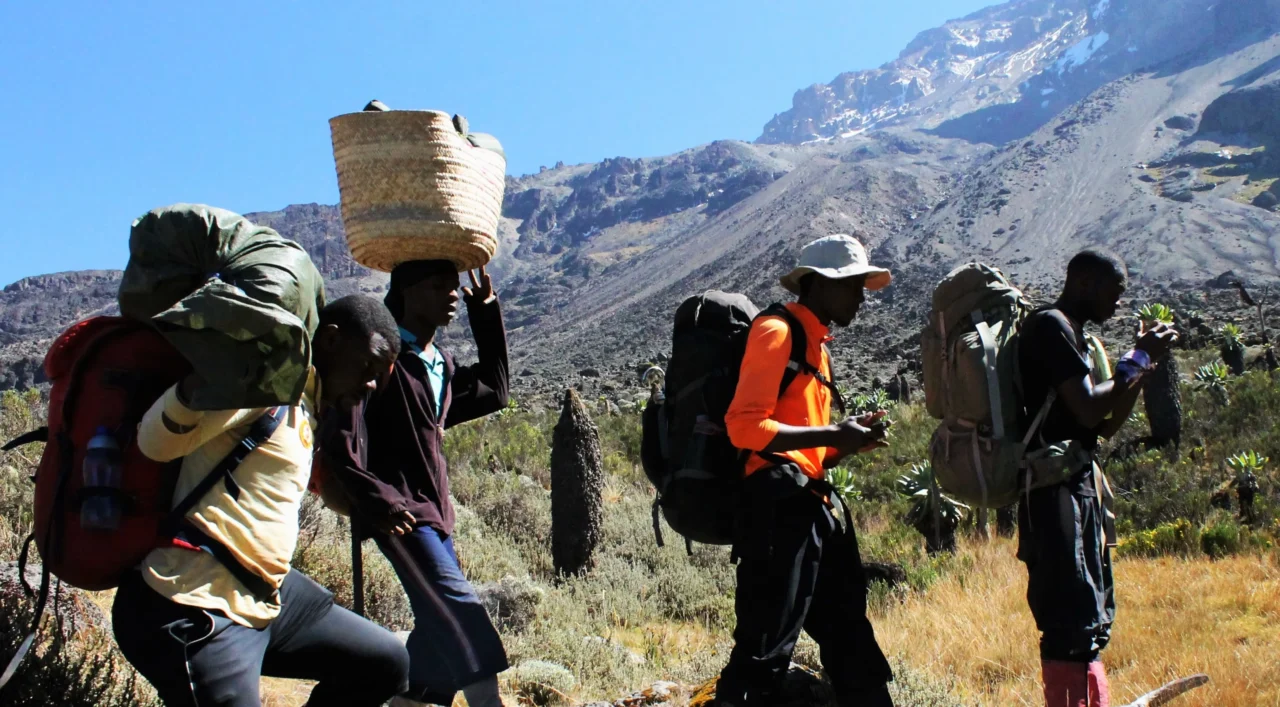
The successful removal of human waste from Kilimanjaro relies heavily on the strength and dedication of the porters. These individuals are the backbone of the trekking operation, carrying not only essential supplies like tents, food, and climbing gear, but also all the waste generated by the expedition.
Portable toilets, often weighing considerable amounts when full, are carefully secured and distributed among the porter team. Similarly, sealed waste bags are collected and transported by porters. This is physically demanding work, especially at high altitudes where oxygen levels are low and the terrain is challenging.
Key responsibilities of porters regarding waste:
- Carrying Portable Toilets: Transporting the bulky and often heavy portable toilet units down the mountain.
- Collecting Waste Bags: Gathering sealed waste bags from climbers and ensuring they are transported safely.
- Maintaining Campsite Cleanliness: Assisting guides in ensuring that all waste, including any accidental spills, is cleaned up from campsites.
It is crucial for trekkers to understand the immense effort involved. Treating porters with respect, ensuring they are properly equipped and fed, and following all waste disposal guidelines are not just ethical considerations but are essential for the overall sustainability of trekking on Kilimanjaro. Top Guide Adventures prioritizes the well-being of our porter teams, ensuring fair wages, adequate food, and proper equipment, which in turn supports their vital role in waste management for your 2026 or 2027 climb.
Disposal of Human Waste Off the Mountain
Once the human waste, contained in portable toilets and sealed bags, reaches the base of the mountain, it is transported to designated disposal sites. The final destination and method of disposal are critical to preventing environmental contamination.
Designated Disposal Sites
KINAPA, in collaboration with local authorities, has established specific areas outside the national park boundaries where the waste collected from Kilimanjaro is taken. These sites are typically located in regions where the soil composition and environmental conditions are suitable for safe processing or containment. The goal is to prevent the waste from polluting local water sources or agricultural land.
Treatment and Processing
The exact methods of treatment can vary and are subject to evolving environmental regulations. However, the general principles involve either:
- Incineration: In some cases, waste may be incinerated at controlled facilities, reducing its volume and eliminating pathogens.
- Sanitary Landfills: Waste may be transported to approved sanitary landfills designed to contain waste and prevent leaching into the environment.
- Composting/Biogas (less common for direct human waste): While composting is a sustainable method for organic waste, direct human waste often requires more robust treatment due to pathogen concerns. However, treated waste might eventually contribute to such processes or be used in controlled biogas production systems.
The key is that the waste is not simply dumped haphazardly but is managed through official channels that prioritize public health and environmental safety. Tour operators are responsible for ensuring that their contracted waste disposal services comply with these regulations.
Top Guide Adventures works with licensed and reputable waste management partners to ensure that all human waste collected during our climbs is disposed of responsibly and in accordance with park and national regulations. This commitment extends to our operations planned for 2026 and 2027, ensuring a clean mountain experience.
Regulations and Enforcement by KINAPA
The Kilimanjaro National Park Authority (KINAPA) plays a crucial role in enforcing waste management policies. They have the authority to inspect expeditions, enforce regulations, and even penalize operators who fail to comply.
Park Rules and Guidelines
KINAPA’s regulations are clear: all waste generated on the mountain, including human waste, must be carried down. This policy is non-negotiable and applies to all trekkers, guides, and porters.
- Mandatory Waste Removal: No waste should be buried, burned, or left behind.
- Use of Portable Toilets: The use of portable toilets at campsites is mandatory for most reputable operators.
- Waste Bag Use: Designated waste bags must be used for trailside relief and carried out.
- Leave No Trace Principles: Climbers are expected to adhere to Leave No Trace principles, which include proper waste disposal.
Enforcement Mechanisms
KINAPA employs rangers and officials who monitor the mountain routes. They conduct checks at various points, including park gates and campsites, to ensure that operators are complying with waste management protocols.
- Ranger Inspections: Rangers may inspect campsites to ensure portable toilets are present and being used correctly, and that waste is being properly contained.
- Porter Checks: Porters may be checked to ensure they are carrying out waste.
- Penalties: Operators found to be violating waste management rules can face significant fines, suspension of their operating license, or even be banned from operating on Kilimanjaro. In severe cases, trekkers might also face penalties if they are found deliberately littering or mishandling waste.
The strict enforcement by KINAPA is a testament to the importance of preserving Kilimanjaro. For trekkers planning their ascent in 2026 and 2027, understanding and respecting these regulations is paramount to a successful and responsible climb.
Your Role as a Trekker in Waste Management
While tour operators and park authorities handle the logistics, the active participation of each trekker is indispensable for effective waste management on Kilimanjaro. Your actions and awareness directly contribute to preserving the mountain’s pristine condition.
Be Prepared and Informed
Before you even set foot on the mountain, ensure you understand the waste management policies. Choose a reputable tour operator like Top Guide Adventures that prioritizes environmental responsibility and provides the necessary equipment (portable toilets, waste bags).
Key actions for trekkers:
- Familiarize yourself with the procedures: Ask your operator about their specific waste management plan.
- Use provided facilities: Always use the portable toilets at campsites and waste bags when on the trail.
- Pack out everything you pack in: This includes food wrappers, tissues, and any other non-biodegradable items.
- Minimize waste generation: Opt for reusable water bottles and containers. Avoid single-use plastics as much as possible.
Respect the Environment and the Team
Your respect for the mountain and the people who maintain it is crucial. The porters and guides work tirelessly to carry out all waste, including human waste. Showing appreciation and understanding their challenging role is part of responsible trekking.
- Use waste bags discreetly: If using a waste bag on the trail, find a slightly secluded spot and ensure you don’t leave any trace.
- Dispose of waste bags properly: Hand them over to your guide or porter as instructed. Do not leave them on the trail.
- Be mindful of water sources: Avoid any activity that could contaminate streams or springs.
- Support ethical operators: Choose companies like Top Guide Adventures that are known for their commitment to porter welfare and environmental sustainability.
By actively participating in these practices, you help ensure that Kilimanjaro remains a spectacular destination for future adventurers in 2026, 2027, and for years to come.
Environmental Impact of Improper Waste Disposal
The consequences of failing to manage human waste properly on Kilimanjaro can be severe and far-reaching. The mountain’s unique ecosystem is vulnerable, and even small breaches in waste management protocols can lead to significant environmental degradation.
Water Contamination
Perhaps the most critical concern is the contamination of water sources. Kilimanjaro is a vital water tower for the surrounding regions. Rivers and streams originating from the mountain provide drinking water, irrigation, and power for communities. If human waste is not properly contained and removed, pathogens and nutrients can seep into the ground and pollute these water systems. This can lead to:
- Spread of Waterborne Diseases: E. coli, cholera, and other harmful bacteria can contaminate water supplies, posing serious health risks to local populations.
- Eutrophication: Excess nutrients from waste can lead to algal blooms in water bodies, disrupting aquatic ecosystems.
Soil Degradation and Pollution
At higher altitudes, where decomposition is slow, waste can accumulate, leading to soil pollution. This can:
- Harm Vegetation: Contaminated soil can inhibit plant growth and affect the sensitive alpine flora.
- Alter Soil Chemistry: The introduction of foreign substances can change the soil’s composition, impacting its ability to support life.
Aesthetic Damage and Loss of Biodiversity
Visible waste detracts from the natural beauty of Kilimanjaro, diminishing the experience for trekkers and damaging its reputation as a pristine natural wonder. Furthermore, pollution can harm wildlife, disrupting their habitats and food sources.
The long-term impact of persistent waste, especially plastics and non-biodegradable materials, is a growing concern. These materials can take hundreds of years to break down, continuing to pollute the environment long after they are discarded.
These potential impacts underscore the critical importance of adhering to strict waste management protocols, ensuring that every climber contributes to keeping Kilimanjaro clean and healthy for future expeditions in 2026 and 2027.
Innovations and Future of Waste Management on Kilimanjaro
The challenges of waste management on Kilimanjaro are ongoing, and continuous efforts are being made to improve practices and mitigate environmental impact. As technology advances and environmental awareness grows, we can expect further innovations in how human waste is handled on the mountain.
Technological Advancements
Research is ongoing into more efficient and eco-friendly portable toilet systems. This could include:
- Advanced Gelling Agents: More effective powders and gels that can rapidly solidify and neutralize waste, reducing odor and pathogen spread.
- Biodegradable Materials: Development of portable toilet components and waste bags made from fully biodegradable materials.
- Solar-Powered Incinerators: Exploring the feasibility of small-scale, portable incinerators powered by renewable energy for waste disposal at specific points on the mountain, though this presents significant logistical and safety challenges.
Improved Logistics and Infrastructure
Efforts are being made to optimize the logistics of waste transport. This might involve:
- Designated Waste Collection Points: Establishing more efficient points along the routes for collecting sealed waste bags and full portable toilets.
- Specialized Transport: Using specialized carriers or vehicles where feasible to transport waste more efficiently from base stations.
Community Involvement and Education
Continued education for local guides, porters, and communities is vital. Empowering them with the latest knowledge and techniques ensures consistent implementation of best practices.
- Training Programs: Regular training refreshers for all staff involved in trekking operations on Kilimanjaro.
- Raising Trekker Awareness: Enhancing pre-climb briefings and on-mountain information dissemination about the importance of waste management.
The future of waste management on Kilimanjaro depends on a collaborative effort involving KINAPA, tour operators, environmental organizations, and every individual trekker. By embracing innovation and maintaining a strong commitment to environmental stewardship, we can ensure that Kilimanjaro remains a protected and inspiring natural treasure for years to come, including for those planning their climbs in 2026 and 2027.
Choosing a Responsible Tour Operator
Selecting the right tour operator is one of the most significant decisions you’ll make when planning your Kilimanjaro climb. Beyond safety and logistics, their commitment to environmental responsibility, particularly concerning waste management, is paramount. Choosing an operator that adheres to best practices ensures your trek contributes positively, rather than negatively, to the mountain’s ecosystem.
What to Look For in a Responsible Operator:
- Clear Waste Management Policy: A reputable operator will have a well-defined policy on how human waste and other trash are managed. They should explicitly state their use of portable toilets and waste bags.
- KPAP Affiliation or Support: Operators who work with or support the Kilimanjaro Porter Assistance Project (KPAP) often demonstrate a higher commitment to ethical trekking and environmental standards.
- Provision of Equipment: They should provide necessary equipment such as portable toilets and waste bags, and ensure their crew is trained in their use and transport.
- Guide and Porter Training: Ensure their staff are well-trained not only in safety but also in environmental protocols and Leave No Trace principles.
- Transparency: They should be open about their operations, including how waste is disposed of off the mountain.
Top Guide Adventures is deeply committed to responsible tourism on Kilimanjaro. We strictly adhere to all KINAPA regulations regarding waste management, ensuring that all human waste is collected in portable toilets and waste bags and transported down the mountain for proper disposal. We actively support the welfare of our porters and guides, recognizing their crucial role in maintaining the mountain’s environment. When you book your 2026 or 2027 climb with us, you can be confident that you are choosing an operator dedicated to preserving Kilimanjaro’s natural beauty.
We invite you to contact us for detailed information on our waste management practices and to plan your unforgettable Kilimanjaro adventure. Reach out via WhatsApp at +255616946642 or email us at topguideadventures@gmail.com. For further inquiries, our backup email is info@topguideadventures.com.
Frequently Asked Questions about Kilimanjaro Waste Management
What are the primary methods for dealing with human waste on Kilimanjaro?
Human waste on Kilimanjaro is primarily managed using portable toilets (‘groovers’) at campsites and specialized waste bags for use on the trails. All collected waste is then carried down the mountain by porters for proper disposal off the mountain.
Is it permissible to bury human waste on Kilimanjaro?
No, it is strictly forbidden to bury human waste on Kilimanjaro. Park regulations require that all waste, including human waste, be carried down the mountain to prevent environmental contamination.
Who is responsible for carrying the human waste down?
Porters are responsible for carrying the portable toilets and sealed waste bags down the mountain. This is a physically demanding task, and tour operators must ensure porters are adequately equipped and compensated.
What happens to the waste once it reaches the base of the mountain?
Once at the base, the waste is transported to designated disposal sites managed by the Kilimanjaro National Park Authority (KINAPA) and local authorities. Disposal methods can include incineration or transport to approved sanitary landfills.
What can I do as a trekker to help with waste management?
As a trekker, you should use the provided portable toilets and waste bags correctly, pack out everything you pack in (including personal items), minimize your waste generation, and choose a responsible tour operator that adheres to strict environmental protocols.
Are there any environmental risks associated with improper waste disposal on Kilimanjaro?
Yes, improper waste disposal poses significant risks, including contamination of vital water sources, soil degradation, spread of waterborne diseases, aesthetic damage to the mountain, and harm to biodiversity. These risks are amplified at high altitudes where decomposition is minimal.
When do these regulations for 2026 and 2027 climbs apply?
These regulations are in effect year-round and are consistently enforced. Whether you plan to climb in 2026, 2027, or any other year, strict adherence to waste management protocols is mandatory for all expeditions.
Conclusion: A Shared Responsibility for Kilimanjaro’s Future
The question of what happens to human waste on Kilimanjaro reveals a sophisticated system designed to protect one of Africa’s most iconic natural landmarks. From the portable toilets at high-altitude campsites to the dedicated porters carrying the load down and the designated disposal sites at the mountain’s base, every step is crucial. The stringent regulations enforced by KINAPA, supported by responsible tour operators like Top Guide Adventures, ensure that the environmental footprint of trekking is minimized.
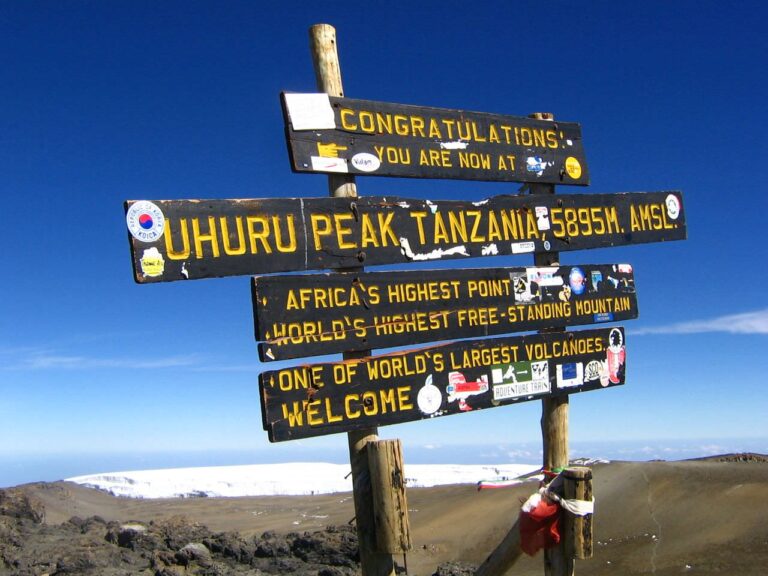
As a trekker preparing for an expedition in 2026 or 2027, your understanding and active participation in these waste management practices are not just a matter of following rules; they are a testament to your respect for the mountain and its delicate ecosystem. By choosing ethical operators, using facilities correctly, and packing out everything you bring, you contribute directly to preserving Kilimanjaro’s pristine beauty for future generations. The collective effort ensures that the magic of reaching Uhuru Peak remains untarnished by human impact.
Planning your climb with a company that prioritizes sustainability is key. Top Guide Adventures is dedicated to providing exceptional trekking experiences while upholding the highest environmental standards. We are here to answer all your questions and ensure your journey to the Roof of Africa is both incredible and responsible. For personalized assistance with your 2026-2027 Kilimanjaro adventure, please feel free to connect with us:
- WhatsApp: +255616946642
- Email: topguideadventures@gmail.com
- Backup Email: info@topguideadventures.com
Let’s work together to keep Kilimanjaro wild and wonderful.
Check Availability for What Happens To Human Waste On Kilimanjaro? Managing On Africas Highest Peak
Ready to compare dates, prices, and the best option for your group? Send the package name and travel month so the team can reply with a clear quote, availability, and what is included.
What Does Kilimanjaro Rainforest Look Like? A Trekkers Visual Guide 2026-2027
The Kilimanjaro rainforest is a vibrant, humid zone of dense vegetation, towering trees, and diverse plant life found on the mountain's lower slopes. It's the first major ecosystem trekkers...
View package details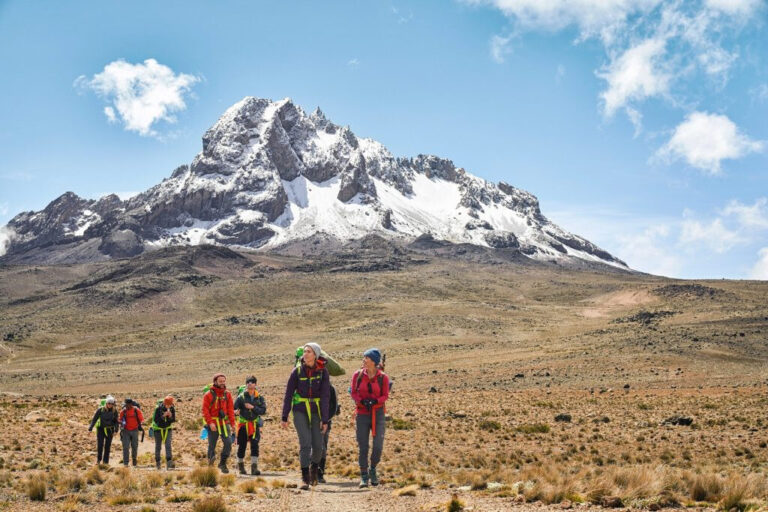
What Animals Live On Mount Kilimanjaro? 2026-2027
What Animals Live on Mount Kilimanjaro? is explained with current 2026-2027 planning, price, itinerary and booking information.
View package details
What Does The View From Uhuru Peak Look Like? Your Ultimate Kilimanjaro
The view from Uhuru Peak, Kilimanjaro's highest point, is a surreal panorama of stark volcanic rock, glacial ice, and an endless sea of clouds stretching below. At dawn, it offers a...
View package details
What Is School Hut Like On Kilimanjaro? 2026-2027
What Is School Hut Like on Kilimanjaro? is explained with current 2026-2027 planning, price, itinerary and booking information.
View package details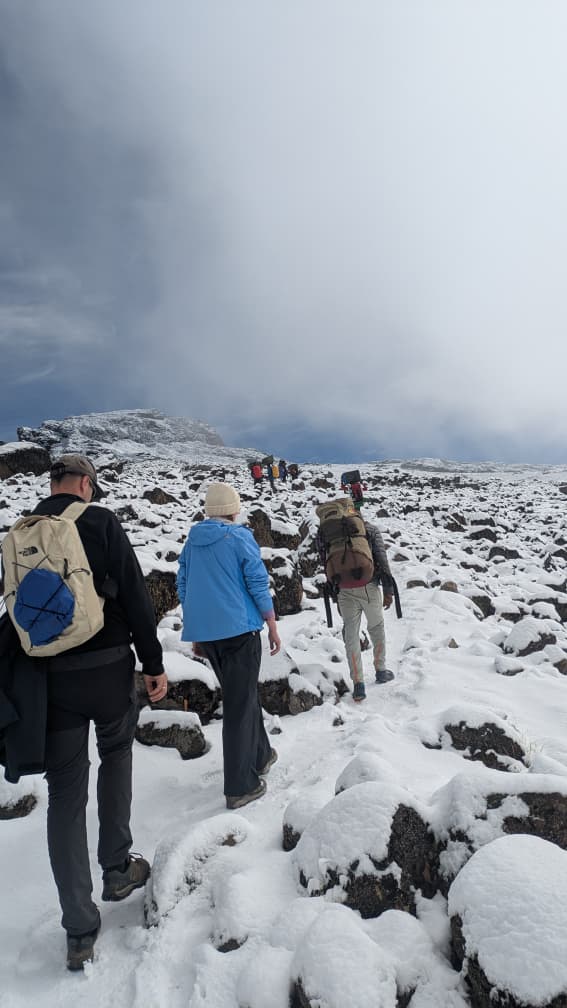
What Is Barafu Camp Like Before Summit Night On Kilimanjaro? 2026-2027
Barafu Camp is the high-altitude staging post on Kilimanjaro, situated just below the summit cone. It's a critical point where climbers rest and prepare for the final ascent to Uhuru Peak...
View package details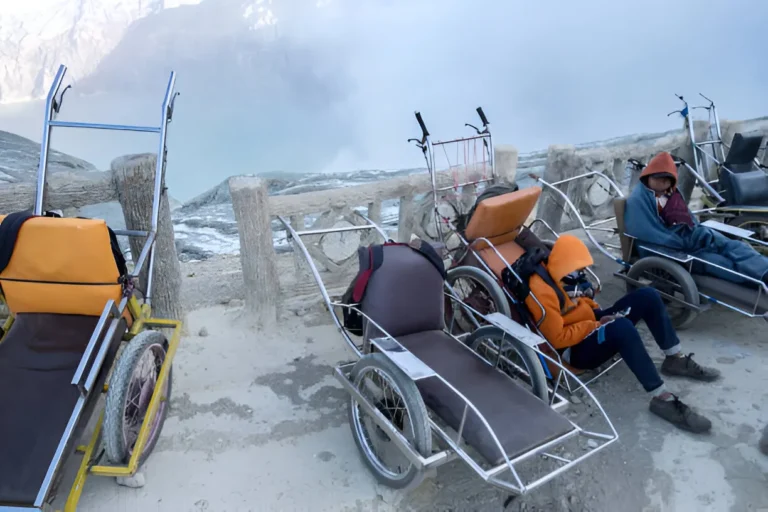
Kilimanjaro Climb With A Personal Support Assistant: Your Ultimate Guide
Climbing Mount Kilimanjaro with a personal support assistant offers unparalleled safety, comfort, and focus on your summit goals. This guide details what a personal assistant entails, its...
View package details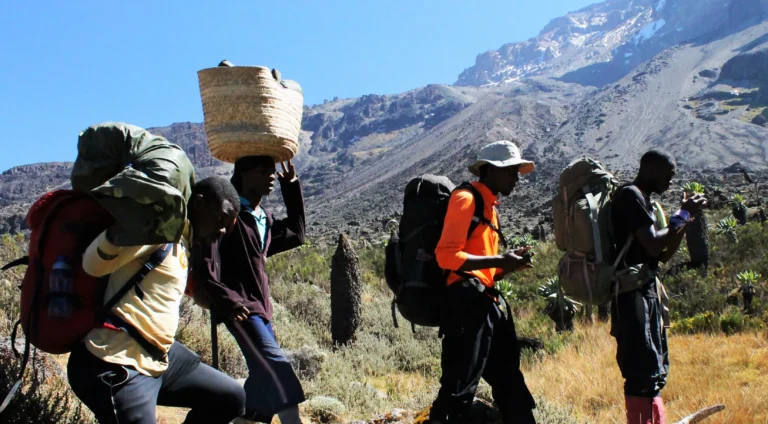
How To Know Whether You Are Ready For Kilimanjaro: A Comprehensive Guide
Climbing Mount Kilimanjaro is a significant undertaking. This guide helps you evaluate your physical, mental, and logistical readiness to ensure a safe and successful trek in 2026 or 2027...
View package details
Kilimanjaro Hydration Mistakes Climbers Make And How To Avoid Them 2026-2027
Proper hydration is critical for a successful Kilimanjaro climb. This guide details common hydration mistakes climbers make, from under-drinking to choosing the wrong fluids, and provides...
View package details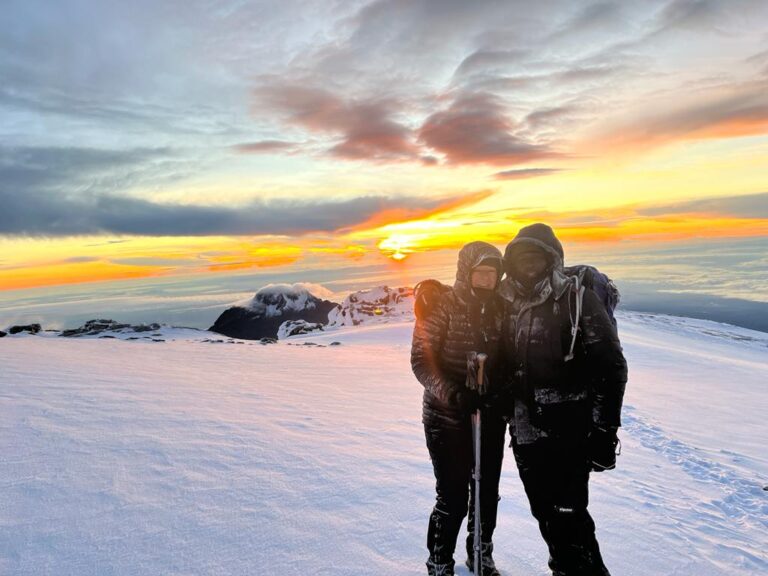
Kilimanjaro Altitude-Sickness Mistakes 2026-2027
Kilimanjaro Altitude-Sickness Mistakes is explained with current 2026-2027 planning, price, itinerary and booking information.
View package details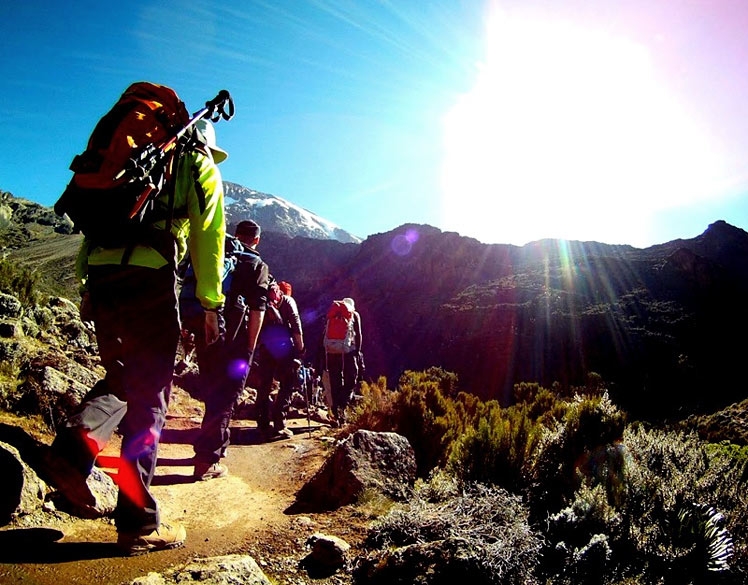
Kilimanjaro Summit-Night Mistakes To Avoid: Your Essential Guide For Climbs
Summit night on Kilimanjaro is the most challenging part of the climb. Avoiding common mistakes in acclimatization, gear, hydration, and pacing is crucial for success. This guide details...
View package details
Kilimanjaro Training Mistakes That Reduce Summit Success 2026-2027
Kilimanjaro Training Mistakes that Reduce Summit Success is explained with current 2026-2027 planning, price, itinerary and booking information.
View package details
Kilimanjaro Personal Porter Vs Standard Support 2026-2027
Kilimanjaro Personal Porter vs Standard Porter Support is explained with current 2026-2027 planning, price, itinerary and booking information.
View package detailsNo related package matches those filters. Clear one or more filters to see the other topic-matched options.



