
Using a toilet tent on Kilimanjaro involves setting it up in a designated area, ensuring privacy for waste disposal, and managing it hygienically throughout your trek. This typically means selecting a level spot, securing the tent, using it with biodegradable toilet paper and waste bags, and leaving no trace behind to maintain the mountain’s pristine environment.
Understanding the Necessity of a Toilet Tent on Kilimanjaro
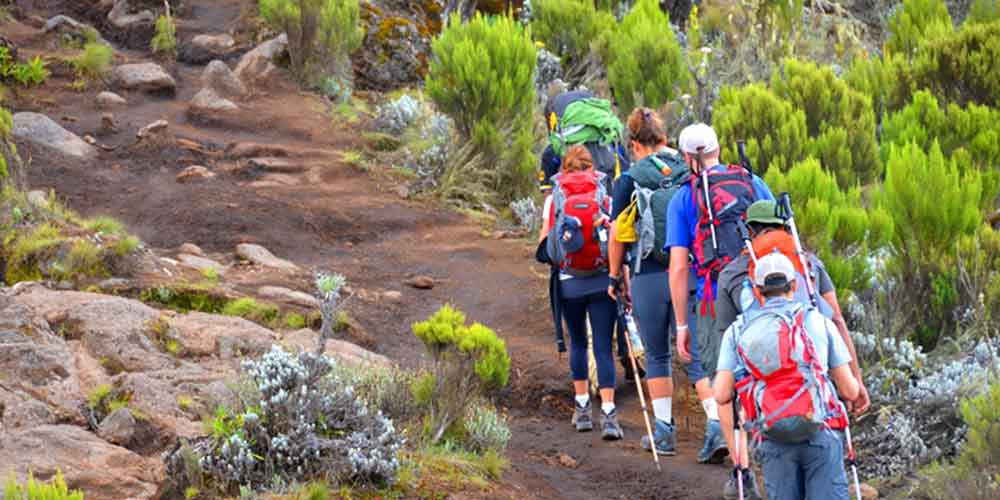
Kilimanjaro, Africa’s highest peak and a UNESCO World Heritage site, presents a unique trekking experience. As you ascend through diverse ecological zones, from lush rainforest to alpine desert and arctic summit, the infrastructure becomes increasingly rudimentary. While established campsites on the mountain often have basic toilet facilities, their availability, cleanliness, and privacy can vary significantly, especially on less-trafficked routes or during peak seasons. This is where a personal toilet tent, often referred to as a ‘porta-potty tent’ or ‘privacy shelter’, becomes an invaluable piece of equipment for many trekkers. It’s not just about convenience; it’s about maintaining personal hygiene, dignity, and comfort in a challenging, remote environment. For trekkers planning their expeditions for 2026 and 2027, understanding the practicalities of using such gear is crucial for a successful and enjoyable climb.
The decision to use a toilet tent often stems from a desire for a more controlled and private bathroom experience. Unlike the communal pit latrines found at some camps, a personal tent offers a controlled space where you can manage your waste with greater discretion. This is particularly important for longer treks, where multiple daily needs arise, or for individuals who prioritize a higher standard of personal care. Top Guide Adventures understands these needs and can advise on the best gear and practices for your Kilimanjaro climb.
Why is a Toilet Tent More Than Just a Luxury?
On Kilimanjaro, the concept of ‘toilet facilities’ can range from a simple hole dug in the ground by guides to basic structures with limited privacy. These facilities can become crowded, unhygienic, or simply unavailable when you most need them. A toilet tent offers:
- Unparalleled Privacy: Essential for comfort and dignity, especially during early morning or late-night calls of nature.
- Hygiene Control: You control the cleanliness of your immediate personal space, using your own supplies.
- Convenience: Eliminates the need to search for communal facilities or rely on makeshift arrangements, saving time and reducing stress.
- Environmental Responsibility: When used correctly with appropriate waste management, it helps minimize the impact on the fragile mountain ecosystem.
For trekkers booking their Kilimanjaro adventure with Top Guide Adventures for 2026-2027, incorporating a toilet tent into their packing list can significantly enhance their overall trekking experience. It’s a small investment that pays significant dividends in comfort and peace of mind.
Choosing the Right Toilet Tent for Kilimanjaro
Not all toilet tents are created equal, and selecting the right one for a Kilimanjaro trek involves considering several factors. The primary goal is portability, durability, and ease of use in a mountain environment. Most trekking-specific toilet tents are designed to be lightweight, pop-up style shelters.
Key Features to Look For:
- Pop-Up Design: These tents spring into shape almost instantly upon removal from their carrying bag, making setup incredibly fast.
- Lightweight and Compact: Essential for carrying in your backpack or having your porter carry it. Look for models under 2-3 kg (4-6 lbs).
- Ventilation: Good ventilation is crucial to prevent condensation and stale air. Mesh windows or vents are beneficial.
- Durable Fabric: Water-resistant and ripstop nylon or polyester are ideal.
- Sturdy Poles: Usually made of fiberglass or aluminum, these need to withstand wind.
- Groundsheet: Some tents have an integrated groundsheet, which can be useful for preventing mud ingress, while others are open at the bottom, allowing for easier cleaning and direct placement over a portable toilet.
- Internal Hooks/Pockets: Handy for hanging a toilet roll, a small light, or other essentials.
Popular brands often offer models suitable for camping and trekking. When considering a purchase for your 2026 climb, check reviews specifically mentioning use in similar conditions. Top Guide Adventures can also provide recommendations based on our extensive experience guiding clients on Kilimanjaro.
Types of Toilet Tents
The most common type for trekking is the freestanding pop-up privacy tent. These are essentially a single-layer shelter that pops open. They don’t usually have a built-in toilet; their purpose is to provide a private enclosure. You would typically use these in conjunction with a portable camping toilet (like a bucket or a specialized collapsible toilet) or by digging a cat-hole (though this is less common and often discouraged in designated camping areas for hygiene reasons).
Some tents are designed to be larger and can accommodate a chemical toilet or even a bucket with a seat. For Kilimanjaro, given the need for portability and the requirement to pack out all waste, a lighter, simpler pop-up tent is usually preferred. It provides the essential privacy without adding significant weight.
Setting Up Your Toilet Tent on Kilimanjaro
The setup process for a pop-up toilet tent is generally straightforward, but a few considerations are vital for its effective use on Kilimanjaro. Your guide will usually assist with selecting the appropriate location at the campsite.
Step-by-Step Setup Guide:
- Site Selection: Your guide will help identify a suitable spot. Look for a relatively flat, sheltered area away from main paths and other tents. It should be accessible but discreet.
- Unpack: Carefully remove the tent from its carrying bag. Be aware that it will likely spring open rapidly.
- Positioning: Place the tent where you intend to use it. If using a portable toilet, position it inside the tent first.
- Securing the Tent: Most pop-up tents have loops or stakes. Use the provided stakes to anchor the tent to the ground, especially if it’s windy. If the ground is rocky, you may need to use large stones to weigh down the edges or the base of your portable toilet.
- Ventilation: Ensure any vents or windows are open to allow for airflow.
Important Note: Always ask your guide for assistance. They are experienced in setting up camp and can advise on the best practices for each campsite and weather condition. They will also be responsible for packing out all waste, including anything generated within your toilet tent.
Using the Tent with a Portable Toilet
Many trekkers opt to bring a small, collapsible camping toilet or even a sturdy bucket with a secure lid. The toilet tent then serves as a private enclosure for this portable unit.
- Placement: Position the portable toilet inside the tent before you need it. Ensure it’s stable.
- Lining: Use heavy-duty biodegradable waste bags to line the portable toilet. This makes cleanup much easier and more hygienic.
- Supplies: Keep toilet paper, hand sanitizer, and waste bags within easy reach inside the tent.
Using the Tent without a Portable Toilet (Cat-Hole Method)
While less common and generally discouraged in established campsites on Kilimanjaro, if you are in a situation where a portable toilet isn’t feasible and your guide approves, you might use the tent for digging a cat-hole.
- Digging: Dig a hole at least 6 inches (15 cm) deep, away from water sources and trails.
- Use: Use the tent for privacy while using the hole.
- Covering: Thoroughly cover the waste with soil after use.
- Pack Out: Pack out all used toilet paper in a designated waste bag. Never leave toilet paper in the hole or on the ground.
Crucially, on Kilimanjaro, all human waste and toilet paper must be packed out. This is a strict park regulation. Your Top Guide Adventures crew will manage this process, but understanding the system is key. Using a portable toilet with waste bags simplifies this requirement significantly.
Hygiene and Waste Management: The Critical Component
Proper hygiene and waste management are paramount when using a toilet tent on Kilimanjaro. The mountain’s ecosystem is fragile, and the principle of ‘Leave No Trace’ is strictly enforced. Your tour operator, Top Guide Adventures, will ensure all waste is properly handled, but your active participation is essential.
Personal Hygiene Inside the Tent:
- Hand Sanitizer: Always have a bottle of hand sanitizer readily accessible inside the tent. Use it generously before and after each use.
- Toilet Paper: Use only biodegradable toilet paper. Pack out all used toilet paper in a dedicated waste bag. Do not bury it or leave it behind.
- Wet Wipes: While convenient, many wet wipes are not biodegradable and can harm the environment. If you use them, ensure they are specifically marked as flushable and biodegradable, and even then, it’s best to pack them out with other waste.
- Cleaning Supplies: Carry a small supply of disinfectant wipes for cleaning the inside of the tent or your portable toilet if needed.
Waste Disposal Protocol:
This is where the toilet tent plays a role in a larger system. All waste generated must be managed responsibly.
- Portable Toilets: If using a portable toilet, line it with heavy-duty, biodegradable waste bags. Tie the bag securely after each use.
- Packing Out: The collected waste (including used toilet paper) will be placed in larger, sealed bags provided by your crew. These bags are then carried down the mountain by the porters and disposed of properly at designated facilities. This is a non-negotiable rule on Kilimanjaro.
- No Burying: Under no circumstances should waste, including human waste or toilet paper, be buried. This contaminates the soil and water sources.
Top Guide Adventures prioritizes environmental protection. By using your toilet tent responsibly and cooperating with your guide and crew, you contribute to preserving Kilimanjaro for future generations. This practice is especially critical for climbs planned for 2026 and 2027, as environmental regulations become increasingly stringent.
Practical Tips for Using Your Toilet Tent on Kilimanjaro
Beyond the basic setup and hygiene, several practical tips can make using your toilet tent a more comfortable and efficient experience. These are insights gained from years of guiding on Kilimanjaro.
Lighting:
Nights on Kilimanjaro can be dark and cold. Having adequate lighting inside your tent is essential.
- Headlamp: A headlamp is indispensable. Keep it within easy reach of your sleeping bag and the tent entrance.
- Small LED Lantern: A small, battery-powered LED lantern can provide ambient light inside the tent, making it easier to navigate and use the facilities without fumbling with a headlamp.
Temperature Considerations:
Evenings and nights on Kilimanjaro can be extremely cold. The thin fabric of a toilet tent offers little insulation.
- Quick Use: Aim for quick, efficient use of the tent. Don’t linger longer than necessary.
- Warm Clothing: Wear warm layers, including gloves and a hat, even when using the tent at night.
- Portable Heater (Not Recommended): While tempting, using portable heaters inside a small tent is a significant fire hazard and is generally not advisable or permitted.
Privacy and Location:
While the tent provides privacy, its location within the campsite matters.
- Distance from Mess Tent: Position your toilet tent at a reasonable distance from the mess tent and other communal areas to ensure privacy.
- Wind Direction: Consider the prevailing wind direction to minimize any potential odor issues for yourself or others.
Maintenance and Cleaning:
Keep your toilet tent clean to prevent odors and maintain hygiene.
- Wipe Down: After each use, if necessary, wipe down the interior surfaces with disinfectant wipes.
- Ventilation: Air out the tent whenever possible during the day when it’s not in use.
Sharing with a Partner:
If you are climbing with a partner, you might consider sharing a larger toilet tent, or agree on specific times for use to ensure everyone’s needs are met comfortably. Discussing these arrangements before your trek is advisable.
Packing the Tent Away:
Pop-up tents can be tricky to fold. Most come with instructions or a diagram. Practice folding it at home before your trip to Kilimanjaro. Your guides will also assist with packing it down efficiently each morning.
When is a Toilet Tent Most Useful on Kilimanjaro?
While a toilet tent can be beneficial at any point on the mountain, its utility becomes particularly pronounced during specific stages of the trek and under certain conditions.
Longer Routes and Higher Altitudes:
On longer routes like the Machame Route or the Northern Circuit, which typically span 7 days or more, you’ll spend more time camping. As you ascend into the alpine desert and arctic zones, vegetation is scarce, and natural “facilities” become non-existent. The camps are more spread out, and relying solely on communal toilets (if available) can be inconvenient, especially during the cold, dark hours or during busy periods. The need for privacy and reliable access to a toilet increases significantly at higher altitudes, where physical exertion is greater and the cold is more intense.
Specific Campsites:
Some campsites on Kilimanjaro have more established toilet blocks than others. However, even these can be basic, unhygienic, or crowded. Camps like Barranco Camp (known for its unique landscape and the Barranco Wall climb) or Karatu Camp can see a high volume of trekkers. Having your own toilet tent ensures you have a private, clean space regardless of the condition of the communal facilities.
Nighttime Use:
This is perhaps the most critical time. The temperature drops dramatically after sunset, and venturing out of your tent in the dark, often in freezing conditions, to find a communal toilet can be a daunting prospect. A toilet tent set up just outside your sleeping tent allows for quick, discreet, and relatively warmer access, significantly improving comfort and sleep quality. This is especially true for the summit night push, where you might be woken up very early or need to use the facilities during the arduous ascent.
Individual Preferences:
Some individuals simply have a higher need for privacy and hygiene than others. If you are someone who values personal space and a controlled environment, a toilet tent is a worthwhile addition to your gear list, regardless of the route or campsite. This is a personal decision that Top Guide Adventures fully supports, offering guidance to ensure you have the best possible experience for your 2026 or 2027 expedition.
Weather Conditions:
Bad weather, such as rain, snow, or high winds, can make using exposed communal toilets extremely unpleasant. A toilet tent provides a sheltered space, protecting you from the elements while you attend to your needs.
Comparing Toilet Tent Options with Other Solutions
While a toilet tent is a popular choice, it’s useful to understand how it compares to other potential solutions for managing bathroom needs on Kilimanjaro.
1. Communal Toilets:
- Pros: No extra gear to carry, managed by park authorities or camp staff.
- Cons: Variable cleanliness, lack of privacy, potential for long queues, can be far from sleeping tents, may not be available on all routes/campsites.
2. Digging a Cat-Hole (where permitted):
- Pros: Minimal gear required (just a small trowel).
- Cons: Requires finding a suitable spot away from trails/water, strict adherence to ‘Leave No Trace’ principles is essential, difficult in rocky or frozen ground, all toilet paper must still be packed out, not permitted in most established campsites on Kilimanjaro.
3. Portable Toilet (Bucket/Collapsible):
- Pros: Offers a stable sitting surface, can be used without a tent in a pinch (though privacy is compromised).
- Cons: Can be bulky, requires lining and careful waste management, potential for odor if not managed properly.
4. Toilet Tent + Portable Toilet (The Recommended Combination):
- Pros: Provides maximum privacy and hygiene, controlled environment, simplifies waste management (especially with biodegradable bags), comfortable for night use, ideal for longer treks.
- Cons: Requires carrying an additional piece of gear (though lightweight pop-up tents are manageable), initial setup requires a small learning curve.
For most trekkers aiming for comfort and convenience on Kilimanjaro, especially those planning for 2026-2027 expeditions, the combination of a lightweight pop-up toilet tent and a portable toilet system (like a bucket with a lid and biodegradable bags) offers the best balance of practicality, hygiene, and environmental responsibility. Top Guide Adventures strongly advises this approach for an enhanced trekking experience.
Preparing Your Toilet Tent Gear for Kilimanjaro
Proper preparation ensures your toilet tent functions effectively and adds to your comfort rather than becoming a burden. Here’s what you need to consider before your trek.
What to Pack with Your Toilet Tent:
- Biodegradable Toilet Paper: Pack more than you think you’ll need. Single-ply is best.
- Heavy-Duty Waste Bags: For lining portable toilets or collecting used toilet paper. Opt for dark, opaque bags.
- Hand Sanitizer: A large bottle.
- Small Trowel (Optional): If you anticipate needing to dig a cat-hole in specific circumstances (check with your guide).
- Disinfectant Wipes: For cleaning.
- Small LED Lantern/Headlamp: Essential for night use.
- Portable Toilet (Optional but Recommended): A collapsible model or a sturdy bucket with a secure lid.
Practicing at Home:
Before heading to Tanzania for your Kilimanjaro climb, practice setting up and, crucially, folding your pop-up toilet tent. These tents can be surprisingly tricky to get back into their original bag if you haven’t done it before. Familiarity will save you time and frustration at the campsite.
Weight Considerations:
While essential for comfort, remember that every item adds to your pack weight. Lightweight pop-up tents typically weigh between 1.5 to 2.5 kg (3-5.5 lbs). If you hire a porter, this weight is less of a concern for you directly, but it impacts the overall logistics. Discuss gear weight with Top Guide Adventures when planning your packing list for 2026-2027.
Rental vs. Purchase:
Depending on how often you plan to use camping gear, you might consider renting a toilet tent and portable toilet from a reputable outfitter in Moshi or Arusha, or directly from your tour operator. Top Guide Adventures can assist with gear rental arrangements, ensuring you have suitable equipment for your Kilimanjaro climb.
The Role of Guides and Porters with Your Toilet Tent
On Kilimanjaro, you are part of a team, and your guides and porters play a vital role in managing the logistics of camping, including the use of toilet facilities and waste management. Understanding their roles can help you work more effectively with them.
Guide’s Responsibilities:
- Site Selection: Your lead guide will determine the best location for your toilet tent at each campsite, considering privacy, wind, and environmental impact.
- Setup Assistance: They can help with anchoring the tent, especially in challenging conditions.
- Waste Management Oversight: They ensure that all waste is collected and packed out according to park regulations. They will provide the necessary waste bags and oversee their sealing and transport.
- Hygiene Advice: They can offer practical advice on maintaining hygiene throughout the trek.
Porter’s Responsibilities:
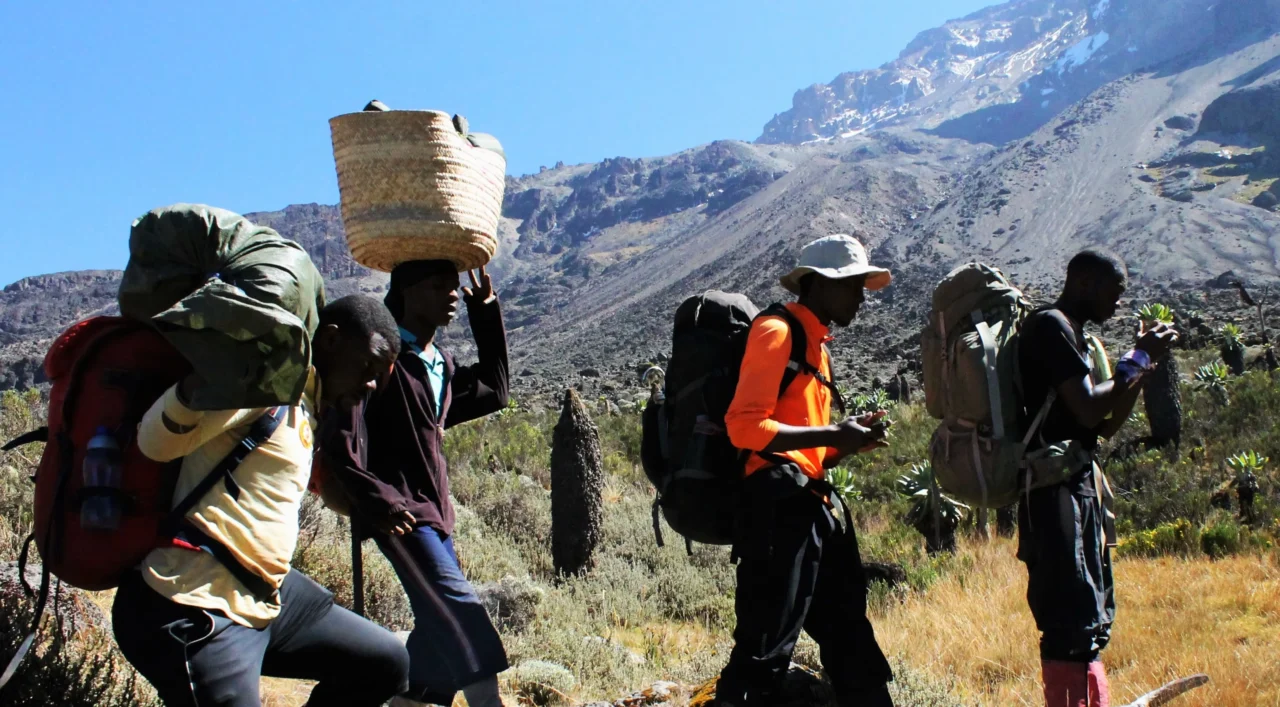
- Carrying Gear: Porters will carry your toilet tent, portable toilet, and waste bags down the mountain.
- Camp Setup: They assist in setting up the overall camp, which includes designating areas for tents and facilities.
It’s important to maintain open communication with your guide. If you have specific needs or concerns regarding the toilet tent or any aspect of your camping experience, do not hesitate to discuss them. The Top Guide Adventures team is dedicated to ensuring your comfort and safety.
Environmental Regulations and ‘Leave No Trace’ on Kilimanjaro
Kilimanjaro National Park has strict environmental regulations to protect its unique and fragile ecosystem. The ‘Leave No Trace’ principle is not just a guideline but a mandate.
Key Regulations Regarding Waste:
- Pack It In, Pack It Out: This applies to all waste, including food scraps, packaging, and human waste. Nothing should be left behind.
- Human Waste: All human waste and toilet paper must be collected and carried down to be disposed of at designated facilities. This is why a toilet tent combined with a portable toilet system is the most responsible method.
- Water Sources: Never use the toilet near water sources. Maintain a significant distance to prevent contamination.
- Campfires: Campfires are strictly prohibited on Kilimanjaro.
The Role of the Toilet Tent in Conservation:
When used correctly, a toilet tent significantly aids in conservation efforts. It centralizes waste collection, preventing scattering and contamination of the environment. By ensuring all waste is contained and packed out, you are actively participating in protecting Kilimanjaro’s natural beauty. This commitment is something Top Guide Adventures champions, and we expect all our clients to adhere to these principles during their 2026-2027 treks.
Consequences of Non-Compliance:
Park rangers actively monitor adherence to environmental regulations. Failure to comply can result in fines or even being asked to descend the mountain. Responsible waste management is therefore not just good practice, but a requirement for a successful climb.
Troubleshooting Common Issues with Toilet Tents
Even with careful preparation, minor issues can arise. Here’s how to handle them:
Issue: Tent Won’t Stay Open/Collapsed in Wind
- Solution: Ensure all anchor points are properly staked. If the ground is hard or rocky, use heavy stones to weigh down the base or poles. Check that the poles are correctly inserted into their sleeves.
Issue: Condensation Inside the Tent
- Solution: Maximize ventilation by opening all vents and mesh panels. Avoid bringing excessively wet gear inside. Air out the tent during the day whenever possible.
Issue: Odor Management
- Solution: Use biodegradable toilet paper and seal waste bags immediately after use. Keep the tent well-ventilated. Use hand sanitizer liberally. If using a portable toilet, consider adding a small amount of odor-absorbing material (like baking soda) to the waste bag, if feasible and approved by your guide.
Issue: Difficulty Folding the Tent
- Solution: Refer to the manufacturer’s instructions or practice at home. The key is usually to twist the top and bottom sections in opposite directions to create a flat disk, then fold it in half. Your guide can also assist.
Issue: Tent is Damp or Dirty After Use
- Solution: Use disinfectant wipes to clean any soiled areas. Allow the tent to air dry completely before packing it away, if conditions permit. If not, pack it loosely and ensure it’s dried thoroughly once you descend.
Making the Most of Your Kilimanjaro Experience with Top Guide Adventures
Utilizing a toilet tent effectively is just one aspect of a well-prepared Kilimanjaro climb. At Top Guide Adventures, we are committed to providing comprehensive support for every client, ensuring your journey is as comfortable, safe, and memorable as possible.
From selecting the best route for your fitness and experience level to providing detailed packing lists and experienced guides, we handle the complexities so you can focus on the ascent. Our team is well-versed in the best practices for trekking Kilimanjaro, including the responsible use of gear like toilet tents. We understand the nuances of camping at different altitudes and can advise on the most suitable equipment for your expedition, whether you’re planning for late 2026 or early 2027.
We believe that comfort and convenience, balanced with environmental responsibility, are key to an enjoyable Kilimanjaro experience. If you have any questions about gear, our itineraries, or how we manage waste and hygiene on the mountain, please don’t hesitate to reach out. Our goal is to make your Kilimanjaro dream a reality, supported by the best service and expertise in Tanzania.
Ready to plan your Kilimanjaro adventure for 2026 or 2027? Contact Top Guide Adventures today:
- WhatsApp: +255616946642
- Email: topguideadventures@gmail.com
- Backup Email: info@topguideadventures.com
Let us help you prepare for a climb that is not only successful but also comfortable and environmentally conscious. We look forward to guiding you to the roof of Africa!
“,
“faq_schema”: [
{
“question”: “Do I really need a toilet tent on Kilimanjaro?”,
“answer”: “While not strictly mandatory, a toilet tent significantly enhances comfort, privacy, and hygiene on Kilimanjaro, especially on longer routes or during night use. It provides a controlled personal space for waste disposal, which is crucial given the basic facilities available at some campsites.”
},
{
“question”: “How do I manage waste from the toilet tent on Kilimanjaro?”,
“answer”: “All waste, including human waste and toilet paper, must be packed out from Kilimanjaro. If using a portable toilet inside the tent, line it with heavy-duty biodegradable bags, seal them securely after each use, and the crew will carry them down for proper disposal. Never bury waste or toilet paper.”
},
{
“question”: “What kind of toilet tent is best for Kilimanjaro?”,
“answer”: “A lightweight, pop-up privacy tent is ideal. Look for one that is compact, easy to set up and fold, and offers good ventilation. It serves as an enclosure, and you would typically use it with a separate portable camping toilet or bucket.”
},
{
“question”: “Can my porters set up my toilet tent for me?”,
“answer”: “Yes, your guides and porters are experienced in camp setup and can assist with placing and securing your toilet tent at the campsite. They are also responsible for packing it away each morning and for carrying out all waste.”
},
{
“question”: “What are the environmental rules regarding toilets on Kilimanjaro?”,
“answer”: “Kilimanjaro National Park strictly enforces ‘Leave No Trace’ principles. All human waste and toilet paper must be packed out. Using a toilet tent with a portable waste system is the most responsible method. Never use toilets near water sources.”
},
{
“question”: “How do I deal with cold temperatures when using a toilet tent at night?”,
“answer”: “Wear warm layers, including gloves and a hat, even inside the tent. Aim for quick use and keep a headlamp or small lantern handy. The tent itself offers minimal insulation, so efficiency is key. Ensure good ventilation to prevent condensation.”
},
{
“question”: “Should I buy or rent a toilet tent for Kilimanjaro?”,
“answer”: “You can either purchase one or rent it. Renting might be more cost-effective if you don’t plan to use it frequently. Top Guide Adventures can assist with gear rental arrangements in Tanzania, ensuring you get a suitable, lightweight model.”
},
{
“question”: “What other items do I need to pack for using a toilet tent?”,
“answer”: “Essential items include biodegradable toilet paper, heavy-duty waste bags, hand sanitizer, and a headlamp or small lantern. A portable camping toilet is also highly recommended.”
}
]
}
“`
Check Availability for How To Use A Toilet Tent On Kilimanjaro 2026-2027
Ready to compare dates, prices, and the best option for your group? Send the package name and travel month so the team can reply with a clear quote, availability, and what is included.
Content For Parents And Young Climbers: Conquering Kilimanjaro Safely
Planning a Kilimanjaro climb with children or as a young climber requires special attention. This guide provides comprehensive content for parents and young adventurers, covering...
View package details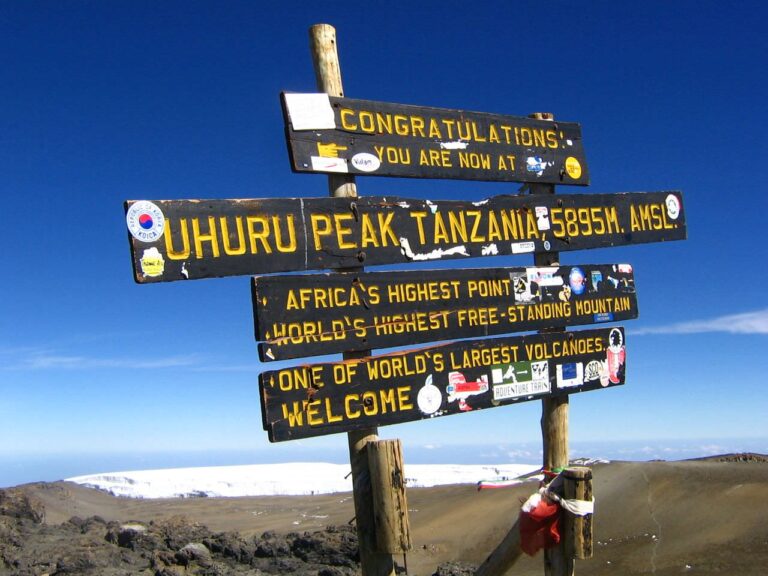
What Does Kilimanjaro Rainforest Look Like? A Trekkers Visual Guide 2026-2027
The Kilimanjaro rainforest is a vibrant, humid zone of dense vegetation, towering trees, and diverse plant life found on the mountain's lower slopes. It's the first major ecosystem trekkers...
View package details
Kilimanjaro Climb With A Personal Support Assistant: Your Ultimate Guide
Climbing Mount Kilimanjaro with a personal support assistant offers unparalleled safety, comfort, and focus on your summit goals. This guide details what a personal assistant entails, its...
View package details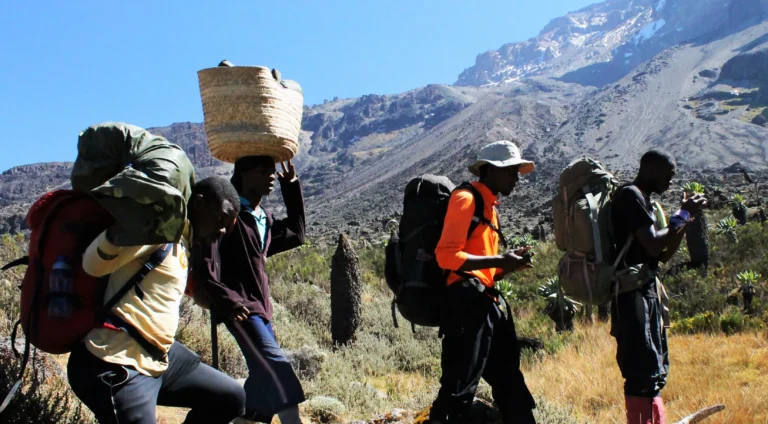
How To Know Whether You Are Ready For Kilimanjaro: A Comprehensive Guide
Climbing Mount Kilimanjaro is a significant undertaking. This guide helps you evaluate your physical, mental, and logistical readiness to ensure a safe and successful trek in 2026 or 2027...
View package details
Kilimanjaro Hydration Mistakes Climbers Make And How To Avoid Them 2026-2027
Proper hydration is critical for a successful Kilimanjaro climb. This guide details common hydration mistakes climbers make, from under-drinking to choosing the wrong fluids, and provides...
View package details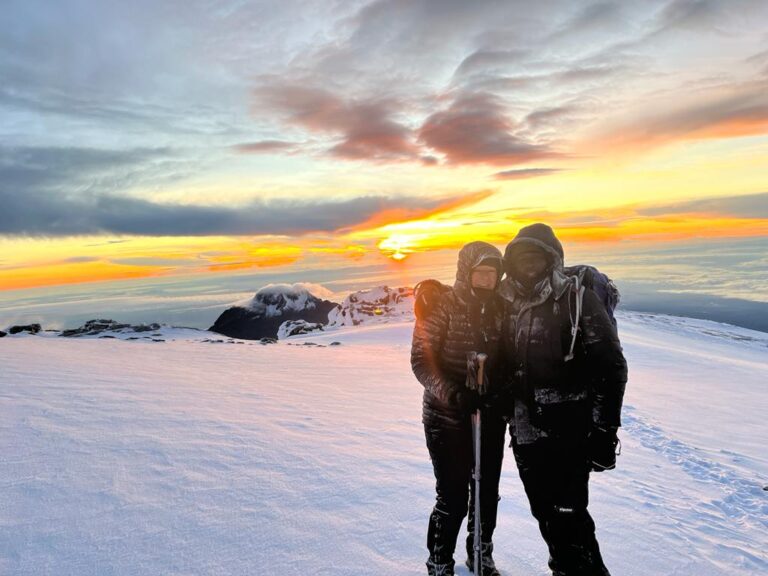
Kilimanjaro Altitude-Sickness Mistakes 2026-2027
Kilimanjaro Altitude-Sickness Mistakes is explained with current 2026-2027 planning, price, itinerary and booking information.
View package details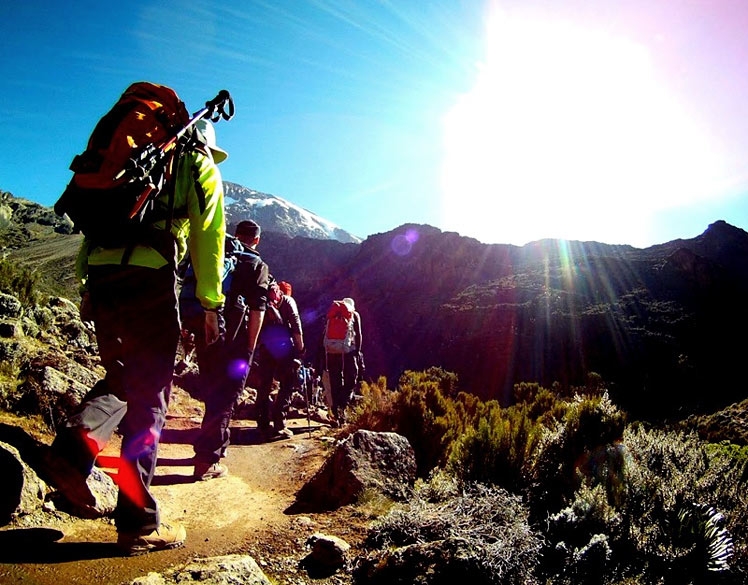
Kilimanjaro Summit-Night Mistakes To Avoid: Your Essential Guide For Climbs
Summit night on Kilimanjaro is the most challenging part of the climb. Avoiding common mistakes in acclimatization, gear, hydration, and pacing is crucial for success. This guide details...
View package details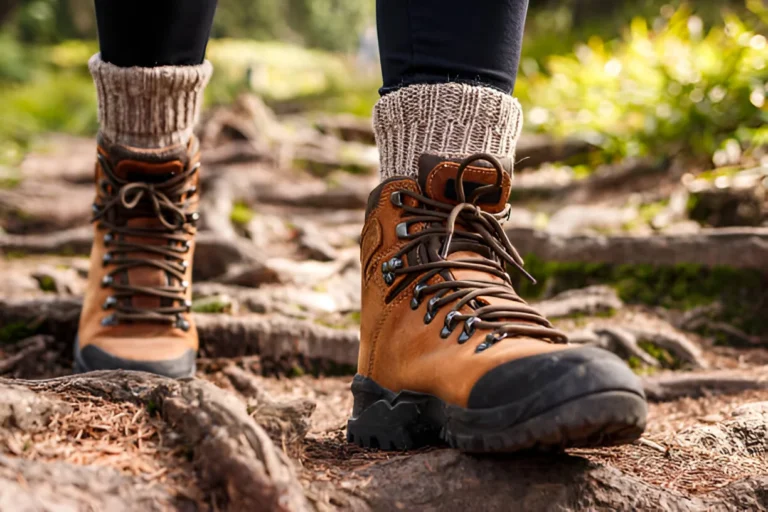
Kilimanjaro Training Mistakes That Reduce Summit Success 2026-2027
Kilimanjaro Training Mistakes that Reduce Summit Success is explained with current 2026-2027 planning, price, itinerary and booking information.
View package details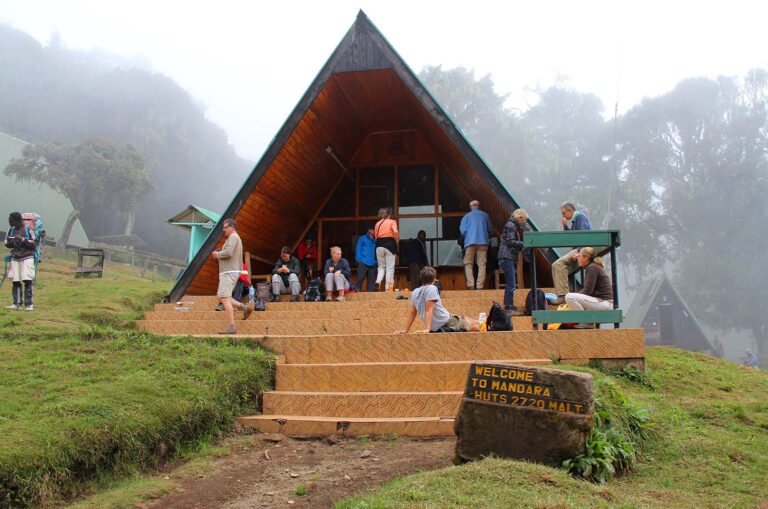
Kilimanjaro Personal Porter Vs Standard Support 2026-2027
Kilimanjaro Personal Porter vs Standard Porter Support is explained with current 2026-2027 planning, price, itinerary and booking information.
View package details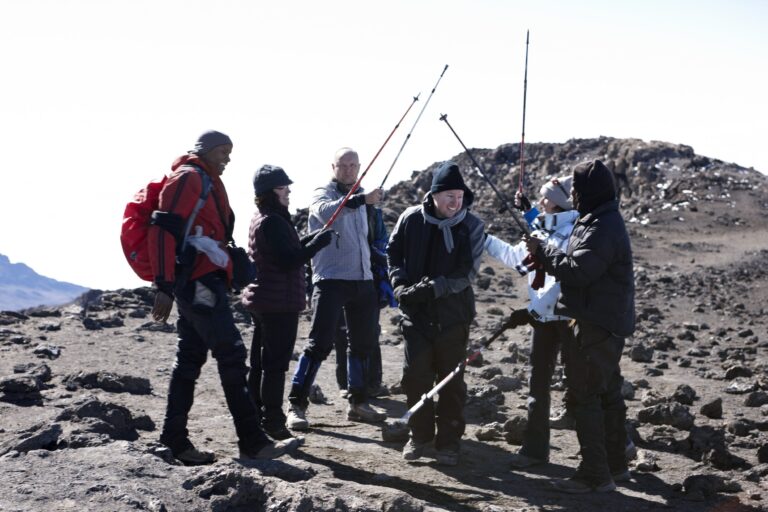
Kilimanjaro Airport Vs Arusha For Climbers: The Definitive Guide 2026-2027
A comprehensive comparison of Kilimanjaro International Airport (JRO) and Arusha Airport (ARK) for trekkers planning a Mount Kilimanjaro climb, detailing pros, cons, and booking advice for...
View package details
Kilimanjaro Climb For Retired Couples: Planning Your Adventure 2026-2027
Planning a Kilimanjaro climb as a retired couple is an achievable and rewarding goal. This guide offers in-depth advice on route selection, physical preparation, essential gear, and the...
View package details
Kilimanjaro Training Plan For Climbers Over 60 2026-2027
Kilimanjaro Training Plan for Climbers over 60 is explained with current 2026-2027 planning, price, itinerary and booking information.
View package detailsNo related package matches those filters. Clear one or more filters to see the other topic-matched options.



