
The best power bank for a Kilimanjaro climb in 2026-2027 should offer a balance of high capacity (at least 20,000mAh), rugged durability, reasonable weight, and fast charging capabilities, ensuring your essential devices like phones, cameras, and headlamps stay powered throughout the trek at high altitudes where charging opportunities are nonexistent.
Choosing the Right Power Bank for Your Kilimanjaro Expedition
Summiting Mount Kilimanjaro is an incredible adventure, a journey that pushes your physical and mental limits. While the focus is rightly on physical preparation, proper gear selection is equally critical. Among the often-overlooked essentials is a reliable power bank. Unlike everyday use, a Kilimanjaro climb presents unique challenges: extreme temperatures, limited charging points (in fact, none on the mountain itself), and the need for your devices to function when it matters most. Whether it’s for navigation, capturing memories, or staying connected in emergencies, a robust power bank is indispensable for trekkers in 2026 and 2027.
Top Guide Adventures, as one of Tanzania’s trusted tour companies, has guided countless adventurers to the Roof of Africa. We understand the specific demands of a Kilimanjaro climb and the importance of every piece of equipment. This guide is designed to help you select the best power bank for a Kilimanjaro climb, ensuring you have the power you need from base camp to Uhuru Peak.
Why Power Banks are Crucial on Kilimanjaro
Imagine reaching a impressive vista, the clouds swirling beneath you, and your camera battery dies. Or, perhaps more critically, you need to check your GPS coordinates or contact your guide in a critical situation, only to find your phone dead. On Kilimanjaro, there are no lodges with wall sockets, no cafes to plug into. The only power you have is what you carry. This reality makes a power bank not just a convenience, but a safety and documentation necessity.
Your devices, while invaluable, are power-hungry. Smartphones for photos, GPS apps, and communication; headlamps for early morning starts or late finishes; satellite phones or personal locator beacons (PLBs) for safety; and perhaps even e-readers for downtime in camp. All of these rely on batteries that will deplete over the course of a 5-8 day trek. Without a power bank, you risk losing the ability to:
- Document Your Journey: Your phone or camera is your primary tool for capturing the stunning landscapes, unique flora, and your personal achievements.
- Navigate Safely: While guides are essential, having a GPS-enabled device with offline maps can be a valuable backup.
- Communicate in Emergencies: A charged phone could be vital for contacting emergency services or your support team if needed.
- Use Essential Gear: A reliable headlamp is non-negotiable for navigating in the dark, especially during the summit push.
- Stay Entertained: A fully charged device can provide a welcome distraction during evenings in the tent.
For trekkers planning their expedition for 2026 or 2027, understanding these needs upfront allows for better preparation and a more enjoyable, secure climb.
Key Factors When Selecting a Power Bank for Kilimanjaro
Choosing a power bank isn’t as simple as picking the one with the highest mAh rating. Several factors come into play, especially considering the unique environment of Kilimanjaro.
1. Capacity (mAh): The Core Requirement
Capacity is measured in milliampere-hours (mAh). This tells you how much energy the power bank can store. On Kilimanjaro, you’ll be away from power sources for days. You need enough capacity to recharge your devices multiple times.
How much do you need?
- Smartphone: Most smartphones have batteries between 3,000mAh and 5,000mAh.
- Headlamp: Rechargeable headlamps vary, but many have batteries around 1,500mAh to 3,000mAh.
- Camera: Mirrorless or DSLR camera batteries can range from 1,000mAh to 2,500mAh.
A typical 7-day Kilimanjaro trek requires significant power. Consider that cold temperatures can reduce battery efficiency. Therefore, it’s wise to aim for a power bank that can fully recharge your essential devices at least 2-3 times.
Recommendation: For a standard Kilimanjaro climb, a power bank with a capacity of 20,000mAh to 30,000mAh is generally considered the sweet spot. Less than 20,000mAh might leave you short, especially if you have multiple devices or use them frequently. More than 30,000mAh often means significantly more weight and bulk, which can be a drawback.
2. Weight and Size: The Trade-Off
Every gram counts when you’re trekking at high altitudes. A heavy power bank can become a burden. While high capacity is desirable, it often comes with increased weight and size.
What to look for:
- Weight: Aim for a power bank that weighs between 350g and 600g. Anything over 700g might feel too heavy for a multi-day trek where you’re carrying your own essentials or have limited porter space.
- Dimensions: A compact design that fits easily into a daypack or jacket pocket is ideal.
It’s a balance. A 30,000mAh power bank will be heavier than a 10,000mAh one. For a Kilimanjaro climb in 2026-2027, prioritize a reliable capacity within a manageable weight range. Brands like Anker, RAVPower, and Goal Zero often offer good options that balance these factors.
3. Durability and Temperature Resistance: Surviving the Cold
Kilimanjaro experiences drastic temperature changes. While the base is tropical, summit night can drop to -20°C (-4°F) or colder. Lithium-ion batteries in power banks perform poorly in extreme cold. They can discharge faster, and charging speeds can plummet.
What to consider:
- Build Quality: Look for power banks with robust casings. Some are designed with shock absorption or water resistance (though full waterproofing is rarely necessary for a power bank on Kilimanjaro, as it will be kept inside your gear).
- Temperature Range: While most manufacturers don’t specify extreme cold operating temperatures, general advice is to keep batteries as close to your body as possible. A power bank with a slightly more resilient internal design might fare better.
- Protection Features: Look for overcharge, short-circuit, and high-temperature protection.
Crucial Tip: To combat the cold, always store your power bank inside your sleeping bag at night or in an inner pocket of your jacket during the day. This keeps it warm enough to function optimally.
4. Charging Speed and Ports: Efficiency Matters
You might only have limited opportunities to charge your devices, especially on the mountain. Fast charging can make a difference.
Key features:
- Output Ports: Most power banks have USB-A ports. Newer models also include USB-C ports, which support faster charging protocols like Power Delivery (PD). If your phone or other devices support USB-C PD, this can significantly speed up charging times.
- Input Ports: Ensure the power bank itself can be recharged efficiently. A USB-C input with PD support is beneficial for faster recharging before your trek.
- Multiple Ports: Having 2-3 output ports allows you to charge multiple devices simultaneously, which can be very convenient.
Consider your devices: Check what charging standards your smartphone, camera batteries, or headlamp use. Opt for a power bank that supports these standards for the quickest power top-ups.
5. Durability and Reliability: A Matter of Trust
This is not the time for a cheap, unbranded power bank that might fail. You need a reliable piece of equipment.
What to look for:
- Brand Reputation: Stick with well-known brands like Anker, RAVPower, Anker PowerCore, Zendure, or Goal Zero. These brands have a track record for quality and safety.
- User Reviews: Read reviews specifically from trekkers or people who have used power banks in cold or demanding environments.
- Warranty: A decent warranty provides peace of mind.
For your Kilimanjaro climb in 2026 or 2027, investing in a reputable brand is paramount for reliability.
Top Power Bank Recommendations for Kilimanjaro Climbs (2026-2027)
Based on the criteria above, here are some types of power banks that generally perform well for high-altitude treks like Kilimanjaro. Specific models change rapidly, so always check the latest versions and reviews.
1. High-Capacity All-Rounders (20,000mAh – 30,000mAh)
These are the most popular choice for a reason. They offer enough juice for multiple recharges without being excessively heavy.
- Anker PowerCore III Elite (25,600mAh): Often cited as a benchmark. It offers a great balance of capacity, fast charging (USB-C PD), and relatively compact size for its capacity. Its build is generally robust.
- RAVPower PD Pioneer 26,800mAh: Another strong contender with similar specs to the Anker, often at a competitive price. It usually features multiple USB-C and USB-A ports.
- Zendure SuperTank (26,800mAh): Known for its rugged design and ability to deliver high wattage through its USB-C ports, capable of charging even some laptops. While potentially a bit heavier, its durability is a plus.
Pros: Ample power, can charge multiple devices, good value for the capacity.
2. Ruggedized Power Banks
If you anticipate harsher conditions or are particularly clumsy, a power bank built for toughness might be worth considering. These often have reinforced casings and better impact resistance.
- Goal Zero Venture Series (e.g., Venture 75, 20,000mAh): Goal Zero specializes in portable power solutions for outdoor use. Their Venture line is designed to be durable, often with IP-rated water resistance (though again, keep it dry inside your pack).
- Generic Rugged Power Banks: Many brands offer power banks with rubberized exteriors and reinforced corners. Read reviews carefully, as quality can vary widely.
Pros: Enhanced durability, better protection against drops and minor impacts.
3. Lightweight Options (10,000mAh – 15,000mAh)
If you are an ultralight backpacker or have very minimal device needs (e.g., just a phone and a small headlamp), a smaller capacity might suffice. However, for most Kilimanjaro climbers, this is likely insufficient for a full 7-day trek.
- Anker PowerCore Slim 10000 PD: A very compact and lightweight option.
- INIU Portable Charger 10000mAh: Often praised for its slim profile and affordability.
Pros: Very light and compact, easy to carry.
For the vast majority of Kilimanjaro trekkers planning for 2026 or 2027, a 20,000mAh to 26,800mAh power bank is the recommended choice.
Practical Tips for Using Your Power Bank on Kilimanjaro
Owning the best power bank is only half the battle. How you use it on the mountain is critical for maximizing its effectiveness.
1. Pre-Trek Charging: Full Power Before You Start
Ensure both your power bank and all your devices are fully charged before you even set foot on the trail. Charge your power bank overnight at your hotel in Moshi or Arusha.
2. Conserve Device Battery Life
Minimize power drain on your devices:
- Airplane Mode: Keep your phone in airplane mode unless you are actively using it for navigation or trying to get a signal (which is rare and drains battery quickly).
- Lower Screen Brightness: Reduce screen brightness to the lowest comfortable level.
- Close Unused Apps: Ensure no apps are running in the background.
- Turn Off Unnecessary Features: Disable Wi-Fi, Bluetooth, and GPS when not in use.
- Use Offline Maps: Download offline maps for your GPS app before you leave home.
3. Strategic Charging on the Mountain
Charge your devices strategically. You might only charge your phone fully once every couple of days, or just top it up when critically low.
- During Downtime: Charge devices during your lunch breaks or in the late afternoon when you’ve set up camp.
- Nighttime Charging: This is the most common time. Keep your power bank and device inside your sleeping bag. This protects them from the cold and ensures they are ready for the next day’s activities.
- Prioritize: Decide which device is most critical. Your headlamp might need a full charge more often than your camera.
4. Temperature Management is Key
As mentioned, cold is the enemy of batteries.
- Keep Warm: Store your power bank in an insulated pouch or even a sock inside your sleeping bag at night. During the day, keep it in an inner pocket of your jacket, close to your body heat.
- Avoid Extreme Cold Exposure: Don’t leave your power bank or devices exposed to the elements for extended periods, especially during summit night.
5. Cable Management
Bring the right cables and consider a compact cable organizer. Ensure you have cables compatible with your devices and the power bank’s ports (USB-A to Lightning/USB-C, USB-C to USB-C, etc.). A short, durable cable is often best.
6. Pre-Trek Testing
Before your Kilimanjaro climb in 2026 or 2027, test your power bank thoroughly. Charge it fully and use it to charge your devices multiple times to ensure it functions as expected and to get an idea of how many recharges you can achieve.
Power Bank vs. Solar Chargers for Kilimanjaro
While solar chargers might seem like a good eco-friendly option, they are generally not recommended as the primary charging solution for a Kilimanjaro climb.
Why Solar Chargers Fall Short on Kilimanjaro:
- Inconsistent Sunlight: While Kilimanjaro is high, cloud cover is frequent, especially in the afternoons. The weather can be unpredictable.
- Slow Charging: Even on a sunny day, solar panels need direct, prolonged sunlight to charge a power bank effectively. This is difficult to achieve consistently on a trek where you’re often moving or in camp by mid-afternoon.
- Weight and Bulk: Larger, more efficient solar panels can be bulky and add significant weight to your pack.
- Vulnerability: Panels can be damaged if dropped or handled roughly.
Recommendation: A solar charger could be a supplementary backup for a very long trek, but for a standard Kilimanjaro climb (5-8 days), relying solely on solar is risky. A high-capacity power bank is far more reliable. You can charge your power bank fully before the trek, and then use it to recharge your devices. If you are using a tour operator like Top Guide Adventures, they will likely have emergency satellite communication options available, so your primary need for a phone is for documentation and personal use.
Luggage Restrictions and Power Banks
When climbing Kilimanjaro with a reputable company like Top Guide Adventures, you typically have two types of luggage:
- Main Duffel Bag: This is carried by porters. It should contain your camping gear, sleeping bag, extra clothes, etc.
- Daypack: This is what you carry yourself. It holds essentials like water, snacks, rain gear, sunscreen, a camera, and crucially, your power bank and devices.
Important Considerations:
- Carry-on Only: Most airlines have restrictions on lithium-ion batteries. They must be carried in your carry-on luggage, not in checked baggage. This applies to power banks.
- Capacity Limits: Airlines often limit the capacity of power banks you can carry. Generally, up to 100Wh (which is approximately 27,000mAh for a 3.7V battery) is allowed without special approval. Larger capacities may require airline permission or be prohibited. Always check with your specific airline before flying for 2026-2027 travel.
- Porter Weight Limits: While your daypack is carried by you, porters have weight limits for the main duffel. Ensure your power bank is in your daypack to avoid exceeding porter weight limits and to keep it accessible.
Top Guide Adventures Tip: We advise keeping your power bank and electronic devices in your daypack. This ensures they are with you at all times, protected from potential issues with checked luggage, and readily accessible for charging. Our guides are experienced and can advise on best practices for gear management during the climb.
What About Charging the Power Bank Itself?
This is a critical question. You will not be able to recharge your power bank on the mountain. Therefore, it must have enough capacity to recharge all your devices multiple times during the trek.
Pre-Trek:
- At Home: Fully charge your power bank before leaving home.
- In Tanzania: If you arrive a day or two early in Tanzania, use that time to ensure your power bank is at 100%. Hotels in Moshi or Arusha will have standard European-style outlets (Type G, often).
During the Trek:
- No Recharging: Assume there is absolutely no way to recharge your power bank once you start climbing.
This reinforces the need for a sufficiently high-capacity unit (20,000mAh+ is highly recommended for 2026-2027 climbs).
Power Bank Accessories to Consider
Beyond the power bank itself, a few accessories can enhance its usability:
- Durable Cables: Invest in high-quality, braided cables that are less prone to fraying. USB-C to USB-C cables are increasingly important for faster charging.
- Cable Organizer: A small pouch or strap to keep your charging cables tidy and prevent tangles in your bag.
- Wall Adapter: A multi-port wall adapter (preferably with USB-C PD) for charging your power bank and devices quickly at hotels before and after the climb.
- Small Pouch: A soft pouch to protect the power bank from scratches and to store it within your sleeping bag.
Safety Considerations with Power Banks
While generally safe, lithium-ion batteries do have some inherent risks if mishandled or if the product is faulty.
- Use Reputable Brands: As stressed before, avoid unbranded or suspiciously cheap power banks. These may lack safety certifications and could be a fire hazard.
- Avoid Physical Damage: Do not drop, puncture, or try to open your power bank.
- Keep Away from Water: While some are water-resistant, prolonged exposure to moisture can damage the internal components.
- Monitor Charging: If a power bank becomes excessively hot during charging or use, disconnect it immediately.
For your 2026 or 2027 Kilimanjaro adventure, choose a power bank that meets safety standards (like CE, FCC, RoHS certifications) for peace of mind.
Power Bank Capacity vs. Device Battery Size: A Quick Calculation Example
Let’s do a quick calculation to illustrate why 20,000mAh is a good target.
Assumptions:
- Power Bank Capacity: 20,000mAh
- Smartphone Battery: 4,000mAh
- Headlamp Battery: 2,000mAh
- Camera Battery: 1,500mAh
- Power Bank Efficiency Loss: ~20% (due to voltage conversion and heat)
Effective Power Bank Capacity: 20,000mAh * 0.80 = 16,000mAh
Recharge Cycles:
- Smartphone: 16,000mAh / 4,000mAh = 4 full charges
- Headlamp: 16,000mAh / 2,000mAh = 8 full charges
- Camera: 16,000mAh / 1,500mAh = ~10 full charges
If you need to recharge your phone twice during the trek, your headlamp once, and your camera once, you’d need approximately (2 * 4000) + 2000 + 1500 = 11,500mAh. This leaves plenty of buffer. If you were only carrying a 10,000mAh power bank (effective ~8,000mAh), you’d only get about 2 phone charges, which might be cutting it close for a 7-day trek, especially with cold affecting battery life.
This calculation highlights why a minimum of 20,000mAh is strongly recommended for the best power bank for a Kilimanjaro climb, ensuring you have enough power reserves for the entire expedition in 2026-2027.
Alternatives to Power Banks (and why they aren’t ideal)
While we’ve focused on power banks, it’s worth briefly mentioning other potential power solutions and their drawbacks for Kilimanjaro.
1. AA/AAA Battery Packs
Some devices use standard AA or AAA batteries. While convenient for those devices, carrying enough spare batteries for a week-long trek can be bulky and expensive. Rechargeable AA/AAA batteries (like Eneloops) coupled with a separate charger that plugs into a power bank can work, but it adds complexity.
2. Device-Specific Chargers
Some cameras or GPS units have dedicated charging docks. These still require a power source, often a power bank, to function on the mountain.
3. Portable Generators/Large Solar Arrays
These are completely impractical for a Kilimanjaro climb due to weight, bulk, and complexity. They are designed for base camps or longer expeditions in vehicles.
The power bank remains the most practical, efficient, and reliable solution for powering your essential electronics during a Kilimanjaro climb in 2026 or 2027.
Final Thoughts on Gear for Your Kilimanjaro Climb
Choosing the right gear is a crucial part of preparing for your Kilimanjaro adventure. From sturdy boots to warm clothing, every item plays a role in your comfort and safety. The best power bank for a Kilimanjaro climb is one that reliably keeps your essential devices charged, is robust enough for the conditions, and manageable in terms of weight.
At Top Guide Adventures, we are committed to helping you have the most successful and memorable climb possible. We provide detailed packing lists and expert advice to ensure you are well-prepared. Remember, while the focus is on the physical challenge, smart preparation with reliable gear, including a dependable power bank, makes all the difference.
Planning your climb for 2026 or 2027? Get in touch with us to discuss your itinerary, gear needs, and how we can help make your Kilimanjaro dream a reality. We offer personalized support and ensure your journey is safe, enjoyable, and unforgettable.
For inquiries about organizing your Kilimanjaro climb or Tanzania safari, please contact Top Guide Adventures:
- WhatsApp: +255616946642
- Email: topguideadventures@gmail.com
- Backup Email: info@topguideadventures.com
- Website: www.topguideadventures.com
- Instagram: @top_guide_adventures
We look forward to helping you conquer Kilimanjaro!
Check Availability for Best Power Bank For A Kilimanjaro Climb: Essential Guide 2026-2027
Ready to compare dates, prices, and the best option for your group? Send the package name and travel month so the team can reply with a clear quote, availability, and what is included.
Kilimanjaro International Women’s Day Climb : A Powerful Ascent For Equality
Join a meaningful Kilimanjaro International Women's Day Climb in 2026-2027. This specialized trek celebrates women's empowerment while ascending Africa's highest peak. Discover itineraries...
View package details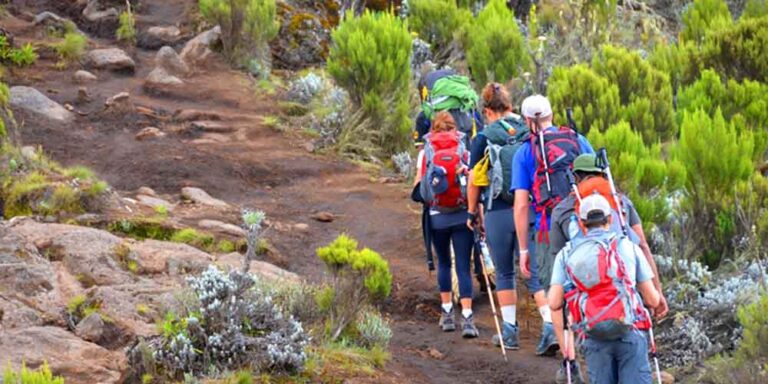
Menstrual Care While Climbing Kilimanjaro: Expert Guide 2026-2027
Climbing Kilimanjaro while menstruating is entirely manageable with proper planning. This comprehensive guide from Top Guide Adventures offers essential advice on managing your period on...
View package details
Feminine Hygiene During A Kilimanjaro Climb 2026-2027
Feminine Hygiene during a Kilimanjaro Climb is explained with current 2026-2027 planning, price, itinerary and booking information.
View package details
Are Kilimanjaro Camps Noisy At Night? A Climbers Guide To Sleep And Sound
Understand the noise levels at Kilimanjaro camps to better prepare for your trek. This guide covers what sounds you might hear, factors influencing noise, and how to ensure a restful...
View package details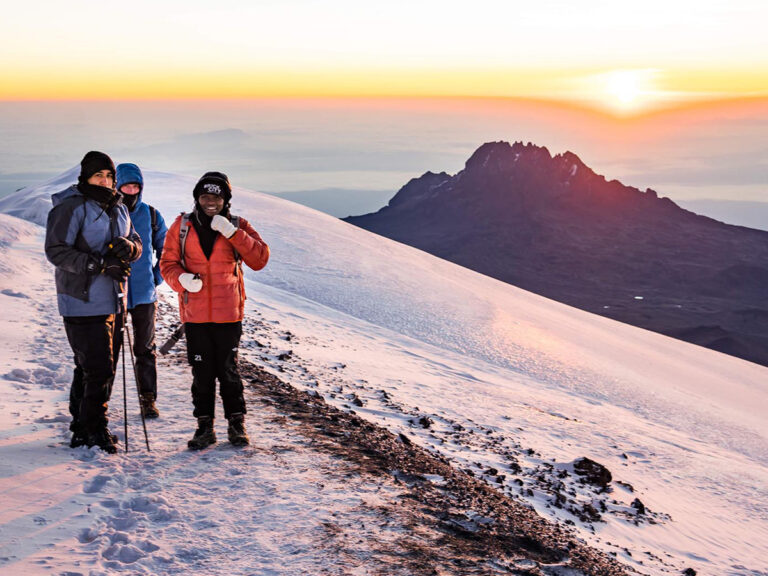
Foods To Avoid Before A Kilimanjaro Climb: Expert Guide For Trekkers 2026-2027
Planning your Kilimanjaro climb for 2026 or 2027? Proper nutrition is key. This guide details essential foods and drinks to avoid before and during your trek to prevent digestive issues and...
View package details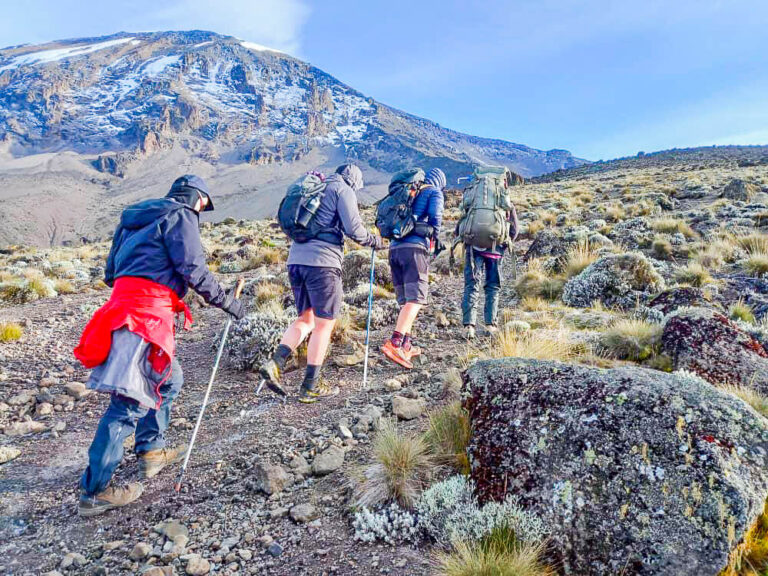
Kilimanjaro Climb With Low-Sugar Meal Planning Guide
Climbing Kilimanjaro requires careful nutritional planning. This guide focuses on low-sugar meal strategies to sustain energy, aid acclimatization, and enhance your trekking experience...
View package details
Kilimanjaro Climb With High-Protein Meals: Fueling Your Ascent In 2026-2027
Fueling your Kilimanjaro climb is as critical as choosing the right route. This guide focuses on the power of high-protein meals to sustain energy, aid recovery, and maximize your chances...
View package detailsKilimanjaro Climb With Nut-Free Meal Options Guide
Discover how to plan your Kilimanjaro climb with complete peace of mind regarding nut allergies. Top Guide Adventures specializes in providing safe, delicious, and fully customized nut-free...
View package detailsKilimanjaro Climb With Lactose-Free Meals: Your Complete Guide For 2026-2027
Climbing Mount Kilimanjaro with specific dietary needs, like lactose intolerance, is entirely achievable. This comprehensive guide details how to manage lactose-free meals on your trek...
View package details
Kilimanjaro Climb For Travellers With Food Allergies 2026-2027
Kilimanjaro Climb for Travellers with Food Allergies is explained with current 2026-2027 planning, price, itinerary and booking information.
View package detailsKilimanjaro Climb With Kosher-Friendly Food Planning In 2026-2027
Successfully summiting Mount Kilimanjaro requires meticulous planning, especially when adhering to specific dietary requirements like Kosher food. This guide provides comprehensive insights...
View package details
Kilimanjaro Climb With Halal Meals: Your Guide For 2026-2027
Climb Mount Kilimanjaro with confidence, knowing your dietary needs are met. Top Guide Adventures provides specialized Halal meal planning for your 2026-2027 trek, ensuring a safe and...
View package detailsNo related package matches those filters. Clear one or more filters to see the other topic-matched options.



