
Generally, you do not need an ice axe for Kilimanjaro. The standard routes do not involve glaciers or steep icy slopes that would necessitate its use. However, specific conditions or less common routes might present situations where an ice axe could be beneficial for stability on scree or in unexpected icy patches, especially during certain times of the year or if venturing off the main paths. For most trekkers on popular routes like Machame, Lemosho, or Marangu in 2026 or 2027, focusing on warm layers, sturdy boots, and trekking poles is far more critical.
Understanding Kilimanjaro’s Terrain and Ice Axe Necessity
The question of whether an ice axe is required for Kilimanjaro is a common one among aspiring climbers planning their adventure for 2026 or 2027. Kilimanjaro, while Africa’s highest peak at 5,895 meters (19,341 feet), is fundamentally a trekking peak. Its ascent routes, particularly the most popular ones, are designed for walking, albeit at high altitudes and on challenging terrain. Unlike mountaineering objectives that involve significant glacial travel or steep snow and ice climbing, Kilimanjaro’s paths are predominantly well-trodden trails, gravel slopes, and rocky sections.
The summit area, including the crater rim and the final push to Uhuru Peak, can be covered in frost or snow, especially during the colder months or after recent weather events. However, this is typically not the sheer ice that would demand an ice axe for self-arrest. Instead, traction devices like microspikes or crampons are far more relevant if icy conditions are encountered on the summit day. The primary challenge on Kilimanjaro is altitude sickness, not technical climbing.
Kilimanjaro’s Routes: Designed for Trekkers, Not Mountaineers
Top Guide Adventures organizes climbs on all major Kilimanjaro routes. We’ve guided thousands of clients through diverse conditions across these paths. The standard routes such as:
- Machame Route
- Lemosho Route
- Marangu Route
- Rongai Route
- Northern Circuit
- Umbwe Route
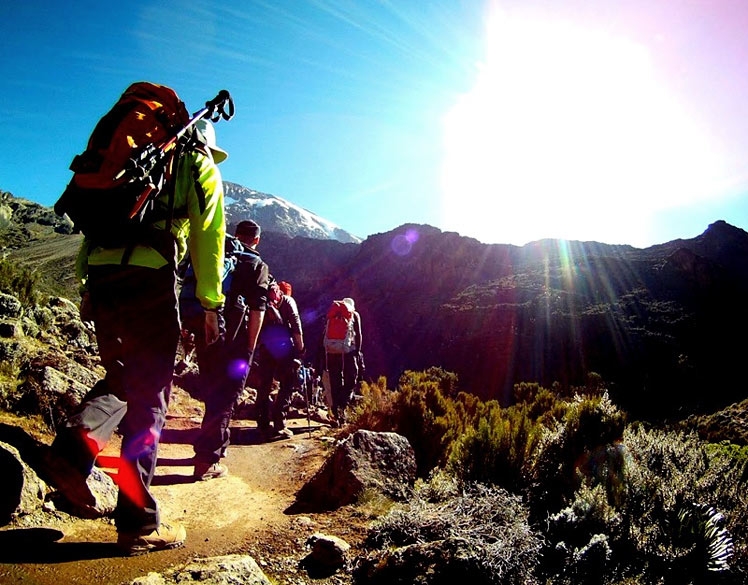
are all primarily trekking routes. They wind through different ecological zones – from rainforest to moorland, alpine desert, and finally the arctic zone near the summit. The trails are generally wide enough for two people to walk side-by-side in many sections, with some steeper ascents and descents. The final push to Uhuru Peak from Stella Point (on the Barafu Camp approach) is often a steep scramble over loose scree and rocks, which can be slippery when wet or icy, but still manageable with good footwear and trekking poles.
The Summit Zone: Frost, Snow, and Ice
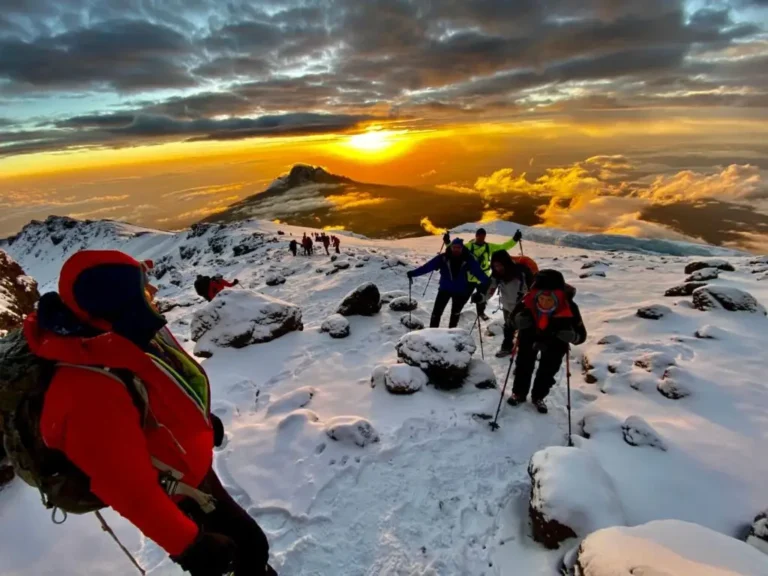
The area around Stella Point and Uhuru Peak can present a different challenge. During the cold pre-dawn hours of summit night, temperatures can plummet well below freezing. Frost and ice can form on the ground, rocks, and any lingering snow patches. This is where the question of an ice axe often arises. While an ice axe can offer a point of stability on icy terrain, it’s generally overkill for Kilimanjaro’s summit day.
Experienced guides will assess conditions closely on summit morning. If the path is particularly icy, they will likely recommend or provide microspikes or lightweight crampons for your boots. These devices offer superior grip on ice and hard-packed snow compared to regular hiking boots and are much more practical than an ice axe for this specific type of terrain. The steepness and technicality do not warrant the use of an ice axe for self-arrest or extensive ice climbing.
When Might an Ice Axe Be Considered (and Why It’s Still Unlikely)?
While not standard, there are niche scenarios where an ice axe might cross a climber’s mind. Understanding these helps solidify why it’s generally not a required piece of gear for Kilimanjaro treks planned for 2026 or 2027.
Off-the-Beaten-Path Routes or Expeditions
For climbers attempting non-standard routes, or perhaps combining Kilimanjaro with other high-altitude challenges in the region, the terrain could be more demanding. For instance, if someone were to attempt a traverse that involved steep, icy couloirs or glacial features (which are increasingly rare on Kilimanjaro itself due to climate change), then an ice axe would be essential. However, these are not typical Kilimanjaro expeditions offered by reputable tour operators like Top Guide Adventures.
Extreme Weather Conditions
In exceptionally rare circumstances, a severe and unseasonal blizzard could deposit a significant amount of snow and ice on the upper slopes. Even then, the trails are usually maintained by guides and porters, and the focus remains on navigating the path safely rather than undertaking technical ice work. If conditions become truly treacherous, the decision to proceed to the summit is made by the lead guide, prioritizing climber safety above all else. In such extreme cases, specialized gear might be considered, but it’s highly improbable for standard trekkers.
Personal Preference and Perceived Safety
Some trekkers, accustomed to mountaineering or winter hiking in other parts of the world, might feel more comfortable carrying an ice axe out of habit or a desire for an extra sense of security. While personal gear choices are respected, it’s important to understand that an ice axe is designed for specific mountaineering functions (self-arrest, cutting steps, anchoring). On Kilimanjaro’s slopes, it can be more of a hindrance than a help if not expertly used, and its primary functions are rarely needed.
Essential Gear for Kilimanjaro: What You Actually Need
Instead of an ice axe, your packing list for a Kilimanjaro climb in 2026 or 2027 should focus on items that address the real challenges: altitude, extreme temperature fluctuations, and long trekking days. Top Guide Adventures provides detailed packing lists to all clients, but here are the essentials:
1. Layering System: The Key to Comfort
Temperatures can range from tropical heat in the rainforest to freezing on the summit. A multi-layer system is crucial:
- Base Layers: Moisture-wicking thermal tops and bottoms (merino wool or synthetic).
- Mid Layers: Fleece jacket or a lightweight down/synthetic insulated jacket for warmth.
- Outer Layer (Shell): Waterproof and windproof jacket and trousers (Gore-Tex or similar).
2. Footwear: Your Most Important Investment
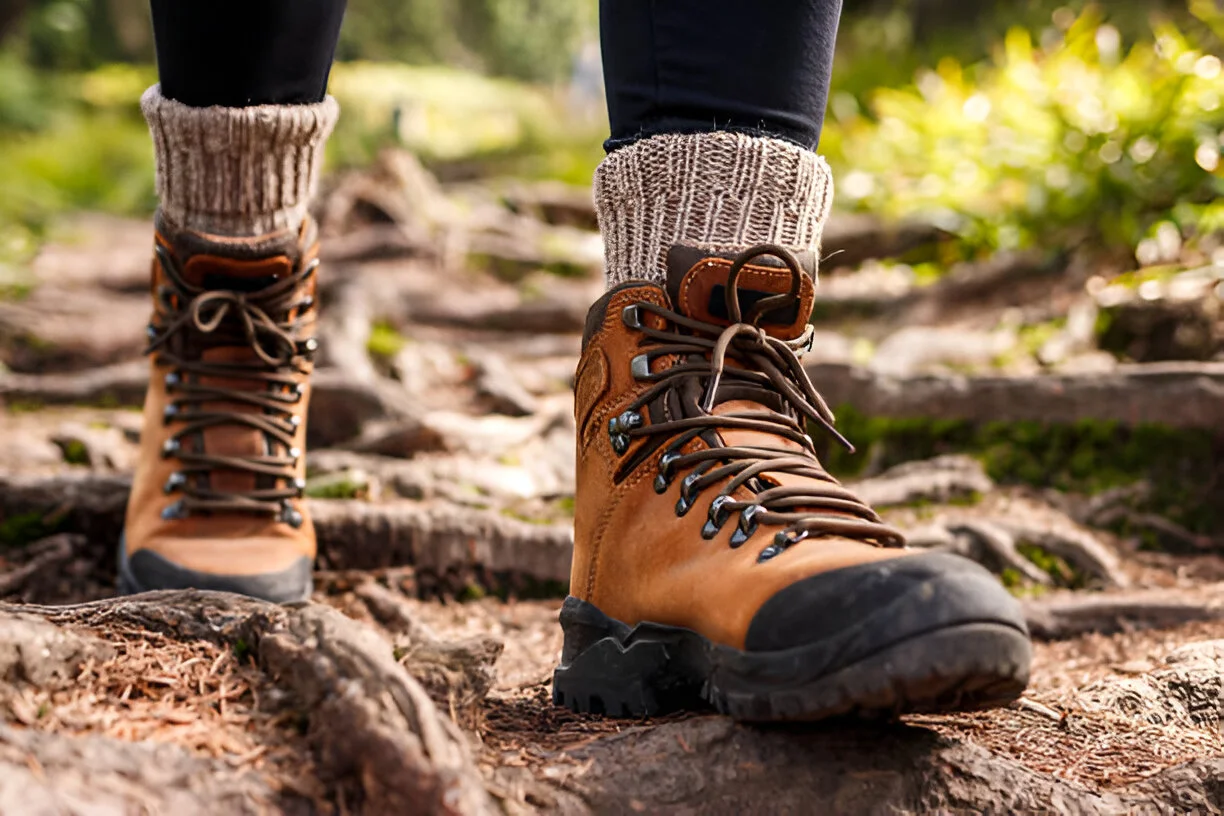
- Hiking Boots: Sturdy, waterproof, well-broken-in hiking boots with good ankle support. This is non-negotiable.
- Camp Shoes/Sandals: For comfort around camp.
- Socks: Several pairs of warm, moisture-wicking hiking socks (wool or synthetic).
3. Headwear and Handwear
- Warm Hat: Fleece or wool hat that covers your ears.
- Sun Hat: Wide-brimmed hat for sun protection during the day.
- Gloves: Lightweight liner gloves and a pair of warm, waterproof outer gloves or mittens.
- Balaclava or Buff: For face protection against wind and cold.
4. Trekking Poles
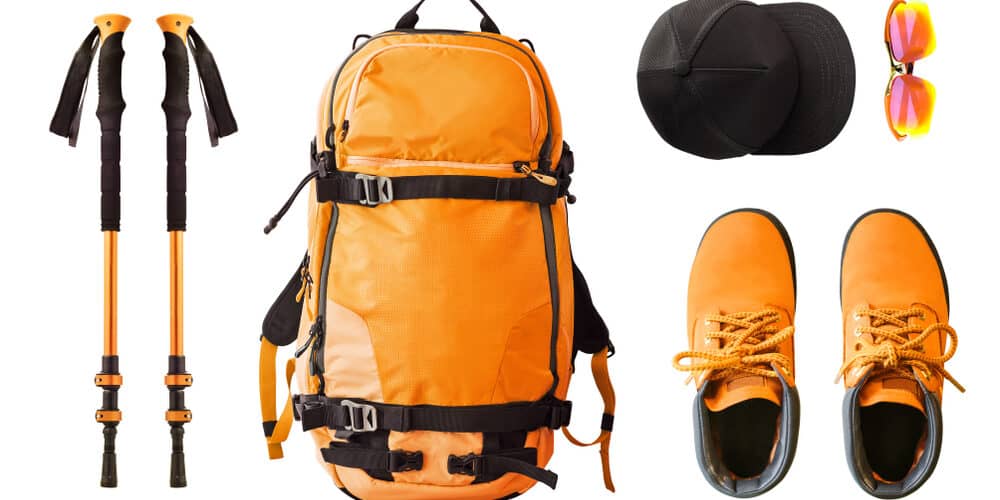
These are highly recommended. They reduce strain on your knees and legs, especially during descents, and provide stability on uneven or slippery ground. They are far more useful than an ice axe for general trekking stability on Kilimanjaro.
5. Headlamp
Essential for summit night and early mornings. Bring spare batteries.
6. Sun Protection
- High SPF Sunscreen: The sun is intense at altitude.
- Sunglasses: With good UV protection.
- Lip Balm with SPF.
7. Hydration
- Water Bottles or Hydration Reservoir: At least 3-4 liters capacity. Insulated covers are recommended to prevent water from freezing.
8. Sleeping Bag
A 4-season sleeping bag rated to at least -15°C (0°F) is recommended for colder nights, especially on higher camps.
9. Other Essentials
- Duffel Bag (for porters) and Daypack (for you)
- Toiletries, personal first-aid kit, medication
- Snacks
- Camera
- Power bank for electronics
Gear Rental on Kilimanjaro
Top Guide Adventures understands that not everyone owns specialized high-altitude gear. We offer a comprehensive gear rental service in Moshi, including sleeping bags, warm jackets, and trekking poles. This can significantly reduce your packing burden and cost. We also provide advice on purchasing the best gear for your 2026-2027 climb.
The Role of Traction Devices: Microspikes and Crampons
While an ice axe is generally not needed, traction devices can be invaluable on Kilimanjaro, particularly on summit day. These are designed to provide grip on ice and hard-packed snow.
Microspikes
These are rubberized bands with metal coils or teeth that fit over your hiking boots. They are lightweight, easy to put on and take off, and offer excellent traction on icy or slippery trails. They are usually sufficient for the conditions encountered on Kilimanjaro’s summit path.
Lightweight Crampons
These are metal frames with sharp spikes that attach to your boots. For Kilimanjaro, you would typically use lightweight, flexible crampons rather than the rigid, technical crampons used for serious mountaineering. They offer more aggressive grip than microspikes but can be bulkier and require compatible boots.
When to Use Them: Your guide will advise you on whether to use microspikes or crampons. This is usually only necessary for the final ascent to Uhuru Peak, typically starting from Barafu Camp or Kibo Huts, and often only during the pre-dawn hours when temperatures are lowest and ice is most prevalent. They are typically removed once you descend to lower, warmer altitudes or as conditions improve.
Why Not an Ice Axe? An ice axe is primarily for self-arrest (stopping a fall on a steep, icy slope) or for aid in climbing icy terrain. The slopes on Kilimanjaro, even when icy, are not typically steep enough or long enough to require self-arrest techniques. Using an ice axe for balance on scree is possible but less effective and more cumbersome than trekking poles for most climbers. Furthermore, attempting to self-arrest without proper training can be dangerous.
Safety on Kilimanjaro: Beyond Gear
The most critical aspect of a successful Kilimanjaro climb is safety, which relies far more on preparation, acclimatization, and experienced guiding than on specialized tools like an ice axe.
Acclimatization is Key
Altitude sickness (Acute Mountain Sickness – AMS) is the primary risk on Kilimanjaro. The best strategy is to climb slowly, ascend gradually, and allow your body to adapt. Choosing a longer route (like Lemosho, Machame, or Northern Circuit) with more days on the mountain significantly increases your success rate and reduces AMS risk. For a 2026 or 2027 climb, prioritize a route duration of 7-9 days.
Experienced Guides and Crew
A well-trained and experienced guiding team is paramount. Your guides will monitor your health constantly, manage your pace, ensure proper hydration and nutrition, and make critical decisions regarding safety, including whether to proceed or descend. Top Guide Adventures employs highly skilled guides who are trained in wilderness first aid and altitude sickness management.
Physical Fitness
While you don’t need to be an elite athlete, good cardiovascular fitness is essential. Regular hiking, running, or cycling in the months leading up to your climb will prepare your body for the sustained effort required. Focus on endurance rather than speed.
Mental Preparedness
Kilimanjaro is a mental as well as a physical challenge. Be prepared for long days, cold temperatures, and the discomfort of altitude. A positive attitude and determination are powerful assets.
Kilimanjaro Routes Comparison: Which Route is Best for You in 2026-2027?
The choice of route significantly impacts your experience, acclimatization profile, and, consequently, the gear you might consider. Since an ice axe is not standard, let’s focus on how routes differ in terms of difficulty and acclimatization, which are the real factors influencing your trip.
Route Overview and Duration Recommendations
| Route | Typical Days | Scenery | Acclimatization | Difficulty | Recommendation for 2026-2027 |
|---|---|---|---|---|---|
| Marangu | 5-6 days | Good, varied | Poorest | Moderate | Budget-conscious, shorter trips. Not ideal for acclimatization. |
| Machame | 6-7 days | Excellent, diverse | Good (Circumambulation) | Challenging | Very popular, good balance. 7 days recommended. |
| Lemosho | 7-8 days | Excellent, pristine | Very Good (high starting point, walk high/sleep low) | Challenging | Highly recommended for best acclimatization and scenery. |
| Rongai | 6-7 days | Good, drier side | Moderate | Moderate | Good alternative, especially during rainy seasons. |
| Northern Circuit | 9+ days | Exceptional, panoramic | Excellent (longest, best acclimatization) | Challenging but manageable | Best option for highest success rates and comfort. |
| Umbwe | 6-7 days | Steep, direct | Poorest (steep ascent) | Very Challenging | Only for experienced, fit trekkers seeking extreme challenge. |
For your 2026 or 2027 Kilimanjaro expedition, Top Guide Adventures strongly advises choosing a route of at least 7 days to optimize acclimatization. The Lemosho and Northern Circuit routes offer the best acclimatization profiles, significantly increasing your chances of reaching the summit safely and enjoying the experience.
Preparing Your Kilimanjaro Gear for 2026-2027
When packing for Kilimanjaro, remember that every item counts. Weight can be a factor, especially for personal gear you carry in your daypack. Porters will carry your main duffel bag, but there are weight limits (typically around 15kg/33lbs). Focus on versatile, high-quality gear that performs in cold, wet, and windy conditions.
Key Gear Considerations:
- Waterproofness: Ensure your outer layers and boots are reliably waterproof.
- Warmth: Layering is essential. Avoid cotton, which holds moisture and chills you.
- Comfort: Well-fitting, broken-in boots are crucial to prevent blisters.
- Durability: Your gear will be put to the test. Invest in reputable brands.
What NOT to Bring (Besides an Ice Axe):
- Jeans or cotton trousers
- Cotton t-shirts
- Heavy, non-waterproof jackets
- New, un-broken-in hiking boots
- Excessive toiletries or unnecessary items
Top Guide Adventures offers pre-trip consultations to help you finalize your gear list and ensure you are well-prepared for your 2026 or 2027 Kilimanjaro adventure. We can also advise on the best places to rent or purchase gear in Moshi.
The Summit Night Experience: Cold, Dark, and Rewarding
Summit night is the most demanding part of the climb. Starting from Barafu Camp (4,673m / 15,331ft) or Kibo Huts (4,720m / 15,485ft), you’ll begin your ascent around midnight. The goal is to reach Uhuru Peak (5,895m / 19,341ft) by sunrise.
Conditions:
- Temperature: Expect temperatures between -5°C and -15°C (23°F to 5°F), potentially dropping lower with wind chill.
- Terrain: A steep, rocky trail that can be covered in loose scree, frost, and ice.
- Visibility: Often very poor due to darkness and potential fog or clouds.
- Altitude: The effects of altitude are most pronounced during this strenuous effort.
Gear for Summit Night:
- All your warm layers (base, mid, and outer shell).
- Warm hat, gloves, balaclava.
- Sturdy, waterproof hiking boots.
- Microspikes or crampons (if recommended by your guide).
- Headlamp with spare batteries.
- Water bottles with insulated covers.
- High-energy snacks.
This is where having the right gear for warmth and traction is critical. While an ice axe might seem like a tool for such an environment, its utility is limited compared to the specialized traction devices and the importance of staying warm and hydrated. Your guides will carry emergency oxygen and a comprehensive first-aid kit, ensuring your safety throughout the ascent and descent.
Deciding on Your Kilimanjaro Expedition for 2026-2027
Choosing Top Guide Adventures for your Kilimanjaro climb means opting for a partner dedicated to your safety, success, and enjoyment. We believe in providing clear, honest information to help you prepare.
Key takeaways regarding an ice axe for Kilimanjaro:
- Not Required: For standard routes, an ice axe is not a necessary piece of equipment.
- Traction is Key: Microspikes or lightweight crampons are more relevant for icy conditions on summit day.
- Focus on Basics: Prioritize warm clothing, sturdy boots, hydration, and acclimatization.
- Expert Guidance: Rely on your experienced guides for real-time conditions assessment and safety advice.
Planning your Kilimanjaro adventure for 2026 or 2027 should be exciting, not daunting. By focusing on the right gear, choosing an appropriate route duration (7+ days recommended), and partnering with a reputable operator, you’ll be well on your way to experiencing the magic of standing on the Roof of Africa.
Ready to Climb Kilimanjaro in 2026-2027?
Let Top Guide Adventures help you plan your dream climb. We offer personalized service, expert guides, and a commitment to responsible tourism. Whether you’re looking for a private climb or joining one of our popular group departures, we have the perfect itinerary for you.
Contact us today to discuss your Kilimanjaro plans:
- WhatsApp: +255616946642
- Email: topguideadventures@gmail.com
- Backup Email: info@topguideadventures.com
Explore our group departures for 2026-2027 on the Machame Route or our full range of Tanzania tours.
Follow us on Instagram for inspiration: @top_guide_adventures.
Read reviews from our happy clients on TripAdvisor: Top Guide Adventures Reviews.
Check Availability for Do You Need An Ice Axe For Kilimanjaro? Expert Guide 2026-2027
Ready to compare dates, prices, and the best option for your group? Send the package name and travel month so the team can reply with a clear quote, availability, and what is included.
Do You Need Microspikes For Kilimanjaro? Expert Advice Climbers 2026-2027
Climbers often wonder about the necessity of Microspikes for Kilimanjaro. While not always mandatory, they can significantly enhance safety and comfort on icy sections, particularly on...
View package details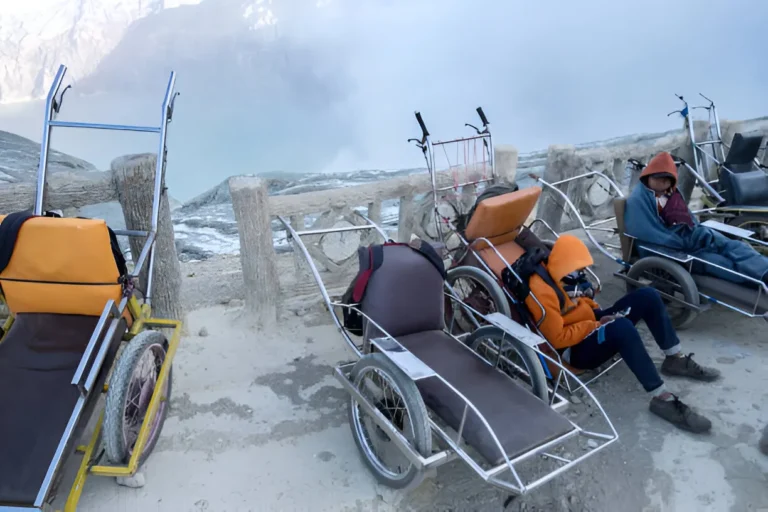
How Many Base Layers Do You Need For Kilimanjaro? A Complete Guide Climbers
Climbing Kilimanjaro requires careful gear selection. This guide breaks down the essential base layers needed to stay warm and dry on the mountain, with planning tips for 2026-2027...
View package details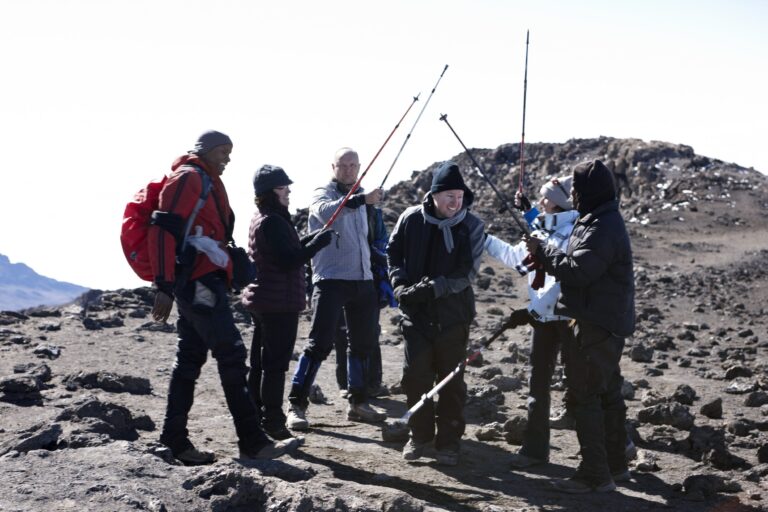
What Size Daypack Do You Need For Kilimanjaro? 2026-2027
What Size Daypack Do You Need for Kilimanjaro? is explained with current 2026-2027 planning, price, itinerary and booking information.
View package details
What Happens To Human Waste On Kilimanjaro? Managing On Africas Highest Peak
Human waste on Kilimanjaro is managed through a system of collection and removal, primarily using portable toilets and waste bags, to protect the mountain's fragile ecosystem. This guide...
View package detailsHow To Use A Toilet Tent On Kilimanjaro 2026-2027
How to Use a Toilet Tent on Kilimanjaro is explained with current 2026-2027 planning, price, itinerary and booking information.
View package detailsMenstrual Care While Climbing Kilimanjaro: Expert Guide 2026-2027
Climbing Kilimanjaro while menstruating is entirely manageable with proper planning. This comprehensive guide from Top Guide Adventures offers essential advice on managing your period on...
View package details
Feminine Hygiene During A Kilimanjaro Climb 2026-2027
Feminine Hygiene during a Kilimanjaro Climb is explained with current 2026-2027 planning, price, itinerary and booking information.
View package details
How To Brush Your Teeth On Kilimanjaro: Essential Hygiene Tips For Trekkers
Maintaining oral hygiene on Mount Kilimanjaro is crucial for comfort and health. Learn the best practices for brushing your teeth at altitude, from water conservation to gear selection...
View package details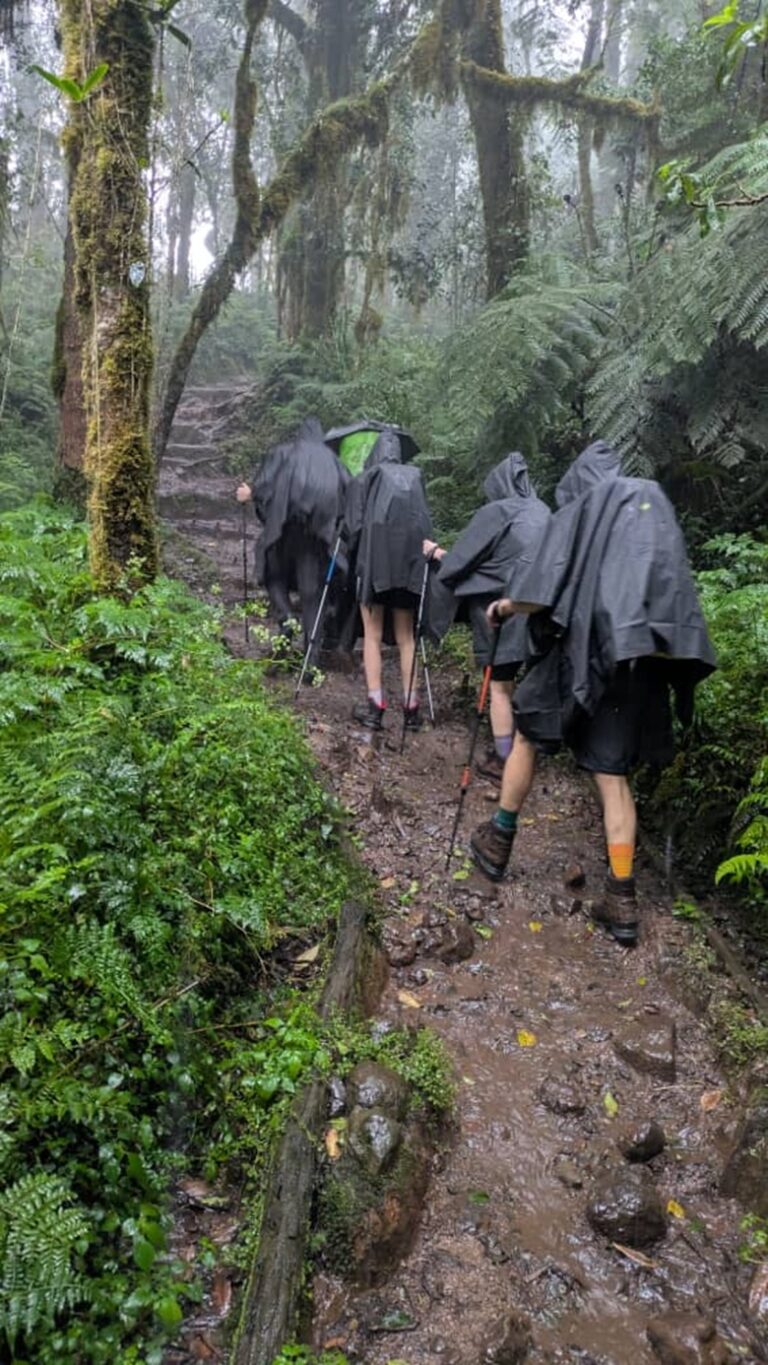
How To Wash On Mount Kilimanjaro 2026-2027
How to Wash on Mount Kilimanjaro is explained with current 2026-2027 planning, price, itinerary and booking information.
View package details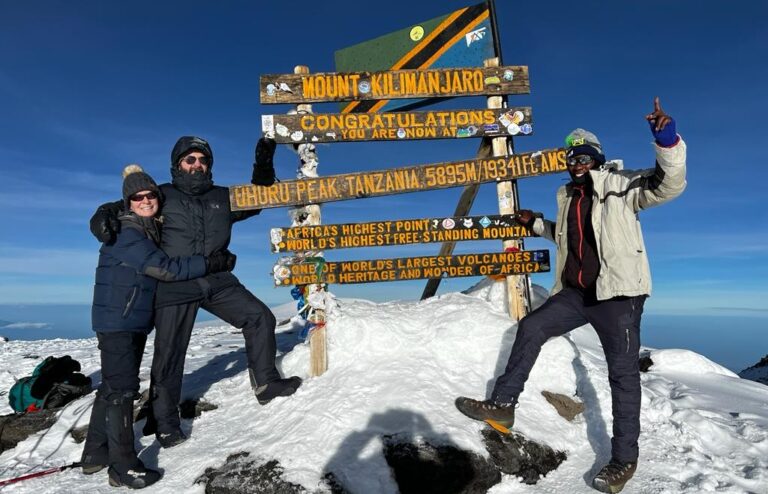
How Private Are Kilimanjaro Campsites? 2026-2027
How Private Are Kilimanjaro Campsites? is explained with current 2026-2027 planning, price, itinerary and booking information.
View package details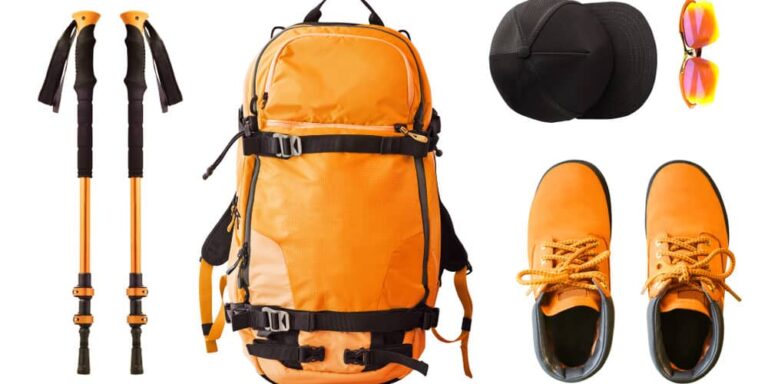
Are Kilimanjaro Camps Noisy At Night? A Climbers Guide To Sleep And Sound
Understand the noise levels at Kilimanjaro camps to better prepare for your trek. This guide covers what sounds you might hear, factors influencing noise, and how to ensure a restful...
View package details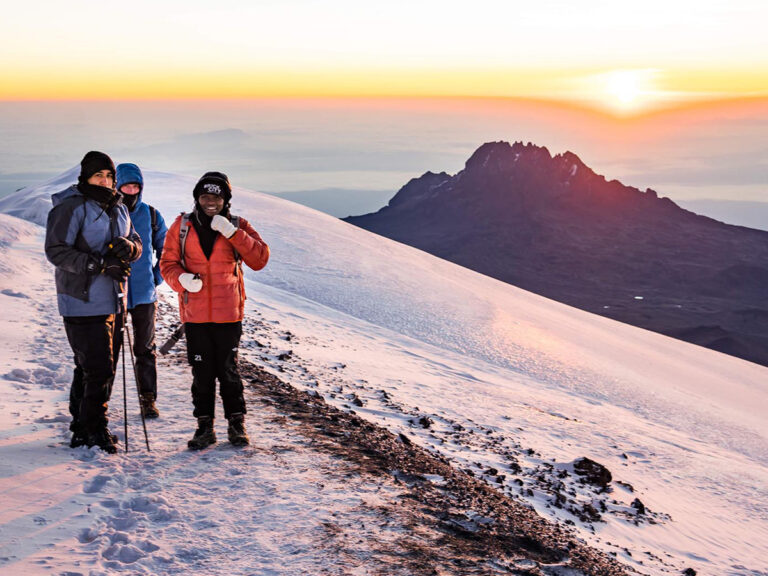
Best Sleeping-Mat Setup For Kilimanjaro 2026-2027
Best Sleeping-Mat Setup for Kilimanjaro is explained with current 2026-2027 planning, price, itinerary and booking information.
View package detailsNo related package matches those filters. Clear one or more filters to see the other topic-matched options.



