
The best sleeping-mat setup for Kilimanjaro involves combining a closed-cell foam pad with an inflatable sleeping pad for optimal insulation, comfort, and durability. This dual-layer approach provides essential warmth against the cold ground, cushioning for a better night’s sleep, and a crucial backup if the inflatable pad fails. For 2026-2027 climbs, prioritize pads with a high R-value (R5 or higher) for effective insulation, a comfortable thickness (at least 2.5 inches when inflated), and a durable, puncture-resistant design.
Why Your Sleeping Mat Setup Matters on Kilimanjaro
Climbing Kilimanjaro is an extraordinary adventure, pushing your physical and mental limits. While the impressive views and the sense of accomplishment are paramount, so is your ability to rest and recover each night. On the mountain, your sleeping mat isn’t just a luxury; it’s a critical piece of gear that directly impacts your warmth, comfort, and overall well-being. A well-chosen sleeping mat setup ensures you get restorative sleep, allowing your body to adapt to the altitude and prepare for the challenges of the next day’s trek. Without adequate insulation from the cold ground, you risk losing body heat, leading to discomfort, poor sleep, and potentially affecting your acclimatization. For climbers planning their expeditions in 2026 and 2027, understanding the nuances of sleeping mat selection is a vital step in preparing for this iconic journey.
At Top Guide Adventures, we’ve guided thousands of climbers up Kilimanjaro and understand that every detail counts. The right sleeping mat setup is fundamental to ensuring our clients have a positive and successful experience. It’s not just about choosing one mat; it’s about creating a system that works in the extreme conditions found at high altitudes. We’ll guide you through the options, explaining why a layered approach is often the most effective and what specifications to look for to guarantee a comfortable night’s sleep, whether you’re on the Machame route or any other path to the summit.
Understanding the Core Function of a Sleeping Mat
Before diving into specific setups, it’s essential to grasp what a sleeping mat actually does. Its primary role is to provide insulation between your body and the ground. At altitudes like those on Kilimanjaro, the ground temperature can plummet well below freezing, even if the air temperature feels manageable. Without proper insulation, your body heat will be rapidly conducted away into the cold earth, leading to hypothermia and significantly impacting your sleep quality. A good sleeping mat acts as a thermal barrier, trapping a layer of air or using specialized insulating materials to keep you warm.
Beyond insulation, sleeping mats offer cushioning. While tents on Kilimanjaro usually provide a basic sleeping pad, it’s often minimal and may not be sufficient for extended comfort. A thicker or more supportive mat can make a significant difference, especially after a long day of trekking. It cushions pressure points, allowing your muscles to relax and aiding in recovery. The surface of the mat also provides a barrier against moisture and rough terrain within the tent, further enhancing comfort.
The Importance of R-Value for Kilimanjaro
When selecting sleeping mats for high-altitude trekking like Kilimanjaro, the R-value is the most critical specification. R-value is a measure of thermal resistance – essentially, how well a material resists heat flow. The higher the R-value, the better the insulation. For Kilimanjaro, where temperatures can drop to well below freezing (especially at the summit and during the night), a high R-value is non-negotiable.
Here’s a general guide to R-values for different conditions:
- R 1-2: Summer camping in mild temperatures. Not suitable for Kilimanjaro.
- R 2-3: Three-season camping. Might be borderline for Kilimanjaro’s lower camps but insufficient for higher altitudes.
- R 3-4: Cold weather camping. Better, but still potentially inadequate for the summit night or high camps.
- R 4-5+: Four-season or extreme cold. This is the target range for Kilimanjaro, especially for the summit push and nights above 4,000 meters (13,000 feet).
For Kilimanjaro, we strongly recommend a combined R-value of at least 5, preferably 6 or higher. This ensures adequate insulation from the frigid ground at all camps, particularly Stella Point and Uhuru Peak during the summit night. When considering a layered setup, you’ll add the R-values of the individual pads to get your total system R-value.
The Dual-Layer Setup: The Gold Standard for Kilimanjaro
The consensus among experienced mountaineers and Kilimanjaro guides is that a dual-layer sleeping mat setup offers the best combination of insulation, comfort, durability, and redundancy. This typically involves using two mats stacked on top of each other:
- Base Layer: Closed-Cell Foam Pad
- Top Layer: Inflatable Sleeping Pad
This system is favored for several key reasons:
- Superior Insulation: The foam pad adds significant R-value without adding much bulk or weight.
- Puncture Protection: The foam pad acts as a buffer, protecting the inflatable pad from sharp rocks or debris that might be inside the tent.
- Redundancy: If your inflatable pad gets a puncture, the foam pad alone can still provide a critical layer of insulation, preventing you from getting dangerously cold.
- Comfort: The inflatable pad provides the bulk of the cushioning, while the foam pad adds a stable, supportive base.
For climbers preparing for their Kilimanjaro expedition in 2026 or 2027, investing in a reliable dual-layer setup will pay dividends in comfort and safety.
Layer 1: The Indispensable Closed-Cell Foam Pad
A closed-cell foam pad is a fundamental component of any serious high-altitude sleeping system. These pads are made from dense foam that traps air in tiny, sealed cells, preventing moisture absorption and providing reliable insulation. They are inherently durable, lightweight, and affordable.
Key Features to Look For:
- Material: Look for high-density closed-cell foam. Brands like Therm-a-Rest (Z Lite, RidgeRest) are popular and reliable.
- Thickness: Typically around 0.5 to 1 inch thick. Thicker is generally warmer but can be bulkier.
- R-Value: Aim for a pad with an R-value of at least 2.0 to 2.5. Some denser foams can achieve R-values of 3.0 or higher.
- Size and Shape: Ensure it’s long enough to cover your torso and legs. Some pads are designed to be cut down to save weight, but for Kilimanjaro, full length is usually preferred.
- Durability: These pads are almost indestructible, making them ideal for rough mountain conditions.
Why it’s Crucial for Kilimanjaro:
- Backup Insulation: This is its most critical role. If your inflatable pad fails (which can happen due to punctures or valve issues), the foam pad is your lifeline to staying warm.
- Ground Insulation: It significantly boosts the overall R-value of your sleep system. Even if it doesn’t fail, it adds essential warmth.
- Comfort Base: It provides a stable, slightly firm base that prevents the inflatable pad from feeling too squishy or unstable.
- Durability: It can withstand being placed on rough tent floors without puncturing.
When choosing your foam pad for a 2026-2027 Kilimanjaro climb, consider models like the Therm-a-Rest Z Lite Sol or the Therm-a-Rest RidgeRest. The Z Lite Sol, with its reflective coating, offers slightly better warmth. While they might feel a bit minimalist on their own, their value as part of a system is immense.
Layer 2: The Comforting Inflatable Sleeping Pad
The inflatable sleeping pad is where most of the cushioning and comfort comes from. These pads use air chambers to create a soft, supportive surface. Modern inflatable pads come in various designs, from basic air mattresses to sophisticated insulated models.
Key Features to Look For:
- Type: For Kilimanjaro, insulated inflatable pads are essential. These have internal insulation (down or synthetic fill) that significantly increases their R-value and prevents the cold from radiating through the air inside. Uninsulated air mattresses are completely unsuitable for this environment.
- R-Value: Aim for an insulated inflatable pad with an R-value of at least 3.0 to 4.0. When combined with a foam pad (R-value 2.0-2.5), this brings your total R-value to 5.0-6.5, which is ideal.
- Thickness: A thicker pad (2.5 to 4 inches when inflated) provides superior comfort and better insulation by creating more space between you and the ground.
- Weight and Packability: While comfort is key, weight and packed size are still important considerations for trekking. Look for pads that offer a good balance.
- Durability: The fabric should be robust and resistant to punctures. Check reviews for common failure points like seams or valves.
- Valve Type: Easy-to-use valves that allow for quick inflation and deflation are a plus. Some have built-in pumps, while others require a separate pump sack.
Popular and Recommended Models (as of 2026-2027 planning):
- Therm-a-Rest NeoAir XTherm: A benchmark for winter and high-altitude sleeping pads. It boasts a very high R-value (around 6.9) and is relatively lightweight and packable for its warmth. It uses ThermaCapture™ and ThermaCapture™ Radiant technologies.
- Therm-a-Rest NeoAir XLite: Another excellent option, slightly less warm than the XTherm (R-value around 4.2) but lighter and more compact. Still a very capable pad for Kilimanjaro if paired with a good foam pad.
- Sea to Summit Ether Light XT Insulated: Offers a good balance of comfort, warmth (R-value around 4.2), and weight. Known for its comfortable loft and quiet fabric.
- Big Agnes Insulated Air Core: Various models offer good insulation and comfort, often with innovative designs.
Important Note on Pumps: Many high-end inflatable pads do not come with integrated pumps. You will likely need a pump sack (like the Sea to Summit Silicon Pump Sack or Therm-a-Rest Air Compressor) to inflate them efficiently without introducing moisture from your breath into the pad. This is a critical accessory to remember for your Kilimanjaro trip in 2026 or 2027.
Alternative Sleeping Mat Setups (and why they might not be ideal)
While the dual-layer foam-and-inflatable setup is generally considered the best, other options exist. Understanding their limitations is key to making an informed decision.
1. Inflatable Pad Only
Pros: Potentially lighter and more compact than a dual setup if you choose a very high-end, insulated inflatable pad. Offers maximum cushioning.
Cons: High risk of failure. A single puncture can render your primary source of insulation and comfort useless, leaving you with only the thin tent floor to protect you from the extreme cold. Even insulated pads can have an R-value of 4-5, which might be borderline for the coldest nights on Kilimanjaro without the added R-value from a foam pad.
Recommendation: Not recommended for Kilimanjaro due to the critical need for redundancy and sufficient insulation.
2. Foam Pad Only
Pros: Extremely durable, reliable, lightweight, and inexpensive. Never fails due to punctures.
Cons: Significantly less comfortable and offers less insulation than an inflatable pad. Can be bulky to carry, even when rolled.
Recommendation: Only suitable as a backup layer or for very budget-conscious trekkers who are willing to sacrifice comfort and potentially warmth. Not recommended as the sole sleeping mat for a Kilimanjaro climb.
3. Self-Inflating Pads (with foam core)
Pros: Offers a blend of foam insulation and air cushioning. Generally more durable than purely inflatable pads.
Cons: Often heavier and bulkier than inflatable pads. Their R-values can vary significantly; many are not warm enough for Kilimanjaro’s summit night without supplemental insulation. The foam core can be susceptible to damage if the outer shell is punctured.
Recommendation: Some high-end, insulated self-inflating pads might work as a single layer if they have an R-value of 5+, but they still lack the redundancy of a foam-plus-inflatable system. They are a decent option for less demanding treks but less ideal for Kilimanjaro’s extremes.
Choosing the Right Mats for Your Kilimanjaro Route
The route you choose for your Kilimanjaro climb can influence your sleeping mat needs, primarily based on the altitude profile and expected overnight temperatures. However, the principle of a robust, insulated setup remains consistent across all routes.
- Machame Route (Whiskey Route): This popular route traverses diverse environments, reaching the summit plateau. Nights at Kosovo Camp or Barafu Camp (around 4,600m / 15,000ft) are extremely cold. A dual-layer setup is essential.
- Lemosho Route: Similar altitude profile to Machame, with cold nights at higher camps. The dual setup is a must.
- Marangu Route (Coca-Cola Route): This route uses huts for accommodation, not tents, for most nights. However, the final night at Kibo Hut is very basic, and the summit push is intense. While you might not need a mat in the huts, a lightweight foam pad might be useful for the final night, or if camping is an option for your group. For most trekkers on Marangu, the focus is more on sleeping bags.
- Northern Circuit: The longest route, offering excellent acclimatization. You’ll spend more nights at higher altitudes, making a warm and reliable sleeping mat setup even more critical.
- Rongai Route: Approaches from the north, generally drier. Nights are still very cold at altitude, especially at the higher camps.
Regardless of the route, if you’re camping on Kilimanjaro, the best sleeping-mat setup for Kilimanjaro will always involve a layered approach for maximum warmth and safety. This advice is relevant for planning your 2026 and 2027 climbs.
Practical Considerations for Your Kilimanjaro Sleeping Mat
Beyond the R-value and type of mat, several practical aspects should influence your choice and preparation.
Weight and Packability
While comfort and warmth are paramount, weight and packed size still matter, especially if you are carrying your own gear or if your porter’s weight limit is a concern. Modern insulated inflatable pads are remarkably light and pack down small. Closed-cell foam pads are bulkier but very light. A typical dual setup might weigh between 1.5 to 2.5 pounds (approx. 700g to 1.1kg) in total.
Durability and Repair
Punctures are the biggest enemy of inflatable pads. Ensure your chosen pad is made from robust materials. Most inflatable pads come with a small repair kit (patches, glue). Practice using it at home before your trip. While less likely to fail, foam pads can get damaged if subjected to extreme forces, but they are generally very resilient.
Ease of Inflation and Deflation
On a cold mountain night, fumbling with a difficult valve or spending too long manually pumping air is undesirable. Look for pads with user-friendly valves and consider a pump sack for faster, more efficient inflation. Deflation should also be quick and easy to pack up in the morning.
Tent Environment
Kilimanjaro treks typically use sturdy, 3-4 season tents provided by reputable tour operators like Top Guide Adventures. These tents are designed to withstand the conditions. Your sleeping mat setup needs to work effectively within the confines of these tents. The floor of the tent can be uneven, which is another reason the foam pad acts as a great buffer.
Personal Preference and Sleep Style
Some people prefer a firmer sleeping surface, while others like it plush. Experimenting with different thicknesses and firmness levels at home can help. If you’re a side sleeper, a thicker inflatable pad will be more comfortable to prevent pressure on your hips and shoulders.
Recommendations for Top Guide Adventures Clients (2026-2027)
For clients booking their Kilimanjaro adventure with Top Guide Adventures for 2026 or 2027, we offer tailored advice to ensure you are perfectly equipped. Our guides consistently recommend the dual-layer system for its proven reliability and comfort.
Recommended Kilimanjaro Sleeping Mat Setup
- Base Layer: A high-quality closed-cell foam pad with an R-value of at least 2.0-2.5. (e.g., Therm-a-Rest Z Lite Sol or RidgeRest).
- Top Layer: An insulated inflatable sleeping pad with an R-value of 3.5-4.5 and a thickness of 2.5-4 inches. (e.g., Therm-a-Rest NeoAir XTherm or XLite, Sea to Summit Ether Light XT Insulated).
- Total System R-Value: Aim for a combined R-value of 5.5 to 7.0.
- Essential Accessory: A pump sack for efficient inflation of the inflatable pad.
This setup provides excellent insulation against the extreme cold, superior comfort for better sleep, and a vital backup in case of punctures. It’s the most reliable choice for a successful Kilimanjaro summit bid.
Preparing Your Sleeping Mats for the Climb
Proper preparation ensures your sleeping mat setup performs optimally throughout your Kilimanjaro climb.
Test Everything at Home
Before you even pack your bags for Kilimanjaro, inflate your inflatable sleeping pad fully. Check for leaks around the seams and valve. Practice inflating and deflating it. If it comes with a repair kit, familiarize yourself with how to use it. Do the same for your foam pad – ensure it rolls or folds correctly and is comfortable.
Packing Your Mats
Closed-cell foam pads are usually strapped to the outside of your backpack, either horizontally or vertically. This keeps them accessible and frees up space inside. However, ensure they are secured tightly to prevent them from snagging on branches or getting damaged. If you are using porters, they will pack these in your duffel bag.
Inflatable sleeping pads should be packed inside your main duffel bag, which will be carried by your porters. It’s crucial to ensure they are completely deflated and rolled tightly. Many inflatable pads come with a stuff sack. Protect the pad from sharp objects within the duffel bag, perhaps by wrapping it in a liner or placing it inside a waterproof bag.
Maintenance During the Trek
Each morning, you’ll need to deflate your inflatable pad. Roll it tightly from the valve end to expel as much air as possible before stuffing it into its sack. Avoid leaving your inflatable pad exposed to direct sunlight for extended periods, as this can degrade the materials over time.
The Role of Sleeping Bags and Liners
While this guide focuses on sleeping mats, it’s essential to remember they work in conjunction with your sleeping bag. A high-quality, warm sleeping bag (rated to at least 0°F / -18°C or lower) is equally crucial for a comfortable night on Kilimanjaro.
Sleeping Bag Considerations:
- Temperature Rating: Aim for a bag rated for extreme cold. Down bags generally offer the best warmth-to-weight ratio, but synthetic bags can perform better if they get damp.
- Fill Type: Down is lighter and more compressible, but expensive and loses insulation when wet. Synthetic is bulkier but insulates even when damp.
- Fit: A bag that is too large will not trap body heat effectively.
Sleeping Bag Liners: A sleeping bag liner (silk or fleece) can add a few extra degrees of warmth to your sleeping bag and also helps keep your bag cleaner, reducing the need for washing. For Kilimanjaro, a fleece liner is often recommended for added warmth.
The synergy between your sleeping mat and sleeping bag is what creates your personal microclimate of warmth and comfort in the tent. A great mat without a warm bag, or vice versa, will leave you cold.
When to Buy Your Kilimanjaro Sleeping Mat Setup
The best time to purchase your sleeping mat setup is well in advance of your trek. This gives you ample time to:
- Research and Compare: Look at different brands, models, and specifications.
- Budget Accordingly: Quality sleeping mats can be an investment, ranging from $100 to $250+ for a good insulated inflatable pad, with foam pads costing $30-$60.
- Test at Home: Ensure everything fits together and is comfortable before you travel.
- Handle Returns/Exchanges: If a product doesn’t meet your expectations, you’ll have time to return or exchange it.
For expeditions planned for 2026 and 2027, starting your gear research and purchasing process by late 2025 or early 2026 is ideal. This also allows you to take advantage of any seasonal sales.
Rental Options for Kilimanjaro Gear
If purchasing a dedicated setup isn’t feasible, renting gear is an option. Many tour operators, including Top Guide Adventures, offer rental services for essential items like sleeping bags and sometimes sleeping mats. However, the quality and type of rental mats can vary significantly.
Pros of Renting:
- Cost-Effective: Cheaper than buying, especially if you don’t plan to use the gear again.
- Convenience: Can be arranged through your tour operator, often delivered to your hotel in Moshi or Arusha.
Cons of Renting:
- Quality Variability: Rental mats might be older, less insulated, or not the dual-layer system recommended.
- Hygiene Concerns: Ensure rental gear is properly cleaned and sanitized.
- Limited Choice: You may not have a wide selection of brands or models.
If you opt to rent, inquire specifically about the type of sleeping mat provided. If it’s a basic foam pad or an uninsulated inflatable, consider bringing your own high-quality inflatable pad or at least a good foam pad to supplement it. For the best experience on your 2026-2027 Kilimanjaro climb, owning your own reliable setup is generally preferred.
Check Availability for Best Sleeping-Mat Setup For Kilimanjaro 2026-2027
Ready to compare dates, prices, and the best option for your group? Send the package name and travel month so the team can reply with a clear quote, availability, and what is included.
12 closely related packages
Kilimanjaro Climb With A Private Sleeping Tent: Your Ultimate Comfort Guide
Planning a Kilimanjaro climb? Discover the benefits of opting for a private sleeping tent, ensuring personal space and comfort on the mountain. This guide covers everything you need to know...
View package details 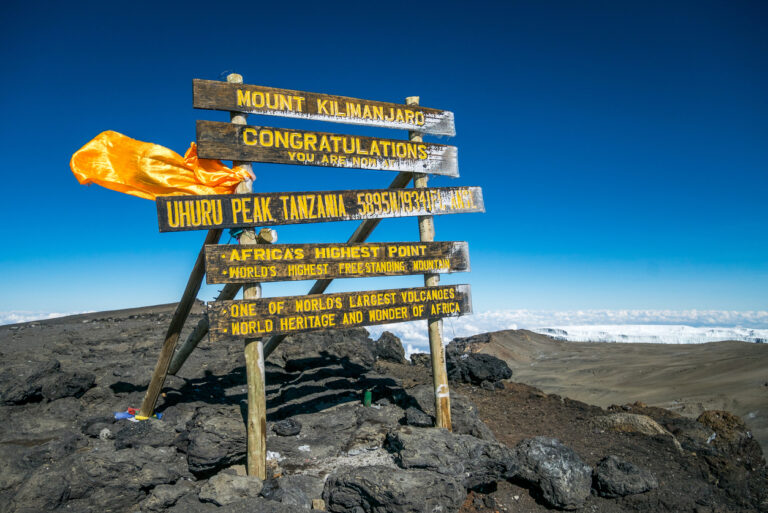
How To Keep Your Sleeping Bag Dry On Kilimanjaro Guide
Discover expert advice on maintaining a dry sleeping bag during your Kilimanjaro trek. This comprehensive guide covers essential gear, waterproof packing techniques, and vital on-mountain...
View package details 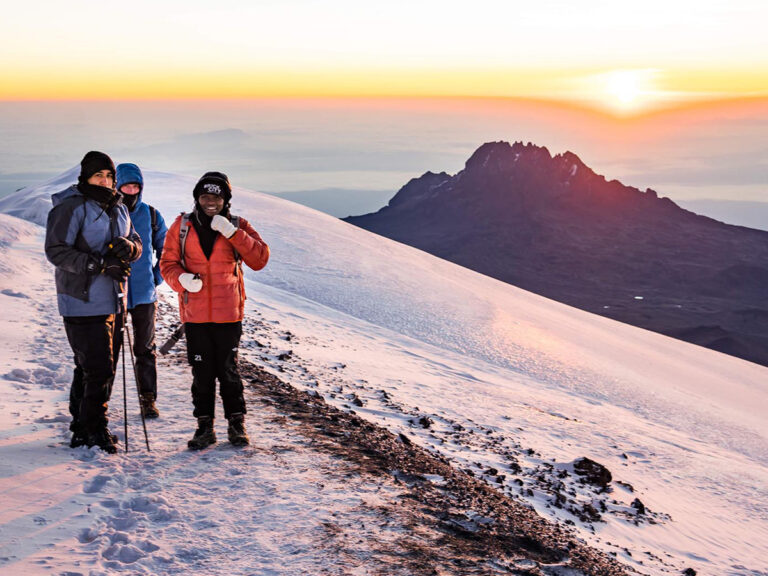
Kilimanjaro Relaxation And Spa Package: Rejuvenate After Your Climb 2026-2027
After conquering Mount Kilimanjaro, a dedicated relaxation and spa package is the perfect way to recover and rejuvenate. Top Guide Adventures provides comprehensive post-climb wellness...
View package details 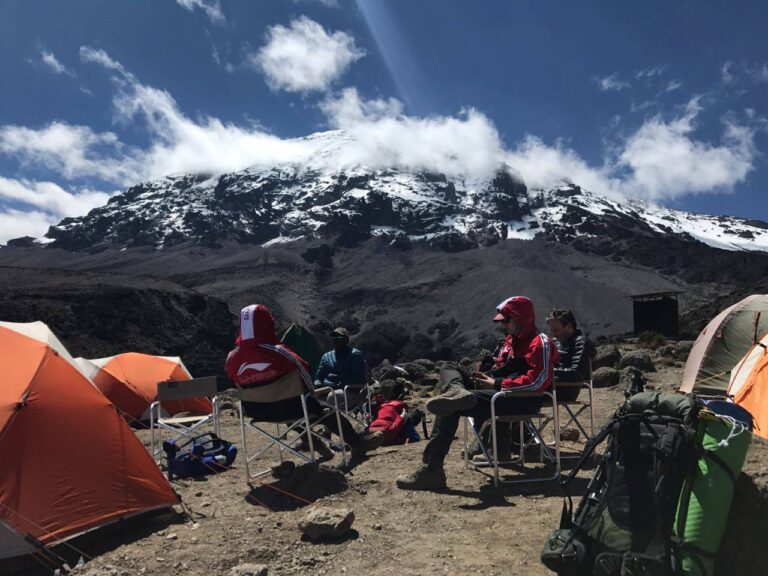
Kilimanjaro Companion Tour With Private Driver: Your Ultimate Luxury Ascent
A detailed 2026-2027 guide to Kilimanjaro Companion Tour with Private Driver, with clear planning and booking information for travelers.
View package details 
Kilimanjaro Zanzibar Extension For Mixed Groups: Your Ultimate Adventure Guide
Combine the thrill of climbing Mount Kilimanjaro with the tropical allure of Zanzibar. This guide details how mixed groups can best plan and enjoy this ultimate Tanzanian adventure in...
View package details 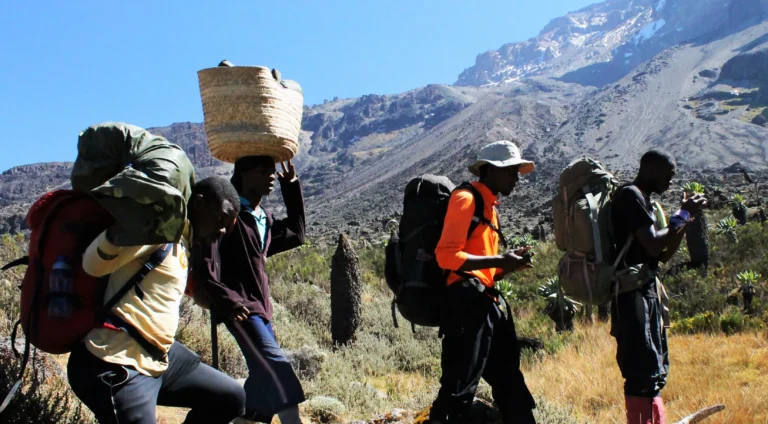
Kilimanjaro Safari Before Rejoining Your Climbing Group | Top Guide Adventures
Combining a safari with your Kilimanjaro climb is a classic Tanzanian adventure. Discover how to seamlessly integrate a wildlife safari experience before meeting your climbing group for the...
View package details 
Kilimanjaro Airport And Hotel Support For Climbing Groups | Top Guide
Top Guide Adventures provides comprehensive support for Kilimanjaro climbing groups, from arrival at Kilimanjaro International Airport (JRO) to comfortable hotel stays before and after your...
View package details 
Kilimanjaro Summit Celebration Package For Companions: Plan Your
Planning a Kilimanjaro climb with companions and a special summit celebration? This guide covers everything you need to know for 2026-2027, from choosing the right route and package to...
View package details Meet Your Climber At Mweka Gate Package: Kilimanjaro Descent Guide 2026-2027
This package is designed for trekkers descending Kilimanjaro via the Mweka Gate, ensuring a smooth and supported transition after their summit. It covers essential post-climb services and...
View package details 
Kilimanjaro Coffee And Waterfall Package For Companions: Your Ultimate
This comprehensive package combines the iconic Kilimanjaro climb with the refreshing beauty of local waterfalls and rich coffee plantations, offering an unforgettable adventure for groups...
View package details 
Kilimanjaro Photography Tour For Non-Hikers: Capture Iconic Views Safely
Experience the grandeur of Mount Kilimanjaro through a unique photography tour designed for those who prefer not to undertake the challenging climb. Capture impressive landscapes, unique...
View package details Kilimanjaro Cultural Tour While Friends Climb: Experience Tanzanias Heart
Discover the perfect way to experience Tanzania's vibrant culture and landscapes while your friends conquer Mount Kilimanjaro. This guide explores in-depth cultural tours designed to...
View package details No related package matches those filters. Clear one or more filters to see the other topic-matched options.
Check Availability for Best Sleeping-Mat Setup For Kilimanjaro 2026-2027
Ready to compare dates, prices, and the best option for your group? Send the package name and travel month so the team can reply with a clear quote, availability, and what is included.
Kilimanjaro Climb With A Private Sleeping Tent: Your Ultimate Comfort Guide
Planning a Kilimanjaro climb? Discover the benefits of opting for a private sleeping tent, ensuring personal space and comfort on the mountain. This guide covers everything you need to know...
View package detailsHow To Keep Your Sleeping Bag Dry On Kilimanjaro Guide
Discover expert advice on maintaining a dry sleeping bag during your Kilimanjaro trek. This comprehensive guide covers essential gear, waterproof packing techniques, and vital on-mountain...
View package detailsKilimanjaro Relaxation And Spa Package: Rejuvenate After Your Climb 2026-2027
After conquering Mount Kilimanjaro, a dedicated relaxation and spa package is the perfect way to recover and rejuvenate. Top Guide Adventures provides comprehensive post-climb wellness...
View package detailsKilimanjaro Companion Tour With Private Driver: Your Ultimate Luxury Ascent
A detailed 2026-2027 guide to Kilimanjaro Companion Tour with Private Driver, with clear planning and booking information for travelers.
View package detailsKilimanjaro Zanzibar Extension For Mixed Groups: Your Ultimate Adventure Guide
Combine the thrill of climbing Mount Kilimanjaro with the tropical allure of Zanzibar. This guide details how mixed groups can best plan and enjoy this ultimate Tanzanian adventure in...
View package detailsKilimanjaro Safari Before Rejoining Your Climbing Group | Top Guide Adventures
Combining a safari with your Kilimanjaro climb is a classic Tanzanian adventure. Discover how to seamlessly integrate a wildlife safari experience before meeting your climbing group for the...
View package detailsKilimanjaro Airport And Hotel Support For Climbing Groups | Top Guide
Top Guide Adventures provides comprehensive support for Kilimanjaro climbing groups, from arrival at Kilimanjaro International Airport (JRO) to comfortable hotel stays before and after your...
View package detailsKilimanjaro Summit Celebration Package For Companions: Plan Your
Planning a Kilimanjaro climb with companions and a special summit celebration? This guide covers everything you need to know for 2026-2027, from choosing the right route and package to...
View package detailsMeet Your Climber At Mweka Gate Package: Kilimanjaro Descent Guide 2026-2027
This package is designed for trekkers descending Kilimanjaro via the Mweka Gate, ensuring a smooth and supported transition after their summit. It covers essential post-climb services and...
View package detailsKilimanjaro Coffee And Waterfall Package For Companions: Your Ultimate
This comprehensive package combines the iconic Kilimanjaro climb with the refreshing beauty of local waterfalls and rich coffee plantations, offering an unforgettable adventure for groups...
View package detailsKilimanjaro Photography Tour For Non-Hikers: Capture Iconic Views Safely
Experience the grandeur of Mount Kilimanjaro through a unique photography tour designed for those who prefer not to undertake the challenging climb. Capture impressive landscapes, unique...
View package detailsKilimanjaro Cultural Tour While Friends Climb: Experience Tanzanias Heart
Discover the perfect way to experience Tanzania's vibrant culture and landscapes while your friends conquer Mount Kilimanjaro. This guide explores in-depth cultural tours designed to...
View package detailsNo related package matches those filters. Clear one or more filters to see the other topic-matched options.



