
To keep your sleeping bag dry on Kilimanjaro, the most effective strategy involves using a high-quality waterproof stuff sack or compression sack for your sleeping bag, ensuring all other gear is also protected within waterproof liners or dry bags, and employing diligent packing techniques to minimize exposure to rain, mist, and sweat throughout your trek.
Understanding the Challenge: Why Dryness Matters on Kilimanjaro
Climbing Mount Kilimanjaro is an extraordinary adventure, but it presents unique environmental challenges, chief among them being the constant threat of moisture. Whether it’s the persistent mist of the rainforest zone, the biting cold rain on the moorlands, or condensation from your own body, keeping essential gear dry is paramount for safety and comfort. Your sleeping bag, in particular, is a critical piece of equipment. A damp sleeping bag loses its insulating properties, making cold nights potentially dangerous and certainly miserable. Understanding how to keep your sleeping bag dry on Kilimanjaro is not just about comfort; it’s about ensuring you have a warm, safe place to rest each night, which is vital for recovery and summit success. For trekkers planning their ascent in 2026 or 2027, mastering these techniques will significantly enhance their experience.
The Crucial Role of Your Sleeping Bag on Kilimanjaro
Your sleeping bag is your sanctuary on Kilimanjaro. After a long day of trekking through diverse and often challenging landscapes, the thought of crawling into a warm, dry sleeping bag is a powerful motivator. However, Kilimanjaro’s weather is notoriously unpredictable. Temperatures can plummet well below freezing at higher altitudes, especially on summit night. In these conditions, the insulating capacity of your sleeping bag is your primary defense against hypothermia. This insulation works by trapping air – a much better insulator than down or synthetic fill alone. If your sleeping bag becomes damp, the trapped air pockets become saturated with water, severely compromising its ability to keep you warm. This is why learning how to keep your sleeping bag dry on Kilimanjaro is fundamental to a successful and safe climb, especially for those preparing for expeditions in the 2026-2027 trekking seasons.
The consequences of a wet sleeping bag extend beyond discomfort. A loss of warmth can lead to a drop in core body temperature, increasing the risk of altitude sickness symptoms worsening, and making you more susceptible to illness. Furthermore, a wet sleeping bag can take a very long time to dry on the mountain, and if it doesn’t dry properly, it can develop mildew and an unpleasant odor, potentially damaging the fabric and fill over time. Therefore, proactive measures to protect your sleeping bag are an investment in your well-being and the longevity of your gear.
Key Gear for Sleeping Bag Protection
The right gear is your first line of defense against moisture. Investing in specific waterproof items designed for trekking can make all the difference. When planning your Kilimanjaro trip for 2026 or 2027, prioritize these essential protective items:
1. Waterproof Stuff Sacks and Compression Sacks
This is arguably the single most important item for keeping your sleeping bag dry on Kilimanjaro. A good waterproof stuff sack is designed to be fully submersible, meaning even if your backpack is caught in heavy rain or accidentally dropped, your sleeping bag inside remains protected. These come in various sizes, so choose one that comfortably fits your sleeping bag without excessive force, which could damage the bag or its fill. Compression sacks are similar but also allow you to reduce the volume of your sleeping bag, saving precious space in your backpack. Many trekkers opt for a combination: a waterproof stuff sack inside a compression sack, or a high-quality waterproof compression sack that serves both purposes. Look for sacks made from durable, waterproof materials like Ripstop nylon with sealed seams and roll-top closures.
2. Pack Liners
While a waterproof stuff sack protects your sleeping bag directly, a pack liner protects everything inside your main backpack, including your sleeping bag (even within its stuff sack) and other essential gear. These are essentially large, durable plastic bags that fit inside your backpack. They provide an additional layer of defense against rain seeping through zippers or seams of your backpack. For treks in 2026-2027, consider using a heavy-duty, reusable pack liner made from waterproof material. Some are designed with a roll-top closure, similar to dry bags, offering excellent protection.
3. Waterproof Backpack Cover
A backpack cover is a common accessory, but it’s often not enough on its own to keep the contents entirely dry, especially during prolonged heavy rain or mist. The cover can shift, and water can still find its way in around the edges or through backpack seams. While it’s a good secondary measure, never rely solely on a backpack cover to protect your sleeping bag. It’s best used in conjunction with waterproof stuff sacks and pack liners for comprehensive protection.
4. Dry Bags for Smaller Items
While your sleeping bag will be in its dedicated stuff sack, you’ll have other essential items like electronics, toiletries, extra clothing layers, and a first-aid kit. Using smaller dry bags for these items ensures they also stay dry. This compartmentalizes your gear and prevents a single leak from jeopardizing multiple items. For example, a dry bag for your headlamp, spare batteries, and power bank is crucial for those early morning starts or late-night arrivals.
5. Waterproof Outer Shells (Jacket and Trousers)
While not directly for your sleeping bag, your own waterproof outer gear plays a role. If you are wet and sweaty, this moisture can transfer to your sleeping bag during transit or when you’re packing up camp. Wearing breathable yet waterproof outer layers helps manage your body’s moisture, reducing the amount that might inadvertently reach your sleeping bag.
Choosing the Right Sleeping Bag for Kilimanjaro
Before you even think about waterproofing, ensure your sleeping bag is appropriate for Kilimanjaro’s conditions. This is the foundation of staying warm and dry. For most trekkers planning a climb in 2026 or 2027, a sleeping bag rated for temperatures between 0°F and 20°F (-18°C to -7°C) is recommended. This temperature rating indicates the lowest temperature at which the bag is designed to keep an average sleeper warm. Kilimanjaro’s summit, Uhuru Peak, sits at 5,895 meters (19,341 feet), and temperatures can drop significantly below freezing, especially at night and during summit attempts. A bag with a lower temperature rating offers a greater margin of safety.
Down vs. Synthetic Fill:
- Down Sleeping Bags: Offer excellent warmth-to-weight ratio and compressibility. However, down loses its loft and insulating power when wet. While treated hydrophobic down options exist, they are still more susceptible to moisture damage than synthetics. If you opt for down, extreme care in waterproofing is essential.
- Synthetic Sleeping Bags: Generally heavier and bulkier than down bags of equivalent warmth, but they retain a significant portion of their insulating ability even when damp. They are also typically less expensive. For most Kilimanjaro trekkers, especially those concerned about keeping their gear dry, a synthetic bag is often a more practical choice.
Consider the material of your sleeping bag’s outer shell. Some are more water-resistant than others, but none are truly waterproof. This is why external protection is non-negotiable.
Effective Packing Strategies for Dry Gear
How you pack your backpack is as critical as the gear you choose. Smart packing minimizes the risk of water ingress and ensures your sleeping bag remains a dry haven.
1. Sleeping Bag as the First Line of Defense (Inside Your Pack)
Your sleeping bag, placed inside its waterproof stuff sack, should ideally be packed towards the bottom of your main backpack. This is where it’s least likely to be exposed to direct rain if your backpack cover fails or during the process of packing/unpacking other items. It also serves as a natural cushion for other gear.
2. Layering Your Waterproofing
Think in layers. The sleeping bag goes into a waterproof stuff sack. This combination then goes into your main backpack, which is further protected by a pack liner. Finally, an external backpack cover adds a fourth layer of protection. This multi-layered approach ensures that even if one layer fails, the others are there to catch any moisture.
3. Organizing Your Pack for Easy Access and Minimal Exposure
When packing, group similar items together in dry bags or smaller stuff sacks. This not only keeps them dry but also makes it easier to find things without rummaging through your entire pack, which could expose other items to the elements. For instance, keep your rain gear, snacks, and water bottles easily accessible in top or side pockets, so you don’t have to unpack your entire bag just to grab a jacket.
4. Packing During Rain or Mist
This is a critical moment. If you need to pack up your tent or organize your backpack in the rain, do so methodically. First, get your sleeping bag into its waterproof sack immediately. Then, if possible, put the stuffed sleeping bag into your pack liner before adding other items. If your tent is wet, try to keep it separate from your sleeping bag and dry clothes. Many guides will help with this, but being prepared yourself is key.
5. Using Your Porter’s Assistance Wisely
On Kilimanjaro, porters carry the bulk of your gear in large duffel bags. Ensure your sleeping bag is packed in a robust waterproof stuff sack within your personal duffel bag. Communicate clearly with your guide and porters about the importance of keeping your sleeping bag dry. While they are experienced, a clear instruction from you reinforces the need for careful handling, especially during the 2026-2027 trekking seasons when weather patterns can be unpredictable.
On-Trek Practices for Maintaining Dryness
Beyond packing, your daily habits on the mountain play a significant role in keeping your sleeping bag dry.
1. Airing Out Your Gear
Even if it hasn’t rained, your sleeping bag can accumulate moisture from your body’s respiration and perspiration overnight. At every opportunity, especially during sunny periods, air out your sleeping bag. Hang it outside your tent during your lunch break or when you reach camp. Even an hour or two of airing can make a substantial difference. If the sun is strong, you can even place it directly in the sun for short periods, but be mindful of overheating the fabric.
2. Managing Condensation Inside the Tent
Tents can get damp from condensation, especially in humid rainforest sections or when the temperature drops significantly overnight. Ensure your tent has good ventilation. Avoid breathing directly onto the tent walls. If possible, open tent vents slightly, even in cooler weather, to allow moist air to escape. If your sleeping bag touches the tent walls, it can absorb moisture. Try to keep it centered within the tent.
3. Drying Damp Items
If your sleeping bag or other gear gets damp, prioritize drying it as soon as possible. If there’s a sunny afternoon, hang items outside your tent. If you’re lucky enough to have a dry, warm lodge or hut for a night (e.g., before or after the climb), use that opportunity to thoroughly air out and dry your sleeping bag. Some guides may have access to drying facilities in base camps.
4. Personal Hygiene and Moisture Management
Wipe down with a damp cloth rather than taking full showers in the cold, especially at higher altitudes. Ensure you change out of damp trekking clothes into dry sleeping clothes before getting into your sleeping bag. This prevents transferring sweat and external moisture directly into your bag. A small, quick-drying towel is essential for this.
5. Protecting Your Sleeping Bag During Transit
When moving between campsites, your sleeping bag will be packed away. Ensure it is securely inside its waterproof stuff sack before it goes into the duffel bag carried by the porters. Double-check that the roll-top closure is properly sealed.
Common Mistakes to Avoid
Even with the best intentions, trekkers can make mistakes that compromise their sleeping bag’s dryness. Being aware of these pitfalls can help you avoid them:
- Relying solely on a backpack cover: As mentioned, this is insufficient on its own.
- Not using a waterproof stuff sack: Packing a sleeping bag directly into a regular stuff sack or the backpack is a recipe for disaster.
- Improperly sealing waterproof sacks: Ensure the roll-top closure is rolled tightly and clipped securely. A poorly sealed bag will let water in.
- Packing damp gear together: If your tent is wet, keep it separate from your sleeping bag and dry clothes.
- Neglecting condensation: Not managing tent ventilation can lead to a damp microclimate inside your shelter.
- Assuming good weather: Kilimanjaro’s weather can change in an instant. Always prepare for the worst.
- Overstuffing your sleeping bag into its sack: This can damage the bag and make it harder to seal properly.
Preparing for Different Kilimanjaro Routes and Seasons
While the core principles of keeping your sleeping bag dry remain the same across all routes and seasons, some nuances are worth considering for your 2026-2027 trek.
Route Considerations:
- Marangu Route (Coca-Cola Route): This is the only route where you sleep in huts rather than tents. While this significantly reduces the risk of your sleeping bag getting wet from rain or dew, it’s still essential to protect it from condensation within the huts and during transit to and from the mountain. A waterproof stuff sack is still advisable.
- Machame, Lemosho, Shira, Rongai, Northern Circuit, and Umbwe Routes: These routes involve camping. The higher you go, and the longer you are exposed to the elements, the greater the need for robust waterproofing. Routes that spend more time in the alpine desert and arctic zones (like the Northern Circuit) will expose you to colder, potentially wetter conditions.
Seasonal Variations:
- Dry Seasons (January-March, June-October): While considered dry, these periods can still experience rain, mist, and sudden weather changes, especially at lower altitudes or in the rainforest zone. The risk is lower but not eliminated.
- Wet Seasons (April-May, November-December): These months bring more frequent and heavier rainfall. Waterproofing is absolutely critical during these times. Mist can be constant, and temperatures can feel colder due to high humidity. Planning your 2026-2027 trek during a wet season demands extra vigilance in protecting your sleeping bag.
Essential Checklist for Sleeping Bag Dryness
To ensure you have everything covered for your Kilimanjaro climb in 2026-2027, use this checklist:
- Sleeping Bag: Rated for 0°F to 20°F (-18°C to -7°C), synthetic fill recommended for better performance when damp.
- Waterproof Stuff Sack / Compression Sack: High-quality, durable, with a roll-top closure. Ensure it fits your sleeping bag.
- Pack Liner: Heavy-duty, waterproof, to fit inside your main backpack.
- Waterproof Backpack Cover: As a secondary layer of protection.
- Smaller Dry Bags: For electronics, toiletries, first-aid kit, and spare clothes.
- Waterproof Outerwear: Breathable waterproof jacket and trousers.
- Quick-drying towel: For personal hygiene.
- Duffel Bag: For your porters to carry; ensure it’s durable and ideally water-resistant.
The Role of Your Guides and Porters
Your trekking crew, including your guides and porters, are invaluable allies in keeping your gear dry. They are experienced in Kilimanjaro’s conditions and have developed efficient systems for packing, unpacking, and setting up camp, even in adverse weather. Don’t hesitate to communicate your concerns about keeping your sleeping bag dry. They can assist in ensuring it’s packed correctly into your duffel bag and can often help manage gear during wet weather to minimize exposure.
For instance, if it’s raining when you arrive at camp, your guides will typically direct you to your tent while the porters set it up. They will also often retrieve your duffel bag and place it inside your tent for you. However, it’s still your responsibility to ensure your sleeping bag is correctly stowed within its waterproof sack before it’s handed over to the porters each morning.
Renting vs. Buying Gear
Many trekkers consider renting gear in Tanzania to save on travel costs and hassle. While sleeping bags are often available for rent, it’s crucial to understand the quality and condition of the rental gear. If you rent a sleeping bag, always rent a high-quality waterproof stuff sack to go with it. Even if the rental sleeping bag is in good condition, its waterproofing capabilities might be compromised by previous use. Purchasing your own waterproof stuff sack and pack liner is a wise investment regardless of whether you rent or buy your sleeping bag.
If you choose to buy, ensure you select a reputable brand known for its durability and performance in cold, wet conditions. For trekkers planning multiple adventures or looking for specific comfort features, buying might be the better long-term option. When buying for a 2026 or 2027 climb, consider the latest advancements in materials and insulation technology.
Final Thoughts on Staying Dry and Warm
Keeping your sleeping bag dry on Kilimanjaro is a critical aspect of preparation that directly impacts your comfort, safety, and overall enjoyment of the trek. By selecting appropriate gear, employing meticulous packing strategies, and maintaining good on-trek habits, you can significantly mitigate the risks posed by Kilimanjaro’s unpredictable weather. Remember that a dry sleeping bag is a warm sleeping bag, and on the roof of Africa, warmth is paramount.
For those planning their Kilimanjaro adventure in 2026 or 2027, Top Guide Adventures is dedicated to ensuring your climb is as safe and comfortable as possible. We understand the importance of proper gear and preparation. If you have questions about gear lists, packing, or any aspect of your trek, our experienced team is here to help. We organize complete travel experiences across Tanzania, including Kilimanjaro climbs, with personal attention and dedicated support for every client.
Ready to plan your dream Kilimanjaro climb for 2026 or 2027? Contact us today for expert advice and tailored itineraries. You can reach us via WhatsApp +255616946642 or email us at topguideadventures@gmail.com. For alternative inquiries, our backup email is info@topguideadventures.com. Let Top Guide Adventures help you prepare for an unforgettable journey to the summit!
Check Availability for How To Keep Your Sleeping Bag Dry On Kilimanjaro Guide
Ready to compare dates, prices, and the best option for your group? Send the package name and travel month so the team can reply with a clear quote, availability, and what is included.
Kilimanjaro Mountain Meal Plan By Day: Fueling Your Summit Success 2026-2027
Understand the essential Kilimanjaro Mountain meal plan by day, covering daily menus, nutritional needs, and preparation tips for your trek. Top Guide Adventures provides insights into...
View package details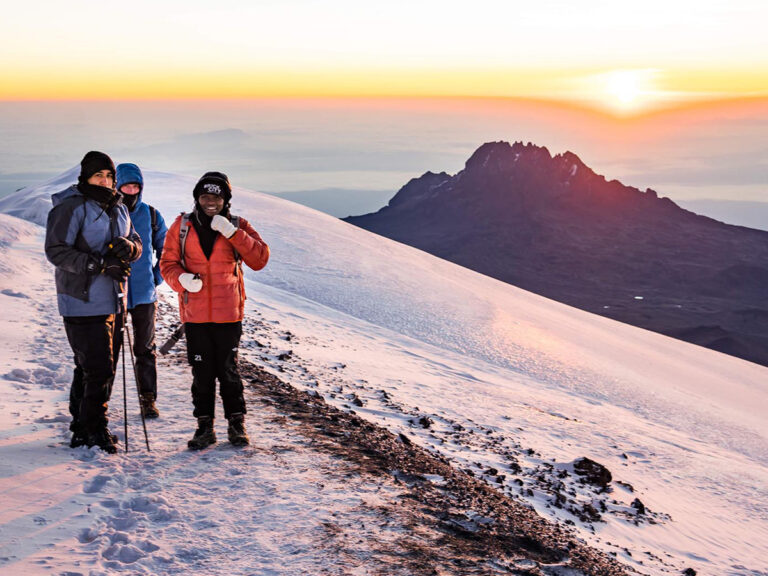
Foods To Avoid Before A Kilimanjaro Climb: Expert Guide For Trekkers 2026-2027
Planning your Kilimanjaro climb for 2026 or 2027? Proper nutrition is key. This guide details essential foods and drinks to avoid before and during your trek to prevent digestive issues and...
View package details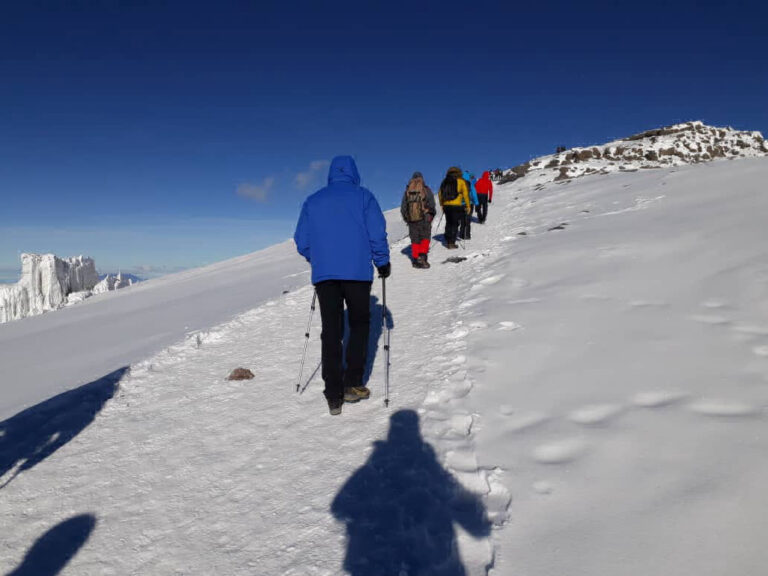
Can You Drink Alcohol Before Climbing Kilimanjaro? 2026-2027
Can You Drink Alcohol before Climbing Kilimanjaro? is explained with current 2026-2027 planning, price, itinerary and booking information.
View package details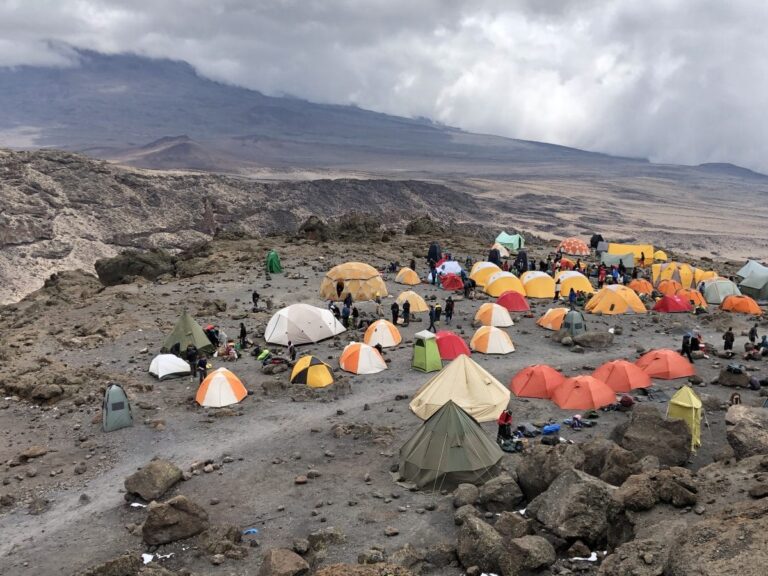
Can You Drink Coffee On Kilimanjaro? Guide
Curious if you can enjoy your morning coffee while climbing Kilimanjaro? This comprehensive guide from Top Guide Adventures covers everything from availability on the mountain to brewing...
View package details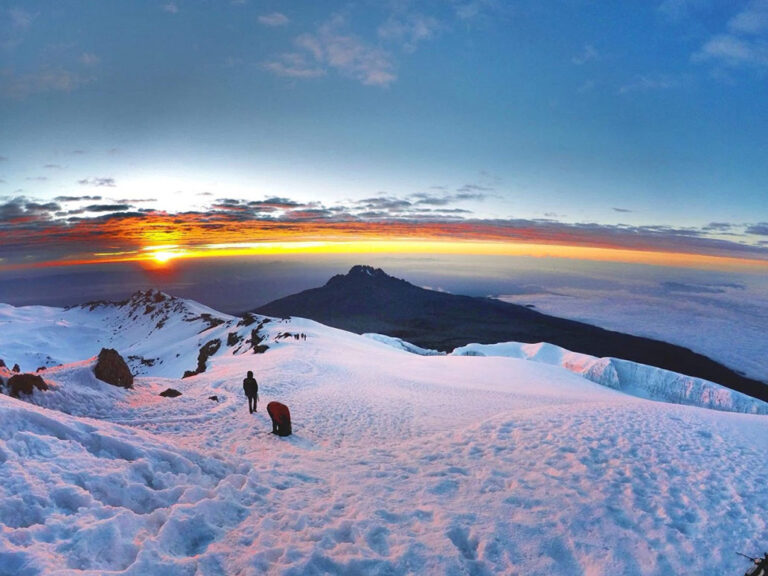
Kilimanjaro Hydration Salts And Electrolyte Guide For Trekkers 2026-2027
Proper hydration is critical for a successful Kilimanjaro climb. This comprehensive guide focuses on the vital role of hydration salts and electrolytes, explaining how they aid...
View package details
What To Eat After Summiting Kilimanjaro Guide
Summiting Kilimanjaro is an incredible feat, but your body will be depleted. Learn what to eat afterward to maximize recovery, replenish nutrients, and celebrate your achievement.
View package details
Kilimanjaro Summit-Day Breakfast Guide: Fueling Your Final Ascent In 2026-2027
Fueling correctly for Kilimanjaro's summit day is crucial for success. This guide details what to eat for breakfast, when to eat it, and why it matters for your 2026-2027 climb, ensuring...
View package details
Best Snacks To Bring From Home For Kilimanjaro 2026-2027
Best Snacks to Bring from Home for Kilimanjaro is explained with current 2026-2027 planning, price, itinerary and booking information.
View package detailsCan Kilimanjaro Chefs Handle Special Diets? Top Guide Adventures Explains
Climbing Kilimanjaro is an incredible adventure, and ensuring you have the right nutrition is vital. This guide details how Kilimanjaro chefs expertly handle special dietary requirements...
View package details
Kilimanjaro Food Menu For Picky Eaters: What To Expect & How To Prepare
Climbing Kilimanjaro is an unforgettable adventure, but for picky eaters, the thought of mountain food can be a concern. This guide details the typical Kilimanjaro food menu, offering...
View package details
Kilimanjaro Climb With Low-Sugar Meal Planning Guide
Climbing Kilimanjaro requires careful nutritional planning. This guide focuses on low-sugar meal strategies to sustain energy, aid acclimatization, and enhance your trekking experience...
View package details
Kilimanjaro Climb With High-Protein Meals: Fueling Your Ascent In 2026-2027
Fueling your Kilimanjaro climb is as critical as choosing the right route. This guide focuses on the power of high-protein meals to sustain energy, aid recovery, and maximize your chances...
View package detailsNo related package matches those filters. Clear one or more filters to see the other topic-matched options.



