
Packing your duffel bag for Kilimanjaro porters involves understanding what they carry versus what you’ll need access to during the trek. Typically, porters carry your main duffel bag (around 80-100 liters) containing clothing and personal items, while you’ll keep a smaller daypack with essentials like water, snacks, camera, and rain gear. Ensure your duffel is durable, waterproof, and clearly labeled for your porter. Consider packing essentials in waterproof dry bags within the duffel for extra protection against weather and moisture, a crucial aspect for any 2026-2027 Kilimanjaro expedition.
Understanding Your Porter’s Role and Duffel Bag Contents
Embarking on a Kilimanjaro climb is an incredible adventure, and a key part of a successful trek involves understanding the logistics of how your gear is transported. Specifically, knowing how to pack the duffel bag that your dedicated Kilimanjaro porters will carry is essential. This isn’t just about stuffing items into a bag; it’s about strategic organization that ensures your comfort, safety, and the efficiency of the climbing team. For climbers planning their ascent in 2026 or 2027, this guide will break down exactly what goes into that main duffel bag and how to prepare it.
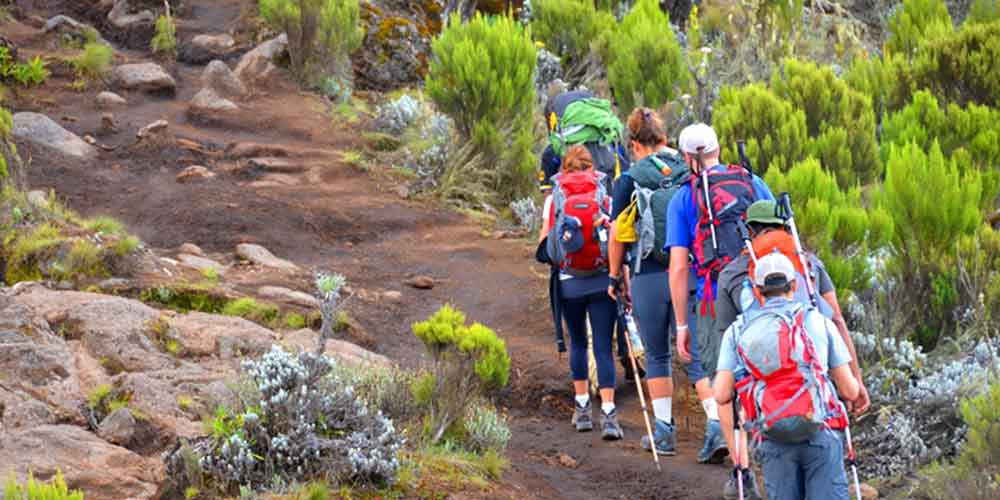
Your porter’s primary responsibility is to carry your main duffel bag from camp to camp. This bag typically holds the bulk of your clothing, sleeping gear, and personal items that you won’t need during the daily trek. The goal is to pack this duffel in a way that makes it easy for your porter to manage and for you to access your items at the end of each day’s hike. Think of it as your mobile closet, providing everything you need for evenings and nights on the mountain.
Key Considerations for Porter-Carried Duffel Bags:
- Size and Type: A duffel bag between 80-100 liters is standard. It should be made of durable, water-resistant material. Many climbers opt for heavy-duty, waterproof duffel bags designed for expeditions.
- Weight Limits: While porters are strong, there are weight limits, usually around 15 kg (33 lbs) per climber for their duffel. Pack only what’s necessary.
- Organization: Using packing cubes or dry bags inside your duffel helps keep items organized and protected from moisture.
- Identification: Clearly label your duffel bag with your name and the tour operator’s name (Top Guide Adventures) to avoid confusion.
The porters are the backbone of the Kilimanjaro climbing experience. They carry not only your duffel but also tents, food, cooking equipment, and other communal gear. By packing your duffel bag correctly, you contribute to the smooth operation of the expedition, allowing you and your fellow climbers to focus on the challenge and beauty of the mountain. For anyone planning a Kilimanjaro climb in the 2026-2027 season, understanding this system is a vital first step.
What Your Porter Carries: The Main Duffel Bag
The duffel bag entrusted to your porter is essentially your personal gear transport for the duration of the climb. It’s the repository for everything you’ll need to stay warm, dry, and comfortable when you’re not actively hiking. The items packed here are not for immediate access during the day; rather, they are for use at the end of the day’s trek when you reach the next campsite.
Clothing Layers: The Foundation of Mountain Comfort
Kilimanjaro experiences drastic temperature changes, from tropical at the base to arctic at the summit. Your duffel bag needs to house a comprehensive layering system. Porters will carry these items, so ensure they are packed efficiently and protected.
- Base Layers: Moisture-wicking tops and bottoms (merino wool or synthetic). Pack 2-3 sets. These are crucial for managing sweat and keeping your skin dry.
- Mid Layers: Fleece jackets or vests, and insulated puffy jackets (down or synthetic). These provide essential warmth. Pack 1-2 fleece layers and 1 good quality insulated jacket.
- Outer Layers: A waterproof and windproof jacket (hardshell) and waterproof trousers. These are your primary defense against rain and wind, especially critical at higher altitudes.
- Trekking Shirts: Lightweight, quick-drying shirts (long and short-sleeved). Pack 3-4.
- Trekking Trousers/Shorts: Comfortable, quick-drying hiking pants. Convertible pants are versatile. Pack 2-3 pairs. Some climbers prefer shorts for the lower, warmer sections.
- Warm Hat and Gloves: Essential for summit night and cold evenings. Include a fleece hat, a balaclava or neck gaiter, and warm, waterproof gloves or mittens. Consider liner gloves for dexterity.
- Sun Hat: A wide-brimmed hat for sun protection during the day.
- Socks: Several pairs of thick wool or synthetic hiking socks. Avoid cotton. Pack 5-7 pairs. Also, pack a few pairs of liner socks to prevent blisters.
- Camp Clothes: Comfortable, warm clothes for relaxing at camp. This could include a clean pair of base layers, a warm sweater, and comfortable trousers.
- Underwear: Moisture-wicking underwear. Pack enough for the duration of the climb.
It’s vital that these clothing items are packed in waterproof dry bags within your duffel. Even if the duffel itself is water-resistant, heavy rain or snow can saturate it. Protecting your clothing ensures you have dry layers to change into at camp, which is crucial for preventing hypothermia and maintaining morale. When packing for your 2026-2027 climb, double-check that every crucial clothing item is sealed in a dry bag.
Sleeping Gear: Ensuring Restful Nights
Adequate rest is paramount for acclimatization and energy levels. Your duffel bag will carry your personal sleeping gear. Note that tents and sometimes sleeping mats are provided by the tour operator, but your personal sleeping bag and liner are your responsibility.
- Sleeping Bag: A 4-season sleeping bag with a temperature rating of at least -10°C to -20°C (0°F to -4°F) is recommended. The higher the altitude, the colder it gets, especially on summit night.
- Sleeping Bag Liner: A silk or fleece liner adds warmth and keeps your sleeping bag cleaner.
- Pillow (Optional): A small, inflatable pillow can significantly improve sleeping comfort.
These items are bulky. Pack your sleeping bag compressed into a waterproof stuff sack. This will save space in your duffel and protect it from moisture. Ensure your porter can easily identify and retrieve your sleeping bag at each campsite.
Footwear and Foot Care
While you’ll wear your main hiking boots during the day, your duffel bag should contain spare footwear and essential foot care items.
- Camp Shoes: Lightweight sandals, crocs, or comfortable trainers to wear around camp. This allows your feet to breathe and recover from being in hiking boots all day.
- Gaiters: To prevent scree, mud, and snow from entering your boots.
- Foot Care Kit: Moleskin, bandages, antiseptic wipes, and blister treatment supplies.
Keeping your feet dry and comfortable is critical. Having a dedicated pair of camp shoes makes a huge difference in evening comfort. Ensure your boots are well broken-in before your 2026-2027 climb to avoid blisters.
Toiletries and Personal Hygiene
Maintaining basic hygiene on the mountain can significantly boost comfort and well-being. Pack these in a waterproof toiletry bag.
- Biodegradable Soap and Shampoo: For washing up.
- Toothbrush and Toothpaste: Travel-sized.
- Sunscreen: High SPF (30-50+). The sun is intense at altitude.
- Lip Balm with SPF: To protect against sun and windburn.
- Hand Sanitizer: Essential for hygiene before meals and after using the “toilet.”
- Wet Wipes/Baby Wipes: For quick clean-ups.
- Toilet Paper: Pack a few rolls.
- Personal Medications: Any prescription or over-the-counter medications you might need.
- Small Towel: Quick-drying microfiber towel.
Remember that water is often scarce and needs to be conserved. Use toiletries sparingly and always follow Leave No Trace principles.
Miscellaneous Items
These are the odds and ends that contribute to your overall experience.
- Headlamp and Spare Batteries: Essential for navigating camp at night and for summit attempts.
- Book or E-reader: For downtime.
- Journal and Pen: To record your experiences.
- Camera and Extra Batteries/Power Bank: To capture the stunning scenery.
- Power Bank/Portable Charger: For electronic devices.
- Duct Tape: Invaluable for quick repairs to gear.
- Small Binoculars (Optional): For wildlife spotting.
- Sunglasses: High UV protection.
- Small First-Aid Kit: For personal use, in addition to the guide’s comprehensive kit.
Every item in your duffel bag should serve a purpose. Avoid bringing unnecessary luxury items that add weight. For your 2026-2027 climb, carefully review this list to ensure you haven’t overlooked any critical items.
What You Carry: The Daypack Essentials
While your porters handle the main duffel bag, you will carry a smaller daypack throughout the day. This pack contains everything you need immediate access to while trekking. It’s your personal support system on the trail.
Hydration is Key
Staying hydrated is non-negotiable on Kilimanjaro. Your daypack is where you’ll store your water.
- Water Bottles or Hydration Reservoir: Carry at least 3 liters of water capacity. Hydration reservoirs (like Camelbaks) are convenient, but ensure the hose doesn’t freeze at high altitudes. Insulated bottles are also a good option.
- Water Purification Tablets/Filter (Backup): While your crew provides boiled or treated water, having a backup is wise.
Your guides will ensure you have water, but it’s your responsibility to drink enough. Sip water consistently throughout the day.
Snacks and Energy
High-energy snacks are vital for maintaining energy levels between meals.
- Energy Bars, Gels, and Chews: Choose options you enjoy and that provide quick energy.
- Trail Mix, Nuts, and Dried Fruit: Good sources of sustained energy.
- Chocolate or Sweets: For a quick sugar boost.
Pack a variety of snacks to keep your taste buds interested and your energy levels up. Your tour operator will provide meals, but having personal snacks is a good idea.
Clothing for Changing Conditions
The weather on Kilimanjaro can change rapidly. You’ll need quick access to layers.
- Rain Gear: Your waterproof and windproof jacket and trousers should be easily accessible.
- Warm Layer: A fleece or light puffy jacket to put on during breaks or if the temperature drops suddenly.
- Hat and Gloves: Keep your warm hat and gloves handy, especially for higher altitudes or windy sections.
Being able to add or remove layers quickly prevents overheating and subsequent chilling.
Safety and Navigation
Your daypack also holds essential safety items.
- Sunscreen and Lip Balm: Apply regularly.
- Headlamp: Essential for early morning starts or if you’re delayed reaching camp.
- Basic First-Aid Kit: Include blister treatment, pain relievers, antiseptic wipes, and any personal medications.
- Whistle: For emergencies.
- Map and Compass (Optional): While your guides are expert navigators, carrying a map can be reassuring.
Personal Items
These are items you might need throughout the day.
- Camera and Extra Batteries/Power Bank: For capturing photos.
- Phone and Power Bank: For communication (where signal is available) and photos.
- Sunglasses: Essential for protecting your eyes from the strong sun and glare.
- Hand Sanitizer and Tissues/Wet Wipes: For quick clean-ups.
- Personal Documents: Passport copy, emergency contact information. Keep these in a waterproof pouch.
- Small Amount of Cash: For tips or small purchases.
The goal is to pack your daypack with items you’ll need between breakfast and dinner. Keep it organized so you can find things quickly without unpacking everything.
Preparing Your Duffel Bag for Your Porter: Practical Tips
Packing your duffel bag correctly is crucial for a smooth Kilimanjaro experience. Here are practical tips to ensure your gear is well-organized, protected, and easy for your porter to handle.
1. Use Waterproof Dry Bags and Packing Cubes
This is perhaps the most critical tip. Even the most water-resistant duffel can leak in heavy rain. Using multiple dry bags of various sizes will keep your clothing, sleeping bag, and electronics dry. Packing cubes help compress items and keep different categories of clothing separate (e.g., base layers in one, mid-layers in another).
- Dry Bags: Invest in good quality, roll-top dry bags. Use different colors to easily identify contents.
- Packing Cubes: These are great for organizing within dry bags or the main duffel.
Ensure your sleeping bag is in its own dedicated waterproof stuff sack. For 2026-2027 climbs, make this a priority in your packing strategy.
2. Maximize Space and Minimize Weight
Porters have weight limits, usually around 15 kg (33 lbs) for your duffel. Every kilogram counts.
- Choose Lightweight Gear: Opt for lightweight, quick-drying materials whenever possible.
- Pack Versatile Items: Items that serve multiple purposes (e.g., a buff for neck warmth, headband, or face covering) are valuable.
- Compression Sacks: Use compression sacks for bulky items like your sleeping bag and puffy jacket to reduce their volume.
- Layering System: Pack layers rather than single, heavy garments.
Weigh your packed duffel before you leave home. If it’s significantly over the limit, you’ll need to re-evaluate what you’re bringing. Top Guide Adventures advises clients to aim for 15kg or less.
3. Label Everything Clearly
Your name, your guide company’s name (Top Guide Adventures), and potentially your route and climb dates should be clearly visible on your duffel bag.
- Luggage Tags: Use sturdy luggage tags that won’t tear off.
- Permanent Marker: Write your details clearly on the bag itself.
- Color Coding: If your group uses colored duffels, this can also help with identification.
Clear labeling prevents mix-ups and ensures your porter can easily identify your bag at each camp.
4. Pack Strategically for Accessibility
While your duffel isn’t for mid-trek access, you do need to retrieve certain items at the end of the day.
- End-of-Day Items: Pack items you’ll need immediately upon arrival at camp (e.g., warm jacket, hat, gloves, water bottle, headlamp) near the top or in an easily accessible outer pocket.
- Toiletries: Keep your toiletry bag accessible for washing up.
- Sleeping Gear: Your sleeping bag and liner should be easy to find.
Think about your routine at the end of a trekking day. What do you need first? Pack those items accordingly.
5. Secure Zippers and Closures
Ensure all zippers, buckles, and closures on your duffel bag are functioning correctly and are securely fastened. This prevents items from spilling out during transit.
- Zipper Locks: Consider using small luggage locks for added security, especially if you have valuable items.
- Velcro and Buckles: Make sure all straps and closures are tightened.
A well-secured bag protects your gear and makes it easier for porters to handle.
6. Consider the Duffel Bag Material
Choose a duffel made from robust, water-resistant material like heavy-duty nylon or PVC-coated polyester. Reinforced handles and a sturdy shoulder strap are also important.
- Durability: The bag will be handled frequently and exposed to rough conditions.
- Water Resistance: Crucial for protecting contents from rain and dew.
- Ease of Carrying: Padded shoulder straps or handles can make a difference for porters.
Many reputable outdoor gear brands offer expedition-style duffel bags perfect for Kilimanjaro. For a 2026-2027 climb, selecting a high-quality duffel is a wise investment.
What NOT to Pack in Your Porter’s Duffel Bag
It’s as important to know what *not* to pack as it is to know what to pack. Certain items are either impractical, too heavy, or should be kept with you at all times.
- Valuables: Jewelry, expensive watches, large amounts of cash, or irreplaceable items should be left at home or secured in a hotel safe.
- Documents: Keep your passport, flight details, visa information, and travel insurance documents with you in your daypack or a secure personal bag.
- Electronics You Need During the Day: Camera, phone, power banks should be in your daypack.
- Medications You Might Need Urgently: Keep essential medications easily accessible in your daypack.
- Snacks for the Day: These belong in your daypack.
- Water Bottles for the Day: These belong in your daypack.
- Excessive Toiletries: Pack travel-sized items only. Full-sized bottles are heavy and unnecessary.
- Too Many Changes of Clothes: Focus on layers and quick-drying fabrics. You won’t need a different outfit for every day.
- Heavy Books or Entertainment: Opt for a lightweight e-reader if you plan to read.
Remember, your porter is carrying your bag, so respect their effort by packing light and smart. If you’re unsure about an item, ask yourself if it’s truly essential for survival, warmth, or basic comfort. For your 2026-2027 Kilimanjaro adventure, mindful packing is key.
Packing for Different Kilimanjaro Routes
While the core principles of packing for Kilimanjaro remain the same regardless of the route, some routes might present slightly different conditions or durations, subtly influencing your packing strategy for the duffel bag carried by porters.
Marangu Route (Coca-Cola Route)
The Marangu Route is unique as it uses dormitory-style huts instead of tents. While porters still carry your main luggage, the need for a robust tent and associated gear is removed. However, you still need your full set of warm clothing, sleeping bag, and personal items. The huts can be cold, so your sleeping bag and warm layers remain critical. The duration is typically 5-6 days.
Machame Route (Whiskey Route)
This is one of the most popular routes, known for its scenic beauty and excellent acclimatization profile. It’s a camping route, meaning your duffel bag will contain your sleeping bag, and the porters will carry tents. The route is 6-7 days long, requiring a comprehensive packing list for varying weather conditions.
Lemosho Route
A longer, more scenic, and less crowded route, typically 7-8 days. The extra days mean you might consider an extra set of base layers or socks. More time on the mountain often means more exposure to diverse weather. Ensure your duffel is packed to handle extended periods in potentially cold and wet conditions.
Shira Route
Similar to Lemosho but starts at a higher altitude. The initial higher start means quicker acclimatization is needed, and temperatures can be colder from the outset. Pack warm layers prominently in your duffel.
Rongai Route
This route approaches Kilimanjaro from the north, near the Kenyan border. It’s generally drier than the southern routes, making it a good option during the rainy seasons. However, even in drier conditions, you’ll still encounter cold temperatures at altitude, especially on summit night. Pack accordingly for cold and wind.
Northern Circuit and Western Breach
These are longer routes (9-10+ days), offering the best acclimatization and most comprehensive views. The extended duration means you need to pack enough clothing and toiletries for a longer trip. Ensure your duffel bag is well-organized to manage items over a longer period. The Western Breach can be challenging and involves scree, so durable gear is essential.
Regardless of the route chosen for your 2026-2027 climb, the principle remains: your porter’s duffel bag is for clothing, sleeping gear, and personal items not needed during the day. Your daypack is for immediate necessities. Always pack for the worst weather, as Kilimanjaro is notorious for its unpredictable conditions.
The Role of Top Guide Adventures in Gear Management
At Top Guide Adventures, we understand that navigating the complexities of packing for Kilimanjaro can be daunting. Our mission is to provide a supportive and smooth experience from the moment you book your climb until you reach Uhuru Peak and descend safely. We offer comprehensive support regarding gear, including detailed packing lists tailored to the specific route and time of year for your 2026-2027 expedition.
Pre-Climb Consultation
We offer pre-climb consultations where you can discuss your gear with experienced guides. This is an excellent opportunity to ask specific questions about what to pack in your duffel bag for your porter and what to keep in your daypack. We can advise on the best types of sleeping bags, clothing layers, and footwear.
Gear Provision
While you are responsible for your personal clothing and gear, Top Guide Adventures provides essential expedition equipment:
- Tents: High-quality, waterproof tents for camping routes.
- Cooking Equipment: All necessary stoves, fuel, pots, and utensils.
- Dining Tents: Comfortable spaces for meals, especially in adverse weather.
- Tables and Chairs: For comfortable dining.
- Mattresses: For added comfort in tents.
We ensure our equipment is well-maintained and suitable for the challenging conditions on Kilimanjaro.
Porter Support and Management
Our porters are experienced, well-equipped, and treated ethically. We adhere to fair wages and ensure they have appropriate gear, including their own tents and sleeping bags. We manage the logistics of distributing the duffel bags and ensuring they reach the next camp safely and efficiently. We enforce reasonable weight limits for duffel bags to ensure the well-being of our porters.
On-Mountain Support
During your climb, our guides will continually assess your needs and the conditions. They can offer advice on managing your gear, staying warm and dry, and ensuring you have what you need from your duffel bag at the end of each day. If any gear issues arise, our team is equipped to help find solutions.
Post-Climb Services
After your successful climb, we assist with gear collection and storage, ensuring a smooth transition back from the mountain.
Choosing Top Guide Adventures for your 2026-2027 Kilimanjaro climb means you’re partnering with a team dedicated to your safety, comfort, and overall success. We take the logistical burdens of gear management seriously, allowing you to focus on the incredible journey ahead.
Frequently Asked Questions About Packing for Kilimanjaro Porters
What is the maximum weight for my duffel bag?
The standard weight limit for your duffel bag, carried by porters, is typically around 15 kg (33 lbs). This limit ensures the safety and well-being of our porters. We recommend weighing your packed duffel before you arrive to ensure you are within this guideline. If you have excess gear, consider leaving non-essential items behind or arranging for additional porter services if available and pre-arranged.
Should I use a backpack or a duffel bag for my porter?
A duffel bag is the standard and preferred option for items carried by porters. They are designed to be robust, easily handled, and stacked. While some climbers might use a large backpack, a duffel bag is generally more practical for the porter’s carrying system. Ensure it’s a high-quality, expedition-style duffel.
Do I need waterproof bags inside my duffel?
Yes, absolutely. Using waterproof dry bags or heavy-duty Ziploc bags inside your main duffel is essential. Kilimanjaro weather can be unpredictable, with heavy rain, mist, and snow. These inner bags protect your clothing, sleeping bag, and electronics from moisture, ensuring you have dry gear to change into at camp. This is crucial for preventing hypothermia and staying comfortable, especially for climbs in 2026 and 2027.
What kind of sleeping bag do I need?
You will need a 4-season sleeping bag with a temperature rating of at least -10°C to -20°C (0°F to -4°F). Nights on Kilimanjaro, particularly at higher camps and on summit night, are extremely cold. Ensure your sleeping bag is rated for these low temperatures. A sleeping bag liner (fleece or silk) will add extra warmth.
Can my porter carry my daypack?
No, your daypack is for items you need during the trek and must be carried by you. Porters carry your main duffel bag containing overnight gear. Your daypack should contain water, snacks, rain gear, warm layers, sunscreen, camera, and personal essentials that you’ll need immediate access to on the trail.
How do I label my duffel bag?
Clearly label your duffel bag with your full name and the tour operator’s name (Top Guide Adventures). Use a sturdy luggage tag and also write directly on the bag with a permanent marker. This ensures your porter can easily identify your bag at each campsite and prevents any mix-ups.
What if my duffel bag is too heavy?
If your duffel bag exceeds the 15 kg limit, you will need to repack. Prioritize essential clothing, sleeping gear, and toiletries. Leave non-essential items behind. You can often store excess luggage at your hotel in Moshi or Arusha. For specific arrangements, please contact Top Guide Adventures prior to your climb.
Preparing for Your 2026-2027 Kilimanjaro Adventure with Top Guide Adventures
Successfully packing your duffel bag for your Kilimanjaro porters is a critical step towards a comfortable and safe climb. It requires careful consideration of weight, weather, and accessibility. By understanding what your porters will carry and what you need in your daypack, you can prepare effectively.
Top Guide Adventures is dedicated to ensuring your Kilimanjaro experience is memorable for all the right reasons. We provide detailed packing lists, expert advice, and comprehensive support throughout your journey. Our experienced team is here to answer all your questions, from gear selection to logistical arrangements, ensuring your 2026 or 2027 climb is as smooth as possible.
We believe that thorough preparation is key to success on Kilimanjaro. Let us help you make informed decisions about your gear, so you can focus on the incredible challenge and impressive beauty of Africa’s highest peak. Don’t hesitate to reach out to us for personalized guidance.
For any questions regarding packing your duffel bag for Kilimanjaro porters, or to discuss your 2026-2027 climbing plans, please contact us:
WhatsApp: +255616946642
Email: topguideadventures@gmail.com
Backup Email: info@topguideadventures.com
We look forward to helping you achieve your Kilimanjaro dream!
“,
“faq_schema”: [
{
“question”: “What is the maximum weight for my duffel bag?”,
“answer”: “The standard weight limit for your duffel bag, carried by porters, is typically around 15 kg (33 lbs). This limit ensures the safety and well-being of our porters. We recommend weighing your packed duffel before you arrive to ensure you are within this guideline. If you have excess gear, consider leaving non-essential items behind or arranging for additional porter services if available and pre-arranged.”
},
{
“question”: “Should I use a backpack or a duffel bag for my porter?”,
“answer”: “A duffel bag is the standard and preferred option for items carried by porters. They are designed to be robust, easily handled, and stacked. While some climbers might use a large backpack, a duffel bag is generally more practical for the porter’s carrying system. Ensure it’s a high-quality, expedition-style duffel.”
},
{
“question”: “Do I need waterproof bags inside my duffel?”,
“answer”: “Yes, absolutely. Using waterproof dry bags or heavy-duty Ziploc bags inside your main duffel is essential. Kilimanjaro weather can be unpredictable, with heavy rain, mist, and snow. These inner bags protect your clothing, sleeping bag, and electronics from moisture, ensuring you have dry gear to change into at camp. This is crucial for preventing hypothermia and staying comfortable, especially for climbs in 2026 and 2027.”
},
{
“question”: “What kind of sleeping bag do I need?”,
“answer”: “You will need a 4-season sleeping bag with a temperature rating of at least -10°C to -20°C (0°F to -4°F). Nights on Kilimanjaro, particularly at higher camps and on summit night, are extremely cold. Ensure your sleeping bag is rated for these low temperatures. A sleeping bag liner (fleece or silk) will add extra warmth.”
},
{
“question”: “Can my porter carry my daypack?”,
“answer”: “No, your daypack is for items you need during the trek and must be carried by you. Porters carry your main duffel bag containing overnight gear. Your daypack should contain water, snacks, rain gear, warm layers, sunscreen, camera, and personal essentials that you’ll need immediate access to on the trail.”
},
{
“question”: “How do I label my duffel bag?”,
“answer”: “Clearly label your duffel bag with your full name and the tour operator’s name (Top Guide Adventures). Use a sturdy luggage tag and also write directly on the bag with a permanent marker. This ensures your porter can easily identify your bag at each campsite and prevents any mix-ups.”
},
{
“question”: “What if my duffel bag is too heavy?”,
“answer”: “If your duffel bag exceeds the 15 kg limit, you will need to repack. Prioritize essential clothing, sleeping gear, and toiletries. Leave non-essential items behind. You can often store excess luggage at your hotel in Moshi or Arusha. For specific arrangements, please contact Top Guide Adventures prior to your climb.”
}
]
}
“`
Check Availability for How To Pack A Duffel Bag For Kilimanjaro Porters 2026-2027
Ready to compare dates, prices, and the best option for your group? Send the package name and travel month so the team can reply with a clear quote, availability, and what is included.
Kilimanjaro Climbing Package With Vegetarian Meals Guide
Planning a Kilimanjaro climb with specific dietary needs? This guide details Kilimanjaro climbing packages that cater to vegetarians, covering routes, meal preparation, and what to expect...
View package details
Kilimanjaro Prescription Medication Packing Guide For Climbs 2026-2027
Planning a Kilimanjaro climb in 2026 or 2027? This comprehensive guide details exactly what prescription medications you need to pack, how to carry them safely, and crucial advice for a...
View package details
Kilimanjaro Toiletries And Hygiene Packing List: Essential Items For Your
Prepare for your Kilimanjaro climb with Top Guide Adventures' essential toiletries and hygiene packing list. Discover what to bring to stay clean and comfortable on the mountain.
View package details
What Goes In Your Kilimanjaro Summit-Day Backpack? Expert Packing Guide
A comprehensive guide to packing your Kilimanjaro summit-day backpack. Discover the essential gear, clothing layers, hydration, nutrition, and safety items needed for a successful trek to...
View package details
The Best Rain Cover For A Kilimanjaro Daypack In 2026-2027
Choosing the right rain cover for your Kilimanjaro daypack is crucial for keeping essentials dry. This guide details what to look for, top recommendations, and why it's vital for your climb.
View package details
What Size Daypack Do You Need For Kilimanjaro? 2026-2027
What Size Daypack Do You Need for Kilimanjaro? is explained with current 2026-2027 planning, price, itinerary and booking information.
View package details
Kilimanjaro Slow-Pace Summit Package Guide
Opt for a Kilimanjaro Slow-Pace Summit Package for a more relaxed ascent, increasing your chances of reaching Uhuru Peak. This guide details routes, preparation, and what to expect with Top...
View package details
Kilimanjaro Acclimatization And Gear-Rental Package 2026-2027
Kilimanjaro Acclimatization and Gear-Rental Package is explained with current 2026-2027 planning, price, itinerary and booking information.
View package details
Kilimanjaro Pre-Climb Hiking Package From Moshi 2026-2027
Kilimanjaro Pre-Climb Hiking Package from Moshi is explained with current 2026-2027 planning, price, itinerary and booking information.
View package details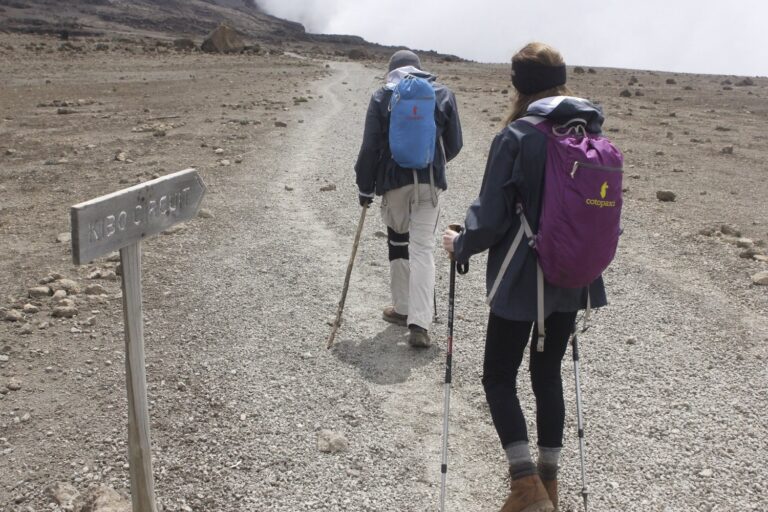
Kilimanjaro Acclimatization Package For Sea-Level Travellers | Top Guide
Planning a Kilimanjaro climb from sea level? Top Guide Adventures offers specialized acclimatization packages designed to maximize your success and safety. Learn about essential...
View package details
Two-Day Kilimanjaro Acclimatization Package In Moshi: Your Essential
This comprehensive guide details the Two-Day Kilimanjaro Acclimatization Package in Moshi, offering essential preparation for climbers. Discover how this package enhances your ascent safety...
View package details
Kilimanjaro Stopover Package Between Safari And Zanzibar 2026-2027
Kilimanjaro Stopover Package between Safari and Zanzibar is explained with current 2026-2027 planning, price, itinerary and booking information.
View package detailsNo related package matches those filters. Clear one or more filters to see the other topic-matched options.



