
To sleep at high altitude on Kilimanjaro, focus on gradual acclimatization, staying well-hydrated, maintaining proper nutrition, using appropriate sleeping gear, and employing relaxation techniques to manage the physiological effects of altitude. Understanding and respecting the body’s response to thinning air is crucial for restful sleep and a successful summit bid.
Understanding the Challenge: Sleeping at High Altitude on Kilimanjaro
The dream of standing on the Roof of Africa, Mount Kilimanjaro, is a powerful motivator for thousands of trekkers each year. However, the journey to Uhuru Peak is as much a mental and physical test as it is a triumph of will. One of the most significant hurdles climbers face is adapting to the extreme altitude, and this adaptation is tested most profoundly during sleep. The thinning air, reduced oxygen levels, and the body’s compensatory mechanisms can make achieving restful sleep at high altitudes a considerable challenge. For climbers preparing for 2026 or 2027 expeditions, understanding how to manage sleep on Kilimanjaro is paramount to their success and overall enjoyment.
At Top Guide Adventures, we’ve guided countless climbers to the summit, and we consistently emphasize the critical role of sleep in acclimatization and performance. Altitude sickness, commonly known as Acute Mountain Sickness (AMS), is the primary culprit behind sleepless nights. As you ascend, the atmospheric pressure decreases, meaning less oxygen is available with each breath. Your body works overtime to compensate, increasing breathing rate and heart rate, which can disrupt normal sleep patterns. This is compounded by factors like cold temperatures, the physical exertion of trekking, and the psychological pressure of the climb itself.
This guide will explore deep into the science behind altitude-induced sleep disturbances and, more importantly, provide practical, actionable strategies that climbers can implement. We’ll cover everything from the best acclimatization schedules and hydration strategies to the essential gear you’ll need and the subtle techniques that can make a significant difference between a night of tossing and turning and a night of restorative rest. Whether you’re planning your climb for the peak season of 2026 or the shoulder months of 2027, preparing for these sleep challenges will be a key component of your overall training and packing strategy.
The Science of Altitude and Sleep: What Happens to Your Body?
To effectively manage sleep at high altitude on Kilimanjaro, it’s essential to grasp the physiological changes your body undergoes. The primary issue is the reduced partial pressure of oxygen (PPO2) at higher elevations. On Kilimanjaro, you’ll experience this dramatically, reaching altitudes where PPO2 is roughly half of what it is at sea level.
Hypoxia: The Oxygen Deficit
The most direct consequence of higher altitude is hypoxia, a condition where the body doesn’t receive enough oxygen. Your body’s immediate response is to increase ventilation – you breathe faster and deeper. This increased breathing, known as hyperventilation, can paradoxically lead to more fragmented sleep. During sleep, your respiratory drive naturally decreases. At altitude, this reduction can cause breathing to slow down too much, leading to periodic dips in blood oxygen saturation. These dips, called sleep apnea (specifically, high-altitude periodic breathing), can repeatedly wake you up, even if you don’t consciously realize it. You might feel groggy and unrested in the morning without knowing why.
Altitude Sickness Symptoms and Sleep Disruption
Altitude sickness symptoms often manifest or worsen at night. These can include:
- Headaches: A throbbing headache can make it difficult to fall asleep or stay asleep.
- Nausea: Feeling sick to your stomach can be uncomfortable and distracting.
- Shortness of Breath: Even at rest, you might feel breathless, increasing anxiety and making relaxation difficult.
- Increased Urination: Your body tries to excrete more fluid at altitude, meaning more trips to the ‘bathroom’ (often a hole in the ground or a designated tent), further disrupting sleep.
- Increased Heart Rate: Your heart works harder, which can be noticeable and unsettling.
These symptoms, combined with the physiological changes, create an environment where deep, restorative sleep is hard to come by. The goal of effective strategies is not to eliminate these effects entirely—that’s impossible—but to mitigate them to the point where sleep is as restful as possible.
The Role of Acclimatization
The most critical factor influencing how well you sleep at high altitude on Kilimanjaro is how well you have acclimatized. Acclimatization is the process by which your body gradually adapts to lower oxygen levels. A slower ascent profile, allowing more rest days and shorter daily distances, is key. This is why routes like the Lemosho or Machame, which offer longer durations (7-9 days), are generally recommended over shorter, faster routes like Marangu (5-6 days) for better acclimatization and, consequently, better sleep.
Practical Strategies for Better Sleep on Kilimanjaro
Now that we understand the challenges, let’s focus on the solutions. How can you actively improve your sleep at high altitudes on Kilimanjaro?
1. Prioritize Gradual Acclimatization
This cannot be stressed enough. The longer you spend on the mountain, the better your body can adapt. Top Guide Adventures always recommends routes that allow for adequate acclimatization. For instance, a 7-day Machame route climb provides a much better chance for restful sleep than a 5-day Marangu trek.
‘Climb High, Sleep Low’ Principle:
This is a golden rule of high-altitude trekking. It means ascending to a higher altitude during the day for trekking and acclimatization, then descending to a lower camp to sleep. This strategy helps your body adapt more efficiently. For example, on the Lemosho route, you might trek up to Lava Tower (4,600m) and then descend to Barranco Camp (3,950m) to sleep. This process significantly aids acclimatization and can lead to better sleep quality.
Choosing the Right Route and Duration (2026-2027 Planning)
When planning your 2026 or 2027 Kilimanjaro climb, consider the duration:
- 5-6 Day Routes (e.g., Marangu, shorter Machame): Higher risk of AMS and poor sleep due to rapid ascent.
- 7-8 Day Routes (e.g., Machame, Lemosho, Northern Circuit): Significantly better acclimatization profiles, leading to improved sleep quality and higher success rates. The Northern Circuit, being the longest, offers the best acclimatization.
Top Guide Adventures offers various itineraries in 2026 and 2027 designed with optimal acclimatization in mind. Contact us to discuss which route best suits your needs and fitness level.
2. Hydration: Your Best Friend at Altitude
Dehydration exacerbates altitude sickness symptoms, including headaches and fatigue, which directly impact sleep. Your body loses fluid rapidly at altitude due to increased respiration and the dry air. Aim to drink 3-5 liters of fluid per day.
What to Drink:
- Water: The primary source. Ensure it’s purified.
- Herbal Teas: Warm, soothing, and hydrating.
- Soups/Broths: Especially in the evening, these are hydrating and provide electrolytes.
- Electrolyte Drinks: Can be beneficial, but avoid overly sugary ones.
Tips for Staying Hydrated:
- Sip Constantly: Don’t chug large amounts at once. Keep a water bottle handy and sip throughout the day.
- Warm Fluids: Especially in the evening and morning, warm drinks are more appealing and help with core body temperature.
- Monitor Urine Color: Pale yellow indicates good hydration; dark yellow means you need to drink more.
- Avoid Alcohol and Excessive Caffeine: Both can dehydrate you and disrupt sleep.
Remember, even if you don’t feel thirsty, you need to drink. Your body’s thirst signals can be diminished at altitude.
3. Nutrition: Fueling Your Body for Sleep
What you eat significantly impacts how your body functions at altitude. High-carbohydrate meals are generally recommended as they are easier to digest and provide the energy your body needs to cope with altitude and exertion.
Dinner Recommendations:
- Focus on complex carbohydrates like pasta, rice, potatoes, and bread.
- Include lean protein sources.
- Avoid heavy, fatty, or spicy foods that can be difficult to digest and may cause discomfort.
Snacks:
Keep energy levels stable throughout the day with easily digestible snacks like energy bars, nuts, dried fruit, and chocolate. Having a small, light snack before bed can sometimes help prevent waking up due to hunger.
Listen to Your Body:
Appetite can decrease at altitude. Don’t force yourself to eat large meals if you don’t feel like it, but try to consume nutrient-dense foods and snacks regularly. Our guides ensure nutritious meals are prepared daily.
4. Essential Sleeping Gear for High Altitude Comfort
Your sleeping setup is crucial for maximizing rest. The conditions on Kilimanjaro are demanding, and the right gear can make a world of difference.
The Sleeping Bag: A Critical Choice
- Temperature Rating: Aim for a sleeping bag rated to at least -10°C to -20°C (0°F to -4°F). Nights on Kilimanjaro, especially above 4,000m, can drop well below freezing. A bag that is too warm is better than one that is too cold, as you can always unzip it.
- Down vs. Synthetic: Down offers superior warmth-to-weight ratio and compressibility but loses insulating power when wet. Synthetic insulation performs better when damp but is bulkier and heavier. For Kilimanjaro, a good quality down bag is often preferred for its packability.
The Sleeping Pad: Insulation and Comfort
- R-Value: This measures insulation. For Kilimanjaro’s cold temperatures, an R-value of 4 or higher is recommended. This prevents heat loss to the cold ground.
- Type: Inflatable pads offer more comfort and insulation but risk punctures. Closed-cell foam pads are durable and reliable but less comfortable. Many climbers use a combination: a foam pad on the bottom for durability and an inflatable pad on top for comfort and insulation.
Inner Liners and Warm Clothing: Layering is Key
- Sleeping Bag Liner: A silk or fleece liner can add several degrees of warmth to your sleeping bag and keeps it cleaner.
- Base Layers: Wear moisture-wicking thermal underwear (merino wool or synthetic) to bed.
- Warm Socks: Wool or synthetic socks are essential. Avoid cotton.
- Hat: You lose significant heat through your head, so wear a warm hat to sleep.
Tent and Camp Environment:
Your tent provides shelter from wind and precipitation. Ensure your tent is well-pitched by your guides. In colder camps, guides may advise pitching tents in a location sheltered from the wind.
5. Managing Altitude Sickness Symptoms for Sleep
Proactive management of AMS is crucial for sleep. If you experience mild AMS symptoms, it’s vital to communicate them to your guide immediately.
Medication (Consult Your Doctor):
- Acetazolamide (Diamox): This prescription medication helps speed up acclimatization by stimulating breathing. It can significantly improve sleep quality at altitude by reducing the severity of periodic breathing. It’s often recommended to start taking it a day or two before ascending and continue throughout the climb. Discuss dosage and potential side effects with your doctor.
- Pain Relievers: Ibuprofen or paracetamol can help manage headaches.
Natural Remedies:
- Rest: Do not ascend further if you have moderate to severe AMS symptoms.
- Hydration: As mentioned, crucial for managing symptoms.
- Avoid Alcohol: It worsens AMS and dehydrates you.
Important Note: If symptoms of AMS worsen or do not improve with rest and descent, immediate evacuation may be necessary. Your guide’s priority is your safety.
6. Pre-Sleep Routine and Relaxation Techniques
Establishing a consistent pre-sleep routine, even in a tent on a mountain, can signal to your body that it’s time to wind down. This is challenging at altitude, but small efforts can yield results.
Winding Down:
- Avoid Strenuous Activity Before Bed: Keep the evening calm.
- Light Meal and Hydration: Finish your dinner and ensure you’ve met your fluid intake goals.
- Warm Drink: A cup of herbal tea can be very comforting.
Mental Preparation:
- Mindfulness and Deep Breathing: Focus on slow, deep breaths. This can help calm the nervous system and improve oxygen saturation.
- Visualization: Imagine yourself sleeping soundly and feeling refreshed.
- Gratitude: Reflecting on the day’s progress can foster a positive mindset.
Dealing with Discomfort:
It’s normal to feel some discomfort. Accept it without dwelling on it. Focus on the fact that you are on an incredible adventure. Sometimes, simply acknowledging that you might not sleep perfectly, and that’s okay, can reduce anxiety and paradoxically help you sleep better.
7. Managing the Cold
Cold is a major sleep disruptor. Being cold makes it hard to fall asleep and can lead to waking up frequently.
Pre-Warming:
- Warm Drink: Have a hot drink just before getting into your sleeping bag.
- Light Exercise: A few minutes of light movement (e.g., jumping jacks, brisk walking in place) can warm you up before bed.
Inside the Sleeping Bag:
- Hot Water Bottle: A well-sealed water bottle filled with hot (not boiling) water placed in your sleeping bag can be a fantastic warmer. Ensure it’s properly sealed!
- Wear Layers: As mentioned, wear your base layers, socks, and hat. Avoid wearing too many layers inside the bag, as this can compress the down insulation and reduce its effectiveness. Your body heat is what warms the bag.
Morning Routine:
Getting out of a cold sleeping bag into a cold tent is a shock. Have your warm clothes ready to put on immediately. Guides often prepare hot water for washing and drinks early, which helps.
Common Sleep-Related Issues on Kilimanjaro and How to Address Them
Even with the best preparation, specific sleep-related issues can arise. Recognizing them and knowing how to respond is key.
1. Frequent Urination (Nocturia)
As mentioned, your body processes fluids more rapidly at altitude. This means more trips to the ‘loo’.
Solutions:
- Stay Hydrated During the Day: Ensure you meet your fluid goals, but try to taper off large amounts of fluid 2-3 hours before bed.
- Empty Bladder Before Bed: Make a final trip to the toilet just before zipping into your sleeping bag.
- Easy Access: Keep your headlamp and a spare warm layer accessible for quick, efficient trips outside.
- Urination Device: For women, a ‘She-wee’ or similar device can be useful. For men, a wide-mouthed bottle can be used inside the tent. This avoids the need to exit the tent in the freezing cold and darkness.
2. Restless Legs Syndrome (RLS)
Some climbers report an uncomfortable urge to move their legs, which can be exacerbated by altitude and fatigue.
Solutions:
- Hydration and Electrolytes: Ensure adequate fluid and electrolyte intake.
- Gentle Stretching: Light stretching of the leg muscles before bed might help.
- Massage: Massaging the legs can provide relief.
- Consult Your Doctor: If you suffer from RLS, discuss it with your doctor before your trip.
3. Vivid Dreams and Nightmares
Altitude can sometimes lead to more vivid dreams, which can be unsettling or disturbing.
Solutions:
- Acceptance: Recognize that this can be a side effect of altitude and it will pass.
- Focus on Reality: When you wake up, take a moment to orient yourself to your surroundings.
- Journaling (Optional): Some find it helpful to jot down dreams upon waking to process them, but this might disrupt sleep further.
4. Noise and Disturbances
Camp life involves noise: tents rustling, wind, other climbers, snoring. This can disrupt light sleepers.
Solutions:
- Earplugs: High-quality earplugs are invaluable. Bring several pairs.
- Eye Mask: Essential for blocking out any light, especially if camping near other groups or during dawn.
Altitude Sickness: Prevention is Better Than Cure
While this article focuses on sleep, it’s impossible to discuss sleep at high altitude on Kilimanjaro without reinforcing the importance of preventing and managing altitude sickness. Good sleep is a byproduct of good acclimatization and health.
Key Prevention Strategies:
- Slow Ascent: Choose longer routes.
- Hydration: Drink plenty of fluids.
- Avoid Alcohol and Smoking: Both impair acclimatization.
- Eat Well: High-carbohydrate diet.
- Ascend Gradually: Adhere to the ‘climb high, sleep low’ principle.
- Listen to Your Body: Report any symptoms to your guide immediately.
- Consider Acetazolamide (Diamox): Discuss with your doctor.
Recognizing AMS Symptoms:
The Lake Louise Score system is a standard tool for assessing AMS. It looks at:
- Headache: Absent, mild, moderate, severe.
- Nausea/Vomiting: None, mild, moderate, severe.
- Fatigue/Weakness: None, mild, moderate, severe.
- Dizziness/Lightheadedness: None, mild, moderate, severe.
- Difficulty Sleeping: None, mild, moderate, severe.
A score of 4 or more generally indicates AMS. Any climber experiencing symptoms should not ascend further and should inform their guide. Severe AMS requires immediate descent.
The Role of Top Guide Adventures in Ensuring Your Comfort
At Top Guide Adventures, we understand that a successful Kilimanjaro climb is not just about reaching the summit, but about the entire experience. Our experienced guides are trained to recognize the signs of altitude sickness and to manage your ascent in a way that maximizes acclimatization and comfort, which directly impacts your ability to sleep at high altitude.
Our Commitment:
- Expert Guides: Our guides are certified, experienced, and knowledgeable about high-altitude physiology. They monitor climbers closely and make critical decisions regarding safety and acclimatization.
- Optimized Itineraries: We offer routes and durations specifically designed for effective acclimatization, such as our popular 8-day Machame and Lemosho treks.
- Nutritious Meals: Our cooks prepare balanced, high-carbohydrate meals to fuel your body and aid acclimatization.
- Safety First: Your well-being is our top priority. We carry comprehensive first-aid kits and oxygen, and our guides are trained in emergency procedures.
- Personalized Attention: We believe in providing personal attention and dedicated support to every client.
When you book your 2026 or 2027 Kilimanjaro adventure with Top Guide Adventures, you are choosing a team that prioritizes your health, safety, and overall experience, including ensuring you get the best possible sleep at high altitude.
Preparing for Your Climb: Pre-Trip Strategies for Better Sleep
The journey to better sleep on Kilimanjaro begins long before you set foot on the mountain.
Physical Fitness:
While you don’t need to be an elite athlete, good cardiovascular fitness is essential. Regular aerobic exercise (hiking, running, cycling) will improve your body’s efficiency in utilizing oxygen, which can indirectly aid in acclimatization and sleep. Focus on endurance training.
Mental Preparation:
Understand the challenges of altitude sleep. Accepting that you might not sleep as soundly as you do at home can reduce anxiety. Focus on resting when you can, rather than stressing about perfect sleep. Positive self-talk and visualizing success can be powerful tools.
Gear Testing:
Crucially, test your sleeping bag and sleeping pad before your trip. Use them on a camping trip or even in a cold room at home. This ensures they are warm enough and comfortable. Familiarity with your gear reduces stress on the mountain.
Consult Your Doctor:
Discuss your upcoming climb, especially if you have any pre-existing medical conditions. Get advice on Diamox, vaccinations, and any other health concerns. This is a vital step for any 2026-2027 Kilimanjaro climber.
The Summit Night Experience and Sleep
Summit night is the most demanding part of the climb. You typically start very early (around midnight) in the dark and cold, trekking for 6-8 hours to reach Uhuru Peak at sunrise. Sleep is virtually non-existent on summit night itself.
Before Summit Night:
The night before summit night (at Barafu Camp or Kibo Hut) is critical. Focus on:
- Eating and Drinking: Consume as much as you can, even if appetite is low. Hydration is paramount.
- Resting: Try to get as much rest as possible in the hours before you need to wake up. Even if you don’t sleep deeply, lying down and resting your body is beneficial.
- Preparing Gear: Lay out all your summit night clothing and gear so you can dress quickly and efficiently in the dark and cold.
During Summit Night:
Your focus is on forward motion, staying warm, and managing exertion. Sleep is not a factor here.
After Summit Night:
Once you descend back to your previous camp (e.g., Mweka Camp or Barafu Camp), the opportunity for sleep is much better. You’ll likely be exhausted but will have the chance to recover. This is when the benefits of good acclimatization and preparation truly pay off, allowing for much-needed rest.
Conclusion: Maximizing Your Rest for a Successful Kilimanjaro Climb
Sleeping at high altitude on Kilimanjaro is a significant aspect of the climbing experience, directly impacting your energy levels, decision-making, and overall success. By understanding the physiological challenges of altitude, prioritizing gradual acclimatization through carefully chosen routes like those offered by Top Guide Adventures for 2026-2027, staying diligently hydrated and nourished, and equipping yourself with the right gear, you can significantly improve your chances of getting restful sleep.
Remember that proactive management of altitude sickness symptoms, coupled with pre-sleep relaxation techniques and strategies for staying warm, are crucial. While perfect sleep might be elusive, aiming for quality rest will enable your body to cope with the demands of the climb, making your journey more enjoyable and increasing your likelihood of reaching Uhuru Peak.
Your Kilimanjaro adventure is a significant undertaking, and Top Guide Adventures is dedicated to making it a safe, memorable, and successful one. We are here to support you every step of the way, from initial planning to your triumphant return. If you’re ready to plan your 2026 or 2027 Kilimanjaro climb and want expert guidance on how to best prepare for all aspects of the trek, including sleep at high altitude, please don’t hesitate to reach out.
Contact Top Guide Adventures today:
- WhatsApp: +255616946642
- Email: topguideadventures@gmail.com
- Backup Email: info@topguideadventures.com
Let us help you prepare for an unforgettable experience on Kilimanjaro.
Check Availability for How To Sleep At High Altitude On Kilimanjaro: Expert Tips For Climbers
Ready to compare dates, prices, and the best option for your group? Send the package name and travel month so the team can reply with a clear quote, availability, and what is included.
Kilimanjaro Climb With A Private Sleeping Tent: Your Ultimate Comfort Guide
Planning a Kilimanjaro climb? Discover the benefits of opting for a private sleeping tent, ensuring personal space and comfort on the mountain. This guide covers everything you need to know...
View package details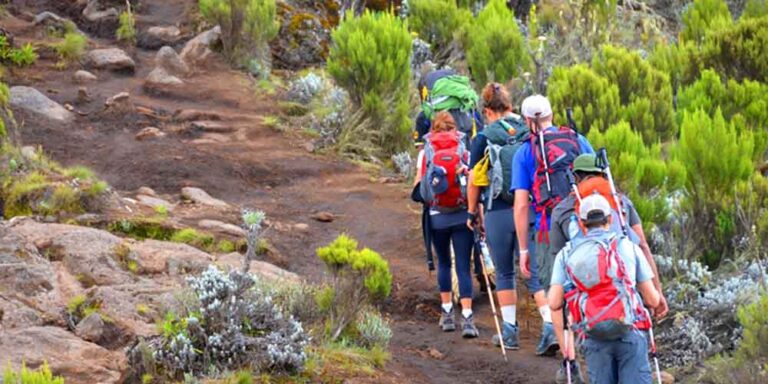
What Happens To Human Waste On Kilimanjaro? Managing On Africas Highest Peak
Human waste on Kilimanjaro is managed through a system of collection and removal, primarily using portable toilets and waste bags, to protect the mountain's fragile ecosystem. This guide...
View package details
Are Kilimanjaro Camps Noisy At Night? A Climbers Guide To Sleep And Sound
Understand the noise levels at Kilimanjaro camps to better prepare for your trek. This guide covers what sounds you might hear, factors influencing noise, and how to ensure a restful...
View package details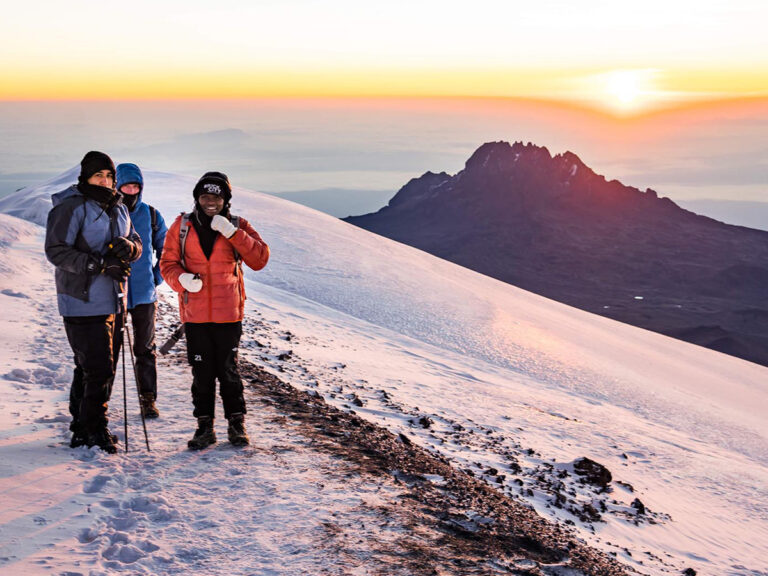
Best Sleeping-Mat Setup For Kilimanjaro 2026-2027
Best Sleeping-Mat Setup for Kilimanjaro is explained with current 2026-2027 planning, price, itinerary and booking information.
View package details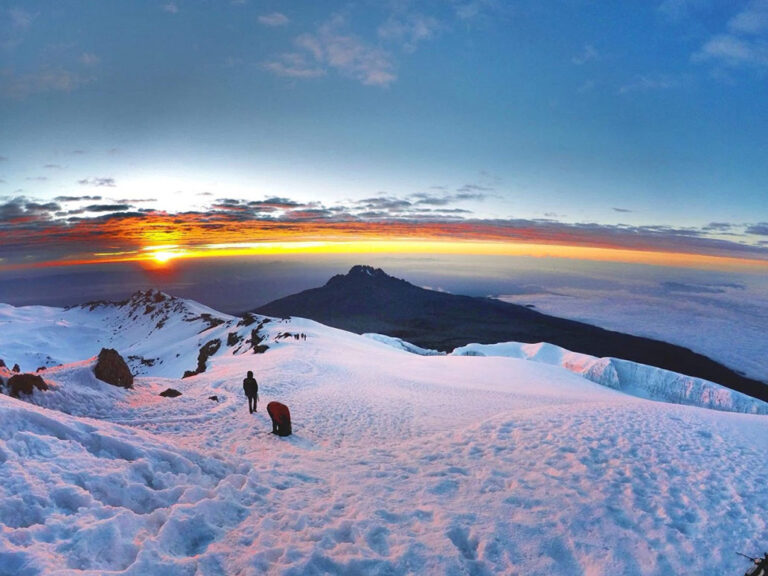
How To Sleep Warm In A Kilimanjaro Tent 2026-2027
How to Sleep Warm in a Kilimanjaro Tent is explained with current 2026-2027 planning, price, itinerary and booking information.
View package details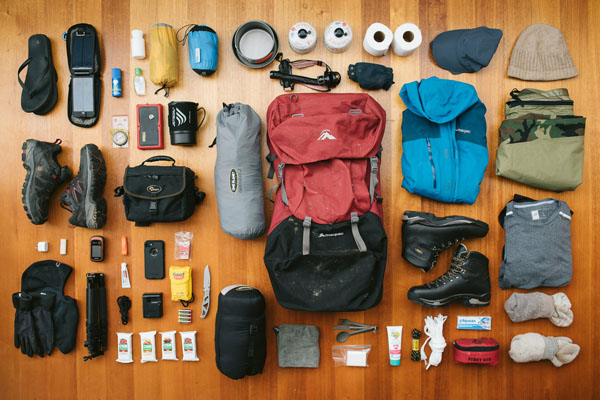
How Do You Sleep On Mount Kilimanjaro? 2026-2027
How Do You Sleep on Mount Kilimanjaro? is explained with current 2026-2027 planning, price, itinerary and booking information.
View package details
Sleep, Hygiene, And Comfort On Kilimanjaro: Your Essential Guide 2026-2027
Climbing Kilimanjaro requires careful planning for sleep, hygiene, and comfort. This comprehensive guide from Top Guide Adventures offers practical advice to ensure a more enjoyable and...
View package details
Kilimanjaro Climb With High-Protein Meals: Fueling Your Ascent In 2026-2027
Fueling your Kilimanjaro climb is as critical as choosing the right route. This guide focuses on the power of high-protein meals to sustain energy, aid recovery, and maximize your chances...
View package details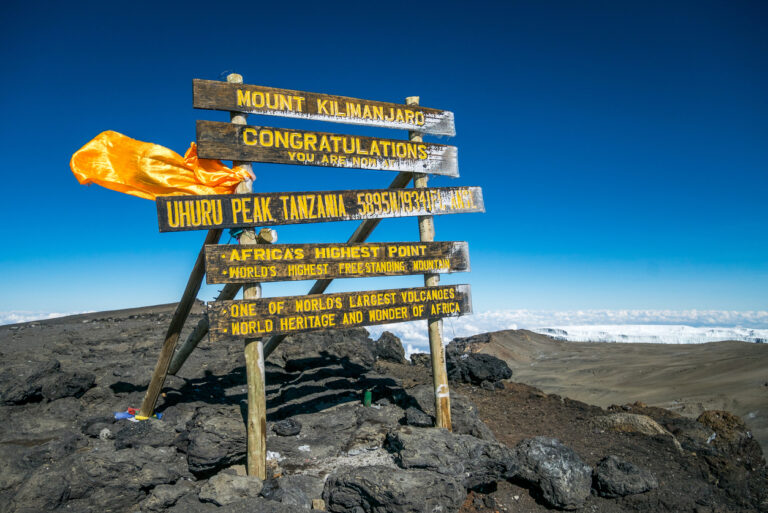
How To Keep Your Sleeping Bag Dry On Kilimanjaro Guide
Discover expert advice on maintaining a dry sleeping bag during your Kilimanjaro trek. This comprehensive guide covers essential gear, waterproof packing techniques, and vital on-mountain...
View package details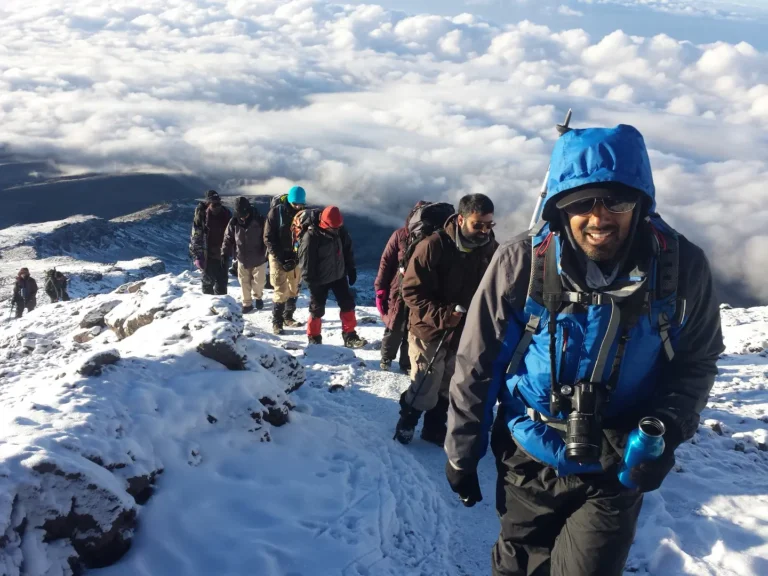
Kilimanjaro Route With The Gentlest Altitude Profile For Climbs 2026-2027
Choosing the right Kilimanjaro route is crucial for a successful and enjoyable climb, especially if you're concerned about altitude. The Marangu and Lemosho routes are often cited for their...
View package details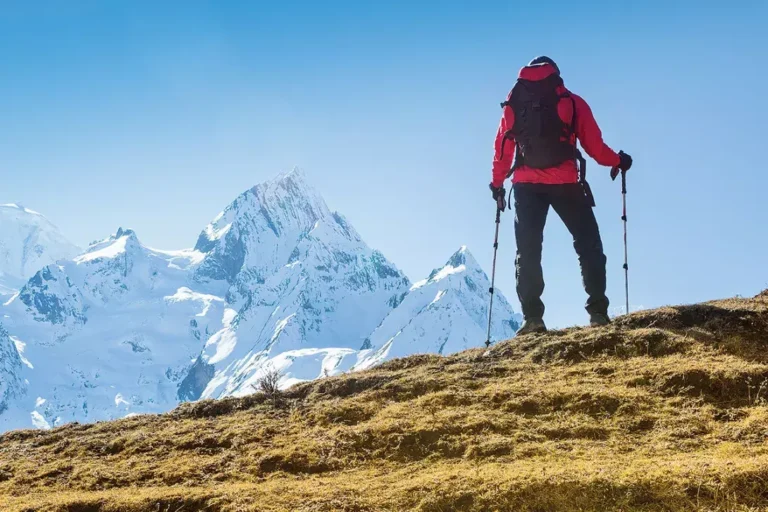
Kilimanjaro Climb With A Sign-Language Interpreter 2026-2027
Kilimanjaro Climb with a Sign-Language Interpreter is explained with current 2026-2027 planning, price, itinerary and booking information.
View package details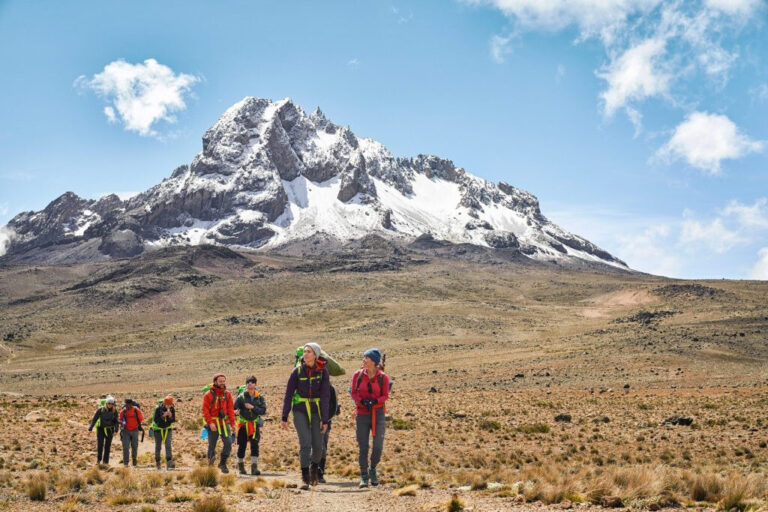
Adaptive Kilimanjaro Climbing Expeditions 2026-2027
Adaptive Kilimanjaro Climbing Expeditions is explained with current 2026-2027 planning, price, itinerary and booking information.
View package detailsNo related package matches those filters. Clear one or more filters to see the other topic-matched options.



