
Achieving adequate sleep, maintaining personal hygiene, and ensuring comfort on a Kilimanjaro climb are paramount for a successful and enjoyable trek. This involves strategic packing, understanding the challenges of altitude, utilizing provided camping gear effectively, and adopting disciplined routines for washing and waste disposal. Top Guide Adventures emphasizes that while luxury is absent, a well-prepared trekker can significantly improve their rest, cleanliness, and overall comfort on the mountain, especially when planning for 2026 or 2027 expeditions.
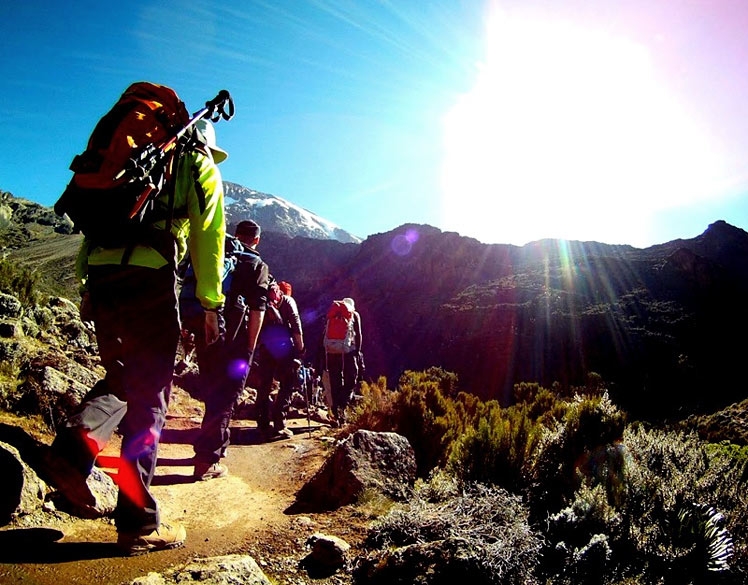
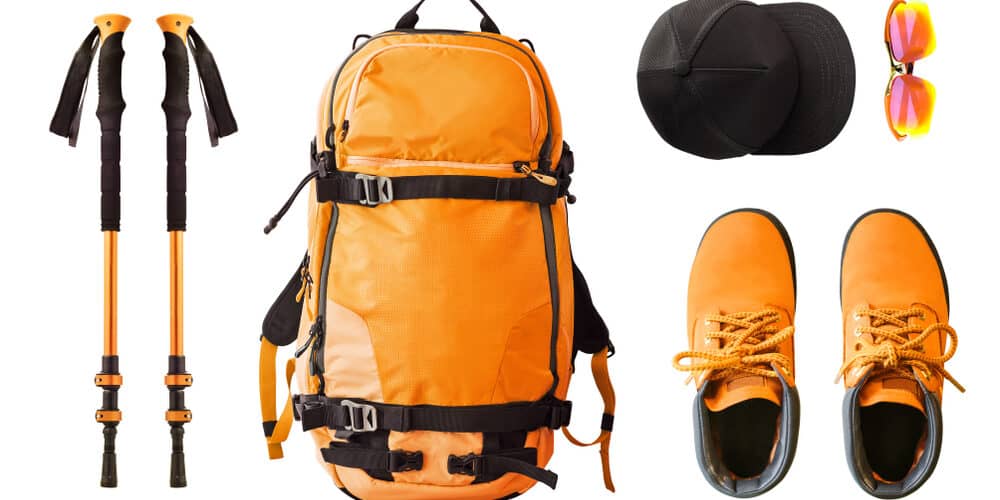
Understanding the Unique Challenges of Kilimanjaro Sleep, Hygiene, and Comfort
Climbing Mount Kilimanjaro is an extraordinary adventure, pushing your physical and mental limits. While the focus is often on altitude, weather, and the summit bid, the fundamental aspects of sleep, hygiene, and comfort play an equally critical role in your overall experience and success. Unlike a typical holiday, a Kilimanjaro trek takes you far from modern amenities, into a rugged wilderness where basic needs require deliberate attention. Understanding these challenges upfront is the first step toward a more comfortable and rewarding journey.
At altitude, your body works harder. Sleep patterns can be disrupted by the thinner air, colder temperatures, and the sheer effort of trekking. Hygiene becomes a logistical puzzle, with limited water and facilities. Comfort is redefined; it’s less about luxury and more about managing the elements, staying dry, warm, and preventing issues like blisters or chafing. Top Guide Adventures, with years of experience guiding trekkers on Kilimanjaro, recognizes that addressing these often-overlooked elements is key to a positive expedition, whether you are planning for the 2026-2027 trekking seasons.
This guide will explore each of these areas in detail, providing practical advice, packing recommendations, and insights from our expert guides. Our aim is to equip you with the knowledge to anticipate and manage the realities of sleeping, staying clean, and finding comfort on Africa’s highest peak.
Mastering Sleep on Kilimanjaro: Strategies for Restful Nights
Sleep is vital for recovery and performance, especially at high altitudes. On Kilimanjaro, achieving quality sleep is a skill that can be learned and improved with preparation. The conditions are far from ideal: you’ll be sleeping in a tent, often on a thin mattress, at temperatures that can drop significantly below freezing, and with the physiological effects of altitude impacting your breathing and sleep cycles.
The Altitude Factor: How High Altitudes Affect Sleep
As you ascend Kilimanjaro, atmospheric pressure decreases, meaning less oxygen is available with each breath. This reduced oxygen intake, known as hypoxia, affects your body in numerous ways, including sleep. At altitudes above 3,000 meters (9,842 feet), it’s common to experience disrupted sleep patterns. You might find yourself waking up more frequently, having trouble falling asleep, or experiencing vivid dreams. Periodic breathing, where breathing slows or stops for short intervals, is also common and can jolt you awake.
Altitude sickness symptoms, such as headaches and nausea, can also interfere with sleep. The body is working overtime to acclimatize, which can lead to restlessness. Therefore, prioritizing acclimatization by choosing longer routes and ascending gradually is crucial not just for safety, but also for improving your chances of getting restorative sleep. For your 2026-2027 Kilimanjaro climb, consider routes like the Lemosho or Machame, which offer better acclimatization profiles.
Your Sleeping Setup: Tents, Mats, and Sleeping Bags
Top Guide Adventures provides high-quality, four-season tents designed to withstand Kilimanjaro’s conditions. These tents are spacious enough for two people and offer good protection from wind and rain. However, your personal sleeping gear is where you can make the most difference in comfort and warmth.
Sleeping Bags: This is arguably your most important piece of gear for sleep. You will need a sleeping bag rated for temperatures as low as -15°C to -20°C (5°F to -4°F). Synthetic fill is often recommended over down for its performance when damp, though high-quality down bags are lighter and more compressible. Ensure it’s a comfortable fit – not too tight, not too loose. Consider a mummy-style bag for better heat retention.
Sleeping Mats: While our tents are set up on level ground and we provide a basic ground sheet, a good sleeping mat is essential for both insulation and comfort. A thick, insulated inflatable sleeping mat or a self-inflating mat is highly recommended. It provides a crucial barrier between you and the cold ground, which can otherwise wick away your body heat. A combination of a closed-cell foam mat (for puncture protection and insulation) topped with an inflatable mat offers the best of both worlds.
Liner: A silk or fleece sleeping bag liner can add significant warmth to your sleeping bag, extending its temperature rating and keeping it cleaner. It’s also useful for warmer nights at lower altitudes.
Tips for Maximizing Sleep Quality
Even with the best gear, a few habits can significantly improve your sleep:
- Stay Hydrated: Dehydration exacerbates altitude symptoms and can lead to discomfort. Drink plenty of water throughout the day, but try to limit intake right before bed to reduce nighttime bathroom trips.
- Eat Well: A good dinner provides the energy your body needs for the next day and helps maintain body heat overnight.
- Manage Cold: Before getting into your sleeping bag, change into warm, dry sleeping clothes. Wear a warm hat and socks. A hot water bottle (filled with warm water, not boiling, and secured in a protective cover) placed in your sleeping bag can be a important choice for warmth.
- Listen to Your Body: Don’t push yourself too hard during the day. A steady pace is key. Rest when you can during breaks.
- Use Earplugs and Eye Masks: Tent mates can snore, and the sun rises early. These simple items can make a big difference.
- Empty Your Bladder: Even if you don’t feel a strong urge, emptying your bladder before sleeping helps your body conserve energy.
- Gentle Movement: Simple stretches before bed can help release tension.
Remember, some sleep disruption is normal. Focus on getting as much rest as possible, and trust your body’s ability to adapt. Our guides are experienced in helping trekkers manage sleep issues related to altitude and the mountain environment.
Maintaining Hygiene on Kilimanjaro: Staying Clean in the Wilderness
Hygiene on Kilimanjaro is about more than just feeling fresh; it’s crucial for preventing illness and infections, and for maintaining morale. With limited access to running water and showers, you’ll need a practical approach. Top Guide Adventures ensures that waste is managed responsibly and provides facilities where possible, but personal hygiene is your responsibility.
The Role of Water and Temperature
Water is a precious resource on the mountain. While our crew purifies water for drinking and cooking, the amount available for washing is naturally limited. Mornings are usually the best time for a quick wash, as the water is less likely to freeze. Temperatures, especially at higher camps, can make washing very uncomfortable. Hypothermia is a real risk, so any washing should be done efficiently and followed immediately by drying and warming up.
Essential Hygiene Items to Pack
Your packing list should include specific items to aid your hygiene efforts:
- Wet Wipes/Baby Wipes: These are invaluable for a quick clean-up of face, hands, and body, especially when a full wash isn’t feasible. Pack plenty! Consider biodegradable options.
- Hand Sanitizer: Essential for cleaning hands before eating or after using the ‘toilet’ tent, especially when soap and water are not readily available.
- Toothbrush and Biodegradable Toothpaste: Maintain oral hygiene to prevent discomfort and potential dental issues.
- Travel-Sized Soap: A small bar of biodegradable soap can be used for washing hands or a quick sponge bath.
- Quick-Dry Towel: A small, lightweight, quick-drying towel is essential for drying off after washing.
- Face Wash/Cleanser: Gentle cleanser for removing dirt and grime.
- Moisturizer/Lip Balm with SPF: Protect your skin from the dry, cold air and intense sun.
- Feminine Hygiene Products: Ensure you pack enough for the entire trek.
- Small Mirror: Can be surprisingly useful for applying sunscreen or checking your face.
Camp Hygiene Practices
Our crew will set up a private toilet tent for your group at each camp. This offers a more comfortable and private experience than using the basic pit latrines found at some lower campsites.
- Using the Toilet Tent: Always use the provided toilet tent. Follow the instructions given by your guide regarding waste disposal (usually packing out all toilet paper).
- Hand Washing: Wash your hands thoroughly with soap and water or use hand sanitizer after using the toilet and before handling food.
- Morning Wash: A small basin of warm water will often be provided in the morning. Use your wet wipes and a small amount of soap for a refreshing clean. Focus on face, hands, and underarms.
- Washing Clothes: While full laundry service isn’t available, you can wash small items like socks or underwear in your tent using a small amount of soap and then dry them inside.
- Waste Disposal: All non-biodegradable waste, including used wet wipes and toilet paper, must be packed out. Our crew will manage this, but it starts with your diligence.
Maintaining good hygiene might seem like a challenge, but with the right mindset and packed items, it becomes a manageable part of your Kilimanjaro adventure. It significantly contributes to your well-being and helps prevent common trekking ailments.
Comfort on the Mountain: Beyond the Basics
Comfort on Kilimanjaro isn’t about luxury; it’s about managing the environment and your body to minimize discomfort and maximize your ability to enjoy the trek. This involves everything from choosing the right clothing layers to managing blisters and staying mentally positive.
Layering Your Clothing: The Key to Temperature Regulation
The weather on Kilimanjaro can change dramatically throughout the day and across different zones. Effective layering is the most crucial aspect of staying comfortable. You’ll experience everything from the humid rainforest at the base to the freezing alpine desert and arctic summit zone.
- Base Layer: Moisture-wicking materials like merino wool or synthetic fabrics. These pull sweat away from your skin to keep you dry. Avoid cotton at all costs, as it holds moisture and makes you cold.
- Mid Layer: Provides insulation. Fleece jackets or down vests are excellent choices. You might need one or two mid-layers depending on the temperature.
- Outer Layer (Shell): Waterproof and windproof jacket and trousers. Essential for protection against rain, snow, and wind. Look for breathable materials like Gore-Tex.
You’ll be constantly adjusting these layers, adding or removing them as you gain or lose altitude, or as the weather shifts. Having easy access to these layers in your daypack is important.
Foot Care: Preventing Blisters and Discomfort
Your feet are your most important tools on Kilimanjaro. Taking excellent care of them is non-negotiable for comfort and preventing trek-ending issues.
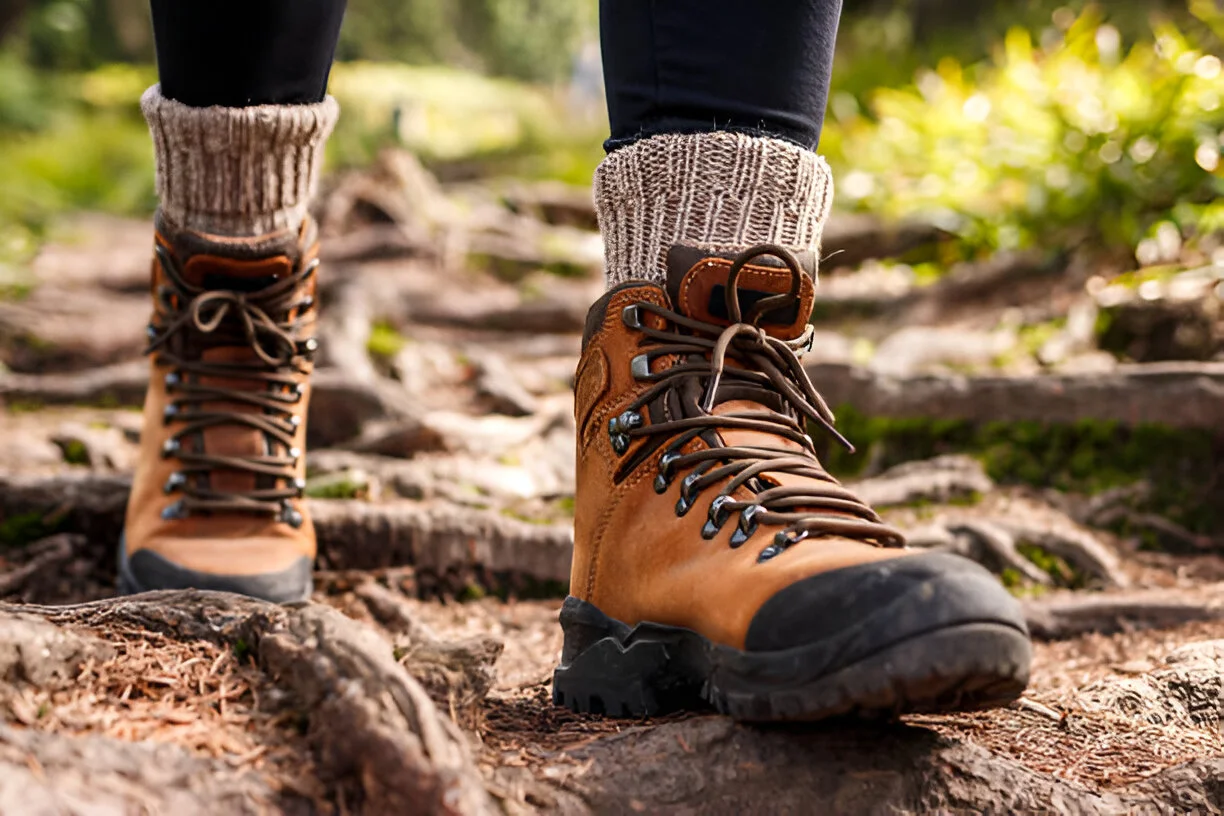
- Properly Fitted Boots: Invest in good quality, broken-in hiking boots. They should be waterproof and offer good ankle support. Try them on with the socks you intend to wear.
- Hiking Socks: Several pairs of moisture-wicking hiking socks (merino wool or synthetic blends) are essential. Avoid cotton. Bring liner socks as well, which can help prevent friction.
- Blister Prevention: Apply moleskin or specialized blister prevention tape to areas prone to rubbing before you start feeling hot spots. Your guide can advise on common areas.
- Foot Powder: Keeping feet dry is key. Use foot powder to absorb moisture.
- Daily Foot Care: At the end of each day, take off your boots and socks. Let your feet air out. Check for any red spots or blisters and treat them immediately. Clean and dry your feet thoroughly.
- Lacing Techniques: Learn different ways to lace your boots to adjust pressure points or provide more support.
Managing Cold and Heat
Cold: As mentioned in the sleep section, wearing warm layers, a hat, gloves, and good socks is critical. Using a hot water bottle and ensuring your sleeping bag is adequate are key. On summit night, the cold is extreme, and maintaining core body temperature is paramount.
Heat: At lower altitudes, the rainforest can be surprisingly humid and warm. Wear breathable, moisture-wicking clothing. Stay hydrated. Use sunscreen and a hat to protect against the sun’s intensity, which is amplified at altitude.
Mental Comfort and Morale
Physical comfort is closely linked to mental well-being. Staying positive, managing expectations, and fostering a good group dynamic are crucial. Our guides are trained to provide encouragement and support, but your own attitude plays a significant role.
- Set Realistic Expectations: Understand that Kilimanjaro is challenging. There will be tough moments.
- Focus on Small Goals: Instead of thinking about the summit, focus on reaching the next camp, or even just the next rest stop.
- Stay Engaged: Talk to your fellow trekkers and guides. Enjoy the incredible scenery.
- Celebrate Small Victories: Reaching a new altitude, seeing a particular landmark, or simply having a good meal can be cause for celebration.
- Trust Your Guides: Our team is experienced. Listen to their advice, follow their instructions, and trust their judgment.
By paying attention to these aspects of comfort, you can transform a potentially grueling experience into a manageable and deeply rewarding adventure. Top Guide Adventures is committed to ensuring you have the best possible experience, and that includes prioritizing your comfort throughout the climb.
Packing Smart for Sleep, Hygiene, and Comfort: A Detailed Checklist
The right gear is fundamental to ensuring good sleep, maintaining hygiene, and achieving comfort on Kilimanjaro. Overpacking can lead to unnecessary weight, while underpacking can leave you vulnerable to the elements and discomfort. Here’s a detailed checklist tailored for your 2026-2027 Kilimanjaro climb, focusing on these key areas.
Sleep Gear
- Sleeping Bag: Rated to at least -15°C to -20°C (5°F to -4°F). Consider a 4-season bag.
- Sleeping Bag Liner: Silk or fleece for added warmth and hygiene.
- Inflatable Sleeping Mat: Thick, insulated mat for comfort and insulation. (Alternatively, a closed-cell foam mat combined with an inflatable one).
- Pillow: Small inflatable camping pillow or a stuff sack filled with soft clothing.
Hygiene Kit
- Wet Wipes: Large pack, biodegradable preferred.
- Hand Sanitizer: Minimum 60% alcohol.
- Toothbrush and Biodegradable Toothpaste.
- Travel-sized Biodegradable Soap.
- Quick-Dry Towel: Small to medium size.
- Toilet Paper: Pack a few rolls, as it may not always be available in the toilet tent.
- Small Mirror.
- Feminine Hygiene Products (if applicable).
- Personal Medications: Include any prescription or over-the-counter drugs you might need.
- Sunscreen: High SPF (30-50+).
- Lip Balm with SPF.
Comfort Clothing & Accessories
- Base Layers: 2-3 sets of moisture-wicking long underwear (merino wool or synthetic).
- Mid Layers: 1-2 fleece jackets or a warm down/synthetic puffy jacket.
- Outer Layer: Waterproof and breathable shell jacket and trousers.
- Hiking Trousers: 2 pairs, quick-drying synthetic material. Avoid jeans.
- Hiking Shirts: 3-4 moisture-wicking short or long-sleeved shirts.
- Warm Hat (Beanie): Fleece or wool, covers ears. Essential for warmth, especially at night and on summit day.
- Gloves: Warm, waterproof outer gloves and thinner liner gloves.
- Hiking Socks: 4-6 pairs of wool or synthetic hiking socks.
- Liner Socks: Optional, but can help prevent blisters.
- Camp Shoes/Sandals: Lightweight and comfortable for wearing around camp.
- Gaiters: To keep debris and snow out of your boots.
- Trekking Poles: Highly recommended for reducing strain on knees and improving balance.
- Headlamp: With extra batteries. Essential for navigating in the dark, especially for summit night.
- Sunglasses: High UV protection.
- Water Bottles/Hydration Reservoir: Capacity of at least 3 liters. Insulated covers are useful in cold weather to prevent freezing.
- Buff/Neck Gaiter: Versatile for sun protection, warmth, or dust.
Optional but Recommended Items
- Camera and Extra Batteries/Power Bank.
- Book or E-reader.
- Snacks: High-energy snacks like energy bars, nuts, dried fruit. While meals are provided, personal snacks can boost morale.
- Small Backpack Rain Cover.
- Duct Tape: For quick gear repairs.
Important Note on Gear: Top Guide Adventures can provide high-quality Kilimanjaro sleeping bags and tents. We also offer equipment rentals for items like trekking poles and warm jackets. Discuss your needs with us when booking your 2026-2027 trek to see what we can supply, saving you the cost of purchasing everything yourself.
Route Choices and Their Impact on Sleep, Hygiene, and Comfort
The route you choose for your Kilimanjaro climb significantly influences your experience regarding sleep, hygiene, and comfort. Different routes vary in length, acclimatization profiles, and the quality of campsites, all of which impact these crucial elements.
Acclimatization and Sleep Quality
Routes with better acclimatization profiles, such as the Lemosho Route and the Machame Route (often referred to as the “Whiskey Route”), allow for a slower ascent and better opportunities to adapt to the altitude. This gradual acclimatization generally leads to less severe altitude sickness symptoms, fewer headaches, and consequently, better sleep. Routes like the Marangu (Coca-Cola Route) or the shorter options like Rongai (when done in fewer days) can lead to faster ascents and a higher likelihood of sleep disruption due to altitude.
Campsite Quality and Comfort
While all routes utilize designated campsites, the quality and setting can differ. Routes like Lemosho and Machame offer more scenic and less crowded campsites, often in more sheltered locations, which can contribute to a more comfortable camping experience. The Marangu Route uses huts instead of tents, which offers a different kind of comfort (shelter from elements, beds) but can sometimes lead to more noise and less privacy compared to a private tent.
Duration and Rest
Longer routes (7-8 days) generally provide more opportunities for rest and acclimatization, which directly translates to better sleep and reduced fatigue. This increased rest period enhances overall comfort. Shorter routes (5-6 days) are more demanding, with less recovery time between trekking days, potentially impacting sleep quality and increasing the perception of discomfort.
Hygiene Facilities
Top Guide Adventures strives to provide a private toilet tent for your group on all routes where camping is involved. This ensures a consistent level of privacy and hygiene. However, on some very basic routes or at certain lower campsites, you might encounter shared pit latrines. Our crew works diligently to maintain the highest standards of cleanliness regardless of the available facilities.
Route Comparison Summary (Impact on Sleep, Hygiene, Comfort)
| Route | Typical Duration | Acclimatization | Sleep Impact | Hygiene Comfort | Overall Comfort |
|---|---|---|---|---|---|
| Marangu | 5-6 days | Fair | Moderate (hut sleeping can be noisy) | Good (huts, but shared facilities) | Moderate (less rugged, but potentially crowded) |
| Machame | 6-7 days | Good | Good (better acclimatization) | Very Good (private toilet tent) | Very Good (scenic camps, good flow) |
| Lemosho | 7-8 days | Excellent | Excellent (slow ascent, good rest) | Very Good (private toilet tent, good campsites) | Excellent (scenic, uncrowded, gradual) |
| Rongai | 6-7 days | Good | Good (generally good acclimatization) | Very Good (private toilet tent) | Good (starts from the drier side) |
For trekkers prioritizing sleep, hygiene, and comfort on their 2026-2027 Kilimanjaro adventure, longer routes like Lemosho or Machame are generally recommended. They offer the best balance of acclimatization, scenic camping, and a more relaxed pace, which directly contributes to a more comfortable and enjoyable climb.
The Role of Guides and Crew in Your Comfort
The expertise and dedication of your guides and the support crew are indispensable to your sleep, hygiene, and overall comfort on Kilimanjaro. They are the unsung heroes who manage the logistics, ensure safety, and create the best possible environment for you to rest and recover.
Setting Up Camp
Upon arrival at each campsite, the crew works efficiently to set up your tents, the dining tent, and the essential toilet tent. They select the best locations for tents to offer shelter from the wind and a relatively flat sleeping surface. The dining tent provides a communal space to eat meals, warm up, and socialize, offering a significant comfort upgrade from just eating outdoors.
Meal Preparation
Our cooks prepare nutritious and delicious meals at three sittings a day. Proper nutrition is vital for energy levels and body heat, directly impacting your ability to sleep well and stay comfortable. They cater to dietary restrictions and ensure you have enough food to sustain your trek.
Water Management and Hygiene Support
The crew is responsible for collecting, purifying, and distributing water. They ensure you have drinking water available and often provide warm water in the morning for washing. They also manage the waste disposal system, ensuring that all refuse is packed out responsibly, maintaining the pristine environment of the mountain.
Monitoring Your Well-being
Your lead guide is trained to monitor climbers for signs of altitude sickness and fatigue. They will check in with you regularly, assess your condition, and make decisions regarding your pace and well-being. This constant vigilance is crucial for your safety and comfort. They can offer advice on managing headaches, nausea, and sleep disturbances.
Problem Solving and Adaptability
Things can go wrong on any expedition. A torn tent, a malfunctioning stove, or unexpected weather can occur. The crew’s experience allows them to adapt quickly and find solutions, minimizing disruption to your comfort and safety. They are adept at improvisation and problem-solving in challenging conditions.
Creating a Positive Atmosphere
Beyond the practicalities, the guides and crew foster a positive and encouraging atmosphere. Their morale, humor, and support can significantly boost yours, making the challenging moments more bearable and the overall experience more enjoyable. They are there to help you achieve your goal.
When you book with Top Guide Adventures for your 2026-2027 Kilimanjaro climb, you are not just hiring a trek operator; you are gaining a dedicated team committed to your success and well-being, ensuring your journey is as comfortable and memorable as possible.
Preparing for Summit Night: Maximizing Sleep, Hygiene, and Comfort in Extreme Conditions
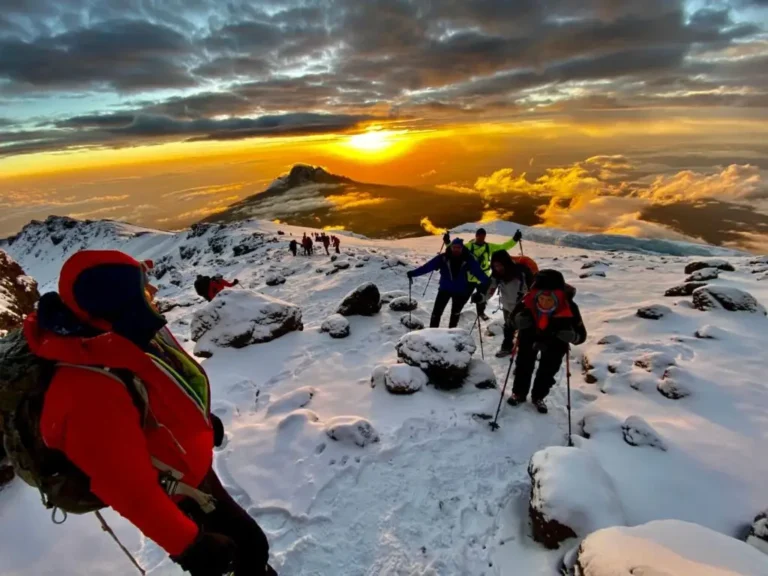
Summit night is the most demanding part of the Kilimanjaro climb. Temperatures plummet, the altitude is at its peak, and the physical exertion is immense. Prioritizing sleep, hygiene, and comfort in the hours leading up to and during summit night is critical for survival and success.
Pre-Summit Night: Rest and Preparation
The day before summit night, especially on routes like Kibo Huts or Barafu Camp, is typically a shorter trekking day. The goal is to reach the high-altitude camp as early as possible to maximize rest.
- Early Arrival: Aim to reach your final high camp by early afternoon.
- Hydrate and Eat: Consume plenty of fluids and a carbohydrate-rich meal.
- Rest, Don’t Sleep: It’s notoriously difficult to sleep soundly at these extreme altitudes (around 4,600m / 15,000ft). While you should try to rest in your tent, don’t be discouraged if you don’t achieve deep sleep. Even lying down with your eyes closed can be beneficial.
- Prepare Gear: Lay out all your summit night clothing and gear meticulously. Ensure everything is easily accessible. Your guide will help with this.
- Pre-hydrate: Drink as much as you can before the pre-dawn start.
Summit Night Routine: Efficiency is Key
The start time for summit night is typically between 11 PM and 2 AM. The crew will wake you up, providing hot drinks and a quick breakfast. Your focus should be on getting dressed and ready as efficiently as possible.
- Layer Up: Put on all your warm layers. Ensure your base, mid, and outer shells are all worn or easily accessible.
- Footwear: Wear your insulated mountaineering boots. Ensure they are laced correctly for support and warmth. Double-check that your gaiters are on.
- Headlamp: Ensure your headlamp is on and working. Test it before leaving the tent.
- Hydration: Take a final sip of water. Consider a hydration pack with an insulated tube to prevent freezing, but many prefer Nalgene bottles in insulated carriers as they are less prone to freezing.
- Hygiene: Use the toilet tent one last time before the long ascent.
During the Summit Ascent: Maintaining Comfort
The ascent is a slow, steady shuffle in the dark, often on scree or rocky paths. Maintaining warmth and energy is paramount.
- Pace Yourself: Follow your guide’s instructions. A slow, consistent pace conserves energy and helps with acclimatization.
- Stay Hydrated: Take small, frequent sips of water. If using bottles, keep them insulated or inside your jacket to prevent freezing.
- Eat Snacks: Consume energy-rich snacks regularly. High-altitude environments can suppress appetite, so force yourself to eat small amounts.
- Monitor Yourself: Be honest with your guide about how you are feeling. Report any symptoms of altitude sickness or extreme cold immediately.
- Warmth Management: If you feel cold, signal your guide. They may advise you to speed up slightly or adjust your layers. If you get too hot from exertion, vent your layers to avoid sweating excessively, as dampness leads to cold.
The Summit and Descent: Continued Vigilance
Reaching the summit is an incredible achievement, but the journey is not over. The descent is often more dangerous than the ascent due to fatigue and the effects of altitude.
- Descent Safety: The descent is physically demanding. Use trekking poles for stability. Be mindful of loose rocks and scree.
- Stay Hydrated and Fueled: Continue drinking and eating on the way down to replenish energy stores.
- Warmth on Descent: Even though you are descending, it can still be cold. Keep your layers on until you reach a warmer altitude.
- Hygiene: Upon reaching your final camp after the descent, prioritize rehydrating, eating a good meal, and a basic clean-up if possible.
Preparing meticulously for summit night, understanding the physical demands, and relying on your guides’ expertise are the keys to a successful and safe conclusion to your Kilimanjaro climb. Top Guide Adventures ensures our clients are thoroughly briefed and equipped for this crucial part of their 2026-2027 expedition.
Booking Your Kilimanjaro Adventure with Top Guide Adventures in 2026-2027
Planning a Kilimanjaro climb involves many decisions, and we are here to make the process as smooth and informative as possible. When you choose Top Guide Adventures for your 2026-2027 Kilimanjaro climb, you are choosing a partner dedicated to providing a safe, comfortable, and unforgettable experience.
We understand that sleep, hygiene, and comfort are not afterthoughts but integral components of a successful trek. Our itineraries are designed with acclimatization in mind, our crews are trained to provide the best possible support on the mountain, and our gear is top-quality. We pride ourselves on offering personalized attention and dedicated support to every client.
Whether you’re looking for group departures or a private climb tailored to your schedule, we can accommodate your needs. Our team is available to answer all your questions, help you select the best route, and provide detailed packing lists and pre-climb advice.
Ready to plan your 2026 or 2027 Kilimanjaro adventure?
Contact us today to discuss your plans, get a personalized quote, and learn more about how we ensure your sleep, hygiene, and comfort on the Roof of Africa.
- WhatsApp: +255616946642
- Email: topguideadventures@gmail.com
- Backup Email: info@topguideadventures.com
- Website: www.topguideadventures.com
- Instagram: @top_guide_adventures
We look forward to helping you achieve your Kilimanjaro dream in 2026-2027!
Check Availability for Sleep, Hygiene, And Comfort On Kilimanjaro: Your Essential Guide 2026-2027
Ready to compare dates, prices, and the best option for your group? Send the package name and travel month so the team can reply with a clear quote, availability, and what is included.
Kilimanjaro Climb With A Private Sleeping Tent: Your Ultimate Comfort Guide
Planning a Kilimanjaro climb? Discover the benefits of opting for a private sleeping tent, ensuring personal space and comfort on the mountain. This guide covers everything you need to know...
View package details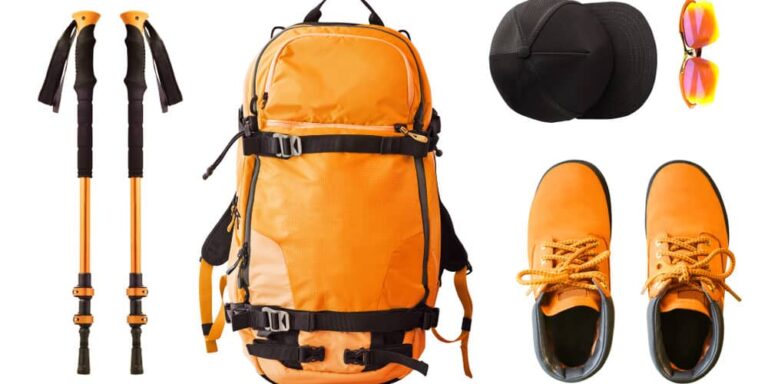
Single-Occupancy Tents On Kilimanjaro: Your Guide To Privacy And Comfort
Discover the advantages of opting for a single-occupancy tent during your Kilimanjaro climb. This guide details the benefits, costs, and booking process for solo tent arrangements, ensuring...
View package details
How Comfortable Are Kilimanjaro Mountain Tents? A Guide 2026-2027
Understand the comfort levels of tents used on Kilimanjaro climbs. This guide details tent types, essential features, and factors influencing your sleeping experience, crucial for planning...
View package details
How To Brush Your Teeth On Kilimanjaro: Essential Hygiene Tips For Trekkers
Maintaining oral hygiene on Mount Kilimanjaro is crucial for comfort and health. Learn the best practices for brushing your teeth at altitude, from water conservation to gear selection...
View package details
How To Keep Your Sleeping Bag Dry On Kilimanjaro Guide
Discover expert advice on maintaining a dry sleeping bag during your Kilimanjaro trek. This comprehensive guide covers essential gear, waterproof packing techniques, and vital on-mountain...
View package details
Feminine Hygiene During A Kilimanjaro Climb 2026-2027
Feminine Hygiene during a Kilimanjaro Climb is explained with current 2026-2027 planning, price, itinerary and booking information.
View package detailsAre Kilimanjaro Camps Noisy At Night? A Climbers Guide To Sleep And Sound
Understand the noise levels at Kilimanjaro camps to better prepare for your trek. This guide covers what sounds you might hear, factors influencing noise, and how to ensure a restful...
View package details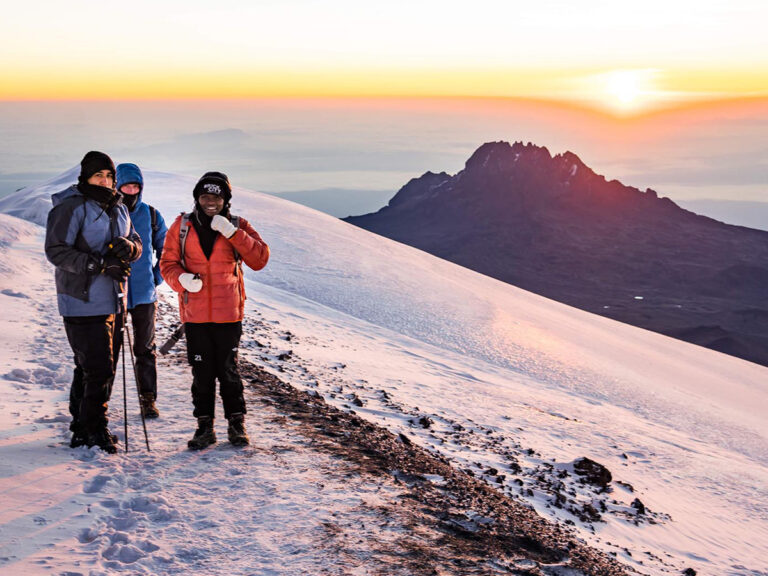
Best Sleeping-Mat Setup For Kilimanjaro 2026-2027
Best Sleeping-Mat Setup for Kilimanjaro is explained with current 2026-2027 planning, price, itinerary and booking information.
View package detailsHow To Sleep At High Altitude On Kilimanjaro: Expert Tips For Climbers
Sleeping at high altitude on Kilimanjaro presents unique challenges, primarily due to altitude sickness. This comprehensive guide from Top Guide Adventures provides essential strategies for...
View package details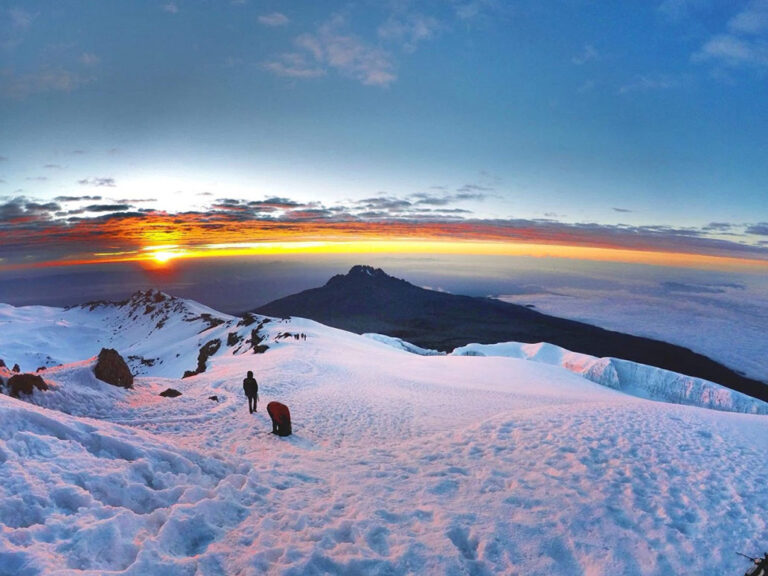
How To Sleep Warm In A Kilimanjaro Tent 2026-2027
How to Sleep Warm in a Kilimanjaro Tent is explained with current 2026-2027 planning, price, itinerary and booking information.
View package details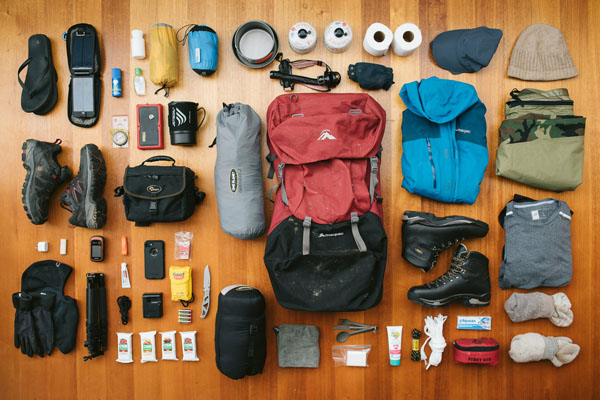
How Do You Sleep On Mount Kilimanjaro? 2026-2027
How Do You Sleep on Mount Kilimanjaro? is explained with current 2026-2027 planning, price, itinerary and booking information.
View package details
Kilimanjaro Toiletries And Hygiene Packing List: Essential Items For Your
Prepare for your Kilimanjaro climb with Top Guide Adventures' essential toiletries and hygiene packing list. Discover what to bring to stay clean and comfortable on the mountain.
View package detailsNo related package matches those filters. Clear one or more filters to see the other topic-matched options.



