
Sleeping on Mount Kilimanjaro involves resting in a tent at high altitudes, typically between 3,000 and 5,000 meters (9,800 to 16,400 feet), requiring specialized gear like warm sleeping bags, insulated mats, and layered clothing to combat cold and altitude effects. Proper acclimatization, hydration, and understanding the daily routine of your trek are crucial for getting adequate rest each night on the mountain.
Understanding Sleep on Kilimanjaro: Beyond the Basics
The question of how to sleep on Mount Kilimanjaro is fundamental for any aspiring climber. It’s not just about having a tent; it’s about creating an environment conducive to rest at extreme altitudes, where comfort is a luxury and sleep quality directly impacts your energy levels, mood, and overall success on the climb. Unlike sleeping in a hotel or even a regular campsite, Kilimanjaro presents a unique set of challenges that demand specific preparation and a willingness to adapt.
At Top Guide Adventures, we understand that a good night’s sleep is as vital as reaching the summit. Our guides and support crew are trained to help you manage the conditions, ensuring you have the best possible chance to rest and recover each evening. This guide will break down the entire process, from the moment you set up camp to waking up ready for another day’s trek.
The Kilimanjaro Camping Experience: Your Mobile Home
Every night on Kilimanjaro, except perhaps for an initial night in Arusha or Moshi before and after your climb, you’ll be sleeping in a tent. These aren’t just any tents; they are designed to withstand the mountain’s variable weather conditions. You’ll typically share a spacious four-season tent with one or two other climbers, offering a balance between camaraderie and personal space. Your guide will ensure the tent is pitched securely in designated campsites, often offering stunning views as the sun sets and rises.
The campsite setup is an organized, efficient operation. Porters carry all the equipment, including tents, sleeping bags, mats, cooking gear, and your personal belongings in duffel bags. Once you arrive at the campsite, the crew works quickly to set up your sleeping quarters. You’ll be provided with a sleeping mat, and your sleeping bag will be ready. Often, a mess tent is also set up, providing a warm, communal space for meals and relaxation away from the elements.
What to Expect in Your Tent at Night
Your tent becomes your sanctuary on Kilimanjaro. Inside, you’ll find a sleeping mat laid out, and space for your sleeping bag. It’s cozy, designed for warmth rather than standing room. Most climbers bring a headlamp for navigating inside the tent and for essential late-night bathroom trips. It’s advisable to keep your headlamp, a bottle of water, and perhaps a few essential snacks within easy reach.
The ground can be uneven, and the tent might shift slightly in the wind, but with the right gear and a positive attitude, it becomes a surprisingly comfortable space. The sounds of the mountain – the wind, perhaps the distant call of an animal, or the gentle snoring of your tent-mate – become your nightly soundtrack.
Essential Gear for Sleeping Comfortably on Kilimanjaro
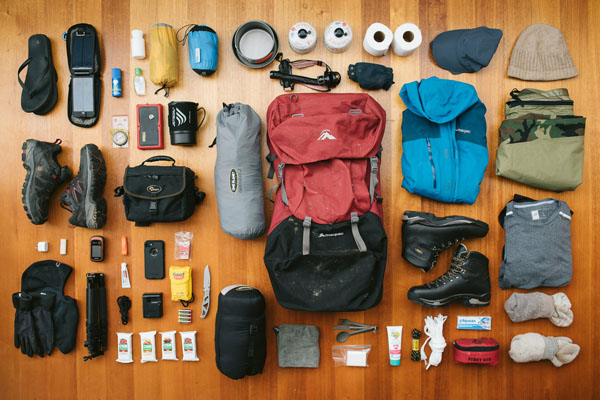
The right gear is non-negotiable when it comes to sleeping on Kilimanjaro. The temperatures can plummet dramatically, especially at higher altitudes, and a good night’s rest is crucial for acclimatization and energy. Top Guide Adventures provides comprehensive packing lists, but here are the absolute essentials for your sleeping setup:
1. The Sleeping Bag: Your Warm Cocoon
This is arguably the most critical piece of gear. You’ll need a sleeping bag rated for sub-zero temperatures. A -15°C to -20°C (0°F to -4°F) rating is generally recommended for Kilimanjaro climbs, especially for routes that go higher or are done during colder months. Consider a down-filled bag for superior warmth-to-weight ratio, or a synthetic-filled bag which performs better if it gets damp.
Key Features to Look For:
- Temperature Rating: Ensure it meets or exceeds the recommended range.
- Shape: A mummy-style bag is more efficient at trapping heat than a rectangular one.
- Fill Material: Down offers the best warmth but can be compromised when wet. Synthetic is more resilient to moisture.
- Hood: A well-designed hood helps retain body heat.
Many climbers opt to rent a high-quality sleeping bag from tour operators like Top Guide Adventures to save on purchasing costs, especially if they don’t anticipate using it frequently. We offer top-tier sleeping bags as part of our rental options for 2026-2027 expeditions.
2. Sleeping Mat: Insulation and Comfort
While tents provide shelter, the ground beneath you will draw heat away rapidly. An insulated sleeping mat is essential. Opt for a mat with a high R-value (a measure of thermal resistance). A self-inflating or insulated air mattress provides both cushioning and significant insulation. A closed-cell foam pad can be used as an extra layer underneath an inflatable mat for added insulation and security against punctures.
Why it Matters: Without a good mat, even the warmest sleeping bag will struggle to keep you comfortable, as heat conducts away into the cold ground.
3. Sleeping Bag Liner: An Extra Boost
A sleeping bag liner, made of silk, fleece, or thermal material, can add several degrees of warmth to your sleeping bag. It also helps keep your sleeping bag cleaner, reducing the need for washing it during the trek. Silk liners are lightweight and add warmth without much bulk.
4. Clothing for Sleeping: Layering is Key
You’ll want to sleep in clean, dry layers to stay warm. This typically includes:
- A base layer (long johns and a long-sleeved top) made of merino wool or synthetic material.
- A pair of warm socks (wool is best).
- A fleece hat or balaclava to cover your head and ears.
- Consider sleeping in a dry base layer, separate from your trekking clothes, to feel fresher.
Avoid sleeping in the same clothes you wore while trekking, as they will likely be damp with sweat. It’s also wise to keep your base layers dry and use them only for sleeping.
Acclimatization: The Secret to Better Sleep
Altitude sickness is the biggest impediment to sleeping well on Kilimanjaro. As you ascend, the atmospheric pressure decreases, meaning less oxygen is available with each breath. Your body needs time to adapt. Proper acclimatization, facilitated by choosing longer routes and ascending gradually, is paramount for good sleep and overall health.
The ‘Pole Pole’ Philosophy
Tanzanian guides often tell climbers to go ‘Pole Pole,’ which means ‘slowly, slowly’ in Swahili. This is not just about walking pace; it’s a philosophy that applies to the entire climb, including the body’s adaptation to altitude. Rushing the ascent significantly increases the risk of altitude sickness, which can manifest as headaches, nausea, dizziness, and fatigue – all of which severely disrupt sleep.
Route Choice and Acclimatization
Longer routes like the 7-day or 8-day Lemosho, 8-day Northern Circuit, or 7-day Machame offer better acclimatization profiles than shorter routes such as the 5-day Marangu or Machame. These longer routes allow your body more time to adjust to the increasing altitude, leading to fewer symptoms of altitude sickness and, consequently, better sleep.
For instance, the 8-day Northern Circuit route is renowned for its excellent acclimatization, circling the mountain’s northern slopes and offering a gradual ascent. This route is often the preferred choice for climbers prioritizing comfort and a higher success rate, which is directly linked to how well they can sleep and recover.
Hydration and Nutrition for Altitude
Staying well-hydrated is crucial. Dehydration can exacerbate altitude sickness symptoms. Aim to drink 3-4 liters of fluid daily – water, herbal teas, and electrolyte drinks. Avoid alcohol and caffeine, as they can dehydrate you and disrupt sleep patterns. Eating regular, high-carbohydrate meals provided by your crew also helps maintain energy levels and aids acclimatization. Your body needs fuel to function and adapt at altitude.
Daily Routine and Sleep Patterns on the Mountain
Understanding the typical daily rhythm of a Kilimanjaro climb helps set expectations for sleep.
Waking Up and Morning Routine
Mornings on Kilimanjaro usually start early, between 6:00 AM and 7:00 AM. Your camp crew will wake you with a cup of hot water – perfect for a quick wash and for preparing your morning drink. You’ll then be given time to get dressed in your day’s trekking clothes, pack your sleeping bag, and have breakfast in the mess tent. It’s a structured but relatively relaxed start, allowing you to prepare for the day ahead without feeling rushed.
Trekking and Campsite Arrival
Days are spent trekking, typically for 4-8 hours, depending on the route and daily mileage. The pace is always ‘Pole Pole.’ Lunch is usually a packed meal eaten on the trail. You’ll arrive at the next campsite in the mid-afternoon, typically between 3:00 PM and 5:00 PM. This timing is deliberate, allowing ample daylight for setting up camp, enjoying a hot drink and snacks, and resting before dinner.
Evening Routine and Preparing for Sleep
Once at camp, the crew handles the tent setup. You’ll have time to relax, perhaps change into your sleeping clothes, and socialize in the mess tent. Dinner is usually served around 6:30 PM or 7:00 PM. After dinner, it’s time to prepare for bed. This includes:
- Drinking plenty of water.
- Using the toilet facilities (often a portable toilet tent).
- Organizing your gear for the next day.
- Getting into your sleeping bag well before you intend to sleep, allowing it to warm up.
Most climbers aim to be in their sleeping bags by 8:00 PM or 8:30 PM. Lights out is generally around 9:00 PM, allowing for a solid block of rest before the early morning wake-up call.
Altitude and Sleep Disturbances
Even with the best preparation, sleep can be affected by altitude. It’s common to experience some sleep disturbances, especially on higher nights.
Periodic Breathing (Cheyne-Stokes Respiration)
At high altitudes, breathing patterns can change. Periodic breathing, also known as Cheyne-Stokes respiration, is a common phenomenon where breathing becomes shallow, pauses, and then becomes deep again. This can sometimes wake you up or make you feel breathless. It’s usually harmless but can be unnerving. Your guides are trained to recognize and manage this.
Headaches and Discomfort
Mild headaches are common at altitude and can make falling asleep difficult. Staying hydrated, taking prescribed medication if needed (like Diamox, discussed with your doctor), and using pain relievers can help. Lying down and trying to relax, even if you’re not sleeping soundly, is still beneficial for recovery.
Cold Temperatures
The cold is a significant factor. If you feel cold, you won’t sleep well. Ensure your sleeping bag is properly zipped, use your hood, and wear warm layers. Some climbers find that a hot water bottle (a Nalgene bottle filled with hot water and placed inside their sleeping bag) makes a significant difference.
The Importance of Rest, Not Just Sleep
It’s important to understand that “sleep” at altitude might not be the deep, restorative sleep you’re used to. However, simply resting in your sleeping bag, conserving energy, and allowing your body to function at a lower metabolic rate is still highly beneficial. Even if you’re awake for periods, you are still recovering.
Tips for Maximizing Sleep Quality:
- Stay Hydrated: Drink water consistently throughout the day and evening.
- Eat Well: Consume the high-carbohydrate meals provided.
- Avoid Alcohol and Caffeine: Especially in the days leading up to and during the climb.
- Manage Cold: Wear warm layers, use a hat, and consider a hot water bottle.
- Stay Warm in Your Sleeping Bag: Zip it up fully, use the hood, and wear dry thermals.
- Listen to Your Body: Report any persistent discomfort or symptoms to your guide.
- Relax: Even if you can’t sleep, resting in your sleeping bag is still beneficial.
- Use Earplugs and an Eye Mask: To block out noise and light if you are sensitive.
Summit Night: The Ultimate Sleep Challenge
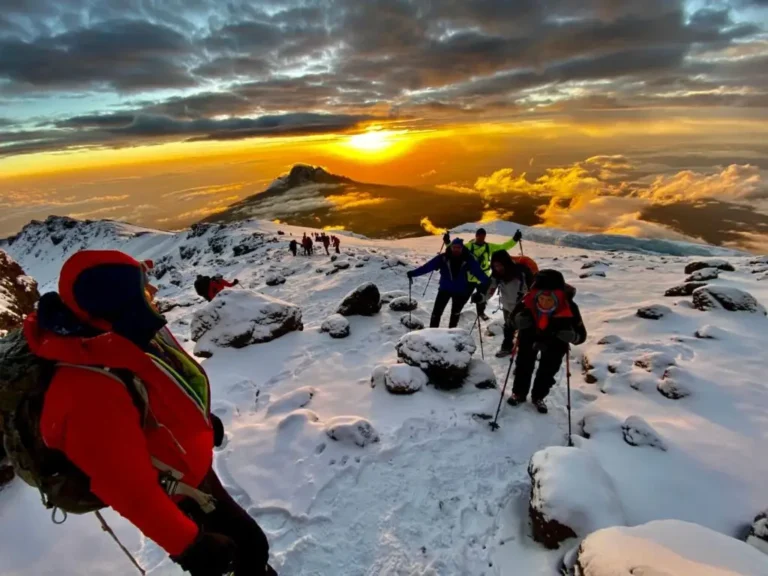
Summit night is the most demanding part of the Kilimanjaro climb. You’ll typically start between 11:00 PM and 1:00 AM, trekking through the night to reach the summit by sunrise. This means there is no sleep on summit night in the traditional sense. You’ll be awake and moving continuously until you descend back to a lower camp.
Preparation is Key
The key to managing summit night is to get as much rest as possible in the preceding days and especially in the evening before you start. You’ll have an early dinner and be encouraged to rest in your tent from around 7:00 PM. While deep sleep is unlikely, resting in your sleeping bag is vital.
Post-Summit Sleep
After summiting and descending back to Barafu Camp (or a similar high camp), you’ll likely get a few hours of sleep before continuing your descent to the lower, warmer Mweka Camp. This sleep, though brief, is crucial for recovering from the exertion of the summit push.
What Top Guide Adventures Does to Ensure Your Comfort
At Top Guide Adventures, we prioritize your well-being and success. Our team is trained to manage the challenges of high-altitude camping and sleeping. We ensure:
- Quality Gear: We provide and maintain high-quality, four-season tents and offer excellent sleeping bag and mat rentals for 2026-2027 climbs, ensuring you have the best equipment for warmth and comfort.
- Experienced Guides: Our guides are certified in high-altitude medicine and are adept at recognizing and managing altitude sickness. They monitor your condition closely and make decisions to ensure your safety and comfort, which directly impacts your ability to rest.
- Nutritious Meals: Our camp chefs prepare delicious, high-carbohydrate meals designed to fuel your body and aid acclimatization, contributing to better energy levels and sleep.
- ‘Pole Pole’ Pace: We strictly adhere to a slow, steady ascent, maximizing acclimatization and minimizing the risk of altitude sickness, thereby improving sleep quality.
- Camp Management: Our porters are efficient and experienced, setting up camp quickly so you have ample time to relax and prepare for the night.
We are committed to making your Kilimanjaro experience as comfortable and safe as possible. Your ability to sleep well is a critical component of this commitment.
Planning Your 2026-2027 Kilimanjaro Climb with Sleep in Mind
When planning your Kilimanjaro adventure for 2026 or 2027, consider how sleep will play a role in your overall experience. Choosing the right route, the right time of year, and the right tour operator are key factors.
Best Times to Climb for Better Sleep Conditions
The dry seasons generally offer more stable weather, which can lead to more comfortable camping and thus better sleep. These periods are typically:
- January to March: Generally good weather, but can be colder.
- June to October: The longest dry season, with pleasant temperatures and clear skies, ideal for sleeping.
While it’s possible to climb during the wet seasons (April-May and November-December), weather can be unpredictable, leading to colder, wetter nights that can disrupt sleep. However, these periods often see fewer crowds.
Choosing a Route for Optimal Rest
As mentioned, longer routes offer better acclimatization, which is the single biggest factor for good sleep at altitude. For 2026-2027 climbs, we highly recommend:
- 8-Day Northern Circuit: The ultimate for acclimatization and scenic beauty.
- 8-Day Lemosho: A popular choice offering excellent acclimatization and a high success rate.
- 7-Day Machame: A good balance of challenge and acclimatization.
While the 5-day Marangu route is often seen as easier due to its hut accommodation, the lack of proper acclimatization can lead to more altitude sickness and disturbed sleep for many climbers compared to the camping routes with more days.
Booking Your Climb
When booking your 2026 or 2027 Kilimanjaro climb, discuss your concerns about sleep and acclimatization with your tour operator. Top Guide Adventures is here to guide you through every step. We offer various itineraries and can help you select the best option based on your fitness, experience, and priorities, including comfort and rest.
You can reach us for personalized advice and booking for your 2026-2027 adventure:
- WhatsApp: +255616946642
- Email: topguideadventures@gmail.com
- Backup Email: info@topguideadventures.com
We are dedicated to ensuring you have a safe, enjoyable, and successful climb, and that includes getting the best possible rest each night.
Frequently Asked Questions About Sleeping on Kilimanjaro
Will I be able to sleep at all on Kilimanjaro?
Yes, you will sleep, but it might not be as deeply or continuously as you do at sea level. Altitude can cause disturbances like headaches and altered breathing patterns. However, resting in your sleeping bag is still restorative. Longer routes and good acclimatization significantly improve sleep quality.
What temperature should I expect at night in my tent?
Temperatures can drop significantly, often ranging from -5°C to -15°C (23°F to 5°F) at higher camps, and can even go lower on summit night. This is why a high-rated sleeping bag and insulated mat are essential.
Can I rent a sleeping bag and mat?
Absolutely. Top Guide Adventures offers high-quality sleeping bag and sleeping mat rentals for your climb. This is a convenient option to avoid purchasing specialized gear you might not use again. We ensure our rental gear is top-notch for your comfort in 2026-2027.
What should I wear to sleep in my tent?
Wear clean, dry base layers (thermal top and bottoms), warm socks, and a hat. It’s best to have a dedicated set of sleep clothes to feel fresh and to keep your sleeping bag cleaner. Avoid sleeping in the clothes you hiked in, as they may be damp.
Is it possible to get altitude sickness while sleeping?
Yes, altitude sickness symptoms can occur at any time, including during sleep. This is why it’s crucial to ascend gradually (‘Pole Pole’), stay hydrated, and inform your guide immediately if you experience any symptoms like severe headaches, nausea, or dizziness, especially if they worsen during the night.
How do guides help with sleep issues?
Guides monitor climbers for signs of altitude sickness and discomfort. They can offer advice on managing symptoms, adjusting acclimatization, and ensuring you have the warmest possible setup. They are trained to recognize and manage conditions that might affect sleep.
What if I have to go to the bathroom in the middle of the night?
Your campsite will have designated toilet facilities, often a portable toilet tent set up by the crew. Guides can assist you if needed, especially on summit night. Keep your headlamp and a jacket easily accessible in your tent.
Conclusion: Prioritizing Rest for Your Kilimanjaro Journey
Understanding how to sleep on Mount Kilimanjaro is a vital part of preparing for your trek. It’s a skill that combines the right gear, a solid understanding of acclimatization, and adapting to the unique rhythms of high-altitude camping. While perfect, uninterrupted sleep might be elusive for some, prioritizing rest through proper preparation, choosing a suitable route, and utilizing quality equipment will significantly enhance your comfort, energy levels, and overall enjoyment of the climb.
At Top Guide Adventures, we are dedicated to making your Kilimanjaro dream a reality, ensuring you have the support and resources needed for a safe and successful ascent. We are here to answer all your questions and help you plan an unforgettable expedition for 2026-2027 and beyond. Don’t hesitate to reach out to our expert team:
- WhatsApp: +255616946642
- Email: topguideadventures@gmail.com
- Backup Email: info@topguideadventures.com
Let us help you prepare for every aspect of your climb, including ensuring you get the best possible rest on the Roof of Africa.
“,
“faq_schema”: [
{
“question”: “Will I be able to sleep at all on Kilimanjaro?”,
“answer”: “Yes, you will sleep, but it might not be as deeply or continuously as you do at sea level. Altitude can cause disturbances like headaches and altered breathing patterns. However, resting in your sleeping bag is still restorative. Longer routes and good acclimatization significantly improve sleep quality.”
},
{
“question”: “What temperature should I expect at night in my tent?”,
“answer”: “Temperatures can drop significantly, often ranging from -5°C to -15°C (23°F to 5°F) at higher camps, and can even go lower on summit night. This is why a high-rated sleeping bag and insulated mat are essential.”
},
{
“question”: “Can I rent a sleeping bag and mat?”,
“answer”: “Absolutely. Top Guide Adventures offers high-quality sleeping bag and sleeping mat rentals for your climb. This is a convenient option to avoid purchasing specialized gear you might not use again. We ensure our rental gear is top-notch for your comfort in 2026-2027.”
},
{
“question”: “What should I wear to sleep in my tent?”,
“answer”: “Wear clean, dry base layers (thermal top and bottoms), warm socks, and a hat. It’s best to have a dedicated set of sleep clothes to feel fresh and to keep your sleeping bag cleaner. Avoid sleeping in the clothes you hiked in, as they may be damp.”
},
{
“question”: “Is it possible to get altitude sickness while sleeping?”,
“answer”: “Yes, altitude sickness symptoms can occur at any time, including during sleep. This is why it’s crucial to ascend gradually (‘Pole Pole’), stay hydrated, and inform your guide immediately if you experience any symptoms like severe headaches, nausea, or dizziness, especially if they worsen during the night.”
},
{
“question”: “How do guides help with sleep issues?”,
“answer”: “Guides monitor climbers for signs of altitude sickness and discomfort. They can offer advice on managing symptoms, adjusting acclimatization, and ensuring you have the warmest possible setup. They are trained to recognize and manage conditions that might affect sleep.”
},
{
“question”: “What if I have to go to the bathroom in the middle of the night?”,
“answer”: “Your campsite will have designated toilet facilities, often a portable toilet tent set up by the crew. Guides can assist you if needed, especially on summit night. Keep your headlamp and a jacket easily accessible in your tent.”
}
]
}
“`
Check Availability for How Do You Sleep On Mount Kilimanjaro? 2026-2027
Ready to compare dates, prices, and the best option for your group? Send the package name and travel month so the team can reply with a clear quote, availability, and what is included.
Kilimanjaro Climb With A Private Sleeping Tent: Your Ultimate Comfort Guide
Planning a Kilimanjaro climb? Discover the benefits of opting for a private sleeping tent, ensuring personal space and comfort on the mountain. This guide covers everything you need to know...
View package details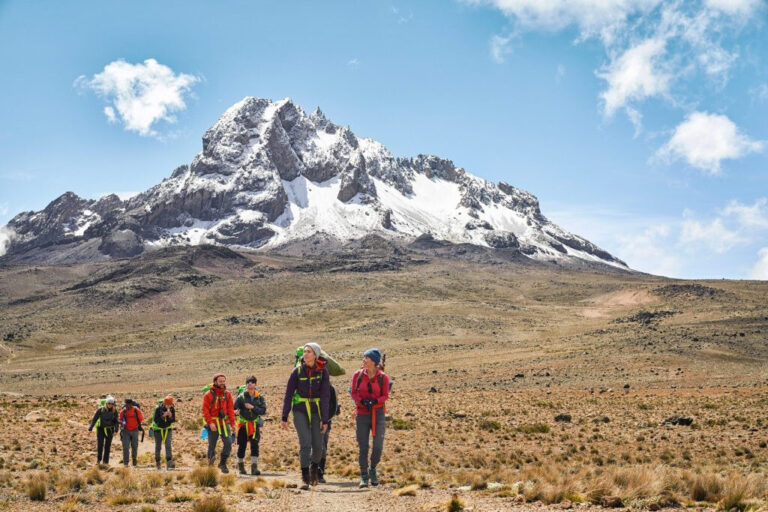
How Comfortable Are Kilimanjaro Mountain Tents? A Guide 2026-2027
Understand the comfort levels of tents used on Kilimanjaro climbs. This guide details tent types, essential features, and factors influencing your sleeping experience, crucial for planning...
View package details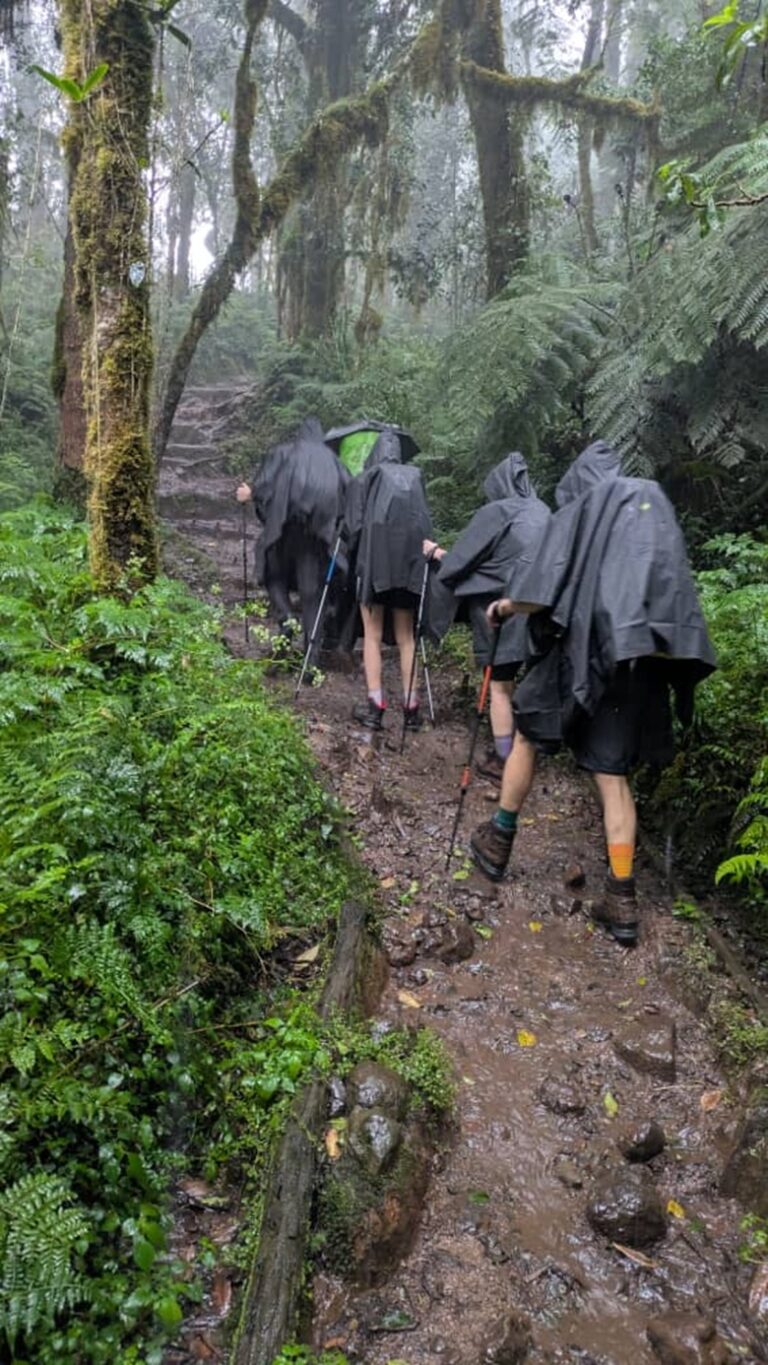
How To Wash On Mount Kilimanjaro 2026-2027
How to Wash on Mount Kilimanjaro is explained with current 2026-2027 planning, price, itinerary and booking information.
View package details
Are Kilimanjaro Camps Noisy At Night? A Climbers Guide To Sleep And Sound
Understand the noise levels at Kilimanjaro camps to better prepare for your trek. This guide covers what sounds you might hear, factors influencing noise, and how to ensure a restful...
View package details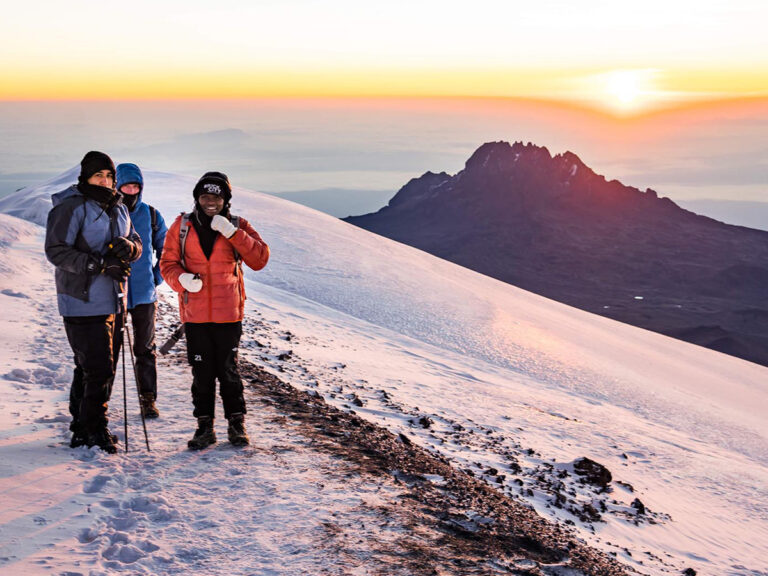
Best Sleeping-Mat Setup For Kilimanjaro 2026-2027
Best Sleeping-Mat Setup for Kilimanjaro is explained with current 2026-2027 planning, price, itinerary and booking information.
View package detailsHow To Sleep At High Altitude On Kilimanjaro: Expert Tips For Climbers
Sleeping at high altitude on Kilimanjaro presents unique challenges, primarily due to altitude sickness. This comprehensive guide from Top Guide Adventures provides essential strategies for...
View package details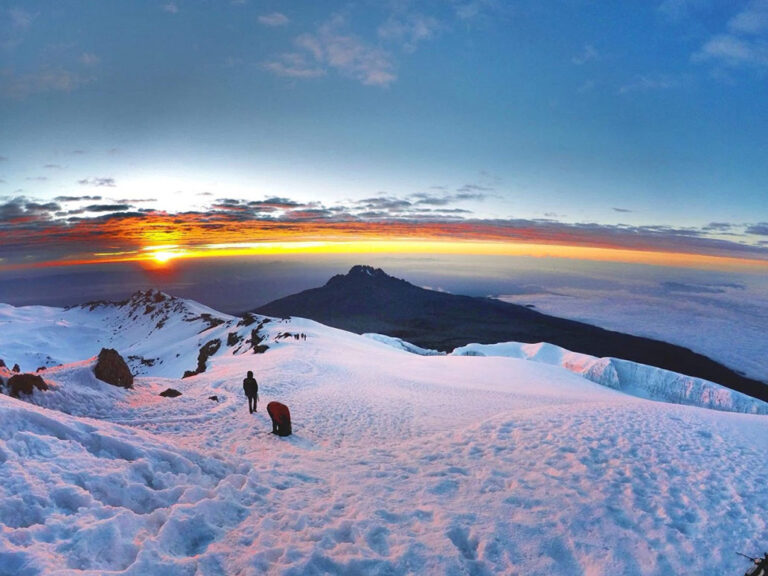
How To Sleep Warm In A Kilimanjaro Tent 2026-2027
How to Sleep Warm in a Kilimanjaro Tent is explained with current 2026-2027 planning, price, itinerary and booking information.
View package details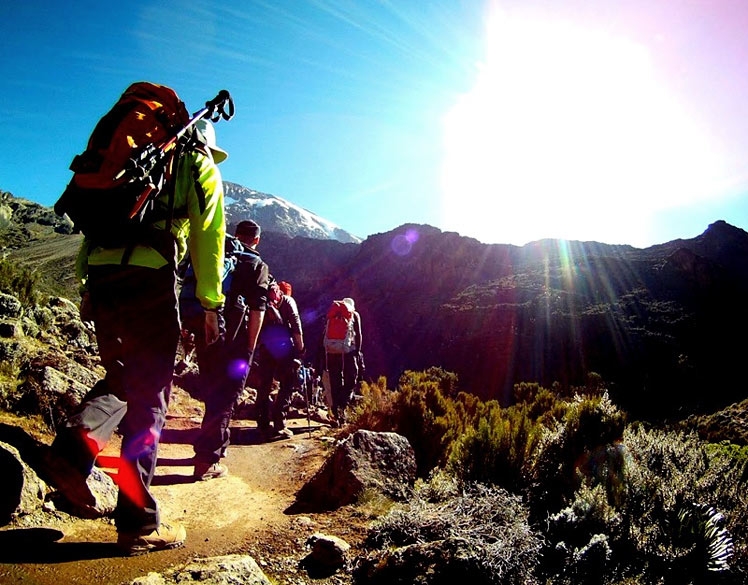
Sleep, Hygiene, And Comfort On Kilimanjaro: Your Essential Guide 2026-2027
Climbing Kilimanjaro requires careful planning for sleep, hygiene, and comfort. This comprehensive guide from Top Guide Adventures offers practical advice to ensure a more enjoyable and...
View package details
Kilimanjaro Mountain Meal Plan By Day: Fueling Your Summit Success 2026-2027
Understand the essential Kilimanjaro Mountain meal plan by day, covering daily menus, nutritional needs, and preparation tips for your trek. Top Guide Adventures provides insights into...
View package details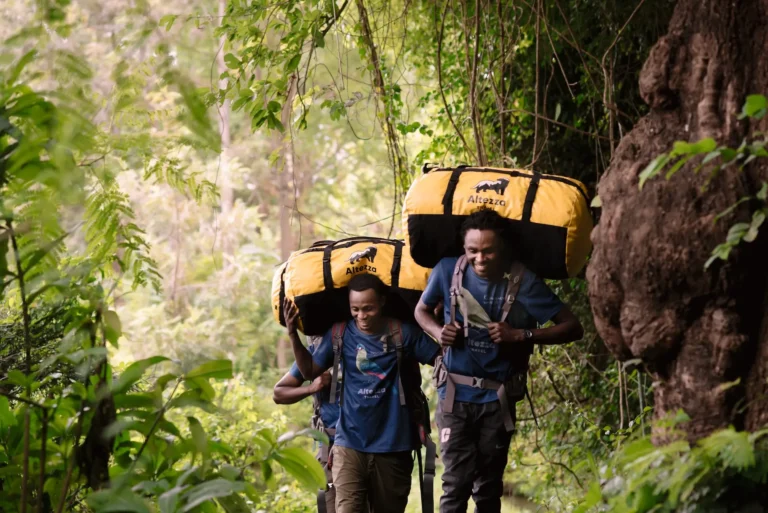
Kilimanjaro Climb With Vegan Mountain Meals: Your Expert Guide For 2026-2027
Embarking on a Kilimanjaro climb is a monumental achievement, and ensuring you have the right nutrition, especially with specific dietary needs like veganism, is crucial for success. Top...
View package details
How To Keep Your Sleeping Bag Dry On Kilimanjaro Guide
Discover expert advice on maintaining a dry sleeping bag during your Kilimanjaro trek. This comprehensive guide covers essential gear, waterproof packing techniques, and vital on-mountain...
View package detailsShould You Climb Mount Meru Before Kilimanjaro? 2026-2027
Should You Climb Mount Meru before Kilimanjaro? is explained with current 2026-2027 planning, price, itinerary and booking information.
View package detailsNo related package matches those filters. Clear one or more filters to see the other topic-matched options.



