
To sleep warm in a Kilimanjaro tent, you need to focus on three key areas: high-quality, insulated gear (especially a warm sleeping bag and mat), effective layering of thermal clothing, and smart techniques for conserving body heat within your tent. This involves choosing the right sleeping bag rated for sub-zero temperatures, using a well-insulated sleeping pad, wearing moisture-wicking base layers, a warm mid-layer, and an insulated outer layer to bed, and employing strategies like pre-warming your sleeping bag and staying hydrated.
Mastering Comfort: Your Guide to Sleeping Warm in a Kilimanjaro Tent
The allure of Mount Kilimanjaro is undeniable – a majestic, dormant volcano rising from the plains of Tanzania, offering an unparalleled trekking experience. As you prepare for your ascent in 2026 or 2027, one question frequently arises for aspiring climbers: How to sleep warm in a Kilimanjaro tent? It’s a vital consideration, as a good night’s sleep is crucial for maintaining energy, morale, and acclimatization on the mountain. The temperatures on Kilimanjaro can plummet dramatically as you gain altitude, especially at night, often dropping well below freezing. Staying warm isn’t just about comfort; it’s essential for your safety and enjoyment. This comprehensive guide, brought to you by Top Guide Adventures, will equip you with the knowledge and strategies to ensure you sleep warm and rest soundly in your tent, no matter how cold it gets.
We understand the unique challenges of trekking Kilimanjaro. Our experience organizing countless successful climbs since 2010 means we know exactly what it takes to keep our clients comfortable and safe. From gear selection to on-mountain practices, we’ve compiled the most effective advice to help you conquer the cold. Let’s break down the essentials for sleeping warm in a Kilimanjaro tent.
Understanding the Challenge: Kilimanjaro’s Nighttime Temperatures
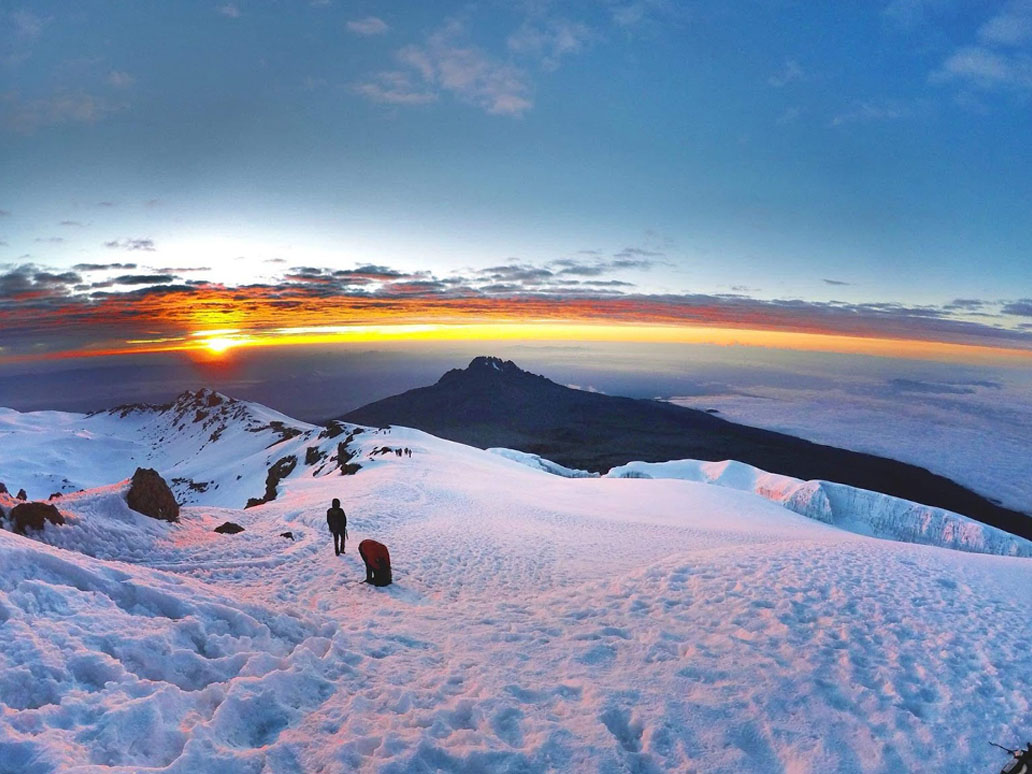
Before diving into solutions, it’s important to appreciate the environmental conditions you’ll face. Kilimanjaro’s altitude zones dictate significant temperature variations. As you climb through the rainforest, moorland, alpine desert, and Arctic summit zones, the temperature drops progressively. At base camp altitudes (around 3,000-4,000 meters or 9,800-13,100 feet), nighttime temperatures can hover around freezing (0°C or 32°F), but this is just the beginning. As you ascend higher, particularly on summit night or at camps like Kibo Hut (around 4,700 meters or 15,400 feet) and Barafu Camp (around 4,600 meters or 15,100 feet), temperatures can easily drop to -10°C (14°F), -15°C (5°F), or even lower, especially during the colder months of June, July, and August.
Wind chill is another significant factor. Even if the air temperature is only slightly below freezing, strong winds at higher altitudes can make it feel much colder, rapidly drawing heat away from your body. This is why proper insulation and wind protection are paramount when you’re trying to sleep warm in a Kilimanjaro tent. Understanding these conditions helps you appreciate the necessity of specialized gear and techniques.
The Cornerstone of Warmth: Your Sleeping Bag
Your sleeping bag is arguably the single most important piece of gear for staying warm in a Kilimanjaro tent. It’s your personal micro-environment, designed to trap your body heat and prevent it from escaping into the cold night air. Simply put, you cannot afford to skimp on your sleeping bag when climbing Kilimanjaro.
Choosing the Right Temperature Rating
The key specification for any sleeping bag is its temperature rating. These ratings are typically given as a ‘comfort,’ ‘limit,’ and ‘extreme’ rating. For Kilimanjaro, you need a bag that can handle temperatures well below freezing. We strongly recommend a sleeping bag with a comfort rating of at least -10°C (14°F) to -20°C (-4°F). Some climbers prefer even warmer bags, especially if they tend to sleep cold or are climbing during the colder seasons of 2026-2027.
- Comfort Rating: The lowest temperature at which a standard woman can sleep comfortably.
- Limit Rating: The lowest temperature at which a standard man can sleep comfortably.
- Extreme Rating: A survival-only rating; you will be very cold and at risk of hypothermia. Never rely on the extreme rating.
Always err on the side of caution and choose a bag rated colder than you think you might need. It’s much easier to vent a sleeping bag that’s too warm than to try and add warmth to one that’s too cold.
Sleeping Bag Fill: Down vs. Synthetic
Sleeping bags are filled with either down or synthetic insulation. Each has its pros and cons:
- Down: Highly compressible, lightweight, and offers excellent warmth-to-weight ratio. High-quality down (e.g., 700-900 fill power) is very efficient. However, down loses much of its insulating ability when wet and takes a long time to dry. It’s also more expensive.
- Synthetic: Generally heavier and bulkier than down for the same warmth, but performs better when damp and dries faster. It’s also more affordable and durable.
For Kilimanjaro, many climbers opt for high-quality down sleeping bags due to their superior warmth and compressibility, which is a benefit when packing. However, if you’re on a tighter budget or anticipate particularly wet conditions (though Kilimanjaro is generally dry at high altitudes), a good synthetic bag can also suffice. Ensure it has a robust temperature rating.
Sleeping Bag Features to Look For
Beyond the fill and rating, consider these features:
- Mummy Shape: Tapers towards the feet and has a hood, minimizing dead air space and maximizing heat retention.
- Draft Collar: An insulated tube around the neck opening to prevent warm air from escaping.
- Draft Tube: An insulated flap along the zipper to stop cold air from entering.
- Hood: Adjustable hood to cinch around your face, further reducing heat loss.
- Water-Resistant Shell: A shell that can repel light moisture from condensation or accidental splashes.
Renting vs. Buying a Sleeping Bag
For a single Kilimanjaro climb, renting a sleeping bag can be a cost-effective option. Most reputable tour operators, including Top Guide Adventures, offer high-quality sleeping bag rentals. This saves you the significant upfront cost of purchasing a top-tier bag. However, if you’re an avid trekker who plans to undertake multiple cold-weather expeditions in 2026, 2027, and beyond, investing in your own sleeping bag might be worthwhile. Ensure any rented bag meets the recommended temperature rating.
Top Tip: Always use a sleeping bag liner. A silk or thermal liner can add several degrees of warmth to your sleeping bag and also helps keep the bag clean, reducing the need for washing.
The Crucial Layer Beneath: Your Sleeping Pad
Many trekkers underestimate the importance of a sleeping pad. While your sleeping bag insulates you from the cold air above, your sleeping pad insulates you from the cold ground beneath. Heat loss to the ground can be substantial, even with a warm sleeping bag. A good sleeping pad is essential for sleeping warm in a Kilimanjaro tent.
Understanding R-Value
Sleeping pads are rated by their R-value, which indicates their thermal resistance. The higher the R-value, the more insulating the pad. For Kilimanjaro’s cold conditions, you need a pad with a high R-value. Aim for a pad with an R-value of 4 or higher. Some trekkers even use two pads for maximum insulation.
Types of Sleeping Pads
- Closed-Cell Foam Pads: Durable, inexpensive, and don’t deflate if punctured. However, they are bulky and less comfortable.
- Self-Inflating Pads: Offer a good balance of comfort, insulation, and packability. They use foam inside that expands when the valve is opened, and you can add air manually for firmness.
- Insulated Air Pads: Lightweight and comfortable, with internal insulation to boost their R-value. They offer excellent warmth but can be punctured, though many come with repair kits.
For Kilimanjaro, a combination of a closed-cell foam pad (for reliability and extra insulation) topped with a self-inflating or insulated air pad is a popular and effective choice for achieving high R-values and comfort. This layered approach significantly enhances your ability to sleep warm in a Kilimanjaro tent.
The Power of Layers: What to Wear to Bed
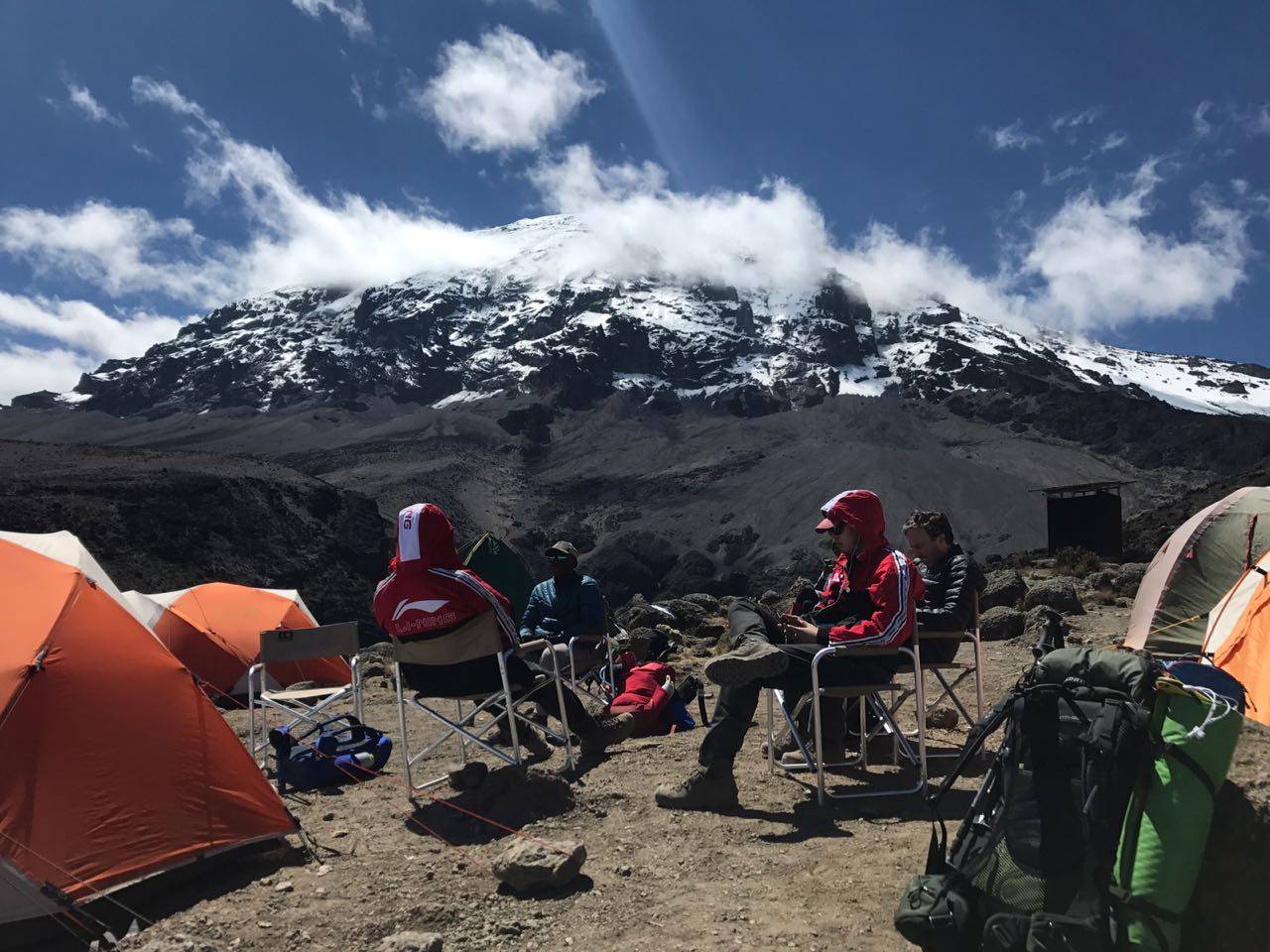
What you wear to sleep in your tent is just as important as your sleeping bag and pad. The principle of layering applies here, too. The goal is to trap body heat while allowing moisture to escape, preventing you from getting clammy and cold.
Base Layers: Moisture Wicking is Key
Your first layer should be made of moisture-wicking material. Avoid cotton at all costs, as it absorbs sweat and stays wet, chilling you to the bone. Merino wool or synthetic fabrics (like polyester or polypropylene) are ideal.
- Merino Wool: Excellent at wicking moisture, naturally odor-resistant, and provides warmth even when damp. It’s soft and comfortable against the skin.
- Synthetics: Also good at wicking and dry quickly. They are often more durable and less expensive than merino wool.
Wear a full set of thermal base layers: a long-sleeved top and long johns. Ensure they fit snugly but not restrictively.
Mid-Layers: Adding Insulation
Over your base layers, add an insulating mid-layer. This could be a fleece jacket or a lightweight down or synthetic puffy jacket. This layer traps warm air close to your body. You might even wear your fleece pants over your base layer leggings.
Outer Layers: Wind and Water Resistance
While you’re inside your sleeping bag, your outer layers (like your waterproof shell jacket and pants) are usually kept off. However, if you need to step out of the tent briefly during the night, having these readily accessible is important. Some climbers even wear their insulated puffy jacket to bed for maximum warmth.
Essential Accessories for Bedtime Warmth
Don’t forget these crucial accessories:
- Warm Hat: You lose a significant amount of heat through your head. A thick wool or fleece hat is non-negotiable for sleeping.
- Warm Socks: A pair of thick wool socks (again, no cotton!) is essential. Some people even wear two pairs.
- Gloves/Liners: If your hands get cold easily, wear thin liner gloves inside your sleeping bag.
- Balaclava or Buff: Can be pulled up to cover your face and neck.
Pro Tip: Pack a dedicated set of “sleep clothes” that are clean and dry. This avoids bringing the day’s sweat and dirt into your sleeping bag and ensures you have fresh, warm layers to put on.
Smart Techniques for Sleeping Warm in a Kilimanjaro Tent
Beyond the gear, certain practices can significantly boost your warmth and comfort in your Kilimanjaro tent. These are the ‘hacks’ that experienced trekkers swear by.
1. Pre-Warm Your Sleeping Bag
This is a important choice. Before you get into your sleeping bag, fill your water bottle (a wide-mouthed Nalgene is ideal) with hot water. Ensure the cap is screwed on tightly! Place this hot water bottle inside your sleeping bag, ideally near your feet or core. This pre-warms the bag, creating a cozy environment before you even climb in. By the time you’re ready to sleep, the water will have cooled significantly, but it will have already transferred a good amount of heat into the bag.
2. Stay Hydrated and Fueled
Your body generates heat through metabolism. Eating enough calories and staying well-hydrated are crucial for this process. Dehydration can lower your body temperature and increase your risk of altitude sickness. Drink plenty of fluids throughout the day, and make sure you eat your meals heartily. A warm drink before bed can also help.
3. Manage Condensation
Your breath can create condensation inside the tent and your sleeping bag, which can make you feel damp and cold. If you tend to breathe heavily or feel very cold, consider wearing a balaclava or a light bandana over your nose and mouth inside your sleeping bag. This helps humidify the air you breathe before it hits the colder sleeping bag material, reducing internal condensation. However, be careful not to overheat yourself.
4. Ventilate Strategically
While the goal is to stay warm, completely sealing yourself in can lead to condensation buildup. If you start to feel too warm or notice moisture, slightly open the zipper of your sleeping bag or the tent door flap for a few minutes to allow moist air to escape. A well-ventilated tent is key to managing moisture.
5. Keep Your Head Covered
As mentioned earlier, wearing a warm hat to bed is essential. Your head is a major source of heat loss. Ensure your hat is snug and covers your ears.
6. Eat a High-Calorie Snack Before Bed
Your body continues to burn calories to stay warm while you sleep. Having a high-calorie snack (like nuts, a chocolate bar, or energy bar) shortly before bed provides your body with fuel to generate heat throughout the night.
7. Keep Electronics Warm
Batteries in electronics (phones, headlamps, cameras) drain much faster in the cold. Keep them in your sleeping bag overnight to prevent them from freezing and to extend their battery life.
8. Exercise Lightly Before Bed
A few minutes of light exercise (e.g., jumping jacks, walking around the campsite) before getting into your sleeping bag can help raise your body temperature and make you feel warmer. Just don’t overexert yourself to the point of sweating heavily.
9. Empty Your Bladder
Going to the bathroom during the night requires leaving the warmth of your sleeping bag and tent, which is a significant heat loss. Try to drink less in the hour or two before you settle down for the night, and make sure to empty your bladder fully before you get into your sleeping bag. If you must go, do so right before you zip up for the night.
10. Use Hand and Foot Warmers
Disposable chemical hand and foot warmers can be a lifesaver on very cold nights, especially on summit night. Activate them and place them in your sleeping bag or inside your boots (if you keep them in your tent). Use them judiciously, as they are a consumable item.
Gear Checklist for Sleeping Warm in a Kilimanjaro Tent
To help you prepare for your 2026 or 2027 Kilimanjaro adventure, here’s a consolidated checklist focused on staying warm at night. Remember, Top Guide Adventures provides detailed packing lists tailored to each route, but this highlights the critical items for nighttime comfort.
Essential Gear for Warm Nights on Kilimanjaro
- Sleeping Bag: Rated to at least -10°C to -20°C (-4°F to 14°F) comfort. Mummy style, with hood and draft collar.
- Sleeping Pad: High R-value (4+) for insulation from the ground. Consider a foam pad plus an inflatable pad.
- Sleeping Bag Liner: Silk or thermal for added warmth and hygiene.
- Base Layers: Merino wool or synthetic long-sleeved top and long johns.
- Mid-Layer Top: Fleece jacket or lightweight insulated jacket.
- Mid-Layer Bottoms (Optional): Fleece pants or insulated pants for very cold nights.
- Warm Hat: Wool or fleece, covering ears.
- Warm Socks: Wool hiking socks (bring several pairs, avoid cotton).
- Gloves/Liners: Warm, waterproof outer gloves and thin liner gloves.
- Balaclava or Buff: For face and neck protection.
- Camp Shoes/Slippers (Optional): To keep feet warm inside the tent.
- Hot Water Bottle: For pre-warming the sleeping bag.
- Headlamp: With spare batteries.
Choosing the Right Kilimanjaro Route for Comfort
While all routes ascend Kilimanjaro, some offer slightly better acclimatization profiles, which can indirectly contribute to better sleep. Routes like the Lemosho Route and the Machame Route are known for their “climb high, sleep low” principle, which aids acclimatization. Better acclimatization generally leads to less altitude sickness, which can disrupt sleep. Longer routes, such as the 8-day Lemosho or 8-day Machame, also allow for more gradual acclimatization compared to shorter options like the Marangu or Rongai (6-day) routes.
When planning your 2026-2027 climb, discuss acclimatization strategies and route options with your tour operator. Top Guide Adventures can help you select a route that balances your desire for success with your comfort needs.
The Role of Your Tour Operator
A reliable tour operator plays a crucial role in ensuring your comfort on Kilimanjaro. Top Guide Adventures is committed to providing not just a safe climb, but a comfortable one. We:
- Provide High-Quality Gear: We offer rentals of top-tier sleeping bags and other essential equipment, ensuring you have the right tools for the job.
- Experienced Guides: Our guides are trained in altitude management and can offer personalized advice on staying warm and comfortable. They monitor your well-being closely.
- Proper Logistics: We ensure meals are nutritious and timely, and that camps are set up efficiently, allowing you more time to rest and prepare for the night.
- Support and Advice: We offer pre-trip advice on packing and preparation, including detailed guidance on how to sleep warm in a Kilimanjaro tent.
When booking your climb for 2026 or 2027, choose a company that prioritizes your comfort and safety. Don’t hesitate to ask about their gear quality and support systems.
Common Mistakes to Avoid for a Warm Night
Understanding what *not* to do is as important as knowing what to do. Here are common mistakes that can lead to a cold, uncomfortable night on Kilimanjaro:
- Wearing Cotton to Bed: As repeatedly stressed, cotton absorbs moisture and loses all insulating properties when wet, leading to rapid chilling.
- Not Bringing a Warm Enough Sleeping Bag: Underestimating the cold is a common and serious error. Always choose a bag with a sufficiently low temperature rating.
- Skipping the Sleeping Pad: The ground is a major heat sink. A thin or inadequate pad will leave you feeling cold, no matter how warm your bag is.
- Going to Bed Cold: If you’re already cold when you get into your sleeping bag, it will take a very long time to warm up. Use the pre-warming techniques and light exercise.
- Over-Layering Inside the Sleeping Bag: While wearing layers is good, wearing too many bulky layers inside your bag can compress the insulation and reduce its effectiveness. Stick to your base and mid-layers.
- Not Staying Hydrated: Dehydration impairs your body’s ability to regulate temperature.
- Forgetting a Hat: Significant heat is lost through an uncovered head.
- Sleeping in Damp Clothes: If your day clothes are damp from sweat or rain, change into a dry set of thermals for sleeping.
Preparing for Summit Night: The Ultimate Test
Summit night is the coldest and most challenging part of the climb. You’ll typically start around midnight, ascending in the dark, often in sub-zero temperatures with significant wind chill. Getting enough sleep the night before summit night is crucial, and sleeping warm in your tent during the preceding days prepares your body and mind for this ultimate test.
On summit night itself, you will likely be wearing almost all your insulating layers. Your sleeping bag will be packed away, but the principles of staying warm remain the same: layer effectively, keep moving, and protect your extremities. Ensure your sleeping bag and pad are dry and ready for use once you descend back to camp after the summit attempt.
Final Thoughts: Your Warm Kilimanjaro Adventure Awaits
Sleeping warm in a Kilimanjaro tent is entirely achievable with the right preparation and gear. By understanding the conditions, investing in a quality sleeping bag and pad, layering your clothing correctly, and employing smart warming techniques, you can ensure comfortable and restful nights on your ascent. This preparation is key to enjoying every aspect of your Kilimanjaro adventure, whether you’re planning for 2026, 2027, or any year thereafter.
At Top Guide Adventures, we are dedicated to making your Kilimanjaro climb a safe, memorable, and comfortable experience. We provide expert guidance, high-quality equipment, and unparalleled support from start to finish. If you have any questions about how to sleep warm in a Kilimanjaro tent, or if you’re ready to start planning your climb, please don’t hesitate to reach out.
Contact us today:
- WhatsApp: +255616946642
- Email: topguideadventures@gmail.com
- Backup Email: info@topguideadventures.com
Let Top Guide Adventures guide you to the Roof of Africa, ensuring your journey is as comfortable as it is exhilarating. We look forward to helping you achieve your Kilimanjaro dream!
“,
“faq_schema”: [
{
“question”: “What is the most important gear for sleeping warm in a Kilimanjaro tent?”,
“answer”: “The most critical gear for sleeping warm in a Kilimanjaro tent is a high-quality, insulated sleeping bag with a temperature rating of at least -10°C to -20°C (-4°F to 14°F) comfort. Equally important is a well-insulated sleeping pad with a high R-value (4+) to prevent heat loss to the cold ground.”
},
{
“question”: “What temperature rating should my Kilimanjaro sleeping bag have for 2026-2027 climbs?”,
“answer”: “For Kilimanjaro climbs in 2026-2027, aim for a sleeping bag with a comfort rating of at least -10°C (14°F) and ideally down to -20°C (-4°F). Temperatures on the mountain can drop significantly below freezing, especially at higher camps and on summit night.”
},
{
“question”: “Can I rent a sleeping bag for Kilimanjaro, or should I buy one?”,
“answer”: “Renting a sleeping bag is a common and often cost-effective option for a single Kilimanjaro climb. Reputable operators like Top Guide Adventures offer rentals of high-quality bags suitable for the mountain’s conditions. If you plan multiple cold-weather treks in the future, purchasing your own might be a better long-term investment.”
},
{
“question”: “What should I wear to sleep in my Kilimanjaro tent?”,
“answer”: “Wear moisture-wicking base layers (merino wool or synthetic long johns and a long-sleeved top), a warm hat, and thick wool socks. For extra warmth, you can add a fleece mid-layer or even your insulated puffy jacket. Avoid cotton clothing.”
},
{
“question”: “Are there any techniques to help me sleep warmer in my tent?”,
“answer”: “Yes, several techniques can help: pre-warm your sleeping bag with a hot water bottle, stay hydrated and fueled, keep your head covered with a hat, eat a high-calorie snack before bed, and ensure your sleeping pad is adequately insulating. Managing condensation by not sealing yourself in too tightly is also important.”
},
{
“question”: “How can I prevent my sleeping bag from getting cold overnight?”,
“answer”: “To prevent your sleeping bag from getting cold, use a sleeping bag liner, wear warm layers to bed, ensure your sleeping pad is effective, and employ the hot water bottle trick before climbing in. Staying hydrated and eating enough also helps your body generate heat.”
},
{
“question”: “What is the R-value needed for a sleeping pad on Kilimanjaro?”,
“answer”: “For Kilimanjaro, you should look for a sleeping pad with an R-value of 4 or higher. Many climbers opt for a combination of a closed-cell foam pad and an insulated air pad to achieve maximum insulation from the cold ground.”
}
]
}
“`
Check Availability for How To Sleep Warm In A Kilimanjaro Tent 2026-2027
Ready to compare dates, prices, and the best option for your group? Send the package name and travel month so the team can reply with a clear quote, availability, and what is included.
Kilimanjaro Climb With A Private Sleeping Tent: Your Ultimate Comfort Guide
Planning a Kilimanjaro climb? Discover the benefits of opting for a private sleeping tent, ensuring personal space and comfort on the mountain. This guide covers everything you need to know...
View package details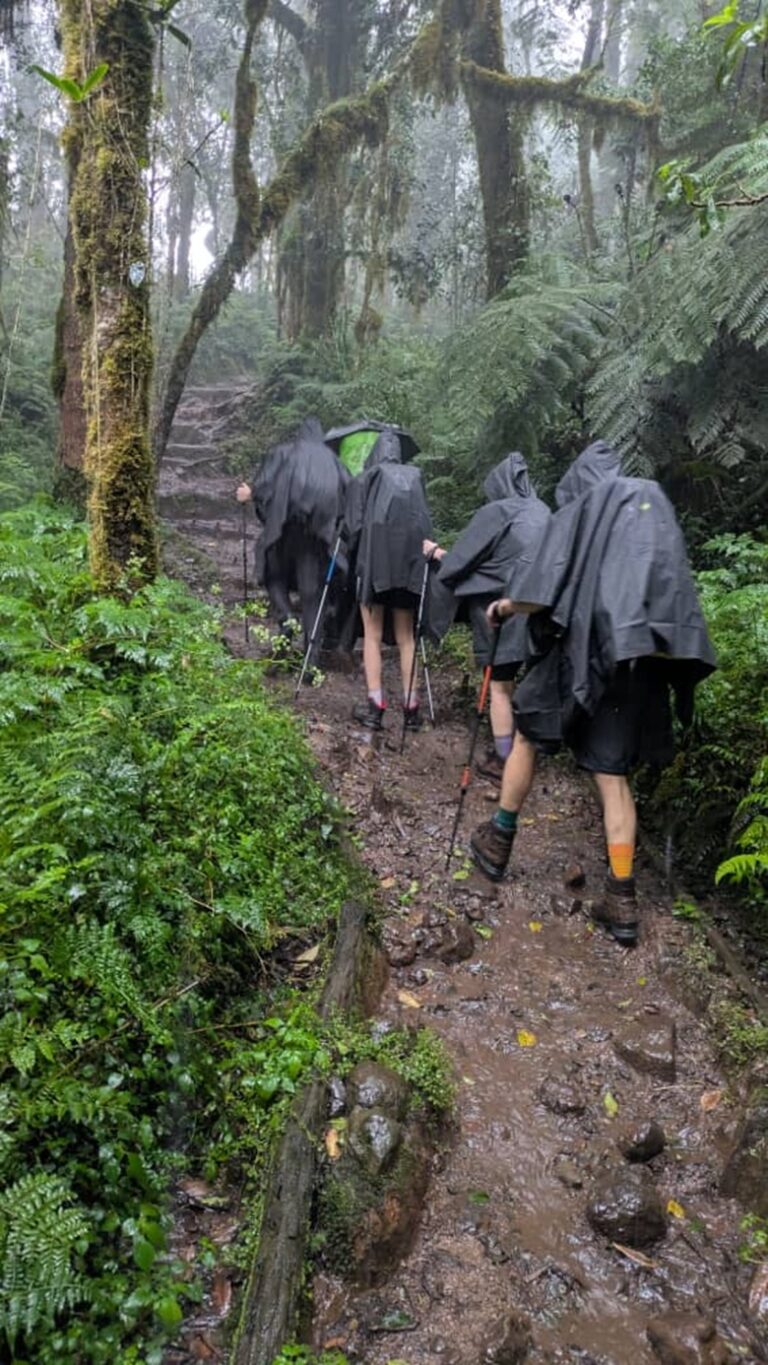
Kilimanjaro Climb With Camp Chairs And Dining Tent Guide
Elevate your Kilimanjaro climbing experience with the added comfort of camp chairs and a dining tent. This guide details the benefits, what's included, and why these amenities are...
View package details
Single-Occupancy Tents On Kilimanjaro: Your Guide To Privacy And Comfort
Discover the advantages of opting for a single-occupancy tent during your Kilimanjaro climb. This guide details the benefits, costs, and booking process for solo tent arrangements, ensuring...
View package details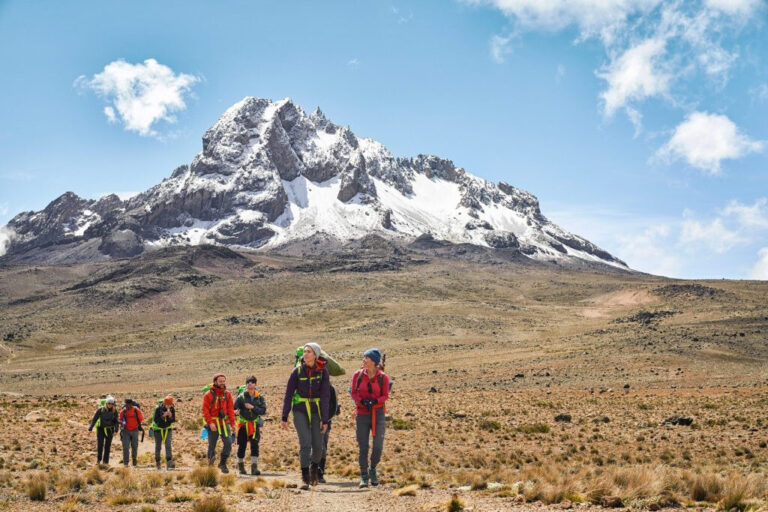
How Comfortable Are Kilimanjaro Mountain Tents? A Guide 2026-2027
Understand the comfort levels of tents used on Kilimanjaro climbs. This guide details tent types, essential features, and factors influencing your sleeping experience, crucial for planning...
View package details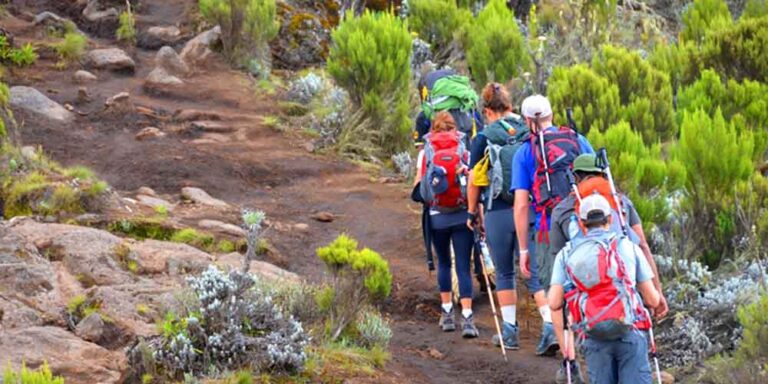
How To Use A Toilet Tent On Kilimanjaro 2026-2027
How to Use a Toilet Tent on Kilimanjaro is explained with current 2026-2027 planning, price, itinerary and booking information.
View package detailsAre Kilimanjaro Camps Noisy At Night? A Climbers Guide To Sleep And Sound
Understand the noise levels at Kilimanjaro camps to better prepare for your trek. This guide covers what sounds you might hear, factors influencing noise, and how to ensure a restful...
View package details
Best Sleeping-Mat Setup For Kilimanjaro 2026-2027
Best Sleeping-Mat Setup for Kilimanjaro is explained with current 2026-2027 planning, price, itinerary and booking information.
View package detailsHow To Sleep At High Altitude On Kilimanjaro: Expert Tips For Climbers
Sleeping at high altitude on Kilimanjaro presents unique challenges, primarily due to altitude sickness. This comprehensive guide from Top Guide Adventures provides essential strategies for...
View package details
How Do You Sleep On Mount Kilimanjaro? 2026-2027
How Do You Sleep on Mount Kilimanjaro? is explained with current 2026-2027 planning, price, itinerary and booking information.
View package details
Sleep, Hygiene, And Comfort On Kilimanjaro: Your Essential Guide 2026-2027
Climbing Kilimanjaro requires careful planning for sleep, hygiene, and comfort. This comprehensive guide from Top Guide Adventures offers practical advice to ensure a more enjoyable and...
View package details
Best Foot-Warming System For Kilimanjaro Climbs In 2026-2027
Keeping your feet warm on Kilimanjaro is crucial for comfort and safety, especially during summit night. This guide explores the best foot-warming systems, from advanced heated socks to...
View package details
Should You Bring Hand Warmers To Kilimanjaro? Your Essential Guide 2026-2027
Considering a Kilimanjaro climb in 2026 or 2027? You're likely wondering about essential gear. One question that often arises is: should you bring hand warmers? The short answer is a...
View package detailsNo related package matches those filters. Clear one or more filters to see the other topic-matched options.



