
The best foot-warming system for Kilimanjaro, particularly for summit night in 2026-2027, involves a combination of high-quality, moisture-wicking liner socks, thick wool or synthetic hiking socks, and potentially battery-powered heated socks or chemical toe warmers. Proper boot fit and insulation are also paramount to prevent cold-induced injuries and ensure a comfortable ascent.
Understanding the Chill: Why Foot Warmth is Paramount on Kilimanjaro
Climbing Kilimanjaro is an extraordinary adventure, but it’s also a serious undertaking that demands careful preparation. While many focus on the altitude and the physical exertion, the extreme cold, especially at higher elevations and during the infamous summit night, often catches climbers by surprise. Among the most vulnerable parts of the body to the cold are the feet. Inadequate foot warmth can lead to severe discomfort, blisters, frostnip, and in the worst cases, frostbite, which can have lasting consequences. For anyone planning a climb in 2026 or 2027, prioritizing your foot-warming system isn’t just about comfort; it’s about safety and the ultimate success of your expedition.
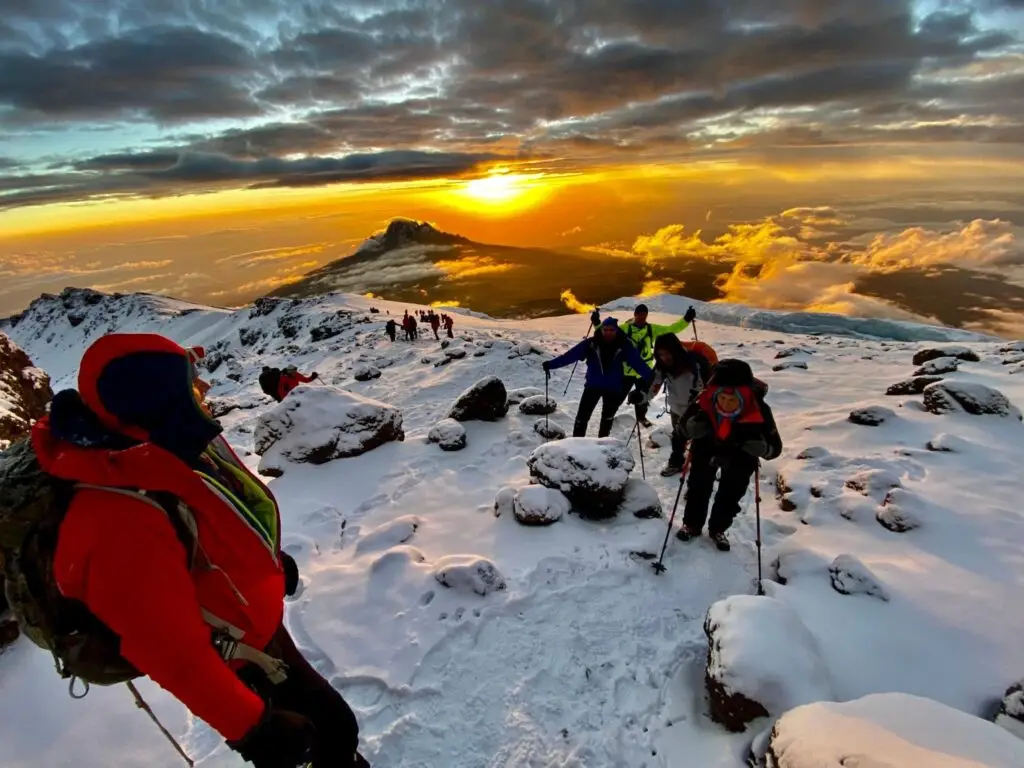
The temperatures on Kilimanjaro can plummet dramatically as you gain altitude. While the base of the mountain might be warm and humid, the summit, Uhuru Peak, can experience temperatures as low as -15°C to -20°C (5°F to -4°F), often compounded by fierce winds that create a significant wind chill factor. These conditions mean that even the most robust boots can become icy prisons if not properly managed from the inside out. Your feet, being furthest from your core and subjected to constant pressure and moisture from sweat, are prime candidates for developing cold-related issues. This is why a comprehensive and effective foot-warming strategy is not just recommended, but essential for any Kilimanjaro climber aiming for a successful summit in the upcoming seasons.
The Core Components of an Effective Kilimanjaro Foot-Warming System
Building a reliable foot-warming system for Kilimanjaro involves layering and strategic choices. It’s not a one-size-fits-all solution, but rather a carefully considered combination of gear that addresses moisture management, insulation, and active heat generation. Let’s break down the essential elements that form the foundation of keeping your feet toasty on the Roof of Africa.
1. The Crucial Liner Sock
Often overlooked, the liner sock is the first line of defense against cold and blisters. Its primary job is to wick moisture away from your skin. Sweat is the enemy of warmth in cold environments. As sweat evaporates, it draws heat away from your body. A good liner sock made from synthetic materials like polyester or nylon, or a silk blend, will pull moisture away from your feet and transfer it to the next layer, keeping your skin dry and therefore warmer. Avoid cotton liner socks at all costs; they absorb moisture and stay wet, chilling your feet rapidly.
- Material: Synthetic (polyester, nylon) or silk blends are ideal.
- Fit: Should be snug but not constricting, preventing wrinkles that can cause blisters.
- Purpose: Moisture-wicking and blister prevention.
2. The Insulating Mid-Layer Sock
This is your primary insulation layer. The mid-layer sock works in conjunction with the liner sock to provide warmth and cushioning. The best materials for this layer are merino wool or high-quality synthetic blends. Merino wool is particularly favored for its excellent thermal properties, breathability, and natural odor resistance. It also retains a significant amount of its insulating capability even when damp. The thickness of this sock is important; you want a sock that provides ample cushioning and warmth without making your boots too tight, which can restrict blood flow and ironically lead to colder feet.
- Material: Merino wool or advanced synthetic blends.
- Thickness: Medium to heavy weight, depending on boot fit and personal preference.
- Purpose: Insulation and cushioning.
3. The Protective Outer Sock (Optional but Recommended)
For extreme cold or exceptionally long days, a third, heavier sock can be beneficial. This outer sock adds an extra layer of insulation and can also help protect your mid-layer sock from abrasion. Again, wool or synthetic blends are the best choices. Some climbers opt for a gaiter-style sock that extends higher up the calf, offering additional warmth and protection against snow and debris entering the boot.
- Material: Heavyweight wool or synthetic.
- Features: May extend higher up the calf for added protection.
- Purpose: Maximum insulation and protection.
4. Footwear: The Foundation of Warmth
No amount of sock layering can compensate for inadequate footwear. Your boots are the primary barrier against the elements. For Kilimanjaro, especially for the summit push, you need insulated, waterproof, and sturdy hiking boots. Many climbers opt for triple-layer boots or specialized mountaineering boots for summit night, as these offer superior insulation and protection against extreme cold. Crucially, your boots must fit well, with enough room for your socks without being tight. A boot that is too small or too tight will constrict blood flow, leading to cold feet.
- Type: Insulated, waterproof, sturdy hiking or mountaineering boots.
- Fit: Must allow for sock layers without constriction.
- Consideration: Ensure boots are well broken-in before your climb.
5. Boot Lacing Techniques
How you lace your boots can significantly impact warmth. Lacing too tightly can restrict circulation. On summit night, you might consider loosening your laces slightly at the ankle to improve blood flow, while still ensuring the boot remains secure. Some boots come with specific lacing options to adjust fit and pressure points.
- Avoid: Over-tightening, especially around the ankle.
- Consider: Adjusting laces for improved circulation on summit night.
Advanced Foot-Warming Solutions for Kilimanjaro
While layering is the cornerstone of a good foot-warming system, modern technology offers additional solutions for those who are particularly susceptible to cold feet or who are undertaking challenging climbs like Kilimanjaro, especially during the colder months of 2026-2027. These advanced options can provide an extra margin of warmth and comfort.
Battery-Powered Heated Socks
Heated socks are a popular choice for serious cold-weather enthusiasts. These socks have integrated heating elements powered by rechargeable batteries, typically worn in a small pouch attached to the sock cuff or waistband. They offer adjustable heat settings, allowing you to control the temperature and conserve battery life.
- Pros: Provides consistent, adjustable warmth; excellent for those with poor circulation.
- Cons: Can be expensive; batteries need to be fully charged and may require carrying spares; can add bulk.
- Considerations for Kilimanjaro 2026-2027: Ensure batteries are rated for low temperatures, as cold can reduce their performance. Bring a portable power bank to recharge batteries during the trek if possible, though charging opportunities are limited.
Chemical Toe Warmers
These are single-use, air-activated heat packs that you can place inside your boots or socks. They generate heat through an oxidation process when exposed to air and are a simple, disposable solution for an extra boost of warmth.
- Pros: Inexpensive, lightweight, easy to use, provides targeted heat.
- Cons: Heat is not adjustable and can sometimes be too intense or not warm enough; disposable, creating waste.
- Usage Tip: Activate them just before you start your trek or before summit night. Avoid placing them directly against bare skin, especially if you have sensitive skin or poor circulation, as they can cause burns. It’s best to place them on the outside of your sock or inside your boot, away from direct contact.
Insulated Boot Covers or Overboots
For extreme conditions, insulated overboots can be worn over your regular hiking boots. These add a significant layer of insulation and wind protection. While not common for all Kilimanjaro climbs, they can be a lifesaver for those particularly sensitive to cold or on trips planned during the colder seasons of 2026-2027.
- Pros: Significant increase in insulation and wind protection.
- Cons: Bulky, can affect boot dexterity and feel, adds weight.
Moisture Management: The Unsung Hero of Foot Warmth
We’ve touched upon moisture-wicking, but it’s worth emphasizing its critical role. Your feet can sweat significantly during the day, even in cold weather. If this moisture isn’t managed, it will chill your feet. This is why the layering system is so effective – each layer has a specific job:
- Liner Sock: Wicks moisture away from the skin.
- Mid-Layer Sock: Absorbs moisture from the liner and allows it to evaporate or be wicked to the next layer.
- Boot: Should be waterproof but breathable (e.g., Gore-Tex lined) to prevent external moisture from entering while allowing internal moisture vapor to escape.
During the day, consider changing your socks if they feel damp. Most trekkers carry at least 3-4 pairs of hiking socks to allow for rotation and drying. You can dry damp socks inside your sleeping bag at night or, if conditions permit, by a small campfire (with extreme caution). Keeping spare dry socks readily accessible in your daypack is a wise strategy for any Kilimanjaro expedition in 2026 or 2027.
The Importance of Breathable Footwear
While waterproofing is essential to keep external moisture out, the breathability of your boots is equally important for managing internal moisture. Boots with Gore-Tex or similar breathable waterproof membranes allow water vapor (sweat) to escape, preventing your feet from becoming a damp, cold environment. However, even the most breathable boots can become saturated if exposed to heavy rain or snow for extended periods, or if the membrane is compromised.
Boot Selection and Fit: A Deeper Dive for Kilimanjaro Climbers
Choosing the right boots and ensuring a perfect fit is arguably the most critical aspect of foot preparation for Kilimanjaro. A poorly fitting boot can ruin your trek, regardless of how good your socks are. Here’s what to consider:
Types of Boots for Kilimanjaro
- Mid-weight Hiking Boots: Suitable for the lower, less technical sections of the mountain. They offer good ankle support and waterproofing.
- Insulated Hiking Boots: These are a step up, providing more warmth. Many climbers use these for the majority of the trek, including summit night, if they are well-insulated and combined with effective sock layering.
- Mountaineering Boots: Often double-layered or triple-layered, these are designed for extreme cold and high altitudes. They offer superior insulation and protection against frostbite. While some opt for these exclusively for summit night, they can be heavy and stiff for general trekking. A common strategy is to use insulated hiking boots for the ascent and carry a pair of more robust mountaineering boots for the summit push, changing into them at Barafu Camp or Kibo Hut.
The Perfect Fit is Paramount
When trying on boots, always do so in the afternoon or evening when your feet are slightly swollen, mimicking conditions during a long trek. Wear the type of socks you intend to use on Kilimanjaro (your liner and mid-layer socks). Walk around in them, go up and down stairs if possible, and pay attention to:
- Toe Room: You should be able to wiggle your toes freely. When kicking the boot forward, your toes should not jam into the front. This is crucial for preventing bruised toenails and ensuring good circulation.
- Heel Lock: Your heel should remain relatively secure with minimal lift when walking. Excessive heel lift can cause blisters.
- Ankle Support: Ensure the boots provide adequate support for uneven terrain.
- Overall Comfort: There should be no pinching, rubbing, or pressure points.
Breaking In Your Boots
Never, ever wear brand-new boots on Kilimanjaro. You must break them in thoroughly on shorter hikes before your expedition. This allows the boots to mold to your feet, identifies potential hot spots, and ensures the materials soften for maximum comfort. A minimum of 50-100 miles of hiking in your chosen boots is a good guideline.
Maintaining Foot Warmth Throughout the Climb
Keeping your feet warm isn’t a static effort; it requires active management throughout your Kilimanjaro climb. Here are strategies to employ daily and especially on summit night:
Daily Foot Care and Sock Rotation
Each evening at camp, take the time to care for your feet. This involves:
- Washing and Drying: If possible, wash your feet with warm water and dry them thoroughly. Pay special attention to the spaces between your toes.
- Checking for Issues: Inspect your feet for any signs of blisters, hot spots, or redness. Address any issues immediately with blister treatment (moleskin, specialized bandages).
- Sock Rotation: Change into a fresh, dry pair of socks for sleeping. This allows the socks worn during the day to dry out, ready for the next day.
Dealing with Dampness
If your socks feel damp during the day, stop and change them if possible. If not, try to keep moving briskly to generate heat and encourage evaporation. If you carry your damp socks inside your sleeping bag overnight, they will dry out faster due to your body heat.
Summit Night Strategies for Maximum Foot Warmth
Summit night is the most challenging part of the climb, with the coldest temperatures and longest duration of exertion. Here are specific tips:
- Pre-Warm Your Boots: Before setting off, place your boots inside your sleeping bag or use a boot dryer if available at your hut. This prevents them from freezing overnight.
- Use Chemical Warmers: Place activated chemical toe warmers inside your boots just before you start walking.
- Layer Socks Strategically: Ensure you have your liner sock and thick wool sock on. Some climbers opt for a third, heavier sock for summit night.
- Manage Boot Laces: As mentioned, avoid overly tight lacing that restricts circulation.
- Stay Hydrated and Fueled: Proper hydration and calorie intake contribute to your body’s ability to generate heat.
- Keep Moving: Even small movements like wiggling your toes or doing calf raises can help improve circulation.
- Pee Before You Freeze: If you need to urinate, do so before your feet get too cold. Urinating with very cold hands or feet can be extremely difficult and uncomfortable.
What NOT to Do for Foot Warmth on Kilimanjaro
Certain practices, while seemingly helpful, can actually be detrimental to keeping your feet warm and healthy on Kilimanjaro. Understanding these pitfalls is as important as knowing the right techniques.
- Wearing Cotton Socks: This is the cardinal sin of cold-weather trekking. Cotton absorbs moisture and holds it against your skin, leading to rapid chilling.
- Wearing Ill-Fitting Boots: Boots that are too tight restrict blood flow, leading to cold feet and increasing the risk of frostbite. Boots that are too loose can cause friction and blisters.
- Not Breaking In Boots: New boots are stiff and unforgiving. Wearing them without proper break-in is a recipe for blisters and discomfort.
- Over-Layering Socks to the Point of Constriction: While layering is key, stuffing too many thick socks into boots can make them too tight, hindering circulation. Find the balance that provides warmth without constriction.
- Ignoring Cold Feet: If your feet start to feel cold, don’t ignore it. Address the issue proactively by changing socks, adjusting laces, or using warming aids. Early intervention is crucial.
- Using Unreliable Electronics: If you opt for heated socks, ensure they are from a reputable brand and that you have tested them thoroughly before your climb. Faulty electronics can fail at the worst possible moment.
Specific Gear Recommendations for 2026-2027 Kilimanjaro Climbs
When planning your gear for a Kilimanjaro climb in 2026 or 2027, consider these specific types of products that have proven effective:
Recommended Sock Brands and Types:
- Liner Socks: Smartwool Liner Socks, Bridgedale Coolmax Liner Socks, Thorlo Experia.
- Mid-Weight Hiking Socks: Smartwool PhD Outdoor Medium Crew, Darn Tough Hiker Micro Crew Cushion, Bridgedale Trekker.
- Heavyweight Trekking/Mountaineering Socks: Smartwool PhD Outdoor Heavy Crew, Darn Tough Hiker Extra Cushion, Bridgedale Summit.
Recommended Boots:
- Insulated Hiking Boots: Salomon Quest 4D 3 GTX, Lowa Renegade GTX Mid (ensure they are warm enough or opt for insulated versions), Merrell Moab 3 Mid Waterproof (consider for lower altitudes or warmer seasons). For higher altitude comfort, look for boots with higher insulation ratings like the Salomon Toundra Pro CS WP or Baffin boots (though Baffins can be very heavy for general trekking).
- Mountaineering Boots for Summit Night: Scarpa Mont Blanc Pro GTX, La Sportiva Nepal EVO GTX. These are serious boots designed for extreme cold.
Recommended Heated Socks:
- Thermic Socks, Lenz Heated Socks, Snow Deer Heated Socks. Research models with good battery life and adjustable settings.
Recommended Chemical Warmers:
- Hothands, Grabber Hand Warmers (use foot-specific ones).
A Note on Weight and Bulk
While adding layers and advanced gear can enhance warmth, always consider the trade-off in weight and bulk. Every extra pound feels heavier at altitude. For most Kilimanjaro climbs, a well-chosen system of quality socks and properly fitting, insulated boots is sufficient. Heated socks or overboots are typically for those with extreme cold sensitivity or for specific conditions during 2026-2027 expeditions.
Altitude and Cold: The Combined Challenge
It’s crucial to understand that altitude sickness (Acute Mountain Sickness – AMS) can exacerbate the effects of cold. As your body struggles to acclimatize, your circulation can be compromised, making your extremities more vulnerable to the cold. Symptoms of AMS can include headache, nausea, dizziness, and fatigue, which can make it harder to recognize and manage cold feet effectively. Staying well-hydrated, ascending slowly, and listening to your body are paramount. If you experience symptoms of AMS, inform your guide immediately. Your guide’s expertise is invaluable in managing both altitude and cold conditions.
Planning Your Kilimanjaro Footwear Strategy for 2026-2027
When booking your Kilimanjaro adventure with Top Guide Adventures for 2026 or 2027, we strongly advise discussing your gear, particularly your footwear and foot-warming strategy, with our experienced team. We can provide tailored advice based on the season of your climb, the route you choose, and your personal physiology.
Consulting with Top Guide Adventures
Our team has extensive experience guiding climbers on Kilimanjaro and understands the nuances of the mountain’s microclimates and weather patterns throughout the year. We can help you select the right boots, advise on the most effective sock systems, and ensure you are prepared for the cold, especially during the critical summit night. Don’t hesitate to reach out:
- WhatsApp: +255616946642
- Email: topguideadventures@gmail.com
- Backup Email: info@topguideadventures.com
We offer comprehensive packages that include experienced guides, porters, and cooks, ensuring your safety and comfort from base camp to the summit. Understanding your gear needs, especially for something as critical as foot warmth, is part of our commitment to providing a complete and unforgettable experience.
Seasonal Considerations for Foot Warmth (2026-2027)
While Kilimanjaro is climbable year-round, certain seasons are significantly colder than others. Planning your foot-warming system should take this into account:
- Dry Seasons (June-October, December-February): Generally considered the best times to climb, with clearer skies. However, these months, especially July-September and December-January, can still bring extreme cold, particularly at night and on the summit. The cold is often dry and windy.
- Wet Seasons (March-May, November): These months bring rain and higher humidity at lower elevations, which can translate to snow and colder, wetter conditions higher up. Footwear needs to be exceptionally waterproof and well-insulated.
For any climb in 2026 or 2027, but particularly during the dry seasons which are popular, be prepared for sub-zero temperatures on summit night. The perceived cold can be amplified by wind chill, making a robust foot-warming system non-negotiable.
The Ultimate Kilimanjaro Foot-Warming System Checklist
To ensure you have the best foot-warming system for your Kilimanjaro adventure in 2026-2027, use this checklist:
- Liner Socks: 2-3 pairs (synthetic or silk blend).
- Mid-Weight Hiking Socks: 3-4 pairs (merino wool or synthetic blend).
- Heavyweight Trekking Socks: 1-2 pairs (merino wool or synthetic blend) for summit night or extreme cold.
- Insulated, Waterproof Hiking Boots: Well broken-in and fitting perfectly with sock layers.
- Optional: Mountaineering Boots: For summit night if you are very sensitive to cold or if advised by your guide.
- Optional: Heated Socks: Fully tested and with spare charged batteries or power bank.
- Optional: Chemical Toe Warmers: Pack enough for summit night and any particularly cold evenings.
- Gaiters: To keep snow and debris out of boots.
- Camp/Lodge Shoes: Comfortable, warm, and easy to slip on for evenings (e.g., insulated booties or sturdy sandals).
- Foot Care Kit: Moleskin, athletic tape, antiseptic wipes, small towel for drying.
By carefully selecting and preparing your gear, especially your foot-warming system, you significantly increase your chances of a comfortable and successful Kilimanjaro climb. The best foot-warming system is one that is tested, reliable, and tailored to your individual needs and the specific demands of the mountain, ensuring your focus remains on the incredible journey and the stunning views, rather than on cold, aching feet.
Ready to plan your unforgettable Kilimanjaro expedition for 2026 or 2027? Top Guide Adventures is here to help you every step of the way. We pride ourselves on personalized service and ensuring our clients are fully prepared for their adventure. Contact us today to discuss your climb and get expert advice on everything from gear to itineraries. Let us help you reach the roof of Africa with confidence and comfort.
Contact Top Guide Adventures:
WhatsApp: +255616946642
Email: topguideadventures@gmail.com
Backup Email: info@topguideadventures.com
We look forward to helping you achieve your Kilimanjaro dream!
Check Availability for Best Foot-Warming System For Kilimanjaro Climbs In 2026-2027
Ready to compare dates, prices, and the best option for your group? Send the package name and travel month so the team can reply with a clear quote, availability, and what is included.
Kilimanjaro Foothills Acclimatization Walk 2026-2027
Kilimanjaro Foothills Acclimatization Walk is explained with current 2026-2027 planning, price, itinerary and booking information.
View package details
How To Stay Clean During A Seven-Day Kilimanjaro Trek | Top Guide Adventures
Maintaining hygiene on Mount Kilimanjaro for seven days is achievable with the right preparation and practices. This guide details essential strategies for staying clean, from managing...
View package details
Can You Change Clothes Privately On Kilimanjaro? Guide
Discover how to maintain privacy and comfort while changing clothes during your Kilimanjaro trek. Top Guide Adventures explains the practicalities of staying clean and dignified on the...
View package details
What Happens To Human Waste On Kilimanjaro? Managing On Africas Highest Peak
Human waste on Kilimanjaro is managed through a system of collection and removal, primarily using portable toilets and waste bags, to protect the mountain's fragile ecosystem. This guide...
View package detailsHow To Use A Toilet Tent On Kilimanjaro 2026-2027
How to Use a Toilet Tent on Kilimanjaro is explained with current 2026-2027 planning, price, itinerary and booking information.
View package detailsMenstrual Care While Climbing Kilimanjaro: Expert Guide 2026-2027
Climbing Kilimanjaro while menstruating is entirely manageable with proper planning. This comprehensive guide from Top Guide Adventures offers essential advice on managing your period on...
View package details
Feminine Hygiene During A Kilimanjaro Climb 2026-2027
Feminine Hygiene during a Kilimanjaro Climb is explained with current 2026-2027 planning, price, itinerary and booking information.
View package details
How To Brush Your Teeth On Kilimanjaro: Essential Hygiene Tips For Trekkers
Maintaining oral hygiene on Mount Kilimanjaro is crucial for comfort and health. Learn the best practices for brushing your teeth at altitude, from water conservation to gear selection...
View package details
How To Wash On Mount Kilimanjaro 2026-2027
How to Wash on Mount Kilimanjaro is explained with current 2026-2027 planning, price, itinerary and booking information.
View package details
How Private Are Kilimanjaro Campsites? 2026-2027
How Private Are Kilimanjaro Campsites? is explained with current 2026-2027 planning, price, itinerary and booking information.
View package details
Are Kilimanjaro Camps Noisy At Night? A Climbers Guide To Sleep And Sound
Understand the noise levels at Kilimanjaro camps to better prepare for your trek. This guide covers what sounds you might hear, factors influencing noise, and how to ensure a restful...
View package details
Best Sleeping-Mat Setup For Kilimanjaro 2026-2027
Best Sleeping-Mat Setup for Kilimanjaro is explained with current 2026-2027 planning, price, itinerary and booking information.
View package detailsNo related package matches those filters. Clear one or more filters to see the other topic-matched options.



