
A Kilimanjaro foothills acclimatization walk is a crucial preparatory step for any trekker aiming to summit Africa’s highest peak, designed to gradually introduce your body to higher altitudes before the main ascent begins. Typically undertaken the day before your climb starts, this gentle walk around areas like Marangu or near the Machame Gate allows for physiological adaptation, reduces the risk of altitude sickness, and offers a final chance to check gear and mentally prepare for the expedition ahead, especially vital for climbs planned for 2026 and 2027.
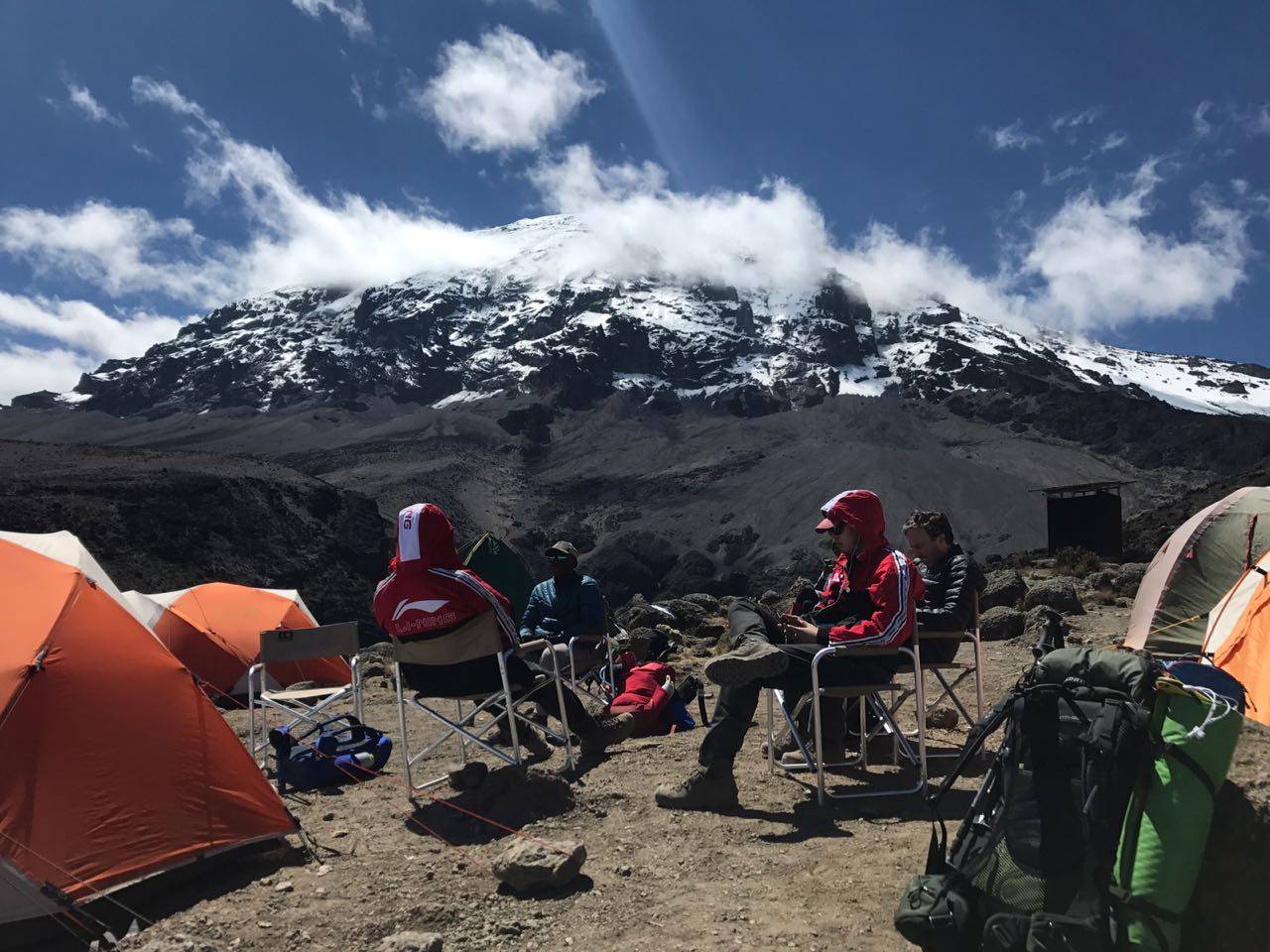
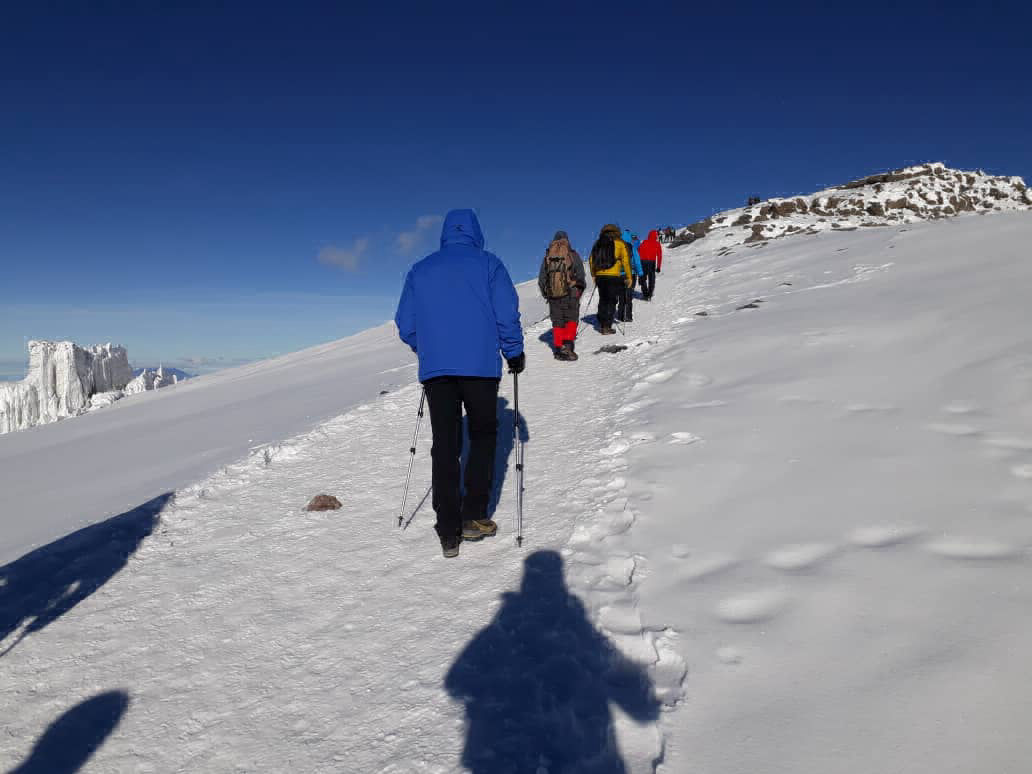
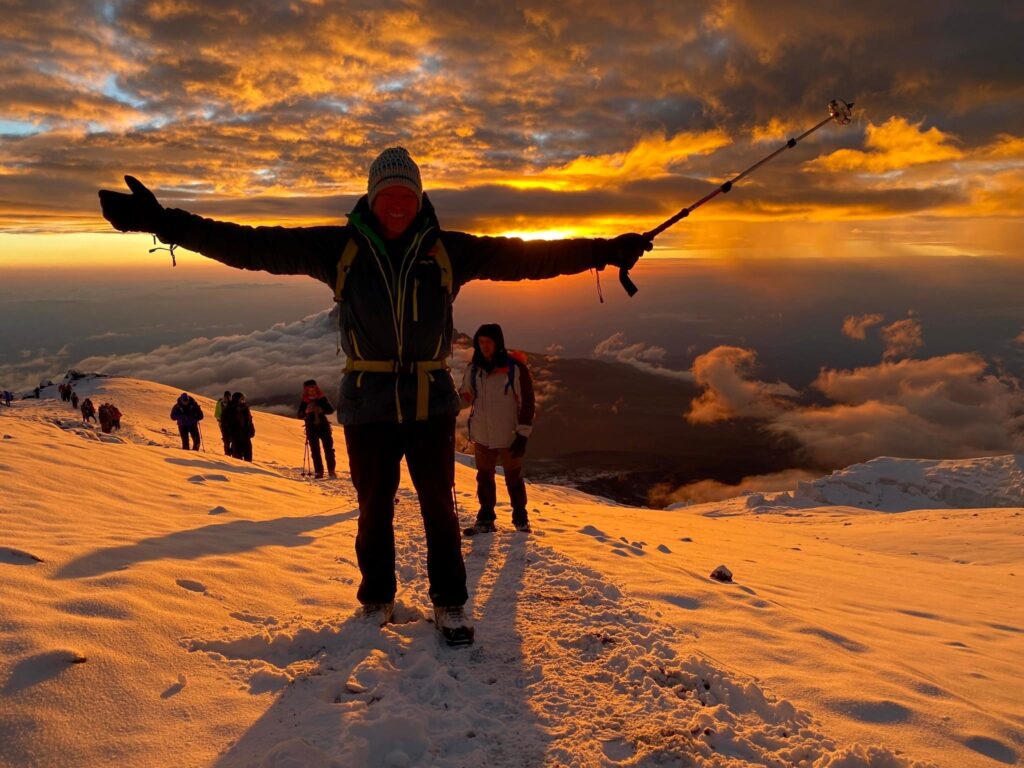
Understanding the Importance of Foothills Acclimatization for Kilimanjaro Climbs
The journey to Kilimanjaro’s summit is more than just a physical challenge; it’s a battle against altitude. While Kilimanjaro’s routes are designed with acclimatization in mind, starting this process even before you reach the mountain’s base can make a significant difference. The Kilimanjaro foothills acclimatization walk serves as an initial, low-impact introduction to thinner air, helping your body begin its adaptation process in a controlled environment.
This practice is particularly relevant for climbers planning their expeditions in the coming years, including 2026 and 2027. As interest in Kilimanjaro continues to grow, ensuring peak physical and physiological readiness is paramount. Top Guide Adventures strongly advocates for this pre-climb walk as part of a comprehensive preparation strategy.
Why is Acclimatization on Kilimanjaro So Critical?
Kilimanjaro stands at a formidable 5,895 meters (19,341 feet). The air pressure at the summit is roughly half that at sea level, meaning there’s significantly less oxygen available with each breath. Without proper acclimatization, your body struggles to compensate, leading to Altitude Sickness (Acute Mountain Sickness – AMS). AMS can manifest as headaches, nausea, dizziness, and fatigue, severely impacting your climb and, in extreme cases, requiring immediate descent.
Symptoms of AMS include:
- Headache
- Nausea and vomiting
- Dizziness or lightheadedness
- Fatigue and weakness
- Loss of appetite
- Difficulty sleeping
More severe forms like High Altitude Cerebral Edema (HACE) and High Altitude Pulmonary Edema (HAPE) are life-threatening and require immediate medical attention.
The fundamental principle of acclimatization is to ascend gradually, allowing your body time to adjust to the lower oxygen levels. This is achieved through specific climbing itineraries that incorporate “climb high, sleep low” strategies. However, starting this process even before the trek begins, with a Kilimanjaro foothills acclimatization walk, provides an invaluable head start.
The Role of a Kilimanjaro Foothills Acclimatization Walk
The concept behind a foothills acclimatization walk is simple yet effective: engage in light physical activity at an altitude slightly higher than your starting point (often Moshi or Arusha, around 1,000-1,500 meters) but significantly lower than the mountain’s peak. This gentle exertion helps stimulate red blood cell production and improves your body’s efficiency in utilizing oxygen.
Benefits of a Pre-Climb Foothills Walk
Participating in a Kilimanjaro foothills acclimatization walk offers several key advantages:
- Gradual Physiological Adaptation: Your body begins to produce more red blood cells, which carry oxygen, and your breathing may become deeper and more frequent, preparing you for the demands of higher altitudes.
- Reduced Risk of AMS: By initiating acclimatization early, you can lessen the severity and likelihood of experiencing altitude sickness symptoms during the initial stages of your climb.
- Physical and Mental Preparation: A light walk allows you to test your gear one last time, assess your current fitness level in a slightly different environment, and mentally focus on the upcoming challenge.
- Cultural Immersion: These walks often take you through local villages and farmlands, offering a glimpse into the lives of the Chagga people, the indigenous community of Kilimanjaro’s slopes. This adds a rich cultural dimension to your adventure.
- Enjoying the Scenery: The foothills boast lush vegetation, coffee plantations, and stunning views of Kilimanjaro itself, providing a beautiful and inspiring backdrop to your preparation.
Where and How to Conduct a Kilimanjaro Foothills Acclimatization Walk
Top Guide Adventures typically incorporates acclimatization opportunities into pre-climb preparations for clients booked for 2026 and 2027 expeditions. The most common locations for these walks are in the areas surrounding Moshi and Marangu, towns situated at the base of Kilimanjaro.
Common Acclimatization Walk Locations
- Marangu Village: Known as the “tourist gateway” to Kilimanjaro, Marangu is a popular starting point. Walks here can lead through coffee farms, local villages, and towards waterfalls, offering gentle ascents and beautiful scenery. The altitude here is around 1,800 meters (5,905 feet), providing a good initial step up from Moshi (around 900 meters).
- Kilema Village: Located on the southeastern side of Kilimanjaro, Kilema offers a less-traveled path with similar opportunities for walking through agricultural landscapes and experiencing local life.
- Materuni Village: Famous for its waterfalls and coffee tours, Materuni provides a fantastic option for a moderate acclimatization walk. It’s a chance to combine preparation with a cultural experience.
- Cheva Mountains: For those seeking slightly more challenging terrain without significant altitude gain, the lower slopes of the Cheva Mountains, near Moshi, offer well-maintained trails.
What to Expect During the Walk
The Kilimanjaro foothills acclimatization walk is designed to be light and enjoyable, not strenuous. The duration typically ranges from 2 to 4 hours, covering a few kilometers at a leisurely pace.
Your guide will lead you along scenic paths, explaining local flora and fauna, pointing out cultural landmarks, and ensuring you maintain a comfortable pace. The focus is on gentle movement and breathing in the slightly thinner air. You’ll likely encounter local farmers, children going to school, and perhaps visit a local market or a traditional homestead.
This is also an excellent time for your guide to review your trekking gear, ensuring your boots are comfortable, your layers are appropriate, and you have everything you need for the main ascent. It’s a final check to catch any last-minute issues before you begin the serious climb.
Planning Your Kilimanjaro Foothills Acclimatization Walk in 2026-2027
When planning your Kilimanjaro adventure for 2026 or 2027, integrating a foothills acclimatization walk should be a priority. Top Guide Adventures can help tailor this experience to your specific needs and the chosen climbing route.
Timing is Key
The ideal time for a Kilimanjaro foothills acclimatization walk is the day before your actual Kilimanjaro climb commences. This allows your body to benefit from the acclimatization immediately before you start ascending the mountain.
If you arrive in Tanzania a few days before your climb, you might consider a very gentle, short walk on your first full day to help with general jet lag and initial altitude adjustment, though the primary acclimatization walk should be close to the climb start.
What to Bring on Your Walk
Even for a short, gentle walk, preparation is important:
- Comfortable Walking Shoes: Your trekking boots, broken in, are ideal.
- Lightweight Clothing: Layers are always recommended, even in the foothills.
- Sun Protection: Hat, sunglasses, and sunscreen. The equatorial sun is strong.
- Water Bottle: Stay hydrated.
- Camera: To capture the beautiful scenery and local life.
- Small Backpack: To carry essentials.
The Role of Hydration and Nutrition in Acclimatization
While the physical act of walking is beneficial, what you consume plays an equally vital role in acclimatization. Proper hydration and nutrition are foundational for your body’s ability to adapt to altitude.
Hydration Strategies
Dehydration is a common issue on Kilimanjaro and can exacerbate AMS symptoms. Before, during, and after your foothills acclimatization walk, and throughout your entire climb, prioritize fluid intake.
- Drink Plenty of Water: Aim for 3-4 liters per day.
- Electrolytes: Consider adding electrolyte tablets or powders to your water, especially during strenuous activity or in warmer conditions.
- Avoid Alcohol and Caffeine: These can contribute to dehydration.
Nutritional Recommendations
Your diet should focus on easily digestible, energy-rich foods.
- Carbohydrates: These are your primary energy source. Focus on complex carbohydrates like rice, pasta, and potatoes.
- Balanced Meals: Ensure your meals include lean proteins and healthy fats.
- Avoid Heavy Foods: Rich, fatty, or difficult-to-digest meals can burden your system.
- Local Cuisine: Enjoy local Tanzanian dishes like Ugali (maize porridge), pilau (spiced rice), and various stews, but be mindful of how your body reacts.
The Kilimanjaro foothills acclimatization walk provides an excellent opportunity to practice these hydration and nutrition habits in a relaxed setting before the demands of the mountain.
Comparing Foothills Acclimatization with Mountain Acclimatization Strategies
It’s important to understand that a Kilimanjaro foothills acclimatization walk is a *preparatory* step, not a substitute for the acclimatization strategies built into the actual climb. The mountain routes are specifically designed to allow your body to adapt gradually over several days.
Acclimatization on the Mountain
Kilimanjaro routes, especially longer ones like the Lemosho, Machame, and Northern Circuit, are structured to follow the principle of ascending to a higher altitude during the day and descending to a lower altitude to sleep. This is the most effective way to acclimatize.
* “Climb High, Sleep Low”: This is the golden rule. By trekking to higher elevations during the day and returning to a lower camp to rest, your body is constantly stimulated to adapt without being pushed too hard overnight.
* Gradual Ascent Rate: Longer routes mean a slower pace, allowing more time for physiological adjustments.
* Rest Days: Some itineraries incorporate rest days or shorter hiking days to aid acclimatization.
The Foothills Walk as a Complement
The Kilimanjaro foothills acclimatization walk complements these mountain strategies by:
- Pre-conditioning: It gets your body thinking about higher altitudes and lower oxygen levels before the main event.
- Psychological Boost: It builds confidence and reduces pre-climb anxiety.
- Gear Check: It ensures all equipment is functional and comfortable.
Essentially, the foothills walk is the warm-up; the mountain climb is the main event where the most critical acclimatization occurs.
Choosing the Right Kilimanjaro Route and its Impact on Acclimatization Needs
While the foothills walk is beneficial for all climbers, the choice of Kilimanjaro route significantly influences how much acclimatization is built into the trek itself. For 2026-2027 expeditions, understanding these differences is key to selecting the best route for your goals and fitness.
Longer Routes (Lemosho, Machame, Northern Circuit)
These routes are renowned for their higher success rates, largely due to their superior acclimatization profiles. They are typically 7-9 days long, offering a more gradual ascent.
* Lemosho Route: Known for its scenic beauty and excellent acclimatization, it usually takes 7-8 days.
* Machame Route: Popular and scenic, it’s often done in 6-7 days, but a 7-day option provides better acclimatization.
* Northern Circuit: The longest route (9 days), it circles the mountain, offering the best acclimatization and highest success rates.
For these routes, the primary acclimatization happens on the mountain. A foothills walk serves as an excellent preparatory step, but the route’s design does the heavy lifting.
Shorter Routes (Marangu, Rongai)
These routes are often shorter (5-6 days) and tend to have lower success rates because they ascend more rapidly, giving the body less time to adapt.
* Marangu Route: The only route with hut accommodation, it’s often done in 5 days, which is very fast for acclimatization. A 6-day Marangu itinerary is strongly recommended for better chances.
* Rongai Route: Approaches from the north, it’s generally drier. A 6-day Rongai trek offers better acclimatization than a 5-day option.
For climbers choosing shorter routes, the Kilimanjaro foothills acclimatization walk becomes even more critical. It provides an essential initial boost to your body’s altitude adaptation before the rapid ascent begins.
Preparing Your Gear for the Climb: A Role for the Foothills Walk
Your gear is your lifeline on Kilimanjaro. The Kilimanjaro foothills acclimatization walk offers a practical, low-stakes environment to test key items.
Essential Gear Checks
- Boots: Ensure they are well broken-in and comfortable. Blisters or ill-fitting boots can derail a climb. A short walk helps identify any rubbing or pressure points.
- Backpack: Practice using your daypack. Is it comfortable? Can you easily access water and snacks?
- Trekking Poles: If you plan to use them, a walk in the foothills helps you get accustomed to their use and adjust their length.
- Layering System: Wear your base layers, mid-layers, and outer shell. How do they feel? Are they restrictive?
- Water Bottles/Hydration Pack: Ensure you can easily drink from your chosen system.
This final gear check before commencing the main climb can prevent discomfort and potential issues at higher, more critical altitudes. Top Guide Adventures ensures guides are available to offer advice during these pre-climb preparations for 2026-2027 trekkers.
Cultural Insights from the Kilimanjaro Foothills
Beyond acclimatization, the Kilimanjaro foothills acclimatization walk is a gateway to understanding the rich culture of the Chagga people, who have inhabited these fertile slopes for centuries.
The Chagga People and Their Way of Life
The Chagga are known for their agricultural prowess, particularly their cultivation of coffee, bananas, and other crops in the rich volcanic soil. Their traditional way of life is deeply intertwined with the mountain.
During your walk, you might:
- Visit a traditional Chagga homestead.
- Learn about their unique housing structures, often built in interconnected underground tunnels for protection.
- See how coffee is grown, harvested, and processed, perhaps even participating in a coffee-making demonstration.
- Understand their social structures, education systems, and historical resilience.
This cultural exchange adds significant value to your Kilimanjaro experience, transforming it from a mere physical challenge into a holistic adventure that connects you with the local heritage.
Potential Challenges and How to Overcome Them
While the Kilimanjaro foothills acclimatization walk is generally straightforward, minor challenges can arise. Being prepared helps ensure a smooth experience.
Minor Altitude Effects
Even at lower altitudes, some individuals might feel a slight lightheadedness or shortness of breath. This is usually temporary. The key is to listen to your body:
- Pace Yourself: Don’t try to keep up with others if you feel strained.
- Breathe Deeply: Focus on slow, deep breaths.
- Communicate: Inform your guide if you feel unwell.
Weather Variability
The weather in the foothills can change quickly. Expect sunshine, but be prepared for sudden rain showers, especially during the rainy seasons (typically March-May and November).
- Wear Layers: Easily add or remove clothing as needed.
- Waterproof Outerwear: A light rain jacket is advisable.
Navigating Local Paths
Paths can sometimes be uneven or muddy. Ensure your footwear provides good grip.
Integrating the Kilimanjaro Foothills Acclimatization Walk into Your 2026-2027 Travel Plans
As you finalize your plans for a 2026 or 2027 Kilimanjaro expedition with Top Guide Adventures, consider how this walk fits into your overall itinerary. It’s not just an optional add-on; it’s an integral part of a well-prepared climb.
Booking Your Kilimanjaro Adventure
When you book your Kilimanjaro climb with Top Guide Adventures, we discuss your pre-climb preparation options, including the foothills acclimatization walk. We can arrange this for you, ensuring it aligns perfectly with your arrival dates and chosen climbing route.
Our packages for 2026-2027 are designed with your success and safety in mind. We provide experienced guides who are knowledgeable about acclimatization, local culture, and mountain safety. Booking with us means you receive comprehensive support from the moment you inquire until you safely descend from Kilimanjaro.
Customizing Your Itinerary
We understand that every trekker is different. If you have specific concerns about altitude, fitness, or cultural experiences, we can customize your pre-climb activities. This might include:
- A longer or shorter acclimatization walk.
- A focused cultural tour.
- Additional rest days before the climb.
Our goal is to ensure you feel fully prepared and confident heading to the summit.
Testimonials and Expert Advice
Many climbers who have successfully summited Kilimanjaro with Top Guide Adventures attest to the importance of thorough preparation, including acclimatization activities.
“The gentle walk through the coffee plantations the day before we started our climb was incredibly helpful. It settled my nerves and allowed me to appreciate the beautiful surroundings before the serious ascent began. My guide was fantastic, pointing out local plants and explaining their uses.” – Sarah K., UK.
“We were a bit worried about altitude, but Top Guide Adventures insisted on the foothills walk and a longer route. It made all the difference. I felt much better prepared physically and mentally. The walk was a lovely introduction to Tanzania.” – David R., USA.
Expert advice from our lead guides consistently emphasizes that while Kilimanjaro’s routes are designed for acclimatization, any step taken to pre-condition the body is beneficial. A Kilimanjaro foothills acclimatization walk is a simple, low-risk way to gain that edge.
The Role of Top Guide Adventures in Your Preparation
As one of Tanzania’s trusted tour companies, Top Guide Adventures is dedicated to providing complete travel experiences with personal attention. We organize everything from Kilimanjaro climbs to safaris and Zanzibar holidays.
For your Kilimanjaro climb, especially planning for 2026-2027, we offer:
- Expert Guidance: Experienced guides who prioritize your safety and success.
- Tailored Itineraries: Routes and durations chosen for optimal acclimatization.
- Pre-Climb Support: Including arranging acclimatization walks and gear checks.
- Logistical Management: Airport transfers, accommodation, and all necessary permits.
- Personalized Care: Dedicated support throughout your journey.
We believe that a successful Kilimanjaro climb is built on meticulous planning and preparation. The Kilimanjaro foothills acclimatization walk is a cornerstone of this preparation.
Frequently Asked Questions about Kilimanjaro Foothills Acclimatization Walks
What is the primary goal of a Kilimanjaro foothills acclimatization walk?
The primary goal is to gently introduce your body to slightly higher altitudes and thinner air before beginning the main Kilimanjaro ascent, helping to initiate the acclimatization process and reduce the risk of altitude sickness.
Is a foothills acclimatization walk mandatory?
While not strictly mandatory, it is highly recommended by experienced guides and tour operators like Top Guide Adventures, especially for those concerned about altitude or choosing shorter climbing routes. It significantly enhances preparation.
How long does a typical foothills acclimatization walk last?
A typical walk lasts between 2 to 4 hours, covering a few kilometers at a relaxed pace. It’s designed to be light and enjoyable, not strenuous.
What altitude do you reach during a foothills acclimatization walk?
These walks usually take place around towns like Marangu or Kilema, which are at altitudes between 1,800 to 2,200 meters (approximately 5,900 to 7,200 feet), offering a good initial step up from Moshi or Arusha.
Can I do a foothills walk on the same day I start my climb?
It is best done the day *before* your climb begins. Doing it on the same day might leave you fatigued for the initial ascent. The purpose is to prepare *before* the main effort.
What should I wear and bring for the walk?
Wear comfortable walking shoes or your broken-in trekking boots, light layers of clothing, a sun hat, sunglasses, and sunscreen. Bring a water bottle and a small backpack for essentials.
Will this walk help me avoid altitude sickness entirely?
It significantly helps reduce the risk and severity of altitude sickness symptoms by starting the acclimatization process early. However, it does not guarantee complete prevention, as acclimatization on the mountain itself is paramount.
Can Top Guide Adventures arrange this walk for me?
Yes, absolutely. Top Guide Adventures can arrange a Kilimanjaro foothills acclimatization walk as part of your pre-climb preparation for your 2026-2027 expedition. We tailor it to your itinerary and needs.
Conclusion: Your Foundation for a Successful Kilimanjaro Summit
The Kilimanjaro foothills acclimatization walk is more than just a gentle stroll; it’s a strategic component of your preparation for conquering Kilimanjaro. By gradually exposing your body to higher altitudes, testing your gear, and offering a chance for cultural immersion, this walk lays a crucial foundation for your ascent. It’s particularly beneficial for those planning their climb in 2026 and 2027, ensuring you begin your journey with your body and mind optimally prepared.
Top Guide Adventures is committed to making your Kilimanjaro dream a reality. We focus on safety, success, and an unforgettable experience. Integrating a Kilimanjaro foothills acclimatization walk into your itinerary is a testament to this commitment. Let us help you prepare thoroughly, so you can focus on the incredible journey ahead.
Ready to plan your 2026 or 2027 Kilimanjaro adventure? Contact us today for personalized advice and to arrange your essential foothills acclimatization walk and climb. Reach us via WhatsApp +255616946642 or email us at topguideadventures@gmail.com. For additional inquiries, our backup email is info@topguideadventures.com. Visit our website at www.topguideadventures.com for more information on our comprehensive Tanzania travel experiences.”,
“faq_schema”: [
{
“question”: “What is the primary goal of a Kilimanjaro foothills acclimatization walk?”,
“answer”: “The primary goal is to gently introduce your body to slightly higher altitudes and thinner air before beginning the main Kilimanjaro ascent, helping to initiate the acclimatization process and reduce the risk of altitude sickness.”
},
{
“question”: “Is a foothills acclimatization walk mandatory?”,
“answer”: “While not strictly mandatory, it is highly recommended by experienced guides and tour operators like Top Guide Adventures, especially for those concerned about altitude or choosing shorter climbing routes. It significantly enhances preparation.”
},
{
“question”: “How long does a typical foothills acclimatization walk last?”,
“answer”: “A typical walk lasts between 2 to 4 hours, covering a few kilometers at a relaxed pace. It’s designed to be light and enjoyable, not strenuous.”
},
{
“question”: “What altitude do you reach during a foothills acclimatization walk?”,
“answer”: “These walks usually take place around towns like Marangu or Kilema, which are at altitudes between 1,800 to 2,200 meters (approximately 5,900 to 7,200 feet), offering a good initial step up from Moshi or Arusha.”
},
{
“question”: “Can I do a foothills walk on the same day I start my climb?”,
“answer”: “It is best done the day *before* your climb begins. Doing it on the same day might leave you fatigued for the initial ascent. The purpose is to prepare *before* the main effort.”
},
{
“question”: “What should I wear and bring for the walk?”,
“answer”: “Wear comfortable walking shoes or your broken-in trekking boots, light layers of clothing, a sun hat, sunglasses, and sunscreen. Bring a water bottle and a small backpack for essentials.”
},
{
“question”: “Will this walk help me avoid altitude sickness entirely?”,
“answer”: “It significantly helps reduce the risk and severity of altitude sickness symptoms by starting the acclimatization process early. However, it does not guarantee complete prevention, as acclimatization on the mountain itself is paramount.”
},
{
“question”: “Can Top Guide Adventures arrange this walk for me?”,
“answer”: “Yes, absolutely. Top Guide Adventures can arrange a Kilimanjaro foothills acclimatization walk as part of your pre-climb preparation for your 2026-2027 expedition. We tailor it to your itinerary and needs.”
}
]
}
“`
Check Availability for Kilimanjaro Foothills Acclimatization Walk 2026-2027
Ready to compare dates, prices, and the best option for your group? Send the package name and travel month so the team can reply with a clear quote, availability, and what is included.

Best Acclimatization Hikes Near Kilimanjaro For Climbs 2026-2027
Optimize your Kilimanjaro climb by selecting the best acclimatization hikes near the mountain. This guide details essential pre-climb training and routes for 2026-2027.
View package details
Kilimanjaro Climb With An Additional Acclimatization Day: Your Best Strategy
Planning a Kilimanjaro climb? Adding an extra acclimatization day significantly boosts your chances of reaching Uhuru Peak safely and comfortably. This guide details the benefits, best...
View package details
Kilimanjaro Acclimatization For Slow-Paced Groups 2026-2027
Kilimanjaro Acclimatization for Slow-Paced Groups is explained with current 2026-2027 planning, price, itinerary and booking information.
View package details
Kilimanjaro Acclimatization For Senior Climbers: Essential Strategies
This comprehensive guide details essential Kilimanjaro acclimatization strategies specifically for senior climbers planning their ascent in 2026 or 2027. It covers preparation, route...
View package details
Kilimanjaro Acclimatization And Gear-Rental Package 2026-2027
Kilimanjaro Acclimatization and Gear-Rental Package is explained with current 2026-2027 planning, price, itinerary and booking information.
View package details
Kilimanjaro Acclimatization Program For Beginners: Your Ultimate Guide
A comprehensive guide for beginners on Kilimanjaro acclimatization, detailing essential strategies, route choices, and preparation tips for a safe and successful climb. Includes insights...
View package details
Kilimanjaro Acclimatization Package For Sea-Level Travellers | Top Guide
Planning a Kilimanjaro climb from sea level? Top Guide Adventures offers specialized acclimatization packages designed to maximize your success and safety. Learn about essential...
View package details
Mount Longido Acclimatization Hike Before Kilimanjaro Climb | Top Guide
Discover why a Mount Longido acclimatization hike is crucial for Kilimanjaro success. Learn about its benefits, routes, and how Top Guide Adventures can integrate it into your 2026-2027...
View package details
Mount Meru Acclimatization Before Kilimanjaro: A Comprehensive Guide 2026-2027
Discover why climbing Mount Meru before your Kilimanjaro trek is a strategic advantage for acclimatization. This guide details routes, benefits, and planning for 2026-2027.
View package detailsThree-Day Pre-Kilimanjaro Acclimatization Tour: Optimize Your Climb 2026-2027
Enhance your Kilimanjaro climb with a strategic three-day pre-climb acclimatization tour. This expert guide covers why it's crucial, what to expect, and how Top Guide Adventures can tailor...
View package detailsTwo-Day Kilimanjaro Acclimatization Package In Moshi: Your Essential
This comprehensive guide details the Two-Day Kilimanjaro Acclimatization Package in Moshi, offering essential preparation for climbers. Discover how this package enhances your ascent safety...
View package details
Kilimanjaro Climb With A Private Sleeping Tent: Your Ultimate Comfort Guide
Planning a Kilimanjaro climb? Discover the benefits of opting for a private sleeping tent, ensuring personal space and comfort on the mountain. This guide covers everything you need to know...
View package detailsNo related package matches those filters. Clear one or more filters to see the other topic-matched options.



