
A Kilimanjaro acclimatization program for beginners focuses on gradual ascent, proper hydration, adequate rest, and understanding the signs of altitude sickness to allow the body to adjust to lower oxygen levels, significantly increasing the chances of a safe and successful summit bid. For first-time climbers in 2026-2027, prioritizing longer routes (7-8 days) is crucial for effective acclimatization, as they offer a slower, more sustainable pace.
Understanding Altitude and Acclimatization on Kilimanjaro
Climbing Mount Kilimanjaro, Africa’s highest peak at 5,895 meters (19,341 feet), is an aspirational goal for many trekkers. While often described as a ‘walk-up’ mountain, its immense altitude presents a significant physiological challenge. For beginners, the key to a successful and enjoyable climb lies not just in physical fitness, but critically, in a well-structured acclimatization program. This program is designed to help your body adapt to the decreasing oxygen levels as you ascend, minimizing the risk of altitude sickness and maximizing your chances of reaching the summit.
The air pressure at the summit of Kilimanjaro is roughly half that at sea level. This means that for every breath you take, your body receives only about 50% of the oxygen it would get at lower altitudes. This oxygen deficit can quickly lead to symptoms of Acute Mountain Sickness (AMS), which can range from mild headaches and nausea to severe, life-threatening conditions like HAPE (High Altitude Pulmonary Edema) and HACE (High Altitude Cerebral Edema). A proper acclimatization program is your primary defense against these serious risks.
At Top Guide Adventures, we understand that every climber is unique, and their journey to the Roof of Africa should be tailored to their needs. Our approach to Kilimanjaro acclimatization for beginners is rooted in decades of experience, ensuring safety, enjoyment, and a high success rate. We don’t just offer a trek; we offer a complete, supportive adventure where your well-being is our utmost priority.
The Science Behind Altitude Sickness
Altitude sickness occurs when you ascend too quickly for your body to adapt to the lower atmospheric pressure and reduced oxygen. The primary physiological response required is the production of more red blood cells to carry oxygen more efficiently. This process takes time – typically several days. When you climb too fast, your body doesn’t have this time, leading to symptoms.
Key factors influencing altitude sickness include:
- Rate of ascent: The faster you climb, the higher the risk.
- Altitude reached: Higher altitudes mean less oxygen.
- Individual susceptibility: Some people are naturally more prone than others. Fitness doesn’t always correlate with altitude tolerance.
- Previous exposure: While helpful, it doesn’t guarantee immunity.
- Hydration and exertion: Dehydration and overexertion can worsen symptoms.
Recognizing the symptoms is crucial. Mild AMS can manifest as:
- Headache
- Nausea or vomiting
- Dizziness
- Fatigue
- Loss of appetite
- Difficulty sleeping
If symptoms worsen or new ones appear, such as:
- Severe headache unresponsive to medication
- Shortness of breath at rest
- Cough (especially if producing frothy sputum)
- Confusion or disorientation
- Loss of coordination (ataxia)
- Chest tightness or congestion
These could indicate HAPE or HACE, which are medical emergencies requiring immediate descent. This underscores why a structured Kilimanjaro acclimatization program for beginners is not optional but essential.
Designing an Effective Kilimanjaro Acclimatization Program for Beginners
The most effective acclimatization strategy on Kilimanjaro is to climb high and sleep low, and to ascend gradually. This principle is built into the design of longer trekking routes. For beginners, choosing the right route and duration is the first and most critical step in their acclimatization program.
Route Selection: The Cornerstone of Acclimatization
Not all Kilimanjaro routes are created equal when it comes to acclimatization. Some routes ascend too steeply, leading to a higher incidence of altitude sickness. Others are designed with acclimatization in mind, offering more gradual ascents and opportunities for ‘climb high, sleep low’ days.
Recommended Routes for Beginners Prioritizing Acclimatization:
- Lemosho Route (7-8 days): Often considered the most scenic and one of the best for acclimatization. It offers a gradual ascent through diverse landscapes and includes valuable ‘climb high, sleep low’ opportunities. An 8-day Lemosho trek provides an extra day for acclimatization, significantly boosting success rates.
- Machame Route (7 days): Popular for its scenic beauty and good acclimatization profile, especially when opting for the 7-day version. It also features ‘climb high, sleep low’ sections. The 6-day Machame is possible but less ideal for beginners focused on acclimatization.
- Northern Circuit (9 days): The longest route, circumnavigating the mountain. This extended duration offers the best acclimatization possible, making it an excellent choice for beginners who want the highest chance of success and a more relaxed pace.
Routes to approach with caution for beginners focused on acclimatization:
- Marangu Route (5-6 days): Known as the ‘Coca-Cola’ route, it’s popular due to its hut accommodation and shorter duration. However, its direct ascent and lack of ‘climb high, sleep low’ days make it one of the routes with the lowest success rates, especially for beginners who aren’t prioritizing acclimatization. The 5-day option is particularly challenging from an acclimatization perspective.
- Rongai Route (6-7 days): Approaches from the north, offering a different perspective and drier conditions. While generally good, the 6-day option might still be a bit quick for some beginners compared to the longer routes. The 7-day option is a better choice.
Top Guide Adventures strongly recommends the Lemosho (8-day) or Northern Circuit (9-day) routes for beginners whose primary concern is effective acclimatization. These routes provide the necessary time for your body to adjust, making the experience safer and more rewarding. For 2026-2027 climbs, booking these longer options is a wise decision.
The Importance of Duration
The number of days spent on the mountain is directly linked to acclimatization. The general rule of thumb is that for every 1,000 meters (3,280 feet) of altitude gained, you should spend at least one additional day acclimatizing. Kilimanjaro’s summit is nearly 6,000 meters. This highlights why shorter treks are problematic for beginners.
A minimum of 7 days is recommended for beginners. 8 or 9 days offer significantly better acclimatization and higher success rates.
- 5-day treks: Very steep ascent, high risk of AMS, low success rate for beginners.
- 6-day treks: Better, but still quite rapid for many beginners.
- 7-day treks: Good balance, common recommendation, but can still feel rushed for some.
- 8-day treks: Excellent acclimatization, significantly higher success rates, more enjoyable pace.
- 9-day treks: Optimal acclimatization, highest success rates, most comfortable for beginners.
When planning your Kilimanjaro climb for 2026 or 2027, consider that booking an 8-day or 9-day trek is an investment in your safety and success. This is a core component of any beginner’s Kilimanjaro acclimatization program.
‘Climb High, Sleep Low’ Strategy
This is a fundamental principle of high-altitude trekking. It involves ascending to a higher altitude during the day’s trek and then descending to a lower altitude camp to sleep. This process stimulates your body to produce more red blood cells and adapt to the altitude while you rest.
Routes like Lemosho and Machame incorporate this strategy naturally. For example, on the Lemosho route, you might trek up to Lava Tower (4,630m) and then descend to Barranco Camp (3,950m) to sleep. This day is crucial for acclimatization, allowing your body to experience higher altitudes without the strain of sleeping there overnight.
Pre-Climb Preparation for Optimal Acclimatization
While on the mountain, acclimatization is managed by your guides and the chosen route. However, preparation before you even arrive in Tanzania plays a significant role in how well your body handles the altitude. This is a vital part of your Kilimanjaro acclimatization program for beginners.
Physical Fitness: More Than Just Endurance
While you don’t need to be an elite athlete, a good level of cardiovascular fitness is essential. This helps your body utilize oxygen more efficiently. Focus on:
- Aerobic exercises: Hiking with a backpack, running, cycling, swimming for at least 3-4 times a week in the months leading up to your climb.
- Strength training: Focus on legs and core muscles to handle the constant uphill and downhill trekking.
- Hiking practice: The best preparation is hiking! Try to do long hikes (4-6 hours) with elevation gain, wearing the boots and backpack you plan to use. This helps condition your body and feet, and tests your gear.
Remember, being fit helps you enjoy the trek more, but it doesn’t prevent altitude sickness. Acclimatization is the primary factor for that.
Medical Consultation and Medications
Before booking your 2026 or 2027 climb, consult your doctor. Discuss your plans and inquire about:
- Diamox (Acetazolamide): This prescription medication is commonly used to aid acclimatization. It helps your body adjust to altitude faster by increasing breathing rate and making your blood more alkaline, which stimulates respiration. It is not a cure for AMS but can help prevent or reduce symptoms. Your doctor will advise on dosage and potential side effects.
- General health check: Ensure you are in good health and have no underlying conditions that could be exacerbated by high altitude.
Note: Always follow your doctor’s advice regarding any medication. Top Guide Adventures cannot provide medical advice or prescribe medication.
Hydration and Nutrition Before and During the Climb
Dehydration is a major contributor to altitude sickness. Aim to drink plenty of fluids in the days leading up to your trek and consistently throughout the climb.
- Pre-climb: Increase your fluid intake starting a week before your trek.
- During the climb: Drink at least 3-4 liters of water per day. Electrolyte mixes can also be beneficial. Avoid alcohol and excessive caffeine, as they can contribute to dehydration.
A balanced diet is also important. Focus on carbohydrates for energy, especially in the days before and during the trek. Your guides will ensure you receive nutritious meals on the mountain.
Mental Preparation
Kilimanjaro is a mental as much as a physical challenge. Understanding the risks, trusting your guides, and maintaining a positive attitude are crucial. Be prepared for slow progress, variable weather, and the physical discomfort that can accompany high altitude.
On the Mountain: Implementing the Acclimatization Program
Once you start your trek, your guides will be managing your ascent pace and monitoring your health. Your active participation in the Kilimanjaro acclimatization program for beginners is essential.
Pacing Your Climb
‘Pole pole’ (slowly, slowly) is the mantra on Kilimanjaro. Your guides will set a pace that is deliberately slow, allowing your body to adjust. Resist the urge to rush ahead, even if you feel strong. The goal is steady, consistent progress.
Hydration and Nutrition on Trek
Continue to drink at least 3-4 liters of water daily. Eat well at every meal, even if your appetite is reduced. High-energy snacks are also important for maintaining energy levels between meals. Your guides will encourage you to eat and drink regularly.
Monitoring for Altitude Sickness Symptoms
Be honest with yourself and your guides about how you are feeling. Report any symptoms, no matter how mild, immediately. Your guide is trained to assess AMS symptoms and will make decisions regarding your ascent based on your well-being.
Key questions your guides may ask:
- Do you have a headache?
- Do you feel nauseous?
- Are you feeling dizzy?
- How is your appetite?
- Are you sleeping well?
Never ignore symptoms. Your life could depend on prompt reporting and action.
Rest and Sleep
Adequate rest is vital for acclimatization. While sleep quality can be affected by altitude, try to rest as much as possible. Avoid strenuous activity in camp, and listen to your body.
The Summit Night
Summit night is the most challenging part of the climb. You will typically start very late at night (around midnight) to reach the summit shortly after sunrise. This is the highest point, and the combination of extreme altitude, cold, wind, and darkness makes acclimatization even more critical.
Your guides will monitor you closely throughout summit night. The pace will be extremely slow. Even if you feel well, the cold and exertion can be overwhelming. Staying hydrated and eating small, high-energy snacks is crucial, even when you don’t feel like it.
If symptoms of AMS worsen significantly during summit night, your guide may advise you to turn back. This is a difficult decision, but safety always comes first. Remember, reaching the summit is optional; returning safely is mandatory.
Post-Climb Acclimatization and Recovery
Once you descend from Kilimanjaro, your body will continue to adjust. While the immediate threat of altitude sickness subsides with descent, it’s important to allow your body to recover fully.
- Stay hydrated: Continue drinking plenty of fluids.
- Eat well: Nourish your body to aid recovery.
- Rest: Allow yourself time to relax and recover before strenuous activities.
- Monitor for delayed symptoms: Although rare, some symptoms can appear hours after descent. If you experience any concerning symptoms, seek medical attention.
Common Mistakes Beginners Make Regarding Acclimatization
Understanding common pitfalls can help you avoid them. For beginners planning their Kilimanjaro acclimatization program, these are critical to note:
- Choosing a short route: Opting for a 5 or 6-day trek is the most common mistake. This sacrifices crucial acclimatization time for perceived cost savings or time constraints.
- Ignoring early symptoms: Trying to tough out mild headaches or nausea can lead to severe AMS.
- Rushing the ascent: Walking too fast, even if you feel fit, hinders your body’s ability to adapt.
- Inadequate hydration: Not drinking enough water is a major contributor to AMS.
- Skipping pre-climb medical advice: Not consulting a doctor about Diamox or other preventative measures.
- Overexertion on acclimatization days: Pushing too hard on days designed for rest and adaptation.
- Underestimating the cold and altitude on summit night: Not being mentally or physically prepared for the final push.
Tailoring Your Kilimanjaro Acclimatization Program with Top Guide Adventures
At Top Guide Adventures, we specialize in creating safe, memorable, and successful Kilimanjaro climbs for beginners. Our Kilimanjaro acclimatization program for beginners is integrated into every aspect of our treks.
Expert Guidance for Your Climb
Our guides are highly experienced, certified, and trained in wilderness first aid and altitude sickness management. They are dedicated to ensuring your safety and well-being throughout the trek. They will:
- Monitor your health daily.
- Advise on pacing (‘pole pole’).
- Ensure you are hydrating and eating sufficiently.
- Make critical decisions regarding your ascent based on your condition.
Recommended Itineraries for Beginners (2026-2027)
For the best acclimatization, we strongly recommend the following itineraries:
8-Day Lemosho Route Itinerary Example
- Day 1: Arrive in Moshi, briefing, and overnight.
- Day 2: Londorossi Gate to Mti Mkubwa Camp (3,100m).
- Day 3: Mti Mkubwa Camp to Shira 1 Camp (3,650m).
- Day 4: Shira 1 Camp to Shira 2 Camp (3,850m) via Shira Plateau.
- Day 5: Shira 2 Camp to Barranco Camp (3,950m) via Lava Tower (4,630m) – Climb high, sleep low.
- Day 6: Barranco Camp to Karanga Camp (3,995m) via Barranco Wall.
- Day 7: Karanga Camp to Barafu Camp (4,640m).
- Day 8: Summit attempt (Uhuru Peak, 5,895m) and descent to Mweka Camp (3,100m).
- Day 9: Mweka Camp to Mweka Gate and transfer to Moshi.
9-Day Northern Circuit Itinerary Example
- Day 1: Arrive in Moshi, briefing, and overnight.
- Day 2: Londorossi Gate to Mti Mkubwa Camp (3,100m).
- Day 3: Mti Mkubwa Camp to Shira 2 Camp (3,850m).
- Day 4: Shira 2 Camp to Lava Tower (4,630m) then to Karanga Valley (4,030m).
- Day 5: Karanga Valley to Barafu Camp (4,640m).
- Day 6: Barafu Camp to Kibo Summit (5,700m) then descend to Horombo Hut (3,700m).
- Day 7: Horombo Hut to Mandara Hut (2,700m).
- Day 8: Mandara Hut to Marangu Gate and transfer to Moshi.
- Day 9: Departure or optional Zanzibar extension.
Note: The Northern Circuit often uses the Marangu descent route.
These longer itineraries are specifically designed to facilitate optimal acclimatization for beginners, ensuring a more comfortable and successful climb for your 2026 or 2027 adventure.
Investment in Your Climb (2026-2027)
While specific pricing varies based on group size, chosen route, and inclusions, investing in a reputable operator like Top Guide Adventures ensures your safety and success. Our packages are designed to offer excellent value, prioritizing experienced guides, quality equipment, and comprehensive support. For detailed pricing and inclusions for 2026-2027 climbs, please contact us directly.
Key factors influencing cost:
- Route duration: Longer routes (8-9 days) are more expensive but offer better acclimatization.
- Group size: Private climbs are more costly than joining a group.
- Inclusions: What is covered (e.g., gear rental, tips, accommodation before/after).
We believe that a slightly higher initial investment for a longer, well-supported trek is crucial for a beginner’s Kilimanjaro acclimatization program and overall success.
Booking Your Kilimanjaro Adventure
Planning a Kilimanjaro climb for 2026 or 2027 requires foresight. The best routes and dates, especially for beginners prioritizing acclimatization, book up quickly. Contact Top Guide Adventures early to secure your spot.
Our team is ready to answer all your questions and help you craft the perfect Kilimanjaro experience. We provide personal attention, care, and dedicated support from your initial inquiry right through to your triumphant return.
Don’t leave your dream of climbing Kilimanjaro to chance. Invest in a well-planned acclimatization program with experienced professionals. Let us guide you safely to the Roof of Africa.
For inquiries or to start planning your Kilimanjaro acclimatization program for beginners, reach out to us:
WhatsApp: +255616946642
Email: topguideadventures@gmail.com
Backup Email: info@topguideadventures.com
Visit our website for more information on our services and to see testimonials from satisfied adventurers: www.topguideadventures.com. You can also find us on Instagram at @top_guide_adventures and read reviews on TripAdvisor: Top Guide Adventures Reviews.
Check Availability for Kilimanjaro Acclimatization Program For Beginners: Your Ultimate Guide
Ready to compare dates, prices, and the best option for your group? Send the package name and travel month so the team can reply with a clear quote, availability, and what is included.

Best Acclimatization Hikes Near Kilimanjaro For Climbs 2026-2027
Optimize your Kilimanjaro climb by selecting the best acclimatization hikes near the mountain. This guide details essential pre-climb training and routes for 2026-2027.
View package details
Kilimanjaro Climb With An Additional Acclimatization Day: Your Best Strategy
Planning a Kilimanjaro climb? Adding an extra acclimatization day significantly boosts your chances of reaching Uhuru Peak safely and comfortably. This guide details the benefits, best...
View package details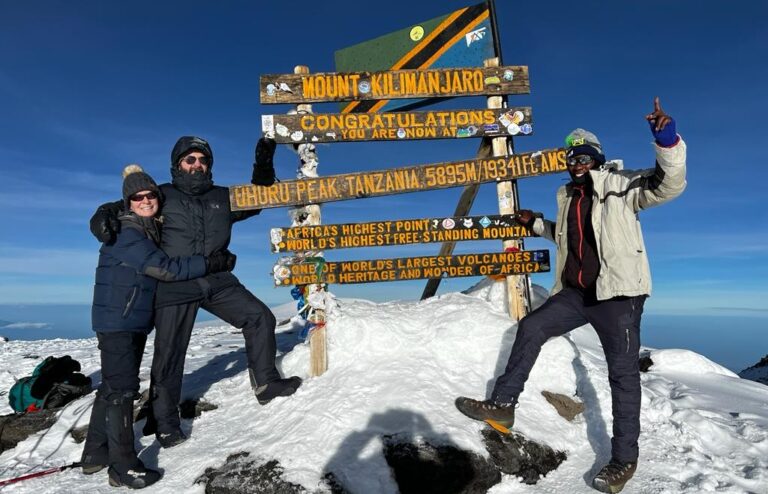
Kilimanjaro Acclimatization For Slow-Paced Groups 2026-2027
Kilimanjaro Acclimatization for Slow-Paced Groups is explained with current 2026-2027 planning, price, itinerary and booking information.
View package details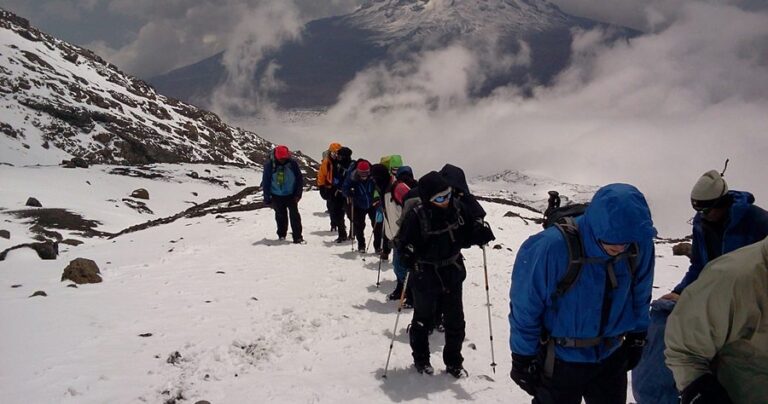
Kilimanjaro Acclimatization For Senior Climbers: Essential Strategies
This comprehensive guide details essential Kilimanjaro acclimatization strategies specifically for senior climbers planning their ascent in 2026 or 2027. It covers preparation, route...
View package details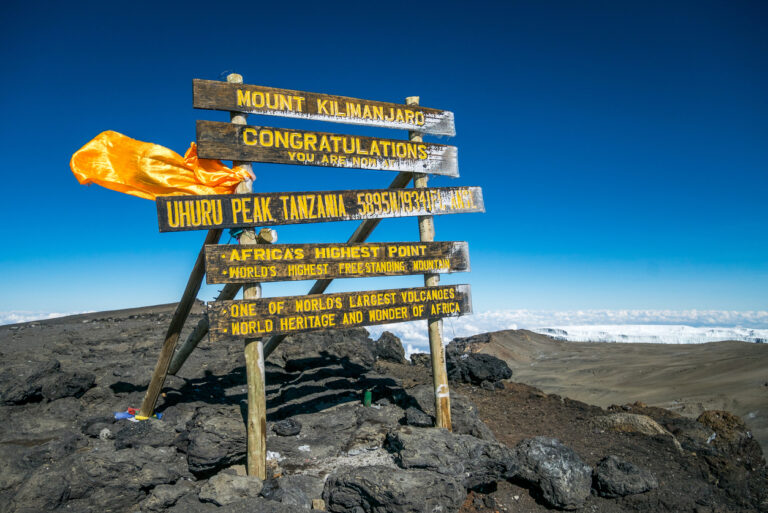
Kilimanjaro Acclimatization And Gear-Rental Package 2026-2027
Kilimanjaro Acclimatization and Gear-Rental Package is explained with current 2026-2027 planning, price, itinerary and booking information.
View package details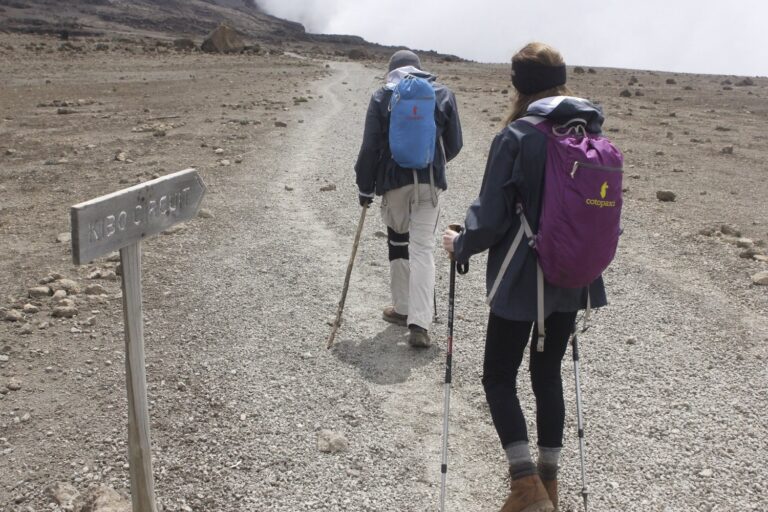
Kilimanjaro Acclimatization Package For Sea-Level Travellers | Top Guide
Planning a Kilimanjaro climb from sea level? Top Guide Adventures offers specialized acclimatization packages designed to maximize your success and safety. Learn about essential...
View package details
Kilimanjaro Foothills Acclimatization Walk 2026-2027
Kilimanjaro Foothills Acclimatization Walk is explained with current 2026-2027 planning, price, itinerary and booking information.
View package detailsMount Longido Acclimatization Hike Before Kilimanjaro Climb | Top Guide
Discover why a Mount Longido acclimatization hike is crucial for Kilimanjaro success. Learn about its benefits, routes, and how Top Guide Adventures can integrate it into your 2026-2027...
View package details
Mount Meru Acclimatization Before Kilimanjaro: A Comprehensive Guide 2026-2027
Discover why climbing Mount Meru before your Kilimanjaro trek is a strategic advantage for acclimatization. This guide details routes, benefits, and planning for 2026-2027.
View package detailsThree-Day Pre-Kilimanjaro Acclimatization Tour: Optimize Your Climb 2026-2027
Enhance your Kilimanjaro climb with a strategic three-day pre-climb acclimatization tour. This expert guide covers why it's crucial, what to expect, and how Top Guide Adventures can tailor...
View package detailsTwo-Day Kilimanjaro Acclimatization Package In Moshi: Your Essential
This comprehensive guide details the Two-Day Kilimanjaro Acclimatization Package in Moshi, offering essential preparation for climbers. Discover how this package enhances your ascent safety...
View package details
Kilimanjaro Hydration Salts And Electrolyte Guide For Trekkers 2026-2027
Proper hydration is critical for a successful Kilimanjaro climb. This comprehensive guide focuses on the vital role of hydration salts and electrolytes, explaining how they aid...
View package detailsNo related package matches those filters. Clear one or more filters to see the other topic-matched options.



