
Kilimanjaro campsites are generally not entirely private in the sense of being exclusive to your group, especially on the more popular routes. While your trekking group will have its designated tent area, campsites are shared spaces where multiple groups may be present. However, the degree of perceived privacy depends on the route, the operator, camp setup, and the number of climbers. Your personal tent offers a private sanctuary, but common areas and the overall camp environment are shared. Understanding this is key to managing expectations for your 2026 or 2027 climb.
Understanding Kilimanjaro Campsite Privacy: What to Expect
When you imagine climbing Kilimanjaro, you might picture yourself in a serene, isolated wilderness. While the mountain offers moments of profound solitude and impressive natural beauty, the reality of camping on its slopes involves a shared environment. The question of how private are Kilimanjaro campsites is a common one for trekkers planning their expedition, especially those seeking a more intimate experience. Top Guide Adventures understands that personal space and comfort are vital components of a successful and enjoyable climb. This comprehensive guide will demystify the privacy aspects of Kilimanjaro campsites, covering everything from your personal tent to the shared camp infrastructure and how to maximize your sense of privacy.
The fundamental truth is that Kilimanjaro campsites are designated areas within the national park, and multiple trekking groups, managed by various tour operators, will often share these same camping locations each night. This is a necessary aspect of managing the flow of climbers on the mountain and ensuring safety and resource management within the park. However, this sharing doesn’t mean a complete lack of personal space or constant disruption. Your private tent is your personal haven, and responsible tour operators, like Top Guide Adventures, implement strategies to ensure your comfort and minimize any intrusions on your privacy.
We will explore the different factors that influence privacy, including the specific routes you might take, the choice of tour operator, the timing of your climb (considering peak seasons versus shoulder seasons in 2026-2027), and the general layout of a Kilimanjaro campsite. By understanding these elements, you can better prepare for your trek and make informed decisions to enhance your experience.
The Nature of Kilimanjaro Campsites: Shared Spaces
Kilimanjaro National Park designates specific zones for camping at various altitudes. These are not private plots of land but rather established camping grounds that serve the needs of many climbing groups. Think of them as communal camping areas within a national park setting. During peak seasons, which often include the dry months from January to March and June to October, these campsites can become quite busy.
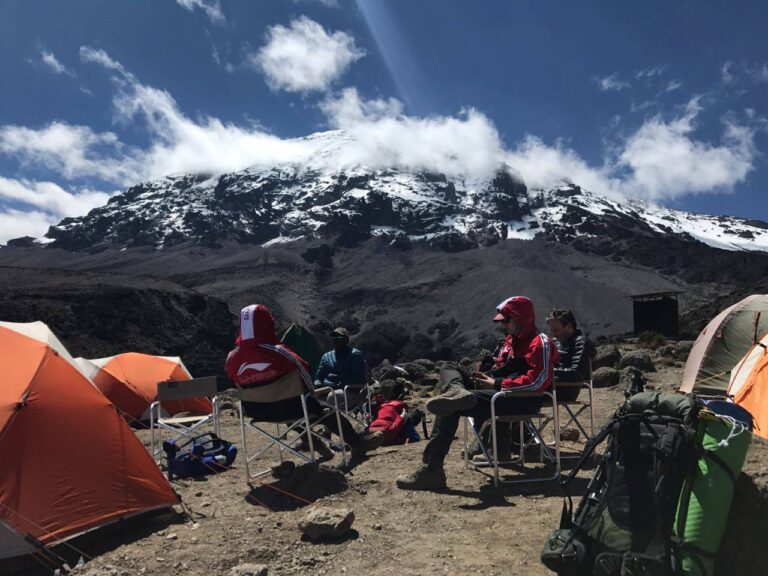
When your group arrives at a campsite, your guides will select a suitable area for your tents. While your group will typically be allocated a cluster of tents together, you will likely see other groups from different tour operators setting up their own camps nearby. This proximity is standard and managed by the park authorities and the tour operators.
Campsite Allocation and Grouping
Park rangers or campsite managers might assign specific sections within a larger camping ground, especially during busy periods, to ensure an organized setup. Your tour operator’s ground team, including your lead guide, will manage the placement of your tents. They aim to position your tents together for camaraderie and logistical ease, but also to provide a sense of belonging to your own group.
The tents themselves are typically set up in a pattern. You’ll have sleeping tents, a mess tent (dining tent), and a toilet tent. The sleeping tents are usually spaced a reasonable distance apart to offer a degree of personal space within your group, and the mess tent serves as a communal gathering area for your specific group.
What ‘Shared’ Really Means
Sharing a campsite means you might hear other groups, see their lights at night, and potentially interact with other climbers during the day. However, it does not mean that strangers will wander into your tent or directly into your immediate sleeping area. The boundaries of your group’s camp are respected by other climbers and crews.
The primary interactions are usually brief greetings, or perhaps shared glances across the campsite. The focus for most climbers is on their own journey, acclimatization, and rest. The atmosphere is generally one of shared endeavor rather than intrusive social gathering.
Your Private Tent: The Ultimate Personal Sanctuary
Despite the shared nature of the campsite, your private tent is your personal refuge on Kilimanjaro. This is where you will sleep, store your gear, and find quiet moments away from the group. The privacy offered within your sleeping tent is absolute, provided you keep it zipped up.
Tent Setup and Space
Your sleeping tent is typically a two or three-person tent, even if you are climbing solo or as a pair. This provides ample space for your sleeping bag, mattress, and personal belongings. You’ll have room to change clothes, organize your gear, and relax without feeling cramped.
Top Guide Adventures uses high-quality, durable tents designed for mountain conditions. They are waterproof, wind-resistant, and offer good ventilation. The interior is your private space. While guides and porters will set up and take down your tent daily, they will do so respectfully, ensuring your belongings are secure and undisturbed.
Maintaining Privacy within Your Tent
The key to maximizing privacy within your tent is simple: keep it zipped shut when you are inside. This creates a physical barrier and a psychological sense of personal space. You can read, rest, or simply enjoy the quiet without external distractions.
Guides will only enter your tent if requested or for essential duties like delivering hot water for washing. The porters, who are instrumental in carrying your gear, will not enter your sleeping tent unless specifically instructed for a task, and even then, with your permission. Your personal gear is your responsibility, and while generally safe, it’s always wise to keep valuables secure within your tent.
Factors Influencing Campsite Privacy
Several variables can significantly impact how private your Kilimanjaro camping experience feels. Understanding these can help you choose the best conditions for your 2026-2027 trek.
1. Route Choice
Some routes are significantly less crowded than others, leading to a more secluded camping experience. The choice of route has a direct impact on how many other groups you’ll encounter at campsites.
- Marangu Route: Often called the “Coca-Cola” route, Marangu is popular due to its hut accommodation (though camping is an option). The campsites can be busier.
- Machame Route: Known for its scenic beauty and higher success rates, Machame is very popular. Its campsites, particularly at Barranco and Karanga, can be crowded.
- Lemosho Route: Generally considered more scenic and less crowded, especially in its initial stages. This route often offers a more private feel for the first few days.
- Shira Route: Similar to Lemosho in offering a less crowded experience, though it starts at a higher altitude.
- Rongai Route: This route approaches from the north and is typically less busy than the southern routes. It can offer a quieter camping experience.
- Northern Circuit: The longest route, it circles the mountain and is known for offering the most solitude and arguably the most private camping experience due to its length and less direct path to the summit.
- Umbwe Route: The shortest and most direct route, it’s very challenging and less frequently used, which can mean fewer people at its campsites.
For trekkers prioritizing privacy, routes like the Northern Circuit or the Rongai Route might be more appealing. The Lemosho route also offers good privacy in its early days. The higher number of days on these routes naturally spreads out the crowds.
2. Tour Operator and Group Size
The tour operator you choose plays a crucial role. A reputable company like Top Guide Adventures prioritizes client comfort and experience, including managing campsite arrangements effectively.
- Operator Reputation: Established operators often have good relationships with park authorities and experienced crews who know how to secure the best possible spots within a campsite, even if shared. They also have protocols to ensure their groups are set up cohesively.
- Group Size: A smaller group generally means a smaller footprint at the campsite and less internal commotion. Top Guide Adventures can tailor climbs to specific group sizes, from solo adventurers to larger parties, ensuring personalized attention.
- Private vs. Group Climbs: Booking a private climb with Top Guide Adventures guarantees that your group will be the only one in your party on the mountain. This is the ultimate way to ensure a more exclusive experience, although you will still share the campsite with other operators’ groups.
3. Seasonality and Crowd Levels
The time of year you choose to climb significantly impacts how crowded campsites will be. Planning for 2026-2027 requires understanding these seasonal variations.
- Peak Seasons (June-October, December-February): These are the dry seasons and the most popular times to climb. Expect more people on the trails and at campsites. Campsites will feel busier, and privacy might be more of a consideration.
- Shoulder Seasons (March-May, November): These months can offer a balance. March can still be busy with the tail end of the post-Christmas rush, while May often sees the start of the rainy season, deterring some climbers. November can be variable. These seasons might offer slightly less crowded campsites.
- Off-Season (April-May, sometimes November): These are the wetter months. While fewer climbers mean more solitude on the trails and at campsites, the weather can be challenging, increasing the risk of delays or discomfort.
For maximum privacy, consider climbing during the shoulder seasons, perhaps in late 2026 or early 2027 before the peak demand fully kicks in. However, always balance this with your tolerance for potential weather variations.
4. Campsite Size and Layout
Some campsites on Kilimanjaro are larger and more spread out than others, offering a greater sense of space even when occupied by multiple groups. Others are more compact.
- Popular Campsites: Sites like Barranco Camp, Karanga Camp, and Barafu Camp (for the summit push) are often the busiest and can feel quite large and bustling due to the convergence of multiple routes.
- Less Used Sites: Some camps on less popular routes or higher up might be more spread out or have fewer groups present, contributing to a quieter atmosphere.
Your guide’s expertise in selecting the best spot within a designated camping area can also make a difference. They might choose a location slightly away from the main thoroughfares or noise centres, if available and permitted.
Strategies for Maximizing Privacy on Kilimanjaro
Even with shared campsites, there are proactive steps you can take to enhance your sense of privacy and personal space throughout your Kilimanjaro trek.
1. Choose a Reputable Tour Operator
As mentioned, a good operator like Top Guide Adventures is paramount. We focus on:
- Experienced Crew: Our guides and porters are trained to manage campsite setups efficiently and respectfully, ensuring your group’s area is well-defined and your privacy is maintained.
- Quality Equipment: We provide spacious, comfortable tents that serve as excellent private retreats.
- Client Focus: Our philosophy is centered on providing personalized attention and ensuring your comfort and safety, which includes managing the social dynamics of shared campsites.
2. Opt for a Private Climb
Booking a private Kilimanjaro climb with Top Guide Adventures is the most direct way to control your group’s experience. While you’ll still share the mountain environment, your trekking party will be entirely separate from other commercial groups. This means:
- Your itinerary is set by you.
- Your pace is your own.
- Your group dynamics are undisturbed by others.
- You receive dedicated guide and porter support.
This offers a significantly more controlled and potentially private experience, even within the shared park infrastructure.
3. Select Less Crowded Routes
As detailed earlier, routes like the Northern Circuit or Rongai tend to have fewer climbers than the Machame or Marangu routes. While they still utilize the same designated campsites, the overall number of people can be noticeably lower, especially during the shoulder seasons of 2026-2027.
4. Travel During Shoulder Seasons
If your schedule allows, consider climbing in the shoulder seasons. This can significantly reduce the number of other trekkers on the mountain and at campsites, leading to a quieter, more spaced-out experience.
5. Communicate with Your Guide
Your guide is your most valuable resource. If you desire more quiet time or specific positioning within a campsite, communicate this to your lead guide. They will do their best to accommodate your requests within the operational and park regulations.
For instance, if you prefer to be on the edge of the campsite, away from the main hub of activity, your guide can often arrange this when setting up camp, provided there is a suitable and permitted spot available.
6. Embrace Your Tent
Your tent is your personal space. Use it to your advantage. After a long day’s trek, retreating to your tent for an hour of reading, journaling, or simply resting can provide the solitude you need. Bring a good book, download podcasts, or simply enjoy the silence.
7. Utilize the Mess Tent Strategically
The mess tent is a communal space for your group. While it’s a great place for meals and socializing, you can also find moments of quiet here. Sometimes, you might be the only one in the mess tent during off-peak hours (e.g., early morning before breakfast, or late afternoon after reaching camp but before dinner).
Distinguishing Between Campsite Types and Privacy
It’s important to distinguish between different types of accommodation and their implications for privacy. Kilimanjaro offers both hut accommodation (primarily on the Marangu route) and camping. The privacy dynamics differ significantly.
Hut Accommodation (Marangu Route)
On the Marangu route, climbers stay in dormitories within huts. These huts are shared, often with 6-8 people per room, regardless of which tour operator they used. While you have a bunk bed that is ‘yours’ for the night, the room itself is highly communal. Privacy is minimal, confined to the small space of your bunk and perhaps a small locker.
Camping Accommodation
Camping, on the other hand, offers significantly more privacy. Each climber has their own sleeping tent, which is a much more personal space than a dormitory bunk. The mess tent provides a communal area for dining and socializing, but it’s for your specific group. The overall campsite is shared with other operators, but your immediate sleeping quarters are private.
For those prioritizing privacy, camping is the clear choice over hut accommodation. This is why most of the popular and scenic routes, such as Machame, Lemosho, and the Northern Circuit, are camping routes.
Privacy Considerations for Solo Travelers
Solo travelers often have heightened concerns about privacy and personal space. The good news is that climbing Kilimanjaro solo with a reputable operator like Top Guide Adventures can still offer a very comfortable experience.
- Your Own Tent: As a solo traveler, you will still be allocated your own private sleeping tent. This is standard practice and provides you with complete solitude when you need it.
- Dedicated Support: You will have your own guide and porter team (or share with a very small, compatible group if you opt for a shared itinerary). This ensures you receive personalized attention.
- Managing Group Dynamics: While your tent is private, the mess tent is a communal space for your group. If you prefer more quiet, you can always retreat to your tent. Your guide will also be mindful of your preferences.
When booking a private climb as a solo traveler, you guarantee maximum control over your environment and interactions.
The Role of Porters and Guides in Maintaining Privacy
The ground crew – your guides and porters – are crucial in maintaining the sense of order and privacy at the campsite. They work as a highly coordinated team.
- Setting Up Camp: They arrive at the campsite before you do to set up tents, the mess tent, and the toilet tent. They ensure your sleeping tents are pitched together in a designated area for your group.
- Respecting Boundaries: They are trained to be professional and respectful of climbers’ personal space. They will not intrude into your sleeping tent unless asked or for specific duties, and always with permission.
- Managing Shared Facilities: They manage the communal facilities like the mess tent and ensure cleanliness. They also help manage the toilet tent, ensuring it’s set up and maintained.
Top Guide Adventures places immense importance on the professionalism and integrity of our mountain crew. Their experience ensures that campsite operations run smoothly, allowing you to focus on your climb.
Environmental Factors and Privacy
Beyond human factors, the natural environment itself can play a role in the perceived privacy of a campsite.
- Terrain: Some campsites are on open, flat plains, where tents might be closer together. Others are in more varied terrain, which can naturally create more separation between tents and groups.
- Weather: During periods of rain or fog, people tend to stay closer to their tents or within the mess tent, which can increase the feeling of closeness. Clear, calm weather might encourage more interaction or space.
- Altitude: At higher altitudes, climbers are often more focused on acclimatization and rest, leading to less social interaction and more time spent in personal tents.
Comparing Privacy Levels: A Quick Guide for 2026-2027 Climbers
To summarize, here’s a look at how different factors influence privacy:
| Factor | High Privacy Potential | Lower Privacy Potential | Notes |
|---|---|---|---|
| Route Choice | Northern Circuit, Rongai, Lemosho (early days) | Machame, Marangu | Less popular routes generally mean fewer people. |
| Operator Type | Private Climb (Top Guide Adventures) | Standard Group Climb | Private climbs offer exclusive group experience. |
| Operator Quality | Reputable, experienced operators (e.g., Top Guide Adventures) | Budget operators, less experienced crews | Good operators manage space and client comfort better. |
| Season | Shoulder Seasons (e.g., Nov 2026, March 2027) | Peak Seasons (e.g., July-Aug 2026, Jan-Feb 2027) | Fewer climbers in shoulder seasons means less crowded campsites. |
| Accommodation Type | Camping | Hut Accommodation (Marangu) | Individual tents offer more privacy than dorms. |
| Group Size | Smaller groups (1-4 people) | Larger groups (8+ people) | Smaller groups have a smaller campsite footprint. |
Addressing Common Misconceptions About Campsite Privacy
It’s important to clarify what “privacy” means in the context of Kilimanjaro camping:
- Misconception: You will have a campsite entirely to yourself.
Reality: Unless you are on a very specific, high-end private expedition that has arranged exclusive permits (which is rare and extremely costly for Kilimanjaro), you will share designated camping grounds with other trekking groups. - Misconception: Other climbers will be constantly wandering through your camp.
Reality: While other groups will be present, their crews and climbers typically stick to their designated areas. Respect for boundaries is generally high. Your guides will also ensure your group’s space is respected. - Misconception: Privacy means complete isolation.
Reality: Privacy on Kilimanjaro campsites is more about having your own personal space (your tent) and a defined area for your group, free from intrusion, rather than being completely alone. It’s a balance between shared facilities and personal retreats.
Planning Your 2026-2027 Kilimanjaro Climb with Privacy in Mind
When you’re ready to book your Kilimanjaro adventure for 2026 or 2027, consider these points related to campsite privacy:
Key Planning Questions for Privacy
- Which route best suits my desire for solitude? Discuss options like the Northern Circuit or Rongai with your operator.
- What is the typical group size for your standard climbs? Understand if you’d prefer a smaller group.
- Do you offer private climb options? This is the most direct way to ensure your group’s experience is exclusive.
- What are the expected crowd levels for my preferred climbing dates in 2026/2027? Your operator should provide insights into seasonality.
- How do you manage campsite setups to maximize client comfort and privacy? Inquire about their specific protocols.
At Top Guide Adventures, we are committed to providing you with a memorable and comfortable Kilimanjaro experience. We are transparent about all aspects of the climb, including campsite arrangements. Our team is ready to help you choose the route, timing, and climb style that best aligns with your expectations for privacy and overall adventure. We can discuss specific itineraries for late 2026 or early 2027 to find the optimal conditions for your climb.
Remember, while campsites are shared, your personal tent is your private sanctuary. With careful planning and the support of an experienced operator, you can enjoy a Kilimanjaro climb that balances the camaraderie of a shared journey with the peace and personal space you desire. Don’t hesitate to reach out to us with any further questions about how private Kilimanjaro campsites are and how we can tailor your climb to meet your needs.
Contact Top Guide Adventures today to start planning your Kilimanjaro adventure:
WhatsApp: +255616946642
Email: topguideadventures@gmail.com
Backup Email: info@topguideadventures.com
We look forward to helping you achieve your Kilimanjaro dream in 2026 or 2027!
“,
“faq_schema”: [
{
“question”: “Will I have my own tent on Kilimanjaro?”,
“answer”: “Yes, when you book a camping trek on Kilimanjaro, you will have your own private sleeping tent. This tent serves as your personal sanctuary for sleeping, storing gear, and resting. Even if you are climbing solo, you will typically get your own tent.”
},
{
“question”: “Are Kilimanjaro campsites completely private?”,
“answer”: “No, Kilimanjaro campsites are not entirely private. They are designated areas within the national park that are shared by multiple trekking groups from different tour operators. While your group will have its designated tent area, you will likely see and hear other groups nearby.”
},
{
“question”: “How can I ensure more privacy on my Kilimanjaro climb?”,
“answer”: “To enhance privacy, consider booking a private climb with an operator like Top Guide Adventures, choosing less crowded routes (e.g., Northern Circuit, Rongai), climbing during shoulder seasons (e.g., November 2026, March 2027), and communicating your preferences to your guide. Your private tent will always offer a personal space.”
},
{
“question”: “Which Kilimanjaro routes offer the most privacy?”,
“answer”: “Routes like the Northern Circuit and Rongai are generally less crowded than routes like Machame or Marangu, offering a potentially more private camping experience. The Lemosho route also provides good solitude in its initial days.”
},
{
“question”: “Does the time of year affect campsite privacy on Kilimanjaro?”,
“answer”: “Yes, the time of year significantly impacts privacy. Peak seasons (June-October, December-February) are busier with more climbers and thus more crowded campsites. Shoulder seasons (e.g., March-May, November) typically offer fewer climbers and more spaced-out campsites, enhancing privacy.”
},
{
“question”: “What is the difference in privacy between camping and hut accommodation on Kilimanjaro?”,
“answer”: “Camping offers significantly more privacy than hut accommodation (found on the Marangu route). With camping, you have your own private sleeping tent. Hut accommodation involves sharing dormitories with multiple people, offering very limited personal space.”
},
{
“question”: “Can solo travelers get privacy on Kilimanjaro campsites?”,
“answer”: “Yes, solo travelers on Kilimanjaro typically receive their own private sleeping tent, ensuring personal space. While the mess tent is communal for the group, you can retreat to your tent for solitude. Booking a private climb further enhances a solo traveler’s privacy.”
}
]
}
“`
Check Availability for How Private Are Kilimanjaro Campsites? 2026-2027
Ready to compare dates, prices, and the best option for your group? Send the package name and travel month so the team can reply with a clear quote, availability, and what is included.
Kilimanjaro Companion Tour With Private Driver: Your Ultimate Luxury Ascent
A detailed 2026-2027 guide to Kilimanjaro Companion Tour with Private Driver, with clear planning and booking information for travelers.
View package details
Private Kilimanjaro Interpreter And Guide Package: Your Ultimate Summit
Discover the benefits of a Private Kilimanjaro Interpreter and Guide Package for your trek. Ensure safety, cultural understanding, and a smoother journey to the Roof of Africa with expert...
View package details
Kilimanjaro Climb With A Private Sleeping Tent: Your Ultimate Comfort Guide
Planning a Kilimanjaro climb? Discover the benefits of opting for a private sleeping tent, ensuring personal space and comfort on the mountain. This guide covers everything you need to know...
View package details
Can You Change Clothes Privately On Kilimanjaro? Guide
Discover how to maintain privacy and comfort while changing clothes during your Kilimanjaro trek. Top Guide Adventures explains the practicalities of staying clean and dignified on the...
View package details
Single-Occupancy Tents On Kilimanjaro: Your Guide To Privacy And Comfort
Discover the advantages of opting for a single-occupancy tent during your Kilimanjaro climb. This guide details the benefits, costs, and booking process for solo tent arrangements, ensuring...
View package detailsKilimanjaro Local Culture Week For Non-Climbers: Experience Tanzanias Heart
Experience the rich cultural mix surrounding Mount Kilimanjaro without the climb. Our Local Culture Week offers non-climbers an unforgettable journey into the heart of Tanzanian traditions...
View package details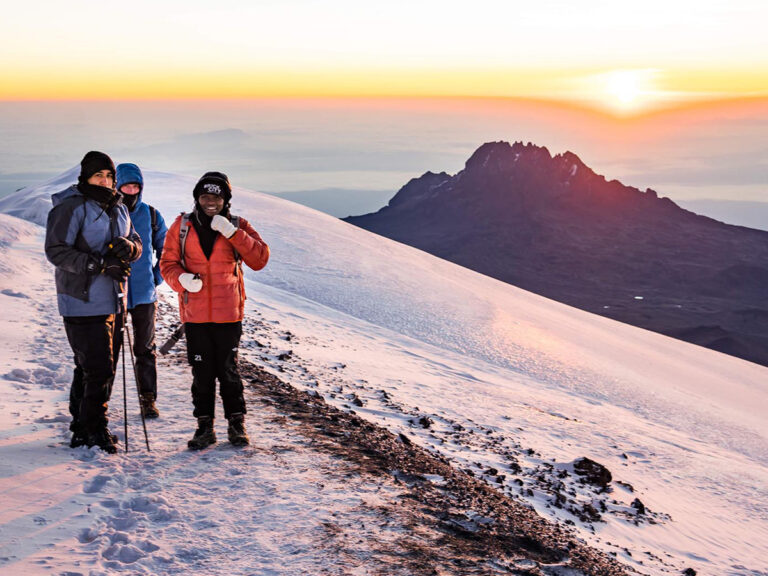
Kilimanjaro Relaxation And Spa Package: Rejuvenate After Your Climb 2026-2027
After conquering Mount Kilimanjaro, a dedicated relaxation and spa package is the perfect way to recover and rejuvenate. Top Guide Adventures provides comprehensive post-climb wellness...
View package details
Kilimanjaro Zanzibar Extension For Mixed Groups: Your Ultimate Adventure Guide
Combine the thrill of climbing Mount Kilimanjaro with the tropical allure of Zanzibar. This guide details how mixed groups can best plan and enjoy this ultimate Tanzanian adventure in...
View package details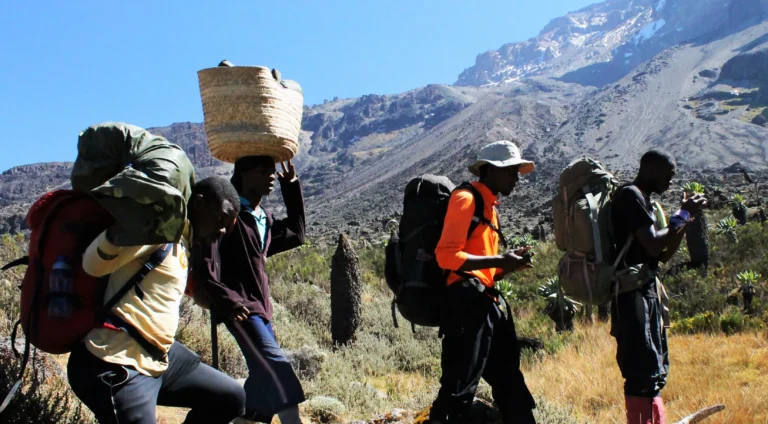
Kilimanjaro Safari Before Rejoining Your Climbing Group | Top Guide Adventures
Combining a safari with your Kilimanjaro climb is a classic Tanzanian adventure. Discover how to seamlessly integrate a wildlife safari experience before meeting your climbing group for the...
View package details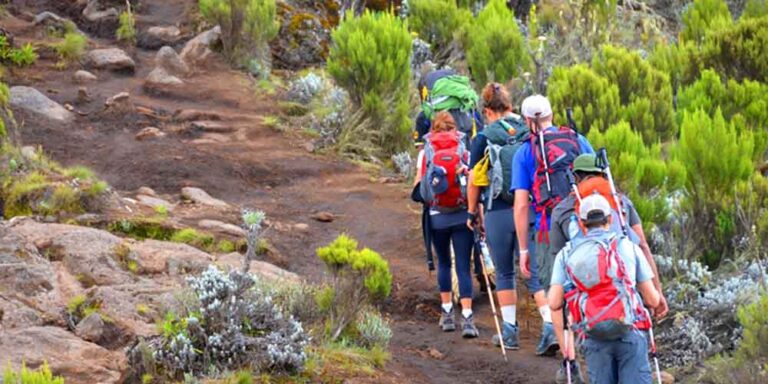
Kilimanjaro Airport And Hotel Support For Climbing Groups | Top Guide
Top Guide Adventures provides comprehensive support for Kilimanjaro climbing groups, from arrival at Kilimanjaro International Airport (JRO) to comfortable hotel stays before and after your...
View package details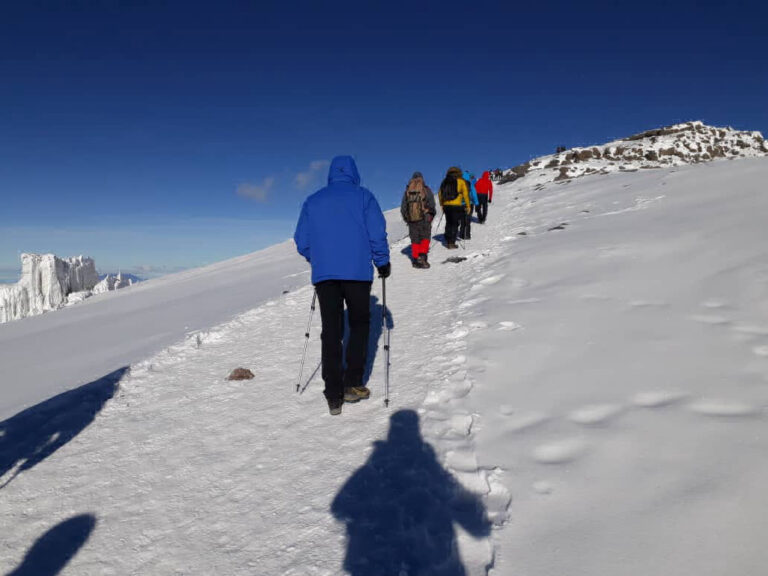
Kilimanjaro Summit Celebration Package For Companions: Plan Your
Planning a Kilimanjaro climb with companions and a special summit celebration? This guide covers everything you need to know for 2026-2027, from choosing the right route and package to...
View package detailsMeet Your Climber At Mweka Gate Package: Kilimanjaro Descent Guide 2026-2027
This package is designed for trekkers descending Kilimanjaro via the Mweka Gate, ensuring a smooth and supported transition after their summit. It covers essential post-climb services and...
View package detailsNo related package matches those filters. Clear one or more filters to see the other topic-matched options.



