
Crampons are generally not strictly required for most Kilimanjaro climbs, as the routes are typically snow-free below the summit zone. However, they can become essential, particularly during the wetter seasons or for sections of the final ascent to Uhuru Peak, where ice and hard-packed snow can create slippery conditions. Your decision to use crampons for your 2026-2027 climb should be based on the time of year, the specific route, and the current weather forecast, with many climbers opting for microspikes or ice cleats as a more versatile alternative.
Understanding Kilimanjaro’s Terrain and Weather
Mount Kilimanjaro, the Roof of Africa, presents a unique trekking challenge. Its massif spans multiple ecological zones, from lush rainforest at the base to arid alpine desert and finally the arctic summit zone. The question of whether crampons are required on Kilimanjaro is a frequent one among prospective climbers, and the answer is nuanced, depending heavily on the season, the chosen route, and the prevailing weather conditions. While Kilimanjaro is famous for its snow-capped peak, the actual conditions encountered by climbers can vary significantly throughout the year. Understanding these variables is key to packing the right gear for your 2026-2027 expedition.
The Summit Zone: Ice and Snow at High Altitude
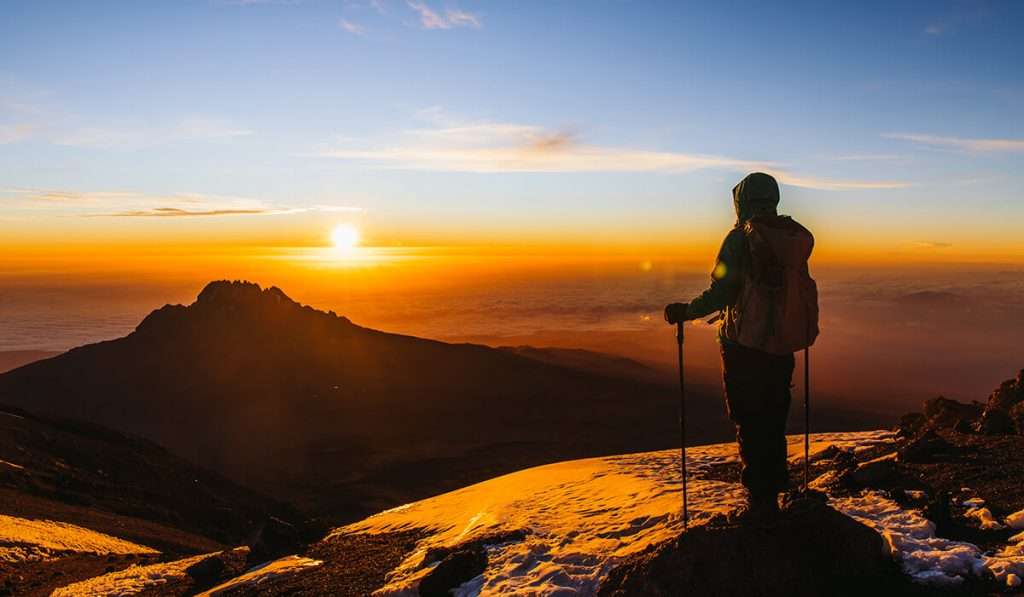
The summit zone of Kilimanjaro, specifically the area around Stella Point and Uhuru Peak, is where the potential for ice and snow is highest. This zone is characterized by its arctic climate, with temperatures often dropping well below freezing, especially at night and in the early morning hours. While the iconic glaciers of Kilimanjaro have been receding rapidly due to climate change, the ground at these extreme altitudes can still freeze overnight, creating hard-packed snow or icy patches. This is particularly true during the colder, drier months.
Seasonal Variations on Kilimanjaro
Kilimanjaro experiences two main dry seasons and two main wet seasons. The dry seasons, typically from January to March and June to October, offer clearer skies and more stable weather, often meaning less ice on the trails. However, even during these periods, overnight frosts can create slippery conditions near the summit. The wet seasons, from April to May and November to December, bring more precipitation, which can fall as snow or sleet at higher elevations, increasing the likelihood of icy terrain. For climbs planned in 2026 or 2027, understanding these seasonal patterns is crucial for gear preparation.
- January – March: Generally dry, cold, and clear. Snowfall is less common but frost and ice can form overnight.
- April – May: Long rains. Trails can be muddy lower down, and snow/ice is more likely at higher altitudes.
- June – October: Dry season, cooler temperatures. Clear days, but frost and ice are common on summit night.
- November – December: Short rains. Can bring intermittent showers, with a possibility of snow and ice at the summit.
When Might Crampons Be Necessary on Kilimanjaro?
The necessity of crampons on Kilimanjaro is not universal. It’s a decision that should be informed by specific circumstances. While full mountaineering crampons are rarely needed, traction devices can significantly enhance safety and comfort in certain conditions. Most reputable Kilimanjaro operators, including Top Guide Adventures, will advise their clients based on the expected conditions for their specific climb dates in 2026 or 2027.
The Final Ascent: Stella Point to Uhuru Peak
The most critical section where traction aids might be beneficial is the final push to Uhuru Peak, often undertaken overnight to reach the summit for sunrise. This part of the trek involves a steep scree slope that can become very icy and slippery, especially during the colder months or after recent precipitation. The combination of darkness, extreme cold, and potentially treacherous footing makes good traction vital. While many climbers manage this section with sturdy hiking boots alone, those prone to slipping or seeking extra security often find them invaluable.
Impact of Recent Weather and Snowfall
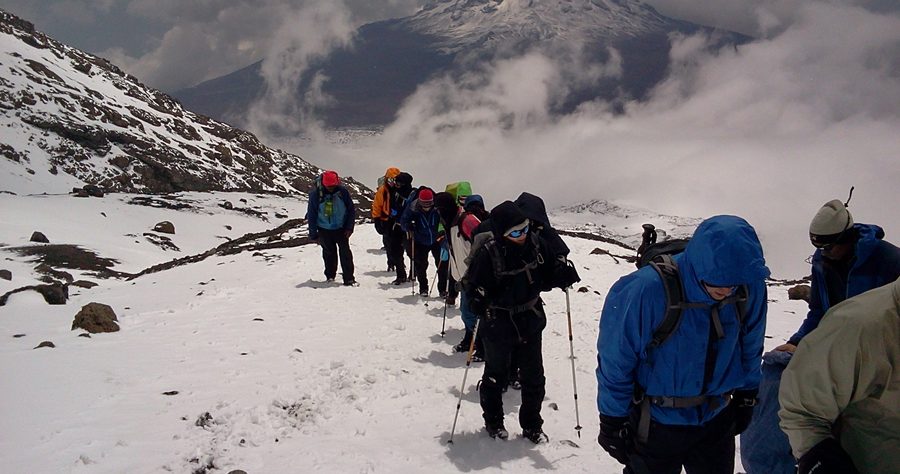
Unpredictable weather patterns, influenced by global climate shifts, mean that even during typically dry seasons, unexpected snowfall can occur at higher elevations. If there has been recent snow or a particularly cold spell leading up to your climb in 2026 or 2027, the trails, especially above Barafu Camp or Kibo Hut, can be covered in a layer of ice. In such scenarios, crampons or similar traction devices become highly advisable for safety.
Route-Specific Considerations
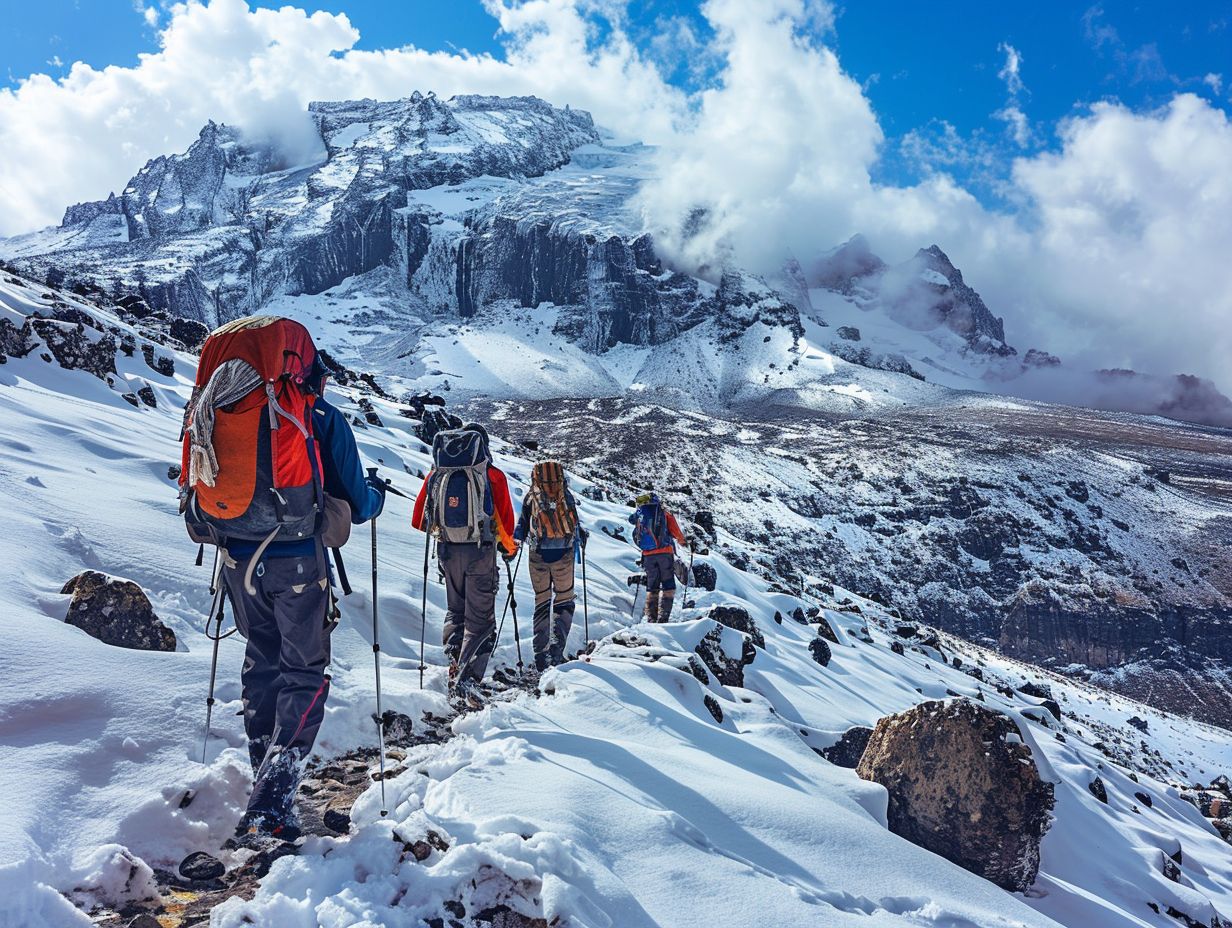
While most standard routes (Marangu, Machame, Lemosho, Rongai, Umbwe) involve similar summit day conditions, some routes are considered more challenging or prone to ice. The Umbwe route, for instance, is known for its steepness and direct approach, which can lead to icier conditions on summit night. The Machame and Lemosho routes, being longer and gaining altitude more gradually, may offer more acclimatization but still present the same summit challenges. The Marangu route, with its hut accommodation, is popular but also experiences the same summit conditions.
Alternatives to Full Crampons: Microspikes and Ice Cleats
For the vast majority of Kilimanjaro climbers, full mountaineering crampons are overkill and can even be cumbersome. They are designed for steep ice climbing and deep snow, conditions rarely encountered on Kilimanjaro’s standard trekking routes. Instead, a more practical and widely recommended solution is the use of microspikes or ice cleats. These are lightweight traction devices that fit over your hiking boots, providing excellent grip on ice and packed snow without significantly hindering your walking ability.
What are Microspikes and Ice Cleats?
Microspikes feature a series of small, sharp metal spikes embedded in a durable rubber or elastomer band. They offer superior traction on slippery surfaces compared to standard boot treads. Ice cleats are similar, often with more aggressive teeth or chains for better grip. They are easy to put on and take off, making them versatile for changing conditions during the trek.
Why They Are a Better Choice for Kilimanjaro
- Versatility: They work well on icy patches and packed snow but don’t impede walking on drier, rocky terrain, unlike full crampons.
- Lightweight: They add minimal weight to your pack.
- Ease of Use: Quick to deploy when needed and easy to store when not.
- Cost-Effective: Generally less expensive than full crampons.
- Comfort: They allow for a more natural walking gait.
Many experienced Kilimanjaro guides and tour operators, including those at Top Guide Adventures, recommend microspikes as the preferred traction aid for clients planning a climb in 2026 or 2027. They offer a practical balance of safety and convenience.
What Top Guide Adventures Recommends for 2026-2027 Climbs
At Top Guide Adventures, we prioritize the safety and comfort of every climber. Our expert guides have decades of combined experience on Kilimanjaro and stay updated on the mountain’s conditions. For your 2026 or 2027 Kilimanjaro expedition, our recommendation regarding crampons or traction devices is as follows:
Gear Recommendations from Our Experts
We strongly advise clients to bring a pair of microspikes or ice cleats. While not always mandatory, they are highly recommended, especially for summit night. These devices provide crucial grip on potentially icy sections between Stella Point and Uhuru Peak, significantly enhancing your safety and confidence during the most challenging part of the climb. We do not typically recommend full mountaineering crampons unless a climber has specific technical experience and the route dictates their use, which is exceedingly rare for standard treks.
Rental Options Available
Understanding that not everyone wants to purchase specialized gear for a single trek, Top Guide Adventures offers rental services for microspikes. This allows you to have the necessary traction devices for your climb without the added expense of buying them. Please discuss this option with our team when you book your 2026-2027 Kilimanjaro adventure.
Consultation with Your Guide
Your lead guide will make the final decision on the necessity of traction devices based on the real-time conditions on the mountain. They will assess the state of the trails, particularly the summit path, on the day of your ascent. If conditions warrant, they will strongly advise you and your fellow climbers to use your microspikes or ice cleats. Your safety is our utmost priority, and our guides are trained to make these critical judgment calls.
Factors Influencing the Need for Traction Devices
The decision to pack and potentially use crampons or microspikes on Kilimanjaro hinges on several interconnected factors. These include the specific time of year you plan to climb, the particular route you select, and the unpredictable nature of high-altitude weather. Understanding these elements will help you prepare adequately for your 2026-2027 climb.
The Role of Altitude and Temperature
As you ascend Kilimanjaro, the temperature drops significantly. Above the tree line, frost is common even during drier months. At the summit altitude of 5,895 meters (19,341 feet), temperatures routinely fall below freezing, especially during the pre-dawn hours when most climbers begin their final ascent. This constant sub-zero environment means that any moisture on the ground can quickly freeze, forming ice. The higher you go, the more likely you are to encounter these frozen conditions.
Impact of Precipitation: Snow vs. Rain
The type of precipitation experienced at different altitudes plays a crucial role. Lower on the mountain, rain is common during the wet seasons. However, as altitudes increase, rain can turn into sleet or snow. Heavy snowfall can blanket the trails, making them soft and potentially slushy. More critically, subsequent freezing temperatures can turn this snow into hard-packed ice, which is notoriously slippery. The frequency and intensity of such events vary seasonally, making preparation for colder, icy conditions prudent for any climb in 2026 or 2027.
Route Difficulty and Technicality
While Kilimanjaro is primarily a trekking peak, not a technical mountaineering challenge, certain routes present steeper or more challenging terrain. For example, the Umbwe route is known for its steepness. On summit night, especially if conditions are icy, the steeper gradients can increase the risk of slipping. Routes like Machame and Lemosho, while generally less steep on the final ascent, still lead to the same icy summit zone. The Marangu route, being a shorter climb, might mean less acclimatization, potentially leading to a more challenging summit day for some.
Personal Balance and Confidence
Beyond the objective conditions, your personal comfort level with heights and slippery surfaces is a significant factor. If you are naturally cautious on uneven or icy terrain, having microspikes can provide immense psychological as well as physical support. Feeling secure on your feet allows you to focus on enjoying the incredible experience of climbing Kilimanjaro, rather than worrying about every step. This boost in confidence can be invaluable, especially during the demanding summit push.
How to Choose the Right Traction Device
Selecting the appropriate traction device for your Kilimanjaro climb in 2026-2027 is crucial for both safety and comfort. While full crampons are generally unnecessary, choosing between different types of microspikes or ice cleats, and ensuring they fit correctly, are important considerations.
Microspikes vs. Traditional Crampons
As discussed, traditional crampons are designed for steep ice and snow climbing and are usually too aggressive and cumbersome for Kilimanjaro’s trekking paths. Microspikes, with their smaller, numerous spikes, offer excellent grip on ice and hard-packed snow without the bulk or the risk of damaging your boots. They are flexible and designed to work with standard hiking boots, whereas crampons often require specific boot welts.
Key Features to Look For
- Spike Material and Length: Look for durable stainless steel or hardened alloy spikes. Spikes around 1cm to 1.5cm (0.4 to 0.6 inches) are typically sufficient for Kilimanjaro.
- Traction System: Chains or a web of spikes underfoot provide better grip. Ensure the spikes are strategically placed to cover the entire sole.
- Durability of Elastomer/Rubber: The part that holds the spikes to your boot should be made of a robust material (like TPE or rubber) that remains flexible in cold temperatures and resists tearing.
- Ease of Use: The device should be easy to put on and take off, even with cold fingers. A simple pull-on design is often best.
- Fit: Ensure the traction device fits snugly over your hiking boots without slipping off. Check sizing charts carefully.
Ensuring a Proper Fit with Your Boots
The most critical aspect of any traction device is its fit. A poorly fitting device can fall off on the trail, rendering it useless and potentially causing a fall. Before your Kilimanjaro climb in 2026 or 2027, test the microspikes with the exact hiking boots you plan to wear. Walk around on various surfaces, including inclines and declines, to ensure they stay securely in place. They should feel like a natural extension of your boots, providing confidence with every step.
Packing List Essentials: Beyond Traction Devices
While the question of crampons is important, it’s just one piece of the puzzle when it comes to packing for Kilimanjaro. A comprehensive gear list ensures you are prepared for all conditions, from the rainforest base to the arctic summit. Top Guide Adventures provides detailed packing lists to all clients, but here are some key items related to summit conditions and general comfort for your 2026-2027 climb.
Layering System for Extreme Temperatures
The key to staying comfortable on Kilimanjaro is a good layering system. This allows you to adapt to the drastic temperature changes throughout the day and across different ecological zones.
- Base Layers: Moisture-wicking materials (merino wool or synthetics) to keep you dry.
- Mid Layers: Insulating layers like fleece jackets or down vests for warmth.
- Outer Layer: A waterproof and windproof shell jacket and pants to protect against the elements.
Essential Footwear
Your feet are critical. Beyond your sturdy, broken-in hiking boots and the recommended microspikes, consider:
- Warm Socks: Several pairs of wool or synthetic hiking socks.
- Liner Socks: Can help prevent blisters and add an extra layer of warmth.
- Camp Shoes/Sandals: Lightweight footwear to wear at the hut or camp, allowing your feet to breathe.
Headwear and Handwear
Protecting your extremities is vital in the cold summit environment:
- Warm Hat: A wool or fleece hat that covers your ears.
- Balaclava or Neck Gaiter: Essential for protecting your face and neck from wind and cold.
- Gloves: A combination of liner gloves and warm, waterproof outer gloves or mittens. Mittens are generally warmer than gloves.
Other Crucial Items
- Headlamp: With extra batteries, essential for summit night.
- Sun Protection: High SPF sunscreen, sunglasses, and a wide-brimmed hat, as the sun is intense at altitude.
- Water Bottles/Hydration Reservoir: Insulated to prevent freezing.
- Trekking Poles: Highly recommended for stability, especially on descents and potentially icy sections.
A detailed checklist will be provided upon booking your Kilimanjaro tour with Top Guide Adventures for 2026 or 2027.
The Role of Guides and Porters
Your trekking team is your most valuable asset on Kilimanjaro. The guides, porters, and cook are experienced professionals who understand the mountain intimately. Their knowledge and support are indispensable for a successful and safe climb, whether you are planning for 2026 or 2027.
Expert Guidance on Gear
Your lead guide is your primary source of information regarding gear, including the necessity of traction devices. They are on the mountain regularly and have the most up-to-date information on trail conditions. They will advise you on whether to use your microspikes or other equipment based on the real-time situation. Trust their judgment; they have your best interests at heart.
Support During Challenging Sections
On summit night, especially if conditions are icy, your guides and porters will be there to assist you. They can offer a helping hand, a steadying presence, and encouragement. Knowing you have this support system can make a significant difference in your ability to push through difficult moments. The porters, while carrying the bulk of the gear, also play a vital role in ensuring the safety of the group.
Logistics and Decision Making
The guiding team handles all the logistical aspects of the trek, from camp setup to meal preparation. They also make critical decisions regarding pacing, rest stops, and, most importantly, safety. If conditions deteriorate, they will assess the situation and make informed decisions about whether to proceed, turn back, or adjust the itinerary. This allows you to focus on climbing and acclimatizing.
Making Your Decision for 2026-2027 Climbs
Deciding whether to bring or use crampons or microspikes for your Kilimanjaro climb in 2026 or 2027 involves weighing several factors. While not always a mandatory item, the potential benefits for safety and confidence, especially during the summit push, are significant.
Summary of Recommendations
- Always pack microspikes or ice cleats: They are lightweight, versatile, and can make a huge difference in slippery conditions.
- Full crampons are rarely needed: Unless you have specific technical mountaineering experience and are on a non-standard route, stick to microspikes.
- Consult your operator: Reputable companies like Top Guide Adventures will provide clear guidance based on seasons and routes.
- Listen to your guide: They will make the final call on conditions on the ground.
- Consider personal comfort: If you are unsure about icy terrain, traction devices offer peace of mind.
Booking Your Kilimanjaro Adventure with Confidence
When you book your Kilimanjaro climb with Top Guide Adventures, you are choosing a team dedicated to your success and safety. We provide comprehensive pre-trip information, including detailed gear lists, and our experienced guides ensure you are well-prepared for all eventualities. Whether you are planning for 2026 or 2027, we are here to help you achieve your summit goal.
We offer a range of itineraries, including popular options like the Machame Route and the Marangu Route, each designed to maximize your chances of reaching Uhuru Peak safely. Our commitment to personalized service means we are always available to answer your questions and tailor your experience. Don’t hesitate to reach out to us for any clarification regarding gear, routes, or booking your unforgettable 2026-2027 Kilimanjaro adventure.
For inquiries or to start planning your climb, please contact us:
- WhatsApp: +255616946642
- Email: topguideadventures@gmail.com
- Backup Email: info@topguideadventures.com
Let Top Guide Adventures be your trusted partner in conquering Kilimanjaro. We look forward to helping you prepare for an incredible journey in 2026 or 2027!
Check Availability for Are Crampons Required On Kilimanjaro? Your Essential Guide For Climbs
Ready to compare dates, prices, and the best option for your group? Send the package name and travel month so the team can reply with a clear quote, availability, and what is included.
How To Sleep At High Altitude On Kilimanjaro: Expert Tips For Climbers
Sleeping at high altitude on Kilimanjaro presents unique challenges, primarily due to altitude sickness. This comprehensive guide from Top Guide Adventures provides essential strategies for...
View package details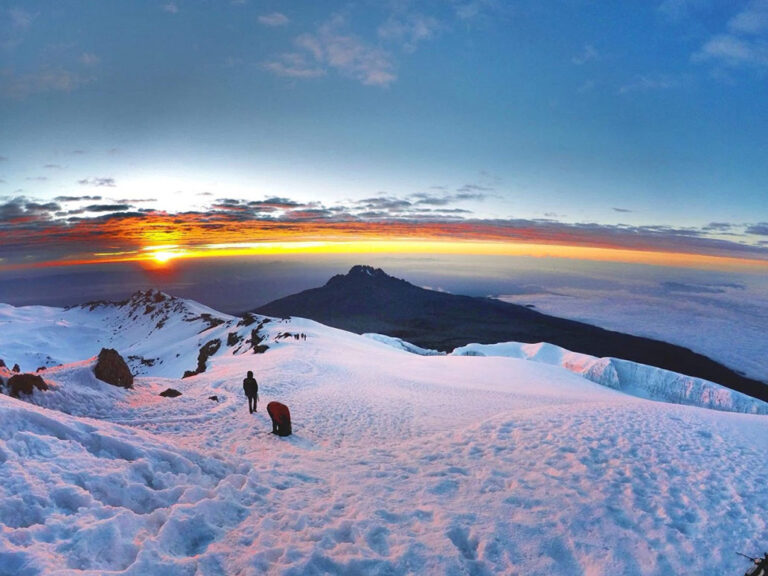
How To Sleep Warm In A Kilimanjaro Tent 2026-2027
How to Sleep Warm in a Kilimanjaro Tent is explained with current 2026-2027 planning, price, itinerary and booking information.
View package details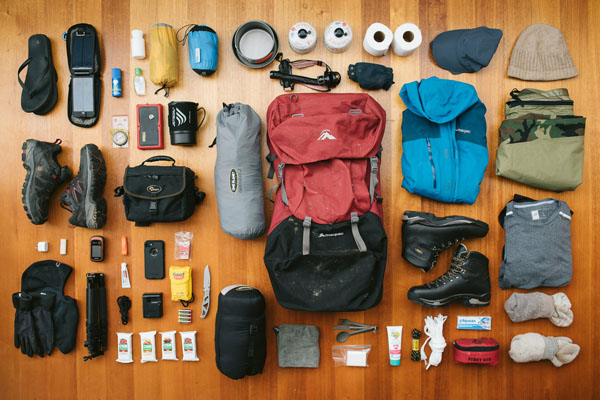
How Do You Sleep On Mount Kilimanjaro? 2026-2027
How Do You Sleep on Mount Kilimanjaro? is explained with current 2026-2027 planning, price, itinerary and booking information.
View package details
Sleep, Hygiene, And Comfort On Kilimanjaro: Your Essential Guide 2026-2027
Climbing Kilimanjaro requires careful planning for sleep, hygiene, and comfort. This comprehensive guide from Top Guide Adventures offers practical advice to ensure a more enjoyable and...
View package details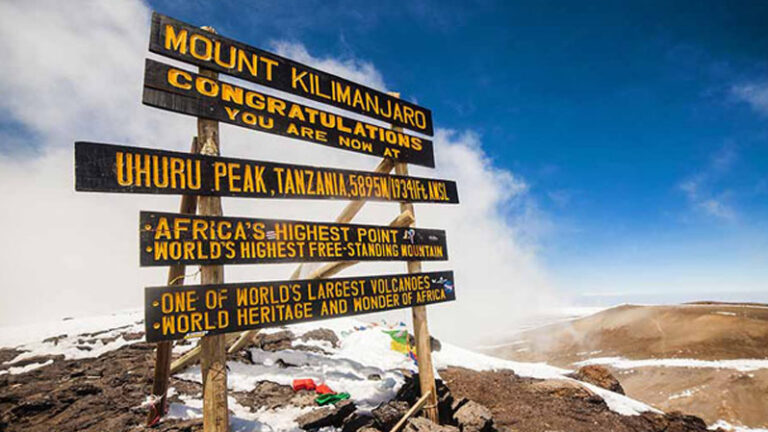
Kilimanjaro Mountain Meal Plan By Day: Fueling Your Summit Success 2026-2027
Understand the essential Kilimanjaro Mountain meal plan by day, covering daily menus, nutritional needs, and preparation tips for your trek. Top Guide Adventures provides insights into...
View package details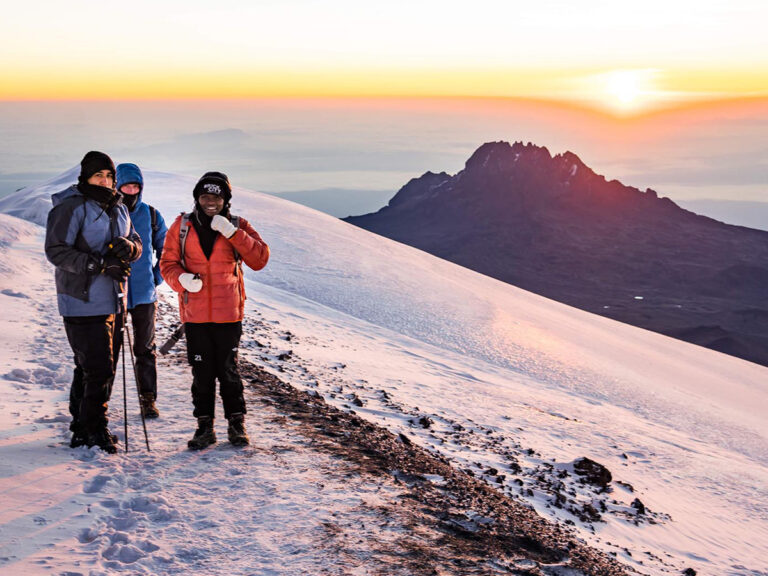
Foods To Avoid Before A Kilimanjaro Climb: Expert Guide For Trekkers 2026-2027
Planning your Kilimanjaro climb for 2026 or 2027? Proper nutrition is key. This guide details essential foods and drinks to avoid before and during your trek to prevent digestive issues and...
View package details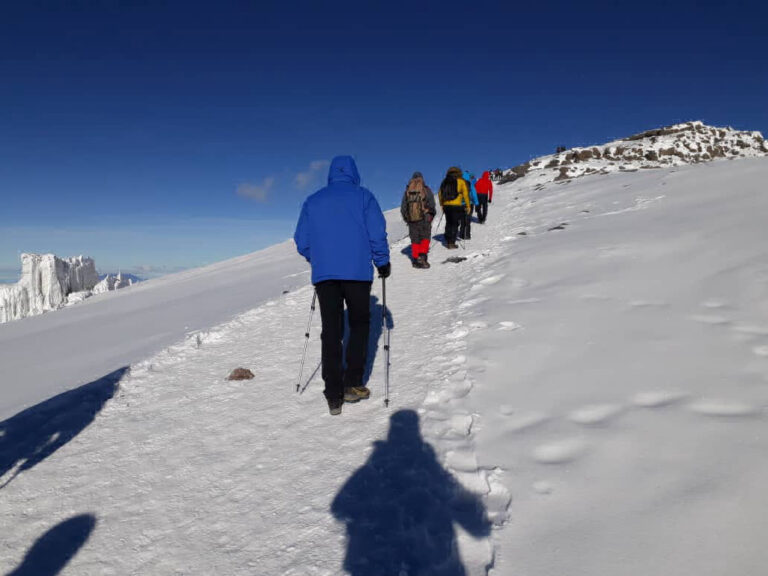
Can You Drink Alcohol Before Climbing Kilimanjaro? 2026-2027
Can You Drink Alcohol before Climbing Kilimanjaro? is explained with current 2026-2027 planning, price, itinerary and booking information.
View package details
Can You Drink Coffee On Kilimanjaro? Guide
Curious if you can enjoy your morning coffee while climbing Kilimanjaro? This comprehensive guide from Top Guide Adventures covers everything from availability on the mountain to brewing...
View package detailsKilimanjaro Hydration Salts And Electrolyte Guide For Trekkers 2026-2027
Proper hydration is critical for a successful Kilimanjaro climb. This comprehensive guide focuses on the vital role of hydration salts and electrolytes, explaining how they aid...
View package details
What To Eat After Summiting Kilimanjaro Guide
Summiting Kilimanjaro is an incredible feat, but your body will be depleted. Learn what to eat afterward to maximize recovery, replenish nutrients, and celebrate your achievement.
View package details
Kilimanjaro Summit-Day Breakfast Guide: Fueling Your Final Ascent In 2026-2027
Fueling correctly for Kilimanjaro's summit day is crucial for success. This guide details what to eat for breakfast, when to eat it, and why it matters for your 2026-2027 climb, ensuring...
View package details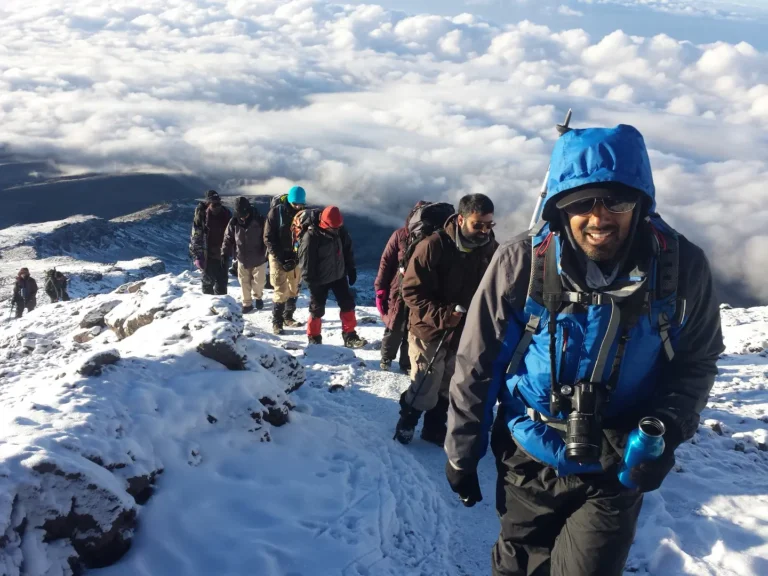
Best Snacks To Bring From Home For Kilimanjaro 2026-2027
Best Snacks to Bring from Home for Kilimanjaro is explained with current 2026-2027 planning, price, itinerary and booking information.
View package detailsNo related package matches those filters. Clear one or more filters to see the other topic-matched options.



