
While Microspikes are not strictly mandatory for every Kilimanjaro climb, they are highly recommended for most climbers, especially for ascents during the drier seasons (June-October and December-March) and on routes like Machame, Lemosho, and Shira. They provide crucial traction on icy or slippery sections, particularly on the scree slopes above Barranco Camp and the final summit push from Barafu Camp to Uhuru Peak, significantly improving safety and stability. For climbers aiming for the summit during the wetter seasons (April-May and November) or those with less experience on varied terrain, their value increases substantially.
Understanding the Need for Traction on Kilimanjaro
The question of whether you need Microspikes for Kilimanjaro is a common one, and it touches upon a critical aspect of high-altitude trekking: safety and preparedness. Kilimanjaro, while not technically demanding in terms of climbing skill, presents significant challenges due to its altitude, rapidly changing weather, and the varied terrain encountered on its slopes. The uppermost reaches of the mountain, especially the final ascent to the summit, can be covered in ice, frost, and loose scree, making foot placement precarious. Microspikes, a type of minimalist traction device that fits over hiking boots, offer enhanced grip on these surfaces, preventing slips and falls that can range from minor inconvenconveniences to serious accidents.
At Top Guide Adventures, we’ve guided thousands of climbers to the summit since our inception, and our experience consistently shows that while some might manage without them, having Microspikes offers a significant advantage. They are not crampons, which are more aggressive and typically used for mountaineering on glaciers, but rather a set of flexible chains and metal spikes designed to add traction to the soles of your boots on ice and packed snow. For a Kilimanjaro climb, particularly for the summit night push, this added security can be invaluable, allowing you to focus on your breathing and the immense challenge of altitude rather than constantly worrying about your footing. Considering your Kilimanjaro climb for 2026 or 2027? Planning your gear, including traction devices like Microspikes, well in advance is key to a successful expedition.
Kilimanjaro’s Terrain: Where Traction Matters Most
Kilimanjaro is a journey through distinct ecological zones, each presenting different challenges. From the lush rainforest at the base to the alpine desert and the arctic summit zone, the ground underfoot changes dramatically. The sections where traction is most critical are generally found in the higher altitude zones, typically above 4,500 meters (approximately 14,700 feet).
The Summit Push: Barafu Camp to Uhuru Peak
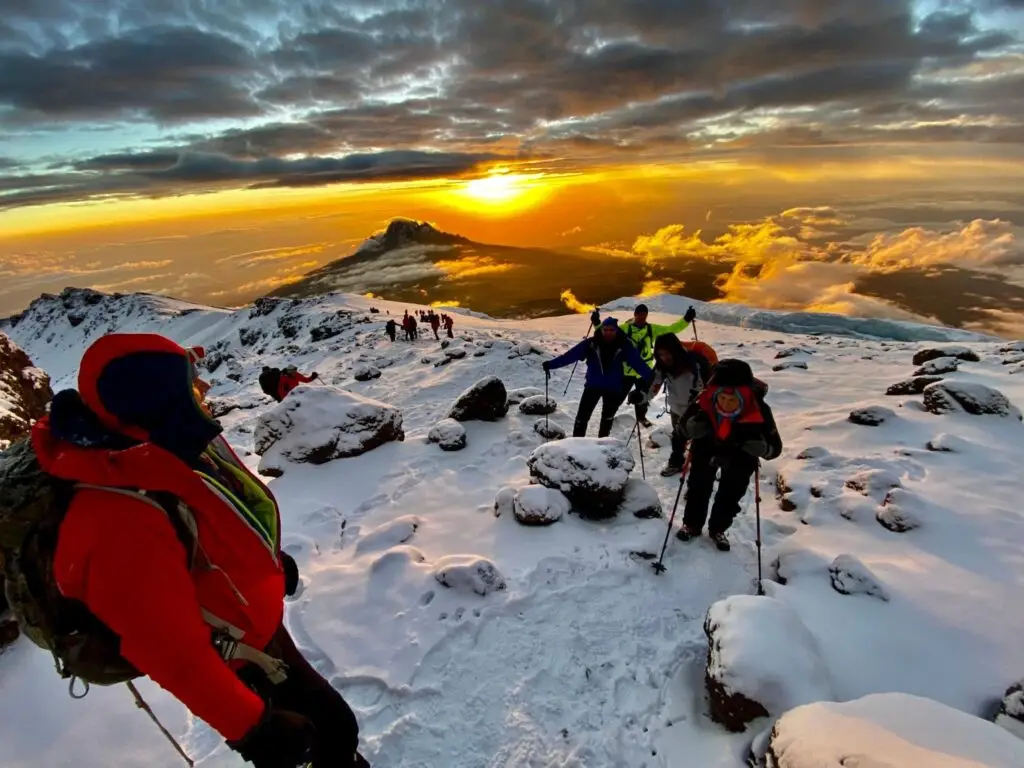
The most notorious section for icy conditions is the final ascent from Barafu Camp (or Kibo Hut, depending on the route) to Uhuru Peak, the summit. This typically begins in the pre-dawn hours, often between 12:00 AM and 2:00 AM. At this altitude and time, temperatures are at their lowest, and the volcanic scree and rock are often covered in a layer of frost and ice. The trail here is steep and involves navigating loose volcanic gravel, which, when mixed with ice, becomes incredibly slippery. Without adequate traction, climbers can find themselves sliding backward with every step, expending precious energy and increasing the risk of a fall. This is the primary reason why Microspikes are so frequently recommended for Kilimanjaro.
The Scree Slopes and Technical Sections
Beyond the summit, the descent often involves navigating steep scree slopes. While the descent is generally less demanding than the ascent, loose scree can still cause significant instability, especially if it’s wet or icy. Some routes, like the Machame Route, feature sections like the ‘Barranco Wall’ which, while not requiring technical climbing, can be steep and require careful hand and foot placement. While Microspikes are less about ascending technical rock and more about grip on ice and hard-packed snow, their presence can still offer confidence on any slippery or loose terrain encountered during the descent.
Variations by Route and Season
The necessity of Microspikes can also vary depending on the specific route chosen and the time of year. Routes that ascend more gradually and spend more time at higher altitudes may encounter more consistent icy conditions. Conversely, routes that have a quicker ascent might reach the summit zone when conditions are less frozen. The season plays a huge role. The dry seasons (June to October and December to March) tend to have colder nights and mornings, increasing the likelihood of ice formation on the trails. The wet seasons (April to May and November) can bring snow and rain, which, when temperatures drop, also leads to icy conditions, though potentially with less predictable patterns.
Microspikes vs. Crampons: What’s the Difference for Kilimanjaro?
It’s crucial to understand the distinction between Microspikes and crampons, as they are designed for different types of mountain travel. Confusing the two can lead to inadequate preparation or bringing unnecessary, overly aggressive gear.
Microspikes: The Practical Choice for Kilimanjaro
Microspikes are lightweight traction devices that typically feature a stainless steel chain system with numerous small, durable metal spikes. They are designed to be easily slipped on and off over sturdy hiking boots. Their primary function is to provide enhanced grip on ice, packed snow, and slippery mud. For Kilimanjaro, they are ideal because:
- Ease of Use: They can be put on and taken off quickly, which is essential when conditions change rapidly or when transitioning from lower, non-icy sections to higher, frozen ones.
- Versatility: They work well on a variety of boot types, provided the boots have a reasonably stiff sole.
- Weight and Packability: They are light and don’t take up much space in your backpack.
- Sufficient Grip: For the conditions typically encountered on Kilimanjaro’s summit trail, the grip provided by Microspikes is usually more than adequate.
Crampons: For More Technical Terrain
Crampons are more aggressive traction devices, usually made of steel, with longer, sharper points (teeth) designed for climbing on steep ice, glaciers, and hard-packed snow. They often require specialized mountaineering boots with specific binding systems (e.g., step-in or hybrid). While excellent for serious mountaineering and ice climbing, crampons are generally overkill for Kilimanjaro. Using them on Kilimanjaro’s varied terrain, especially on rocky or muddy sections, can be:
- Unnecessary: The long spikes can be dangerous on exposed rock.
- Cumbersome: They are heavier and bulkier than Microspikes.
- Difficult to Use: They require specific boot compatibility and can be more challenging to put on and take off in cold, windy conditions.
In summary, for the vast majority of Kilimanjaro climbers, Microspikes are the appropriate and recommended traction device. They offer the necessary grip for icy conditions without the complexity or over-engineering of full crampons.
When Are Microspikes Most Crucial on Kilimanjaro?
The decision to bring Microspikes often comes down to assessing risk and comfort. While some climbers might successfully summit without them, relying on careful footwork and good luck, many find them to be a confidence booster and a critical safety tool. Let’s break down the scenarios where they are most beneficial.
Summit Night: The Ultimate Test
As detailed earlier, the summit night is the prime time for Microspikes. The combination of extreme cold, high altitude, steepness, and icy terrain makes this section the most challenging part of the climb. The feeling of security that Microspikes provide can be immense. It allows you to concentrate on pacing yourself, managing your breathing, and staying warm, rather than being preoccupied with every step. For many, the peace of mind alone is worth bringing them.
During Dry Seasons (June-October & December-March)
These are generally considered the best times to climb Kilimanjaro due to clearer skies and more stable weather. However, they are also the coldest periods. Nights and early mornings at higher altitudes are consistently below freezing. This means that any moisture on the ground from previous days, or condensation that freezes overnight, will turn into ice. Therefore, during these peak dry and cold seasons, the likelihood of encountering icy trails, especially on the summit push, is at its highest. If you’re planning a climb for late 2026 or early 2027, these seasons will likely make Microspikes a very valuable piece of gear.
For Less Experienced Hikers or Those Unaccustomed to Cold/Ice
If you are not an experienced hiker, or if you live in a region where you rarely encounter icy or slippery conditions, Microspikes can provide an essential safety net. The psychological benefit of having them can be significant, boosting confidence and reducing anxiety. Even experienced hikers can find the conditions on Kilimanjaro’s summit challenging, so don’t underestimate the potential benefit.
On Specific Routes with Known Icy Sections
Some routes are more prone to icy conditions than others, or have specific sections that are more challenging. Routes like the Machame and Lemosho routes, which involve traversing the southern circuit, can present icy conditions on the approach to Stella Point and Uhuru Peak. The Marangu route, while often considered easier due to its hut accommodation, can still have icy sections, especially on the final ascent. The Northern Circuit, while longer, also traverses high-altitude plateaus that can freeze over.
Factors Influencing Ice Formation on Kilimanjaro
The presence and severity of ice on Kilimanjaro are not static. Several factors contribute to whether you’ll encounter slippery conditions:
Temperature Fluctuations
Temperatures on Kilimanjaro drop dramatically with altitude and time of day. While daytime temperatures in the alpine desert might be mild, nighttime temperatures at Kibo Camp (around 4,700m) can plummet to -10°C (14°F) or even lower. Any moisture present on the trails – from dew, previous rain, or snowmelt – will freeze solid during these cold periods. The final summit ascent, starting in the dark, is the coldest part of the climb.
Precipitation Patterns
Even in the dry seasons, occasional light rain or snow can occur, especially at lower to mid-altitudes. This precipitation, combined with the sub-zero temperatures at higher elevations, creates ice. During the wet seasons (April-May and November), heavier precipitation is more likely, leading to more significant snowpack and potential ice formation, particularly if temperatures drop after a snowfall.
Sun Exposure and Melt-Freeze Cycles
During the day, the sun can melt ice and snow. However, as soon as the sun dips below the horizon or behind clouds, temperatures drop again, refreezing the moisture. This melt-freeze cycle can create a hard, slippery crust of ice, which is particularly treacherous. The scree slopes are especially susceptible to this, as the loose gravel can easily become embedded with ice.
Wind and Exposure
Wind can exacerbate the cold (wind chill) and also play a role in how snow and ice accumulate. Exposed ridges and saddles can experience wind-blown snow and ice, creating pockets of challenging terrain.
Alternatives and Complementary Gear
While Microspikes are the primary traction device to consider, other gear and considerations are important for managing icy conditions and ensuring a safe climb.
Trekking Poles
Trekking poles are essential for almost all Kilimanjaro climbers, regardless of whether they use Microspikes. They provide stability on uneven terrain, reduce strain on your knees and hips, and can be used to test the depth of snow or the firmness of the ground. On icy sections, they offer additional points of contact and balance, significantly reducing the risk of falls. Many climbers use poles in conjunction with Microspikes for maximum stability.
Proper Hiking Boots
The foundation of your traction strategy is your footwear. You need sturdy, waterproof, insulated hiking boots with good ankle support. The soles should have aggressive tread patterns. Ensure your boots are well broken-in before your climb to avoid blisters and discomfort. The ability of your boots to pair effectively with Microspikes is also important; a boot with a reasonably stiff sole and a slight heel lip is ideal for the Microspikes’ binding system.
Gaiters
Gaiters are fabric coverings that wrap around your lower legs and the top of your boots. They prevent snow, mud, rocks, and other debris from entering your boots. This is particularly useful in snowy or icy conditions, helping to keep your feet drier and warmer, and preventing snow from accumulating inside your boots, which can lead to discomfort and frostbite.
Waterproof and Insulated Clothing
Staying warm and dry is paramount. Layering your clothing is key, but ensuring your outer layers are waterproof and windproof is crucial for protecting against the elements, especially on the summit. Wet feet and a cold core are major risks on Kilimanjaro, and Microspikes won’t help if you’re hypothermic.
Rental vs. Purchase of Microspikes
For many international travelers, deciding whether to buy or rent Microspikes is a practical consideration. Both options have pros and cons:
Purchasing Microspikes
- Pros: You own them, ensuring they are the correct size and fit. You can break them in beforehand. You can use them for other future adventures.
- Cons: Initial cost. They take up space in your luggage.
If you are an avid hiker or plan to tackle other snowy or icy trails in the future, purchasing a good pair of Microspikes is a worthwhile investment. Many reputable outdoor brands offer durable options. For climbers planning a Kilimanjaro trip in 2026 or 2027, buying them now allows you to get familiar with them.
Renting Microspikes
- Pros: Saves money if you only plan to use them once. Reduces luggage weight and space.
- Cons: Availability can sometimes be an issue, especially during peak seasons. You might not get the exact brand or model you prefer. You don’t have the chance to test them before the climb.
Many tour operators in Tanzania, including Top Guide Adventures, offer gear rental services. This can include Microspikes, warm jackets, sleeping bags, and other essential items. Renting locally can be a convenient option, ensuring you have the gear when you arrive. We can arrange rentals for your climb, ensuring you have reliable equipment. It’s always advisable to confirm availability and reserve rental items in advance, especially for expeditions planned for 2026 and 2027.
Choosing the Right Microspikes
Not all Microspikes are created equal. When selecting a pair, consider these factors:
- Durability: Look for robust materials, especially for the chain and spike construction. Stainless steel is a good choice for corrosion resistance.
- Spike Length and Density: Longer spikes offer better penetration on ice, while denser spikes provide more overall grip. For Kilimanjaro, a balance is usually sufficient – you don’t need extreme lengths.
- Ease of Attachment: The system for securing them to your boots should be straightforward and reliable. Elasticated cuffs with a heel pull-tab are common and effective.
- Fit: Ensure they fit snugly over your hiking boots without slipping. Sizing charts are usually available from manufacturers. It’s best to try them on with your actual hiking boots if possible.
Expert Tips for Using Microspikes on Kilimanjaro
Once you have your Microspikes, here’s how to use them effectively:
- Practice at Home: Before your trip, practice putting them on and taking them off your boots in a controlled environment. Familiarity will be invaluable on the mountain when your fingers might be cold and your vision impaired by darkness.
- When to Put Them On: Typically, you’ll put them on just before starting the ascent from Barafu Camp on summit night, or when you first encounter significant icy sections on the trail. Your guide will advise you on the best timing.
- When to Take Them Off: As soon as you reach less icy terrain or transition to rocky sections where they could be damaged or hinder your footing, take them off. Your guide will also help you with this.
- Maintenance: After use, rinse them with fresh water to remove dirt and salt, and allow them to dry completely before storing them. This prevents rust and corrosion.
What Top Guide Adventures Recommends for 2026-2027 Climbers
At Top Guide Adventures, our priority is your safety and success on Kilimanjaro. Based on years of experience guiding climbers of all levels, we strongly advise carrying Microspikes for your climb. While we understand that not everyone wants to purchase them, we facilitate access to them through our services.
Our Recommendation:
For any Kilimanjaro expedition booked with Top Guide Adventures, especially for planned climbs in 2026 and 2027, we recommend that all climbers bring a pair of Microspikes. They are considered an essential piece of safety equipment for the summit attempt. If you prefer not to purchase them, we offer high-quality Microspikes for rent as part of our comprehensive equipment packages. Please discuss your gear needs with us when booking your climb.
We believe that being overprepared is always better than being underprepared when it comes to high-altitude mountaineering. Microspikes are a relatively small investment that can make a significant difference in your comfort, confidence, and safety on the mountain.
Beyond Microspikes: Other Essential Kilimanjaro Gear
While Microspikes are important for traction, a successful Kilimanjaro climb relies on a comprehensive gear list. Ensuring you have the right clothing, sleeping gear, and personal items is just as critical. For your 2026-2027 climb, consider the following:
- Layering System: Base layers (thermal underwear), mid-layers (fleece or down jacket), and outer layers (waterproof and windproof jacket and trousers).
- Footwear: Well-broken-in, waterproof hiking boots, warm socks (wool or synthetic), and camp shoes or trainers for evenings.
- Headwear: Warm beanie hat, sun hat, and a balaclava or neck gaiter for extreme cold.
- Handwear: Warm, waterproof gloves and thinner liner gloves.
- Sleeping Bag: A 4-season sleeping bag rated for at least -15°C (0°F).
- Backpack: A comfortable daypack for carrying essentials during the trek, and a larger duffel bag for porters.
- Hydration: Water bottles or a hydration reservoir (ensure it’s insulated to prevent freezing).
- Sun Protection: High SPF sunscreen, sunglasses, and lip balm.
- Headlamp: Essential for summit night and navigating camp in the dark.
Top Guide Adventures provides detailed packing lists tailored to Kilimanjaro climbs, which we share with all our clients. We also offer a range of high-quality gear for rent to ensure you are fully equipped.
The Role of Guides and Porters
Your guides and porters are invaluable resources on Kilimanjaro. They possess extensive knowledge of the mountain, its weather patterns, and the best routes. Your lead guide will make critical decisions regarding safety, pacing, and when to use equipment like Microspikes. They are trained to spot potential hazards and will advise you on the best course of action. Trust their judgment implicitly, especially during the challenging summit attempt. Our guides are experienced professionals committed to your safety and success.
Making Your Kilimanjaro Climb a Success in 2026-2027
Planning is key to a successful Kilimanjaro climb. Start your preparations early, focusing on physical fitness, mental readiness, and acquiring the right gear. This includes making an informed decision about traction devices like Microspikes.
Do you need Microspikes for Kilimanjaro? Our expert opinion, backed by extensive experience, is a resounding yes, they are highly recommended for most climbers, particularly for the crucial summit night. They are not a luxury but a vital safety tool that can significantly enhance your experience and increase your chances of reaching Uhuru Peak safely and comfortably.
For those planning their expedition for 2026 or 2027, incorporating Microspikes into your gear list is a smart move. Whether you choose to purchase them or rent them, ensure you have them. Top Guide Adventures is here to support you every step of the way, from initial planning and booking to providing essential gear and expert guidance on the mountain. We are dedicated to offering complete travel experiences across Tanzania, with personal attention, care, and dedicated support for every client.
Ready to plan your Kilimanjaro adventure for 2026 or 2027? Get in touch with us today!
Contact Top Guide Adventures:
- WhatsApp: +255616946642
- Email: topguideadventures@gmail.com
- Backup Email: info@topguideadventures.com
- Website: www.topguideadventures.com
We look forward to helping you achieve your dream of summiting Kilimanjaro!
Check Availability for Do You Need Microspikes For Kilimanjaro? Expert Advice Climbers 2026-2027
Ready to compare dates, prices, and the best option for your group? Send the package name and travel month so the team can reply with a clear quote, availability, and what is included.
Do You Need An Ice Axe For Kilimanjaro? Expert Guide 2026-2027
Climbers often wonder if an ice axe is essential for ascending Kilimanjaro. This comprehensive guide from Top Guide Adventures clarifies when it's needed, what alternatives exist, and how...
View package details
How Many Base Layers Do You Need For Kilimanjaro? A Complete Guide Climbers
Climbing Kilimanjaro requires careful gear selection. This guide breaks down the essential base layers needed to stay warm and dry on the mountain, with planning tips for 2026-2027...
View package details
What Size Daypack Do You Need For Kilimanjaro? 2026-2027
What Size Daypack Do You Need for Kilimanjaro? is explained with current 2026-2027 planning, price, itinerary and booking information.
View package details
How To Sleep At High Altitude On Kilimanjaro: Expert Tips For Climbers
Sleeping at high altitude on Kilimanjaro presents unique challenges, primarily due to altitude sickness. This comprehensive guide from Top Guide Adventures provides essential strategies for...
View package details
How To Sleep Warm In A Kilimanjaro Tent 2026-2027
How to Sleep Warm in a Kilimanjaro Tent is explained with current 2026-2027 planning, price, itinerary and booking information.
View package details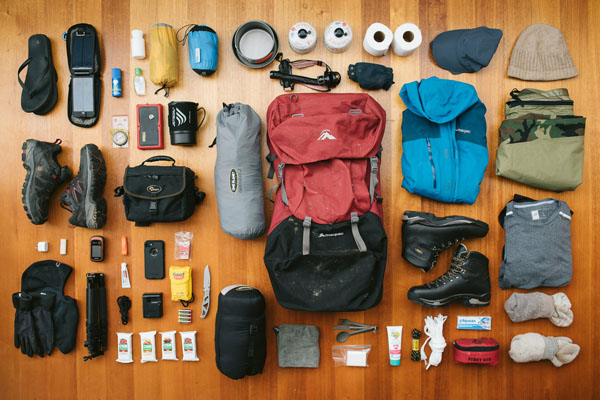
How Do You Sleep On Mount Kilimanjaro? 2026-2027
How Do You Sleep on Mount Kilimanjaro? is explained with current 2026-2027 planning, price, itinerary and booking information.
View package detailsSleep, Hygiene, And Comfort On Kilimanjaro: Your Essential Guide 2026-2027
Climbing Kilimanjaro requires careful planning for sleep, hygiene, and comfort. This comprehensive guide from Top Guide Adventures offers practical advice to ensure a more enjoyable and...
View package details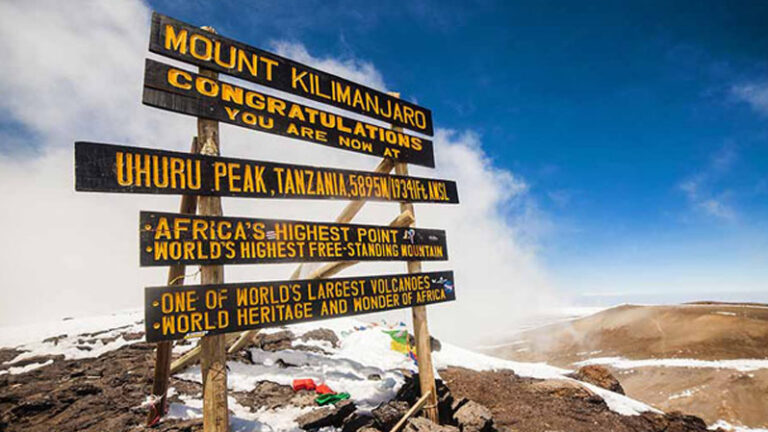
Kilimanjaro Mountain Meal Plan By Day: Fueling Your Summit Success 2026-2027
Understand the essential Kilimanjaro Mountain meal plan by day, covering daily menus, nutritional needs, and preparation tips for your trek. Top Guide Adventures provides insights into...
View package details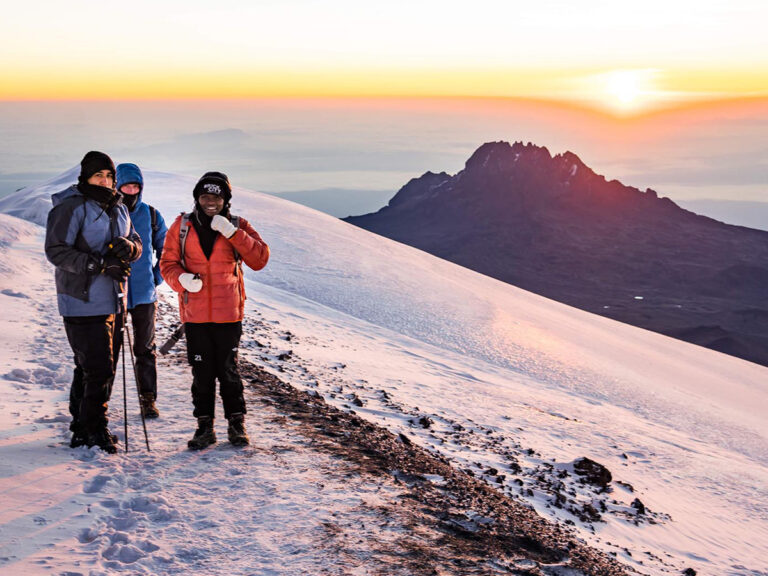
Foods To Avoid Before A Kilimanjaro Climb: Expert Guide For Trekkers 2026-2027
Planning your Kilimanjaro climb for 2026 or 2027? Proper nutrition is key. This guide details essential foods and drinks to avoid before and during your trek to prevent digestive issues and...
View package details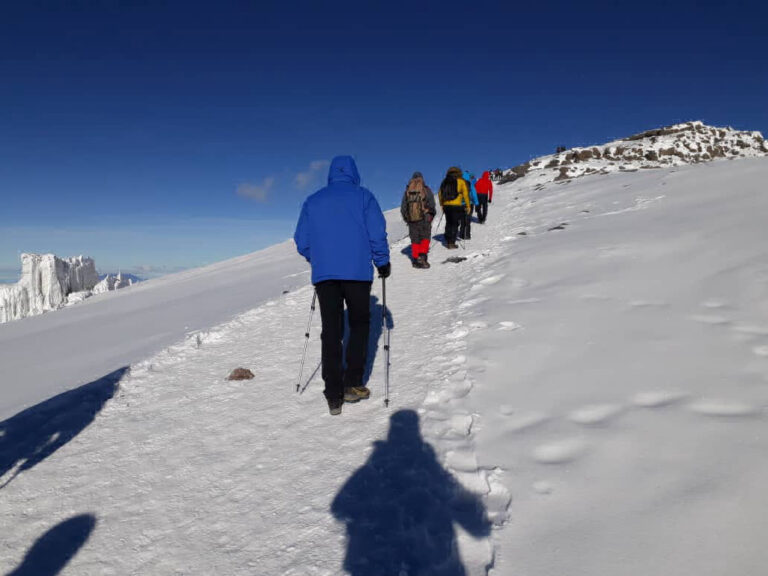
Can You Drink Alcohol Before Climbing Kilimanjaro? 2026-2027
Can You Drink Alcohol before Climbing Kilimanjaro? is explained with current 2026-2027 planning, price, itinerary and booking information.
View package details
Can You Drink Coffee On Kilimanjaro? Guide
Curious if you can enjoy your morning coffee while climbing Kilimanjaro? This comprehensive guide from Top Guide Adventures covers everything from availability on the mountain to brewing...
View package detailsKilimanjaro Hydration Salts And Electrolyte Guide For Trekkers 2026-2027
Proper hydration is critical for a successful Kilimanjaro climb. This comprehensive guide focuses on the vital role of hydration salts and electrolytes, explaining how they aid...
View package detailsNo related package matches those filters. Clear one or more filters to see the other topic-matched options.



