
Kilimanjaro Veterans’ Group Expeditions in 2026-2027 offer a unique opportunity for former service members to climb Africa’s highest peak together, fostering camaraderie and mutual support. These specialized treks are designed to cater to the specific needs and shared experiences of veterans, often utilizing routes like the Machame or Lemosho for a more rewarding ascent. Top Guide Adventures facilitates these group departures, focusing on comprehensive support, experienced guides, and a memorable journey culminating at Uhuru Peak.
Understanding Kilimanjaro Veterans’ Group Expeditions
The call of Kilimanjaro, Africa’s roof at 5,895 meters (19,341 feet), resonates with many, but for veterans, the journey can hold a deeper significance. A Kilimanjaro Veterans’ Group Expedition is more than just a climb; it’s a shared mission, a chance to reconnect with a sense of purpose, teamwork, and accomplishment that often echoes the discipline and spirit of military service. These expeditions are specifically curated for individuals who have served in their nation’s armed forces, creating an environment where shared experiences and understanding are paramount.
Top Guide Adventures recognizes the unique bonds formed within the military community and the desire for veterans to undertake challenging adventures together. Our Kilimanjaro Veterans’ Group Expeditions are tailored to provide a supportive, safe, and inspiring environment. We aim to replicate the structure and mutual reliance found in service, translated into the shared goal of reaching Kilimanjaro’s summit. Whether you are looking for a 2026 climb or planning ahead for 2027, these group treks offer a compelling way to experience the majesty of Kilimanjaro.
Why Choose a Veterans’ Group Expedition for Kilimanjaro?
The decision to climb Kilimanjaro is significant, and for veterans, choosing a group expedition specifically for them offers distinct advantages:
- Shared Understanding and Camaraderie: The most powerful aspect is the inherent connection among participants. Veterans often share a common language, understanding of teamwork, and the ability to draw strength from each other during challenging moments. This shared background can significantly enhance the group dynamic and mutual encouragement.
- Structured Support System: Similar to military operations, these expeditions are meticulously planned and executed. Knowing that your fellow climbers and the support crew understand the value of preparedness, discipline, and looking out for one another adds a layer of psychological comfort and operational efficiency.
- Focus on Teamwork and Mission Accomplishment: The objective – reaching Uhuru Peak – becomes a collective mission. The skills honed in service, such as communication, problem-solving, and resilience, are directly applicable and highly valued on the mountain.
- Peer-to-Peer Encouragement: Facing physical and mental challenges is easier when surrounded by people who genuinely understand and can offer relatable encouragement. The ‘we’re in this together’ mentality is amplified within a veterans’ group.
- Post-Service Transition and Well-being: For some veterans, engaging in challenging physical activities and achieving significant goals can be a positive aspect of post-service life, helping to maintain physical fitness, mental acuity, and a sense of purpose.
The Top Guide Adventures Difference for Veterans’ Treks
At Top Guide Adventures, we pride ourselves on providing exceptional experiences. For our Kilimanjaro Veterans’ Group Expeditions, we emphasize:
- Experienced and Empathetic Guides: Our guides are not only experts in mountaineering and Kilimanjaro’s terrain but are also trained to foster a positive and supportive group dynamic. They understand the importance of pacing, acclimatization, and morale.
- Careful Route Selection: We often recommend routes known for better acclimatization profiles, such as the Machame Route or Lemosho Route, which are ideal for group cohesion and success rates.
- Comprehensive Logistics: From airport transfers and pre-climb briefings to high-quality camping equipment and nutritious meals on the mountain, we handle every detail so the focus remains on the climb and the group’s experience.
- Safety as a Priority: We adhere to the highest safety standards, including carrying adequate medical supplies and having emergency protocols in place.
- Building a Community: These expeditions are designed to forge lasting connections among participants, creating a network of fellow veterans who have shared this incredible achievement.
Planning Your Kilimanjaro Veterans’ Group Expedition for 2026-2027
Organizing a Kilimanjaro climb requires careful planning, and for a group expedition, especially one focused on veterans, this is even more critical. The years 2026 and 2027 present excellent opportunities to join or form such a group.
Choosing the Right Route: A Key Decision for Veterans’ Groups
The choice of route significantly impacts the climbing experience, duration, difficulty, and acclimatization. For veterans’ groups, routes that offer a balance of challenge, scenery, and a higher success rate are often preferred. The Machame Route and Lemosho Route are frequently recommended for these reasons.
Machame Route (7 Days)
Often called the ‘Whiskey Route’, the Machame Route is popular for its scenic beauty and good acclimatization profile. It’s a challenging trek but offers a rewarding experience.
- Day 1: Machame Gate to Machame Camp
- Day 2: Machame Camp to Shira Camp
- Day 3: Shira Camp to Barranco Camp
- Day 4: Barranco Camp to Karanga Camp (over the Barranco Wall)
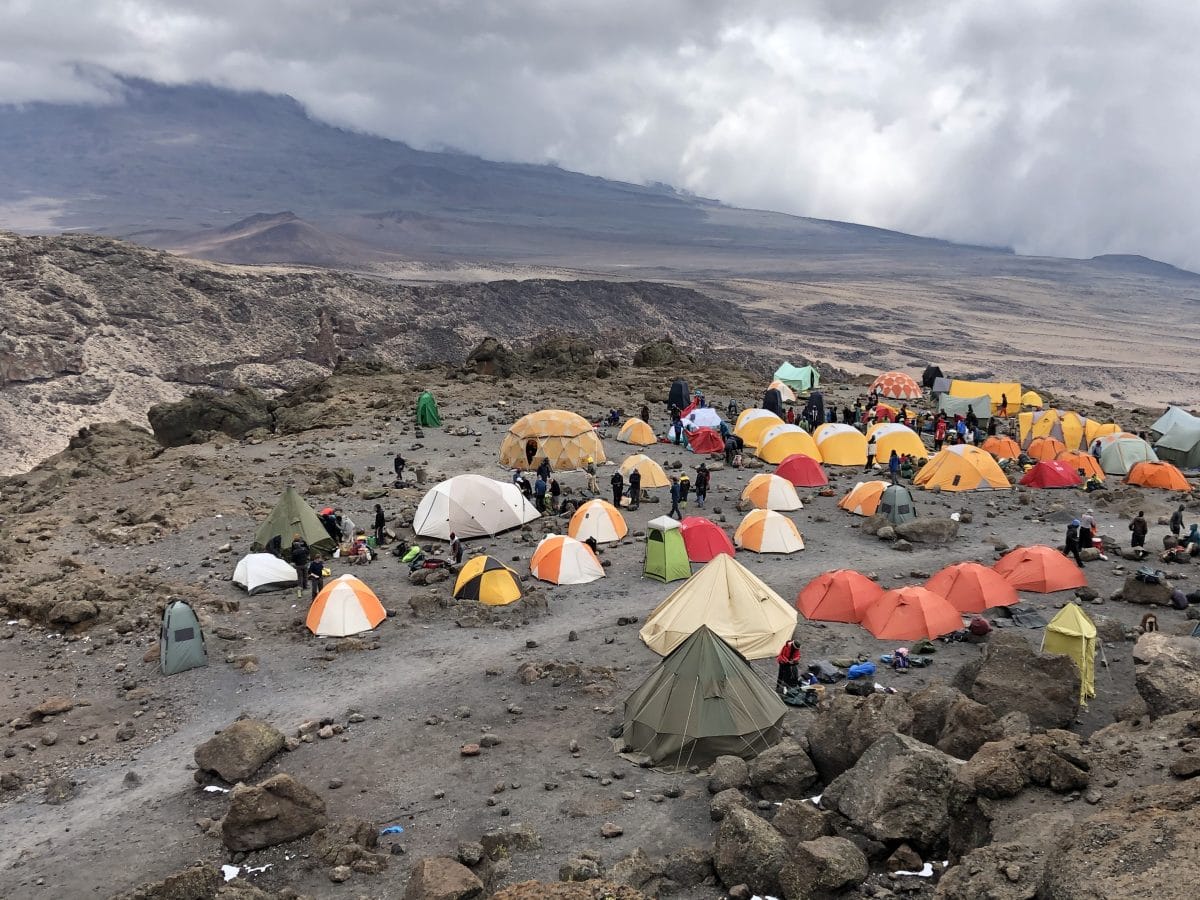
- Day 5: Karanga Camp to Barafu Camp
- Day 6: Barafu Camp to Uhuru Peak, descend to Mweka Camp
- Day 7: Mweka Camp to Mweka Gate
Pros for Veterans’ Groups: Excellent acclimatization, diverse scenery, strong sense of progress, and a good success rate. The Barranco Wall climb provides a memorable team challenge.
Cons: Can be busy, requires good fitness.
Lemosho Route (8 Days)
The Lemosho Route is considered one of the most beautiful routes, offering a remote and pristine wilderness experience before joining the Machame Route. The extra day significantly aids acclimatization.
- Day 1: Londorossi Gate to Mti Mkubwa Camp
- Day 2: Mti Mkubwa Camp to Shira 1 Camp
- Day 3: Shira 1 Camp to Shira 2 Camp
- Day 4: Shira 2 Camp to Barranco Camp
- Day 5: Barranco Camp to Karanga Camp
- Day 6: Karanga Camp to Barafu Camp
- Day 7: Barafu Camp to Uhuru Peak, descend to Mweka Camp
- Day 8: Mweka Camp to Mweka Gate
Pros for Veterans’ Groups: Superior acclimatization due to the longer duration, stunning views, less crowded initially, higher success rates. The extended itinerary allows for a more measured approach.
Cons: Longer duration means a greater time commitment and potentially higher cost.
Other routes like the Marangu Route (often called the ‘Coca-Cola Route’) are shorter and use huts, but the rapid ascent is less ideal for acclimatization, and the scenery is less varied. The Northern Circuit is the longest and offers the best acclimatization but requires more time and commitment. For most veterans’ groups seeking a balance of challenge, success, and camaraderie, the 7-day Machame or 8-day Lemosho are excellent choices for their 2026-2027 expeditions.
Timing Your 2026-2027 Kilimanjaro Veterans’ Expedition
Kilimanjaro can be climbed year-round, but certain periods offer more favorable weather conditions, which can be crucial for group morale and safety.
- Best Climbing Seasons: January-March and June-October. These months generally offer clear skies, lower humidity, and less rain.
- January-March 2026/2027: Typically dry and warm. Good for avoiding crowds during the peak season.
- June-October 2026/2027: Dry and cooler, especially at higher altitudes. This is a very popular window.
- Shoulder Seasons (April-May, November-December): These months often bring rain, making the trails muddy and visibility poor. While possible, they are generally less recommended for group expeditions unless seeking a more solitary experience and accepting the weather risks.
For a Kilimanjaro Veterans’ Group Expedition, aiming for the peak seasons (June-October 2026 or 2027) often ensures the best weather, maximizing the chances of a successful and enjoyable climb for everyone involved. Early booking for these popular windows is highly recommended.
Physical and Mental Preparation
While veterans often possess a high level of physical fitness and mental resilience, Kilimanjaro is a serious undertaking that requires specific preparation. The key is cardiovascular fitness and endurance, focusing on hiking with a weighted pack.
- Cardiovascular Training: Engage in activities like running, cycling, swimming, or brisk walking for at least 3-4 times a week.
- Hiking Practice: Aim for regular hikes, preferably with inclines, carrying a backpack weighing 10-15 kg (22-33 lbs). This simulates mountain conditions.
- Strength Training: Focus on leg strength (squats, lunges) and core stability.
- Mental Fortitude: Practice mindfulness, visualization, and develop strategies for dealing with discomfort and fatigue. The shared experience in a veterans’ group can be a significant mental support.
- Acclimatization Knowledge: Understand the principles of acclimatization and the symptoms of Altitude Sickness (AMS).
Top Guide Adventures provides detailed pre-climb information and can offer guidance on training regimes. We encourage all participants in our Kilimanjaro Veterans’ Group Expeditions to consult with their physicians before beginning any strenuous training program.
Gear and Equipment for Kilimanjaro
Proper gear is essential for comfort, safety, and success on Kilimanjaro. For a group expedition, ensuring everyone has the right equipment can be coordinated. While Top Guide Adventures provides tents, sleeping mats, and cooking equipment, personal gear is the responsibility of the climber.
Essential Personal Gear Checklist:
- Clothing: Layering is key. Moisture-wicking base layers, insulating mid-layers (fleece or down), and waterproof/windproof outer shells (jacket and trousers).
- Footwear: Broken-in, waterproof hiking boots. Camp shoes or trainers for evenings.
- Headwear: Warm hat (beanie), sun hat with a brim, balaclava or neck gaiter for extreme cold.
- Gloves: Warm, waterproof gloves and lighter liner gloves.
- Sleeping Bag: A 4-season bag rated to at least -10°C (15°F).
- Backpack: A comfortable daypack (30-40 liters) for carrying essentials during the day.
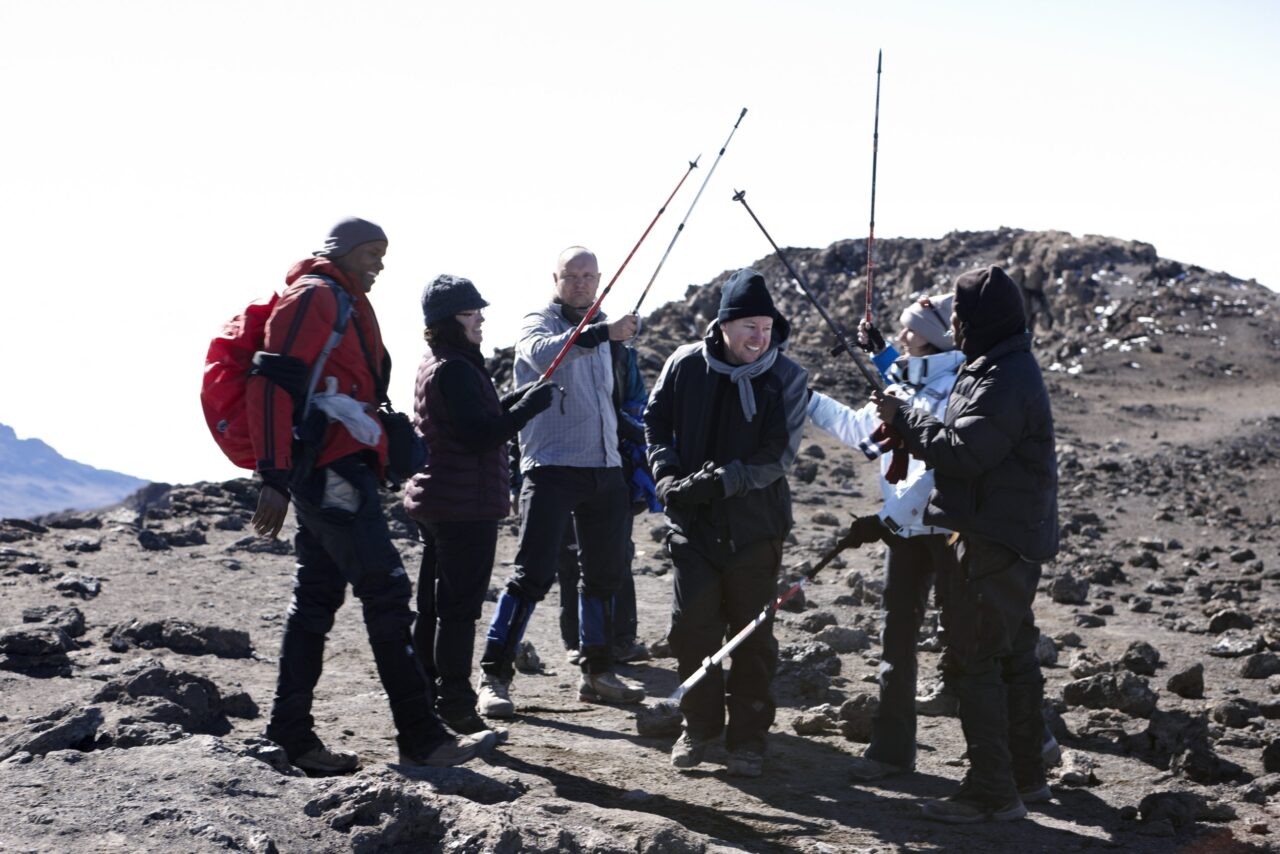
- Trekking Poles: Highly recommended for stability and reducing knee strain.
- Headlamp: With extra batteries, essential for summit night.
- Water Bottles/Hydration Reservoir: Minimum 3-liter capacity.
- Sun Protection: High SPF sunscreen, lip balm, sunglasses.
- Personal First-Aid Kit: Including any personal medications.
- Toiletries: Biodegradable soap, toothbrush, toothpaste, wet wipes.
Note: Top Guide Adventures can advise on specific gear requirements and assist with rentals for items like sleeping bags and trekking poles if needed for your Kilimanjaro Veterans’ Group Expedition.
The Kilimanjaro Veterans’ Group Expedition Experience: Day by Day
A typical Kilimanjaro Veterans’ Group Expedition, using a route like Machame or Lemosho, involves several days of trekking through diverse ecological zones, culminating in the challenging summit push.
Pre-Climb Briefing and Kilimanjaro National Park Entry
Before the trek begins, participants meet for a comprehensive briefing. This session covers:
- Introduction to Guides and Crew: Meet your mountain team.
- Gear Check: Ensure all personal equipment is suitable.
- Route Overview: Detailed daily itinerary and expectations.
- Acclimatization and Health: Understanding altitude sickness and how to manage it.
- Safety Protocols: Emergency procedures and communication.
- Park Regulations: Environmental and ethical conduct on the mountain.
The expedition officially begins at the Kilimanjaro National Park gate (e.g., Machame Gate or Londorossi Gate). Here, park registration formalities are completed, and the trek into the rainforest begins.
Ascending Through the Ecosystems
Kilimanjaro is renowned for its distinct ecological zones, each offering a unique landscape and environment:
- Rainforest (approx. 1,800m – 2,800m): Lush vegetation, tall trees, often humid and misty. Trails can be muddy. Wildlife such as monkeys and various bird species are common.
- Heath/Moorland (approx. 2,800m – 4,000m): Vegetation becomes sparser, with giant heathers, groundsels, and lobelias. The landscape opens up, offering expansive views.
- Alpine Desert (approx. 4,000m – 5,000m): Arid and rocky terrain, with minimal vegetation. Temperatures drop significantly, and the air becomes thin.
- Arctic Zone (above 5,000m): Bare rock, ice, and snow. This is the zone of the summit, characterized by extreme cold and low oxygen levels.
The daily rhythm of a Kilimanjaro Veterans’ Group Expedition involves waking early, having breakfast, packing up camp, trekking for several hours, enjoying lunch en route, and arriving at the next camp in the afternoon. Evenings are spent relaxing, preparing for the next day, and enjoying the camaraderie.
The Summit Night Push: The Ultimate Challenge
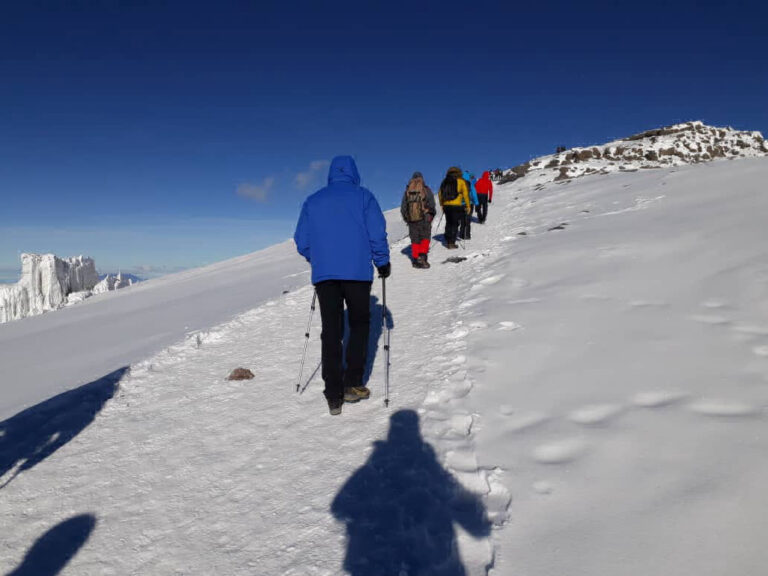
Summit night is the most demanding part of the climb. Typically starting around midnight from Barafu Camp (around 4,650m), the ascent to Uhuru Peak (5,895m) is a slow, steady climb in the dark, often in extreme cold and wind.
- Pacing: The mantra is ‘pole pole’ (slowly, slowly). Steady, consistent steps are crucial.
- Hydration and Nutrition: Consuming fluids and energy-rich snacks is vital, even when appetite is low.
- Mental Resilience: This is where mental fortitude, a common trait among veterans, plays a significant role. Focusing on one step at a time, drawing strength from the group, and remembering the mission objective are key.
- Sunrise at Stella Point: Reaching Stella Point (5,756m) around dawn offers a spectacular reward and a glimpse of the remaining climb to Uhuru Peak.
- Uhuru Peak: The final push to the summit is exhilarating. Reaching the roof of Africa is a profound achievement, shared with your fellow veterans.
The descent from the summit is also challenging, requiring concentration to avoid slips and falls, especially when fatigued. Most climbers descend to Barafu Camp for a short rest before continuing down to Mweka Camp.
Descent and Celebration
The final day involves descending from the last camp to the park gate. Upon arrival, the team is often greeted with certificates of achievement. The sense of accomplishment and shared victory is immense. A celebratory dinner is usually organized, providing a perfect opportunity for the veterans to reflect on their journey and strengthen their bonds.
Cost Considerations for Kilimanjaro Veterans’ Group Expeditions in 2026-2027
The cost of a Kilimanjaro climb can vary significantly based on the route, duration, quality of service, and group size. For Kilimanjaro Veterans’ Group Expeditions, the pricing often reflects a balance of providing excellent support while aiming for accessibility.
Generally, the cost is quoted on a per-person basis and includes:
- Park entrance fees, camping fees, and rescue fees
- Experienced mountain guides, assistant guides, and porters
- All meals on the mountain
- Accommodation in tents (usually 2-3 person tents)
- Cooks and porters for carrying group equipment
- Bottled water on the mountain (or purification system)
- Transfer to and from the mountain
- A pre-climb briefing
Exclusions typically include:
- Flights to and from Kilimanjaro International Airport (JRO)
- Visa fees
- Travel and medical insurance (mandatory)
- Personal climbing gear (unless rented)
- Tips for guides, porters, and cooks (a significant part of the crew’s income)
- Lunches and drinks in town before and after the climb
- Personal expenses (souvenirs, laundry, etc.)
- Optional tips for extra services
Price Ranges for 2026-2027:
For a reputable operator like Top Guide Adventures, offering comprehensive support and prioritizing safety, you can expect prices for a standard 7-day Machame or 8-day Lemosho route for a Kilimanjaro Veterans’ Group Expedition to fall within the range of $2,000 to $3,500 USD per person. Shorter or more basic expeditions might be less, while premium services or longer routes could be more.
Factors Influencing Cost:
- Route Length: Longer routes (like 8-day Lemosho) are more expensive due to more days of service.
- Group Size: While this is a ‘group’ expedition, very large groups might offer slight economies of scale, but smaller, more intimate groups often provide better camaraderie.
- Service Level: The quality of guides, food, equipment, and the ratio of porters to climbers can affect the price. Top Guide Adventures focuses on high-quality service without unnecessary luxury.
- Time of Year: Peak seasons might have slightly higher operational costs.
For specific pricing and availability for 2026-2027 Kilimanjaro Veterans’ Group Expeditions, we encourage you to contact us directly.
Tipping on Kilimanjaro
Tipping is a crucial part of the mountain crew’s income. It’s customary and expected. A guideline for a 7-day climb might be:
- Lead Guide: $20-25 USD per day
- Assistant Guide: $15-20 USD per day
- Cook: $12-15 USD per day
- Porters: $8-10 USD per day
These amounts are per climber and are usually pooled and distributed by the lead guide. It’s best to give tips as a group on the last day of the climb, often at a farewell dinner.
Joining or Organizing a Kilimanjaro Veterans’ Group Expedition
Whether you are looking to join an existing expedition or help organize one for your veteran community, Top Guide Adventures is here to assist.
Joining an Existing Expedition
We regularly schedule Kilimanjaro Veterans’ Group Expeditions. These are ideal for individuals who want to climb with like-minded veterans but may not have a group to form themselves. We aim to create an environment where new friendships can blossom and shared goals can be achieved.
Key steps to join:
- Check our website or contact us: Inquire about upcoming scheduled Kilimanjaro Veterans’ Group Expeditions for 2026 and 2027.
- Book your spot: A deposit is typically required to secure your place.
- Undergo preparation: Follow our training and gear advice.
- Arrive in Tanzania: Meet your group and prepare for the climb.
Organizing a Private Veterans’ Group Expedition
If you have a group of veterans interested in climbing together, we can organize a private expedition tailored to your needs. This offers more flexibility in choosing dates and potentially routes.
Steps to organize a private expedition:
- Contact Top Guide Adventures: Reach out via WhatsApp at +255616946642 or email us at topguideadventures@gmail.com or info@topguideadventures.com.
- Discuss your group’s needs: Specify preferred dates for 2026 or 2027, desired route, group size, and any special requirements.
- Receive a tailored itinerary and quote: We will provide a detailed proposal based on your requirements.
- Confirm booking: A deposit will be required to confirm your private expedition.
- Prepare together: Work with us and your group members on training and logistics.
A private Kilimanjaro Veterans’ Group Expedition can be a powerful way to strengthen unit cohesion or create new bonds among veterans, all while achieving an extraordinary personal goal.
The Impact of Climbing Kilimanjaro for Veterans
The benefits of undertaking a Kilimanjaro climb extend far beyond the physical achievement. For veterans, these expeditions can offer profound psychological and emotional rewards.
- Reaffirmation of Purpose: The clear objective and structured environment can provide a renewed sense of purpose, similar to military missions.
- Building Trust and Teamwork: Relying on fellow climbers and the support crew reinforces the value of teamwork and mutual trust.
- Overcoming Challenges: Successfully navigating the physical and mental demands of the climb builds confidence and resilience.
- Shared Experience and Connection: The unique bond formed through a shared arduous journey can create lifelong friendships among veterans.
- Perspective and Well-being: The grandeur of Kilimanjaro and the accomplishment of reaching the summit can offer a powerful shift in perspective, contributing to overall well-being.
Top Guide Adventures is committed to facilitating these life-changing experiences for veterans. We understand the significance of such a journey and strive to make every Kilimanjaro Veterans’ Group Expedition a resounding success, both on and off the mountain.
Frequently Asked Questions about Kilimanjaro Veterans’ Group Expeditions
Here are some common questions veterans might have when considering a group expedition to Kilimanjaro.
What is the ideal group size for a veterans’ expedition?
While we can accommodate various group sizes, typically, groups of 6-12 participants offer a good balance of camaraderie and manageable logistics for a Kilimanjaro Veterans’ Group Expedition. Smaller groups can foster tighter bonds, while larger ones might require more complex coordination.
Are there any special considerations for veterans with service-related injuries or PTSD?
Yes, absolutely. We encourage all participants to be open with us about any health conditions. Our guides are experienced in managing group dynamics and ensuring safety. While Kilimanjaro is a challenging trek, with proper planning, acclimatization, and a supportive group, many veterans with past injuries or managing PTSD find the experience highly rewarding. Open communication is key, and we can discuss specific needs during the planning phase.
What is the best route for a veterans’ group focused on acclimatization?
For optimal acclimatization, the 8-day Lemosho Route is highly recommended. The extra day allows for a slower ascent and better adaptation to altitude. The 7-day Machame Route is also a good option with a decent acclimatization profile.
Do I need to have prior mountaineering experience?
No, prior mountaineering experience is not required. Kilimanjaro is a trek, not a technical climb. However, excellent physical fitness and endurance are essential. Experience in multi-day hiking is beneficial.
What is the altitude of Kilimanjaro?
Mount Kilimanjaro stands at 5,895 meters (19,341 feet) above sea level. Summit night is particularly challenging due to the extreme altitude and thin air.
When is the best time for a Kilimanjaro Veterans’ Group Expedition in 2026 or 2027?
The best times are the dry seasons: January to March and June to October. These months offer the clearest skies and most stable weather conditions, ideal for a successful group climb.
How much should I budget for tips for the mountain crew?
A common guideline is around $250-$350 USD per climber for a 7-day trek, with amounts varying slightly based on the exact duration and number of crew members. This is a significant part of their earnings and should be budgeted for.
Book Your 2026-2027 Kilimanjaro Veterans’ Group Expedition with Top Guide Adventures
Embarking on a Kilimanjaro Veterans’ Group Expedition is an extraordinary undertaking that promises adventure, personal growth, and the formation of lasting bonds. At Top Guide Adventures, we are dedicated to providing a safe, supportive, and unforgettable experience for veterans. Our team’s expertise in organizing climbs, coupled with our understanding of the unique needs of veterans, ensures a journey that is both challenging and deeply rewarding.
Whether you are looking to join a scheduled departure in 2026 or 2027, or you wish to organize a private expedition for your unit or group of friends, we are here to help you achieve your goal. We handle all the logistics, from park permits and mountain crew to meals and accommodation, allowing you to focus on the climb and the camaraderie.
Ready to take on the challenge?
Contact us today to learn more about our upcoming Kilimanjaro Veterans’ Group Expeditions for 2026-2027 and to discuss your specific requirements.
- WhatsApp: +255616946642
- Email: topguideadventures@gmail.com
- Alternative Email: info@topguideadventures.com
Let Top Guide Adventures be your trusted partner in conquering Mount Kilimanjaro. We look forward to helping you and your fellow veterans achieve this incredible milestone.
Check Availability for Kilimanjaro Veterans Group Expeditions For 2026-2027
Ready to compare dates, prices, and the best option for your group? Send the package name and travel month so the team can reply with a clear quote, availability, and what is included.
Kilimanjaro Friends’ Group Climbing Holiday: Your Ultimate Guide For 2026-2027
Organizing a Kilimanjaro climb for a group of friends is an unforgettable experience. This guide from Top Guide Adventures covers everything you need to know for a successful 2026-2027...
View package details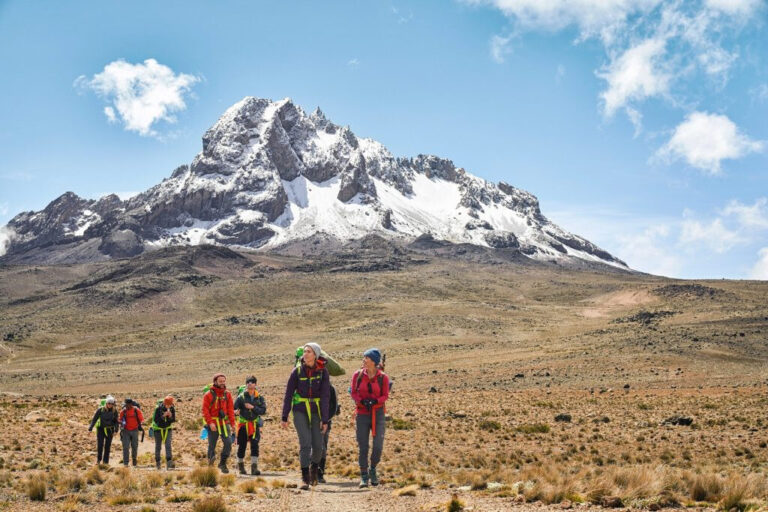
Kilimanjaro Climbing Price For Five People: Group Costs 2026-2027
Understanding the Kilimanjaro climbing price for five people (5 pax) is crucial for group planning. This guide breaks down the costs for 2026-2027, covering route variations, inclusions...
View package details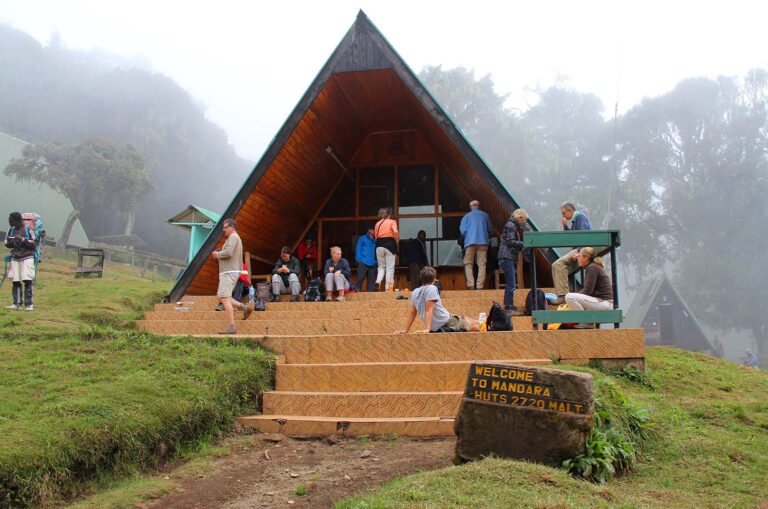
Kilimanjaro Climbing Price For Ten People: Group Trekking Costs Explained
Planning a Kilimanjaro climb for a group of ten? This comprehensive guide breaks down the Kilimanjaro climbing price for ten people, covering 2026-2027 costs, route influences, inclusions...
View package details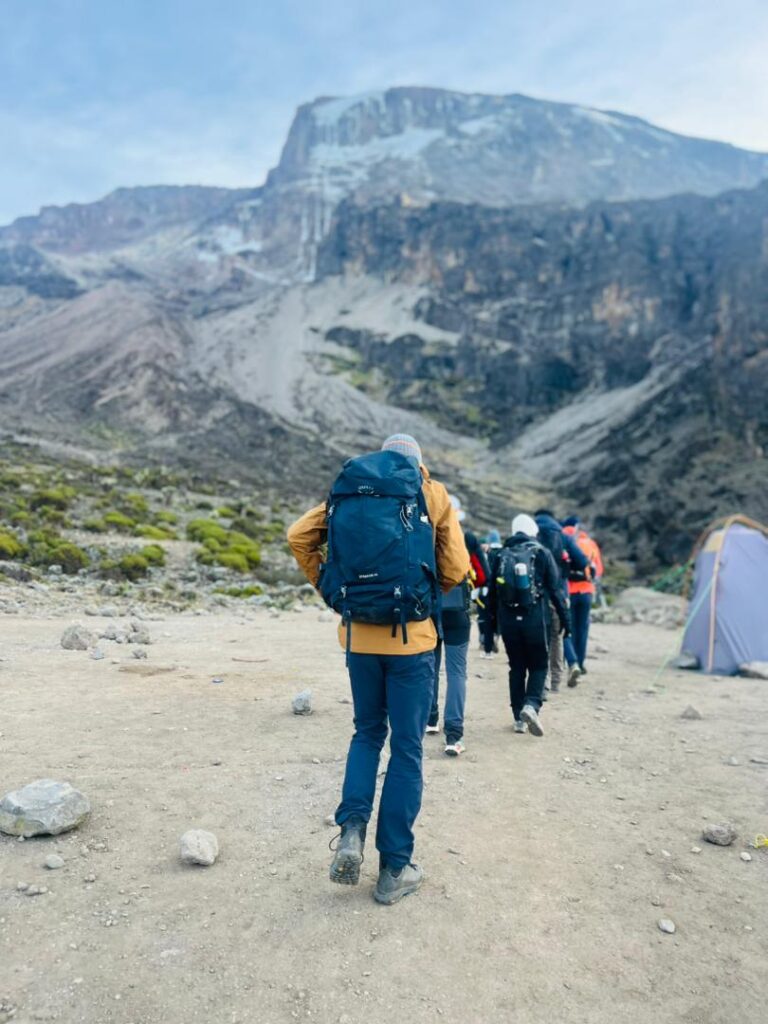
March Kilimanjaro Solo Traveller Group: Your Ultimate Guide For 2026-2027
Planning to climb Kilimanjaro solo in March? This guide connects you with group departures specifically for solo travellers, covering routes, costs, preparation, and what to expect in...
View package details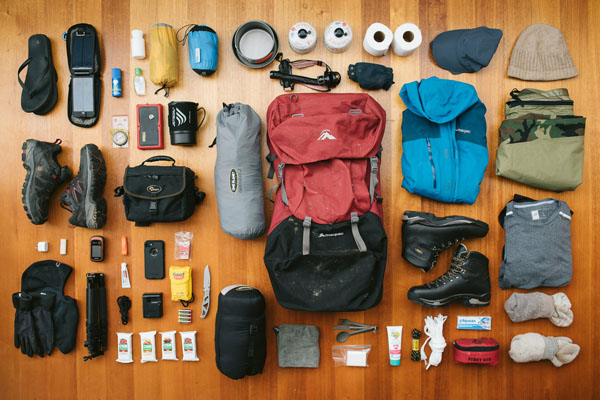
Kilimanjaro School Reunion Climb: Planning Your Ultimate Adventure 2026-2027
Planning a Kilimanjaro School Reunion Climb offers a unique opportunity to reconnect with classmates while achieving a monumental goal. This guide covers everything from choosing the best...
View package details
Kilimanjaro Father-And-Son Climbing Package: Forge Bonds On Africas Roof
Discover the ultimate Kilimanjaro father-and-son climbing package, offering a unique opportunity for bonding and achievement on Africa's highest peak. Top Guide Adventures provides tailored...
View package details
Kilimanjaro Acclimatization For Slow-Paced Groups 2026-2027
Kilimanjaro Acclimatization for Slow-Paced Groups is explained with current 2026-2027 planning, price, itinerary and booking information.
View package details
Kilimanjaro Christmas And New Year Expedition : Your Ultimate Guide 2026-2027
Climb Mount Kilimanjaro during the festive season! This comprehensive guide covers everything you need to know about a Kilimanjaro Christmas and New Year expedition for 2026-2027, from...
View package details
Kilimanjaro Valentine’s Couple Expedition: Your Ultimate Guide 2026-2027
start a unique Kilimanjaro Valentine’s Couple Expedition in 2026 or 2027. This guide covers everything couples need to know, from choosing the best route for romance and success to packing...
View package details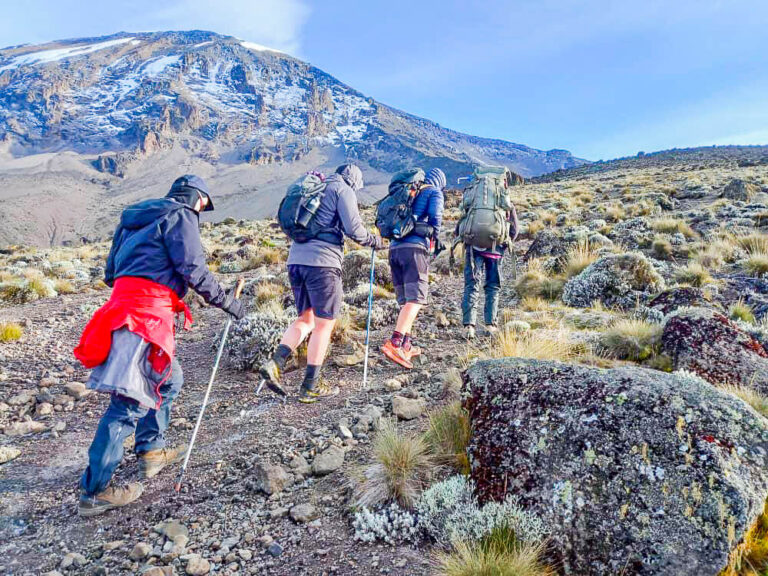
Kilimanjaro Anniversary Summit Expedition: Celebrating Milestones In 2026-2027
start an unforgettable Kilimanjaro Anniversary Summit Expedition in 2026 or 2027. This guide covers route selection, preparation, and what to expect for couples or groups celebrating a...
View package details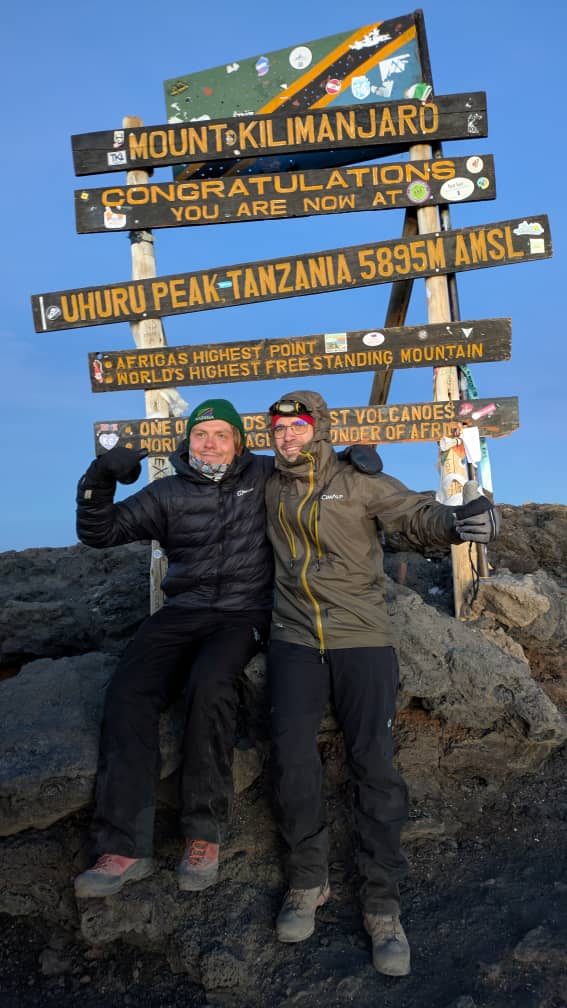
December Kilimanjaro Luxury Festive Expedition: Your Ultimate Guide 2026-2027
Experience a special December Kilimanjaro Luxury Festive Expedition in 2026-2027. This guide covers everything from route selection and peak weather to luxury accommodations and festive...
View package details
December Kilimanjaro Honeymoon Expedition: Your Ultimate Guide For 2026-2027
start a unique December Kilimanjaro honeymoon expedition for 2026-2027. This guide covers everything from route selection and optimal packing to weather expectations and booking...
View package detailsNo related package matches those filters. Clear one or more filters to see the other topic-matched options.



