
Joining a March Kilimanjaro solo traveller group in 2026 or 2027 offers a fantastic opportunity to experience the trek with built-in camaraderie and shared costs, making the adventure more accessible and enjoyable for individuals. These groups are specifically designed to accommodate solo climbers, fostering a supportive environment from departure to summit, often utilizing popular routes like Machame or Lemosho for optimal acclimatization and success rates.
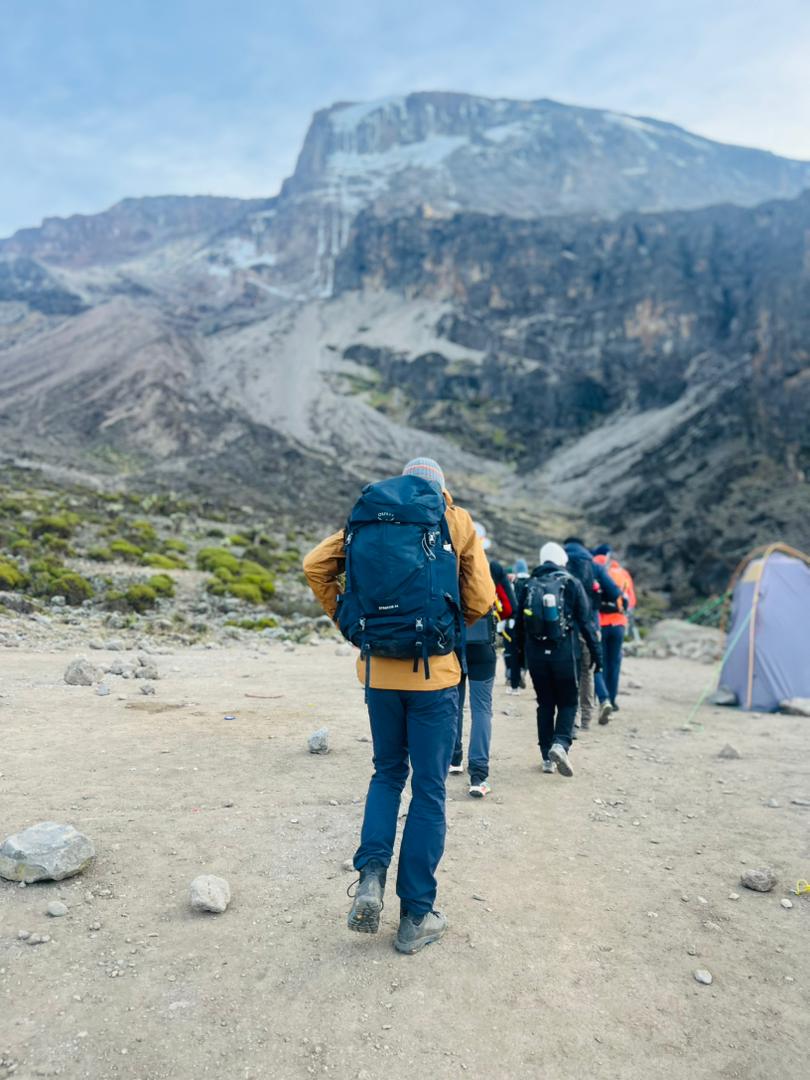
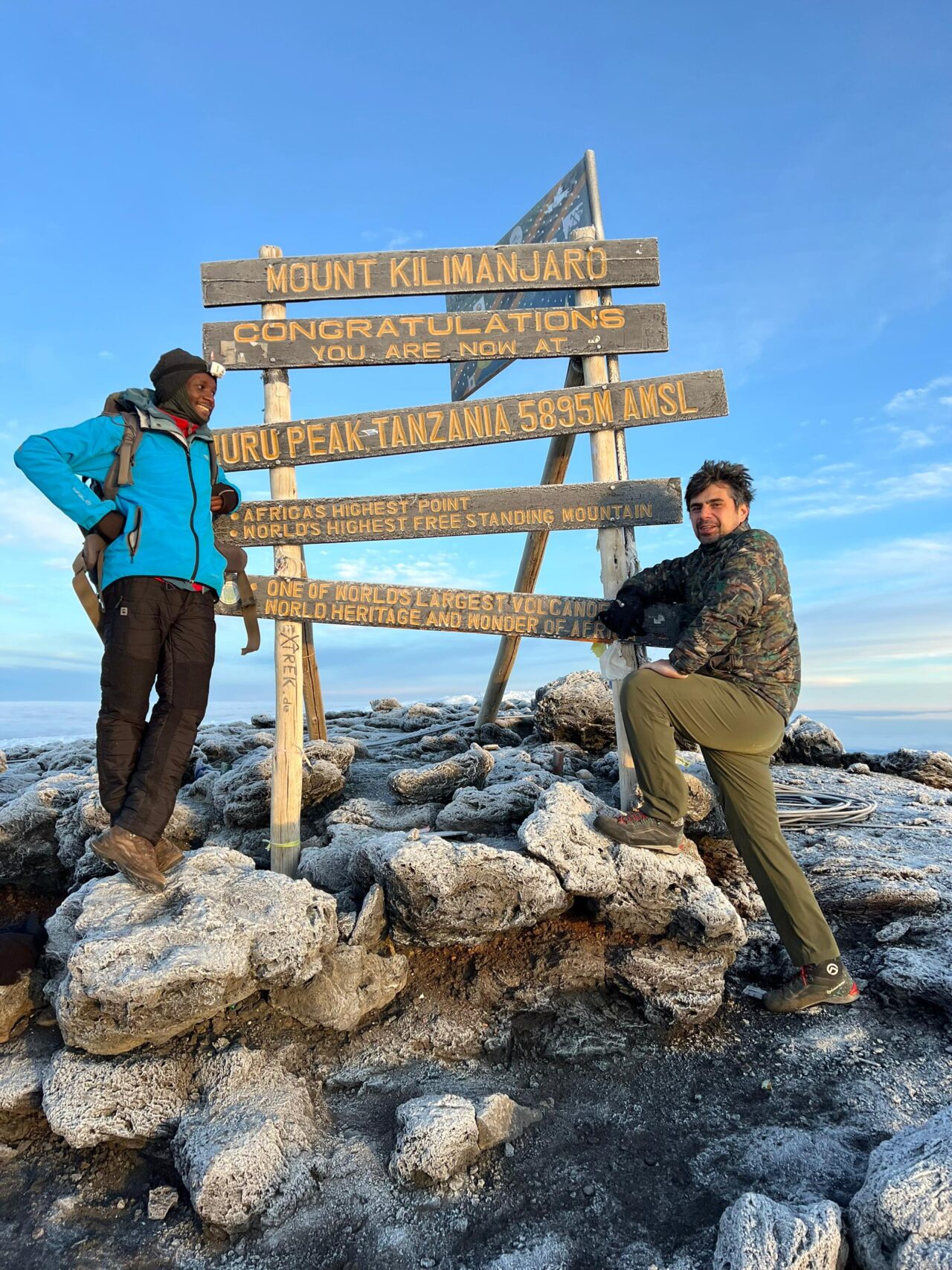
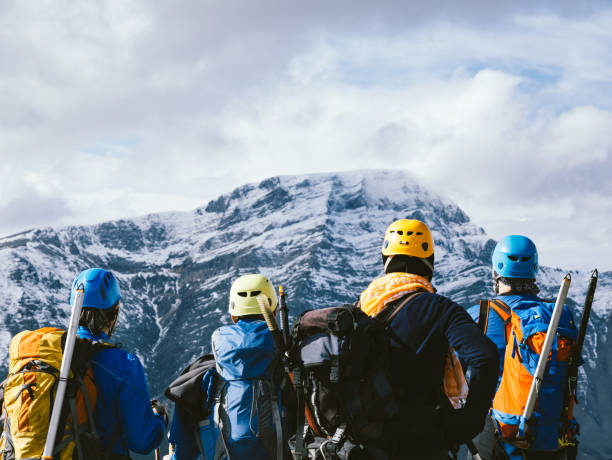
Why March is Ideal for Solo Kilimanjaro Trekkers
March on Kilimanjaro falls within the latter part of the short rainy season, but this often means fewer crowds and lush, vibrant landscapes. For the solo traveller, this period presents a unique advantage: a more intimate trekking experience without sacrificing safety or the potential for clear summit views. While occasional rain showers are possible, they are typically brief and don’t usually disrupt the climb significantly. The weather can be unpredictable at high altitudes, but March offers a balance of fewer trekkers and manageable conditions, making it a compelling choice for those seeking a less crowded ascent in 2026 or 2027.
The primary benefit for solo travellers is the inherent social aspect of a group departure. Climbing Kilimanjaro is a physically and mentally challenging journey, and having a group of like-minded individuals to share the experience with can significantly enhance the adventure. These groups provide a ready-made support network, turning a potentially solitary experience into a shared triumph. For many, the idea of tackling such an iconic peak alone can be daunting; a group setting alleviates this concern, offering companionship, shared stories around the campfire, and mutual encouragement on the tougher days.
Furthermore, joining a March Kilimanjaro solo traveller group often translates to more economical travel. Tour operators can spread fixed costs like guide salaries, cook services, and park fees across more participants. This group rate is particularly beneficial for solo travellers who would otherwise bear these costs alone. When planning for 2026 or 2027, looking for these dedicated solo traveller departures ensures you’re not paying a premium for a private climb while still enjoying the benefits of a smaller, more intimate group setting.
Forming Your March Kilimanjaro Solo Traveller Group
Top Guide Adventures specializes in creating these very opportunities. We understand the unique needs of solo travellers and actively curate departures that welcome individuals looking to join a group. Instead of you having to find fellow solo climbers, we facilitate the formation of these groups. Our approach ensures that by the time you start your trek, you are part of a cohesive unit, ready to support each other towards Uhuru Peak.
When you inquire about a climb for March 2026 or March 2027, we can inform you about upcoming departures specifically designated for solo travellers or mixed groups where solo individuals are warmly welcomed and integrated. This proactive approach means you won’t be the only solo person on the mountain; you’ll be joining a pre-established or forming group of adventurers with similar goals. This is crucial for building immediate rapport and a sense of shared purpose from the outset.
Our commitment is to provide a safe, supportive, and memorable Kilimanjaro experience for every solo traveller. We handle the logistics of group formation, ensuring a balanced group size that allows for personal attention from guides while maintaining the dynamics of a shared journey. This takes the organizational stress off your shoulders, allowing you to focus on your preparation and the incredible adventure ahead.
Choosing the Right Route for a March Solo Climb
While many routes can be climbed in March, some are better suited for solo travellers joining a group due to their acclimatization profiles and popularity, which helps in forming groups. The Machame Route and the Lemosho Route are consistently favoured for their high success rates and scenic beauty, making them excellent choices for a March Kilimanjaro solo traveller group. These routes offer a gradual ascent, allowing the body to adapt to the altitude effectively.
The Machame Route, often called the “Whiskey Route,” is a popular choice for its challenging yet rewarding climb and excellent acclimatization. It typically takes 6 or 7 days. The 7-day option provides an extra day for acclimatization, significantly boosting success rates, which is always a primary concern for any climber, especially those in a group setting where everyone wants to reach the summit.
The Lemosho Route is another superb option, known for its stunning scenery and remote wilderness feel. It’s generally longer, usually 7 or 8 days, offering superior acclimatization and higher success rates. Its longer duration also means more time to bond with your fellow group members, enhancing the camaraderie within the March Kilimanjaro solo traveller group.
Other routes like the Marangu Route (Coca-Cola Route) are faster but offer poorer acclimatization. The Northern Circuit is the longest and offers the best acclimatization but is less common for standard group departures due to its extended duration. For a dedicated March Kilimanjaro solo traveller group aiming for success and a good experience in 2026-2027, Machame and Lemosho remain the top recommendations.
Key Considerations for Solo Travellers in March
- Weather: While not the peak dry season, March offers fewer crowds. Expect variable weather with potential for rain, but also clear days. Layering is essential.
- Crowds: March is generally less crowded than the peak dry seasons (January-February and June-October), providing a more personal trekking experience.
- Scenery: The landscape is often greener and more vibrant due to recent rains.
- Acclimatization: Choosing a longer route (7-8 days) is highly recommended for better acclimatization, especially for solo travellers who may not have prior high-altitude experience.
- Group Dynamics: Joining a dedicated solo traveller group ensures you’re with others in a similar situation, fostering a supportive and friendly atmosphere.
What to Expect from a March Kilimanjaro Solo Traveller Group
When you book a spot in a March Kilimanjaro solo traveller group with Top Guide Adventures, you’re signing up for a comprehensive experience. This includes expert guides, experienced support crew (cooks and porters), all necessary park and rescue fees, quality camping equipment, and nutritious meals prepared daily on the mountain. The goal is to remove logistical worries so you can focus on the climb and connecting with your fellow trekkers.
Group Size and Composition: While we aim to create cohesive groups, sizes can vary. Typically, these groups might range from 4 to 12 people. The composition will be a mix of solo travellers, ensuring everyone shares the same objective: a successful and enjoyable summit. Our guides are skilled at managing group dynamics, ensuring everyone feels included and supported, regardless of their pace.
Daily Trekking: Days on the mountain follow a rhythm. Mornings involve breakfast, packing up camp, and a briefing from the lead guide. The day’s trek involves hiking for several hours, with breaks for lunch and rest. Evenings are spent at camp, with dinner, a review of the next day’s plan, and time to relax and socialize. For solo travellers, this structured daily routine provides comfort and predictability.
Summit Night: This is the most demanding part of the climb, usually starting very late on the final night. You’ll trek through the night towards Uhuru Peak, aiming to reach the summit for sunrise. The cold, altitude, and darkness make this a significant challenge, but the shared effort and encouragement from your group and guides make it achievable. The sense of accomplishment upon reaching the top with your fellow solo travellers is unparalleled.
Post-Climb Experience: After descending, the group typically celebrates the achievement. You’ll have opportunities to share memories and perhaps plan future adventures together. Top Guide Adventures also offers options for post-climb relaxation, such as safaris or stays on Zanzibar, which can be a great way for solo travellers to extend their Tanzanian experience with new friends.
Safety and Support for Solo Climbers
Safety is paramount for any Kilimanjaro climb, and it’s an even greater focus for solo travellers. Top Guide Adventures employs highly trained guides certified in wilderness first aid and mountain rescue. They are experienced with the effects of altitude and know how to manage potential issues. Every group is equipped with supplementary oxygen and a comprehensive first-aid kit. For a March Kilimanjaro solo traveller group, this professional support structure is essential.
Our guides are trained to monitor each climber’s condition, paying close attention to signs of altitude sickness. They will encourage open communication, so if you feel unwell, you are expected to speak up immediately. The group nature of the trek means that fellow travellers can also offer support and encouragement, creating a vital safety net.
We also ensure a high guide-to-client ratio. For most routes, this means one lead guide, one assistant guide for every two clients, and dedicated porters. This ensures that no climber is ever left behind and that assistance is readily available. For solo travellers, knowing that experienced professionals and supportive companions are present every step of the way provides immense peace of mind.
Preparing for Your March Kilimanjaro Solo Adventure (2026-2027)
Successful preparation is key to enjoying your climb and maximizing your chances of reaching the summit. For a March Kilimanjaro solo traveller group, preparation should focus on physical conditioning, gear, and mental readiness.
Physical Training Regimen
Kilimanjaro is a high-altitude trek, not a technical climb, but it requires significant cardiovascular fitness and leg strength. Start training at least 2-3 months before your departure date for March 2026 or 2027.
- Cardiovascular Fitness: Engage in activities like running, cycling, swimming, or brisk walking for at least 3-4 times a week. Aim for sessions of 45-60 minutes.
- Strength Training: Focus on leg exercises such as squats, lunges, and step-ups. Core strength is also important.
- Hiking: The most crucial training is hiking with a weighted backpack, ideally on varied terrain (hills, stairs). Simulate a typical trekking day by going for long hikes (4-6 hours) on weekends. This helps your body adapt to the repetitive motion and carrying weight.
- Altitude Acclimatization Training: If possible, try to do some hikes at higher altitudes in the weeks leading up to your trip. This is not always feasible, but any exposure helps.
Remember to listen to your body and avoid overtraining. Consistency is more important than intensity.
Essential Gear for March Climbs
Packing the right gear is critical, especially for the variable weather in March. Layering is the key principle. Top Guide Adventures provides a detailed packing list, but here are the essentials:
- Base Layers: Moisture-wicking thermal underwear (synthetic or merino wool).
- Mid Layers: Fleece jacket or insulated vest for warmth.
- Outer Layer: Waterproof and windproof jacket and trousers (Gore-Tex or similar).
- Insulation Layer: A warm down or synthetic jacket for evenings and summit night.
- Footwear: Broken-in, waterproof hiking boots with good ankle support. Several pairs of warm hiking socks.
- Headwear: Warm hat that covers your ears, a sun hat, and sunglasses. A balaclava or neck gaiter for warmth.
- Handwear: Warm, waterproof gloves or mittens. Liner gloves for dexterity.
- Sleeping Bag: A 4-season sleeping bag rated to at least -15°C (0°F).
- Backpack: A comfortable daypack (30-40 liters) for essentials, and a larger duffel bag (80-100 liters) for porters to carry.
- Trekking Poles: Highly recommended for stability and reducing knee strain.
- Headlamp: With extra batteries.
- Water Bottles/Hydration System: At least 3 liters capacity. Insulated covers to prevent freezing.
- Sunscreen and Lip Balm: High SPF.
- Personal First-Aid Kit: Including blister treatment, pain relievers, and any personal medications.
For a March Kilimanjaro solo traveller group, ensuring you have reliable gear means you can focus on the experience, not on being cold or uncomfortable.
Mental Preparation and Expectations
Climbing Kilimanjaro is as much a mental challenge as a physical one. Solo travellers often find they rely on their inner strength and the support of the group. Understanding the process and managing expectations is crucial.
- Patience: The pace on Kilimanjaro is deliberately slow (“pole pole”). Embrace it; it’s key to acclimatization.
- Positivity: Maintain a positive attitude, especially during difficult moments. Your mindset can influence your performance and the group’s morale.
- Communication: Be open with your guides and fellow travellers about how you are feeling.
- Flexibility: Weather or personal conditions might necessitate changes. Be prepared to adapt.
- Enjoyment: While the summit is the goal, remember to appreciate the journey, the landscapes, and the company.
For solo travellers, the journey itself, the shared effort, and the bonds formed within the March Kilimanjaro solo traveller group are often as rewarding as reaching the summit.
Costs and Inclusions for March Kilimanjaro Solo Traveller Groups (2026-2027)
Understanding the costs involved is vital for planning. For a March Kilimanjaro solo traveller group, prices are generally competitive due to shared operational costs. Top Guide Adventures provides transparent pricing with clear inclusions.
Typical Cost Factors for Solo Trekkers
The overall cost for a Kilimanjaro climb can range significantly based on the route, duration, and the operator’s service level. For a March Kilimanjaro solo traveller group tour in 2026-2027, you can generally expect prices to fall within the following range:
- Budget Operators: $1,500 – $2,000 USD per person (often with fewer inclusions or lower service levels).
- Mid-Range Operators (like Top Guide Adventures): $1,800 – $2,800 USD per person for a 7-day climb. This typically includes comprehensive support, quality gear, and good food.
- Premium Operators: $2,500 – $4,000+ USD per person (offering higher comfort levels, smaller groups, or specialized services).
Note: These are estimates. The exact cost for your March Kilimanjaro solo traveller group booking in 2026 or 2027 will depend on the specific route chosen, duration, and current park fee structures. It’s always best to get a personalized quote.
What’s Typically Included
Reputable tour operators, including Top Guide Adventures, will typically include the following for a March Kilimanjaro solo traveller group:
- Park Fees: All entry, camping, and rescue fees for Kilimanjaro National Park. These are a significant portion of the total cost.
- Guides and Crew: Experienced, licensed guides, assistant guides, cooks, and porters.
- Accommodation: Tents, sleeping mats, and mess tents.
- Meals: All meals and hot drinks on the mountain.
- Water: Boiled or purified drinking water.
- Equipment: Group camping equipment (tents, cooking gear, tables, chairs). Some operators include sleeping bags and trekking poles, while others rent them.
- Transfers: Airport transfers and transfers to/from the mountain gate.
- Safety Equipment: First-aid kits and supplementary oxygen.
What’s Typically Excluded
It’s equally important to know what’s not included to budget accurately:
- Flights: International flights to Kilimanjaro International Airport (JRO).
- Visas: If required for your nationality.
- Travel Insurance: Comprehensive travel and medical insurance, including emergency evacuation. This is mandatory.
- Tips: Gratuities for guides, porters, and cooks. This is a significant part of the crew’s income. Budget around $250-$350 USD per climber for a standard climb.
- Personal Gear: Sleeping bag, warm clothing, hiking boots, backpack, trekking poles, etc. (unless specified as included or rentable).
- Personal Expenses: Souvenirs, drinks outside of meals, battery charging fees.
- Pre/Post-Climb Accommodation: Hotel stays before and after the trek.
- Lunches/Dinners in Arusha/Moshi: Meals before and after the trek unless specified.
When planning for your March Kilimanjaro solo traveller group trip in 2026 or 2027, always request a detailed itinerary and list of inclusions/exclusions from your chosen operator. Top Guide Adventures is committed to transparency, ensuring you know exactly what your investment covers.
Booking Your March Kilimanjaro Solo Traveller Group Adventure
Booking your Kilimanjaro climb is the final step towards your adventure. For a March Kilimanjaro solo traveller group, the process is straightforward with Top Guide Adventures.
How to Book with Top Guide Adventures
- Inquiry: Contact us via email at topguideadventures@gmail.com or WhatsApp at +255616946642. Specify your interest in a March Kilimanjaro solo traveller group departure for 2026 or 2027.
- Consultation: We will discuss available dates, routes, and answer any specific questions you have. We can provide details on current group formations or upcoming departures designed for solo travellers.
- Quote and Itinerary: We will send you a detailed quote and itinerary tailored to your request, clearly outlining inclusions, exclusions, and pricing.
- Deposit: To secure your spot, a deposit is typically required. This confirms your booking and helps us finalize arrangements.
- Final Payment: The remaining balance is usually due a few weeks before your trek departure.
- Preparation Guidance: Once booked, you’ll receive comprehensive pre-departure information, including a detailed packing list, training advice, and visa/vaccination recommendations.
We also maintain a backup email at info@topguideadventures.com for your convenience.
Timing Your Booking for 2026-2027
While March is considered a shoulder season, it’s still advisable to book your March Kilimanjaro solo traveller group trip well in advance, especially if you are targeting specific dates in 2026 or 2027. Booking 6-12 months ahead is ideal to:
- Secure your preferred dates and routes.
- Allow ample time for physical training and gear acquisition.
- Take advantage of potentially better flight prices.
- Ensure your spot on a specifically curated solo traveller group departure.
Last-minute bookings are sometimes possible, but availability for dedicated solo traveller groups can be limited. Early planning is key to a stress-free Kilimanjaro adventure.
What Makes Top Guide Adventures the Right Choice?
As one of Tanzania’s trusted tour companies, Top Guide Adventures is dedicated to providing exceptional travel experiences. For solo travellers looking to join a group, we offer:
- Personal Attention: We pride ourselves on offering personal attention, care, and dedicated support for every client.
- Experienced Guides: Our guides are highly knowledgeable, safety-conscious, and passionate about Kilimanjaro.
- Safety First: We adhere to strict safety protocols to ensure the well-being of all our climbers.
- Community Focus: We actively facilitate group departures that are perfect for solo travellers seeking companionship and shared adventure.
- Local Expertise: Being a Tanzanian company, we have deep local knowledge and established relationships, ensuring a smooth experience from start to finish.
We invite you to connect with us for your March Kilimanjaro solo traveller group adventure in 2026 or 2027. Let us help you achieve your dream of conquering Africa’s highest peak in a safe, supportive, and memorable group setting. Visit our website www.topguideadventures.com or reach out directly to start planning!
We believe that climbing Kilimanjaro should be accessible and enjoyable for everyone, including solo travellers. By joining one of our curated March Kilimanjaro solo traveller group departures, you gain not just a climb, but a community and a shared journey towards the Roof of Africa. We look forward to welcoming you to Tanzania!
Check Availability for March Kilimanjaro Solo Traveller Group: Your Ultimate Guide For 2026-2027
Ready to compare dates, prices, and the best option for your group? Send the package name and travel month so the team can reply with a clear quote, availability, and what is included.
September Kilimanjaro Solo Traveller Group: Your Ultimate Guide For 2026-2027
Discover everything a solo traveler needs to know about joining a Kilimanjaro group climb in September 2026-2027. This guide covers routes, preparation, costs, and what to expect with Top...
View package details
December Kilimanjaro Group Departures : Your Ultimate Climbing Guide 2026-2027
Planning a Kilimanjaro climb in December 2026? This comprehensive guide covers everything you need to know about group departures, including route options, weather expectations, packing...
View package details
November Kilimanjaro Group Departures : Your Ultimate Climbing Guide 2026-2027
Discover the best November Kilimanjaro group departures for 2027 with Top Guide Adventures. This comprehensive guide covers everything you need to know for your climb, from route selection...
View package details
May Kilimanjaro Climb For Solo Travellers: Your Expert Guide 2026-2027
Discover everything solo travellers need to know about climbing Kilimanjaro in May. This guide covers route selection, essential gear, training, safety, and typical costs for 2026-2027.
View package details
December Kilimanjaro Climb For Solo Travellers 2026-2027
December Kilimanjaro Climb for Solo Travellers is explained with current 2026-2027 planning, price, itinerary and booking information.
View package details
November Kilimanjaro Solo Traveller Expedition Guide
Discover everything you need to know for a successful November Kilimanjaro solo traveller expedition. Top Guide Adventures provides insights into routes, gear, acclimatization, and costs...
View package details
Kilimanjaro Climbing Price For Five People: Group Costs 2026-2027
Understanding the Kilimanjaro climbing price for five people (5 pax) is crucial for group planning. This guide breaks down the costs for 2026-2027, covering route variations, inclusions...
View package details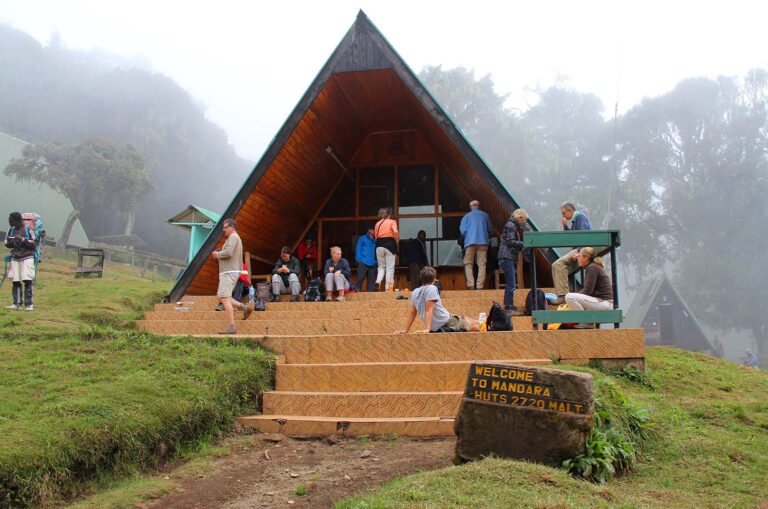
Kilimanjaro Climbing Price For Ten People: Group Trekking Costs Explained
Planning a Kilimanjaro climb for a group of ten? This comprehensive guide breaks down the Kilimanjaro climbing price for ten people, covering 2026-2027 costs, route influences, inclusions...
View package details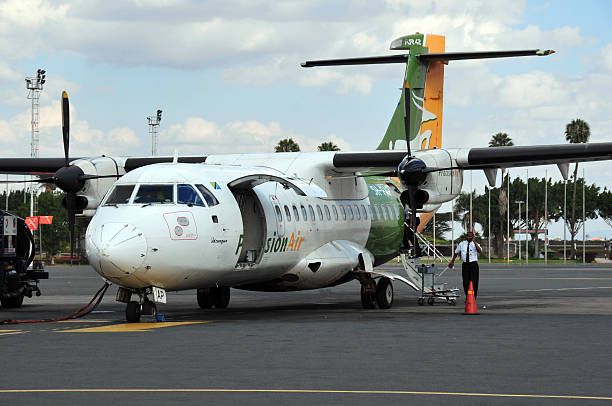
October Kilimanjaro Group Departures 2026-2027
October Kilimanjaro Group Departures 2027 is explained with current 2026-2027 planning, price, itinerary and booking information.
View package details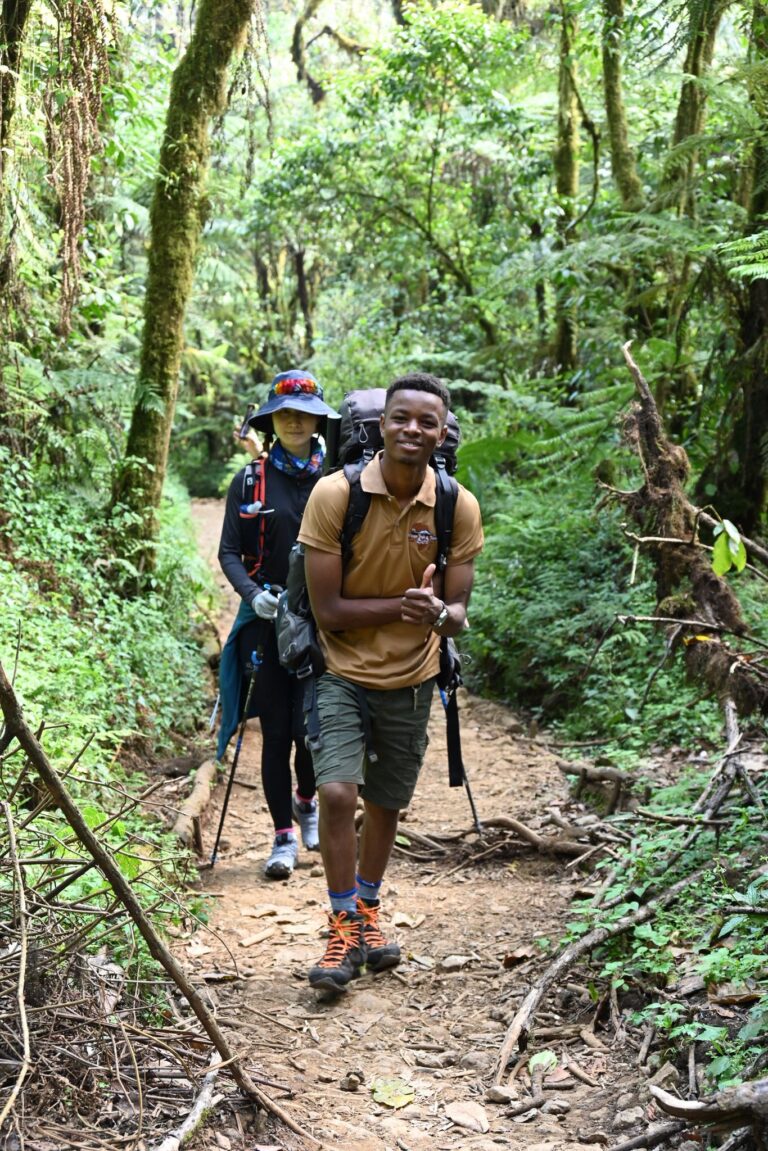
September Kilimanjaro Last-Minute Group Departures : Find Your Spot 2026-2027
Looking for September Kilimanjaro last-minute group departures? Discover available climbs for 2026-2027, ideal routes, and how to book your adventure with Top Guide Adventures.
View package details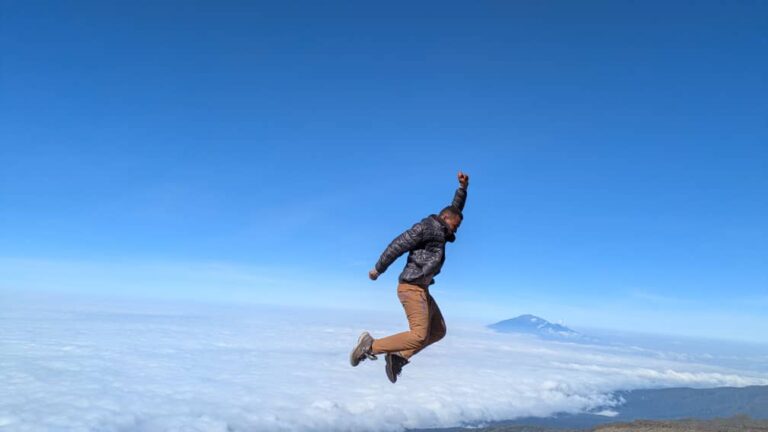
September Kilimanjaro Small-Group Climb 2026-2027
September Kilimanjaro Small-Group Climb is explained with current 2026-2027 planning, price, itinerary and booking information.
View package details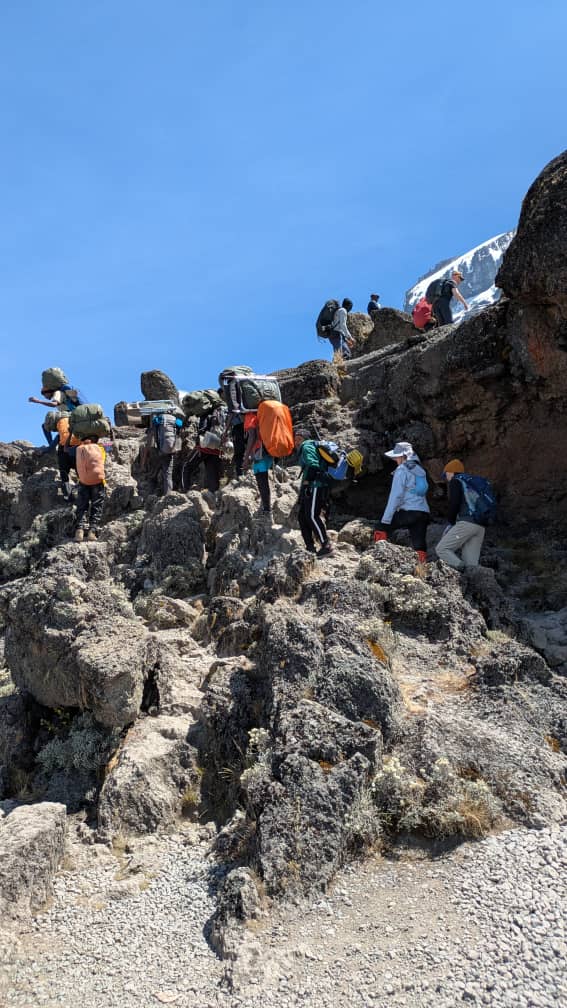
September Kilimanjaro Group Departures : Your Ultimate Guide With Top
Secure your spot on a September Kilimanjaro group trek in 2027 with Top Guide Adventures. This guide details available dates, popular routes like Machame and Lemosho, what's included...
View package detailsNo related package matches those filters. Clear one or more filters to see the other topic-matched options.



