
A November Kilimanjaro acclimatization-focused trek in 2026-2027 prioritizes slower ascents and longer itineraries on routes like Lemosho or Machame to allow your body adequate time to adjust to the altitude, significantly increasing summit success rates. This approach involves careful planning of daily ascents, descents, and rest periods, alongside proper hydration and nutrition, to mitigate the effects of altitude sickness, making it ideal for trekkers seeking a safer and more comfortable climb during this shoulder season.
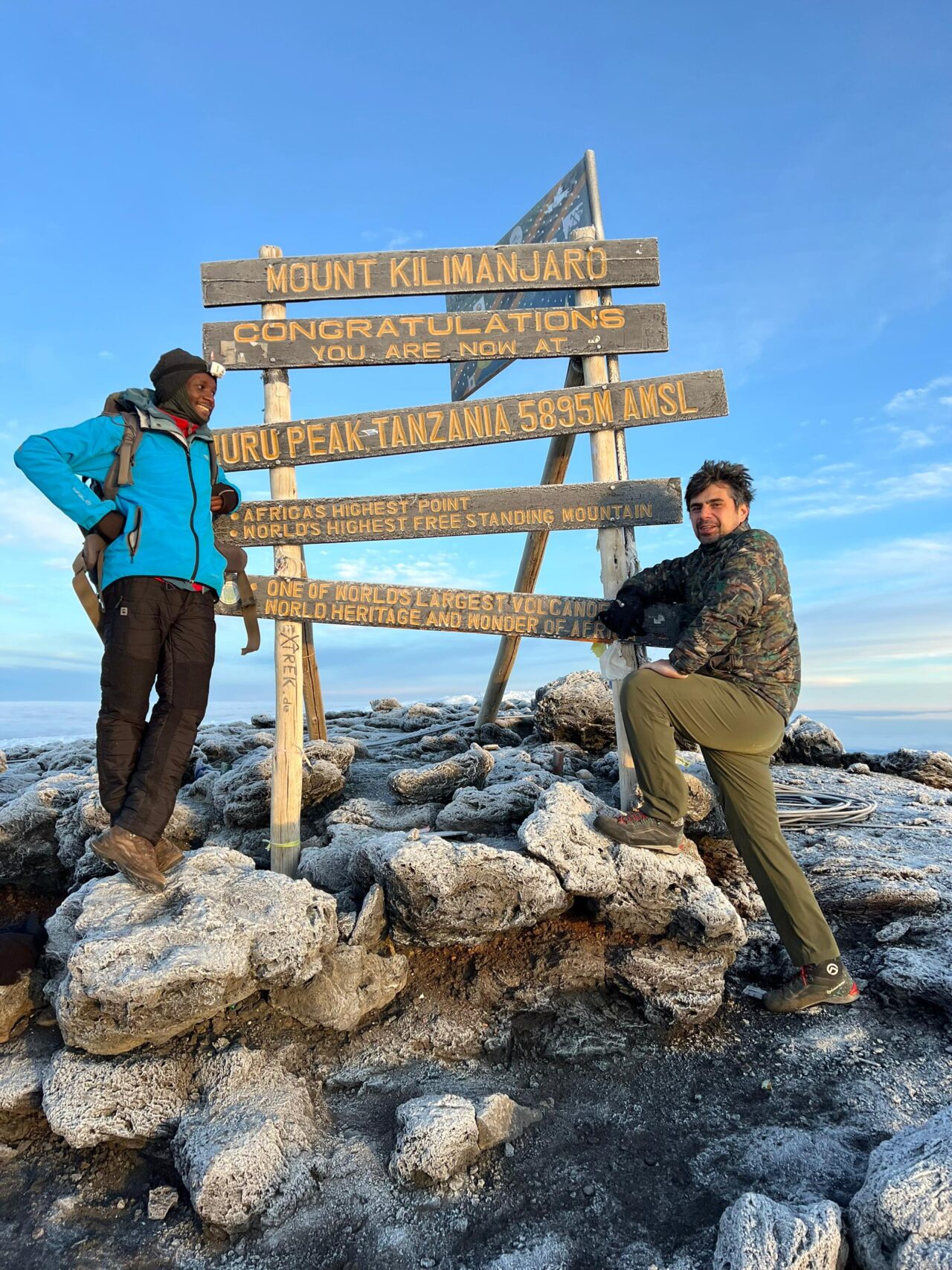
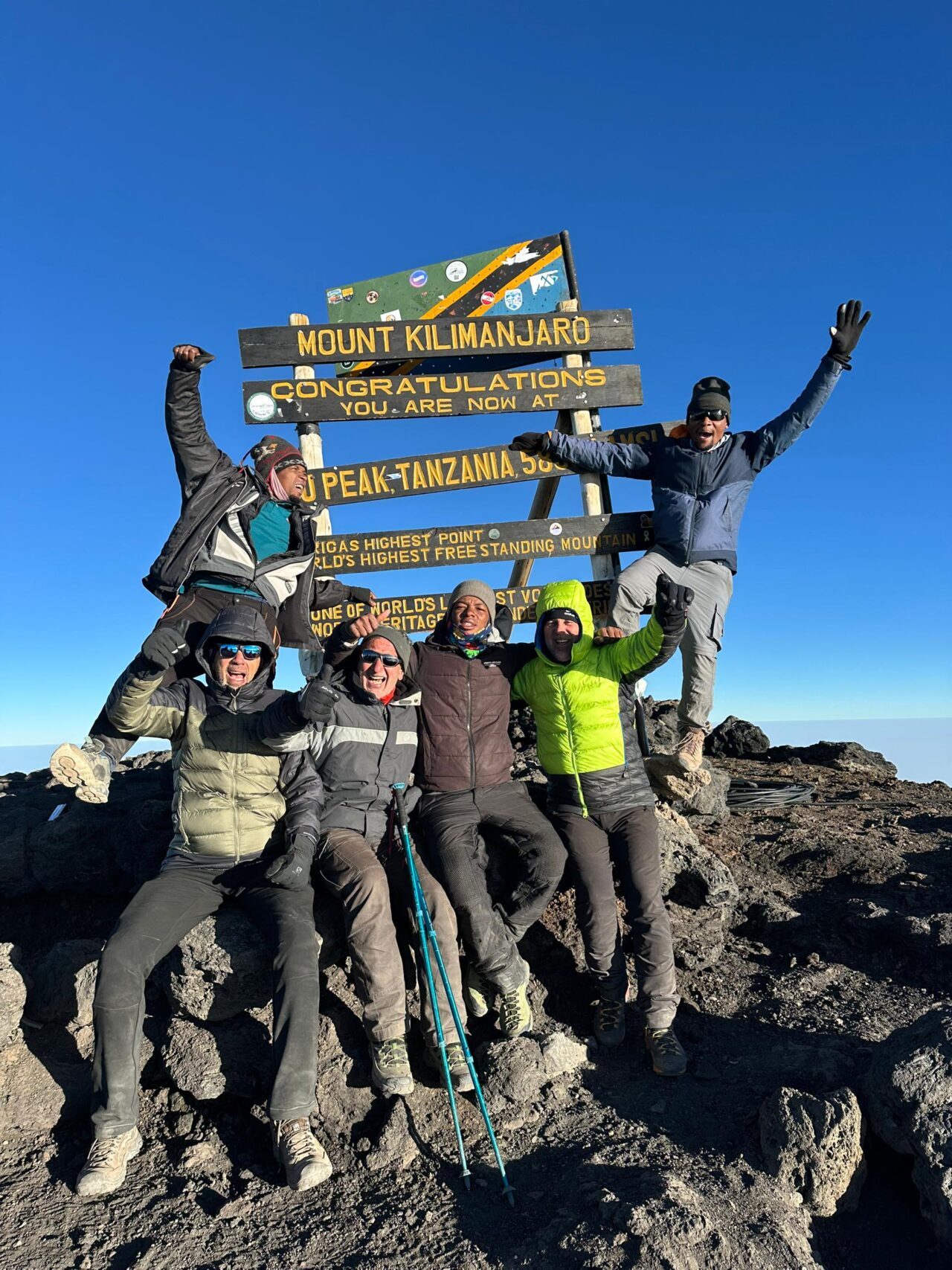
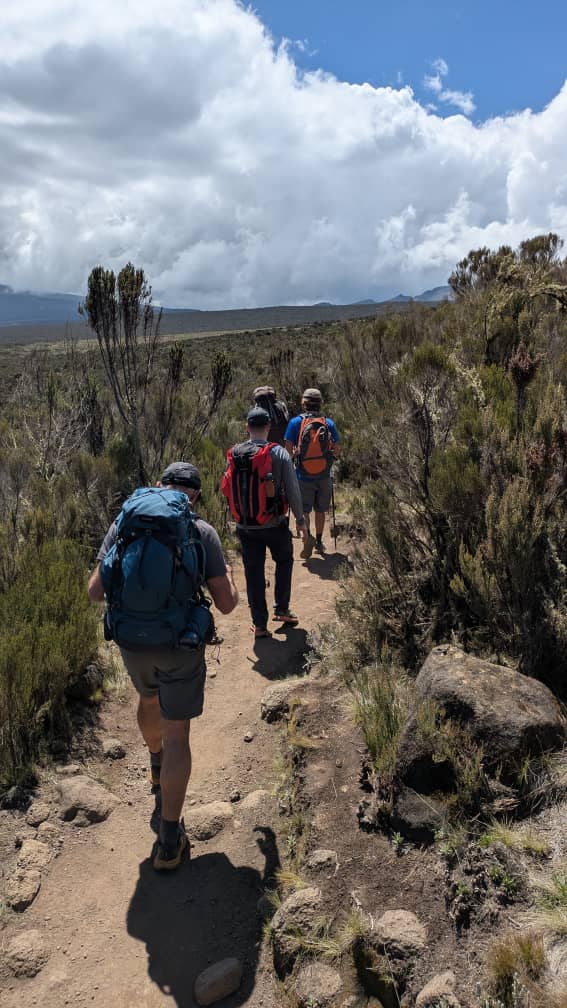
Why Focus on Acclimatization for Your November Kilimanjaro Trek?
Climbing Mount Kilimanjaro is a significant physical challenge, and altitude sickness, or Acute Mountain Sickness (AMS), is its most common adversary. For trekkers planning a November Kilimanjaro acclimatization-focused trek in the 2026-2027 seasons, understanding and prioritizing acclimatization is not just beneficial—it’s crucial. November falls within Kilimanjaro’s ‘short rains’ season, which can mean unpredictable weather, but it also offers fewer crowds and potentially more affordable options. However, the primary concern for any Kilimanjaro ascent remains the dramatic increase in altitude, from the base camp at around 1,900 meters (6,200 feet) to the summit, Uhuru Peak, at 5,895 meters (19,341 feet). A trek specifically designed with acclimatization in mind aims to balance the desire to reach the summit with the physiological demands of extreme altitude.
Top Guide Adventures specializes in creating Kilimanjaro climbing experiences that put climber safety and success at the forefront. We recognize that a well-acclimatized trekker is a happy and successful trekker. This means designing itineraries that adhere to the ‘climb high, sleep low’ principle, incorporating adequate rest days, and ensuring our guides are expertly trained in recognizing and managing AMS symptoms. For your November 2026 or 2027 adventure, choosing a trek that emphasizes acclimatization is the smartest decision you can make.
November Kilimanjaro Weather Considerations for 2026-2027
November in Kilimanjaro is typically characterized as a shoulder month, marking the transition from the drier season into the short rainy season. This means you can expect a mix of conditions. While it’s not the heaviest rain period, occasional showers are common, particularly in the afternoons. These rains can bring a fresh, vibrant feel to the mountain landscape, with lush vegetation and clearer skies in the mornings. The temperatures can be milder compared to the peak dry seasons, especially at lower elevations, but will still become progressively colder as you ascend.
For trekkers focused on acclimatization, November can actually be advantageous. The slightly cooler temperatures at lower altitudes might make the initial days of the trek more comfortable, allowing for a more relaxed start. The potential for rain means that packing appropriate waterproof gear is essential. However, the rains often don’t persist all day, and the higher you climb, the drier it tends to become, especially above the cloud forest zone. The key is to be prepared for variability. Mornings are often clear, offering spectacular views, with clouds and precipitation potentially rolling in later in the day. For 2026 and 2027, historical weather patterns suggest a similar trend, making preparedness for both sunshine and showers the optimal strategy.
Despite the possibility of rain, November is generally less crowded than the peak months of July-September or January-February. This can contribute to a more serene trekking experience, allowing for better focus on acclimatization without the hustle and bustle of larger groups. The fewer trekkers can also mean more attentive service from guides and porters, further enhancing the overall experience and allowing for more personalized attention to your acclimatization needs.
Pros of Trekking Kilimanjaro in November:
- Fewer Crowds: Enjoy a more peaceful ascent with less competition for campsites and trails.
- Lush Scenery: The mountain is often vibrant and green due to the preceding rains.
- Milder Temperatures: Lower altitudes can be more comfortable for the initial days of the trek.
- Potential for Lower Costs: Shoulder seasons can sometimes offer more competitive pricing.
Cons of Trekking Kilimanjaro in November:
- Rainfall: Expect intermittent showers, particularly in the afternoons, requiring good waterproofs.
- Muddy Trails: Trails can become slippery and muddy, especially in the forest zones.
- Reduced Visibility: Clouds can obscure views, though mornings are often clear.
Choosing the Right Route for Acclimatization in November 2026-2027
The route you choose for your November Kilimanjaro acclimatization-focused trek is paramount. Longer routes with more gradual ascents are inherently better for acclimatization than shorter, steeper ones. Top Guide Adventures recommends routes that offer higher success rates and a more comfortable journey, especially during the shoulder season. For 2026 and 2027, these remain the top contenders for acclimatization-focused climbs:
1. Lemosho Route (8-Day and 9-Day Options)
The Lemosho Route is widely considered the best route for acclimatization due to its length and gradual ascent profile. It typically takes 7 to 8 days, with 8 or 9 days being ideal for acclimatization. Starting in the west, it traverses the Shira Plateau, offering stunning scenery and excellent opportunities to ‘climb high, sleep low’. The 8-day Lemosho trek is a popular choice for those seeking a good balance of acclimatization and time. The 9-day option provides an additional day, usually at high altitude, for further acclimatization and rest, significantly boosting summit chances.
Why Lemosho is excellent for acclimatization:
- Duration: 8 or 9 days allows for a slower, more deliberate pace.
- Ascent Profile: Gradual climb across the Shira Plateau.
- Scenery: Diverse landscapes from rainforest to alpine desert.
- ‘Climb High, Sleep Low’: The route structure facilitates this vital acclimatization strategy.
2. Machame Route (7-Day and 8-Day Options)
Often called the ‘Whiskey Route’, the Machame Route is another very popular choice, known for its scenic beauty and relatively steep ascent. While it can be done in 6 days, Top Guide Adventures strongly advises the 7-day or, even better, the 8-day option for an acclimatization-focused trek. The 7-day Machame route offers a good balance, while the 8-day version adds an extra day, often used for acclimatization or a rest day at a higher camp, making it a strong contender for November 2026-2027 climbs.
Why Machame is suitable for acclimatization (7-8 days):
- Popularity & Infrastructure: Well-established with good support.
- Scenic Variety: Offers diverse vegetation zones.
- Effective ‘Climb High, Sleep Low’: The 7 and 8-day itineraries incorporate this principle well.
- Summit Success: Higher success rates on longer Machame itineraries.
3. Rongai Route (7-Day Option)
The Rongai Route approaches Kilimanjaro from the north, near the Kenyan border. It is generally considered a drier route, which can be a significant advantage in November. While it’s often a 6-day trek, a 7-day Rongai itinerary provides a more gradual ascent and better acclimatization. It’s less scenic than Lemosho or Machame in terms of varied vegetation zones, but its consistent, gradual climb and drier conditions make it a viable option for acclimatization.
Why Rongai (7-day) can work for acclimatization:
- Drier Conditions: Less affected by the short rains.
- Gradual Ascent: Steady climb, especially on the 7-day version.
- Less Crowded: Offers a quieter trekking experience.
Routes to Avoid for Acclimatization Focus:
- Marangu Route (5-day): Too short and steep for adequate acclimatization.
- Machame Route (6-day): Rushed pace, significantly compromises acclimatization.
- Umbwe Route: Very steep and challenging, not recommended for acclimatization focus.
For your November 2026 or 2027 trek, we highly recommend the 8-day Lemosho route or the 8-day Machame route for the best acclimatization focus. These longer itineraries are specifically designed to give your body the time it needs to adapt to the altitude, making your summit bid safer and more enjoyable.
The Science of Acclimatization: How it Works on Kilimanjaro
Understanding the physiological process of acclimatization is key to appreciating why certain routes and strategies are recommended. As you ascend Kilimanjaro, the atmospheric pressure decreases, meaning there are fewer oxygen molecules available with each breath. This phenomenon is known as hypoxia. Your body’s response to this lower oxygen availability is complex and requires time to adapt.
Key physiological changes during acclimatization:
- Increased Respiration Rate: Your breathing becomes faster and deeper to take in more oxygen.
- Increased Heart Rate: Your heart pumps more blood to deliver oxygen to tissues.
- Increased Red Blood Cell Production: Over time (days to weeks), your body produces more red blood cells to carry oxygen more efficiently. This is a slower process and doesn’t fully benefit a typical Kilimanjaro climb, but the initial body responses are critical.
- Fluid Shifts: Changes in blood flow and oxygenation can affect fluid distribution in the body.
Altitude Sickness (AMS): AMS occurs when your body fails to acclimatize quickly enough to the lower oxygen levels. Symptoms can range from mild headaches and nausea to severe, life-threatening conditions like High Altitude Cerebral Edema (HACE) and High Altitude Pulmonary Edema (HAPE). The primary way to prevent AMS is through gradual ascent, allowing your body time to adapt. This is why an acclimatization-focused trek in November 2026-2027 is so important.
‘Climb High, Sleep Low’: This is the golden rule of acclimatization. It means ascending to a higher altitude during the day’s trek and then descending to a lower altitude to sleep. This cycle stimulates your body to adapt to higher altitudes while you rest. Longer routes like Lemosho and Machame are structured to facilitate this principle effectively.
Hydration and Breathing: Staying well-hydrated is vital. Dehydration can exacerbate AMS symptoms. Drinking plenty of water (3-4 liters per day) helps your body function optimally at altitude. Conscious, deep breathing also ensures you are maximizing oxygen intake. Your guides will often encourage specific breathing exercises.
Pacing: ‘Pole pole’ (slowly, slowly) is more than just a Swahili phrase; it’s the mantra for climbing Kilimanjaro. Rushing your ascent is the fastest way to trigger AMS. A slow, steady pace ensures your body can keep up with the changing conditions.
Preparing for Your November Kilimanjaro Acclimatization Trek: A Detailed Guide
Successful acclimatization begins long before you set foot on Kilimanjaro. Comprehensive preparation in the months leading up to your November 2026 or 2027 trek will significantly enhance your comfort, enjoyment, and chances of reaching the summit.
1. Physical Fitness: Building Endurance and Strength
While Kilimanjaro is a trekking peak and not a technical climb, a good level of cardiovascular fitness is essential. The goal is to build endurance, enabling you to walk for 6-8 hours a day for consecutive days, often uphill, with a daypack, while carrying the added burden of altitude.
- Cardiovascular Exercise: Aim for at least 3-4 sessions per week. Activities like hiking (especially with elevation gain), running, cycling, swimming, or using an elliptical machine are beneficial.
- Hiking: This is the most relevant training. Try to do long hikes (4-6 hours) at least once a month, preferably with a backpack that mimics the weight you’ll carry. Include hills or stairs to simulate ascents.
- Strength Training: Focus on lower body strength (squats, lunges, calf raises) and core strength. Strong legs will help with long ascents and descents, and a strong core aids stability and endurance.
- Altitude Simulation (Optional): If you live at a lower altitude, consider using altitude training masks or visiting high-altitude areas for short trips if possible. However, proper acclimatization on the mountain itself remains the most effective strategy.
- Start Early: Begin your training program at least 3-6 months before your planned trek in November 2026 or 2027.
2. Mental Preparation: Resilience and Realistic Expectations
The mental aspect of climbing Kilimanjaro is as important as the physical. You will face challenging moments, discomfort, and fatigue. Building mental resilience will help you push through these periods.
- Visualize Success: Imagine yourself reaching the summit, but also prepare for the challenges.
- Understand the Risks: Be aware of altitude sickness and its symptoms, and trust your guides to make decisions for your safety.
- Embrace ‘Pole Pole’: Cultivate patience and a slow, steady mindset.
- Positive Attitude: A positive outlook, even when tired or uncomfortable, can make a significant difference.
3. Medical Check-up and Altitude Sickness Prevention
Consult your doctor well in advance of your November 2026-2027 trek. Discuss your plans and any pre-existing medical conditions. They can advise on necessary vaccinations and may prescribe medication for altitude sickness.
- Doctor Consultation: Discuss your itinerary and any health concerns.
- Diamox (Acetazolamide): This prescription medication can aid acclimatization by speeding up respiratory adaptation. Discuss its use, dosage, and potential side effects with your doctor. It is not a cure for AMS but can help prevent or alleviate mild symptoms.
- Travel Insurance: Ensure your insurance covers high-altitude trekking and emergency evacuation. This is non-negotiable for a Kilimanjaro climb.
4. Gear and Packing: Essential Items for November Treks
Proper gear is critical for comfort and safety, especially in November’s variable weather. Layering is key. Top Guide Adventures provides a detailed packing list, but here are some essentials:
- Layering System:
- Base Layers: Moisture-wicking thermal tops and bottoms (merino wool or synthetic).
- Mid Layers: Fleece jacket or down vest for insulation.
- Outer Layer: Waterproof and windproof jacket and trousers (Gore-Tex or similar).
- Footwear:
- Hiking Boots: Broken-in, waterproof, mid-to-high cut boots with good ankle support.
- Camp Shoes/Sandals: For relaxing at camp.
- Socks: Several pairs of warm, moisture-wicking hiking socks (wool blend).
- Headwear:
- Warm Hat: Fleece or wool hat that covers your ears.
- Sun Hat: Wide-brimmed hat for sun protection.
- Balaclava/Buff: For protection against wind and cold on summit night.
- Gloves:
- Liner Gloves: Thin gloves for dexterity.
- Warm Mittens/Gloves: Waterproof and insulated.
- Sleeping Bag: A 4-season sleeping bag (-10°C to -20°C comfort rating) is essential.
- Backpack: A comfortable daypack (30-40 liters) for essentials, plus a larger duffel bag for porters.
- Trekking Poles: Highly recommended for stability and reducing knee strain.
- Headlamp: With extra batteries.
- Sun Protection: High SPF sunscreen, lip balm with SPF, sunglasses.
- Hydration: Water bottles or hydration reservoir (at least 3 liters capacity). Insulated sleeve to prevent freezing.
- Personal Items: Toiletries, basic first-aid kit, personal medications, camera, power bank.
Note on November Specifics: Pack extra waterproofs, including a waterproof cover for your duffel bag. Consider bringing gaiters to prevent mud and water from entering your boots.
Daily Itinerary Structure for an Acclimatization-Focused November Trek
An acclimatization-focused trek isn’t just about the route; it’s about how each day is structured. Top Guide Adventures crafts itineraries that maximize your body’s ability to adapt to altitude. Here’s a typical structure for an 8-day Lemosho or Machame trek, highlighting acclimatization principles:
Day 1: Arrival and Briefing
Arrive at Kilimanjaro International Airport (JRO), transfer to your hotel in Moshi or Arusha. You’ll have a pre-trek briefing with your lead guide, covering the itinerary, gear check, and safety procedures. Rest and hydrate. This day is entirely about preparation and relaxation.
Day 2: Machame Gate (1,800m) to Machame Camp (3,000m) – Machame Route / Mweka Gate to Mweka Camp (3,100m) – Lemosho Route (if starting from Mweka)
Focus: Gentle start, rainforest immersion.
Begin your trek from the park gate. The initial part of the climb is through lush rainforest. The altitude gain is significant but manageable, allowing your body to start adjusting. The focus is on a slow pace (‘pole pole’) and enjoying the environment.
Day 3: Machame Camp (3,000m) to Shira 2 Camp (3,850m) / Lemosho Moir’s Camp (3,650m) to Lava Tower (4,600m) then descend to Barranco Camp (3,950m)
Focus: Significant altitude gain, ‘Climb High, Sleep Low’ introduction.
Today involves a substantial ascent, often reaching higher altitudes than where you’ll sleep. On Lemosho, this day is a prime example of ‘climb high, sleep low’ as you ascend to Lava Tower before descending to Barranco Camp. This strategy is fundamental for acclimatization.
Day 4: Barranco Camp (3,950m) to Karanga Camp (4,000m)
Focus: Acclimatization acclimatization day, overcoming the Barranco Wall.
This day involves navigating the famous Barranco Wall. While challenging, it’s done at a relatively consistent altitude, allowing for further acclimatization. The climb up the wall is strenuous but offers incredible views. Descending slightly to Karanga Camp maintains the ‘sleep low’ principle after a high-altitude challenge.
Day 5: Karanga Camp (4,000m) to Barafu Camp (4,650m)
Focus: Reaching high camp, preparing for summit night.
Today’s trek brings you to Barafu Camp, the base camp for the summit push. The altitude gain is significant. You will spend the afternoon resting, hydrating, and preparing your gear for the arduous summit night. Early dinner and an early bedtime are crucial.
Day 6: Summit Night and Descent to Mweka Camp (3,100m)
Focus: Summit attempt, managing extreme altitude.
This is the most demanding day. You’ll start climbing around midnight, ascending steeply in the cold and dark towards Stella Point (5,750m) and then Uhuru Peak (5,895m). The goal is to reach the summit by sunrise. After celebrating briefly, you’ll begin the long descent, first to Barafu Camp for a short rest, and then further down to Mweka Camp. The descent is crucial for reducing the risk of AMS.
Day 7: Mweka Camp (3,100m) to Mweka Gate (1,600m)
Focus: Final descent, celebration.
A final, shorter descent through the rainforest brings you to Mweka Gate. Here, you’ll receive your summit certificates and celebrate your achievement with the crew. Transfer back to your hotel in Moshi/Arusha.
Day 8: Departure or Extension
Enjoy a final breakfast, perhaps explore Moshi, or transfer to the airport for your onward journey. Optional extensions like a Zanzibar holiday or a Serengeti safari can be arranged.
Note: This is a generalized structure. The 9-day Lemosho route would typically add an extra day between Shira 2 and Barranco Camp, or between Barranco and Karanga, providing an additional rest and acclimatization day at high altitude.
Understanding and Managing Altitude Sickness (AMS) on Your Trek
Altitude sickness is the primary concern for any Kilimanjaro trekker. Being informed and prepared is the best defense. For your November 2026-2027 acclimatization-focused trek, understanding AMS is paramount.
Symptoms of AMS:
Symptoms typically appear within 12-48 hours of ascending to higher altitudes and can mimic the flu. It’s crucial to report any new symptoms to your guide immediately, no matter how minor they seem.
- Mild AMS: Headache, nausea, dizziness, fatigue, loss of appetite, difficulty sleeping.
- Moderate AMS: Worsening of mild symptoms, significant fatigue, shortness of breath even at rest, reduced coordination.
- Severe AMS: Symptoms of moderate AMS plus confusion, drowsiness, unsteadiness, potential for fluid in the lungs (HAPE) or brain (HACE).
Key Management Strategies:
- Ascend Slowly: The most effective preventative measure. Stick to ‘pole pole’.
- Hydrate: Drink 3-4 liters of water daily. Avoid alcohol and caffeine, which can dehydrate you.
- Eat Well: Maintain energy levels with regular meals and snacks. High-carbohydrate diets are often recommended at altitude.
- Rest: Ensure adequate sleep.
- Medication: Use Diamox as prescribed by your doctor.
- Report Symptoms: Communicate *any* symptoms to your guide immediately. Do not try to ‘tough it out’.
- Descent: The only guaranteed cure for moderate to severe AMS is descent. Your guide will make this decision if necessary. Descending even a few hundred meters can make a significant difference.
High Altitude Cerebral Edema (HACE) and High Altitude Pulmonary Edema (HAPE):
These are life-threatening forms of AMS.
- HACE: Swelling of the brain. Symptoms include severe headache, confusion, loss of coordination, drowsiness, and coma.
- HAPE: Fluid accumulation in the lungs. Symptoms include severe shortness of breath, cough (sometimes with frothy or pink sputum), chest tightness, and fatigue.
If HACE or HAPE is suspected, immediate descent is critical, often requiring emergency evacuation. Top Guide Adventures prioritizes safety and has trained guides equipped to handle these emergencies. Your well-being is our utmost concern throughout your November 2026-2027 Kilimanjaro climb.
Top Guide Adventures’ Commitment to Your November Kilimanjaro Trek
At Top Guide Adventures, we understand that climbing Kilimanjaro is a dream for many. Our mission is to make that dream a reality, safely and memorably. For your November Kilimanjaro acclimatization-focused trek in 2026-2027, we offer:
- Expertly Crafted Itineraries: We design our treks, especially our acclimatization-focused ones, to maximize your chances of success while prioritizing your health and safety. We recommend longer routes (8-9 days) for November climbs.
- Experienced and Certified Guides: Our guides are highly trained in wilderness first aid, altitude sickness management, and Kilimanjaro’s unique environment. They are your most valuable resource on the mountain.
- Quality Equipment: We provide high-quality tents, sleeping mats, and ensure our porters and cook are well-equipped and well-fed. We also offer advice on your personal gear.
- Personalized Support: From your initial inquiry to your return to the hotel, you receive dedicated support. We offer tailor-made journeys across Tanzania, including smooth integration with safaris and Zanzibar holidays.
- Safety First Approach: We continuously monitor weather conditions and climber well-being, making safety our top priority. This includes carrying supplementary oxygen on all climbs for emergency use.
Why Choose Top Guide Adventures for Your 2026-2027 Climb?
As one of Tanzania’s trusted tour companies, we pride ourselves on offering complete travel experiences with personal attention. We believe that a Kilimanjaro climb should be more than just a trek; it should be a life-changing adventure. Our commitment to ethical tourism, fair treatment of our crew, and client satisfaction sets us apart. We ensure that every aspect of your November Kilimanjaro acclimatization-focused trek is handled with professionalism and care.
We are passionate about sharing the beauty of Tanzania and the majesty of Kilimanjaro with the world. Our team works diligently to provide an unparalleled experience, ensuring you are well-prepared, well-supported, and well on your way to achieving your summit goals. Whether you’re planning for late 2026 or early 2027, now is the time to start planning your Kilimanjaro adventure.
Frequently Asked Questions About November Kilimanjaro Treks
Here are some common questions potential trekkers have about climbing Kilimanjaro in November, particularly concerning acclimatization:
Q1: Is November a good month to climb Kilimanjaro if I want to focus on acclimatization?
Yes, November can be a good month, especially if you choose a longer route (8-9 days) that emphasizes acclimatization. While it’s the start of the short rainy season, mornings are often clear, and fewer crowds allow for a more relaxed pace. The key is selecting a route and itinerary designed for gradual ascent, which Top Guide Adventures excels at. The potential for rain means proper gear is essential, but it doesn’t inherently prevent successful acclimatization if managed correctly.
Q2: What is the biggest challenge for acclimatization in November?
The biggest challenge remains the altitude itself, regardless of the month. In November, the potential for muddy trails due to rain can slightly slow down progress, which, paradoxically, can aid acclimatization by enforcing a slower pace. However, the main focus must always be on the physiological response to altitude, which is managed through route choice, pacing, hydration, and rest.
Q3: Which route is best for acclimatization in November 2026-2027?
For an acclimatization-focused November trek, Top Guide Adventures highly recommends the 8-day Lemosho Route or the 8-day Machame Route. These routes are longer, offer a more gradual ascent, and allow for effective ‘climb high, sleep low’ strategies, which are critical for successful acclimatization. The 7-day Rongai is also a viable, drier option.
Q4: How much water should I drink daily for acclimatization?
It is crucial to drink 3-4 liters of water per day. Staying well-hydrated helps your body function optimally at altitude and can significantly aid acclimatization. Avoid dehydrating substances like alcohol and excessive caffeine. Your guides will ensure you have access to boiled or purified water.
Q5: Can I use Diamox for acclimatization on my November trek?
Yes, Diamox (acetazolamide) can be a very effective aid for acclimatization. However, it is a prescription medication. You must consult with your doctor well in advance of your November 2026 or 2027 trek to discuss whether Diamox is suitable for you, its correct dosage, and potential side effects. It works best when taken preventatively before and during your ascent.
Q6: What should I pack specifically for a November Kilimanjaro trek focused on acclimatization?
In addition to standard Kilimanjaro gear, pack robust waterproofs (jacket, trousers, waterproof bag covers), good quality waterproof hiking boots, and potentially gaiters to keep mud and water out. Layering is essential to adapt to changing temperatures and conditions. A warm, four-season sleeping bag is non-negotiable.
Q7: How does Top Guide Adventures ensure climber safety regarding altitude sickness?
Our guides are extensively trained in recognizing and managing altitude sickness. We adhere to strict ascent profiles that prioritize acclimatization. All our climbs include supplementary oxygen for emergency use, and our guides are authorized to order immediate descent if a climber’s condition deteriorates. We maintain open communication channels and encourage trekkers to report any symptoms promptly.
Planning Your 2026-2027 Kilimanjaro Adventure with Top Guide Adventures
Planning a Kilimanjaro climb requires careful consideration, especially when aiming for optimal acclimatization during the November shoulder season. Top Guide Adventures is here to guide you every step of the way. We offer comprehensive packages that include park fees, experienced guides and crew, quality equipment, meals on the mountain, and accommodation before and after your trek. We also specialize in creating tailor-made journeys, seamlessly combining your Kilimanjaro climb with Tanzanian safaris or relaxing beach holidays in Zanzibar.
For your November 2026 or 2027 Kilimanjaro acclimatization-focused trek, we encourage you to start your planning process early. This allows ample time for physical training, gear acquisition, and securing your preferred dates. Our team is ready to answer all your questions and help you select the perfect itinerary for your goals.
Ready to start planning your unforgettable Kilimanjaro adventure?
Contact us today to discuss your November 2026-2027 trek. Let Top Guide Adventures help you achieve your summit dream with a safe, well-acclimatized, and rewarding climb.
WhatsApp: +255616946642
Email: topguideadventures@gmail.com
Backup Email: info@topguideadventures.com
You can also explore our Tanzania safari options and group departure dates to combine your climb with other incredible Tanzanian experiences: Tanzania Safari Group Tours. For specific Kilimanjaro route departures, see: Machame Route Group Departures.
Follow us on Instagram for inspiration and updates: @top_guide_adventures.
Read reviews from fellow adventurers on TripAdvisor: Top Guide Adventures Reviews.
Visit our main website for more information: www.topguideadventures.com.
Check Availability for November Kilimanjaro Acclimatization-Focused Trek Guide
Ready to compare dates, prices, and the best option for your group? Send the package name and travel month so the team can reply with a clear quote, availability, and what is included.
December Kilimanjaro Full-Moon Summit Trek: Your Ultimate Guide 2026-2027
start an unforgettable December Kilimanjaro full-moon summit trek. This guide details routes, preparation, and the unique magic of climbing under a full moon in 2026-2027, with expert...
View package details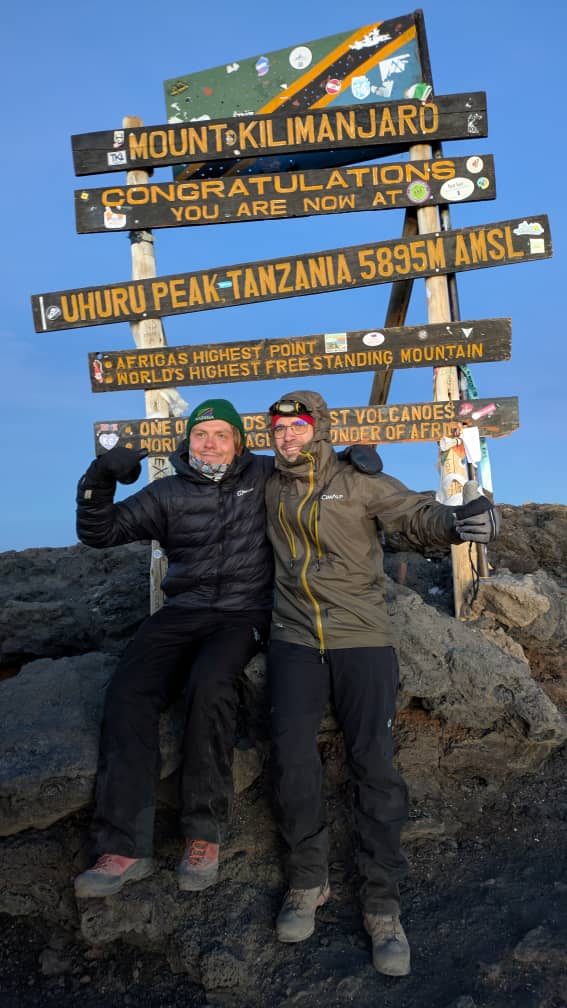
November Kilimanjaro Climb With Flexible Dates: Your Guide 2026-2027
Climbing Kilimanjaro in November offers a unique experience with fewer crowds and stunning landscapes. This guide provides detailed information on flexible date options for your 2026-2027...
View package details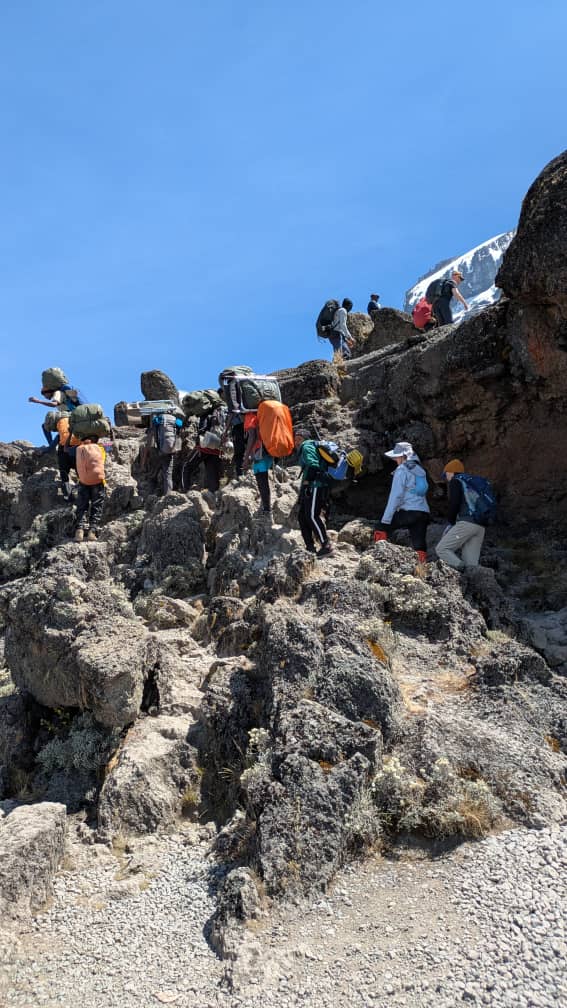
November Kilimanjaro Thanksgiving Holiday Package | Top Guide Adventures
Plan your Kilimanjaro climb this Thanksgiving with Top Guide Adventures. Our November packages offer a unique blend of challenge and celebration, ensuring an unforgettable mountain...
View package details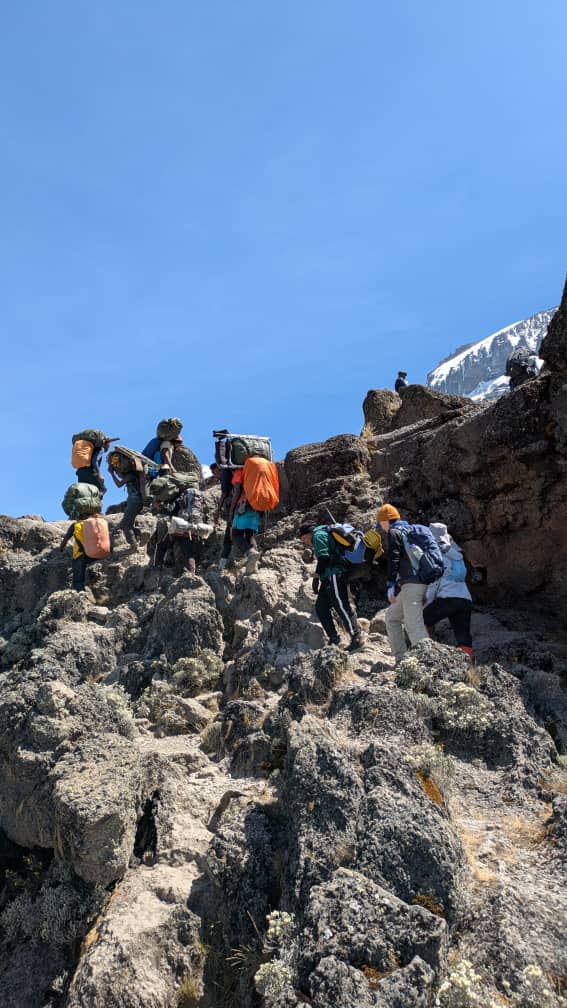
November Kilimanjaro Luxury Private Expedition | Top Guide Adventures
Experience the ultimate Kilimanjaro climb with a luxury private expedition in November 2026 or 2027. Top Guide Adventures offers tailored itineraries, premium services, and expert guidance...
View package details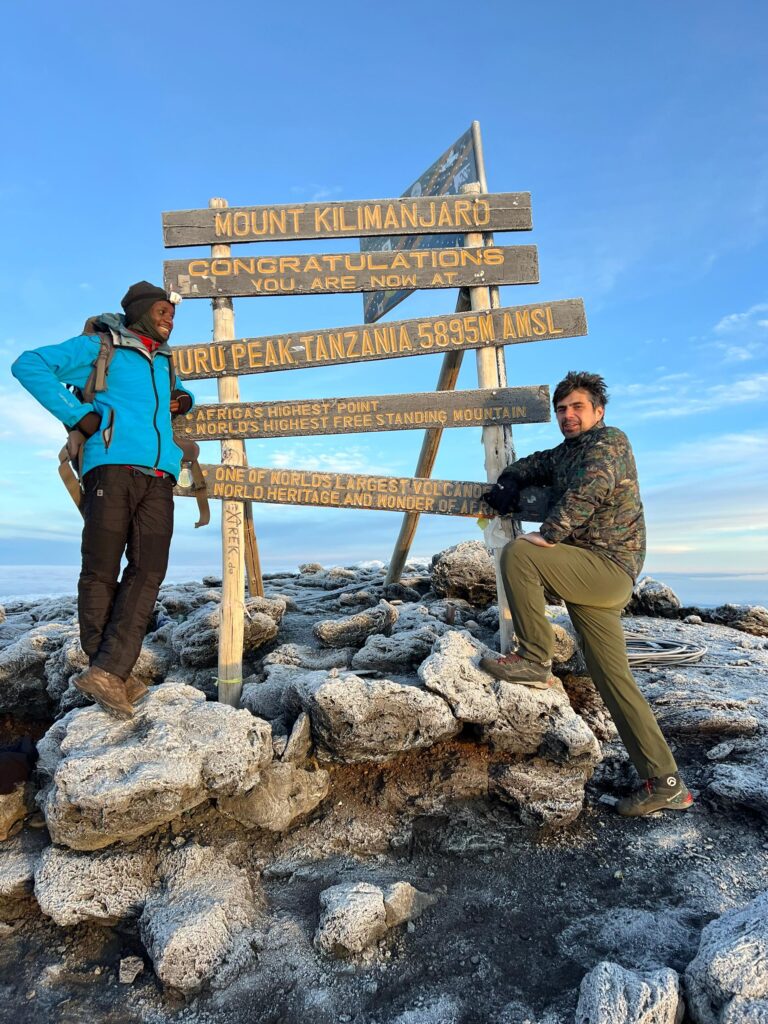
November Kilimanjaro Waterproof Gear List For Climbs 2026-2027
Planning a Kilimanjaro climb in November? This comprehensive waterproof gear list ensures you stay dry and comfortable. Essential items include waterproof jackets, trousers, gaiters, boots...
View package detailsCan You Climb Kilimanjaro In November? 2026-2027
Can You Climb Kilimanjaro in November? is explained with current 2026-2027 planning, price, itinerary and booking information.
View package details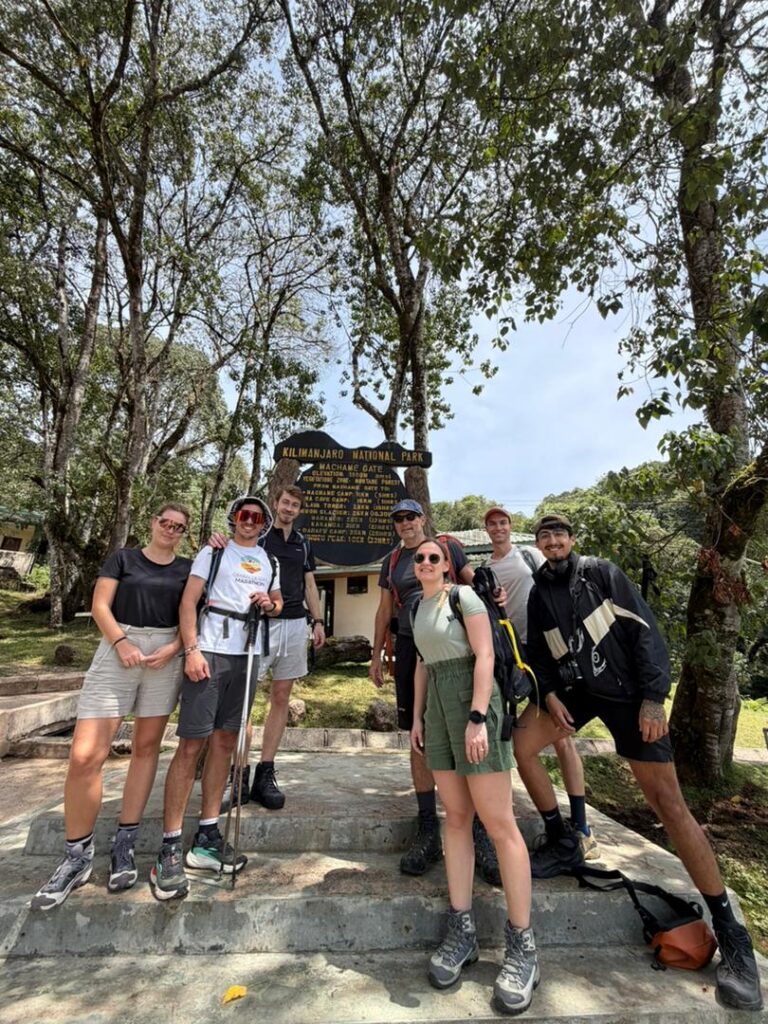
November Kilimanjaro Climbing Cost And Discounts For 2026-2027
Planning a Kilimanjaro climb in November 2026 or 2027? This comprehensive guide details the expected costs, factors influencing pricing, and available discounts. Learn how to budget...
View package detailsNovember Kilimanjaro And Zanzibar Holiday: Your Ultimate Guide 2026-2027
Combine the thrill of conquering Mount Kilimanjaro with the serene beauty of Zanzibar in November. This guide covers everything from the best trekking routes and weather conditions for your...
View package details
November Kilimanjaro Private Couple Climb: Your Ultimate Guide 2026-2027
Climbing Kilimanjaro as a couple in November offers unique advantages. This guide details everything you need to know for a private climb in 2026-2027, from route selection to summit...
View package details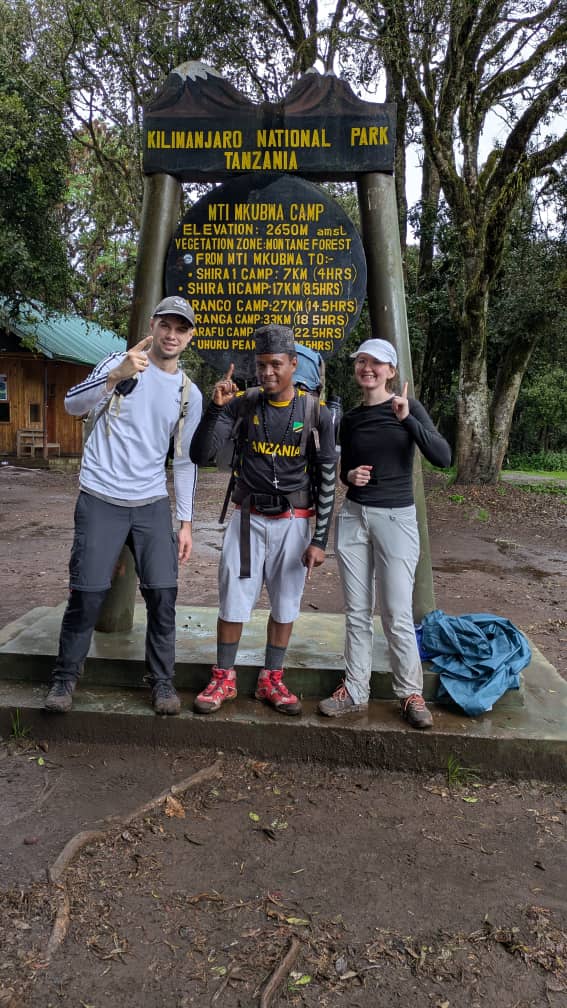
November Kilimanjaro Solo Traveller Expedition Guide
Discover everything you need to know for a successful November Kilimanjaro solo traveller expedition. Top Guide Adventures provides insights into routes, gear, acclimatization, and costs...
View package details
November Kilimanjaro Climb: Fewer Crowds, Great Success Rates With Top Guide
Climbing Kilimanjaro in November offers a unique advantage: significantly fewer trekkers on the mountain compared to peak seasons. This allows for a more serene and personal experience. Top...
View package details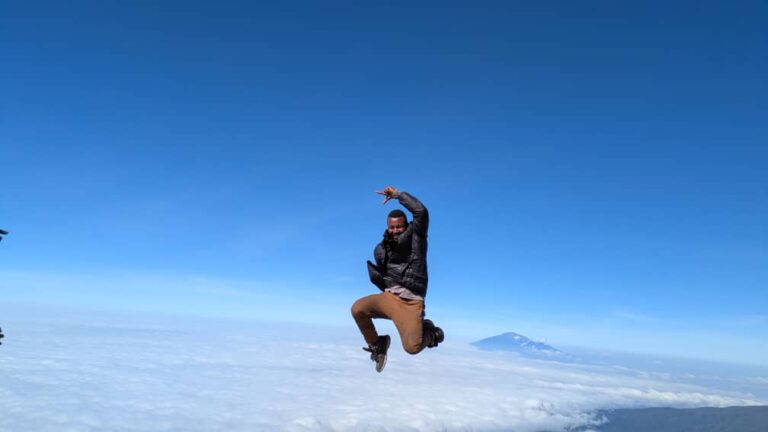
November Kilimanjaro Low-Season Climbing Deals 2026-2027
Climb Kilimanjaro in November for budget-friendly deals and fewer crowds. This guide covers routes, weather, packing, and how Top Guide Adventures can make your 2026-2027 low-season trek...
View package detailsNo related package matches those filters. Clear one or more filters to see the other topic-matched options.



