
Yes, you can absolutely climb Kilimanjaro in November. This month falls within the shorter rainy season, but it often brings fewer crowds and can offer a unique trekking experience with dramatic skies and lush landscapes. While there’s a higher chance of rain compared to the dry seasons, it’s typically not constant downpours, and many trekkers successfully reach the summit. Careful preparation and choosing the right route can make a November climb very rewarding for your 2026 or 2027 adventure.

Kilimanjaro in November: A Realistic Overview for 2026-2027 Trekkers
The prospect of summiting Africa’s highest peak is a dream for many adventurers, and timing your climb is crucial. For those considering Kilimanjaro in November, understanding the specific conditions is key to a successful and enjoyable expedition. While November is often associated with the shorter rainy season on Kilimanjaro, it’s not a period to be entirely avoided. In fact, for many travelers planning their 2026 or 2027 trips, November presents an appealing window of opportunity, often characterized by fewer trekkers on the mountain and potentially more competitive pricing.
At Top Guide Adventures, we’ve guided countless climbers to Uhuru Peak through all seasons, and November is no exception. Our experience shows that while rain is a possibility, it rarely impedes progress significantly, especially on well-established routes. The mountain’s microclimates mean that weather can vary dramatically across different elevations and even on different sides of the massif. This guide aims to provide a detailed, realistic picture of what climbing Kilimanjaro in November entails, helping you make an informed decision for your 2026-2027 travel plans.
Understanding Kilimanjaro’s Climate: November’s Place in the Seasons
Kilimanjaro experiences distinct climatic zones, influenced by its massive altitude and proximity to the equator. The mountain’s weather is broadly divided into two dry seasons and two rainy seasons. Understanding these patterns is essential for planning any climb, especially for November.
The primary dry seasons are from January to March and June to October. These are generally considered the best times to climb due to clearer skies and lower precipitation. However, the shoulder seasons and even the rainy seasons can offer advantages.
November falls into the shorter rainy season, which typically runs from November to mid-December. This season is characterized by intermittent rainfall, often in the afternoons or evenings, though it can also bring cloudy skies and occasional fog. The amount of rainfall can vary significantly year to year and across the mountain’s different ecological zones. The higher you climb, the less the rain and more likely you are to encounter snow and ice, regardless of the season.
The longer rainy season occurs from March to May, which is generally more challenging due to heavier and more prolonged rainfall. November, while part of a rainy season, is usually less intense than the March-May period. This distinction is important for trekkers considering a November climb for 2026 or 2027.
Pros and Cons of Climbing Kilimanjaro in November
Every month on Kilimanjaro has its unique set of advantages and disadvantages. For November, here’s a breakdown to help you weigh the decision:
Pros of a November Kilimanjaro Climb:
- Fewer Crowds: Compared to the peak dry seasons (July-October and January-February), November generally sees fewer trekkers. This means quieter trails, more opportunities to interact with guides and porters, and a more serene experience on the mountain. For 2026-2027, this can translate into a more personal journey.
- Lush Scenery: The rains, even the lighter ones in November, contribute to vibrant, green landscapes, especially in the lower forest zones. This can make for beautiful trekking conditions during the initial days of your climb.
- Potential for Lower Prices: With lower demand, some tour operators might offer slightly more competitive pricing for November expeditions in 2026 and 2027, although quality should always remain the priority.
- Dramatic Skies: The interplay of clouds, rain, and sunshine can create stunning, dramatic skies, offering unique photographic opportunities.
Cons of a November Kilimanjaro Climb:
- Increased Rainfall: This is the primary concern. While not continuous, rain is more likely than during the dry seasons. This can make trails muddy and slippery, and may affect visibility, especially in the lower and middle altitudes.
- Cloud Cover and Fog: November can bring more cloud cover, potentially obscuring summit views or panoramic vistas from higher camps.
- Colder Temperatures: The combination of rain, wind, and cloud cover at higher altitudes can make temperatures feel colder than they might during drier periods.
- Slightly Higher Risk of Route Closures (Rare): In exceptionally wet years, very specific, less-used sections of trails might become temporarily impassable due to mudslides, though this is extremely rare on the main routes and our guides are trained to manage such situations.
November Weather Patterns on Kilimanjaro: What to Expect
The weather on Kilimanjaro is dictated by altitude and season. In November, you’ll likely experience conditions that vary significantly as you ascend through the mountain’s five distinct ecological zones.
1. Cultivation Zone (approx. 800m – 1,800m): This is the lowest zone, typically around the base of the mountain. In November, expect warm temperatures and potential for rain showers, which nourish the coffee and banana plantations. The air is humid.
2. Rainforest Zone (approx. 1,800m – 2,800m): As you climb into the rainforest, temperatures will drop slightly, and humidity remains high. November rains are more pronounced here. Expect lush vegetation, frequent mist, and potentially muddy trails. Visibility can be reduced due to fog.
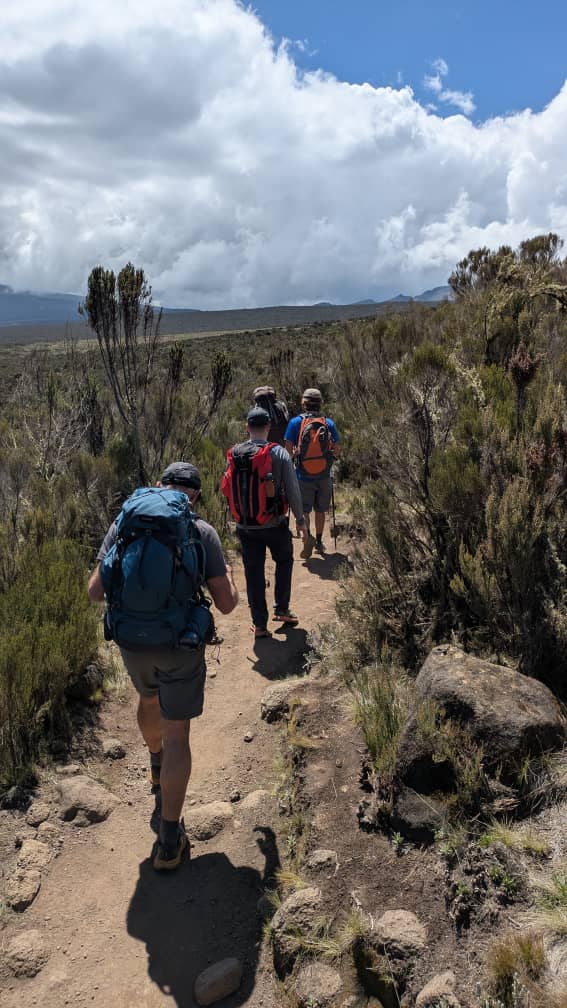
3. Heath and Moorland Zone (approx. 2,800m – 4,000m): The vegetation changes to shrubs and heather. Temperatures become cooler, and the air drier. Rainfall is still possible in November, but it might be less frequent than in the rainforest. You’ll start to experience more significant temperature drops, especially at night.
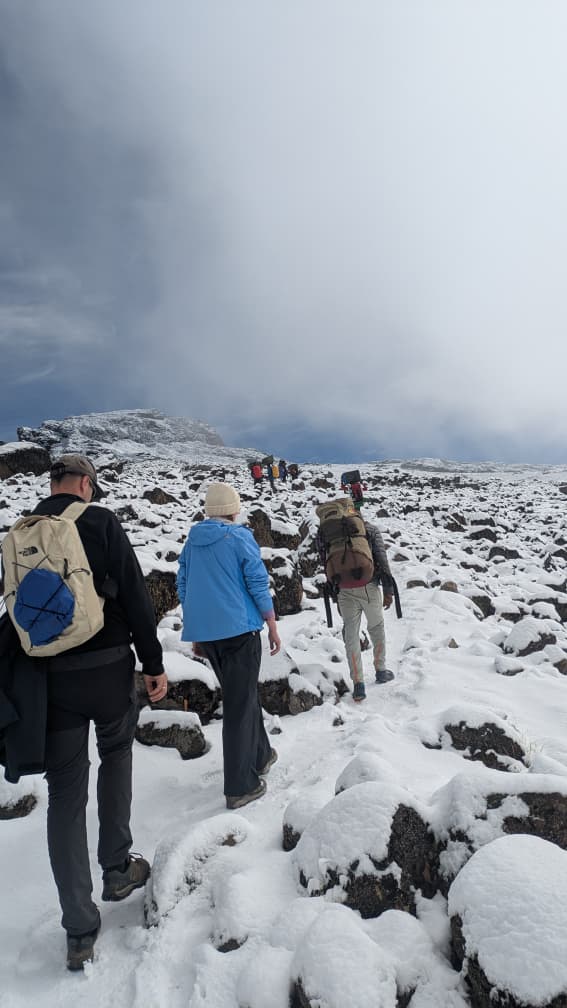
4. Alpine Desert Zone (approx. 4,000m – 5,000m): This zone is stark and barren, resembling a desert. Temperatures drop dramatically, especially at night, often falling below freezing. While precipitation is less common here, if it does rain or snow, it can be quite cold. Visibility can be good on clear days, but clouds can roll in quickly.
5. Arctic Zone (approx. 5,000m – 5,895m): The summit zone. Here, you are in a sub-zero environment. Snow and ice are common year-round. In November, the combination of altitude, wind, and any precipitation makes this zone extremely cold. The summit night is often the coldest and most challenging part of the climb, regardless of the season. Expect temperatures to be well below freezing, potentially reaching -10°C to -20°C (14°F to -4°F) with wind chill.
Rainfall Patterns: In November, rainfall is most likely to occur in the afternoons or evenings. Mornings are often clearer. This pattern means that early starts for trekking days are highly recommended to take advantage of better visibility and drier trails. Summit night, which typically starts around midnight, can be affected by weather, but the primary concern at that altitude is the extreme cold and wind, more so than rain.
Best Routes for a November Kilimanjaro Climb
While all routes can be climbed in November, some are better suited to potentially wet conditions due to their gradients, hut accommodations, and overall trail maintenance. For trekkers planning a 2026 or 2027 November climb, consider these options:
1. Lemosho Route
Duration: 7-8 days
Pros for November: Lemosho is a popular choice because it offers excellent acclimatization profiles and high success rates. Its length allows for a more gradual ascent, which is beneficial in any weather. The diverse scenery is a highlight. While it traverses all ecological zones, its gradual ascent helps manage the effects of rain in lower sections.
Considerations: It’s a longer route, meaning more potential days exposed to varied weather. However, its popularity means good trail maintenance. The Machame Camp and Barranco Camp sections can get muddy.
2. Machame Route
Duration: 6-7 days
Pros for November: Often called the ‘Whiskey Route’, Machame is a popular and scenic route known for its good acclimatization. It’s a challenging trek, but its popularity ensures well-maintained paths. The route offers stunning views and a good chance of success. It also has camping facilities, which are generally well-equipped.
Considerations: It is one of the busier routes, though November crowds are lighter. The “climb high, sleep low” principle is well-applied, aiding acclimatization. Barranco Wall can be a challenge, and muddy conditions in November require sturdy footwear.
3. Marangu Route
Duration: 5-6 days
Pros for November: This is the only route that offers dormitory-style hut accommodation instead of camping. This can be a significant advantage in November, providing shelter from rain and a warmer place to sleep. The huts are basic but offer protection from the elements. It’s also the shortest route, which might appeal to some.
Considerations: The 5-day option has a very fast ascent and poor acclimatization, leading to lower success rates. The 6-day option is better. The views can be more obscured by clouds due to its lower altitude profile in the initial days. It’s also considered less scenic than other routes.
4. Rongai Route
Duration: 6-7 days
Pros for November: Rongai approaches Kilimanjaro from the north, near the Kenyan border. This side of the mountain tends to be drier than the southern side, which might offer a slight advantage during the rainy season. It’s also a less crowded route, offering a more remote trekking experience.
Considerations: While drier, it’s not immune to rain. The scenery is less diverse than Lemosho or Machame. Acclimatization is generally good, but it’s a longer route.
Routes to potentially reconsider for November: The Northern Circuit and the Umbwe route are generally recommended for experienced climbers and can be more challenging in adverse weather conditions. Umbwe, in particular, is steep and direct, offering less time for acclimatization and can be more exposed to rain and mud.
Essential Gear for a November Kilimanjaro Climb
Packing appropriately is paramount for any Kilimanjaro climb, but especially crucial for November when you need to be prepared for a range of conditions, from warm and humid to freezing and potentially wet. Layering is key. For your 2026 or 2027 trek, ensure your gear includes:
Clothing Layers:
- Base Layers: Moisture-wicking thermal tops and bottoms (merino wool or synthetic). Pack at least 2-3 sets.
- Mid Layers: Fleece jackets or sweaters for insulation.
- Outer Layer (Insulation): A warm down or synthetic insulated jacket for cold evenings and summit night.
- Waterproof Outer Shell: A high-quality, breathable waterproof jacket and trousers (Gore-Tex or similar). This is essential for November.
- Trekking Trousers: Quick-drying, comfortable hiking trousers (avoid jeans). Consider convertible trousers.
- Hiking Shirts: Long-sleeved and short-sleeved moisture-wicking shirts.
Headwear and Handwear:
- Warm Hat: Wool or fleece hat that covers your ears.
- Sun Hat: A wide-brimmed hat for sun protection during the day.
- Balaclava or Buff: For face protection against wind and cold, especially on summit night.
- Gloves: A pair of warm waterproof gloves or mittens, and a thinner pair of liner gloves.
Footwear:
- Hiking Boots: Well broken-in, waterproof, sturdy hiking boots with good ankle support.
- Camp Shoes: Comfortable shoes or sandals for wearing around camp.
- Socks: Several pairs of warm, moisture-wicking hiking socks (wool or synthetic). Avoid cotton.
- Gaiters: To prevent mud and small stones from entering your boots.
Other Essentials:
- Backpack: A comfortable daypack (30-40 liters) for carrying essentials during the day. Your main duffel bag will be carried by porters.
- Duffel Bag: A large, waterproof duffel bag (80-100 liters) for porters to carry.
- Sleeping Bag: A 4-season sleeping bag rated to at least -10°C (14°F).
- Headlamp: With extra batteries. Essential for navigating in the dark, especially on summit night.
- Water Bottles/Hydration Reservoir: At least 2-3 liters capacity. Consider an insulated sleeve to prevent freezing.
- Trekking Poles: Highly recommended for stability on descents and ascents, especially on muddy or slippery terrain.
- Sunscreen: High SPF.
- Lip Balm: With SPF.
- Sunglasses: With UV protection.
- Toiletries: Biodegradable soap, toothbrush, toothpaste, wet wipes, hand sanitizer.
- Personal First-Aid Kit: Including any personal medications, blister treatment, pain relievers.
- Camera and Power Bank: To capture memories and keep devices charged.
- Snacks: High-energy snacks like nuts, dried fruit, energy bars.
Always consult with your tour operator, like Top Guide Adventures, for a detailed packing list tailored to your specific climb and the season. Proper gear ensures comfort and safety, significantly increasing your chances of a successful November summit for your 2026 or 2027 trip.
Acclimatization and Altitude Sickness in November
Altitude sickness (Acute Mountain Sickness – AMS) is a risk on any Kilimanjaro climb, regardless of the month. However, conditions in November, particularly increased rain and potentially colder temperatures, can exacerbate symptoms or make recovery more challenging.
Key Principles for Acclimatization:
- Ascend Slowly: This is the most critical factor. Choose a route with a longer duration (7-8 days is ideal) to allow your body to adjust to the decreasing oxygen levels.
- “Pole Pole” (Slowly, Slowly): Walk at a very slow pace, even if you feel fit. This conserves energy and allows your body to acclimatize more effectively.
- Hydration: Drink plenty of fluids (3-4 liters per day). Water, herbal teas, and electrolyte drinks are recommended. Avoid alcohol and excessive caffeine.
- Eat Well: Maintain a good intake of carbohydrates, which are easier to digest at altitude.
- Monitor Symptoms: Be aware of the symptoms of AMS: headache, nausea, dizziness, fatigue, and loss of appetite. Communicate any symptoms to your guide immediately.
November Specifics:
- Cold and Wet Conditions: Being cold and wet can make you feel more fatigued and can mask or worsen AMS symptoms. Staying warm and dry through proper gear and clothing is crucial not just for comfort but also for monitoring your health.
- Slower Progress: Muddy trails or reduced visibility might mean slightly slower progress, which can be a positive for acclimatization if managed well, but can also be demoralizing if the weather is consistently poor.
- Guide’s Expertise: Your guide’s experience is invaluable. They are trained to recognize AMS and make critical decisions regarding descent if necessary. Trust their judgment.
Top Guide Adventures prioritizes safety. Our guides are certified in Wilderness First Aid and are experts in managing altitude sickness. We recommend consulting your doctor about preventative medications like Diamox before your 2026-2027 climb.
Health and Safety Considerations for November Treks
Beyond altitude sickness, several other health and safety aspects are important for a November Kilimanjaro climb.
Preventing Hypothermia:
The combination of altitude, wind, and rain in November increases the risk of hypothermia. Ensure you have adequate warm layers, waterproof outer shells, and a warm hat and gloves. Stay hydrated and eat well to maintain body heat.
Foot Care:
Wet conditions can lead to blisters and trench foot. Keep your feet as dry as possible. Change socks regularly, use gaiters, and ensure your boots are waterproof and well-fitted. Treat any hot spots immediately.
Hygiene:
Maintaining good hygiene is crucial to prevent gastrointestinal issues. Use hand sanitizer frequently, especially before eating. Ensure water is properly purified or bottled.
Trail Conditions:
Muddy and slippery trails are common in November. Trekking poles are highly recommended for stability. Be cautious on descents and steep sections. Your guide will advise on the safest path.
Summit Night Strategy:
Summit night is the most demanding part. In November, it will be extremely cold. Start with all your warm layers on. Drink and eat consistently. Move slowly and steadily. Your guide will monitor your condition closely. If the weather is exceptionally severe (e.g., heavy snow, extreme wind), the guides may advise against proceeding to the summit for safety reasons, even if you feel well.
Choosing a reputable operator like Top Guide Adventures, who adheres to strict safety protocols and has experienced guides, is the most important step you can take to ensure a safe trek in November 2026 or 2027.
Training and Fitness for a November Kilimanjaro Climb
Physical fitness is a cornerstone of any Kilimanjaro expedition, and November is no different. While you don’t need to be an elite athlete, a good level of cardiovascular fitness and strength is essential. The challenging conditions of November might require you to be slightly more prepared.
Cardiovascular Fitness:
- Hiking: The best preparation is hiking, ideally with a weighted backpack on hilly terrain. Aim for at least 2-3 hikes per week in the months leading up to your climb.
- Other Cardio: Activities like running, cycling, swimming, or using an elliptical machine for 30-60 minutes, 3-4 times a week, will build endurance.
Strength Training:
- Legs and Core: Focus on exercises like squats, lunges, step-ups, and core work (planks, crunches). Strong legs help with ascents and descents, and a strong core aids balance and endurance.
- Upper Body: Include some upper body work, as you’ll be using trekking poles and carrying a daypack.
Mental Preparation:
- Endurance: Longer training hikes help build mental toughness.
- Adverse Conditions: If possible, train in less-than-ideal weather conditions (rain, wind) to get accustomed to discomfort. This can be particularly useful for a November climb.
Specific November Considerations:
- Practice with Gear: Train with your hiking boots and backpack to ensure comfort and identify any issues before your trip. Practice putting on and taking off your waterproof layers.
- Hydration and Nutrition Training: Practice drinking and eating on the go during your training hikes.
Starting your training at least 3-6 months before your planned 2026 or 2027 November climb is highly recommended. Consult with a fitness professional if you need a personalized training plan.
Comparing November to Other Months: Is It the Right Choice for You?
To truly understand if November is the right month for your Kilimanjaro adventure in 2026 or 2027, it helps to compare it with the peak seasons and other shoulder months.
November vs. Peak Dry Seasons (Jan-Feb, Jun-Oct):
- Weather: Peak seasons offer significantly lower chances of rain and clearer skies, making views generally better and trails drier.
- Crowds: Peak seasons are much busier, with trails and campsites having more people.
- Cost: Prices might be slightly higher during peak seasons due to demand.
- Visibility: Better visibility for summit photos and scenic vistas.
November vs. Long Rainy Season (Mar-May):
- Weather: November’s rain is typically less intense and prolonged than the March-May period. March can still be good, but April and May are generally considered the wettest months.
- Crowds: November is less crowded than the shoulder months leading into the peak dry season.
- Vegetation: The rains in both periods make the lower slopes lush, but November might catch the tail end of the earlier rains, while March-May are in the heart of the longer rainy season.
November vs. Short Dry Season (Dec-Feb):
- Weather: December can be variable, transitioning from rain to drier conditions. January and February are generally excellent dry months, though they can be colder.
- Crowds: December can be busy around the holidays, while January and February are popular dry season months with moderate crowds.
- Temperature: February can be quite cold, especially at the summit, similar to or colder than November at altitude.
Who is November best for?
- Trekkers who prioritize fewer crowds.
- Adventurers comfortable with the possibility of rain and who are well-prepared with waterproof gear.
- Photographers seeking dramatic skies and lush landscapes.
- Those looking for a potentially more affordable option (though quality should not be compromised).
- Experienced trekkers who are confident in their ability to handle varied conditions.
Who might prefer other months?
- First-time high-altitude trekkers who want the highest probability of clear skies and dry trails.
- Those who are very sensitive to rain and prefer guaranteed dry conditions.
- Anyone prioritizing unobstructed summit views above all else.
Ultimately, the decision depends on your priorities, risk tolerance, and preparedness. A well-organized November climb with a reputable operator like Top Guide Adventures can be highly successful and memorable for your 2026-2027 expedition.
Booking Your November Kilimanjaro Climb with Top Guide Adventures
Choosing the right tour operator is paramount, especially when climbing during a shoulder season like November. Top Guide Adventures is committed to providing safe, well-organized, and unforgettable Kilimanjaro experiences. Our expertise ensures that even during the shorter rainy season, your trek is managed with the utmost care and professionalism.
Why Choose Top Guide Adventures for Your November 2026-2027 Climb?
- Experienced Guides: Our guides are highly trained, certified, and possess extensive knowledge of Kilimanjaro, including navigating varied weather conditions.
- Safety First: We adhere to stringent safety protocols, carry comprehensive first-aid kits, and have emergency oxygen supplies. Our team is adept at monitoring for altitude sickness.
- Quality Equipment: We provide high-quality camping gear, including sturdy tents and comfortable sleeping pads, to help you stay as comfortable as possible.
- Excellent Acclimatization: We advocate for longer treks (7-8 days) on routes like Lemosho or Machame to maximize acclimatization, crucial for success in any season.
- Personalized Support: We offer dedicated support from the moment you inquire until you safely return home. We can help you choose the best route and prepare for your November trek.
- Sustainable Tourism: We are committed to responsible tourism practices, respecting the environment and supporting local communities.
Planning Your 2026-2027 Trip:
When planning your November 2026 or 2027 climb, consider these steps:
- Inquire Early: Especially if you have specific dates in mind, booking in advance is recommended.
- Discuss Your Priorities: Talk to us about your concerns regarding November weather. We can provide detailed insights based on recent conditions.
- Choose Your Route: We can guide you on the best route for November based on your fitness, experience, and preferences.
- Prepare Your Gear: Use our detailed packing list and ensure you have all the necessary equipment, particularly high-quality waterproofs and warm layers.
- Train Diligently: Start your fitness program well in advance.
We are here to answer all your questions and help you plan a safe and successful Kilimanjaro climb in November. Whether you’re looking at 2026 or 2027, let Top Guide Adventures be your trusted partner.
Contact us today:
- WhatsApp: +255616946642
- Email: topguideadventures@gmail.com
- Backup Email: info@topguideadventures.com
Let’s make your Kilimanjaro dream a reality in November 2026 or 2027!
“,
“faq_schema”: [
{
“question”: “Is November a good month to climb Kilimanjaro?”,
“answer”: “Yes, November is a viable month to climb Kilimanjaro. It falls within the shorter rainy season, meaning there’s a higher chance of rain compared to the dry seasons, but it’s typically not constant. The advantages include fewer crowds and potentially lusher scenery. With proper preparation and gear, a November climb can be very successful and rewarding.”
},
{
“question”: “What is the weather like on Kilimanjaro in November?”,
“answer”: “In November, Kilimanjaro experiences the shorter rainy season. Expect intermittent rainfall, particularly in the afternoons and evenings, especially in the lower rainforest zone. Temperatures will vary significantly with altitude, from warm and humid at the base to well below freezing at the summit. Cloud cover and fog are also more common than in dry seasons.”
},
{
“question”: “Which routes are best for climbing Kilimanjaro in November?”,
“answer”: “For November, routes that offer good acclimatization and potentially some shelter are recommended. The Lemosho and Machame routes (7-8 days) are excellent choices due to their gradual ascent profiles. The Marangu route, with its hut accommodations, offers protection from the rain. The Rongai route is also a good option as its northern approach can be slightly drier.”
},
{
“question”: “What should I pack for a Kilimanjaro climb in November?”,
“answer”: “Packing for November requires emphasis on waterproof and warm layers. Essential items include a high-quality waterproof jacket and trousers, thermal base layers, fleece mid-layers, a warm down jacket, waterproof gloves, a warm hat, sturdy waterproof hiking boots, and gaiters. Always bring a comprehensive packing list from your tour operator.”
},
{
“question”: “Are there fewer crowds on Kilimanjaro in November?”,
“answer”: “Yes, November generally sees fewer trekkers compared to the peak dry seasons (like July-October or January-February). This can lead to a more serene and personal experience on the mountain, with less competition for space at campsites.”
},
{
“question”: “What are the risks of climbing Kilimanjaro in November?”,
“answer”: “The primary risk is increased precipitation, leading to muddy trails and reduced visibility. There’s also a higher chance of feeling colder due to rain and wind. Altitude sickness remains a risk year-round and can be exacerbated by adverse weather conditions. Hypothermia is also a concern if not properly prepared with warm, waterproof gear.”
},
{
“question”: “How does November compare to other months for climbing Kilimanjaro?”,
“answer”: “November is part of a shorter rainy season, offering fewer crowds but a higher chance of rain than the main dry seasons (Jan-Feb, Jun-Oct). It’s generally less wet than the longer rainy season (Mar-May). It provides a balance between manageable weather and a less crowded experience, ideal for trekkers prepared for variable conditions.”
},
{
“question”: “Can I book a Kilimanjaro climb for November 2026 or 2027?”,
“answer”: “Yes, you can book your Kilimanjaro climb for November 2026 or 2027. It is advisable to book in advance, especially if you have specific dates in mind. Reputable tour operators like Top Guide Adventures can help you plan and secure your expedition for these dates.”
}
]
}
“`
Check Availability for Can You Climb Kilimanjaro In November? 2026-2027
Ready to compare dates, prices, and the best option for your group? Send the package name and travel month so the team can reply with a clear quote, availability, and what is included.
November Vs December Kilimanjaro Climbing Conditions Guide
Choosing between November and December for your Kilimanjaro climb? This guide details the distinct conditions, weather patterns, crowd levels, and cost considerations for each month...
View package details
November Kilimanjaro Climb With Flexible Dates: Your Guide 2026-2027
Climbing Kilimanjaro in November offers a unique experience with fewer crowds and stunning landscapes. This guide provides detailed information on flexible date options for your 2026-2027...
View package details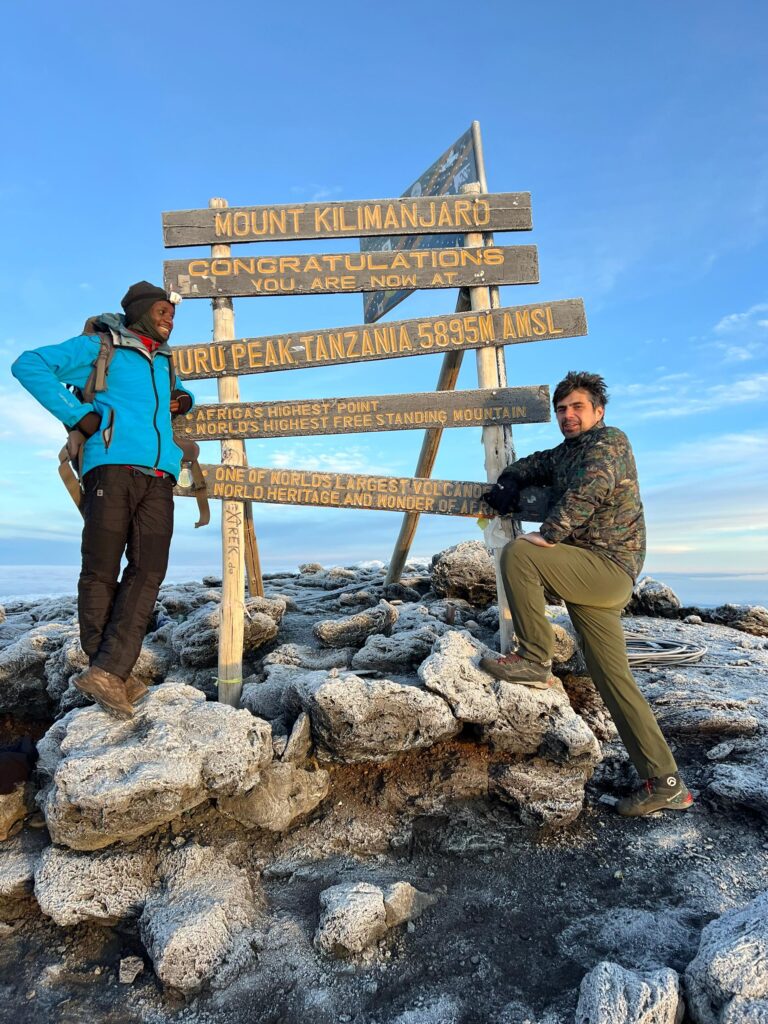
November Kilimanjaro Waterproof Gear List For Climbs 2026-2027
Planning a Kilimanjaro climb in November? This comprehensive waterproof gear list ensures you stay dry and comfortable. Essential items include waterproof jackets, trousers, gaiters, boots...
View package details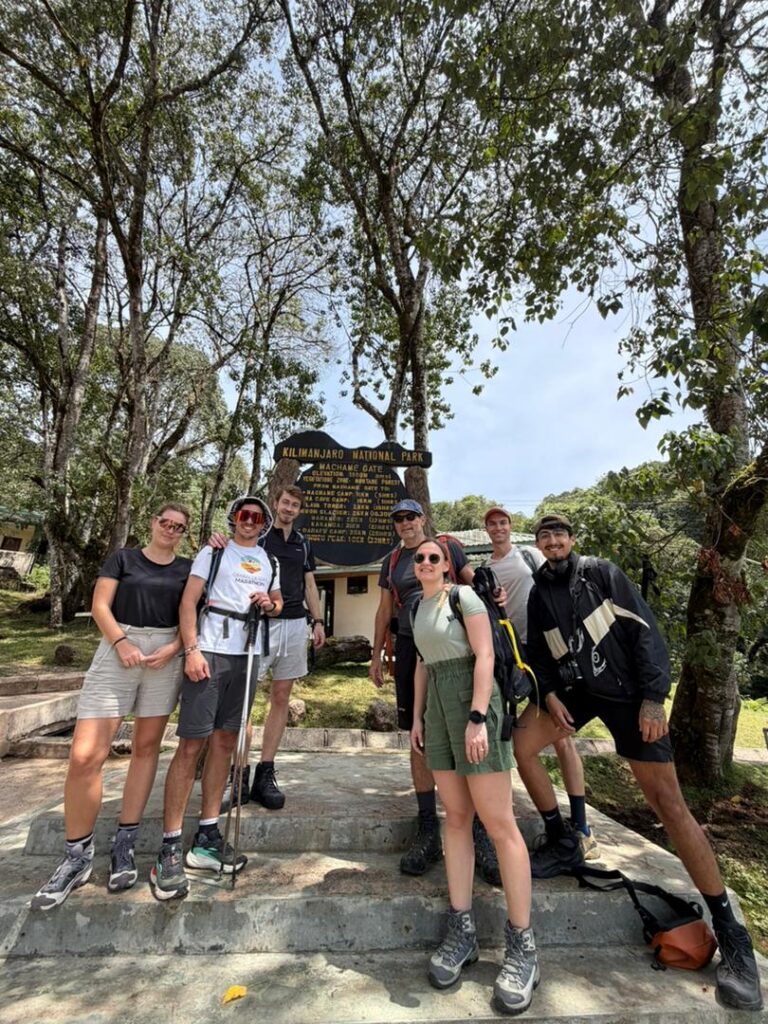
November Kilimanjaro Climbing Cost And Discounts For 2026-2027
Planning a Kilimanjaro climb in November 2026 or 2027? This comprehensive guide details the expected costs, factors influencing pricing, and available discounts. Learn how to budget...
View package details
November Kilimanjaro Private Couple Climb: Your Ultimate Guide 2026-2027
Climbing Kilimanjaro as a couple in November offers unique advantages. This guide details everything you need to know for a private climb in 2026-2027, from route selection to summit...
View package details
November Kilimanjaro Climb: Fewer Crowds, Great Success Rates With Top Guide
Climbing Kilimanjaro in November offers a unique advantage: significantly fewer trekkers on the mountain compared to peak seasons. This allows for a more serene and personal experience. Top...
View package details
November Kilimanjaro Low-Season Climbing Deals 2026-2027
Climb Kilimanjaro in November for budget-friendly deals and fewer crowds. This guide covers routes, weather, packing, and how Top Guide Adventures can make your 2026-2027 low-season trek...
View package details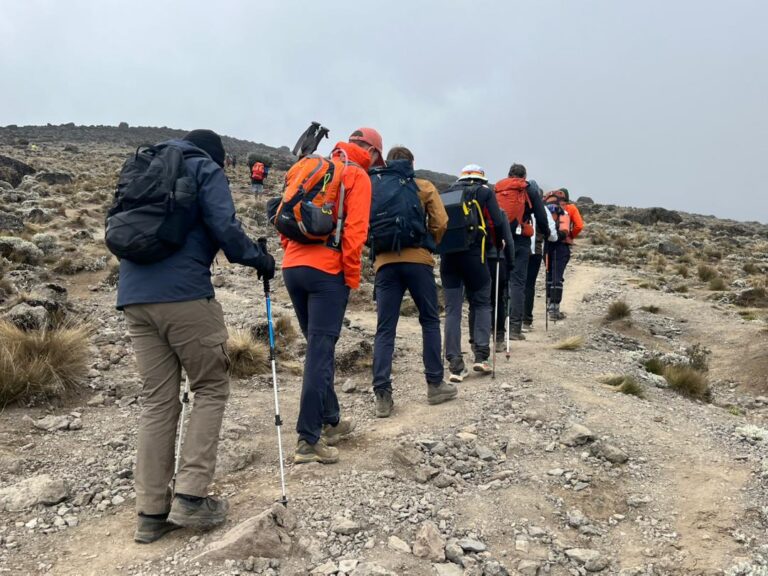
November Kilimanjaro Full-Moon Summit Climb 2026-2027
November Kilimanjaro Full-Moon Summit Climb is explained with current 2026-2027 planning, price, itinerary and booking information.
View package details7-Day Machame Route Kilimanjaro Climb In November 2026-2027
start a 7-day Machame Route Kilimanjaro climb in November. This guide details the itinerary, weather, what to pack, costs, and why November is a great month for this challenging yet...
View package details
8-Day Lemosho Route Kilimanjaro Climb In November | Top Guide Adventures
The 8-day Lemosho Route offers a high success rate and stunning scenery for your Kilimanjaro climb in November. This guide covers everything from weather to packing for your 2026-2027...
View package details
7-Day Rongai Route Kilimanjaro Climb In November 2026-2027
A detailed 2026-2027 guide to 7-Day Rongai Route Kilimanjaro Climb in November, with clear planning and booking information for travelers.
View package details
November Kilimanjaro Private Climbing Package: Your Expert Guide For 2026-2027
Secure your November Kilimanjaro private climbing package for 2026-2027 with Top Guide Adventures. This comprehensive guide covers route options, weather expectations, essential...
View package detailsNo related package matches those filters. Clear one or more filters to see the other topic-matched options.



