
A 7-day Rongai Route Kilimanjaro climb in November offers a unique trekking experience, often characterized by fewer crowds and a mix of weather conditions as the short rains season begins, though the route’s northern approach can sometimes provide drier conditions. This itinerary focuses on acclimatization and a steady ascent, making it a viable option for trekkers in 2026 and 2027 seeking a balance between success rates and a less congested path compared to peak seasons.

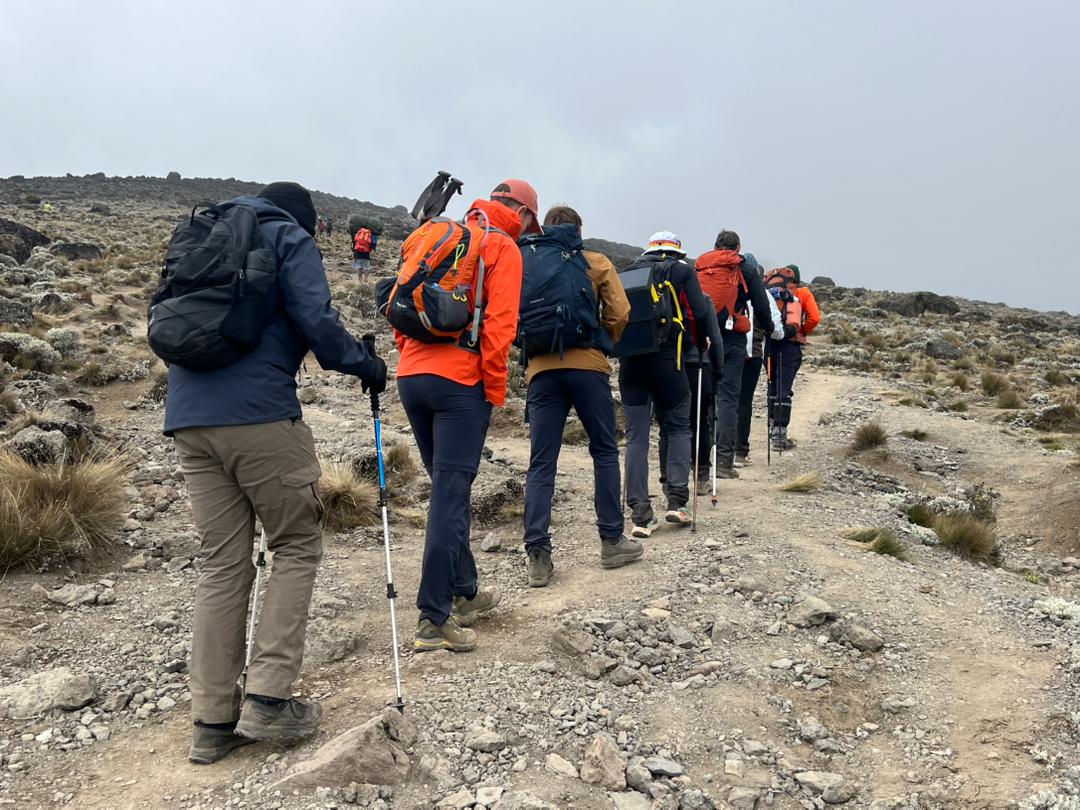
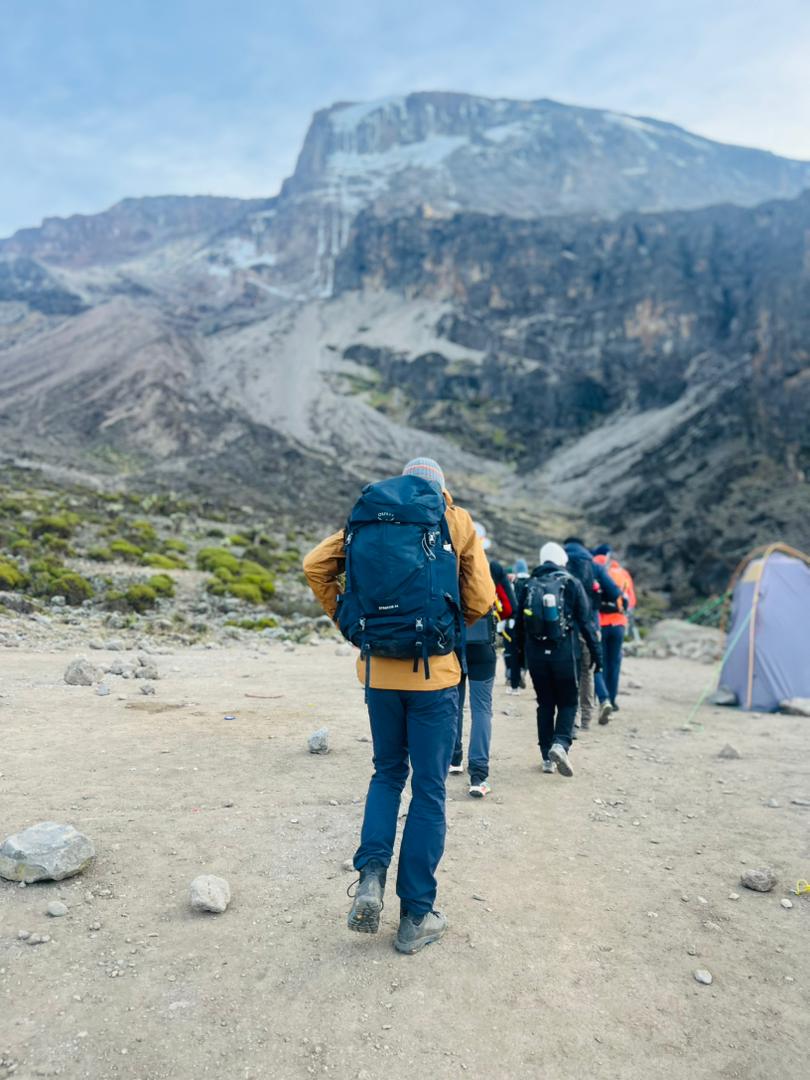
Understanding the 7-Day Rongai Route Kilimanjaro Climb in November
Choosing the right route and timing for your Kilimanjaro ascent is crucial for a successful and enjoyable trek. The Rongai Route stands out for its gradual climb and its approach from the north, which can offer a distinct advantage, especially during transitional weather periods like November. A 7-day itinerary on the Rongai Route is designed to provide adequate acclimatization, which is paramount for reaching Uhuru Peak. November marks the transition from the dry season to the short rainy season in Tanzania. This means you can expect a mix of weather: sunny days, cooler temperatures, and the possibility of rain showers, particularly later in the month. However, the Rongai Route’s northern exposure means it often receives less rainfall than routes on the southern side, making it a popular choice for this time of year. For trekkers planning for November 2026 and November 2027, understanding these nuances is key to preparation.
Top Guide Adventures specializes in crafting Kilimanjaro climbing experiences that prioritize safety, success, and a deep appreciation for the mountain’s environment. Our 7-day Rongai Route package is meticulously planned to ensure you have the best possible chance of reaching the summit while enjoying the journey. We understand that a Kilimanjaro climb is more than just a physical challenge; it’s an expedition that requires careful logistical planning, expert guiding, and attentive support. This guide will walk you through everything you need to know about undertaking a 7-day Rongai Route climb specifically in November, covering itinerary details, weather expectations, packing advice, and why Top Guide Adventures is your ideal partner for this adventure in 2026 and 2027.
Why Choose the Rongai Route for Your November Climb?
The Rongai Route is one of Kilimanjaro’s less-trafficked paths, offering a more serene trekking experience. Its popularity is growing, especially among those seeking an alternative to the busier Marangu or Machame routes. For a 7-day climb, Rongai provides a good balance of ascent and acclimatization. Here’s why it’s particularly well-suited for a November expedition:
- Northern Approach Advantage: Situated on the northern side of Kilimanjaro, the Rongai Route is somewhat shielded from the heavier rains that can affect the southern slopes during the start of the short rainy season. While you should still prepare for rain in November, this route often remains drier and more consistent than others.
- Gradual Ascent Profile: The Rongai Route offers a steady, gradual ascent, which is excellent for acclimatization. This is critical for any Kilimanjaro climb, but especially important when weather conditions might be more variable. A slower pace allows your body to adjust more effectively to the increasing altitude.
- Unique Scenery: The Rongai Route traverses drier, semi-arid landscapes on its approach, offering different views compared to the lush rainforests seen on other routes. As you gain altitude, you’ll still experience the diverse ecological zones Kilimanjaro is famous for.
- Lower Crowds: November is generally considered a shoulder season. While not as deserted as the peak dry seasons (January-March, June-October), it sees fewer trekkers than the absolute peak times. This means a more intimate experience with the mountain and less competition for campsites.
For trekkers looking at November 2026 or November 2027, the Rongai Route presents a compelling case for a successful and memorable climb, balancing accessibility, acclimatization, and a unique trekking environment.
The 7-Day Rongai Route Itinerary: A Detailed Breakdown
A 7-day itinerary on the Rongai Route is structured to maximize acclimatization and enjoyment while keeping the ascent challenging yet achievable. This plan typically involves six days of climbing and one day of descent. The key is the slow and steady progress, allowing your body to adapt to the thinning air.
Day 1: Rongai Gate (1,950m/6,398ft) to Simba Camp (2,625m/8,612ft)
Your Kilimanjaro adventure begins at the Rongai Gate, near the border with Kenya. After completing park formalities and meeting your climbing crew, you’ll start your trek through the montane forest. This is a gentle introduction to the climb, lasting approximately 3-4 hours. The path is relatively flat initially, before a slight incline towards Simba Camp. Keep an eye out for colobus monkeys and various bird species in the forest. Upon arrival at Simba Camp, you’ll set up and have dinner, preparing for the days ahead.
- Distance: Approx. 7 km / 4.3 miles
- Hiking Time: 3-4 hours
- Habitat: Montane Forest
Day 2: Simba Camp (2,625m/8,612ft) to Kikelewa Caves (3,600m/11,811ft)
Today’s trek takes you out of the forest zone and into the moorland. The path continues to ascend gradually, offering expansive views of the surrounding plains. You’ll hike for about 6-7 hours, with lunch en route. The landscape becomes more open, with giant heathers and senecios dominating. Kikelewa Caves serves as your campsite, located at the edge of the forest zone, offering a picturesque setting. This day is crucial for altitude gain and acclimatization.
- Distance: Approx. 12 km / 7.5 miles
- Hiking Time: 6-7 hours
- Habitat: Moorland
Day 3: Kikelewa Caves (3,600m/11,811ft) to Mawenzi Tarn Camp (4,315m/14,157ft)
This is a shorter but steeper day, designed to help you acclimatize further as you approach the alpine desert zone. You’ll trek for around 3-4 hours to Mawenzi Tarn Camp, a stunning campsite situated in a basin below the towering spires of Mawenzi, Kilimanjaro’s second peak. The scenery becomes more dramatic and stark. The afternoon is often used for rest and further acclimatization, with options for short acclimatization walks. The air is noticeably thinner here.
- Distance: Approx. 7 km / 4.3 miles
- Hiking Time: 3-4 hours
- Habitat: Alpine Desert
Day 4: Mawenzi Tarn Camp (4,315m/14,157ft) to Kibo Camp (4,720m/15,485ft)
Today, you’ll cross the Saddle, a high-altitude desert plain that lies between the peaks of Kibo and Mawenzi. This is a significant day for acclimatization, as you ascend to a higher altitude. The trek takes approximately 4-5 hours. Kibo Camp is located at the base of the Kibo crater rim, the final staging point before your summit attempt. The landscape is barren and rocky, with very little vegetation. The temperatures drop significantly, and you’ll be advised to rest and hydrate well in preparation for the summit night.
- Distance: Approx. 10 km / 6.2 miles
- Hiking Time: 4-5 hours
- Habitat: Alpine Desert
Day 5: Summit Night & Descent to Horombo Camp (3,720m/12,205ft)
This is the most challenging day. You’ll begin your ascent towards Uhuru Peak (5,895m/19,341ft) around midnight. The climb is steep and strenuous, often on scree and loose rock. You’ll pass Stella Point (5,756m/18,885ft) on the crater rim before continuing to the true summit, Uhuru Peak. After celebrating your achievement and taking photos, you begin your descent. You’ll pass Kibo Camp and continue down to Horombo Camp, a significant descent covering a lot of altitude. This is a long day, typically 10-15 hours of hiking.
- Distance: Approx. 22 km / 13.7 miles (Summit to Horombo)
- Hiking Time: 10-15 hours
- Habitat: Arctic Tundra, Alpine Desert, Moorland
Day 6: Horombo Camp (3,720m/12,205ft) to Marangu Gate (1,860m/6,102ft)
After breakfast, you continue your descent through the moorland and forest zones. The trek down is much faster and typically takes 5-6 hours. You’ll reach the Marangu Gate, where you’ll be met by your transport. Congratulations are in order! You’ll receive your climbing certificates and then be transferred back to your accommodation in Moshi. This marks the end of your 7-day Rongai Route Kilimanjaro climb.
- Distance: Approx. 20 km / 12.4 miles
- Hiking Time: 5-6 hours
- Habitat: Moorland, Montane Forest
Day 7: Rest Day / Departure
Day 7 is typically a buffer or a rest day. You can relax in Moshi, explore the town, or arrange for further activities like a safari or a visit to Zanzibar. If your flight schedule allows, you might depart on this day, or you can extend your stay.
November Weather on Kilimanjaro: What to Expect
November is a transitional month on Kilimanjaro. It marks the beginning of the short rainy season, known locally as the ‘Vuli’ rains. However, it’s important to understand that ‘rainy season’ on Kilimanjaro doesn’t always mean constant downpours. The weather patterns can be quite varied, offering a mix of conditions.
- Temperature: Temperatures vary significantly with altitude. Expect cool to cold conditions at higher camps, especially during summit night. Daytime temperatures can range from 10°C to 20°C (50°F to 68°F) in the lower forest zone, dropping to freezing or below at higher altitudes, particularly on the summit.
- Rainfall: The short rains typically start in November. This means you should be prepared for rain showers. However, the Rongai Route, being on the northern side, often experiences less rainfall than routes on the southern side of the mountain. Showers might be intermittent, perhaps occurring in the afternoon or overnight, and often clearing up by morning.
- Snow: While snow is possible year-round at the summit, November is less likely to have heavy snowfalls compared to the peak dry seasons. Any precipitation is more likely to be rain at lower elevations and sleet or snow at higher altitudes.
- Visibility: With the onset of rains, cloud cover can increase, potentially obscuring some of the panoramic views. However, clear mornings are still common, offering spectacular vistas. The summit itself can be clear, even if clouds are present lower down.
- Wind: Wind can be a factor, especially at higher altitudes and on the exposed summit ridge. It can make the cold feel more intense.
For your 7-day Rongai Route Kilimanjaro climb in November 2026 or 2027, packing appropriate waterproof gear is essential. Despite the potential for rain, many trekkers find November to be a rewarding month due to fewer crowds and the dramatic, often misty, landscapes.
Preparing for Your November Climb: Packing Essentials
Packing correctly is vital for comfort and safety on Kilimanjaro, especially during November when weather can be unpredictable. Layering is key to managing temperature fluctuations. Here’s a comprehensive packing list, with specific considerations for a November climb:
Clothing Layers:
- Base Layers: Moisture-wicking thermal tops and bottoms (merino wool or synthetic). Pack 2-3 sets.
- Mid Layers: Fleece jackets or sweaters (2-3). These provide insulation.
- Outer Layer (Insulation): A warm down jacket or synthetic equivalent. This is crucial for cold evenings and summit night.
- Outer Layer (Waterproof/Windproof): A high-quality waterproof and windproof jacket and trousers. Ensure they are breathable. This is non-negotiable for November.
Headwear & Handwear:
- Warm Hat: Fleece or wool hat that covers your ears.
- Sun Hat: Wide-brimmed hat for sun protection during the day.
- Balaclava or Buff: For face and neck protection against wind and cold, especially on summit night.
- Gloves: Lightweight liner gloves, warm fleece or wool gloves, and waterproof over-mittens. Consider bringing at least two pairs of warm gloves.
Footwear:
- Hiking Boots: Waterproof, well-broken-in hiking boots with good ankle support.
- Camp Shoes: Comfortable shoes or sandals for wearing at camp.
- Socks: Several pairs of warm wool or synthetic hiking socks. Pack at least 5-7 pairs.
- Gaiters: To prevent scree and rain from entering your boots.
Trekking Gear:
- Backpack: A comfortable daypack (30-40 liters) for essentials you need during the day (water, snacks, rain gear, camera).
- Duffel Bag: A large, waterproof duffel bag (80-100 liters) for your main gear, carried by porters.
- Sleeping Bag: A 4-season sleeping bag rated to at least -15°C (5°F).
- Sleeping Bag Liner: For added warmth and hygiene.
- Trekking Poles: Highly recommended for stability and reducing strain on knees, especially on descents.
- Water Bottles/Hydration Reservoir: At least 2-3 liters capacity. Ensure they are insulated or use a hydration reservoir with an insulated tube to prevent freezing.
- Headlamp: With extra batteries. Essential for summit night and navigating camp after dark.
Other Essentials:
- Sunscreen: High SPF.
- Lip Balm: With SPF.
- Sunglasses: High UV protection.
- Personal First-Aid Kit: Including blister treatment, pain relievers, antiseptic wipes, and any personal medications.
- Toiletries: Biodegradable soap, toothbrush, toothpaste, wet wipes, hand sanitizer.
- Camera: With extra batteries and memory cards.
- Power Bank: For charging electronics.
- Snacks: Energy bars, nuts, dried fruit, chocolate.
- Passport and Visa: Keep copies separate.
- Travel Insurance Details:
For your 7-day Rongai Route Kilimanjaro climb in November 2026 or 2027, remember that waterproof and windproof outer layers are paramount. Investing in good quality gear will significantly enhance your comfort and safety.
Acclimatization: The Key to Success on Kilimanjaro
Altitude sickness, or Acute Mountain Sickness (AMS), is the most significant challenge on Kilimanjaro. Proper acclimatization is not just recommended; it’s essential for a safe and successful ascent. The 7-day Rongai Route itinerary is designed with acclimatization in mind, but individual responses to altitude vary.
Principles of Acclimatization:
- Climb High, Sleep Low: This principle is incorporated into the Rongai itinerary. You ascend to higher altitudes during the day for acclimatization walks or simply to reach the next camp, but then you descend slightly or camp at a lower elevation where possible. The 7-day Rongai route does this by moving camps progressively higher.
- Slow and Steady Ascent: Rushing the climb is the fastest way to develop altitude sickness. The 7-day Rongai Route allows for a gradual increase in elevation each day, giving your body time to adapt.
- Hydration: Drinking plenty of fluids (3-4 liters per day) helps your body acclimatize. Water, herbal teas, and clear broths are excellent choices. Avoid alcohol and caffeine, as they can contribute to dehydration.
- Nutrition: Eat well, even if your appetite decreases at altitude. High-carbohydrate meals are generally recommended.
- Rest: Getting enough sleep and resting during the day is vital for your body’s recovery and adaptation processes.
- Monitor Symptoms: Be aware of the symptoms of AMS, which include headache, nausea, dizziness, fatigue, and loss of appetite. Communicate any symptoms to your guide immediately.
Symptoms of Altitude Sickness:
Common symptoms include:
- Headache
- Nausea and vomiting
- Dizziness and lightheadedness
- Fatigue and weakness
- Loss of appetite
- Difficulty sleeping
More severe forms include High Altitude Cerebral Edema (HACE) and High Altitude Pulmonary Edema (HAPE), which are life-threatening and require immediate descent.
What to Do if You Feel Altitude Sickness:
- Inform your guide: This is the most crucial step. Guides are trained to recognize AMS symptoms and manage them.
- Do not ascend further: If symptoms are mild, your guide may advise you to rest at the current altitude.
- Descend: If symptoms are moderate to severe, or if they worsen, descent is the only cure. Even a few hundred meters can make a significant difference.
- Medication: Diamox (acetazolamide) can be prescribed by your doctor to aid acclimatization, but it is not a substitute for proper ascent and acclimatization practices.
For your 7-day Rongai Route Kilimanjaro climb in November 2026 or 2027, listen to your body and your guide. Prioritizing acclimatization is the most effective strategy for reaching the summit.
Costs and Inclusions for a 7-Day Rongai Route Climb
The cost of a Kilimanjaro climb can vary significantly based on the operator, the route, the duration, and the level of service provided. For a 7-day Rongai Route Kilimanjaro climb in November 2026-2027, you can expect costs to range generally from $1,800 to $3,500 USD per person for a reputable operator. This is a guideline, and exact quotes will depend on specific inclusions and group size.
Typical Inclusions:
Reputable tour operators like Top Guide Adventures typically include the following in their climb packages:
- Park Fees: All required national park and conservation fees.
- Camping Fees: Fees for overnight stays at designated campsites.
- Guides and Crew: Professional, licensed mountain guides, assistant guides, cooks, and porters.
- Food: All meals during the climb (breakfast, lunch, dinner, snacks).
- Accommodation: Camping equipment (tents, sleeping mats). Some operators offer optional hotel stays before and after the climb.
- Water: Boiled and purified drinking water during the trek.
- Safety Equipment: First-aid kits, oxygen cylinders (carried by guides), and emergency communication devices.
- Transportation: Transfers to and from Kilimanjaro International Airport (JRO) and to/from the mountain gate.
- Certificate: A Kilimanjaro climbing certificate upon successful completion.
Typical Exclusions:
It’s also important to be aware of what is usually not included:
- Flights: International flights to and from Tanzania.
- Visas: Tanzanian visa fees.
- Travel Insurance: Comprehensive travel and medical evacuation insurance is mandatory.
- Personal Gear: Sleeping bag, hiking boots, clothing, trekking poles, etc.
- Tips: Gratuities for guides, porters, and cooks. This is a significant part of crew income.
- Personal Expenses: Souvenirs, alcoholic beverages, laundry, etc.
- Optional: Summit pole, energy drinks, battery charging.
Factors Affecting Cost:
- Operator Reputation: Established companies with good safety records and ethical treatment of staff often charge more.
- Group Size: Private climbs are more expensive per person than group climbs.
- Level of Service: Some operators offer more luxurious camping setups or specialized services.
- Inclusions: Some packages might include hotel stays or additional meals.
When comparing prices for your 7-day Rongai Route Kilimanjaro climb in November 2026 or 2027, always compare the inclusions and exclusions carefully. Top Guide Adventures is committed to providing excellent value with transparent pricing and comprehensive support. For a personalized quote, please contact us via WhatsApp at +255616946642 or email us at topguideadventures@gmail.com.
Why Choose Top Guide Adventures for Your Kilimanjaro Climb?
Choosing the right tour operator is as important as choosing the right route and timing. Top Guide Adventures is a leading Tanzanian company dedicated to providing exceptional travel experiences. Our commitment to our clients is unwavering, offering personal attention, care, and dedicated support throughout your journey.
Our Commitment to Your Climb:
- Experienced and Certified Guides: Our guides are highly experienced, knowledgeable about Kilimanjaro’s routes, and trained in first aid and altitude management. They are passionate about sharing their love for the mountain and ensuring your safety.
- Ethical Treatment of Crew: We believe in fair wages and respectful treatment for all our porters and support staff. We ensure they have adequate gear, food, and are not overburdened. This commitment contributes to a positive team spirit and a better climbing experience for you.
- Safety First: Your safety is our top priority. We carry supplementary oxygen, have comprehensive first-aid kits, and our guides are trained to monitor for altitude sickness. We adhere to strict safety protocols.
- Quality Equipment: We provide high-quality tents, sleeping mats, and cooking equipment to ensure your comfort and safety on the mountain.
- Personalized Service: From your initial inquiry to your return from the mountain, you will receive dedicated support. We tailor our services to meet your individual needs and answer all your questions promptly.
- Excellent Food: Our cooks prepare nutritious and delicious meals on the mountain, designed to provide the energy you need for the climb.
- Proven Success Rates: Our itineraries and experienced crew contribute to high success rates for our clients reaching the summit.
We are proud of our reputation and the trust our clients place in us. Read our TripAdvisor reviews to see what past climbers have experienced. For your 7-day Rongai Route Kilimanjaro climb in November 2026 or 2027, choose a partner that guarantees a safe, memorable, and rewarding adventure. Contact us today!
Frequently Asked Questions About the 7-Day Rongai Route in November
Here are some common questions potential climbers have about undertaking a 7-day Rongai Route Kilimanjaro climb in November.
Is November a good month to climb Kilimanjaro via the Rongai Route?
November is the start of the short rainy season (‘Vuli’). While you should expect some rain showers, the Rongai Route’s northern location often means it experiences less rainfall compared to southern routes. It’s generally a good month if you prefer fewer crowds and are prepared for mixed weather. Clear days are still very possible, and the landscapes can be dramatic.
What is the average temperature during a 7-day Rongai Route climb in November?
Temperatures vary greatly with altitude. In the forest zone (Day 1-2), daytime highs might be around 15-20°C (59-68°F), cooling to 5-10°C (41-50°F) at night. In the alpine desert and at Kibo Camp (Day 4-5), daytime temperatures can be near freezing, dropping to -5°C to -10°C (14-23°F) or lower on summit night. The wind chill factor can make it feel much colder.
What are the chances of success on the 7-day Rongai Route in November?
Success rates on the 7-day Rongai Route are generally good, typically around 80-85%, provided trekkers are well-prepared and acclimatize properly. November’s weather can be a factor, but with adequate gear and adherence to acclimatization principles, reaching Uhuru Peak is very achievable. Choosing an experienced operator like Top Guide Adventures significantly improves your chances.
Is the 7-day Rongai Route suitable for beginners in November?
The Rongai Route is considered one of the easier routes due to its gradual ascent, making it suitable for beginners. However, any Kilimanjaro climb is a serious physical undertaking. For a November climb, beginners must be extra diligent with training, gear selection (especially waterproofs), and listening to their bodies regarding acclimatization. The 7-day duration offers less acclimatization time than longer Rongai options, so thorough preparation is key.
What kind of gear is essential for a November Rongai climb?
Essential gear includes waterproof and windproof outer layers (jacket and trousers), warm layers (fleece, down jacket), waterproof gloves and mittens, a warm hat, sturdy broken-in hiking boots, and a 4-season sleeping bag. Gaiters are also highly recommended to keep feet dry and protected. Layering is crucial to adapt to changing conditions.
How much should I budget for tips in November 2026/2027?
Tipping is customary and a significant part of the crew’s income. For a 7-day climb, a general guideline is around $250-$350 USD per climber, distributed among the guides, assistant guides, cook, and porters. Your tour operator will usually provide a detailed tipping guide. It’s best to tip at the end of the climb, usually on the last day at the hotel.
What are the main differences between the 7-day and 6-day Rongai Route?
The 6-day Rongai Route is faster and offers less acclimatization time, potentially leading to lower success rates. The 7-day itinerary includes an extra day, often spent crossing the Saddle at a more leisurely pace or adding a day in the moorland/alpine desert zones, which significantly improves acclimatization and the chances of reaching the summit comfortably. For November, the 7-day itinerary is strongly recommended.
Planning Your 2026-2027 Kilimanjaro Adventure
Planning a Kilimanjaro climb requires foresight and attention to detail. For your 7-day Rongai Route Kilimanjaro climb in November 2026 or November 2027, here are some key planning steps:
- Book in Advance: Kilimanjaro climbing permits and park fees are limited. While November isn’t peak season, booking 6-12 months in advance is advisable, especially if you have specific dates or require a private group. This allows us to secure the best guides and crew.
- Physical Training: Begin a consistent training regimen at least 3-6 months before your climb. Focus on cardiovascular endurance (hiking, running, cycling) and strength training, particularly for your legs and core. Practice hiking with a weighted backpack.
- Gear Acquisition: Purchase or rent your gear well in advance. Test your boots and clothing on training hikes to ensure comfort and fit.
- Health Consultations: Consult your doctor about altitude sickness medication (like Diamox), necessary vaccinations, and general health recommendations for high-altitude trekking.
- Travel Insurance: Ensure your travel insurance covers high-altitude trekking and emergency medical evacuation up to at least 6,000 meters.
- Flight Bookings: Book your international flights to Kilimanjaro International Airport (JRO). We recommend arriving at least one day before your trek begins to rest and prepare.
- Visa Requirements: Check Tanzania’s visa requirements for your nationality and apply in advance if necessary.
Top Guide Adventures is here to assist you every step of the way. We provide detailed pre-climb information, packing lists, and can answer any questions you have to ensure you are fully prepared for your 7-day Rongai Route Kilimanjaro climb in November 2026 or 2027. Our team is dedicated to making your Kilimanjaro dream a reality.
Conclusion: Your November Rongai Adventure Awaits
Embarking on a 7-day Rongai Route Kilimanjaro climb in November presents a unique opportunity to experience the Roof of Africa with fewer crowds and a distinct charm. While the weather might bring occasional showers, the Rongai Route’s northern approach offers a degree of protection, and the gradual ascent ensures better acclimatization, a crucial factor for summit success. For trekkers planning their adventure for November 2026 or November 2027, this route and timing combination provides an excellent balance of challenge, reward, and a more intimate connection with the mountain.
Top Guide Adventures is your trusted partner for this incredible journey. We are committed to providing safe, ethical, and unforgettable Kilimanjaro climbing experiences. Our expert guides, dedicated crew, and personalized support ensure you are well-prepared and well-cared for from start to finish. We understand the importance of every detail, from acclimatization strategies to packing the right gear for November’s conditions.
Don’t let the thought of transitional weather deter you. With the right preparation and the support of Top Guide Adventures, your 7-day Rongai Route Kilimanjaro climb in November can be the highlight of your travels. We invite you to connect with us to discuss your plans, get a personalized quote, and begin planning your ascent of Africa’s highest peak. Reach out via WhatsApp at +255616946642, email us at topguideadventures@gmail.com, or our backup email info@topguideadventures.com. Let’s make your Kilimanjaro dream a reality in 2026 or 2027!
Check Availability for 7-Day Rongai Route Kilimanjaro Climb In November 2026-2027
Ready to compare dates, prices, and the best option for your group? Send the package name and travel month so the team can reply with a clear quote, availability, and what is included.
7-Day Rongai Route Kilimanjaro Climb In May: Your Ultimate Guide 2026-2027
Your comprehensive guide to conquering Kilimanjaro via the Rongai Route in May over 7 days. Learn about the itinerary, what to pack, acclimatization, and why May is a great month for this...
View package details
7-Day Rongai Route Kilimanjaro Climb In April: Your Expert Guide For 2026-2027
The 7-Day Rongai Route offers a unique and often drier approach to climbing Kilimanjaro, especially beneficial in April. This guide provides an in-depth look at the itinerary, essential...
View package details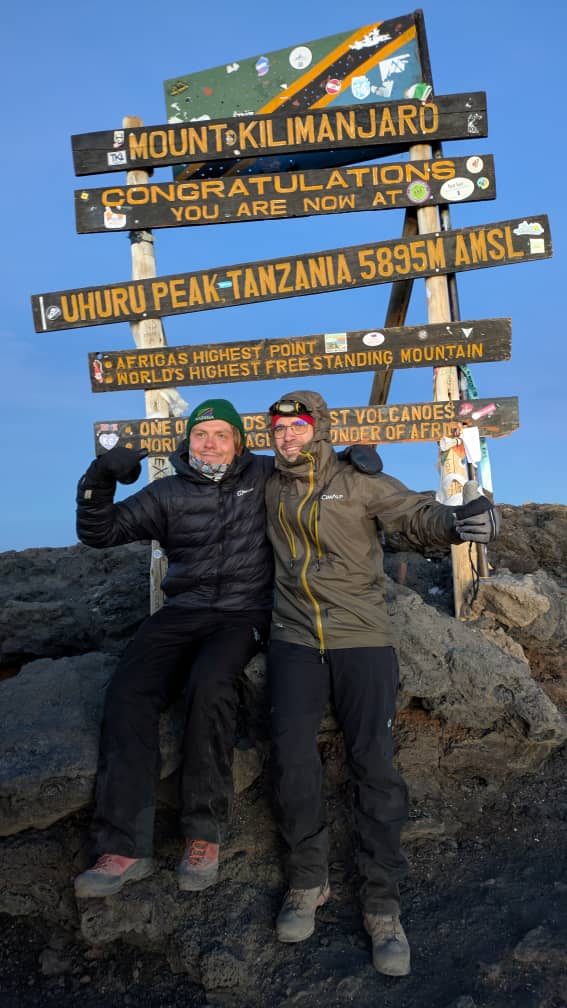
7-Day Machame Route Kilimanjaro Climb In November 2026-2027
start a 7-day Machame Route Kilimanjaro climb in November. This guide details the itinerary, weather, what to pack, costs, and why November is a great month for this challenging yet...
View package details8-Day Lemosho Route Kilimanjaro Climb In November | Top Guide Adventures
The 8-day Lemosho Route offers a high success rate and stunning scenery for your Kilimanjaro climb in November. This guide covers everything from weather to packing for your 2026-2027...
View package details
8-Day Lemosho Route Kilimanjaro Climb In December | Top Guide Adventures
Discover the magic of an 8-day Lemosho Route Kilimanjaro climb in December. This guide details what to expect regarding weather, acclimatization, and preparation for your 2026-2027...
View package details
Your 7-Day Machame Route Kilimanjaro Climb In December : Expert Guide
A comprehensive guide to undertaking a 7-day Machame Route Kilimanjaro climb during December. Learn about the conditions, best practices, and what to expect for your 2026-2027 adventure.
View package details
7-Day Rongai Route Kilimanjaro Climb In October : Your Expert Guide 2026-2027
Your comprehensive guide to the 7-Day Rongai Route Kilimanjaro climb in October, detailing itineraries, what to expect, and essential preparation for 2026-2027 climbs.
View package details
8-Day Lemosho Route Kilimanjaro Climb In January | Top Guide Adventures
An in-depth guide to the 8-day Lemosho Route Kilimanjaro climb during January, detailing the itinerary, weather, costs, and preparation needed for a successful trek in 2026-2027. Expert...
View package details8-Day Lemosho Route Kilimanjaro Climb In October : Your Expert Guide 2026-2027
An in-depth guide to climbing Kilimanjaro via the 8-day Lemosho Route in October, detailing weather, itinerary, preparation, and what to expect in 2026-2027. Perfect for trekkers seeking...
View package details
7-Day Machame Route Kilimanjaro Climb In October : Your Ultimate Guide
Discover everything you need to know for a 7-day Machame Route Kilimanjaro climb in October, including weather, packing, itinerary, and preparation for your 2026-2027 adventure.
View package details
8-Day Lemosho Route Kilimanjaro Climb In August 2026-2027
8-Day Lemosho Route Kilimanjaro Climb in August is explained with current 2026-2027 planning, price, itinerary and booking information.
View package details
7-Day Machame Route Kilimanjaro Climb In August: Your Expert Guide 2026-2027
The 7-day Machame Route Kilimanjaro climb in August offers excellent weather for reaching Uhuru Peak. This guide provides essential details for your 2026-2027 adventure, covering itinerary...
View package detailsNo related package matches those filters. Clear one or more filters to see the other topic-matched options.



