
For climbing Kilimanjaro in November, the Lemosho Route and the Machame Route are generally considered the best options due to their favorable acclimatization profiles and decent success rates, even as the short rainy season begins to taper off. While November is a shoulder month, these routes offer a good balance of manageable weather and fewer crowds compared to peak seasons, making them excellent choices for trekkers in 2026 and 2027.
Understanding Kilimanjaro in November: Weather and Conditions
Climbing Mount Kilimanjaro is a dream for many adventurers, and selecting the right route is paramount to a successful and enjoyable expedition. When planning for a November ascent, it’s crucial to understand the prevailing weather patterns and how they influence route choice. November marks the transition from the short rainy season (typically October-November) towards the drier, cooler period of December to February. This means you can expect a mix of conditions: some sunny days, potential for rain, and possibly some snow at higher altitudes.
The short rains, while not as intense as the long rains in April and May, can bring increased cloud cover, mist, and occasional downpours, particularly in the lower and middle sections of the mountain. However, these rains often come in brief, localized showers, leaving plenty of opportunities for clear skies, especially during the latter half of November and into December. The higher reaches of Kilimanjaro, above the cloud forest, are generally less affected by rain and more prone to cold temperatures and wind.
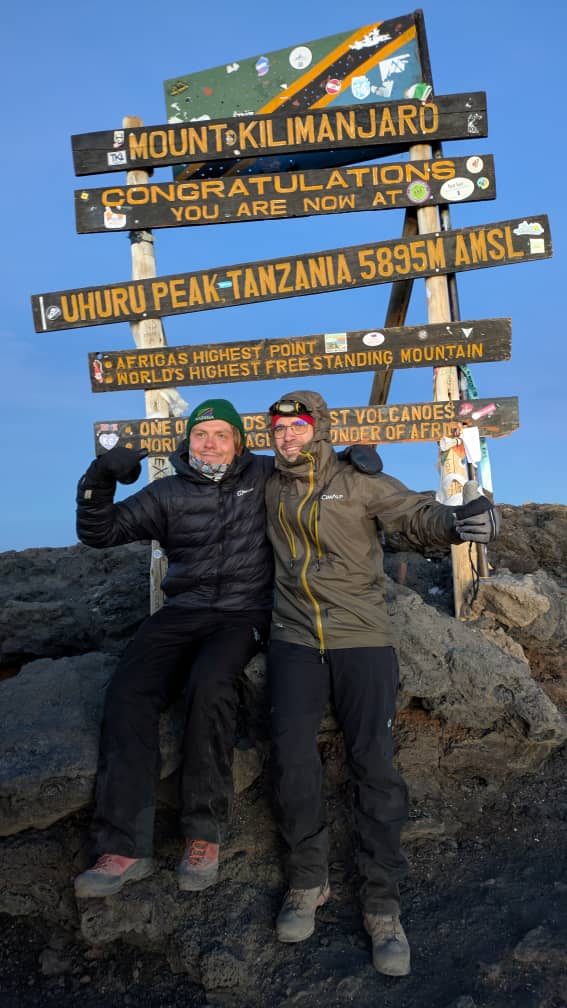
Temperatures in November can vary significantly. Expect warm, humid conditions in the rainforest at the base, gradually dropping to cool and cold temperatures as you ascend through the moorland and alpine desert zones. At the summit, Uhuru Peak, temperatures can plummet to below freezing, often between -7°C and -20°C (19°F to -4°F), especially at night and during sunrise. Wind chill can make these temperatures feel even colder.
Crowd levels in November are typically moderate. It falls outside the absolute peak seasons of January-February and June-August. This can be a significant advantage, offering a more serene trekking experience with more opportunities to interact with guides and porters, and less competition for campsites. However, as the month progresses and approaches the festive season, numbers may slightly increase.
For trekkers planning their climb in November 2026 or November 2027, choosing a route that prioritizes acclimatization is key. This is especially true given the variable weather. The longer routes, which offer more days on the mountain, are generally better for acclimatization, increasing summit success rates. This guide will explore the most suitable routes, weighing their pros and cons for a November expedition.
Evaluating Kilimanjaro Routes for November Climbs
When selecting the best Kilimanjaro route for November, several factors come into play: acclimatization, scenery, crowd levels, and the likelihood of experiencing rain. While no route is entirely immune to weather, some offer better odds for a successful and comfortable trek during this transitional month.
1. The Lemosho Route: A Top Contender for November
The Lemosho Route is consistently ranked among the best routes for climbing Kilimanjaro, and November is no exception. It’s a longer route, typically taking 7 to 8 days, which is crucial for acclimatization.
Lemosho Route Itinerary and Acclimatization
A standard 7-day Lemosho itinerary begins with a scenic drive to the Londorossi Gate, followed by a trek through the rainforest. The route then joins the Machame route on day 3 or 4, offering excellent acclimatization by steadily gaining altitude. The 8-day Lemosho variant provides an extra day, often used for a more leisurely pace or an acclimatization hike, further boosting success rates. This gradual ascent is invaluable in November, helping your body adjust to the thinning air amidst potentially damp conditions.
Scenery and Experience on Lemosho
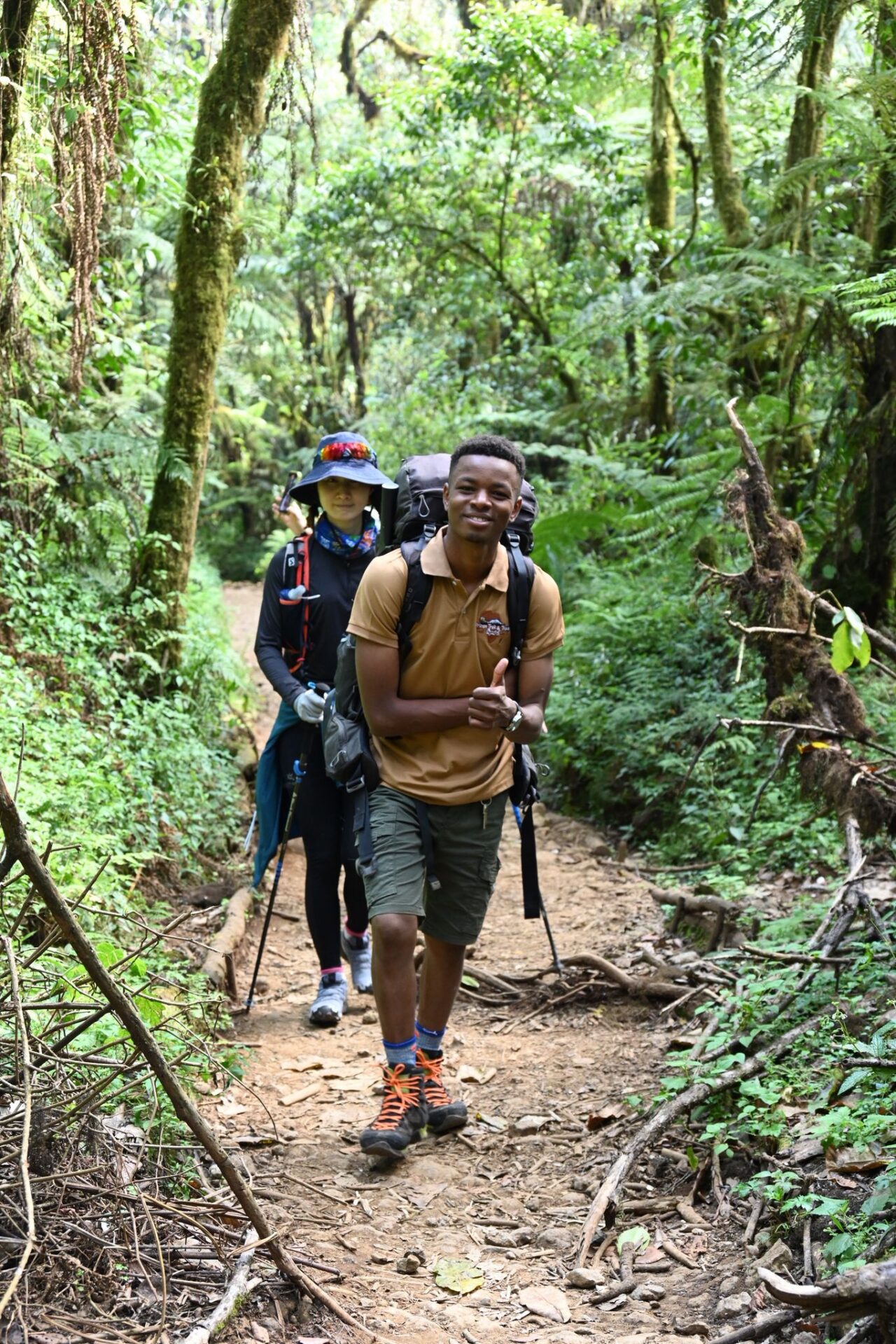
Lemosho is renowned for its impressive scenery. It starts in the lush rainforest, offering abundant opportunities to spot wildlife like monkeys and various bird species. As you climb, the landscape transforms through moorland, alpine desert, and finally the arctic zone. The route traverses the western and southern slopes, providing stunning panoramic views of the Shira Plateau and the surrounding plains. The isolation in the initial days also offers a more pristine wilderness experience before merging with other routes.
Pros of Lemosho in November
- Excellent Acclimatization: The longer duration (7-8 days) allows for a slower, more controlled ascent, significantly improving acclimatization and summit success rates, which is vital during the unpredictable November weather.
- Stunning Scenery: Offers diverse and dramatic landscapes from the start.
- Lower Crowds (Initially): The first couple of days are on a less-trafficked path, providing a more exclusive feel.
- High Success Rate: Generally considered to have one of the highest success rates due to its gradual ascent.
Cons of Lemosho in November
- Cost: Being a longer route, it is generally more expensive than shorter options.
- Potential for Rain: The lower sections are still susceptible to the short rainy season’s precipitation.
For trekkers prioritizing acclimatization and a beautiful journey, the Lemosho route is a strong choice for a November 2026 or November 2027 climb.
2. The Machame Route: Popularity and Practicality in November
The Machame Route, often nicknamed the ‘Whiskey Route’, is one of the most popular Kilimanjaro treks. It’s known for its scenic beauty and good acclimatization profile, making it a reliable option for November.
Machame Route Itinerary and Acclimatization
Machame is typically a 6-day or 7-day trek. The 7-day itinerary is highly recommended, especially for November, as it incorporates the crucial ‘climb high, sleep low’ principle more effectively than the 6-day version. This involves ascending to a higher altitude during the day and descending to a lower camp to sleep, which significantly aids acclimatization. The route starts in the rainforest and winds its way up the southern circuit, offering a good balance of ascent and descent days.
Scenery and Experience on Machame
Machame Route is celebrated for its varied and stunning vistas. It traverses diverse ecological zones, from dense rainforests teeming with wildlife to the stark beauty of the alpine desert and arctic summit. Trekkers are treated to magnificent views of the Shira Plateau and the Kibo crater. The final ascent to Stella Point and Uhuru Peak via the Barafu Camp is challenging but incredibly rewarding.
Pros of Machame in November
- Good Acclimatization (7-day): The 7-day option provides excellent acclimatization, crucial for November’s variable conditions.
- Scenic Beauty: Offers a continuously changing and dramatic landscape.
- Relatively High Success Rate: Particularly with the 7-day itinerary.
- Well-established Infrastructure: As a popular route, it has good support systems.
Cons of Machame in November
- Crowded (Relatively): Being popular, it can be busier than Lemosho, though November is generally less crowded than peak months.
- Steeper Sections: Some sections can be quite steep, requiring good physical fitness.
- Potential for Rain: Lower sections are prone to rain in early November.
The Machame route, especially the 7-day version, is a solid choice for a November 2026 climb, offering a great balance of challenge, beauty, and a good chance of reaching the summit.
3. The Rongai Route: An Alternative for November Considerations
The Rongai Route approaches Kilimanjaro from the north, near the Kenyan border. It is the only route that starts in a drier region, making it a potentially attractive option for November, especially if rain is a significant concern.
Rongai Route Itinerary and Acclimatization
Rongai is typically offered as a 6 or 7-day trek. The 7-day Rongai route is recommended for better acclimatization. It offers a more gradual ascent compared to some other routes. The approach from the north means the initial days are often drier, as this side of the mountain receives less rainfall. However, it does mean missing the rainforest experience at the start. The route converges with the Marangu route on the eastern side for the final ascent.
Scenery and Experience on Rongai
While Rongai might not offer the same dramatic rainforest immersion as Lemosho or Machame, it provides its own unique beauty. The arid northern slopes offer vast, open landscapes. Wildlife sightings, including various antelope species and monkeys, are common in the lower sections. The route offers unique views of Kenya and the plains below. The descent is via the Marangu route, which is less scenic than the ascent path.
Pros of Rongai in November
- Drier Approach: The northern side receives less rain, which can be advantageous in November.
- Gradual Ascent: Offers good acclimatization, especially on the 7-day version.
- Fewer Crowds: Generally less crowded than Machame or Marangu.
- Good for Wildlife Spotting: Common to see various animals in the lower sections.
Cons of Rongai in November
- Less Scenic (Overall): Lacks the lush rainforest experience of western routes and the circuit views.
- Descent Route: The descent path is less spectacular.
- Summit Night: The approach to the summit can be challenging, and visibility might be affected by clouds forming on the southern side.
Rongai offers a different perspective and a potentially drier start, making it a viable, albeit less popular, choice for a November 2027 climb if avoiding rain is a top priority.
4. Other Routes: Why They Might Be Less Ideal for November
While other routes like Marangu, Umbwe, and Shira exist, they are generally less recommended for November climbs compared to Lemosho or Machame.
Marangu Route (Coca-Cola Route)
The Marangu Route is the oldest and most established route. It’s known for its unique hut accommodation, making it feel less like a camping expedition. However, it is also the shortest route, typically 5 or 6 days, which significantly compromises acclimatization. This leads to a lower summit success rate, particularly during less predictable weather months like November. The rapid ascent through the zones increases the risk of altitude sickness. While it might be cheaper, the reduced success rate and potential for poor weather make it a less ideal choice for November 2026.
Umbwe Route
Umbwe is the shortest and most direct route, known for its steep and challenging ascent. It offers very poor acclimatization and is only recommended for experienced, very fit mountaineers who have previously acclimatized to high altitudes. The rapid gain in elevation makes it particularly risky in November, when weather can be unpredictable and the body needs more time to adjust. The success rate is low even in ideal conditions, and significantly lower during the shoulder season.
Shira Route
The Shira Route is similar to Lemosho in its early stages but starts at a higher altitude on the Shira Plateau. While scenic, this higher starting point means that initial acclimatization can be more challenging. It is often offered as a 7 or 8-day trek, but the higher start can negate some of the benefits of the longer duration for acclimatization compared to Lemosho, which starts lower in the rainforest. For November, Lemosho is generally preferred for its more gradual and lower-altitude start.
Key Considerations for a November Kilimanjaro Climb
Beyond selecting the right route, several practical aspects need consideration for a successful November Kilimanjaro expedition in 2026-2027.
1. Packing for Variable Weather
November weather on Kilimanjaro demands a layered approach to packing. You’ll need gear for a wide range of temperatures and conditions:
- Base Layers: Moisture-wicking thermal tops and bottoms (merino wool or synthetic).
- Mid Layers: Fleece jackets or insulated vests for warmth.
- Outer Layer: Waterproof and windproof jacket and trousers (Gore-Tex or similar). This is crucial for potential rain showers.
- Insulation Layer: A warm down or synthetic insulated jacket for summit night and cold evenings.
- Headwear: Warm beanie, sun hat with a brim, and a balaclava or neck gaiter for wind protection.
- Gloves: Lightweight liner gloves, warm waterproof gloves, and heavy mittens for summit night.
- Footwear: Broken-in, waterproof hiking boots. Comfortable camp shoes or sandals for evenings. Several pairs of warm hiking socks (wool or synthetic).
- Trekking Poles: Essential for stability on descents and ascents, reducing strain on knees.
- Sun Protection: High SPF sunscreen, lip balm with SPF, and sunglasses (essential due to high altitude and potential snow).
- Hydration: Water bottles or a hydration reservoir (ensure it’s insulated to prevent freezing). Water purification tablets or a filter.
- Headlamp: With extra batteries, for early morning starts and navigating camps.
- Backpack: A comfortable daypack (30-40 liters) for essentials, and a larger duffel bag for porters. A waterproof cover for the daypack is recommended.
Remember that porters will carry the bulk of your gear, but your daypack should contain essentials like water, snacks, extra layers, rain gear, sunscreen, and your camera.
2. Acclimatization Strategies
Regardless of the route chosen, prioritizing acclimatization is paramount. This means:
- Choose a Longer Route: Opt for a 7 or 8-day trek. The extra day provides crucial time for your body to adjust to the altitude.
- Ascend Slowly: Follow the ‘pole pole’ (slowly, slowly) principle. Avoid overexertion, especially on the first few days.
- Stay Hydrated: Drink plenty of water (3-4 liters per day) to help with acclimatization and prevent dehydration. Avoid alcohol and caffeine, which can dehydrate you.
- Eat Well: Maintain a good intake of carbohydrates, which are easier for your body to metabolize at altitude.
- Listen to Your Body: Be aware of symptoms of altitude sickness (headache, nausea, dizziness, fatigue). Communicate any concerns to your guide immediately. They are trained to assess and manage altitude-related issues.
- Consider Diamox: Discuss the use of Acetazolamide (Diamox) with your doctor before your trip. It can help speed up acclimatization, but it’s not a substitute for proper ascent techniques.
3. Hydration and Nutrition on the Mountain
Proper hydration and nutrition are vital for energy levels and acclimatization. Your tour operator will provide meals, which are generally balanced and carbohydrate-rich. Ensure you drink plenty of water throughout the day, even if you don’t feel thirsty. The guides will often boil water or provide purified water. Snacks like energy bars, nuts, and dried fruit can be helpful for maintaining energy between meals.
4. The Importance of a Reputable Tour Operator
Choosing a reputable tour operator like Top Guide Adventures is critical for a safe and successful climb, especially in November. A good operator ensures:
- Experienced Guides: Certified guides trained in high-altitude trekking, first aid, and altitude sickness management.
- Quality Equipment: Well-maintained tents, sleeping bags, and cooking gear.
- Nutritious Food: Well-prepared meals to keep you energized.
- Adequate Porter Support: Sufficient porters to carry gear, ensuring a comfortable trek for you.
- Safety Protocols: Comprehensive safety measures, including oxygen supplies and communication equipment.
- Ethical Treatment of Staff: Fair wages and treatment for guides and porters.
For your November 2026 or November 2027 Kilimanjaro adventure, partnering with experts like Top Guide Adventures ensures you have the best possible support. You can reach us via WhatsApp +255616946642 or email us at topguideadventures@gmail.com.
5. Summit Night and Descent
Summit night is the most challenging part of the climb. It typically begins around midnight from the last camp (e.g., Kibo Hut or Barafu Camp). You’ll ascend steeply in the dark, cold, and often windy conditions. The goal is to reach Stella Point by sunrise, then continue for another hour to Uhuru Peak. The descent is often overlooked but can be just as taxing, especially on the knees. Proper gear, pacing, and mental fortitude are essential.
In November, summit night can be particularly cold. While rain is less likely at the very high altitudes, snow is possible. Visibility can be affected by cloud cover forming on the lower slopes. The guides will monitor conditions closely and make the final decision regarding the summit attempt based on safety.
Comparing Top Routes for November 2026-2027
To help you make an informed decision, here’s a comparative overview of the recommended routes for November climbs:
| Feature | Lemosho Route (7-8 Days) | Machame Route (7 Days) | Rongai Route (7 Days) |
|---|---|---|---|
| November Weather Suitability | Good. Variable, but good acclimatization helps. | Good. 7-day offers better acclimatization for variable weather. | Potentially better due to drier northern approach. |
| Acclimatization Profile | Excellent (gradual, longer duration) | Very Good (especially 7-day) | Good (gradual, but starts higher than rainforest routes) |
| Scenery | Excellent (rainforest, Shira Plateau, diverse zones) | Excellent (varied, dramatic, good circuit views) | Good (arid slopes, open plains, less rainforest) |
| Crowd Levels | Moderate (lower initially) | Moderate to High (popular, but November is shoulder season) | Low |
| Success Rate | High | High (with 7-day) | Good (with 7-day) |
| Cost | Mid to High | Mid | Mid |
| Recommended for November | Yes, strong contender | Yes, strong contender | Yes, good alternative if rain is a major concern |
Planning Your November 2026-2027 Kilimanjaro Expedition with Top Guide Adventures
Choosing the best Kilimanjaro route for November is a significant decision, and Top Guide Adventures is here to guide you every step of the way. We understand the nuances of Kilimanjaro trekking, especially during shoulder seasons like November. Our team of experienced guides and support staff are dedicated to ensuring your safety, comfort, and maximizing your chances of summit success.
We offer comprehensive packages for the Lemosho and Machame routes, typically as 7-day or 8-day itineraries, which we strongly recommend for November climbs in 2026 and 2027. These longer durations provide the essential acclimatization needed for this time of year.
Why Choose Top Guide Adventures for Your November Climb?
- Expertise: Years of experience guiding clients on Kilimanjaro, with a deep understanding of its routes and weather patterns.
- Safety First: We prioritize your safety with well-trained guides, adequate oxygen, and emergency protocols.
- Personalized Service: We offer dedicated support, from initial planning to your return from the mountain. We believe in personal attention for every client.
- Quality Equipment: High-quality, well-maintained camping and trekking gear.
- Ethical Operations: We are committed to fair treatment and good working conditions for our entire crew.
- Customizable Itineraries: While we recommend longer routes for November, we can discuss options to suit your needs and fitness level.
When you book with us, you’re not just booking a climb; you’re securing a complete adventure experience in Tanzania. We also organize Tanzania safaris, Serengeti and Ngorongoro tours, Zanzibar holidays, and tailor-made journeys across Northern and Southern Tanzania. Let us help you combine your Kilimanjaro climb with an unforgettable safari.
Booking Your November 2026-2027 Climb
To discuss your ideal Kilimanjaro route for November, get a personalized quote, or learn more about our 2026 and 2027 departure dates, please don’t hesitate to contact us. Our team is ready to answer all your questions and help you plan an incredible journey to the Roof of Africa.
Contact Top Guide Adventures:
- WhatsApp: +255616946642
- Email: topguideadventures@gmail.com
- Backup Email: info@topguideadventures.com
- Website: Top Guide Adventures Tanzania
- Instagram: @top_guide_adventures
We look forward to helping you achieve your dream of conquering Kilimanjaro in November!
Check Availability for Best Kilimanjaro Route In November : Your Expert Guide 2026-2027
Ready to compare dates, prices, and the best option for your group? Send the package name and travel month so the team can reply with a clear quote, availability, and what is included.
7-Day Machame Route Kilimanjaro Climb In November 2026-2027
start a 7-day Machame Route Kilimanjaro climb in November. This guide details the itinerary, weather, what to pack, costs, and why November is a great month for this challenging yet...
View package details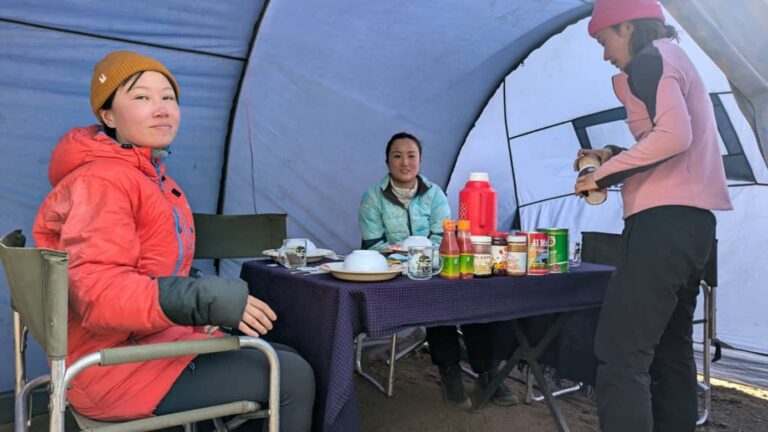
8-Day Lemosho Route Kilimanjaro Climb In November | Top Guide Adventures
The 8-day Lemosho Route offers a high success rate and stunning scenery for your Kilimanjaro climb in November. This guide covers everything from weather to packing for your 2026-2027...
View package details
7-Day Rongai Route Kilimanjaro Climb In November 2026-2027
A detailed 2026-2027 guide to 7-Day Rongai Route Kilimanjaro Climb in November, with clear planning and booking information for travelers.
View package details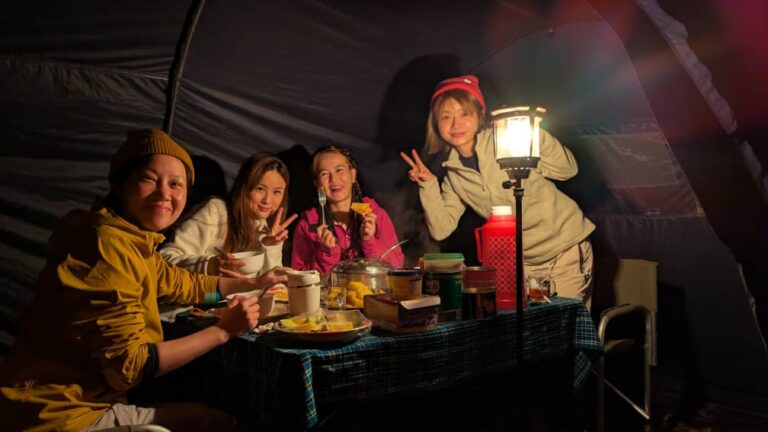
Kilimanjaro Climbing In November : Rain And Route Guide 2026-2027
Discover the nuances of climbing Mount Kilimanjaro in November 2027. This guide details the expected weather, optimal routes to navigate the rainy season, and essential preparation tips to...
View package details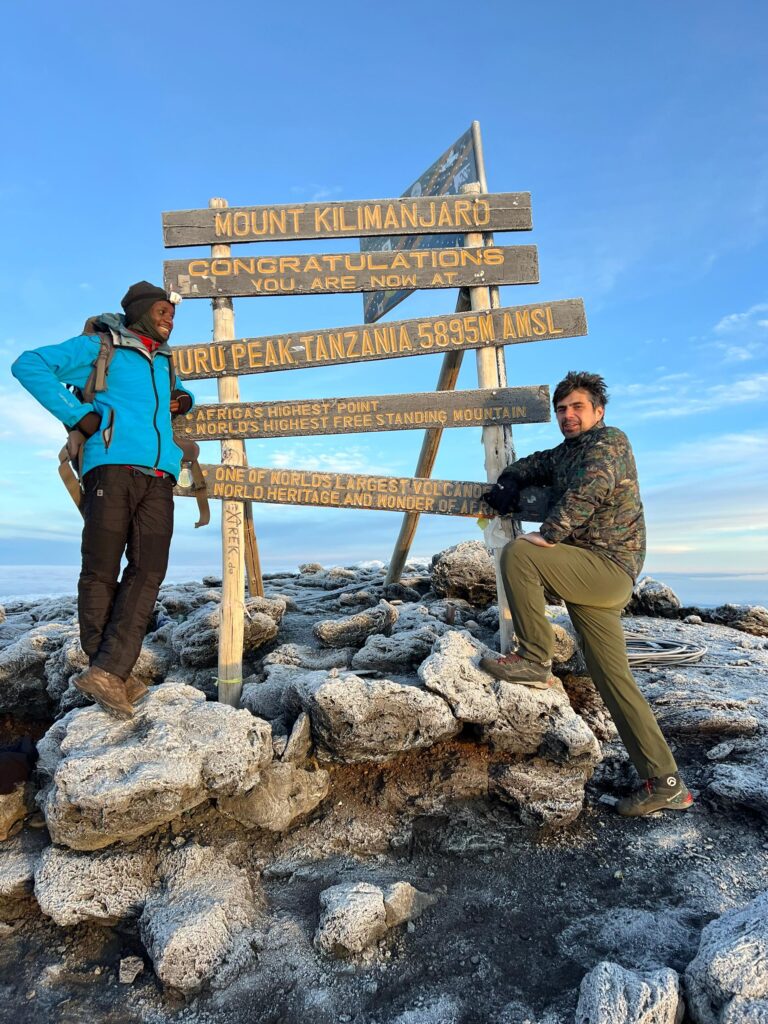
November Kilimanjaro Acclimatization-Focused Trek Guide
Discover essential strategies for a successful November Kilimanjaro climb, emphasizing acclimatization. This guide covers route selection, preparation, and what to expect during the...
View package details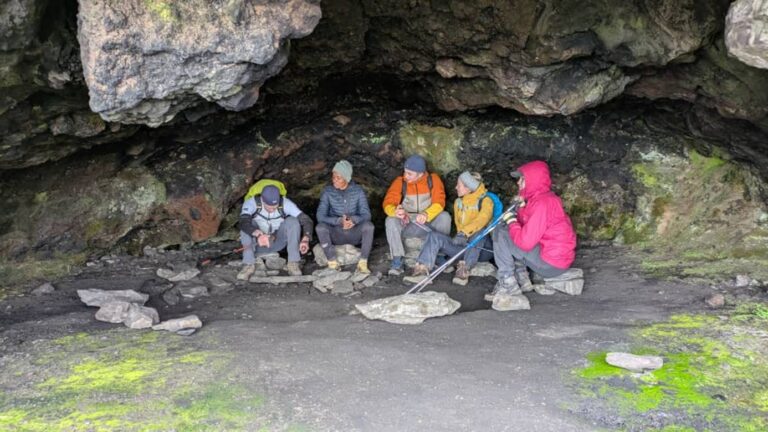
November Kilimanjaro Photography In The Short Rains: Your Ultimate Guide
Discover the unique photographic opportunities of climbing Kilimanjaro in November during the Short Rains. This guide covers optimal light, dramatic skies, vibrant landscapes, and essential...
View package details7-Day Rongai Route Kilimanjaro Climb In May: Your Ultimate Guide 2026-2027
Your comprehensive guide to conquering Kilimanjaro via the Rongai Route in May over 7 days. Learn about the itinerary, what to pack, acclimatization, and why May is a great month for this...
View package details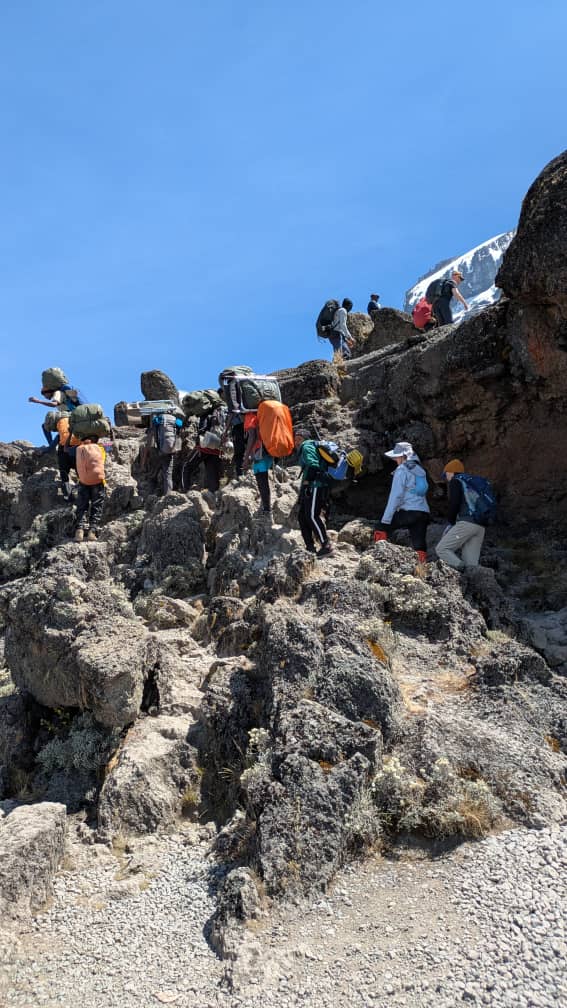
Best Kilimanjaro Route For A May Summit In : Your Expert Guide 2026-2027
Planning a Kilimanjaro climb in May? This guide details the best routes for a successful summit, considering weather patterns, acclimatization, and scenery for your 2026-2027 adventure.
View package details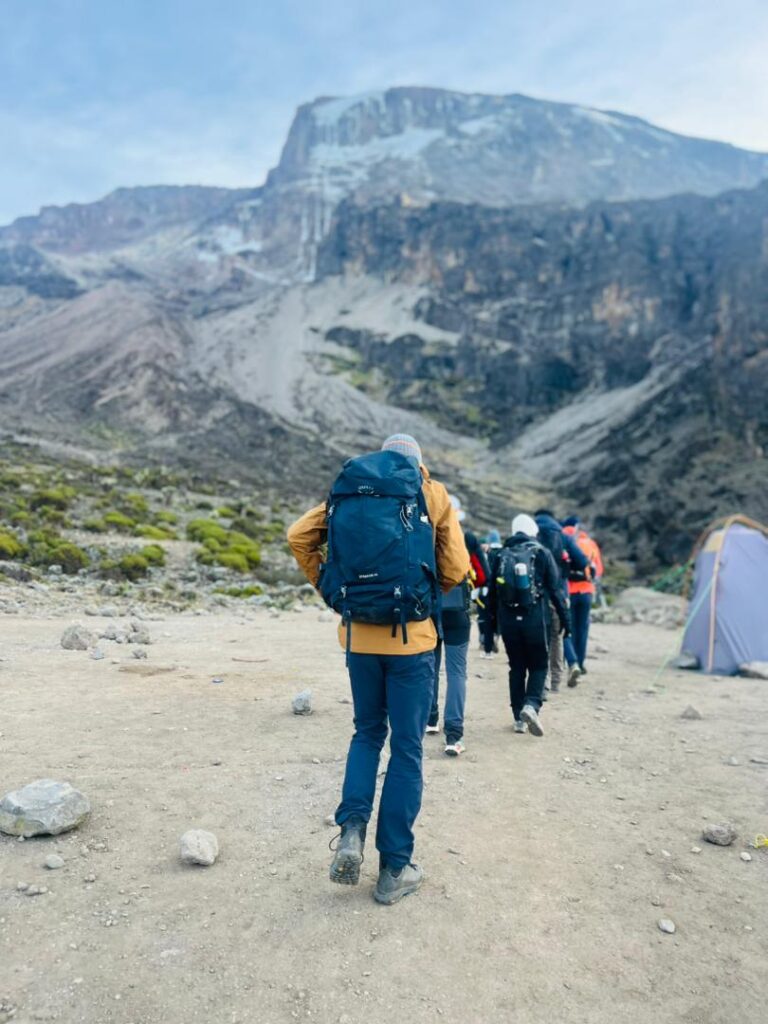
7-Day Rongai Route Kilimanjaro Climb In April: Your Expert Guide For 2026-2027
The 7-Day Rongai Route offers a unique and often drier approach to climbing Kilimanjaro, especially beneficial in April. This guide provides an in-depth look at the itinerary, essential...
View package details
6-Day Marangu Route Kilimanjaro Climb In December 2026-2027
Discover everything you need to know for a 6-day Marangu Route Kilimanjaro climb during December 2026-2027. This guide covers weather expectations, essential gear, itinerary details...
View package details8-Day Lemosho Route Kilimanjaro Climb In December | Top Guide Adventures
Discover the magic of an 8-day Lemosho Route Kilimanjaro climb in December. This guide details what to expect regarding weather, acclimatization, and preparation for your 2026-2027...
View package details
Your 7-Day Machame Route Kilimanjaro Climb In December : Expert Guide
A comprehensive guide to undertaking a 7-day Machame Route Kilimanjaro climb during December. Learn about the conditions, best practices, and what to expect for your 2026-2027 adventure.
View package detailsNo related package matches those filters. Clear one or more filters to see the other topic-matched options.



