
An 8-day Lemosho Route Kilimanjaro climb in January offers a fantastic opportunity to summit Africa’s highest peak, benefiting from generally dry weather and fewer crowds compared to peak seasons. This extended duration on the Lemosho route significantly enhances acclimatization, leading to higher success rates. Expect temperatures to range from warm at the base to freezing at higher altitudes, with clear skies often providing stunning views. Top Guide Adventures provides comprehensive packages for January climbs in 2026 and 2027, including guides, porters, meals, and park fees.

Your Comprehensive Guide to an 8-Day Lemosho Route Kilimanjaro Climb in January
The allure of Kilimanjaro, a dormant volcano standing majestically in Tanzania, draws adventurers from across the globe. Among the various paths to its summit, the 8-day Lemosho Route Kilimanjaro climb in January is a top choice for many. This route is celebrated for its scenic beauty, gradual ascent, and excellent acclimatization profile, which collectively contribute to a higher success rate. January, situated within the dry season, presents a compelling window for this challenging yet rewarding expedition.
At Top Guide Adventures, we understand that planning a Kilimanjaro climb is a significant undertaking. This guide is crafted to provide you with all the essential information you need to prepare for your 8-day Lemosho Route Kilimanjaro climb in January, covering everything from the unique advantages of this timing and route combination to practical advice on packing, acclimatization, and what to expect on the mountain. We aim to equip you with the knowledge to make informed decisions for your 2026 or 2027 adventure.
Why Choose the 8-Day Lemosho Route for Your January Climb?
The Lemosho route is widely regarded as one of the most beautiful and effective routes for ascending Kilimanjaro. Its popularity stems from several key advantages, particularly when combined with an 8-day itinerary during the dry season of January.
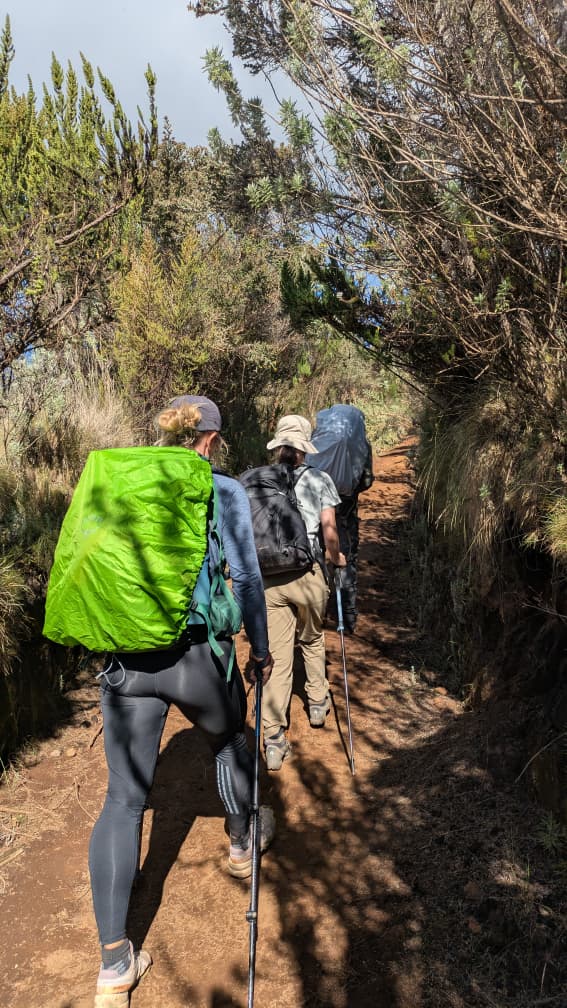
- Scenic Beauty: The Lemosho route begins on the western side of the mountain, traversing diverse landscapes from lush rainforests to alpine deserts and glacial zones. Its initial days are spent in more remote, untouched areas, offering unparalleled photographic opportunities and a true sense of wilderness.
- Gradual Ascent & Acclimatization: The 8-day Lemosho itinerary is specifically designed to allow for slow and steady progress. This extended duration is crucial for proper acclimatization, allowing your body to adjust to the increasing altitude. This significantly reduces the risk of Acute Mountain Sickness (AMS) and boosts your chances of reaching Uhuru Peak.
- Higher Success Rates: The combination of a longer itinerary for better acclimatization and the route’s gradual ascent profile means the 8-day Lemosho route consistently boasts higher success rates compared to shorter routes.
- January Weather: January falls within Kilimanjaro’s short dry season. While weather on any mountain can be unpredictable, January typically offers clearer skies, less rainfall, and reduced cloud cover, especially in the lower and middle sections of the climb. This means more expansive views and a more comfortable trekking experience.
- Fewer Crowds (Relatively): While January is a popular month due to the dry weather, it generally sees fewer trekkers than the peak months of July-September. This can lead to a more serene and personal climbing experience.
January Weather on Kilimanjaro: What to Expect
January is part of Kilimanjaro’s drier seasons, making it an attractive time for trekkers. However, it’s essential to remember that Kilimanjaro is a massive mountain, and weather conditions can vary dramatically with altitude and even on a day-to-day basis.
Typical January Conditions by Zone:
- Rainforest (8000-9,000 ft / 2,400-2,700 m): Expect mild temperatures, potentially with some morning mist or occasional light showers. It’s usually humid and green.
- Moorland (9,000-13,000 ft / 2,700-4,000 m): Temperatures begin to drop significantly, especially at night. Days can be sunny and pleasant, but evenings and mornings will be cool to cold. Rainfall is less common here than in the rainforest.
- Alpine Desert (13,000-16,000 ft / 4,000-4,800 m): This is a harsh, arid zone. Daytime temperatures can be surprisingly warm in direct sun, but they plummet dramatically after sunset, often reaching well below freezing. Strong winds are common.
- Arctic Summit Zone (Above 16,000 ft / 4,800 m): This is extreme cold. Temperatures at Uhuru Peak (19,341 ft / 5,895 m) on summit night can range from -4°F to 20°F (-20°C to -7°C), with wind chill making it feel much colder. Snow and ice are present, especially on the final ascent.
While January is considered dry, “dry” on Kilimanjaro doesn’t mean completely rain-free. You should always be prepared for the possibility of precipitation, particularly in the lower rainforest zone. The key is layering your clothing effectively to adapt to the wide temperature fluctuations.
January Kilimanjaro Packing Essentials
Proper gear is paramount for a successful and comfortable 8-day Lemosho Route Kilimanjaro climb in January. Given the varying conditions, layering is essential. Top Guide Adventures provides a detailed packing list, but here are some key items:
- Base Layers: Moisture-wicking thermal tops and bottoms (merino wool or synthetic).
- Mid Layers: Fleece jackets or vests for insulation.
- Outer Layer: Waterproof and windproof jacket and trousers (Gore-Tex or similar).
- Insulation Layer: A warm down or synthetic insulated jacket for evenings and summit night.
- Headwear: Warm woolen hat, sun hat with a wide brim, balaclava or neck gaiter for summit night.
- Gloves: Warm, waterproof gloves or mittens, and a pair of liner gloves.
- Footwear: Broken-in, waterproof hiking boots. Camp shoes or trainers for evenings. Several pairs of warm, moisture-wicking socks (wool or synthetic).
- Sleep System: Sleeping bag rated to at least 0°F (-18°C), and a sleeping bag liner for added warmth.
- Trekking Poles: Essential for reducing strain on knees, especially during descents.
- Headlamp: With extra batteries – crucial for summit night and camp.
- Sun Protection: High SPF sunscreen, lip balm with SPF, sunglasses (polarized recommended).
- Hydration: Water bottles or hydration reservoir (at least 3 liters capacity). Insulated sleeves are recommended for reservoirs to prevent freezing.
- Personal Items: Personal first-aid kit, toiletries (biodegradable), hand sanitizer, wet wipes, camera, power bank.
The 8-Day Lemosho Route Itinerary: A Day-by-Day Breakdown
The 8-day Lemosho route is ideal for acclimatization and appreciating Kilimanjaro’s diverse ecosystems. It starts with a drive to the Lemosho Glades and involves a longer trek through the Shira Plateau, eventually merging with the Machame route before heading towards the summit.
Kilimanjaro 8-Day Lemosho Route Itinerary (Typical)
- Day 1: Lemosho Gate (2,100m/6,890ft) to Mti Mkubwa Camp (2,800m/9,186ft)
- Distance: 6 km / 3.7 miles
- Time: 3-4 hours
- Habitat: Rainforest
- Description: After an early breakfast and drive to the Lemosho Gate, you’ll begin your trek through the dense rainforest. The path is relatively gentle, and you might spot colobus monkeys and various bird species. Your first camp, Mti Mkubwa (meaning ‘Big Tree’), is located on the edge of the forest.
- Day 2: Mti Mkubwa Camp (2,800m/9,186ft) to Shira 1 Camp (3,500m/11,483ft)
- Distance: 10 km / 6.2 miles
- Time: 5-7 hours
- Habitat: Moorland
- Description: Today’s trek takes you out of the rainforest and into the heather and moorland zone. The ascent becomes steeper in places. You’ll cross a significant ridge before descending slightly to the Shira Plateau, a vast, high-altitude grassland. Shira 1 Camp offers spectacular views.
- Day 3: Shira 1 Camp (3,500m/11,483ft) to Shira 2 Camp (3,850m/12,631ft)
- Distance: 7 km / 4.3 miles
- Time: 4-5 hours
- Habitat: Moorland
- Description: This day involves a shorter trekking distance but a steady climb across the Shira Plateau. You’ll pass through diverse moorland landscapes with unique giant heathers and senecios. Shira 2 Camp is situated at a higher altitude on the plateau, offering more expansive views. This day aids acclimatization.
- Day 4: Shira 2 Camp (3,850m/12,631ft) to Barranco Camp (3,950m/12,959ft)
- Distance: 10 km / 6.2 miles
- Time: 6-8 hours
- Habitat: Alpine Desert
- Description: This is a challenging but rewarding day. You’ll ascend towards the Lava Tower (4,600m/15,092ft) and then descend to Barranco Camp. The climb to Lava Tower is a significant acclimatization exercise, taking you into the alpine desert zone. The descent to Barranco Camp is steep, but the camp itself is located in a beautiful valley below the imposing Barranco Wall.
- Day 5: Barranco Camp (3,950m/12,959ft) to Karanga Camp (4,000m/13,123ft)
- Distance: 5 km / 3.1 miles
- Time: 3-4 hours
- Habitat: Alpine Desert
- Description: Today features the famous Barranco Wall climb. It’s not a technical climb but requires scrambling and careful navigation. After conquering the wall, the route is less strenuous, involving some ups and downs across ridges and valleys until you reach Karanga Camp. This camp is strategically located for the push to the final camp.
- Day 6: Karanga Camp (4,000m/13,123ft) to Barafu Camp (4,650m/15,256ft)
- Distance: 4 km / 2.5 miles
- Time: 3-4 hours
- Habitat: Alpine Desert
- Description: This is a shorter day in terms of distance and time, but it involves a significant altitude gain. You’ll ascend through a barren, rocky landscape towards Barafu Camp. Barafu Camp is situated on a narrow ridge and serves as the base for your summit attempt. You’ll rest and hydrate here, preparing for the final push.
- Day 7: Barafu Camp (4,650m/15,256ft) to Uhuru Peak (5,895m/19,341ft) and descent to Mweka Camp (3,100m/10,170ft)
- Distance: 7 km / 4.3 miles (ascent) + 11 km / 6.8 miles (descent)
- Time: 7-8 hours (ascent) + 4-5 hours (descent to Barafu) + 3-4 hours (descent to Mweka)
- Habitat: Arctic Summit Zone / Moorland
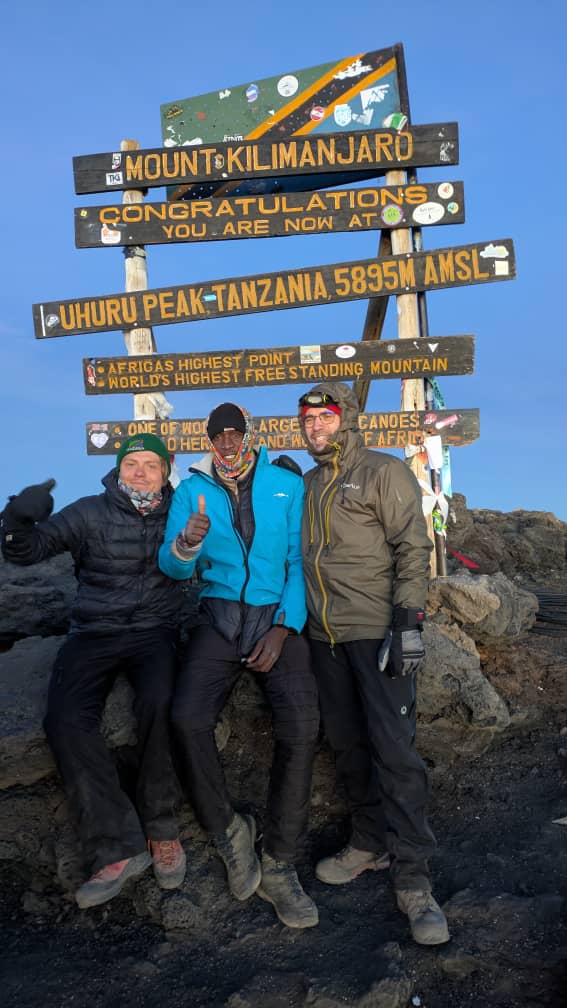
- Description: This is summit day. You’ll start in the early hours of the morning (around midnight to 2 am) for the challenging ascent to Stella Point (5,756m/18,885ft) and then continue to Uhuru Peak, the highest point in Africa. After celebrating your achievement, you’ll descend back to Barafu Camp for a short break before continuing down to Mweka Camp. This is a very long and demanding day.
- Day 8: Mweka Camp (3,100m/10,170ft) to Mweka Gate (1,640m/5,380ft)
- Distance: 10 km / 6.2 miles
- Time: 3-4 hours
- Habitat: Rainforest
- Description: Your final day on the mountain. You’ll descend through the rainforest to Mweka Gate, where you’ll be met by your driver. Certificates of achievement are usually presented here. A celebratory meal and transfer back to your hotel in Moshi or Arusha follow.
Acclimatization: The Key to Success on the 8-Day Lemosho Route
Success on Kilimanjaro hinges on effective acclimatization. The 8-day Lemosho Route Kilimanjaro climb in January is inherently designed for this, offering a slower pace and higher daily ascents that allow your body to adapt to the thinning air. However, personal strategy also plays a vital role.
Key Principles for Acclimatization:
- Climb High, Sleep Low: The itinerary naturally incorporates this principle. For example, ascending to Lava Tower on Day 4 and then descending to sleep at Barranco Camp is a classic example.
- Hydration: Drink plenty of water throughout the climb. Aim for 3-4 liters per day. Dehydration can mimic AMS symptoms.
- Pacing: Walk slowly and steadily. Your guides will emphasize a slow pace, often phrased as “pole pole” (slowly, slowly). Resist the urge to rush.
- Nutrition: Eat well, even if your appetite is reduced. High-carbohydrate meals are recommended.
- Avoid Alcohol and Smoking: These hinder acclimatization.
- Listen to Your Body: Report any symptoms of AMS (headache, nausea, dizziness, fatigue) to your guide immediately. They are trained to assess and manage these conditions.
- Medication: Consult your doctor about Diamox (acetazolamide). It can aid acclimatization for some individuals but is not a substitute for proper ascent profiles and should be used under medical guidance.
The 8-day Lemosho route provides approximately 6 days of ascent before the summit push, allowing for substantial acclimatization. This is significantly better than the 5-day routes, which offer less time for the body to adjust.
Cost of an 8-Day Lemosho Route Kilimanjaro Climb in January
The cost of climbing Kilimanjaro varies depending on the operator, the quality of service, inclusions, and the specific route and duration. For an 8-day Lemosho Route Kilimanjaro climb in January with a reputable company like Top Guide Adventures, you can expect costs to range generally from $2,000 to $3,500 USD per person for a private climb. Shared or group climbs might be slightly less expensive, but availability in January for shared groups can be limited.
Factors Influencing Cost:
- Operator Reputation and Service Level: Companies with highly experienced guides, quality equipment, better food, and a strong safety record typically charge more.
- Inclusions: What is included in the price? Top Guide Adventures typically includes park fees, rescue fees, accommodation before and after the climb (often), meals on the mountain, experienced guides, porters, and cook. Exclusions often include tips for the crew, personal gear, travel insurance, and flights.
- Group Size: Private climbs are more expensive per person than shared climbs, but offer more flexibility and personalized attention.
- Duration: The 8-day Lemosho route is naturally more expensive than shorter routes due to more days of guide, porter, and camp fees.
- Time of Year: January is a popular month due to dry weather, but it is not considered peak season like July-September. Prices are generally stable.
When comparing prices for 2026 or 2027 climbs, always look at what is included. A cheaper quote might seem attractive, but it could mean cutting corners on safety, crew welfare, or essential services.
What Top Guide Adventures Includes in Your 8-Day Lemosho Climb:
Our commitment is to provide a safe, enjoyable, and successful climb. Our 8-day Lemosho Route Kilimanjaro climb in January packages typically include:
- All Kilimanjaro National Park entrance fees, camping/hut fees, and rescue fees.
- All meals on the mountain (breakfast, lunch, dinner).
- Accommodation in high-quality tents.
- Certified, experienced, and English-speaking climbing guides.
- Assistant guides (ratio typically 1:2 or 1:3).
- Adequate number of porters to carry all group gear and your duffel bag (up to 15kg).
- Cook and cooking equipment.
- Bottled drinking water on the mountain.
- Temporary shelters at the campsite for dining and toilet facilities.
- Oxygen cylinders for emergency use.
- Basic first-aid kit.
- Transfer from/to Kilimanjaro International Airport (JRO) and Moshi/Arusha.
- Pre-climb briefing.
- Optional: Pre- and post-climb accommodation in a hotel.
We encourage you to contact us directly for a personalized quote for your 8-day Lemosho Route Kilimanjaro climb in January 2026 or 2027. You can reach us via WhatsApp at +255616946642 or email at topguideadventures@gmail.com.
Preparing for Your 8-Day Lemosho Route Climb in January
Physical and mental preparation are crucial for any Kilimanjaro climb, especially for the 8-day Lemosho Route Kilimanjaro climb in January. While the Lemosho route offers good acclimatization, you still need to be fit and ready for the challenge.
Physical Training:
- Cardiovascular Fitness: Engage in regular aerobic activities like hiking, running, cycling, or swimming for at least 3-4 months prior to your climb. Focus on endurance.
- Hiking: The most relevant training is hiking. Aim for long hikes (4-6 hours) with significant elevation gain, preferably carrying a weighted backpack similar to what you’ll carry on Kilimanjaro. Practice on varied terrain.
- Strength Training: Focus on leg strength (squats, lunges) and core stability.
- Stamina: Simulate back-to-back hiking days to build stamina.
Mental Preparation:
- Understand the Challenge: Kilimanjaro is a serious undertaking. Be prepared for cold temperatures, challenging terrain, altitude sickness, and long days.
- Positive Mindset: A positive attitude is invaluable. Focus on your progress and the incredible experience rather than the discomfort.
- Flexibility: Be prepared for changes in weather or your own physical condition.
- Trust Your Guides: Your guides are experienced professionals. Follow their advice and instructions implicitly.
Pre-Climb Briefing:
Top Guide Adventures provides a comprehensive pre-climb briefing (usually the day before your trek starts) where you can meet your guides, ask final questions, and get advice on gear and the trek ahead. This is an excellent opportunity to ensure you are fully prepared for your 8-day Lemosho Route Kilimanjaro climb in January.
Safety and Health on Kilimanjaro
Safety is our utmost priority. Top Guide Adventures adheres to strict safety protocols to ensure the well-being of all our climbers on the 8-day Lemosho Route Kilimanjaro climb in January.
Altitude Sickness (AMS):
Acute Mountain Sickness is the most common altitude-related illness. Symptoms include headache, nausea, dizziness, fatigue, and loss of appetite. The best prevention is slow ascent and good acclimatization, which the 8-day Lemosho route provides. Prompt recognition and management by your guides are critical. If symptoms worsen, descent is the only cure.
Guide Expertise:
Our guides are trained in wilderness first aid and altitude sickness management. They monitor climbers daily, assessing their condition and ensuring they are hydrating and eating properly. They carry medical kits and oxygen for emergencies.
Emergency Procedures:
In case of a serious medical emergency, our team is equipped to initiate evacuation procedures. Kilimanjaro National Park has rescue teams, and we maintain communication channels. Having comprehensive travel insurance that covers high-altitude trekking and emergency evacuation is essential.
Hygiene and Food Safety:
We maintain high standards of hygiene on the mountain. Our cooks prepare fresh, nutritious meals using purified water. Hand sanitization is encouraged before meals and after using the toilet.
The Role of Porters and Guides on Your Climb
The success of any Kilimanjaro climb relies heavily on the dedication and skill of the support crew. On your 8-day Lemosho Route Kilimanjaro climb in January, you will be accompanied by a team of guides, assistant guides, a cook, and porters.
- Guides: They are your leaders, responsible for navigation, safety, acclimatization monitoring, and overall trek management. They make critical decisions regarding the pace and safety of the group.
- Assistant Guides: They support the lead guide and often assist climbers individually, ensuring everyone is keeping up and managing well.
- Cook: Prepares delicious and nutritious meals at every camp, providing essential fuel for your body.
- Porters: Carry the bulk of the equipment, including tents, food, cooking gear, and your personal duffel bag. They set up camp each day, ensuring a comfortable environment upon arrival.
Top Guide Adventures is committed to the ethical treatment of our crew. We ensure fair wages, adequate food, appropriate gear, and respectful working conditions. Tipping your crew is customary and a significant part of their income. We provide guidelines on tipping amounts during your pre-climb briefing.
Environmental Responsibility on Kilimanjaro
As stewards of this magnificent mountain, responsible trekking is a core value for Top Guide Adventures. We ask all our climbers to join us in protecting Kilimanjaro’s fragile ecosystems.
Leave No Trace Principles:
- Pack It In, Pack It Out: All litter, including organic waste like fruit peels, must be carried down the mountain.
- Stay on the Trail: Avoid creating new paths, which can lead to erosion.
- Respect Wildlife: Do not feed animals.
- Proper Waste Disposal: Use designated toilets or dig catholes properly away from water sources.
- Minimize Campfire Impact: Campfires are generally prohibited. Use stoves for cooking.
- Respect Other Climbers: Be considerate of others’ experience.
By adhering to these principles, we help preserve Kilimanjaro for future generations. Your 8-day Lemosho Route Kilimanjaro climb in January can be both an adventure and an act of conservation.
Why 2026-2027 is the Time to Book Your Kilimanjaro Adventure
Planning ahead is crucial for securing your preferred dates, especially for popular times like the dry season. Booking your 8-day Lemosho Route Kilimanjaro climb in January 2026 or 2027 with Top Guide Adventures offers several advantages:
- Guaranteed Departures: Early booking helps us confirm your departure dates and ensure availability of guides and porters.
- Ample Preparation Time: You’ll have sufficient time for physical training, gear acquisition, and making necessary travel arrangements.
- Secure Your Spot: January is a sought-after month due to the favorable weather. Popular operators can book up.
- Early Bird Planning: For 2026 and 2027, booking now allows you to lock in current pricing structures and plan your budget effectively.
We recommend booking at least 6-12 months in advance to secure your preferred dates for an 8-day Lemosho Route Kilimanjaro climb in January. This allows us to arrange all logistics seamlessly and ensures you receive the best possible preparation guidance.
Beyond the Climb: Enhancing Your Tanzania Experience
Your journey to Kilimanjaro can be complemented by other incredible experiences in Tanzania. Top Guide Adventures specializes in creating complete Tanzanian adventures.
- Tanzania Safaris: Combine your climb with a safari to the world-renowned Serengeti National Park, Ngorongoro Crater, Tarangire National Park, and Lake Manyara. Witness the Great Migration, spot the Big Five, and explore diverse wildlife habitats.
- Zanzibar Holidays: After your trek, relax on the pristine beaches of Zanzibar, explore the historic Stone Town, and enjoy water sports.
- Cultural Tours: Engage with local communities, visit traditional villages, and learn about Tanzanian culture.
We can tailor-make itineraries that combine your 8-day Lemosho Route Kilimanjaro climb in January with other destinations, creating a truly unforgettable Tanzanian adventure for 2026 or 2027.
Ready to Conquer Kilimanjaro in January?
The 8-day Lemosho Route Kilimanjaro climb in January provides an exceptional balance of stunning scenery, excellent acclimatization, and favorable weather conditions. It’s a journey that challenges you physically and rewards you with unparalleled views and a profound sense of accomplishment.
Top Guide Adventures is your trusted partner for this incredible expedition. We pride ourselves on our personalized service, safety standards, and commitment to making your Kilimanjaro dream a reality. Whether you are planning for January 2026 or 2027, our team is ready to assist you every step of the way.
Don’t miss the opportunity to experience the magic of Kilimanjaro during its drier season. Contact us today to discuss your 8-day Lemosho Route climb and let us help you plan an adventure that will stay with you forever. Reach out via WhatsApp at +255616946642, email us at topguideadventures@gmail.com, or our backup email info@topguideadventures.com. You can also explore our other adventures and group departures at topguideadventures.com and follow our journey and client experiences on Instagram.
Check Availability for 8-Day Lemosho Route Kilimanjaro Climb In January | Top Guide Adventures
Ready to compare dates, prices, and the best option for your group? Send the package name and travel month so the team can reply with a clear quote, availability, and what is included.

8-Day Lemosho Route Kilimanjaro Climb In December | Top Guide Adventures
Discover the magic of an 8-day Lemosho Route Kilimanjaro climb in December. This guide details what to expect regarding weather, acclimatization, and preparation for your 2026-2027...
View package details
8-Day Lemosho Route Kilimanjaro Climb In November | Top Guide Adventures
The 8-day Lemosho Route offers a high success rate and stunning scenery for your Kilimanjaro climb in November. This guide covers everything from weather to packing for your 2026-2027...
View package details
8-Day Lemosho Route Kilimanjaro Climb In October : Your Expert Guide 2026-2027
An in-depth guide to climbing Kilimanjaro via the 8-day Lemosho Route in October, detailing weather, itinerary, preparation, and what to expect in 2026-2027. Perfect for trekkers seeking...
View package details7-Day Rongai Route Kilimanjaro Climb In May: Your Ultimate Guide 2026-2027
Your comprehensive guide to conquering Kilimanjaro via the Rongai Route in May over 7 days. Learn about the itinerary, what to pack, acclimatization, and why May is a great month for this...
View package details7-Day Rongai Route Kilimanjaro Climb In April: Your Expert Guide For 2026-2027
The 7-Day Rongai Route offers a unique and often drier approach to climbing Kilimanjaro, especially beneficial in April. This guide provides an in-depth look at the itinerary, essential...
View package details
Your 7-Day Machame Route Kilimanjaro Climb In December : Expert Guide
A comprehensive guide to undertaking a 7-day Machame Route Kilimanjaro climb during December. Learn about the conditions, best practices, and what to expect for your 2026-2027 adventure.
View package details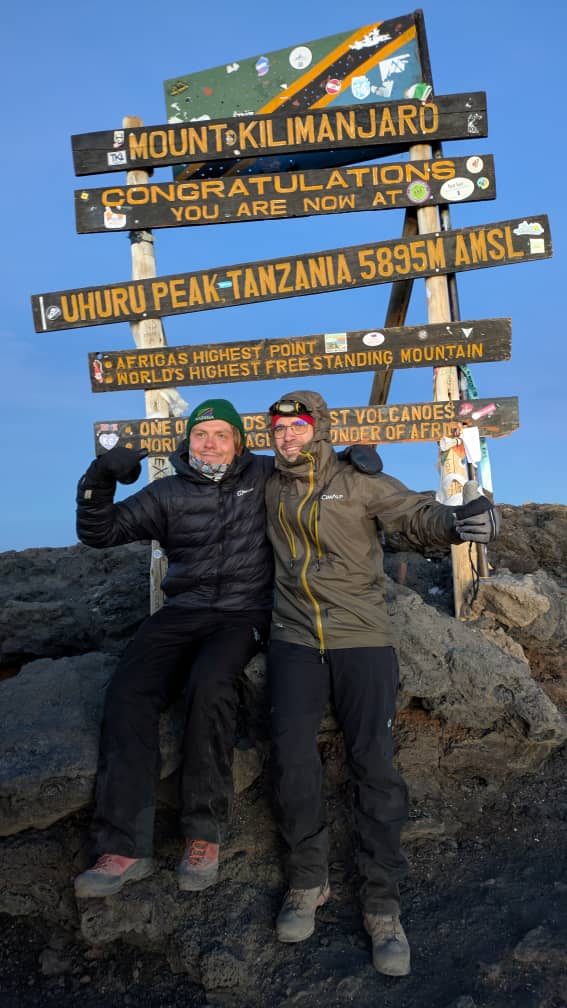
7-Day Machame Route Kilimanjaro Climb In November 2026-2027
start a 7-day Machame Route Kilimanjaro climb in November. This guide details the itinerary, weather, what to pack, costs, and why November is a great month for this challenging yet...
View package details
7-Day Rongai Route Kilimanjaro Climb In November 2026-2027
A detailed 2026-2027 guide to 7-Day Rongai Route Kilimanjaro Climb in November, with clear planning and booking information for travelers.
View package details
7-Day Rongai Route Kilimanjaro Climb In October : Your Expert Guide 2026-2027
Your comprehensive guide to the 7-Day Rongai Route Kilimanjaro climb in October, detailing itineraries, what to expect, and essential preparation for 2026-2027 climbs.
View package details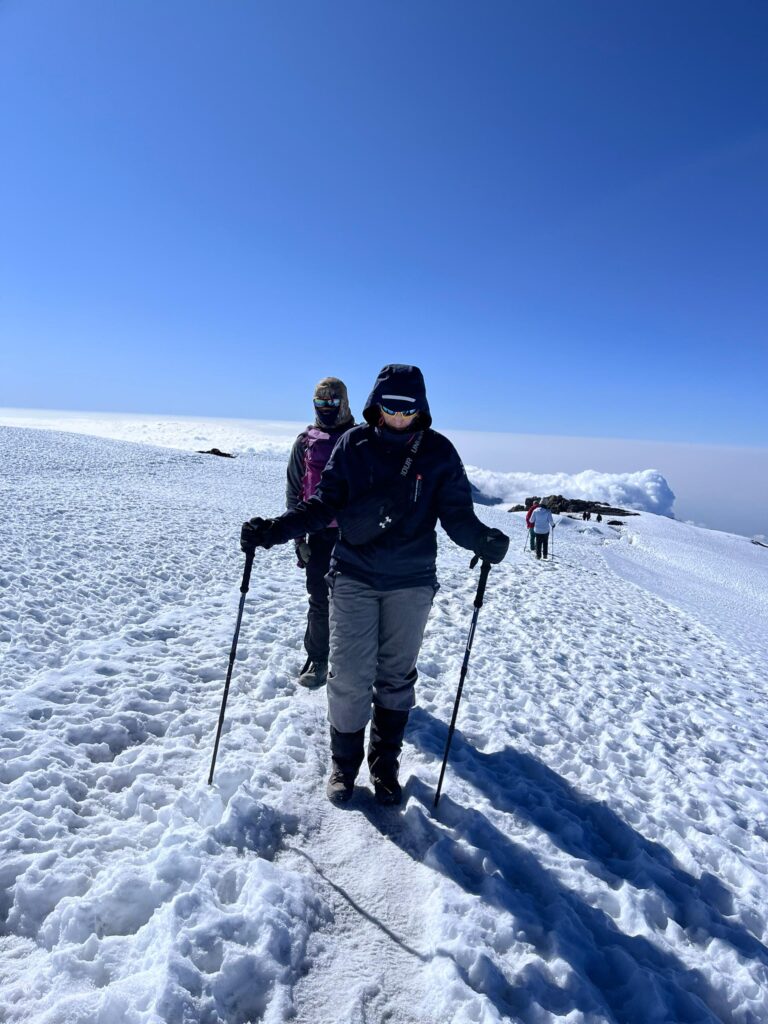
7-Day Machame Route Kilimanjaro Climb In October : Your Ultimate Guide
Discover everything you need to know for a 7-day Machame Route Kilimanjaro climb in October, including weather, packing, itinerary, and preparation for your 2026-2027 adventure.
View package details8-Day Lemosho Route Climb In September: Your Expert Guide For 2026-2027
Discover the ultimate guide to an 8-Day Lemosho Route climb on Mount Kilimanjaro during September 2026-2027. This comprehensive resource covers everything from weather patterns and optimal...
View package details6-Day Marangu Route Kilimanjaro Climb In December 2026-2027
Discover everything you need to know for a 6-day Marangu Route Kilimanjaro climb during December 2026-2027. This guide covers weather expectations, essential gear, itinerary details...
View package detailsNo related package matches those filters. Clear one or more filters to see the other topic-matched options.



