
An 8-day Lemosho Route climb in February offers excellent conditions for summiting Mount Kilimanjaro, with generally dry weather and fewer crowds than peak seasons. This extended duration on the Lemosho route in February 2026 or 2027 provides superior acclimatization, significantly increasing your chances of reaching Uhuru Peak while allowing you to experience the mountain’s diverse ecosystems.


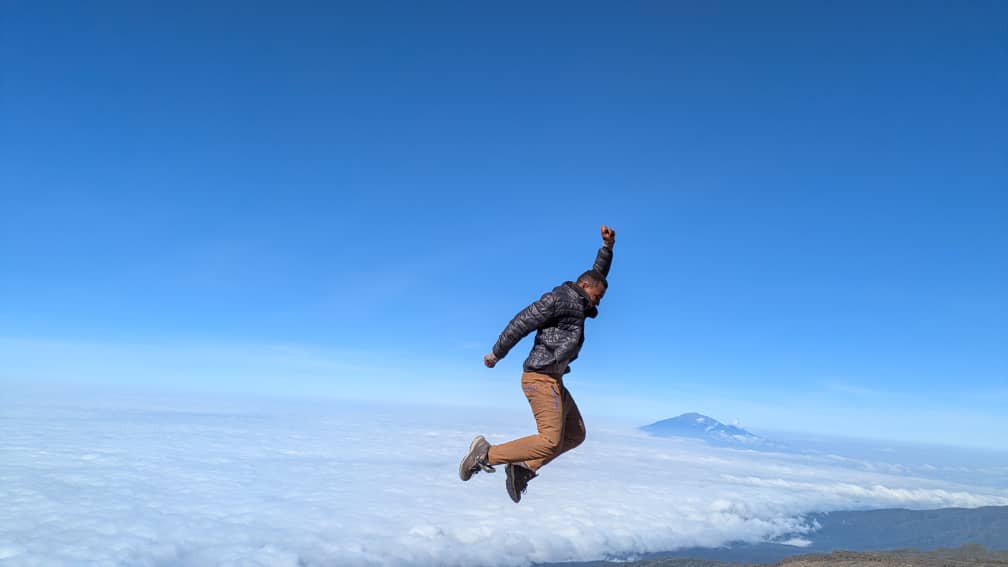
Why Choose the 8-Day Lemosho Route for Your February Kilimanjaro Expedition
The 8-day Lemosho Route climb in February is an exceptional choice for adventurers aiming for Kilimanjaro’s summit. February falls within Kilimanjaro’s short dry season, typically offering clear skies, moderate temperatures, and stable weather patterns – ideal conditions for trekking and maximizing summit success rates. The Lemosho route itself is renowned for its scenic beauty, diverse landscapes, and, crucially, its gradual ascent profile, which greatly aids acclimatization. Opting for the 8-day itinerary over shorter versions like the 7-day Lemosho significantly enhances your body’s ability to adapt to the increasing altitude, minimizing the risk of altitude sickness and making the challenging final push to Uhuru Peak more achievable. For those planning their climb in February 2026 or February 2027, this combination promises a rewarding and safe mountaineering experience.
Understanding February’s Climate on Kilimanjaro
February is considered one of the prime months for climbing Kilimanjaro. As a month within the short dry season, it generally boasts clear skies and excellent visibility, offering spectacular panoramic views from the higher reaches of the mountain. While “dry” on Kilimanjaro doesn’t mean completely rain-free, precipitation is significantly less common than during the wet seasons (April-May and November). Expect daytime temperatures to be pleasant, often ranging from 20-25°C (68-77°F) at the base and mid-altitudes. As you ascend, temperatures will drop considerably. At higher elevations, especially around the crater rim and summit, expect temperatures to be well below freezing, often ranging from -7°C to -15°C (19°F to 5°F), with wind chill making it feel even colder. Snow is common at the summit year-round, but February usually sees it in a more manageable, icy form rather than heavy snowfalls that can impede progress. The air is typically crisp and clear, offering some of the best photographic opportunities of the year.
Temperature Variations Across Altitudes in February
The temperature on Kilimanjaro is dramatically influenced by altitude. During an 8-day Lemosho Route climb in February, you will experience a wide spectrum of temperatures:
- Base Camp/Lower Slopes (e.g., Londorossi Gate, Mti Mkubwa Camp): Daytime temperatures can be warm, around 20-25°C (68-77°F). Nights will be cooler, dropping to 10-15°C (50-59°F).
- Mid-Altitudes (e.g., Shira 1 & 2 Camps, Barranco Camp): Daytime temperatures will be cooler, typically 10-15°C (50-59°F). Nights can dip to 5-10°C (41-50°F).
- High Altitudes (e.g., Karanga Camp, Barafu Camp): Daytime temperatures are chilly, often around 5-10°C (41-50°F). Nights are significantly colder, ranging from 0-5°C (32-41°F).
- Summit (Uhuru Peak): Temperatures here are consistently below freezing. Expect -7°C to -15°C (19°F to 5°F) during the summit push, and potentially colder with wind chill.
Layering is absolutely key for managing these drastic temperature shifts throughout your February Lemosho Route trek.
Precipitation and Visibility in February
February is part of Kilimanjaro’s short dry season. This means that while you can expect mostly clear days and nights, occasional brief showers are still possible, particularly at lower altitudes during the early days of the trek. However, these are usually short-lived and don’t typically disrupt the climb. Visibility is generally excellent, offering stunning views of Mount Meru, the Great Rift Valley, and the vast plains of Tanzania. The clear skies are perfect for stargazing from camp and for the dramatic sunrise views on summit day.
The 8-Day Lemosho Route Itinerary: A Day-by-Day Breakdown
The 8-day Lemosho Route is favored for its excellent acclimatization profile, scenic beauty, and high summit success rates. Here’s a typical itinerary designed to maximize your chances during your 8-day Lemosho Route climb in February 2026-2027:
Day 1: Londorossi Gate (2,360m/7,740ft) to Mti Mkubwa Camp (2,820m/9,250ft)
Your adventure begins with a scenic drive from Moshi or Arusha to the Londorossi Park Gate. After completing park formalities, you’ll begin your trek through the montane rainforest. The trail is well-defined and relatively gentle, allowing for a comfortable start. Keep an eye out for Colobus monkeys and various bird species. The walk takes approximately 3-4 hours.
Day 2: Mti Mkubwa Camp (2,820m/9,250ft) to Shira 1 Camp (3,500m/11,500ft)
Today’s hike takes you out of the forest and into the heather and moorland zone. The path can be steep in places, but the views begin to open up. You’ll cross a small stream and eventually reach the Shira Plateau, a vast, undulating expanse. Shira 1 Camp is situated on this plateau, offering stunning sunset views. This day involves significant altitude gain and takes about 5-7 hours.
Day 3: Shira 1 Camp (3,500m/11,500ft) to Shira 2 Camp (3,850m/12,630ft)
A shorter day designed for acclimatization. You’ll trek across the Shira Plateau, enjoying the unique alpine desert landscape. The trail leads towards Shira 2 Camp, which is located higher on the plateau. This gentle day allows your body to adjust to the altitude further. The hike is usually 3-4 hours long.
Day 4: Shira 2 Camp (3,850m/12,630ft) to Barranco Camp (3,950m/12,960ft)
This is a critical day for acclimatization as you traverse a higher altitude before descending slightly. You’ll hike towards the Lava Tower (4,600m/15,090ft), a significant landmark, and then descend to Barranco Camp. This “climb high, sleep low” strategy is vital for acclimatization. The descent to Barranco is steep and scenic. The trek takes about 6-7 hours.
Day 5: Barranco Camp (3,950m/12,960ft) to Karanga Camp (4,200m/13,780ft)
Today involves ascending the famous Barranco Wall, a challenging but rewarding scramble. While it looks daunting, the path is well-trodden and suitable for most trekkers with guide assistance. After conquering the wall, the route continues through Karanga Valley and then ascends to Karanga Camp, situated at a significant altitude. This day is crucial for acclimatization and takes about 4-5 hours.
Day 6: Karanga Camp (4,200m/13,780ft) to Barafu Camp (4,640m/15,220ft)
The landscape becomes increasingly barren and rocky as you ascend towards Barafu Camp, the base camp for your summit attempt. The trek is relatively short in distance but involves a steady climb, preparing you for the ultimate challenge. You will reach Barafu Camp by early afternoon, allowing ample time for rest and preparation for the summit push. This trek takes around 3-4 hours.
Day 7: Barafu Camp (4,640m/15,220ft) – Summit (Uhuru Peak, 5,895m/19,340ft) – Millennium Camp (3,820m/12,530ft)
This is the most demanding day. You’ll begin your summit attempt around midnight, trekking up steep scree slopes in the dark. Stella Point (5,756m/18,885ft) is your first major milestone. From Stella Point, you’ll continue along the crater rim to Uhuru Peak, the Roof of Africa. After celebrating your achievement, you’ll descend back to Barafu Camp for a short rest before continuing down to Millennium Camp. This is a very long day (10-12 hours to summit and back to Barafu, plus 3-4 hours to Millennium).
Day 8: Millennium Camp (3,820m/12,530ft) to Mweka Gate (1,640m/5,380ft)
Your final day involves descending through the rainforest. The trail is muddy and can be slippery, so trekking poles are highly recommended. You’ll reach Mweka Gate, where you’ll be met by your driver for the transfer back to your hotel in Moshi or Arusha. Congratulations on completing your 8-day Lemosho Route climb!
Why the 8-Day Lemosho Offers Superior Acclimatization
While shorter versions of the Lemosho route exist, the 8-day itinerary is specifically designed to prioritize acclimatization, a critical factor for summit success and overall safety on Kilimanjaro. This extended duration allows for a more gradual ascent, giving your body more time to adapt to the decreasing oxygen levels at higher altitudes.
Key benefits of the 8-day Lemosho for acclimatization include:
- Slower Pace: The longer itinerary naturally leads to slower daily trekking, reducing physical strain and allowing for better oxygen uptake.
- ‘Climb High, Sleep Low’ Strategy: The route’s progression, particularly the segment from Lava Tower down to Barranco Camp, perfectly embodies this principle. You ascend to a high point during the day and then descend to sleep at a lower altitude, which significantly aids the body’s adaptation process.
- Additional Acclimatization Day: The extra day often incorporated around Shira Plateau or Barranco Camp provides crucial rest and further acclimatization opportunities, especially important for those who haven’t experienced high altitudes before.
- Reduced Risk of Altitude Sickness: By allowing more time for the body to adjust, the 8-day Lemosho route substantially reduces the likelihood of experiencing symptoms of Acute Mountain Sickness (AMS), such as headaches, nausea, and dizziness. This leads to a more comfortable and enjoyable trek.
- Increased Summit Success Rate: Studies and operator experience consistently show that longer routes with better acclimatization profiles yield higher summit success rates. For your February 2026 or February 2027 climb, choosing the 8-day Lemosho is a strategic decision for success.
Packing Essentials for Your February Lemosho Climb
Packing correctly is vital for comfort and safety during your 8-day Lemosho Route climb in February. The weather can change rapidly, and you’ll experience a wide range of temperatures. Layering is the key principle.
Clothing Layers:
- Base Layers: Moisture-wicking thermal tops and bottoms (synthetic or merino wool). Bring at least 2-3 sets.
- Mid Layers: Fleece jackets or vests for insulation. A heavier fleece is recommended for higher altitudes.
- Outer Layer (Shell): Waterproof and windproof jacket and trousers. Essential for protection against rain, wind, and snow.
- Insulation Layer: A warm down or synthetic jacket (puffer jacket) is crucial for cold nights and summit attempts.
Headwear & Handwear:
- Warm woolen hat or beanie (covers ears).
- Sun hat with a wide brim for sun protection during the day.
- Balaclava or neck gaiter for warmth and wind protection, especially on summit night.
- Warm waterproof gloves or mittens.
- Liner gloves for dexterity and warmth.
Footwear:
- Hiking Boots: Well-worn-in, waterproof, sturdy hiking boots with good ankle support.
- Camp Shoes: Comfortable shoes or sandals for wearing in camp (e.g., trainers, Crocs).
- Socks: Several pairs of warm, moisture-wicking hiking socks (wool or synthetic). Avoid cotton.
- Gaiters to keep mud, rocks, and snow out of your boots.
Trekking Gear:
- Backpack: A comfortable daypack (30-40 liters) for essentials you need during the day (water, snacks, camera, extra layer).
- Duffel Bag: A large, waterproof duffel bag (80-100 liters) for your main gear, carried by porters.
- Sleeping Bag: A 4-season sleeping bag rated to at least -10°C (14°F), preferably -20°C (-4°F) for summit night.
- Sleeping bag liner for added warmth and hygiene.
- Trekking poles (highly recommended for descents and stability).
- Headlamp with extra batteries (essential for summit night and evenings in camp).
- Water bottles or hydration reservoir (at least 3 liters capacity). Insulated sleeves are helpful in cold weather.
- Water purification tablets or filter (though boiled water is usually provided).
Personal Items:
- Sunscreen (high SPF).
- Lip balm with SPF.
- Sunglasses (UV protection).
- Personal first-aid kit (band-aids, blister treatment, pain relievers, personal medications).
- Toiletries (biodegradable soap, toothbrush, toothpaste, wet wipes).
- Quick-drying towel.
- Hand sanitizer.
- Camera and extra batteries/power bank.
- Snacks (energy bars, nuts, dried fruit – optional, as meals are provided).
- Book or journal for downtime.
- Passport, visa, and other travel documents.
- Cash for tips and personal expenses.
Preparing for Your 8-Day Lemosho Climb in February 2026-2027
Successful preparation involves physical training, mental readiness, and logistical planning. For your February 2026 or February 2027 expedition, starting early is key.
Physical Training
Kilimanjaro is a demanding trek, and good physical condition significantly improves your experience and chances of success. Focus on:
- Cardiovascular Fitness: Engage in regular aerobic activities like hiking, running, cycling, or swimming at least 3-4 times a week for several months leading up to your climb.
- Strength Training: Focus on leg strength (squats, lunges) and core strength.
- Hiking Practice: The most important training is hiking, especially on hilly or mountainous terrain with a weighted backpack. Aim for long hikes (4-6 hours) on weekends.
- Altitude Simulation (Optional): If possible, spend time at higher altitudes before your climb.
Mental Preparation
The mental aspect of climbing Kilimanjaro is as important as the physical. Be prepared for:
- Endurance: The summit night is long and challenging.
- Patience: The pace is slow, and acclimatization requires patience.
- Resilience: There will be moments of discomfort, cold, and fatigue. Staying positive is crucial.
- Teamwork: You will be part of a team, and supporting each other is vital.
Logistical Planning
For your 8-day Lemosho Route climb, ensure you have:
- Booked with a Reputable Operator: Choose a company like Top Guide Adventures that prioritizes safety, experienced guides, and quality equipment.
- Travel Insurance: Ensure your insurance covers high-altitude trekking and emergency evacuation.
- Visa and Vaccinations: Check visa requirements for Tanzania and consult your doctor about necessary vaccinations and malaria prophylaxis.
- Flights: Book flights to Kilimanjaro International Airport (JRO) well in advance, especially for popular trekking months.
Choosing a Tour Operator for Your February Lemosho Climb
Selecting the right tour operator is paramount for a safe, enjoyable, and successful 8-day Lemosho Route climb in February 2026-2027. Top Guide Adventures is a leading choice in Tanzania, known for its commitment to client care and safety.
Why Top Guide Adventures for Your Kilimanjaro Climb?
- Safety First: Our guides are certified in Wilderness First Aid and carry extensive medical kits. We have strict safety protocols and monitor climbers closely for signs of altitude sickness.
- Experienced Guides and Crew: Our guides have years of experience on Kilimanjaro, possess deep knowledge of the mountain, and are trained to handle various situations. Our support crew (porters and cooks) are well-trained and well-equipped.
- Quality Equipment: We provide high-quality tents, sleeping mats, and ensure our porters are well-clothed and equipped.
- Excellent Acclimatization Itineraries: We strongly recommend and expertly guide the 8-day Lemosho route for its superior acclimatization profile.
- Personalized Attention: We pride ourselves on offering a high guide-to-client ratio and dedicated support throughout your journey.
- Ethical Trekking: We adhere to fair treatment of our crew, ensuring they are well-paid and respected.
When planning your 8-day Lemosho Route climb in February, consider contacting us for a tailor-made experience. You can reach us via WhatsApp +255616946642, Email topguideadventures@gmail.com, or our backup email info@topguideadventures.com.
Potential Challenges and How to Overcome Them
Despite February’s favorable weather, climbing Kilimanjaro, even on the well-structured 8-day Lemosho route, presents challenges.
Altitude Sickness (AMS)
The most significant challenge. Symptoms include headache, nausea, dizziness, fatigue, and loss of appetite. Overcoming it involves:
- Slow and Steady Pace: Follow your guide’s instructions to “pole pole” (slowly, slowly).
- Hydration: Drink plenty of water (3-4 liters per day).
- Proper Acclimatization: The 8-day Lemosho route is designed for this.
- Avoid Alcohol and Smoking: These exacerbate altitude effects.
- Medication: Diamox (acetazolamide) can be prescribed by your doctor to aid acclimatization.
- Communication: Inform your guide immediately if you feel unwell. Descent is the only cure for severe AMS.
Cold and Hypothermia
Temperatures drop significantly, especially on summit night. Prevent hypothermia by:
- Layering Appropriately: As detailed in the packing list.
- Staying Dry: Use waterproof gear and change out of wet clothes promptly.
- Eating and Drinking: Maintain energy levels with regular meals and hot drinks.
- Movement: Keep moving, especially on summit night, to generate body heat.
Fatigue and Exhaustion
The long days and altitude are tiring. Manage fatigue by:
- Rest: Utilize downtime in camp to rest and sleep.
- Nutrition: Eat the nutritious meals provided by your cook.
- Positive Mindset: Focus on small goals and the achievement ahead.
Comparing the 8-Day Lemosho with Other Routes in February
While the 8-day Lemosho Route climb in February is highly recommended, understanding how it compares to other routes can help solidify your decision for 2026-2027.
- Machame Route (7 or 8 days): Similar to Lemosho in scenery and acclimatization, often more crowded. The 8-day Machame offers good acclimatization, but Lemosho generally starts in a more remote area and has a more gradual initial ascent.
- Marangu Route (5 or 6 days): Known as the ‘Coca-Cola’ route, it’s the only one with hut accommodation. However, it has a poor acclimatization profile due to its direct ascent and is significantly less scenic than Lemosho. Shorter duration increases AMS risk.
- Northern Circuit (9 days): The longest route, offering the best acclimatization and highest success rates. It circles the mountain, providing unique views. However, it’s more expensive and requires more time. For February, it’s also excellent but the 8-day Lemosho strikes a great balance.
- Rongai Route (6 or 7 days): Approaches from the north, drier in the rainy seasons. In February, it’s a good option but less scenic than Lemosho, and the 6-day version has a less ideal acclimatization profile.
For February, the 8-day Lemosho stands out for its balance of scenic beauty, excellent acclimatization, and relatively fewer crowds compared to Machame. It offers a more remote start than Machame and a better acclimatization curve than the shorter options.
The Role of Guides and Support Crew
Your guides and support crew are the backbone of your 8-day Lemosho Route climb. They ensure your safety, comfort, and success.
- Lead Guide(s): Experienced mountaineers responsible for navigation, pacing, monitoring your health, and making critical decisions regarding safety and summit attempts. They are your primary point of contact.
- Assistant Guides: Support the lead guides, assisting climbers individually and ensuring everyone stays together.
- Porters: Carry the bulk of your gear, including tents, food, cooking equipment, and extra clothing. They set up camp before you arrive.
- Cooks: Prepare delicious and nutritious meals at every camp, crucial for maintaining energy levels.
A well-trained and well-supported crew, like those provided by Top Guide Adventures, makes a significant difference. We ensure our crew is well-equipped, fed, and treated ethically, fostering a positive and efficient team environment essential for your February 2026-2027 Kilimanjaro adventure.
What to Expect in Camp Each Evening
Evenings in camp are a time for rest, refueling, and preparing for the next day. After a day’s trek:
- Arrival: You’ll arrive at camp, often greeted by your support crew who have already set up tents.
- Hot Drinks & Snacks: A welcome cup of hot tea or coffee and some biscuits are usually offered.
- Wash Basins: A basin of warm water is provided for a quick wash.
- Dinner: A hearty, multi-course meal prepared by your cook. Expect soups, stews, rice, pasta, vegetables, and sometimes dessert.
- Briefing: Your guide will brief you on the next day’s itinerary, including wake-up times, estimated trek duration, and any specific conditions to expect.
- Stargazing: On clear nights, the stargazing from Kilimanjaro’s high camps is phenomenal.
- Rest: Early to bed is advised to conserve energy, especially before summit night.
Summit Night: The Ultimate Challenge on the 8-Day Lemosho
Summit night is the most demanding part of the 8-day Lemosho Route climb. It typically begins around midnight from Barafu Camp.
- Midnight Start: Wake up, have a light snack and hot drink, and put on your warmest gear.
- Headlamps On: You’ll follow a line of headlamps up the steep scree slopes. The pace is very slow.
- Stella Point: Reaching Stella Point (5,756m) is a major accomplishment. It’s often icy and windy.
- Crater Rim to Uhuru Peak: The final 1-2 hours are along the crater rim to Uhuru Peak (5,895m). This section is stunning but can be exposed and very cold.
- Sunrise: If timing is right, you’ll witness a spectacular sunrise from near the summit.
- Descent: The descent is crucial. You’ll descend back to Barafu Camp for a short rest before continuing down to Millennium Camp. This is still a significant trek, so don’t underestimate it.
Proper preparation, a strong mental attitude, and the support of your guides are key to successfully conquering Kilimanjaro on summit night during your February 2026-2027 climb.
Post-Climb Considerations and Celebrations
After successfully completing your 8-day Lemosho Route climb, you’ll likely feel a mix of exhaustion and exhilaration.
- Return to Hotel: After reaching Mweka Gate, you’ll be transferred to your hotel for a well-deserved hot shower, comfortable bed, and celebratory meal.
- Rest and Recovery: Allow yourself time to rest and recover. Your body will need it.
- Gratitude: Tipping your guides and crew is customary and greatly appreciated. Your operator will usually provide guidelines.
- Souvenirs: Consider purchasing local crafts or souvenirs in Arusha or Moshi.
- Optional Safari: Many climbers combine their trek with a Tanzanian safari. This is a fantastic way to experience the country’s diverse wildlife and landscapes. Top Guide Adventures can arrange incredible safari experiences in the Serengeti, Ngorongoro Crater, and other parks.
Booking Your 8-Day Lemosho Route Climb for February 2026-2027
Planning your 8-day Lemosho Route climb in February 2026 or 2027 with Top Guide Adventures is straightforward. We offer reliable, safe, and expertly guided expeditions.
To get started or inquire about availability and pricing for February 2026 or February 2027 climbs, please contact us:
- WhatsApp: +255616946642
- Email: topguideadventures@gmail.com
- Backup Email: info@topguideadventures.com
- Website: Visit topguideadventures.com for more information on our Kilimanjaro treks and other Tanzanian adventures.
We look forward to helping you achieve your dream of climbing Kilimanjaro via the scenic and effective 8-day Lemosho route during the excellent conditions of February!
“,
“faq_schema”: [
{
“question”: “What is the weather like on Kilimanjaro in February for an 8-day Lemosho Route climb?”,
“answer”: “February is part of Kilimanjaro’s short dry season, offering generally clear skies, moderate daytime temperatures at lower and mid-altitudes, and cold to freezing temperatures at higher elevations and the summit. While occasional brief showers are possible, it’s considered one of the best months for climbing due to stable weather and good visibility.”
},
{
“question”: “Is the 8-day Lemosho Route suitable for acclimatization in February?”,
“answer”: “Yes, the 8-day Lemosho Route is highly recommended for its excellent acclimatization profile. The extended duration allows for a more gradual ascent, incorporating ‘climb high, sleep low’ strategies, which significantly reduces the risk of altitude sickness and increases summit success rates, especially crucial during any month, including February 2026-2027.”
},
{
“question”: “What should I pack for an 8-day Lemosho Route climb in February?”,
“answer”: “Packing for February involves layering: moisture-wicking base layers, insulating mid-layers (fleece), and a waterproof/windproof outer shell. Essential items include warm headwear, gloves, sturdy waterproof hiking boots, a 4-season sleeping bag, trekking poles, a headlamp, and personal toiletries. Prioritize warmth and protection against cold, wind, and potential light rain.”
},
{
“question”: “How does the 8-day Lemosho Route compare to other Kilimanjaro routes in February?”,
“answer”: “The 8-day Lemosho offers a great balance of scenic beauty, remote starting point, and superior acclimatization compared to shorter routes like Machame (7-day) or Rongai. It’s less crowded than Machame and provides a more diverse landscape experience than Rongai. It’s significantly better for acclimatization than the faster routes like Marangu.”
},
{
“question”: “What is the summit success rate for the 8-day Lemosho Route in February?”,
“answer”: “The 8-day Lemosho Route, with its focus on acclimatization and good weather in February, typically boasts high summit success rates, often exceeding 85-90% for well-prepared climbers with reputable operators like Top Guide Adventures.”
},
{
“question”: “When should I book my 8-day Lemosho Route climb for February 2026 or 2027?”,
“answer”: “It is highly recommended to book your 8-day Lemosho Route climb for February 2026 or 2027 as early as possible, ideally 6-12 months in advance, especially if you have specific dates in mind. This secures your preferred operator and allows ample time for training and preparation.”
}
]
}
“`
Check Availability for 8-Day Lemosho Route Climb In February 2026-2027
Ready to compare dates, prices, and the best option for your group? Send the package name and travel month so the team can reply with a clear quote, availability, and what is included.
8-Day Lemosho Route Kilimanjaro Climb In January | Top Guide Adventures
An in-depth guide to the 8-day Lemosho Route Kilimanjaro climb during January, detailing the itinerary, weather, costs, and preparation needed for a successful trek in 2026-2027. Expert...
View package details
8-Day Lemosho Route Kilimanjaro Climb In December | Top Guide Adventures
Discover the magic of an 8-day Lemosho Route Kilimanjaro climb in December. This guide details what to expect regarding weather, acclimatization, and preparation for your 2026-2027...
View package details
8-Day Lemosho Route Kilimanjaro Climb In November | Top Guide Adventures
The 8-day Lemosho Route offers a high success rate and stunning scenery for your Kilimanjaro climb in November. This guide covers everything from weather to packing for your 2026-2027...
View package details7-Day Rongai Route Kilimanjaro Climb In May: Your Ultimate Guide 2026-2027
Your comprehensive guide to conquering Kilimanjaro via the Rongai Route in May over 7 days. Learn about the itinerary, what to pack, acclimatization, and why May is a great month for this...
View package details
7-Day Rongai Route Kilimanjaro Climb In April: Your Expert Guide For 2026-2027
The 7-Day Rongai Route offers a unique and often drier approach to climbing Kilimanjaro, especially beneficial in April. This guide provides an in-depth look at the itinerary, essential...
View package details
Your 7-Day Machame Route Kilimanjaro Climb In December : Expert Guide
A comprehensive guide to undertaking a 7-day Machame Route Kilimanjaro climb during December. Learn about the conditions, best practices, and what to expect for your 2026-2027 adventure.
View package details
7-Day Machame Route Kilimanjaro Climb In November 2026-2027
start a 7-day Machame Route Kilimanjaro climb in November. This guide details the itinerary, weather, what to pack, costs, and why November is a great month for this challenging yet...
View package details
7-Day Rongai Route Kilimanjaro Climb In November 2026-2027
A detailed 2026-2027 guide to 7-Day Rongai Route Kilimanjaro Climb in November, with clear planning and booking information for travelers.
View package details
January Vs February: Best Month To Climb Kilimanjaro In 2026-2027
Choosing between January and February for your Kilimanjaro climb? This in-depth guide compares the weather, crowds, and overall experience to help you decide the best month for your...
View package details6-Day Marangu Route Kilimanjaro Climb In December 2026-2027
Discover everything you need to know for a 6-day Marangu Route Kilimanjaro climb during December 2026-2027. This guide covers weather expectations, essential gear, itinerary details...
View package detailsBest Kilimanjaro Route For December : Your Ultimate Climbing Guide 2026-2027
Choosing the best Kilimanjaro route for a December climb requires understanding the unique weather patterns and operational considerations of this popular month. While December marks the...
View package details
Late-Night Arrival At Kilimanjaro Airport Before Your Climb: Essential
Planning a Kilimanjaro climb with a late-night arrival at Kilimanjaro International Airport (JRO)? This guide covers everything you need to know for a smooth transition from the airport to...
View package detailsNo related package matches those filters. Clear one or more filters to see the other topic-matched options.



